


When your car fails to start, it can be frustrating and confusing. One of the most common reasons for a dead battery is a failing alternator, which prevents your battery from charging properly. Understanding how jump-start outcomes can indicate alternator issues is essential for diagnosing the problem and ensuring that your vehicle runs smoothly. In this article, we will explore how to identify signs of alternator failure after a jump-start and how these symptoms can point to underlying electrical issues in your car.
Understanding Jump-Start Outcomes and Their Link to Alternator Failure
When you jump-start a car, it temporarily provides power to the battery, allowing the car to start. However, if the alternator is malfunctioning, the vehicle may continue to show signs of a dead battery shortly after starting, such as stalling or the battery light coming on. Recognizing these symptoms is crucial in determining whether the alternator is the root cause.
Common Symptoms of Alternator Failure Post Jump-Start
Jump-starting a car with a failing alternator may seem to work initially, but the vehicle may soon show additional signs such as dimming headlights, electrical malfunctions, or stalling. These issues occur because the alternator is not recharging the battery properly, causing the car to run solely on the battery’s limited charge. Identifying these signs promptly can save time and money by pointing directly to the alternator rather than other components like the battery.
Why Alternator Failure Happens After a Jump-Start
If the alternator is damaged, a jump-start may temporarily get the engine running, but the car will struggle to maintain power as the battery’s charge depletes. A bad alternator fails to send the necessary electrical charge to the battery, which is why your car may run for a short time but die soon after. Understanding this dynamic can help car owners avoid unnecessary repairs and focus on the right component to replace or repair.
What Are the Symptoms of Alternator Failure After a Jump-Start?
Alternator failure manifests in several noticeable ways after attempting a jump-start. A car may start but quickly show signs of electrical issues once the battery begins to drain. Here are some of the key symptoms:
- Dimming Headlights: One of the first signs of alternator failure is dimming headlights. As the alternator is responsible for charging the battery, a malfunctioning alternator causes headlights to lose brightness.
- Electrical Failures: If electrical accessories, such as the radio, windows, or interior lights, suddenly stop working or flicker, it’s an indication that the alternator isn’t providing the necessary power to the vehicle’s electrical system.
- Car Stalling: A car that stalls shortly after a jump-start is a tell-tale sign of a failing alternator. This occurs because the alternator isn’t supplying enough energy to keep the car running once the jump-started charge depletes.
Can a Jump-Start Help Identify Alternator Issues?
Yes, a jump-start can be an effective first step in diagnosing alternator failure. If your vehicle starts after a jump but fails again shortly after, it suggests that the alternator isn’t doing its job to keep the battery charged. The battery might be able to hold a charge momentarily but quickly loses power due to the lack of charging from the alternator.
How Does a Failing Alternator Affect the Car After a Jump-Start?
A bad alternator can cause the car to run solely on the battery’s power, leading to rapid power depletion. This results in your car dying soon after a jump-start because the alternator is unable to recharge the battery. As a result, all electrical systems will slowly shut down, and the car will eventually stop running.
How to Diagnose Alternator Failure Through Jump-Start Outcomes?
After performing a jump-start, there are specific steps you can take to diagnose whether the alternator is the issue. Understanding these steps can prevent unnecessary repairs to other components.
- Check the Battery Voltage: Start by measuring the battery’s voltage after the jump-start. A healthy battery should read between 12.6V and 12.8V when the engine is off. When the engine is running, the voltage should rise to 13.8V to 14.8V, indicating that the alternator is charging the battery. If the voltage remains at 12V or below, it’s a strong sign of alternator failure.
- Observe Warning Lights: Pay attention to the dashboard lights, especially the battery light. If it flickers or stays on after a jump-start, it typically signals that the alternator is not charging the battery.
- Test the Alternator Output: Using a voltmeter, test the alternator’s output while the car is running. If the output is below the necessary 13.8V to 14.8V range, the alternator is likely defective.
What Happens When the Alternator Is Not Charging After a Jump-Start?
When the alternator is not charging, the vehicle will rely solely on the battery. The jump-start temporarily provides the necessary energy to get the engine running, but without the alternator’s contribution, the battery soon runs out of power. As a result, the car will stop running or experience frequent stalling.
What Are the Consequences of Jump-Starting a Car with a Bad Alternator?
Jump-starting a car with a bad alternator can lead to a number of issues. For one, it can cause damage to the car’s electrical system, especially if the alternator has short-circuited. Additionally, repeatedly jump-starting a car with a failing alternator will strain the battery, leading to quicker wear and tear and potentially shortening its lifespan.
What Are the Common Signs of a Bad Alternator That Appear After a Jump-Start?
Several common signs can help identify a bad alternator after attempting a jump-start. These symptoms often indicate that the alternator is not doing its job to recharge the battery properly.
- Battery Light on Dashboard: One of the most obvious signs is the battery light appearing on the dashboard. If this light remains on after a jump-start, it typically means that the alternator is not charging the battery.
- Flickering Lights and Loss of Power: A malfunctioning alternator may cause the car’s lights to flicker or dim, as the electrical system isn’t receiving enough power from the alternator.
- Difficulty Starting the Car: If the car takes longer to start than usual or requires multiple attempts, this could indicate that the alternator is failing to maintain the battery’s charge.
How Can You Tell if the Alternator Is Failing from the Dashboard Lights?
The battery light on the dashboard is a clear indicator of a failing alternator. If this light turns on after a jump-start and doesn’t turn off, the alternator is not providing the necessary charge to the battery. In this case, it’s crucial to have the alternator tested as soon as possible.
What Should You Do if You Suspect the Alternator is Failing After a Jump-Start?
If you suspect alternator failure after a jump-start, you should first check the battery voltage and look for any warning lights. If the alternator is the culprit, replace it as soon as possible to avoid further damage to the electrical system. A mechanic can perform a more thorough diagnostic to confirm the issue.
SUPPLEMENTARY CONTENT
How to Tell the Difference Between a Dead Battery and a Failing Alternator After a Jump-Start?
Understanding the difference between a dead battery and a bad alternator is key to making the right repair decision. A dead battery is often the result of the battery losing its charge due to age, corrosion, or a lack of use. However, a failing alternator is a problem that prevents the battery from charging properly, leading to a similar dead battery symptom. By knowing the signs of each, car owners can diagnose their vehicle’s issues more accurately.
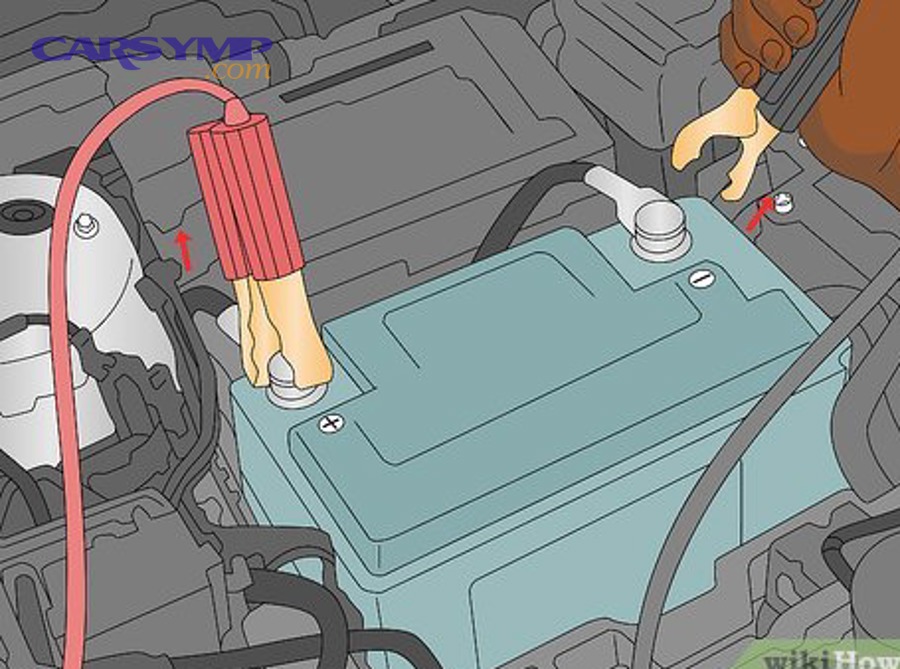
What Are the Key Differences Between a Battery and Alternator Issue?
- Battery Issues: Typically caused by age, corrosion, or a lack of charge, dead batteries can be easily replaced.
- Alternator Issues: A faulty alternator causes the battery to lose charge quickly, requiring replacement or repair to ensure proper power distribution.
How Can You Test the Alternator to Confirm if It’s the Issue?
Testing the alternator involves checking the output voltage with a voltmeter. When the car is running, the voltage should read between 13.8V and 14.8V. If the reading is lower, the alternator is likely the problem.
What to Do if You Have Both a Bad Alternator and a Dead Battery?
In this case, you’ll need to replace both components. A mechanic will typically recommend replacing the alternator first to ensure it’s properly charging the new battery.
Can an Alternator Be Repaired or Should It Be Replaced?
In most cases, replacing the alternator is more cost-effective and reliable than attempting to repair it. If the alternator is showing signs of significant damage, such as worn-out bearings or a short circuit, replacement is usually the best option.