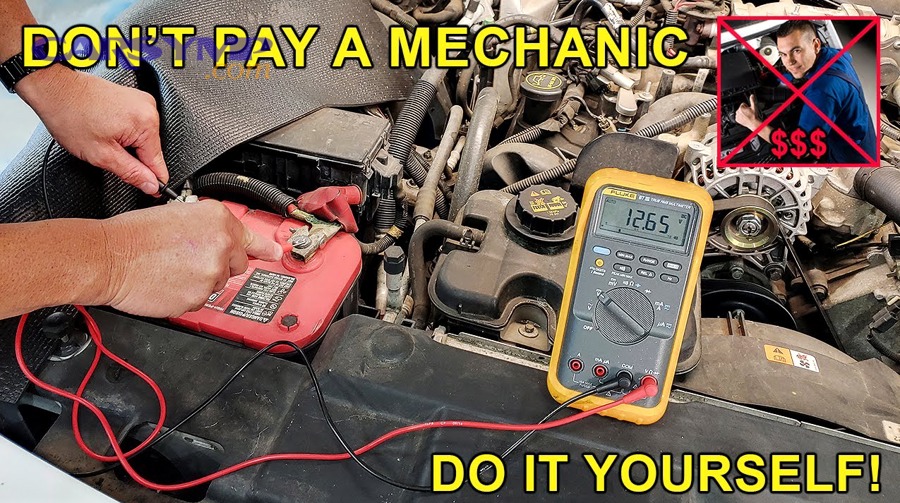
A parasitic battery drain occurs when your car battery is being drained even when your vehicle is off. This gradual loss of power can leave you with a dead battery, which often leads to frustration and uncertainty about the cause. Understanding how parasitic drain works is crucial for car owners who want to avoid battery failure and ensure their car remains reliable.
In many cases, parasitic battery drain results from electrical components that continue to draw power when the engine is off, such as the car alarm or the radio. But it can also stem from a variety of other sources, including faulty wiring or malfunctioning components. By learning how to detect and diagnose this issue, car owners can prevent unnecessary battery replacement and ensure their vehicle is functioning optimally.
Another critical aspect is learning the common symptoms of parasitic drain, which can range from a dead battery to dimming headlights and electrical malfunctions. If you notice these signs, it might be time to investigate further. Identifying these symptoms early can help save time, effort, and money.
Introduce a new idea: The next step involves understanding how to effectively test for parasitic drain in your vehicle. Testing for a parasitic drain can be straightforward if you follow the right procedures and use the proper tools, such as a multimeter. In the following sections, we will break down the process into manageable steps.
What is Parasitic Battery Drain?
Parasitic battery drain occurs when electrical components in your car continue to use power while the car is turned off. This drain is typically minimal, but over time it can deplete your battery, especially if left unchecked. Commonly, things like car alarms, the stereo system, or even the ECU can keep drawing power, leading to a slow but steady battery discharge. The term “parasitic” refers to this unnecessary or abnormal power draw, which is different from normal battery usage while the car is running.
This type of drain can sometimes go unnoticed until your car won’t start because the battery has been entirely drained. Understanding parasitic drain is essential for any car owner who wishes to preserve their battery life and avoid getting stranded.
How Does Parasitic Drain Affect a Car’s Battery?
Parasitic drain can be a silent but damaging issue for your car battery. Normally, a battery in a healthy car will be charged by the alternator as the engine runs. However, when parasitic draw occurs, the battery is continuously drained, even when the car is off, which leads to a reduced battery lifespan over time. This means that while you might not notice the drain initially, you could end up with a dead battery sooner than expected.
Over time, the constant draw weakens the battery, making it less effective at holding charge. The longer the parasitic drain goes unnoticed, the faster the battery degrades, often leading to the need for a premature replacement.
What Are the Common Causes of Parasitic Battery Drain?
Several factors can lead to parasitic drain, from faulty electrical components to issues with wiring. The most common culprits include:
- Car alarms: Many car alarms continue to draw power even when the car is off.
- Radios and infotainment systems: In some cars, these systems continue to consume power even when the ignition is off.
- Faulty electrical systems: Wiring problems or malfunctioning relays can create an unintended power draw.
Understanding the sources of parasitic drain can help you pinpoint the problem more easily, potentially saving you time and money on repairs.
How to Test for Parasitic Battery Drain?
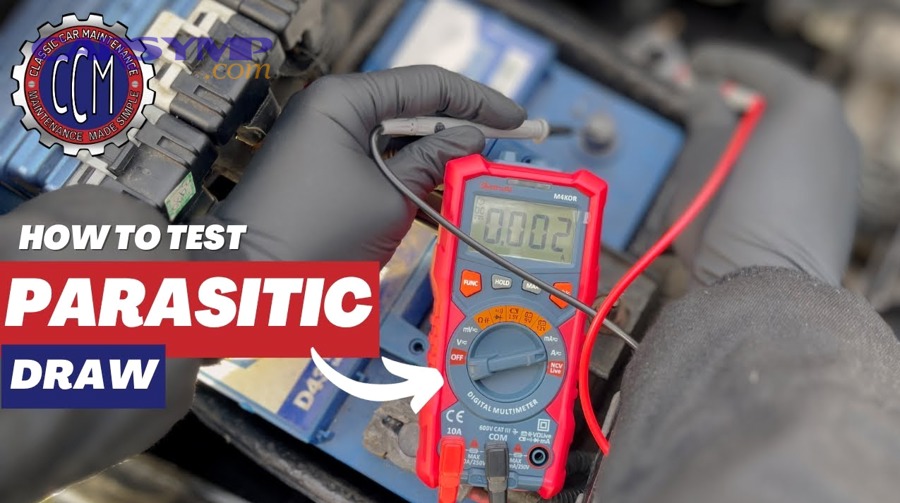
Testing for parasitic drain in your car is a process that involves using a multimeter to measure the electrical current flowing out of the battery when the car is off. Here is a step-by-step guide to performing the test:

- Disconnect the battery: Start by disconnecting the negative terminal of the car battery.
- Set up your multimeter: Set your multimeter to measure DC current (amps).
- Connect the multimeter: Attach the multimeter leads to the battery terminal and cable to measure the current draw.
- Check for unusual current: A typical parasitic drain will be under 50 milliamps. If your multimeter shows a higher reading, you likely have a parasitic drain.
This process allows you to see whether an electrical component is using too much power while the car is off. The next step is isolating the culprit by removing fuses one by one until the current draw stops.
What Tools Are Needed to Measure Parasitic Drain?
To perform an accurate parasitic drain test, you will need a few tools:
- Multimeter: This device measures the amount of current flowing from the battery.
- Fuse puller: This tool helps you remove fuses without damaging them.
- Battery terminal cleaner: To clean any corrosion that might interfere with the connection.
A multimeter is the most crucial tool for diagnosing parasitic drain, as it allows you to measure the exact current draw from your car’s electrical system.
How to Isolate the Source of Parasitic Drain?
Once you have identified that there is a parasitic drain, the next step is to isolate which component is causing the problem. The process involves removing each fuse one by one and checking the multimeter reading after each removal. When you find that the current draw stops, you’ve pinpointed the component responsible for the drain.
If you are not able to identify the problem yourself, it’s a good idea to take your vehicle to a mechanic or an automotive electrician, as they have the experience and tools needed to diagnose the issue quickly.
What Are the Symptoms of Parasitic Battery Drain?
There are several symptoms that can indicate your car is suffering from parasitic drain. These symptoms include:
- Dead battery: If your car won’t start after leaving it parked for a while, the most common cause could be parasitic drain.
- Headlights dim and electrical signs: A noticeable symptom of parasitic drain is dimming headlights or other electrical malfunctions.
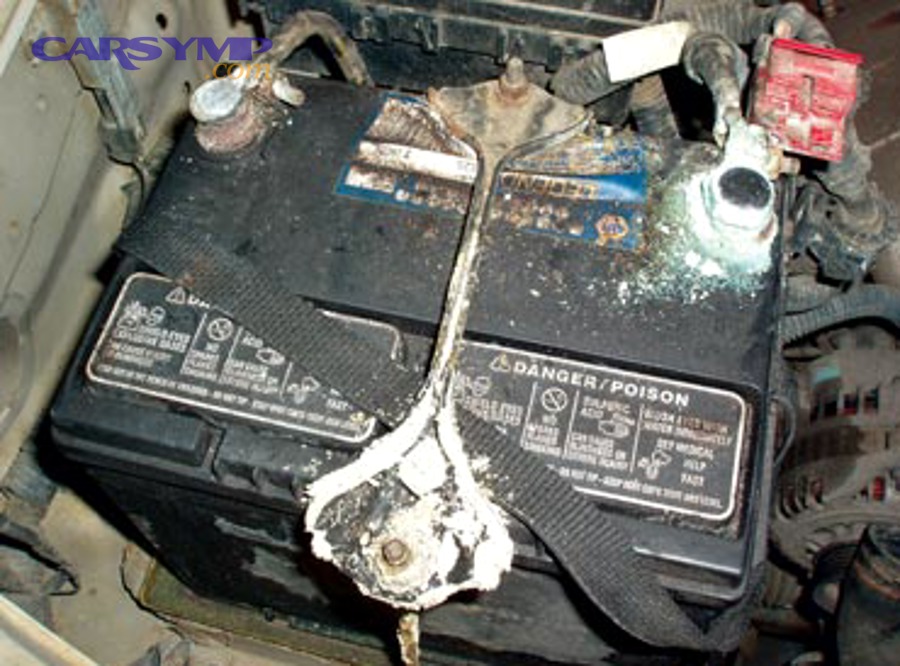
- Corroded terminals and loose cables: If you see corrosion or loose cables, these can often be associated with electrical issues causing parasitic drain.
Recognizing these symptoms early can save you from being stranded with a dead battery and help you avoid the cost of replacing a battery prematurely.
What Can You Do to Prevent Parasitic Battery Drain?
The best way to prevent parasitic battery drain is by regularly maintaining your car’s electrical system. Here are a few tips:
- Turn off all electronics: Before leaving your car, make sure all electronics, like the radio and lights, are turned off.
- Check the battery and wiring: Regularly inspect your battery terminals and wiring for any signs of corrosion or loose connections.
- Consider a battery disconnect switch: If you’re leaving your car for an extended period, a battery disconnect switch can prevent the battery from being drained.
Preventative maintenance is key to extending the lifespan of your car battery and avoiding parasitic drain.
Conclusion
Parasitic battery drain is a hidden issue that can cause frustration and unnecessary costs. By understanding what it is, how to test for it, and how to prevent it, car owners can ensure that their battery remains in good condition and their vehicle stays reliable. Regular maintenance and timely diagnosis of electrical issues are essential for avoiding the inconvenience of a dead battery.