


OEM spark plugs deliver superior precision, longevity, and fuel economy optimization compared to most aftermarket options, making them the optimal choice for vehicle owners prioritizing long-term value, though premium aftermarket brands can offer competitive performance at reduced upfront costs. The decision between these two categories hinges on material quality, manufacturing tolerances, total ownership costs, and your specific vehicle requirements.
Understanding the fundamental differences between OEM and aftermarket spark plugs enables car owners to make evidence-based decisions rather than relying on price alone. These components differ significantly in material purity, electrode precision, ceramic insulator quality, and interference suppression capabilities—factors that directly impact engine performance and maintenance costs.
Material composition separates quality spark plugs from budget alternatives, with OEM manufacturers using high-purity platinum-iridium alloys and precision-engineered ceramic insulators while many aftermarket producers cut costs through inferior materials and reduced manufacturing tolerances. This quality gap translates into measurable differences in plug lifespan, fuel efficiency, and engine compatibility.
The true cost comparison extends far beyond the checkout price, encompassing fuel economy impacts, replacement frequency, and potential engine damage from improper fitment. Next, let’s explore the specific definitions and characteristics that distinguish these two spark plug categories.
What Are OEM and Aftermarket Spark Plugs?
OEM spark plugs are ignition components manufactured by or for the original vehicle manufacturer, designed to exact factory specifications with materials and tolerances that match the engine’s engineering requirements. Aftermarket spark plugs are produced by third-party manufacturers as replacement options, varying widely in quality from premium brands matching OEM standards to budget alternatives using cost-reduced materials and looser manufacturing tolerances.
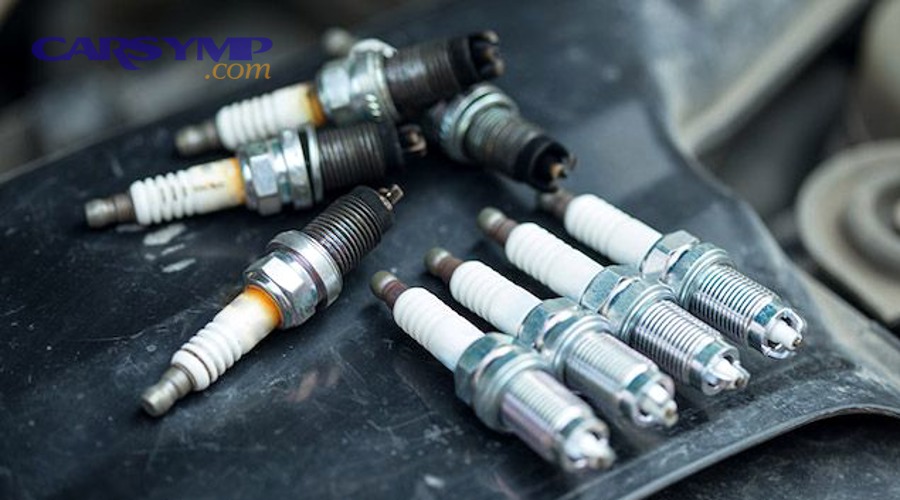
To better understand these categories, examining their manufacturing origins and quality control processes reveals why performance differences emerge.
What Makes a Spark Plug “OEM” vs “Aftermarket”?
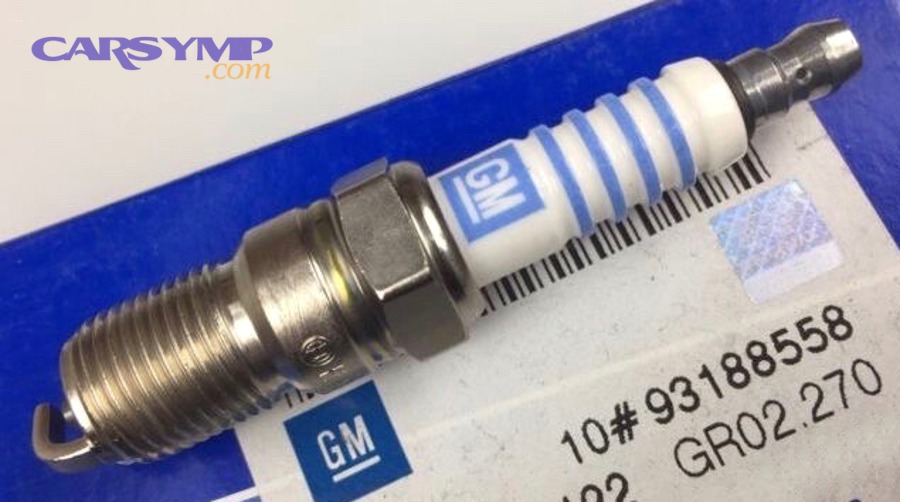
OEM spark plugs originate from the vehicle manufacturer’s supply chain, either produced in-house or manufactured by contracted suppliers like NGK, Denso, or Bosch to the automaker’s exact specifications. These plugs carry the vehicle manufacturer’s branding—Toyota, Ford, GM, Mazda—and are engineered specifically for each engine model’s compression ratio, combustion chamber design, and performance targets. The manufacturer maintains strict quality control over materials, tolerances, and testing protocols to ensure consistency across production runs.
Aftermarket spark plugs come from independent manufacturers who produce replacement parts for multiple vehicle brands without direct automaker oversight. Interestingly, many aftermarket plugs come from the same factories that produce OEM components—NGK manufactures both Mazda-branded OEM plugs and NGK-branded aftermarket plugs. The critical distinction lies in the specifications: OEM-branded plugs must meet the vehicle manufacturer’s exact standards, while aftermarket versions may use the same basic design with modified materials or tolerances to reduce production costs and offer lower retail prices.
This manufacturing relationship creates a quality spectrum within the aftermarket category. Premium aftermarket brands like NGK, Denso, and Bosch maintain high standards comparable to OEM specifications, while budget aftermarket producers prioritize cost reduction over precision engineering. The vehicle manufacturer’s involvement in specification development and quality oversight fundamentally separates OEM plugs from even high-quality aftermarket alternatives.
Are All Spark Plugs Functionally the Same?
All spark plugs perform the same fundamental function—igniting the air-fuel mixture in the combustion chamber—but their execution of this task varies dramatically based on material quality, dimensional precision, and engineering sophistication. The core principle remains identical: electrical current flows through the center electrode, creating a spark across the gap to the ground electrode, but the efficiency, consistency, and longevity of this process differ substantially between quality tiers.
The misconception that spark plugs are commodity parts stems from their simple appearance and basic function, yet modern engines operate with tolerances measured in hundredths of millimeters and combustion pressures exceeding 1,000 PSI. A spark plug’s electrode gap must maintain precise dimensions through millions of ignition cycles, the ceramic insulator must prevent electrical leakage at temperatures exceeding 1,500°F, and the plug body must fit the combustion chamber with exact length specifications to avoid piston or valve interference.
Material differences create substantial performance variations even when plugs appear identical. High-purity iridium electrodes resist erosion far better than low-grade platinum alloys, maintaining consistent spark gaps for 120,000 miles compared to 60,000 miles for cheaper alternatives. Ceramic insulator composition affects fracture resistance during installation and thermal cycling, while nickel-plated threads prevent seizing and enable clean removal after extended service intervals. These material and engineering differences translate into real-world outcomes: fuel economy variations of 2-5%, power output differences, and potential engine damage from dimensional inconsistencies.
How Do OEM and Aftermarket Spark Plugs Differ in Quality and Materials?
OEM spark plugs utilize higher-purity electrode materials, tighter manufacturing tolerances, and superior component quality compared to most aftermarket alternatives, with OEM manufacturers specifying 99.9% pure platinum-iridium alloys, precision-ground ceramic insulators, and nickel-plated shells while budget aftermarket producers often use lower-grade alloys, thinner coatings, and relaxed dimensional standards to reduce costs. This quality gap manifests in measurable differences across critical components: electrode composition, insulator integrity, thread coating, and interference suppression capabilities.
Specifically, examining each component reveals where aftermarket manufacturers compromise quality to achieve lower prices.
What Material Differences Exist Between OEM and Aftermarket Plugs?
The electrode composition represents the most significant material difference, with OEM spark plugs featuring center electrodes made from high-purity platinum-iridium alloys containing 99.7-99.9% pure metals. These precious metals resist erosion from millions of high-temperature combustion events, maintaining consistent electrode dimensions and spark gaps throughout their 90,000-120,000 mile service life. Budget aftermarket manufacturers substitute lower-purity alloys—sometimes as low as 85-90% platinum content—or apply thinner precious metal tips over copper cores, reducing material costs by 40-60% while cutting service life by similar percentages.
Ceramic insulator quality varies dramatically between OEM and aftermarket plugs, affecting both performance and reliability. OEM insulators use high-alumina ceramic compounds (typically 95-99% aluminum oxide) fired at precisely controlled temperatures to create dense, fracture-resistant structures that withstand thermal shock and mechanical stress during installation. These insulators maintain electrical integrity across temperature ranges from -40°F to over 1,800°F. Many aftermarket plugs use lower-grade ceramics with reduced alumina content and less stringent firing processes, resulting in insulators more prone to cracking during installation or thermal cycling—a failure that can drop ceramic fragments into the combustion chamber and cause catastrophic engine damage.
Nickel coating thickness and coverage separate premium from budget spark plugs in ways invisible to casual inspection. OEM plugs feature nickel-plated steel shells with coating thickness of 10-15 microns applied through electroplating processes that ensure complete thread coverage. This nickel layer prevents corrosion from combustion byproducts and anti-seize compounds while reducing the coefficient of friction to enable clean removal after 100,000+ miles of service. Budget aftermarket plugs often apply nickel coatings as thin as 2-5 microns or omit them entirely on non-visible surfaces, leading to corrosion, thread galling, and plugs that seize in cylinder heads and require drilling for removal.
The interference suppression resistor—a component most car owners never see—affects electronic system function throughout modern vehicles. OEM spark plugs incorporate precision resistors (typically 5,000 ohms with ±20% tolerance) that suppress electromagnetic interference generated during spark events, preventing disruption to engine control modules, entertainment systems, navigation units, and safety systems like ABS and stability control. Many aftermarket plugs use cheaper resistors with wider tolerances or inferior construction that degrades over time, potentially causing electronic malfunctions ranging from radio static to engine management errors.
How Do Manufacturing Tolerances Compare?
Length precision determines whether spark plugs fit safely within modern engine combustion chambers, where clearances between electrodes and moving pistons or valves measure as little as 0.050 inches at top dead center. OEM spark plugs maintain overall length tolerances of ±0.005 inches (five thousandths), ensuring electrodes position precisely within the combustion chamber for optimal flame kernel development without risk of mechanical interference. Budget aftermarket manufacturers often relax tolerances to ±0.020 inches or greater, deliberately biasing toward shorter plugs to avoid catastrophic piston contact while accepting reduced combustion efficiency from electrodes positioned too far from the optimal flame propagation point.
Electrode gap accuracy directly impacts ignition timing, combustion efficiency, and fuel economy. OEM plugs leave the factory with gaps preset to within ±0.002 inches of specification, typically 0.039-0.043 inches for modern engines, and the electrodes maintain parallel alignment that ensures consistent spark characteristics. This precision enables engine control modules to calculate ignition timing with accuracy measured in tenths of degrees of crankshaft rotation. Aftermarket plugs may ship with gap variations of ±0.010 inches or more, and budget options sometimes show visibly non-parallel electrodes that create inconsistent spark patterns and reduce combustion efficiency by 3-7%.
Thread quality affects both installation reliability and long-term removability. OEM spark plug threads are precision-cut to exact M14x1.25 or M12x1.25 specifications with class 6g tolerances, ensuring proper engagement with cylinder head threads without cross-threading risk and creating gas-tight seals that prevent combustion pressure leakage. These threads undergo deburring and inspection processes that eliminate manufacturing defects. Budget aftermarket plugs may use looser tolerances, skip deburring steps, and show thread irregularities that increase installation difficulty and raise the risk of expensive thread damage to aluminum cylinder heads.
The reach dimension—the length of threaded portion that screws into the cylinder head—must match exactly to position the electrodes correctly and prevent heat buildup in exposed thread sections. OEM plugs maintain reach specifications within ±0.005 inches, while aftermarket variations of ±0.020 inches can create hot spots on exposed threads (if too short) or piston interference (if too long). This seemingly minor variation affects heat dissipation characteristics and can cause pre-ignition or detonation in extreme cases.
Do Aftermarket Plugs Use Inferior Components?
Aftermarket spark plugs span a wide quality spectrum from premium products matching OEM specifications to budget alternatives that compromise critical components to achieve 40-70% price reductions. Premium aftermarket brands like NGK, Denso, and Bosch manufacture plugs to standards comparable with OEM requirements, using similar materials and tolerances—these companies often supply OEM plugs to vehicle manufacturers under private labeling agreements. The quality degradation occurs primarily in budget and no-name aftermarket brands sold through discount retailers and online marketplaces.
Cost-cutting measures in budget aftermarket production concentrate on materials invisible to buyers at point of purchase. Manufacturers substitute lower-purity precious metals for electrode tips, reducing iridium or platinum content from 99%+ to 85-90% or applying thinner coatings over copper cores. They use cheaper ceramic compounds with reduced alumina content, lower firing temperatures, and faster production cycles that create more porous insulators prone to fracture. Thread coatings shrink from full nickel plating to thin flash coatings or elimination entirely, and resistor construction shifts from precision components to tolerance-relaxed alternatives that may degrade within 30,000-50,000 miles.
Quality variation among aftermarket brands creates a challenging buying environment where brand recognition becomes essential. A premium NGK aftermarket plug may exceed some OEM specifications through advanced designs like multiple ground electrodes or fine-wire iridium tips, while a discount brand plug at one-quarter the price may fail within 20,000 miles despite identical packaging claims of “premium platinum” or “long-life iridium.” The aftermarket category encompasses both superior upgrade options and inferior budget alternatives within the same retail shelf space.
The difficulty in distinguishing quality at purchase drives many automotive professionals toward OEM recommendations despite premium aftermarket equivalence. Without materials analysis equipment, buyers cannot verify precious metal purity, ceramic quality, or resistor specifications, making brand reputation the primary quality indicator. This information asymmetry enables low-quality manufacturers to exploit consumer price sensitivity while premium aftermarket brands struggle to differentiate their legitimate quality advantages from budget competitors’ marketing claims.
Which Spark Plugs Last Longer: OEM or Aftermarket?
OEM spark plugs typically deliver 90,000-120,000 mile service life through high-purity electrode materials and precision manufacturing, while aftermarket longevity ranges from 30,000 miles for budget options to 100,000+ miles for premium brands, with the quality variance creating a reliability spectrum where OEM plugs provide predictable replacement intervals and budget aftermarket alternatives often fail prematurely. This lifespan difference stems directly from material purity, electrode design, and manufacturing quality control.
More specifically, examining expected service intervals and failure patterns reveals the practical implications of these longevity differences.
What Is the Expected Lifespan of Each Type?
OEM spark plugs carry manufacturer-specified replacement intervals based on extensive durability testing under real-world operating conditions. Platinum-tipped OEM plugs typically warrant 90,000-100,000 mile replacement intervals, while iridium-tipped versions extend to 120,000 miles or more, with some manufacturers specifying “lifetime” replacement at 150,000 miles for vehicles using advanced iridium designs. These intervals reflect conservative estimates that account for various operating conditions, fuel quality variations, and engine wear patterns, ensuring plugs maintain optimal performance throughout their service life.
Premium aftermarket plugs from established manufacturers like NGK, Denso, and Bosch specify similar longevity claims—100,000-120,000 miles for iridium plugs, 60,000-80,000 miles for platinum—based on their own testing protocols. These brands use comparable materials and manufacturing processes to OEM suppliers, often producing the same plugs sold under vehicle manufacturer branding. Real-world experience from professional mechanics confirms these premium aftermarket plugs frequently match or exceed OEM service life when properly installed and maintained.
Budget aftermarket plugs rarely specify service intervals beyond vague claims of “extended life” or “long-lasting performance,” a marketing omission that reflects uncertainty about actual durability. Field experience suggests these plugs deteriorate significantly faster than premium alternatives, with electrode erosion, gap widening, and insulator degradation appearing at 30,000-50,000 miles—less than half the service life of quality alternatives. The cost savings at purchase evaporate when replacement frequency doubles or triples over the vehicle’s lifetime.
Factors affecting plug life include driving patterns, fuel quality, engine condition, and installation practices. Short-trip driving with frequent cold starts accelerates electrode erosion compared to highway operation, while low-quality gasoline containing excessive additives or contaminants promotes carbon fouling. Engines with oil consumption issues or rich fuel mixtures shorten plug life regardless of quality, and improper installation torque can damage insulators or threads. However, material quality determines the baseline durability that these factors degrade—premium materials withstand adverse conditions far better than budget alternatives.
Why Do Some Aftermarket Plugs Fail Prematurely?
Material degradation patterns differ dramatically between high-quality and budget spark plugs, with premature failures typically resulting from electrode erosion, insulator fracture, or resistor degradation. Low-purity platinum or iridium electrodes erode quickly under the extreme temperatures and chemical environment inside combustion chambers, where each ignition event subjects the electrode tip to temperatures exceeding 3,000°F and corrosive combustion byproducts. As electrode material vaporizes and erodes, the spark gap widens beyond specification, requiring higher voltage to jump the increasing distance and creating progressively weaker spark energy until misfires occur.
Insulator fractures represent catastrophic failures that can destroy engines if ceramic fragments enter the combustion chamber during operation. Budget aftermarket plugs using lower-grade ceramics or inadequate firing processes create insulators with microscopic stress points and reduced fracture toughness. These weaknesses may not appear during initial installation but manifest during thermal cycling as the engine heats and cools repeatedly, eventually causing cracks that propagate through the insulator body. A fractured insulator allows combustion pressure to escape past the plug body while potentially dropping ceramic shards onto piston tops, where they act as abrasives that score cylinder walls and damage rings.
Resistor degradation occurs gradually in budget plugs as the carbon composition resistor breaks down from electrical stress and thermal cycling. As resistance values drift outside design specifications—either increasing substantially or decreasing toward short-circuit conditions—electromagnetic interference increases, potentially causing radio static, check engine lights from false sensor signals, or engine management system malfunctions. This degradation mode rarely causes complete ignition failure but creates frustrating electrical gremlins that defy diagnosis until plug replacement eliminates symptoms.
Real-world failure examples from automotive forums and professional mechanics include NGK aftermarket plugs sourced from questionable suppliers failing at 13,000 miles with severe electrode erosion, budget plugs causing misfires after single-season use in severe climates, and no-name brands showing visible insulator cracks during routine inspections at 25,000 miles. These failures share common origins in substandard materials, inadequate quality control, and manufacturing shortcuts that prioritize cost reduction over durability. Counterfeit plugs—fake versions of premium brands sold through gray-market channels—represent an additional failure category affecting aftermarket purchases, as these forgeries use the cheapest possible materials regardless of package labeling.
How Do OEM vs Aftermarket Spark Plugs Compare in Cost?
OEM spark plugs cost $8-25 per plug depending on vehicle and material type, while aftermarket options range from $3-20 per plug with premium brands pricing near OEM levels and budget alternatives offering 50-70% discounts, but the true cost comparison requires evaluating total ownership expenses including fuel economy impact, replacement frequency, and potential repair costs from failures or improper fitment. The cheapest plug at checkout frequently becomes the most expensive choice over a 5-year ownership period.
To illustrate these cost dynamics, examining both upfront pricing and long-term economic impacts reveals where apparent savings become hidden expenses.
What Is the Price Difference at Purchase?
OEM spark plug pricing varies by vehicle manufacturer and material specification, with copper or standard platinum plugs typically priced at $8-12 each through dealer parts departments, premium iridium versions commanding $15-25 each, and specialized high-performance applications reaching $30+ per plug. These prices reflect manufacturer markup, dealer overhead, and the quality assurance of genuine parts with warranty backing. Online OEM parts retailers offer discounts of 20-40% compared to dealer counters, bringing quality OEM plugs into the $6-18 range for most applications.
Premium aftermarket brands occupy similar price territory to discounted OEM parts, with NGK, Denso, and Bosch plugs priced at $5-15 each through auto parts retailers. These established brands maintain pricing power through quality reputation and performance validation, understanding that professional mechanics and knowledgeable consumers will pay reasonable premiums for proven reliability. Their pricing strategies position products slightly below OEM retail while maintaining margins sufficient for quality materials and manufacturing processes.
Budget aftermarket plugs create the apparent bargain category at $2-6 per plug, with no-name brands and discount store house brands promising equivalent performance at fraction costs. These prices enable complete 4-cylinder plug replacements for under $20 or V8 applications for under $40, compared to $80-200 for OEM equivalents. The temptation proves irresistible for budget-conscious consumers focused on immediate expense rather than long-term value, particularly when packaging features similar claims about “premium platinum” or “extended life” performance.
Where to find best prices varies by plug type and buyer priorities. OEM plugs source most economically through online parts retailers like PartsGeek, RockAuto, or manufacturer-specific vendors offering wholesale pricing to retail customers. Premium aftermarket plugs appear at competitive prices through auto parts chains during promotional periods or via online retailers like Amazon and RockAuto. Budget aftermarket options proliferate across discount retailers, but finding legitimate premium brands at true discounts requires careful vendor verification to avoid counterfeit products disguised in authentic-looking packaging.

Do Cheaper Spark Plugs Actually Save Money?
Cheaper spark plugs create false economy through reduced fuel efficiency, increased replacement frequency, and potential repair costs that collectively exceed any upfront savings. The most significant hidden cost comes from fuel economy degradation—even a modest 2% reduction in MPG costs the average driver $37.50 per year assuming 15,000 miles annually at $3 per gallon and 24 MPG baseline. Over a typical 5-year vehicle ownership period with budget plugs causing 2-4% efficiency loss, fuel waste totals $187.50-375, exceeding the $20-40 saved purchasing cheaper plugs by nearly 10-fold.
Fuel economy impact calculations reveal the mathematical reality behind this hidden expense. Consider a vehicle averaging 24 MPG driving 15,000 miles annually with gasoline at $3 per gallon—baseline fuel costs equal $1,875 yearly. Budget aftermarket plugs with improper gaps, shorter electrodes, or lower-quality materials reduce combustion efficiency by an estimated 2-5%, dropping fuel economy to 23.5-22.8 MPG. This seemingly small decrease raises annual fuel costs to $1,915-1,974, an increase of $40-99 per year that compounds over multiple years while the vehicle operates with degraded plugs.
Replacement frequency costs multiply when budget plugs fail at 30,000-50,000 miles instead of lasting 90,000-120,000 miles like quality alternatives. A vehicle requiring spark plug replacement at 40,000-mile intervals instead of 100,000 miles incurs 2.5 times more labor costs over 200,000 miles of ownership—if shop labor runs $200 for plug replacement, the budget choice costs an extra $300 in labor alone compared to extended-life alternatives. Vehicles with difficult plug access—V6 and V8 engines requiring intake manifold removal or located behind transverse-mounted engines—see labor costs of $400-800 per service, making premature replacement frequency extremely expensive.
Hidden costs of poor fitment include potential engine damage from plugs with incorrect reach specifications causing piston contact, stripped threads in aluminum cylinder heads from improperly manufactured plug bodies requiring expensive HeliCoil repairs at $150-300 per hole, and diagnostic labor to identify mysterious check engine lights caused by defective interference suppression resistors. These catastrophic scenarios occur rarely but exclusively with budget aftermarket plugs, never with properly manufactured OEM or premium aftermarket alternatives, representing tail-risk expenses that can exceed $2,000-3,000 for worst-case failures.
A five-year total ownership comparison demonstrates the complete financial picture:
| Cost Category | OEM/Premium Aftermarket | Budget Aftermarket |
|---|---|---|
| Initial Purchase (4 plugs) | $60 | $20 |
| Fuel Economy Loss (5 years) | $0 | $187.50-375 |
| Additional Replacement | $0 | $60-120 |
| Additional Labor | $0 | $200-400 |
| Risk of Damage | Minimal | $0-2,500 |
| Total 5-Year Cost | $60 | $467.50-3,415 |
This analysis assumes conservative fuel economy impact and excludes catastrophic failure scenarios, yet still demonstrates budget plugs cost 7-50 times more than quality alternatives over realistic ownership periods.
When Does Aftermarket Make Financial Sense?
Aftermarket spark plugs make financial sense in three specific scenarios: high-mileage vehicles approaching end-of-service life, premium aftermarket upgrades for performance applications, and situations where OEM parts face extended backorders or discontinuation. High-mileage vehicle considerations apply when total remaining service life appears unlikely to exceed the budget plug’s reduced lifespan—if a vehicle with 180,000 miles needs plugs and faces retirement at 200,000 miles, investing in 120,000-mile OEM plugs provides unnecessary longevity the vehicle won’t utilize.
Budget constraint scenarios justify aftermarket selection when immediate transportation needs override long-term optimization. A vehicle owner facing unexpected plug failure but limited to $50 total repair budget might reasonably choose $20 in budget plugs plus DIY installation over delaying repair while saving for $80 OEM parts plus professional installation. This decision accepts reduced longevity and efficiency as necessary compromises to maintain basic transportation function, understanding the trade-offs involved.
Short-term ownership situations—vehicles purchased for temporary use, fleet applications with planned replacement schedules, or cars being sold within months—reduce the importance of long-term durability and efficiency. If plug replacement becomes necessary on a vehicle scheduled for disposal in 6-12 months, the buyer receives no benefit from 100,000-mile longevity and minimal impact from slight efficiency reductions, making budget alternatives rational choices that reduce costs without affecting the limited remaining service period.
However, even in these scenarios, mid-tier aftermarket plugs from reputable brands represent better choices than bottom-tier budget options, offering reasonable quality at moderate prices that avoid the worst failure risks while maintaining some cost savings. A $5-6 NGK or Denso aftermarket plug provides far better value than a $2-3 no-name alternative while still saving 40-50% compared to OEM pricing.
How Do Spark Plug Choices Affect Engine Performance and Fuel Economy?
Spark plug quality directly impacts engine performance through ignition efficiency, combustion completeness, and flame propagation speed, with OEM and premium plugs delivering 2-5% better fuel economy, smoother idle quality, improved throttle response, and cleaner emissions compared to budget alternatives that create weaker spark energy, inconsistent ignition timing, and incomplete combustion. These performance differences manifest most noticeably during cold starts, acceleration events, and sustained high-load operation.
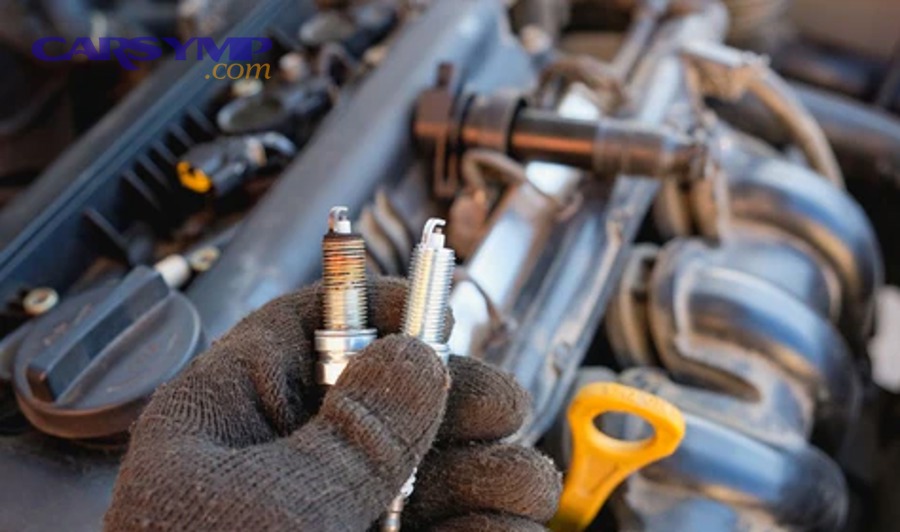
Specifically, examining both performance characteristics and quantifiable fuel economy changes reveals the practical impacts of plug selection on daily driving.
What Performance Differences Can You Expect?
Ignition efficiency comparisons between quality and budget spark plugs show measurable differences in spark energy, voltage requirements, and flame kernel development. Premium plugs with precision-ground electrodes and optimal gap specifications create strong, consistent spark kernels that ignite the air-fuel mixture completely within the design timing window, enabling the engine control module to optimize ignition advance for maximum efficiency. Budget plugs with oversized gaps, eroded electrodes, or misaligned ground electrodes require higher voltage to create weaker sparks that may ignite fuel inconsistently, forcing the ECM to retard timing for safety margins that reduce power output and efficiency.
Combustion quality impact manifests through hydrocarbon emissions, cylinder pressure curves, and power delivery smoothness. Proper spark plug function initiates combustion at the precise crankshaft angle where expanding combustion gases push pistons downward with maximum mechanical advantage, converting chemical energy into rotational force efficiently. When spark plugs fire inconsistently or create weak ignition events, some air-fuel mixture burns incompletely or ignites too early/late, reducing cylinder pressure, increasing unburned hydrocarbon emissions, and creating rough engine operation felt as vibration or hesitation.
Power delivery differences appear most dramatically during full-throttle acceleration, where maximum fuel flow and ignition advance push spark plugs to their performance limits. Quality plugs maintain consistent ignition under high cylinder pressures exceeding 1,000 PSI and extreme electrode temperatures, delivering smooth power curves and responsive acceleration. Budget plugs may misfire intermittently under these conditions as eroded electrodes struggle to generate sufficient spark energy, creating hesitation, reduced peak power, and occasionally triggering check engine lights from detected misfires.
Cold start performance separates quality from budget plugs during the most demanding ignition conditions—low temperatures, rich fuel mixtures, and minimal electrode heat. OEM and premium plugs feature electrode designs and materials optimized for reliable ignition when engine temperatures sit at ambient conditions and fuel vaporization remains poor. Budget alternatives with improper heat ranges or inferior electrode materials may struggle during cold starts, creating extended cranking times, rough initial operation, or failed starts in extreme cold.
How Much Does Fuel Economy Change?
Percentage impact on MPG from spark plug quality typically ranges from 2-5% under normal driving conditions, with larger variations appearing in specific scenarios like sustained highway operation versus stop-and-go city driving. This seemingly modest percentage translates into significant fuel consumption over time—a vehicle averaging 25 MPG that drops to 24 MPG from suboptimal plugs consumes an additional 25 gallons annually over 15,000 miles, directly costing $75 at $3 per gallon prices.
Annual fuel cost calculations demonstrate the cumulative impact across typical ownership periods. Using realistic assumptions—15,000 annual miles, $3.50 per gallon fuel pricing, and 24 MPG baseline—a 3% fuel economy reduction from budget plugs costs $65.60 yearly in extra fuel. Over a 5-year ownership period, this totals $328 in fuel waste, while over 100,000 miles of vehicle life the cumulative cost reaches $437. These calculations assume consistent degradation, but budget plugs typically worsen over time as electrodes erode further, potentially increasing fuel economy loss from 3% initially to 5-7% before spark plug replacement becomes mandatory.
Long-term economic impact extends beyond fuel costs alone to include the replacement frequency multiplier effect. If budget plugs require replacement every 40,000 miles versus 100,000 miles for quality alternatives, a vehicle driven to 200,000 miles needs 5 plug replacements instead of 2—adding 3 extra service events. At $200 per service including labor for a 4-cylinder engine, this adds $600 in maintenance costs. Combined with the $437 in fuel waste calculated above, the total economic penalty exceeds $1,000 over the vehicle’s life compared to using quality plugs continuously.
EPA compliance considerations affect automakers who must achieve fleet-average fuel economy targets to avoid fines under Corporate Average Fuel Economy regulations. This regulatory pressure drives manufacturers to specify high-quality spark plugs that maximize combustion efficiency and minimize fuel consumption, as even 0.5% fleet-wide improvements save millions in potential penalties. Consumers benefit from this regulatory framework through OEM plug specifications optimized for efficiency rather than cost minimization, though these benefits disappear when owners substitute budget aftermarket alternatives.
According to testing conducted by the Department of Energy and EPA, worn or improperly functioning spark plugs can reduce fuel economy by up to 30% in extreme cases of severe electrode erosion or multiple cylinder misfires, though typical degradation from budget plugs causes 2-5% losses under normal operation.
Which Spark Plugs Should You Choose for Your Vehicle?
You should choose OEM spark plugs for most applications due to their guaranteed compatibility, optimal performance, and proven reliability, unless you’re using premium aftermarket brands like NGK, Denso, or Bosch that meet or exceed OEM specifications, or your vehicle presents special circumstances like imminent retirement, discontinued OEM parts, or performance modification requirements. This decision prioritizes long-term value over upfront cost savings and ensures proper engine function throughout the plug’s service life.
Let’s explore the specific scenarios where OEM remains mandatory versus situations where alternatives become acceptable.
Should You Always Use OEM Spark Plugs?
OEM spark plugs become mandatory in three primary situations: vehicles under manufacturer warranty, high-performance or specialty engines with specific requirements, and applications where maximum reliability trumps all other considerations. Warranty compliance represents a legal and financial consideration—many manufacturer warranties contain provisions requiring OEM parts for maintenance items, and using aftermarket components can provide grounds for warranty claim denials if subsequent failures occur. The potential cost of a denied $3,000-8,000 powertrain warranty claim far exceeds any savings from aftermarket plugs.
High-performance engines with turbochargers, superchargers, or specialized compression ratios often specify spark plugs engineered for exact heat range, electrode configuration, and materials. Mazda’s SkyActive engines with 13:1 compression ratios require specific heat range plugs to prevent pre-ignition, while turbocharged applications need plugs rated for extreme cylinder pressures and temperatures. Using incorrect specifications—even from quality aftermarket brands—can cause detonation, pre-ignition, or plug fouling that damages expensive forced-induction components.
Recommended OEM usage extends to situations prioritizing reliability over cost optimization: vehicles driven in extreme conditions (commercial use, severe climates, towing), owners with limited mechanical knowledge who need foolproof parts selection, and applications where spark plug access requires extensive labor (rear cylinders on transverse V6 engines, plugs behind intake manifolds). In these cases, the guaranteed compatibility and quality consistency of OEM plugs justify their premium pricing through reduced failure risk and simplified parts selection.
Exceptions to OEM-only recommendations exist when legitimate equivalent parts offer identical specifications at lower prices. Premium aftermarket plugs manufactured by OEM suppliers under different branding—NGK plugs identical to Honda OEM parts except for the label, Denso components matching Toyota specifications—provide functional equivalence at reduced cost. These situations require careful research to verify true equivalency rather than superficial similarity, but offer cost savings without compromising quality.
When Are Aftermarket Spark Plugs Acceptable?
Aftermarket spark plugs become acceptable alternatives when sourced from premium manufacturers like NGK, Denso, and Bosch that supply OEM parts to vehicle manufacturers and maintain equivalent quality standards in their aftermarket product lines. These companies manufacture spark plugs meeting or exceeding original specifications, often producing the exact same plugs sold under vehicle manufacturer branding at dealer parts counters. The key differentiator lies in research and verification—confirming the aftermarket part number matches OEM specifications for heat range, reach, thread size, and electrode configuration.
Premium aftermarket brands often offer upgrade paths unavailable through OEM channels, such as advanced electrode designs with multiple ground electrodes for enhanced ignition reliability, long-life iridium alternatives for engines originally equipped with copper or standard platinum plugs, or specialized heat ranges optimized for modified engines with increased boost pressure or compression. These upgrades provide legitimate performance or longevity improvements justified by specific application needs—replacing 60,000-mile copper plugs with 100,000-mile iridium alternatives in engines with difficult plug access reduces maintenance frequency and labor costs.
Budget-appropriate situations for aftermarket selection include high-mileage vehicles approaching end-of-service life, where investing in OEM parts with 100,000-mile longevity exceeds the vehicle’s remaining useful life. A car with 190,000 miles facing retirement at 210,000 miles receives no benefit from premium plugs outlasting the vehicle itself, making mid-tier aftermarket options reasonable compromises. However, even in these scenarios, selecting reputable brands rather than bottom-tier budget alternatives avoids reliability risks for minimal additional cost.
Vehicle age and mileage thresholds where aftermarket becomes reasonable typically start around 100,000-150,000 miles or 7-10 years of age, when the vehicle has depreciated substantially and total remaining service life uncertainty increases. Below these thresholds, OEM parts provide better value through full utilization of their longevity specifications, while above these points the probability of vehicle retirement before plug replacement intervals decreases the value of maximum-longevity components.

How Do You Match Spark Plugs to Your Driving Needs?
Daily commuter considerations prioritize reliability, fuel efficiency, and extended service intervals over ultimate performance characteristics. Commuters benefit most from OEM or premium aftermarket plugs offering 100,000+ mile longevity to minimize maintenance frequency, optimal fuel economy to reduce operating costs, and proven reliability to prevent unexpected failures during essential transportation. The cost differential between budget and quality plugs—perhaps $40-50 for a complete set—pales compared to the inconvenience of roadside breakdowns or reduced fuel efficiency costing hundreds annually.
Performance enthusiast requirements shift priorities toward maximum power delivery, high-RPM reliability, and thermal management under sustained high-load operation. Modified engines with increased compression, forced induction, or aggressive ignition timing need spark plugs with colder heat ranges to prevent pre-ignition, iridium or platinum electrodes for durability under extreme conditions, and precise gap specifications optimized for aftermarket engine management systems. These applications often require stepping beyond OEM specifications to specialty performance plugs from NGK, Denso, or aftermarket performance brands offering the thermal characteristics and durability modern OEM parts cannot provide.
High-mileage vehicle strategies balance cost containment against reliability needs, recognizing that vehicles approaching 150,000+ miles face uncertain remaining service life that may not justify premium component investments. Mid-tier aftermarket plugs from reputable manufacturers provide reasonable quality at moderate prices, avoiding both the false economy of bottom-tier budget parts and the unnecessary expense of maximum-longevity OEM components. This approach maintains reliable operation while acknowledging the vehicle may retire before premium plugs reach their full service potential.
Severe driving conditions—frequent towing, trailer hauling, commercial delivery use, operation in extreme climates, or sustained high-speed driving—increase spark plug stress through elevated combustion temperatures, extended high-load operation, and thermal cycling extremes. These applications benefit from OEM plugs or premium aftermarket alternatives specifically rated for severe service, often using colder heat ranges or upgraded electrode materials to withstand conditions exceeding normal passenger vehicle operation. Using budget plugs in severe service accelerates failure through electrode erosion, insulator stress fractures, and premature gap widening that causes misfires under load.
What Advanced Considerations Affect Spark Plug Selection?
Advanced spark plug selection factors include engine-specific requirements for high-compression or turbocharged applications, counterfeit product identification to avoid fraudulent parts, environmental compliance for emissions-controlled vehicles, and performance upgrade scenarios where specialized plugs enhance modified engines. These considerations extend beyond basic OEM versus aftermarket decisions to address specialized applications, quality verification, and optimization opportunities.

To illustrate these advanced topics, examining each specialized consideration reveals when standard selection criteria require modification.
How Do High-Compression Engines (Turbo, SkyActive) Change Spark Plug Requirements?
High-compression engines like Mazda’s SkyActive technology running 13:1-14:1 compression ratios or turbocharged applications generating 15+ PSI boost pressure create combustion chamber conditions far exceeding normal atmospheric engines, requiring spark plugs specifically engineered for extreme pressures, temperatures, and detonation resistance. These engines demand precise heat range specifications to prevent pre-ignition—spontaneous fuel ignition from hot spark plug tips before the spark event—which causes catastrophic detonation damage to pistons, rings, and connecting rods.
Specialized OEM requirements for turbocharged engines typically specify one or two heat ranges colder than naturally aspirated equivalents to compensate for elevated combustion temperatures from compressed intake air and higher specific power output. A naturally aspirated engine might use a standard heat range 6 plug, while its turbocharged variant requires heat range 7 or 8 plugs that dissipate heat more rapidly through the spark plug shell into the cylinder head. Using incorrect heat ranges—particularly hotter plugs in forced-induction engines—causes electrode overheating, tip erosion, and pre-ignition conditions that appear as engine knock or detonation.
Heat range considerations also affect electrode material selection, with iridium becoming nearly mandatory for turbocharged applications due to its superior heat resistance and erosion characteristics under extreme conditions. Platinum electrodes may prove inadequate for sustained high-boost operation, softening and eroding rapidly when exposed to cylinder pressures exceeding 1,200 PSI and temperatures above 2,000°F. Budget aftermarket plugs using questionable platinum purity or inadequate electrode dimensions fail catastrophically in these applications, sometimes within 10,000-20,000 miles.
Real-world examples include Mazda SkyActive owners experiencing severe misfire and hesitation after installing generic aftermarket plugs not designed for high-compression operation, requiring immediate replacement with OEM-specified plugs to restore normal function. Similarly, turbocharged Volkswagen, Audi, and Ford EcoBoost engines show documented failures when owners substitute incorrect heat range plugs, causing check engine lights, reduced power modes, and occasionally catastrophic engine damage from detonation. These failures underscore the critical importance of exact specification matching in high-performance applications where margin for error disappears.
How Can You Identify Counterfeit Spark Plugs?
Counterfeit spark plugs represent a growing problem in the automotive aftermarket, with sophisticated forgeries of premium brands like NGK, Denso, and Bosch appearing through online marketplaces, discount retailers, and gray-market suppliers. These fraudulent products use authentic-looking packaging, labeling, and part numbers while containing inferior materials, incorrect specifications, and dangerous construction that can damage engines or cause failures. Car Symptoms improved after replacement with genuine parts rather than counterfeits confirm the real-world impact of this fraud.
Common counterfeit sources include third-party marketplace sellers offering prices substantially below authorized dealer pricing, overseas suppliers shipping direct to consumers without regional distributor authorization, and discount retailers purchasing bulk quantities from questionable intermediaries. The appeal of 40-60% discounts compared to authorized retailers drives consumer purchases despite warning signs like unfamiliar seller names, limited return policies, or suspiciously low pricing that undercuts even legitimate wholesale costs.
Visual inspection markers help identify counterfeits but require detailed knowledge of authentic product characteristics. Genuine NGK plugs feature crisp, cleanly printed labeling with specific fonts and positioning, high-quality ceramic insulators with smooth finishes and precise coloring, and packaging with holographic security features and batch codes verifiable through manufacturer databases. Counterfeit versions often show blurred printing, misspelled words, packaging materials of lower quality, and ceramic insulators with rough finishes, color variations, or visible manufacturing defects.
Packaging authentication techniques include checking for manufacturer-specific security features like holographic labels, QR codes linking to verification databases, and batch number formats matching official patterns. NGK provides online verification tools where buyers input package codes to confirm authenticity, while Denso uses specific packaging designs with security elements difficult to replicate accurately. However, sophisticated counterfeiters increasingly copy these features, requiring multi-factor verification through authorized distributor confirmation rather than packaging inspection alone.
Performance symptoms of fake plugs include premature electrode erosion appearing within 5,000-15,000 miles, misfire conditions under load despite recent installation, ceramic insulator fractures during installation or early operation, and resistance values outside specifications causing electronic interference. These symptoms often develop gradually, making diagnosis difficult until spark plug replacement with verified genuine parts eliminates problems immediately—a pattern suggesting the original “premium” plugs were actually counterfeits.
What Are the Environmental and Emissions Differences?
Environmental impact comparisons between spark plug types extend beyond immediate vehicle emissions to include manufacturing carbon footprint, material sourcing ethics, and product lifecycle considerations. Quality OEM and premium aftermarket plugs optimize combustion efficiency to minimize unburned hydrocarbon, carbon monoxide, and nitrogen oxide emissions—the three primary pollutants regulated by EPA standards. Poor-quality plugs creating incomplete combustion or erratic ignition timing increase emissions substantially, potentially causing vehicles to fail mandatory emissions testing and contributing disproportionately to air quality degradation.
EPA compliance and testing standards require vehicle manufacturers to certify engines meet specific emissions limits over extended mileage intervals—typically 100,000-150,000 miles depending on vehicle classification and model year. These certifications assume proper maintenance with OEM-specified components including spark plugs, and substituting inferior parts can push emissions above legal thresholds. While individual vehicles rarely undergo testing after initial certification, aggregate fleet emissions from widespread use of budget aftermarket parts contribute to regional air quality problems and potentially expose manufacturers to compliance violations.
Long-term environmental cost calculations should consider the total lifecycle impact: a budget plug requiring replacement every 40,000 miles generates 2.5x more manufacturing emissions, packaging waste, and transportation carbon footprint compared to a 100,000-mile premium alternative. The false economy of cheap parts extends to environmental impact, where short-term cost savings create long-term pollution through excessive manufacturing cycles, increased vehicle emissions from poor performance, and premature disposal of failed components.
Incomplete combustion effects from malfunctioning spark plugs increase carbon monoxide emissions from 1-2 grams per mile to 3-5 grams per mile in severe cases, while unburned hydrocarbon emissions double or triple when ignition events fail to fully oxidize fuel. These emissions directly contribute to ground-level ozone formation—the primary component of smog—and reduce air quality in urban areas where vehicle density concentrates pollution. Using quality spark plugs represents a straightforward environmental responsibility requiring minimal consumer sacrifice.
When Should You Upgrade to Premium Aftermarket Plugs?
Premium aftermarket spark plug upgrades make sense when seeking performance improvements beyond OEM specifications, extending service intervals on engines with difficult plug access, or addressing specific operational challenges like fouling in high-oil-consumption engines. Multi-prong designs like Bosch Platinum+4 plugs increase ignition reliability through multiple flame kernels, improving cold starts and reducing misfire probability compared to single-ground-electrode designs, though their advantage appears primarily in marginal ignition conditions rather than normal operation.
Iridium upgrades for copper-plug engines deliver substantial value by extending replacement intervals from 30,000 miles for traditional copper to 100,000+ miles for premium iridium while improving ignition consistency and fuel economy. Engines originally equipped with copper plugs—common in vehicles manufactured before 2000—benefit dramatically from modern iridium alternatives offering superior durability, sharper electrode tips for easier ignition, and reduced voltage requirements. The upgrade cost of $15-20 per plug amortizes across 3-4x longer service life, creating positive return on investment through reduced maintenance frequency alone.
Performance applications and modifications justify specialty spark plugs when engine changes alter combustion characteristics beyond stock specifications. Turbocharged conversions require colder heat range plugs to prevent detonation, high-compression builds need precious metal electrodes for durability, and forced-induction applications benefit from specialized gap specifications optimized for elevated cylinder pressures. These upgrades require careful research and often professional consultation to match plug specifications to engine modifications, as incorrect selections can cause catastrophic failures.
Difficult-to-access engine configurations make extended-life plugs particularly valuable by reducing maintenance frequency and associated labor costs. Rear cylinders on transverse V6 engines often require removing intake manifolds or partially dropping engine cradles for plug access—labor-intensive procedures costing $400-800 at professional shops. Installing premium iridium plugs rated for 120,000 miles instead of 60,000-mile platinum alternatives eliminates one maintenance cycle over typical vehicle life, saving the labor cost while providing superior ignition performance. DIY spark plug replacement checklist items for these difficult applications should emphasize verifying plug specifications carefully since reinstallation proves costly and time-consuming.
Racing and extreme performance scenarios demand specialized plugs engineered for sustained high-RPM operation, maximum thermal resistance, and reliability under conditions no OEM plug faces. Competition-specific brands offer plugs with exotic electrode materials, custom heat ranges, and gap configurations optimized for race fuel combustion characteristics. These applications represent niche segments where standard consumer decision criteria—longevity, fuel economy, cost—become irrelevant compared to absolute performance maximization and competitive advantage.
Choosing between OEM and aftermarket spark plugs requires balancing immediate costs against long-term value, understanding material quality differences, and matching components to your vehicle’s specific requirements and your driving patterns. While premium OEM plugs deliver guaranteed compatibility and optimal performance, quality aftermarket alternatives from established manufacturers provide equivalent function at reduced prices for knowledgeable buyers. The decision ultimately hinges on prioritizing reliability and efficiency over upfront savings—a calculation where quality components consistently prove more economical over realistic ownership periods despite higher initial purchase prices.