


When it comes to vehicle diagnostics, many car owners find themselves wondering whether they should pay the dealership for a diagnostic check or seek alternatives. Dealer diagnostics are specialized services performed by authorized dealerships, and they can be essential for identifying complex issues in modern vehicles. However, understanding when it is truly worth paying for these diagnostics can help you make an informed decision, avoid unnecessary costs, and ensure the best care for your vehicle.
For complex or high-end vehicle problems, dealership diagnostics are often considered more reliable due to their specialized tools and expertise. However, for more routine issues, independent mechanics or DIY diagnostic tools may provide a more cost-effective solution. As a car owner, it is important to evaluate your situation, the type of problem, and your vehicle’s warranty to determine when paying for dealer diagnostics is a worthwhile investment.
While many car owners worry about high dealership diagnostic fees, these costs can be justified under certain circumstances, such as when the issue is covered under warranty or when a highly specialized diagnostic is required. Understanding How dealer labor rates are set and what makes dealer diagnostics unique can help you understand the value of these services.
Introduce a new idea: Now that we have a general overview of when dealer diagnostics may be necessary, let’s explore the details further to understand exactly how dealer diagnostics work and when they are truly worth the price.
What Are Dealer Diagnostics and How Do They Work?
Dealer diagnostics are specialized services provided by car dealerships to identify and diagnose issues with your vehicle. They involve the use of advanced diagnostic tools and proprietary software that are often exclusive to the dealership, making them especially useful for diagnosing issues in newer or complex vehicles. dealership service centers have access to detailed specifications, service bulletins, and other manufacturer resources that are typically not available to independent mechanics.
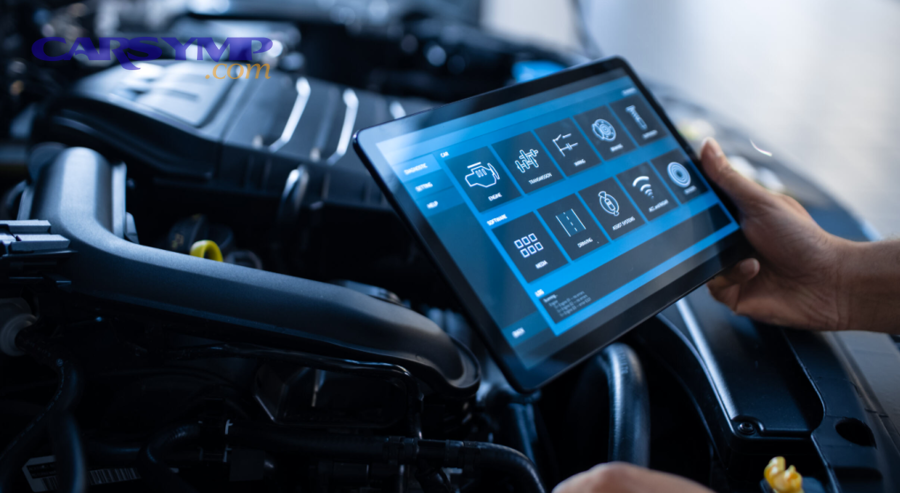
The process involves plugging a diagnostic tool into the vehicle’s onboard diagnostic system, which then communicates with the car’s computer to pull up any stored error codes. These codes can reveal a wide range of issues, from minor problems like a faulty sensor to more complex ones like engine malfunctions.
What Tools Do Dealers Use for Diagnostics?
Dealerships use advanced diagnostic tools such as manufacturer-specific scanners, which can read more detailed information than standard OBD-II scanners used by independent mechanics. These tools allow technicians to access proprietary software that provides deeper insights into the vehicle’s electronic systems, often providing more precise and accurate diagnoses.
How Are Dealer Diagnostics Different from Independent Mechanics?
While independent mechanics can provide general diagnostics using standard OBD-II scanners, dealerships have the advantage of access to proprietary tools, manufacturer resources, and specialized training. This makes dealership diagnostics particularly useful for vehicles that are still under warranty or for more complex issues that require specific expertise.
When is It Worth Paying for Dealer Diagnostics?
While dealership diagnostics can be expensive, there are certain situations where they are absolutely worth the cost. The main factors that determine whether paying for a dealer diagnostic is worth it include the complexity of the issue, the age of your car, and whether it is under warranty.
For newer cars, especially those that are still under warranty, dealer diagnostics are often necessary to maintain the integrity of the warranty. Additionally, if your car is experiencing a complex issue that requires specialized tools or expertise, dealer diagnostics can often identify the problem faster and more accurately than an independent mechanic.
Are Dealer Diagnostics Necessary for New Car Warranty?
Yes, if your vehicle is still under warranty, it’s important to have diagnostics performed by an authorized dealer to ensure that any necessary repairs are covered. Dealerships are typically the only service centers that can access manufacturer warranty information and may be required for specific repair work under warranty terms.
How Much Should You Expect to Pay for Dealer Diagnostics?
Dealer diagnostics can range from $100 to $250, depending on the complexity of the issue and the specific dealership. While this may seem high, the cost often includes more than just a basic diagnostic check—it also covers the use of proprietary software, advanced tools, and the dealership’s specialized knowledge.
What Are the Pros and Cons of Using Dealer Diagnostics?
The main advantage of dealership diagnostics is the level of expertise and access to advanced diagnostic tools that independent shops simply cannot match. However, the main disadvantage is the cost. Dealerships tend to have higher labor rates and diagnostic fees compared to independent mechanics. It’s important to weigh these costs against the potential benefits, such as faster and more accurate diagnostics, especially for newer or more complex vehicles.
How to Decide If Dealer Diagnostics Are Worth It for You
When deciding whether to pay for dealer diagnostics, it’s essential to evaluate the problem at hand, your car’s warranty status, and the cost of the diagnostic compared to alternative options. For newer vehicles under warranty, paying for a dealership diagnostic may be necessary to ensure that repairs are covered. On the other hand, for older cars or less complicated issues, an independent mechanic or DIY diagnostic tool might be a more cost-effective choice.

Should You Choose Dealer Diagnostics for Older Cars?
For older cars, dealer diagnostics might not always be necessary, especially if the issue is minor or can be addressed by an independent mechanic. However, for complex or rare issues that may require specialized tools or knowledge, dealer diagnostics may still provide a higher level of accuracy.
What Should You Consider When Choosing a Dealership for Diagnostics?
When choosing a dealership for diagnostics, consider factors such as reputation, expertise with your car’s make and model, and pricing transparency. It’s also helpful to ask whether the dealership offers estimates before proceeding with any diagnostics to avoid surprises when it comes time to pay.
Alternatives to Dealer Diagnostics for Car Owners
If you are looking for a more affordable option for diagnosing car issues, there are several alternatives to dealership diagnostics. Independent mechanics often provide similar diagnostic services at a lower cost, and DIY diagnostic tools such as OBD-II scanners are widely available for car owners who are comfortable with basic troubleshooting.

Can You Diagnose Your Car at Home?
Yes, with the right tools, car owners can diagnose many common issues themselves. OBD-II scanners are relatively affordable and can be used to read error codes, reset check engine lights, and perform basic troubleshooting.
Are Independent Mechanics Cheaper Than Dealerships for Diagnostics?
Independent mechanics often charge lower rates for diagnostics compared to dealerships, making them a more budget-friendly option for many car owners. However, they may not have access to the specialized tools and knowledge that dealerships offer, which could affect the accuracy of the diagnosis.
What Are the Risks of Avoiding Dealer Diagnostics?
Avoiding dealership diagnostics can result in missed warranty coverage or inaccurate diagnoses that may lead to unnecessary repairs. Additionally, some complex vehicle issues require dealership-level expertise to resolve effectively.