In today’s competitive automotive repair market, car owners are often torn between choosing a dealership service center or an independent mechanic for their vehicle’s needs. While dealership service centers offer the convenience of specialized knowledge and manufacturer-specific expertise, independent shops often present more cost-effective alternatives. This article explores the pros and cons of dealership service centers to help you make an informed decision for your car maintenance and repair needs.
What is a Dealership Service Center?
A dealership service center refers to the maintenance and repair service departments attached to car dealerships. These centers typically specialize in the brands sold by the dealership and are staffed by trained professionals who use parts approved by the manufacturer. Their offerings range from routine oil changes to complex repairs specific to the brand, often backed by manufacturer warranties.
Advantages of Choosing a Dealership Service Center
Dealership service centers are designed to maintain your vehicle in optimal condition, especially when it comes to issues that require precision or manufacturer-specific parts. Here’s why you might want to consider them:
- Specialized Expertise and Knowledge
The most significant advantage of a dealership service center is the specialized expertise of the staff. Technicians at these centers are trained to work specifically with the make and model of your car. Their extensive knowledge of the manufacturer’s requirements allows them to address intricate vehicle issues that might arise from newer models or sophisticated vehicle technology. - Manufacturer-Specific Parts and Equipment
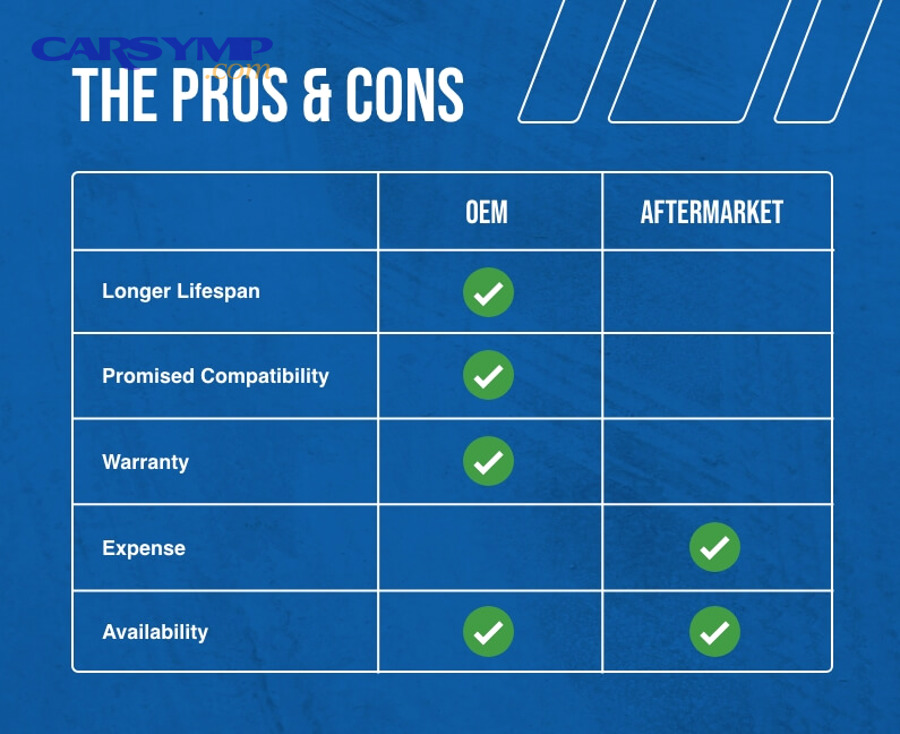
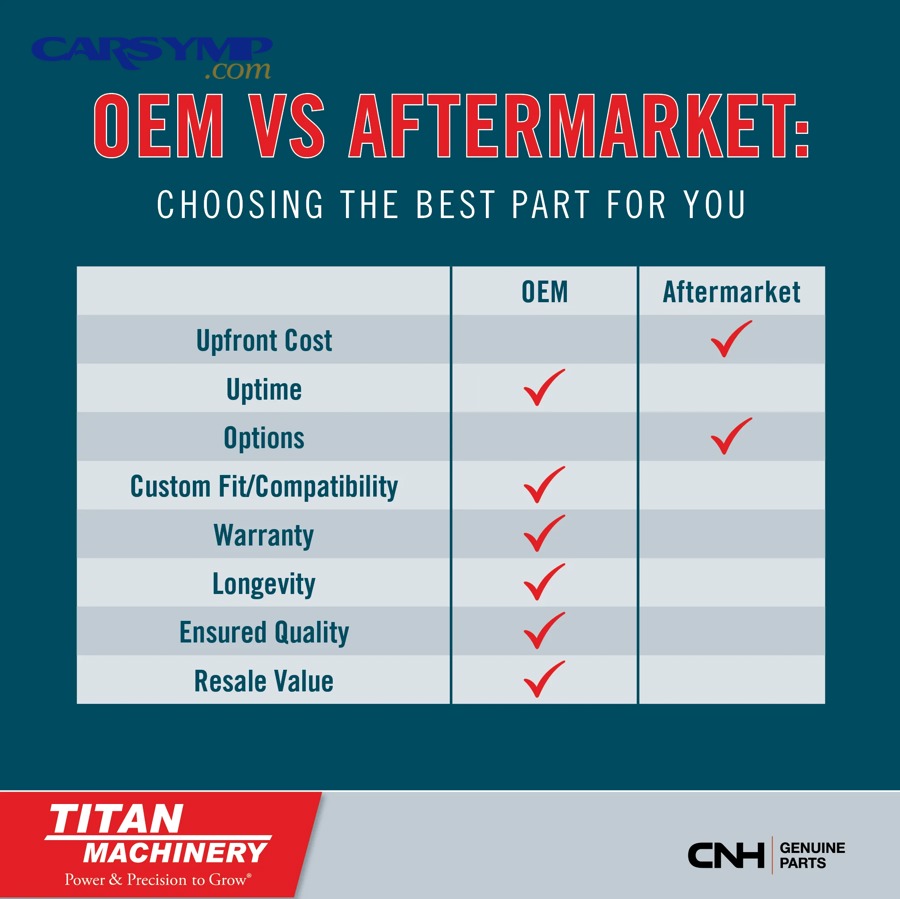
Dealerships use only parts that are approved by the car’s manufacturer. These OEM (Original Equipment Manufacturer) parts guarantee that your car receives the exact replacement components it needs. Using manufacturer-specific equipment ensures your car’s performance and reliability are maintained. - Warranty Coverage and Protection
Services provided by a dealership service center may be backed by your car’s warranty, providing you with additional protection. This ensures that your vehicle remains covered for a longer period, helping you avoid any unexpected repair costs.
Disadvantages of Choosing a Dealership Service Center
While dealership service centers offer several advantages, there are certain drawbacks to consider:
- Higher Service Costs
Dealerships tend to charge higher rates for both labor and parts. This is partly due to the use of OEM parts and the overhead costs of running a dealership service center. While the work performed is typically of high quality, the price tag can be a significant downside for many car owners. - Less Flexibility in Terms of Service
Dealership service centers often have strict procedures and pricing structures. Unlike independent shops, they may not offer the flexibility to negotiate or tailor services to meet your specific needs or budget. This lack of flexibility can be frustrating for some customers. - Longer Wait Times
Dealership service centers can be busier than independent shops due to the large volume of vehicles they handle, especially for popular car brands. As a result, wait times for appointments and repairs can be longer, which might be inconvenient for some customers.
Dealer Maintenance Packages Explained
What is a Dealer Maintenance Package?
A dealer maintenance package refers to a pre-arranged set of services offered by a dealership for car owners. These packages usually include routine maintenance tasks such as oil changes, tire rotations, brake checks, and more, all designed to keep the vehicle in good condition. They may also provide a cost-saving benefit by bundling multiple services together at a discounted price.
What’s Included in a Dealer Maintenance Package?
Dealer maintenance packages often cover a broad range of services aimed at maintaining your car’s performance and safety. Key components may include:
- Oil and Filter Changes
- Tire Rotation and Balancing
- Brake Inspections
- Fluid Checks and Top-offs
- Battery Checks
These packages ensure that your car receives regular maintenance, which can help prevent major issues in the future.
Dealer Pricing vs Independent Shop Comparison
When deciding between a dealer service center and an independent shop, pricing is often the deciding factor. While dealerships generally offer the benefit of manufacturer expertise and OEM parts, independent shops usually have a reputation for more affordable pricing. However, lower costs at independent shops may come at the price of using aftermarket parts, which could affect your car’s long-term reliability.
Labor Costs Comparison
Labor charges at dealership service centers are generally higher due to overhead costs associated with running a dealership. Independent shops, on the other hand, may have more competitive rates due to lower overhead costs.
Parts and Materials
Dealerships typically use OEM parts, which are more expensive but ensure compatibility and durability. Independent shops often use aftermarket parts, which can be more affordable but may not always offer the same level of quality or longevity.
Overall Value
While dealership services may be pricier, the quality of service, use of genuine parts, and warranty protection they offer can provide more long-term value for your car’s performance. Independent shops, while often cheaper, may provide a more personalized experience and greater flexibility with pricing and service options.
Conclusion
Choosing between a dealership service center and an independent shop depends on several factors, including the importance of OEM parts, cost considerations, and the level of expertise required for your car’s maintenance. Dealership service centers offer specialized knowledge, high-quality OEM parts, and warranty coverage, but at a higher price. Independent shops, on the other hand, offer more affordable options and flexibility but may use aftermarket parts. Ultimately, understanding the pros and cons of each option will help you make the best decision for your vehicle.