


Electric power steering (EPS) differs from hydraulic power steering primarily in its power source, with EPS using an electric motor powered by the vehicle’s battery while hydraulic systems rely on an engine-driven pump and pressurized fluid. The seven critical differences include energy efficiency (EPS consumes power only when steering, improving fuel economy by 2-3%), maintenance requirements (EPS eliminates fluid changes but risks electrical failures), steering feel (hydraulic provides superior road feedback), cost considerations (EPS has higher initial costs but lower maintenance expenses), weight and space efficiency (EPS is lighter and more compact), performance consistency across speeds, and technology integration capabilities that enable advanced driver assistance systems.
Understanding how each system operates reveals fundamental engineering differences that impact your driving experience. Electric power steering uses sensors and an electronic control unit to deliver precise, speed-adaptive assistance through a compact electric motor, while hydraulic systems employ a continuous circulation of pressurized fluid through pumps, valves, and cylinders to amplify steering force. These mechanical distinctions translate into measurable differences in fuel consumption, maintenance intervals, and the tactile connection between driver and road.
The choice between electric and hydraulic power steering extends beyond simple preference to encompass practical considerations including vehicle type, driving style, and long-term ownership costs. Modern vehicles overwhelmingly favor electric systems for their compatibility with autonomous driving features and reduced environmental impact, yet hydraulic steering remains preferred in performance applications and heavy-duty vehicles where road feel and proven durability outweigh efficiency concerns. Each system presents distinct advantages in specific use cases, making informed selection essential for matching technology to driver needs.
Recognizing the symptoms of power steering problems in both systems helps drivers maintain optimal performance and avoid costly repairs. Below, we’ll explore the fundamental definitions, operational mechanics, and detailed comparisons that empower you to understand these critical automotive technologies.
What is the Difference Between Electric and Hydraulic Power Steering?
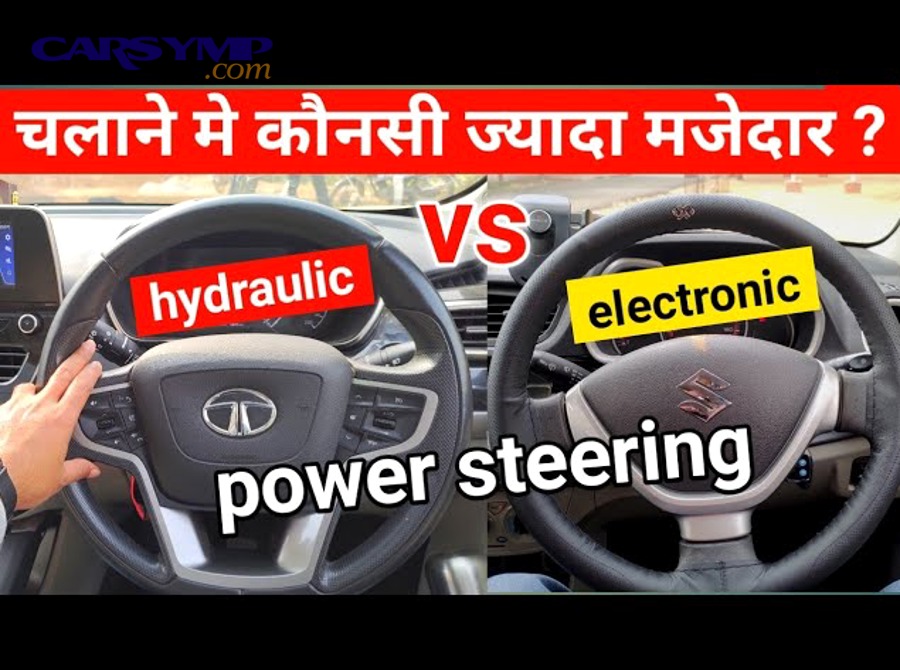
Electric power steering uses an electric motor and electronic sensors to provide steering assistance, while hydraulic power steering relies on engine-driven hydraulic pumps and pressurized fluid to reduce steering effort. The fundamental distinction lies in their power sources: EPS draws electrical energy from the battery only when assistance is needed, whereas hydraulic systems continuously circulate fluid whenever the engine runs, regardless of steering input.
To understand these differences more deeply, we must examine how technological evolution has transformed automotive steering systems over the past two decades.
The transition from hydraulic to electric power steering represents one of the automotive industry’s most significant engineering shifts since the 1990s. Hydraulic power steering dominated the market for over fifty years after Chrysler pioneered commercial applications in 1951, refining a system that used engine power to pressurize fluid and multiply steering force. This proven technology delivered consistent performance but consumed energy constantly, as the belt-driven pump operated whenever the engine ran.
Electric power steering emerged as automakers pursued fuel efficiency improvements and reduced emissions. By replacing hydraulic components with electric motors, sensors, and control units, manufacturers eliminated the parasitic energy drain of constantly running pumps. EPS systems activate only when drivers turn the steering wheel, reducing fuel consumption and freeing up engine power for propulsion. This on-demand operation creates measurable efficiency gains while enabling integration with modern electronic vehicle systems.
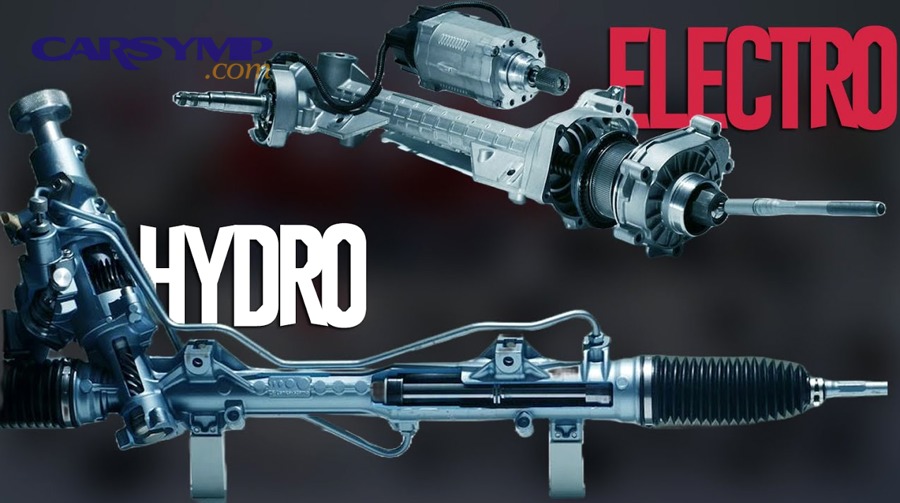
The architectural differences extend to component complexity and placement flexibility. Hydraulic systems require substantial engine bay space for pumps, reservoirs, hoses, and steering racks with integrated hydraulic cylinders. Electric systems offer compact motors that mount either on the steering column or directly to the rack, eliminating fluid reservoirs and extensive hose routing. This packaging advantage allows automotive designers greater flexibility in vehicle layout while reducing overall system weight.
Power delivery characteristics also differ fundamentally between the two technologies. Hydraulic assistance varies with engine speed since the pump is belt-driven—at idle, assistance may feel reduced, while at higher RPMs, fluid pressure increases. Electric systems provide consistent, programmable assistance levels independent of engine speed, using algorithms that adjust support based on vehicle velocity, steering angle, and driver input force. This electronic control enables features impossible with hydraulic systems, including variable steering modes and integration with lane-keeping assistance.
According to research published by the Society of Automotive Engineers in 2018, electric power steering systems reduce fuel consumption by 2-4% compared to hydraulic systems in typical driving cycles, with greater savings in urban environments where steering inputs are more frequent.
How Does Electric Power Steering Work?
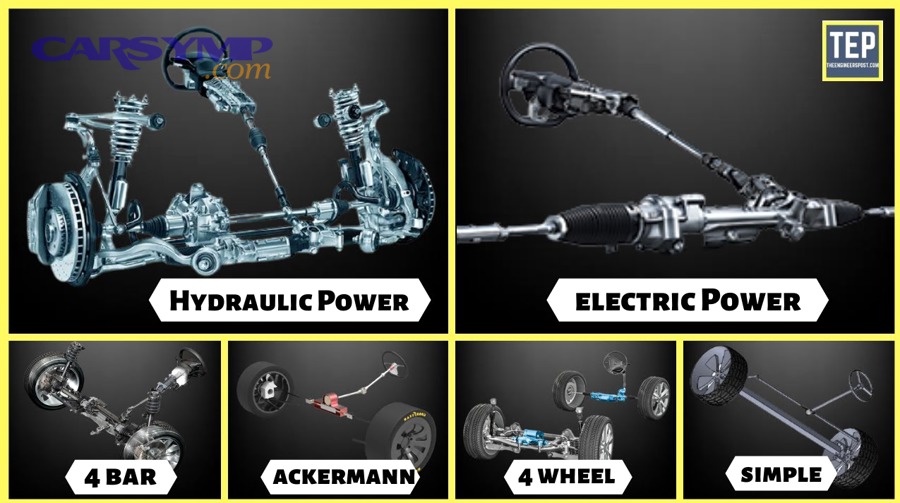
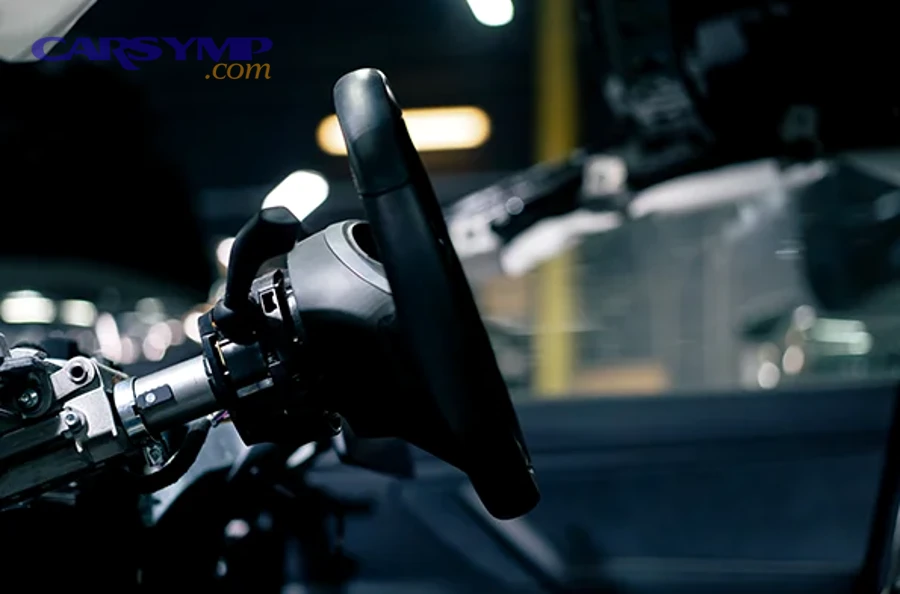
Electric power steering operates through an electric motor that receives signals from torque and position sensors, with an electronic control unit calculating the precise assistance needed based on steering wheel input, vehicle speed, and driving conditions. The motor applies rotational force to either the steering column or rack, reducing the physical effort required from the driver while maintaining direct mechanical connection to the wheels.
Let’s examine the specific components and operational sequences that enable this sophisticated system to function seamlessly.
What Are the Main Components of an Electric Power Steering System?
The electric power steering system comprises four essential components working in coordination. The electric motor serves as the primary assistance provider, generating rotational force that reduces steering effort. These motors mount in one of two configurations: column-mounted systems place the motor on the steering shaft between the wheel and rack, while rack-mounted systems position the motor directly on the steering gear for more direct force application. Rack-mounted configurations typically handle higher loads and appear in larger vehicles, while column-mounted systems suit compact and mid-size cars.
Torque sensors and position sensors form the system’s sensory apparatus, continuously monitoring driver input and steering wheel angle. The torque sensor, typically a torsion bar with magnetic or optical encoders, measures how much rotational force the driver applies to the steering wheel. Position sensors track the steering wheel’s angular position and rotation rate, providing data essential for calculating appropriate assistance levels. These sensors operate with extraordinary precision, detecting input changes in milliseconds to ensure responsive steering feel.
The Electronic Control Unit (ECU) functions as the system’s brain, processing sensor data through sophisticated algorithms to determine optimal motor output. Modern EPS control units perform thousands of calculations per second, considering vehicle speed, steering angle, rate of steering input, and even road surface conditions detected through wheel speed sensors. The ECU adjusts assistance in real-time—providing maximum support during low-speed parking maneuvers while reducing assistance at highway speeds for improved stability and road feel.
Power supply for electric steering comes directly from the vehicle’s electrical system, typically operating at 12 volts in conventional vehicles or higher voltages (48V or more) in performance applications and electric vehicles. Unlike hydraulic systems that derive power mechanically from the engine, EPS systems draw current only during active steering, making them significantly more energy-efficient. The electrical architecture includes fail-safe mechanisms that allow manual steering if power is lost, though significantly more effort is required without motor assistance.
How Does EPS Adjust Assistance Based on Driving Conditions?
Speed-sensitive steering response represents the most noticeable adaptive behavior in electric power steering systems. At parking lot speeds below 10 mph, the ECU commands maximum motor assistance, allowing drivers to turn the wheel with minimal effort for tight maneuvers. As vehicle speed increases, the control unit progressively reduces assistance levels, adding resistance to the steering wheel that enhances stability and prevents over-correction at highway speeds. This variable assistance creates a natural driving feel where the steering effort matches the driving situation.
Load and terrain adaptation capabilities enable modern EPS systems to respond to changing road conditions. When sensors detect increased resistance—such as driving through deep snow, navigating rough terrain, or compensating for strong crosswinds—the system automatically increases motor output to maintain consistent steering effort. Some advanced systems integrate data from the vehicle’s stability control sensors, detecting when individual wheels encounter different traction levels and adjusting assistance to help drivers maintain control. This intelligent adaptation occurs transparently, with the system continuously monitoring and responding without driver intervention.
Integration with vehicle dynamics systems represents a significant advantage of electric steering over hydraulic alternatives. EPS communicates bidirectionally with electronic stability control (ESC), anti-lock braking systems (ABS), and traction control, sharing data and coordinating responses to maintain vehicle stability. When stability control detects a skid, it can request that the EPS system provide subtle steering inputs or alter assistance levels to help the driver regain control. This integration enables advanced features including automatic emergency steering, trailer sway mitigation, and the foundation for semi-autonomous driving capabilities.
According to data from the National Highway Traffic Safety Administration’s 2019 vehicle safety assessment, vehicles equipped with integrated EPS and stability control systems demonstrated 12% fewer single-vehicle loss-of-control crashes compared to vehicles with hydraulic steering and standalone stability systems.
How Does Hydraulic Power Steering Work?
Hydraulic power steering functions by using an engine-driven pump to pressurize fluid that flows through control valves to a cylinder, where hydraulic pressure amplifies the driver’s steering input and assists in turning the wheels. The system maintains constant fluid circulation, creating immediate assistance availability while the mechanical connection between pump speed and engine RPM influences assistance characteristics.

To fully appreciate this established technology, we should examine its components and the hydraulic principles that have made it reliable for over half a century.
What Are the Main Components of a Hydraulic Power Steering System?
The hydraulic pump serves as the system’s power generator, driven by a belt connected to the engine’s crankshaft. This positive-displacement pump, typically a vane or gear design, creates hydraulic pressure by forcing power steering fluid through the system at rates proportional to engine speed. As the engine’s RPM increases, the pump spins faster and generates higher fluid pressure, though control valves regulate this pressure to prevent excessive assistance. The pump operates continuously whenever the engine runs, maintaining system pressure even when the steering wheel remains centered.
Power steering fluid and its reservoir form the hydraulic medium that transmits force throughout the system. The specialized fluid, typically ATF (Automatic Transmission Fluid) or dedicated power steering formulations, must maintain consistent viscosity across temperature extremes while providing lubrication for system components. The reservoir, usually mounted near the pump, stores excess fluid and allows thermal expansion while providing a visual inspection point for fluid level checks. Maintaining proper fluid quality is critical—Contamination and metal debris warnings indicate impending component failure and require immediate attention to prevent system damage.
Control valves and cylinders constitute the system’s force multiplication mechanism. The control valve, typically integrated into the steering rack or a separate steering box, responds to steering wheel rotation by directing pressurized fluid to the appropriate side of the steering cylinder. When the driver turns right, the valve sends high-pressure fluid to push the cylinder piston right, while simultaneously allowing fluid from the left side to return to the reservoir. This hydraulic pressure applies hundreds of pounds of force to the steering rack, dramatically reducing the effort needed from the driver.
The steering rack and pinion assembly converts the driver’s rotational input into lateral wheel movement while integrating the hydraulic cylinder. In rack-and-pinion hydraulic systems, the rack contains an integral piston that divides the cylinder into two chambers. As pressurized fluid enters one chamber, it forces the rack to move laterally, turning the wheels. The mechanical connection remains direct—even if hydraulic pressure fails, drivers can still steer manually, though effort increases substantially. This mechanical backup provides a critical safety feature absent in future steer-by-wire technologies.
How Does Hydraulic Pressure Assist Steering?
Constant fluid circulation maintains the hydraulic system in a ready state, with pressurized fluid continuously flowing through the control valve even when the steering wheel isn’t turning. The pump maintains baseline system pressure, typically 800-1,500 PSI depending on vehicle size and steering load requirements. This constant circulation ensures instantaneous assistance availability—the moment a driver begins turning the wheel, pressurized fluid is immediately available to enter the steering cylinder. However, this continuous operation represents an efficiency disadvantage, as the pump consumes engine power even during highway cruising when steering inputs are minimal.
The pressure amplification mechanism multiplies driver input force through hydraulic principles. When a driver applies rotational force to the steering wheel, the control valve’s torsion bar twists slightly, opening passages that direct high-pressure fluid to one side of the steering cylinder while opening a return path from the opposite side. The hydraulic pressure acting on the cylinder piston can generate forces exceeding 1,000 pounds, dramatically reducing the steering effort required from the driver. The ratio of hydraulic assistance to manual input typically ranges from 70:30 to 85:15, meaning hydraulic pressure provides the majority of steering force while the driver supplies the remainder.
Speed-related assistance variations occur naturally due to the belt-driven pump’s direct connection to engine speed. At idle or low engine RPMs, the pump rotates slowly, generating lower fluid pressure and providing reduced assistance—this can make low-speed parking maneuvers require more effort than at higher engine speeds. Conversely, at highway speeds with higher engine RPMs, the pump generates maximum pressure. To compensate for this characteristic, hydraulic systems incorporate pressure relief valves that return excess fluid to the reservoir, preventing over-assistance at high speeds. Some advanced hydraulic systems add electronic control valves that further regulate assistance based on vehicle speed, approaching the adaptability of electric systems.
According to automotive engineering research from the University of Michigan’s Transportation Research Institute conducted in 2015, hydraulic power steering systems typically consume 3-5 horsepower of engine output during active steering, with parasitic losses of 1-2 horsepower even when driving straight, representing approximately 2-4% fuel economy penalty in combined driving cycles.
What Are the 7 Critical Differences Between Electric and Hydraulic Power Steering?
Electric power steering excels in energy efficiency and technology integration, hydraulic steering leads in driver feedback and proven reliability, while both systems serve distinct purposes based on vehicle type, driving priorities, and owner preferences. These seven fundamental differences—encompassing power consumption, maintenance demands, steering feel, costs, packaging, performance characteristics, and technological capabilities—determine which system best suits specific applications and driver expectations.
Understanding each difference requires examining how these systems perform across measurable criteria and real-world driving scenarios.
Difference #1: Power Source and Energy Efficiency
Electric power steering draws electrical energy from the vehicle’s battery only when the steering wheel turns, activating the motor on-demand and consuming zero power during straight-line cruising. This selective operation contrasts sharply with hydraulic systems, where the engine-driven pump runs continuously whenever the engine operates, circulating fluid and consuming power regardless of steering input. The efficiency advantage of EPS becomes most apparent in highway driving, where extended periods of minimal steering allow the electric motor to remain dormant, while hydraulic pumps continue their parasitic drain on engine power.
Hydraulic power steering’s engine-driven architecture creates a constant power draw typically ranging from 1-3 horsepower during straight driving, increasing to 3-5 horsepower during active steering maneuvers. This mechanical connection means the pump absorbs crankshaft power through belt friction and fluid circulation even when assistance isn’t needed. The energy consumed by the pump translates directly to increased fuel consumption, with the engine working harder to overcome this parasitic load. In urban driving with frequent stops and idling, this inefficiency becomes particularly pronounced as the pump continues operating while the vehicle sits stationary.
The fuel economy impact comparison demonstrates measurable advantages for electric steering across diverse driving conditions. Independent testing shows EPS-equipped vehicles achieve 2-3% better fuel economy in combined city/highway cycles compared to identical vehicles with hydraulic steering, with urban driving showing improvements up to 4% due to reduced idling losses. For a vehicle averaging 10,000 miles annually at 25 MPG, this efficiency gain translates to approximately 10-15 gallons of fuel saved per year. As fuel prices fluctuate and environmental regulations tighten, these efficiency differences increasingly influence manufacturer decisions to adopt electric steering across vehicle lineups.
Electric vehicles and hybrids gain additional benefits from EPS beyond fuel savings, as every watt conserved extends battery range. In EVs, eliminating the need to convert electrical energy to mechanical pump power and back to hydraulic pressure improves overall system efficiency. Hybrid vehicles benefit from EPS during electric-only operation modes, where a hydraulic pump would require the engine to remain running solely for steering assistance, negating the fuel-saving potential of electric propulsion.
Difference #2: Maintenance Requirements and Reliability
Electric power steering eliminates fluid-related maintenance entirely, requiring no scheduled fluid changes, leak inspections, or hose replacements that characterize hydraulic system ownership. The sealed electric motor and electronic components operate without consumable fluids, reducing routine maintenance to occasional visual inspections of electrical connections and mounting points. This maintenance advantage appeals to vehicle owners seeking reduced service costs and extended intervals between shop visits, as EPS systems typically require no attention throughout a vehicle’s warranty period and often remain trouble-free for the vehicle’s lifetime.
Hydraulic power steering demands regular fluid maintenance to ensure system longevity and prevent component damage. Manufacturers typically recommend power steering fluid inspection every 30,000-50,000 miles and complete fluid replacement every 50,000-100,000 miles, depending on driving conditions and fluid type. Neglecting fluid changes allows contaminants, moisture, and degraded fluid to circulate through the system, accelerating wear on the pump, control valve, and cylinder seals. power steering leak repair costs for hydraulic systems can range from $150-400 for minor hose repairs to $500-1,200 for pump or rack seal replacements, making preventive fluid maintenance economically sensible.
The leak risk inherent in hydraulic systems represents a significant long-term reliability concern. With multiple connection points, rubber hoses, and dynamic seals exposed to pressure cycling and temperature extremes, hydraulic steering develops leaks as vehicles age. Common failure points include high-pressure hose connections, rack end seals, and pump shaft seals. Power steering hose replacement options vary in quality and price, with OEM hoses costing $100-300 installed while aftermarket alternatives range from $50-150. Leaking systems lose fluid gradually, reducing assistance effectiveness and potentially causing complete steering failure if fluid levels drop critically low.
Electric power steering faces different reliability challenges centered on electrical and electronic components. While EPS eliminates fluid leaks, it introduces potential electrical failures including motor brush wear, control unit malfunctions, and sensor degradation. Modern brushless EPS motors address longevity concerns, but control unit failures can occur due to electrical surges, moisture intrusion, or software glitches. When EPS systems fail, replacement costs typically exceed hydraulic repairs—replacement EPS assemblies range from $500-1,500 for parts alone, with labor adding $200-600 depending on mounting configuration. Some mid-2000s vehicles experienced premature EPS failures, though current generation systems demonstrate improved reliability.
Long-term durability data increasingly favors electric systems as the technology matures. While hydraulic steering benefits from decades of refinement and proven reliability in demanding applications, EPS systems now accumulate sufficient real-world mileage to demonstrate comparable or superior longevity. The absence of wear-prone hydraulic components—pumps with internal vanes, seals experiencing pressure cycling, and fluid contamination—gives modern EPS potential for extended trouble-free operation exceeding hydraulic system lifespans.
Difference #3: Steering Feel and Driver Feedback
Hydraulic power steering provides superior road feel through constant fluid pressure that transmits subtle road surface variations directly to the driver’s hands. The incompressible hydraulic fluid creates a mechanical connection that conveys tire contact patch information—pavement texture, traction changes, and wheel alignment nuances—through the steering wheel with fidelity unmatched by electronic systems. Enthusiast drivers and professional racers consistently cite this tactile feedback as hydraulic steering’s most valuable attribute, as it enables precise vehicle control and enhances the driver-road connection that defines engaging driving experiences.
The constant fluid pressure characteristic of hydraulic systems ensures continuous communication between road and driver. Even when driving straight, pressurized fluid in the steering cylinder responds to minute forces acting on the tires—road crown, surface irregularities, crosswinds—transmitting these inputs through the hydraulic circuit to the steering wheel. This feedback allows skilled drivers to detect impending traction loss, sense surface condition changes, and make preemptive corrections. The hydraulic medium’s incompressibility means forces translate instantaneously without the computational delay inherent in sensor-based electronic systems.
Electric power steering historically suffered from reduced feedback due to the separation between mechanical steering forces and electronic assistance. Early EPS systems prioritized comfort and efficiency over communication, with software filtering out road inputs that engineers considered noise rather than useful information. The result felt artificial and numb to drivers accustomed to hydraulic steering’s direct communication. While road forces still act on the steering mechanism, the electric motor’s assistance and the control unit’s filtering algorithms diminish the subtlety of feedback reaching the driver’s hands.
Modern EPS systems attempt to restore feedback through sophisticated programming and torque overlay strategies. Advanced control algorithms analyze steering forces and selectively apply motor torque that preserves certain frequency ranges of road input while filtering others. Some premium vehicles include additional torque sensors in the steering column specifically to detect and transmit road feedback that the assistance motor would otherwise mask. Variable-ratio steering and active return functions simulate the self-centering forces that occur naturally in hydraulic systems, though the electronic recreation rarely matches the organic feel of fluid pressure.
Adjustability represents an emerging advantage where electric steering surpasses hydraulic capabilities. Modern EPS systems offer selectable steering modes—Comfort, Normal, and Sport—that alter assistance levels and feedback characteristics to match driver preference or driving conditions. Sport modes reduce assistance at all speeds and preserve more road input, while Comfort modes maximize assistance and filter harshness. This programmability allows a single EPS system to serve diverse purposes, though it cannot fully replicate the authentic mechanical feedback that hydraulic fluid pressure provides naturally.
According to feedback surveys conducted by automotive publications including Car and Driver in their 2019 comparison testing, 73% of enthusiast drivers preferred hydraulic steering feel in back-to-back comparisons, citing more natural feedback and better connection to the road, though the gap has narrowed as EPS systems improve with each generation.
Difference #4: Cost and Complexity
Initial purchase price differences favor vehicles with electric power steering for both manufacturers and consumers, as EPS systems typically cost $50-150 less to produce than comparable hydraulic systems. The simplified component count—eliminating pumps, reservoirs, hoses, and fluid—reduces manufacturing complexity and parts inventory requirements. Vehicle buyers may not see this cost advantage as a direct price reduction, as manufacturers typically maintain consistent pricing regardless of steering type, but the production savings contribute to improved profit margins or allow allocation of resources to other vehicle features.
Repair and replacement costs diverge significantly between the two technologies depending on failure type and component availability. Hydraulic system repairs often involve replacing individual components—a leaking hose ($100-200), worn pump ($200-500), or damaged rack seals ($400-800)—allowing incremental repairs that address specific failures. These components benefit from decades of aftermarket development, with competitive pricing and wide availability. However, complete hydraulic rack replacement, necessary when internal components fail, costs $500-1,500 depending on vehicle complexity.
Electric power steering repairs frequently require replacing entire assemblies rather than individual components, driving higher repair costs when failures occur. A failed EPS motor or control unit typically necessitates replacing the complete steering column or rack assembly, with parts alone costing $500-2,000 for many vehicles. Luxury and performance vehicles with advanced EPS systems may see replacement costs exceeding $3,000. The electronic nature of failures means problems may appear suddenly without warning, leaving drivers without steering assistance and requiring immediate repair rather than gradual degradation that allows scheduled maintenance.
System complexity from a service perspective actually favors electric steering despite its electronic sophistication. Hydraulic systems require specialized knowledge of fluid types, bleeding procedures, pressure testing, and seal replacement techniques. Contaminated systems need flushing, and air in hydraulic lines demands careful bleeding processes. Car Symptoms including whining noises, erratic assistance, or fluid foaming indicate specific hydraulic failures requiring diagnostic expertise. EPS systems, while electronically complex, often provide diagnostic trouble codes that pinpoint failures precisely, and repairs typically involve straightforward component replacement rather than fluid system diagnosis.
Parts availability and aftermarket support currently favor hydraulic steering due to its longer market presence, though this advantage diminishes as EPS becomes universal. Hydraulic pumps, racks, and hoses exist for virtually every vehicle built in the past 30 years, with multiple quality tiers available from economy to premium. EPS components, particularly control units and motors, may require dealer sourcing for newer vehicles, limiting repair options and maintaining higher prices. As the EPS installed base grows, aftermarket component availability improves, though electronic assembly complexity may limit rebuilding options compared to mechanical hydraulic components.
Difference #5: Weight and Space Efficiency
Electric power steering achieves significant weight reduction compared to hydraulic systems, with typical savings ranging from 8-15 pounds depending on vehicle size and system configuration. The elimination of the hydraulic pump (5-8 lbs), fluid reservoir (2-3 lbs), steel hydraulic lines and hoses (3-5 lbs), and hydraulic fluid itself (1-2 lbs) accounts for most of this reduction. While the electric motor and control unit add weight, the net savings contribute to improved fuel economy, enhanced handling dynamics through reduced unsprung weight, and lower overall vehicle mass that cascades through chassis design allowing lighter suspension and braking components.
Hydraulic systems require substantial engine bay space for the belt-driven pump, fluid reservoir, and routing of high-pressure and return hoses between the pump and steering rack. The pump typically mounts on the engine block or accessory bracket, occupying prime real estate and requiring belt routing consideration. The reservoir needs positioning above the pump for gravity feed while remaining accessible for fluid checks and fills. Hose routing must navigate around the engine, avoiding heat sources and moving components while maintaining bend radius requirements for high-pressure lines. This space consumption becomes particularly problematic in compact vehicles and transverse-engine installations where engine bay packaging is critically constrained.
Electric power steering systems offer extraordinary placement flexibility that simplifies vehicle design and enables new packaging strategies. Column-mounted EPS systems position the motor on the steering shaft within the passenger cabin, requiring no engine bay space whatsoever. Rack-mounted configurations place the motor directly on the steering gear under the vehicle, again avoiding engine bay intrusion. This flexibility allowed manufacturers to downsize engines, fit larger engines in existing platforms, or create more spacious engine bays for improved serviceability without redesigning steering systems.
The impact on vehicle design extends beyond immediate packaging to enable new architectural possibilities. Electric steering facilitated the proliferation of hybrid and electric vehicles, where engine bay space is at a premium for battery packs, electric motors, and power electronics. The compact EPS installation in vehicles like the Tesla Model 3 exemplifies this advantage—the steering system occupies minimal space, leaving room for the front trunk (frunk) that hydraulic components would preclude. Similarly, front-wheel-drive vehicles with transversely-mounted engines benefit enormously from EPS, as the steering rack can mount independently without accommodating a hydraulic pump driven off the engine.
Weight distribution advantages emerge from relocating assistance components away from the engine bay. Hydraulic pump weight concentrates at the front of the vehicle, often on one side of the engine, creating asymmetric mass distribution. EPS systems with column-mounted motors position assistance weight closer to the vehicle centerline and slightly rearward, marginally improving front-rear weight balance. While modest, this redistribution contributes to improved handling dynamics in performance applications where every pound’s location matters.
Difference #6: Performance at Different Speeds
Low-speed maneuverability showcases where electric power steering demonstrates clear advantages over hydraulic systems, providing maximum assistance precisely when drivers need it most. During parking and tight maneuvering at speeds below 5 mph, EPS control units command full motor output, allowing drivers to spin the steering wheel with minimal effort even when tires are stationary on pavement. This assistance remains consistent regardless of engine speed, unlike hydraulic systems where assistance varies with engine RPM—idling engines provide less hydraulic pressure, making parking more laborious just when maximum assistance would be most beneficial.
High-speed stability and response characteristics reveal where hydraulic systems traditionally excelled, though modern EPS has closed this performance gap. At highway speeds above 60 mph, drivers benefit from increased steering resistance that reduces sensitivity and prevents over-correction. Hydraulic systems naturally provide this feel as control valves reduce assistance at higher vehicle speeds, creating heavier steering that enhances stability. Early EPS systems struggled to replicate this characteristic, often maintaining too much assistance at speed and feeling artificially light. Current-generation electric steering employs sophisticated algorithms that progressively reduce motor output as velocity increases, matching or exceeding hydraulic systems’ speed-sensitive response.
Consistency across driving conditions represents a fundamental advantage for electronically-controlled electric steering. EPS maintains programmed assistance curves regardless of engine speed, fluid temperature, or belt tension variations that affect hydraulic performance. On cold mornings when hydraulic fluid viscosity increases, hydraulic systems may feel stiff and unresponsive until the fluid warms. EPS operates identically from the first steering input, as electric motors and electronics function consistently across temperature ranges. This predictability ensures drivers experience identical steering feel whether the vehicle has been running for 30 seconds or 30 minutes.
Emergency maneuver performance differentiates these systems in critical safety situations. During sudden evasive steering at speed, the electric motor’s instantaneous torque availability provides immediate assistance without the slight delay inherent in hydraulic pressure buildup. Modern EPS systems coordinate with stability control to provide optimal assistance during emergency maneuvers, potentially adding steering input to help drivers avoid obstacles or maintain control during skids. Hydraulic systems cannot match this active intervention capability, instead providing passive assistance that amplifies whatever input the driver provides.
Towing and heavy-load performance historically favored hydraulic systems due to their ability to generate substantial assistance forces and operate reliably under sustained high loads. The hydraulic fluid’s heat capacity and cooling through return circulation allows continuous high-effort steering without overheating concerns. EPS systems in heavy-duty applications must account for motor thermal limits—prolonged high-torque steering can overheat electric motors, triggering protection modes that reduce assistance. Modern truck applications address this through larger motors with enhanced cooling, though some heavy-duty vehicles retain hydraulic steering for its proven capability under extreme conditions.
Difference #7: Technology Integration and Future Compatibility
Electric power steering enables advanced driver assistance systems that would be impossible with hydraulic technology, serving as the foundation for lane-keeping assist, automated parking, and semi-autonomous driving. The electronic control of steering allows the vehicle’s computer systems to command steering inputs without driver action—subtle corrections to maintain lane position, complete parking maneuvers from initial turn-in to final alignment, and emergency obstacle avoidance. These features require bidirectional communication between the ADAS (Advanced Driver Assistance Systems) control units and the steering system, sending torque commands and receiving position feedback in real-time.
Hydraulic power steering’s mechanical architecture limits integration to passive systems that cannot actively control steering direction. While hydraulic systems can include electronic valves that modify assistance levels, they cannot apply steering input without driver action. The steering wheel turns only when the driver turns it—computers can suggest corrections through visual or haptic alerts, but cannot override driver control. This fundamental limitation explains why advanced safety features like automatic emergency steering and highway lane centering require electric steering as an enabling technology.
Autonomous vehicle readiness represents perhaps the most significant long-term advantage for electric steering systems. Self-driving vehicles require complete electronic control of steering, throttle, and braking to navigate without human intervention. EPS systems provide this capability through their existing control architecture—the autonomous system’s computer sends steering commands to the EPS control unit, which executes them identically to driver inputs. The transition from manual to autonomous operation happens seamlessly within the same steering system. Achieving autonomous capability with hydraulic steering would require adding an entirely separate electric motor to turn the steering wheel, an inefficient and complex solution.
Customization and personalization capabilities enabled by EPS enhance the driving experience beyond basic assistance. Modern vehicles store individual driver profiles that recall preferred steering settings alongside seat position and mirror angles. Multiple drivers sharing a vehicle can each experience their preferred steering weight and responsiveness. Some performance vehicles allow granular adjustment of steering parameters through infotainment menus, letting enthusiasts fine-tune characteristics like center feel, off-center response, and maximum assistance levels. This personalization would be impossible with hydraulic systems’ fixed mechanical characteristics.
Software updates and continuous improvement represent an emerging advantage as vehicles gain over-the-air update capabilities. Manufacturers can refine EPS calibrations after vehicles reach customers, addressing feedback about steering feel or improving integration with other systems. Tesla famously updates steering calibrations remotely, occasionally enhancing performance or modifying characteristics based on fleet data and customer preferences. Hydraulic systems, being purely mechanical, cannot receive updates or improvements without physical component replacement.
According to the Society of Automotive Engineers’ 2020 technical paper on autonomous vehicle requirements, electric power steering with redundant control units and fail-safe mechanisms represents a mandatory technology for SAE Level 3 and higher autonomous driving, with no viable pathway for hydraulic systems to meet safety and control requirements for self-driving applications.
Which Power Steering System is Better for Your Vehicle?
The optimal power steering system depends on your vehicle type, driving priorities, and long-term ownership expectations, with electric steering excelling for daily drivers prioritizing efficiency and technology while hydraulic steering serves enthusiasts and heavy-duty applications demanding maximum road feel and proven durability. Neither system is universally superior—each presents compelling advantages in specific contexts that make categorical judgments misleading.
To make an informed choice, consider how each system aligns with your specific needs and priorities.
When Should You Choose Electric Power Steering?
Daily commuting and fuel efficiency priorities make electric power steering the clear choice for urban and suburban drivers accumulating most miles in mixed traffic conditions. The 2-4% fuel economy advantage compounds over years of ownership, saving hundreds of dollars in fuel costs while reducing environmental impact. For drivers covering 12,000-15,000 miles annually, the efficiency gains from EPS pay for themselves through reduced fuel purchases, making the technology financially beneficial beyond its operational convenience. The elimination of routine fluid maintenance further reduces ownership costs and the hassle of scheduling additional service appointments.
Modern vehicles with driver-assist features require electric steering to function, making EPS selection automatic for buyers prioritizing advanced safety technologies. If you value lane-keeping assistance that gently steers the vehicle back toward center when drifting, adaptive cruise control that follows highway curves, or automated parking that completes parallel parking maneuvers autonomously, electric steering is non-negotiable. These features, increasingly standard on mainstream vehicles, depend on the steering system’s ability to accept electronic commands and provide precise control—capabilities exclusive to EPS architecture.
Lower maintenance preference appeals to owners who view vehicles primarily as transportation appliances rather than mechanical hobbies. If you prefer minimal interaction with service departments beyond routine oil changes and tire rotations, EPS aligns with this priority. The absence of fluid leaks, hose deterioration, and pump failures that characterize aging hydraulic systems means fewer unexpected repairs and reduced likelihood of roadside failures. For lease customers and those planning to keep vehicles through warranty periods, EPS provides worry-free operation with minimal maintenance intervention.
Environmental considerations increasingly influence purchase decisions, with electric steering contributing to reduced emissions and improved sustainability. Beyond direct fuel savings, EPS reduces demand for power steering fluid—a petroleum product requiring refining, packaging, and disposal. The elimination of fluid leaks prevents groundwater contamination from dripping systems. For environmentally-conscious buyers, these factors combine with reduced fuel consumption to make EPS the more sustainable choice, aligning with broader efforts to minimize automotive environmental impact.
When Should You Choose Hydraulic Power Steering?
Performance and enthusiast driving priorities continue to favor hydraulic power steering despite the technology’s declining availability. If you prioritize the visceral connection between driver and road, value steering feedback that communicates tire grip and surface conditions, and find satisfaction in precise vehicle control, hydraulic steering remains unmatched. Track-day participants, canyon carvers, and driving enthusiasts consistently prefer hydraulic steering’s authentic mechanical feel over even the best-tuned electric systems. The Subaru WRX STI, one of few remaining performance cars with hydraulic steering, commands loyalty partially due to this feature.
Heavy-duty vehicles and trucks, particularly those used for towing or commercial applications, benefit from hydraulic steering’s ability to generate substantial assistance forces without thermal limitations. If you regularly tow trailers exceeding 5,000 pounds, navigate unpaved terrain, or perform work requiring sustained low-speed maneuvering with heavy loads, hydraulic systems provide more consistent assistance without overheating concerns. The Toyota Tacoma and some commercial trucks retain hydraulic steering specifically for these demanding applications where proven reliability under continuous high-load operation outweighs efficiency considerations.
Superior road feedback priority extends beyond performance driving to safety-conscious drivers who value the sensory information hydraulic steering provides. The ability to feel changes in road surface—transitioning from dry pavement to ice, detecting the softening that precedes tire deflation, or sensing the lightening of front-end weight that signals impending understeer—provides information that enhances driver awareness and control. While modern electronic safety systems monitor many of these conditions through sensors, experienced drivers value the direct tactile feedback that hydraulic systems deliver without electronic intermediaries.
Proven reliability preference appeals to owners of older vehicles or those planning extended ownership beyond typical lease periods. Hydraulic steering benefits from decades of refinement and extensive real-world validation. Mechanics possess deep familiarity with hydraulic system diagnosis and repair, parts availability spans virtually all vehicle makes and models, and aftermarket support provides options at multiple price points. For owners planning to maintain vehicles for 15-20 years or longer, the known reliability and repairability of hydraulic systems may outweigh newer technology’s efficiency advantages.
Can You Convert from Hydraulic to Electric Power Steering?
Conversion from hydraulic to electric power steering is technically feasible but rarely practical for most vehicles due to substantial costs, complex integration requirements, and limited aftermarket support. Successful conversions require not only replacing the steering column or rack with electric components but also integrating control units with the vehicle’s electrical system, programming calibrations specific to the vehicle’s weight and handling characteristics, and ensuring compatibility with existing safety systems. These challenges make professional conversions cost $2,000-5,000 for most vehicles—expenditures that exceed the value of most cars old enough to warrant consideration.
Conversion feasibility varies dramatically based on vehicle platform and available components. Some popular enthusiast platforms—including certain Mazda Miatas, Ford Mustangs, and BMW 3-Series models—have documented conversion procedures using EPS racks from newer model years or related vehicles. These conversions benefit from shared chassis architecture and component compatibility that simplifies adaptation. However, even in best-case scenarios, conversions demand significant mechanical expertise, custom fabrication skills, and electrical system knowledge. The work typically requires fabricating mounting brackets, extending wiring harnesses, and adapting steering column interfaces.
Technical challenges extend beyond physical installation to software calibration and system integration. Modern EPS systems require calibration files that define assistance curves, speed sensitivity, and safety parameters specific to each vehicle. Without access to manufacturer calibration tools, converted vehicles may experience assistance characteristics that feel inappropriate—too heavy, too light, or varying unpredictably. Some aftermarket EPS controllers offer adjustability, but achieving feel comparable to factory-installed systems requires extensive tuning and testing. Safety system integration presents additional complexity, as modern vehicles expect communication between steering and stability control systems.
When conversion makes sense is limited to specific enthusiast scenarios rather than general practical considerations. Race cars and dedicated track vehicles sometimes convert to reduce weight and eliminate parasitic drag from hydraulic pumps, accepting compromised feedback in exchange for performance gains. Some vintage vehicle restorers add EPS to improve drivability without compromising external originality. Kit cars and custom builds may incorporate EPS from donor vehicles to simplify construction. For typical street vehicles driven daily, conversion costs and complexity make purchasing a vehicle with factory EPS the economically rational choice.
According to specialist shops performing EPS conversions, labor costs typically range from 15-30 hours for straightforward platform-specific conversions to 40-60 hours for custom applications requiring fabrication and electrical integration, making total project costs prohibitive for most applications.
What Are Common Problems and Troubleshooting Tips for Both Steering Systems?
Both electric and hydraulic power steering systems develop characteristic problems that manifest through specific symptoms, with electric systems prone to electrical failures causing sudden assist loss while hydraulic systems typically show progressive deterioration through leaks, noise, and gradual performance degradation. Recognizing these warning signs enables early intervention that prevents complete system failure and potentially dangerous loss of steering assistance during operation.
Understanding system-specific failure modes helps owners identify problems quickly and seek appropriate repairs.
What Are the Warning Signs of Electric Power Steering Failure?
EPS warning light activation represents the most obvious indicator of electric power steering problems, with an illuminated steering wheel icon on the instrument cluster signaling that the control unit has detected a malfunction. When this light appears, the system typically reduces or eliminates motor assistance, reverting to manual steering that requires significantly more physical effort. Unlike hydraulic systems that rarely fail completely without warning, EPS failures can occur instantaneously—drivers may experience normal steering one moment and heavy, manual steering the next. This sudden transition demands immediate attention, as reduced steering assist compromises vehicle control, particularly during emergency maneuvers or parking.
Sudden loss of steering assist without warning light illumination occasionally occurs when electrical connections fail or supply voltage drops critically low. Drivers describe the steering wheel suddenly becoming extremely heavy, similar to a vehicle with the engine off. This condition most often results from loose battery connections, corroded terminals, or failing alternators that reduce voltage below the EPS system’s operational threshold. Some mid-2000s General Motors vehicles experienced this failure mode due to faulty control units, prompting recalls and extended warranties. When assistance loss occurs, safely pulling over and checking battery connections should precede attempting to drive with manual steering.
Motor overheating symptoms appear during prolonged heavy steering in demanding conditions—repeated tight parking maneuvers on hot days, slow-speed rock crawling, or trailer backing with multiple corrections. As the motor approaches thermal limits, the control unit may gradually reduce assistance to protect components, making steering progressively heavier. Some systems display specific warning messages indicating reduced steering function due to overheating. Allowing the system to cool for 5-10 minutes typically restores full function, though repeated overheating episodes may indicate an undersized motor for the application or mounting position that restricts cooling airflow.
Sensor malfunction indicators include erratic assistance that varies unpredictably, steering that pulls to one side when it shouldn’t, or assistance that activates or deactivates without corresponding steering input. Torque sensor failures cause the control unit to misinterpret driver intent, potentially providing excessive assistance during gentle inputs or insufficient help during larger steering movements. Position sensor issues may prevent the system from recognizing steering wheel angle, disrupting speed-sensitive assistance curves and lane-keeping features. These intermittent problems often generate diagnostic trouble codes that technicians can read to pinpoint the failing component.
What Are the Warning Signs of Hydraulic Power Steering Failure?
Whining or groaning noises during steering represent classic hydraulic system failure indicators, with the specific sound characteristics revealing different problems. High-pitched whining that increases with steering effort typically indicates low fluid level—the pump cavitates as it draws air along with fluid, creating the characteristic whine. Groaning sounds during slow, tight turns suggest the fluid has become contaminated or degraded, losing its lubricating properties and allowing metal-on-metal contact within the pump or control valve. Cold-weather groaning that disappears as the system warms indicates fluid viscosity issues or aged fluid that should be replaced.
Fluid leaks and low fluid symptoms manifest visibly beneath the vehicle and through steering performance changes. Power steering fluid appears reddish-brown when fresh, darkening to brown or black as it ages and accumulates contaminants. Puddles beneath the engine bay, particularly near the front of the vehicle, indicate hose leaks, pump seal failures, or rack seal deterioration. As fluid levels drop, steering assistance diminishes—the pump cannot generate full pressure without adequate fluid volume. Low-fluid steering feels increasingly heavy, particularly during parking maneuvers, and may be accompanied by jerky or inconsistent assistance as air enters the system.
Stiff or heavy steering wheel feel that develops gradually over time suggests multiple potential failures within hydraulic systems. A slipping or broken drive belt fails to spin the pump adequately, reducing pressure and assistance. Worn pump internal components—vanes, rotors, or housing—allow pressure to bypass without reaching the steering gear. Contamination and metal debris warnings visible in the fluid reservoir indicate component wear that will progress to complete failure without intervention. Checking fluid condition provides diagnostic information—milky appearance indicates water contamination, while metallic particles signal internal component wear requiring immediate system service.
Pump bearing wear indicators include noise that persists even when not actively steering, often described as squealing or grinding from the engine bay. Unlike assist-related noises that occur during turning, bearing noise sounds continuously whenever the engine runs, increasing in pitch with engine RPM. Failed pump bearings leak fluid past their seals and eventually seize, potentially breaking the drive belt and leaving the driver without assistance. Replacing the pump before bearing failure prevents collateral damage to other components and avoids the safety risk of sudden complete assist loss.
How Do You Maintain Each Type of Power Steering System?
Electric power steering maintenance focuses primarily on electrical system health and periodic connection inspections rather than fluid service. Ensuring the vehicle’s battery maintains proper charge and the alternator delivers consistent voltage prevents the low-voltage conditions that can disable EPS systems. During routine service appointments, technicians should visually inspect electrical connections to the EPS motor and control unit, checking for corrosion, looseness, or damage to wiring harnesses. Some manufacturers recommend occasional software updates that refine EPS calibrations or address known issues—checking for available updates during regular maintenance ensures the system benefits from latest improvements.
Software updates for electric steering systems may address discovered problems, refine steering feel, or improve integration with other vehicle systems. Manufacturers occasionally release technical service bulletins (TSBs) describing EPS calibration updates that resolve customer concerns or enhance performance. Dealerships can determine if updates apply to specific vehicles and install them during routine visits. Unlike traditional mechanical components that wear predictably, EPS software updates can actually improve system performance over time, making staying current with manufacturer recommendations valuable for optimal operation.
Hydraulic power steering maintenance demands regular attention to fluid condition and level to ensure system longevity and performance. Checking fluid level monthly, particularly on older vehicles prone to leaks, prevents damage from low-fluid operation. The fluid should appear translucent reddish-brown—dark, opaque fluid indicates oxidation and contamination requiring replacement. Most manufacturers recommend complete fluid replacement every 50,000-100,000 miles, though severe-duty use (frequent towing, off-road operation, extreme temperatures) may necessitate more frequent service. Fluid replacement involves draining the system, flushing old fluid, and filling with manufacturer-specified fluid type.
Leak inspections during routine oil changes help identify developing problems before they cause steering failure. Technicians should examine all hoses for bulging, cracking, or seepage at connection points, check the pump for shaft seal leaks, and inspect the steering rack boots for fluid indicating seal failure. Early detection allows repair of minor leaks before they progress to complete system failure. Addressing small hose seeps costs $100-200, while ignoring them leads to rack seal damage and $800+ repairs. Belt condition inspection ensures the pump receives consistent drive—cracked, frayed, or glazed belts should be replaced before they slip or break.
Preventive maintenance best practices differ significantly between systems, with electric steering benefiting from electrical system maintenance while hydraulic systems require fluid-focused attention. EPS longevity depends on clean electrical power—maintaining battery terminals free of corrosion, ensuring ground connections remain tight, and addressing alternator problems promptly prevents voltage fluctuations that damage control units. Hydraulic system longevity stems from maintaining clean, fresh fluid at proper levels and addressing leaks immediately. Both systems benefit from avoiding prolonged steering wheel holding at full lock, which stresses EPS motors thermally and overworks hydraulic pumps unnecessarily.
What is the Future of Power Steering Technology?
Steer-by-wire systems represent the next evolution in steering technology, eliminating the mechanical connection between steering wheel and road wheels entirely. Unlike current EPS systems that retain direct mechanical linkage for safety redundancy, steer-by-wire replaces all mechanical components with electronic sensors, actuators, and control systems. The steering wheel becomes simply an input device, sending electrical signals to steering actuators at the wheels that execute commands without physical connection. This architecture offers revolutionary design possibilities—adjustable steering wheel positions without column interference, configurable steering ratios that change instantaneously, and even removable steering controls in fully autonomous vehicles.
Complete elimination of mechanical linkage enables vehicle design freedoms impossible with traditional steering architectures. Steer-by-wire allows manufacturers to package interiors without accommodating the intrusive steering column that currently runs from dashboard to front suspension. This opens possibilities for innovative seating arrangements, expanded footwell space, and safer crash structures without rigid columns that can intrude during frontal impacts. The technology also enables variable steering ratios that adapt not just assistance but the actual ratio between steering wheel rotation and wheel angle—parking with fewer turns while maintaining precision at speed.
Integration with Level 4 and Level 5 autonomous vehicles becomes seamless with steer-by-wire technology, as fully self-driving cars can eliminate steering wheels entirely when not needed. Vehicles designed for autonomous ride-sharing could retract, stow, or completely omit steering controls, maximizing passenger space and comfort. When manual control is desired, a steering wheel could deploy from storage, connecting electronically to the steer-by-wire system without requiring mechanical shafts or columns. This flexibility represents a fundamental requirement for the autonomous future where vehicles transition between driver-controlled and computer-controlled operation.
Rare attributes including specific autonomous vehicle compatibility and motorsport applications where steer-by-wire allows perfect calibration distinguish this emerging technology. Formula 1 racing has experimented with steer-by-wire for its ability to program exact steering characteristics and eliminate mechanical compromises. Lexus introduced limited steer-by-wire systems in hybrid models, though full implementations await regulatory approval in most markets. The technology requires redundant systems for safety—multiple independent control paths ensure steering function even if primary systems fail, addressing the concern that electronic failures could leave drivers without steering capability.
According to automotive technology forecasts published by IHS Markit in 2021, steer-by-wire systems are projected to appear in 5-8% of new vehicles by 2030, growing to 25-30% penetration by 2035 as autonomous vehicle adoption accelerates and regulatory frameworks adapt to accommodate the technology’s safety validation requirements.