Diagnose & Fix Suspension & Steering Issues for Drivers: Alignment vs Play
Suspension & steering problems usually show up as a car that feels “off”: it wanders, pulls, clunks, or doesn’t track straight. The fastest way to protect safety and tires is to identify whether the root cause is geometry (alignment) or looseness (play) and act accordingly.
Next, this guide helps you recognize when suspension repair is the right move—especially when ride control, stability, or tire contact is compromised—and how to avoid misdiagnosing a tire or brake issue as a chassis issue.
After that, we’ll cover when steering repair is urgent, including warning signs like stiffness, noises on turns, and fluid loss that can quickly escalate into loss of control if ignored.
Finally, Giới thiệu ý mới: we’ll connect symptoms to the most common failure points, show a step-by-step diagnostic flow, and explain what to do after parts are replaced so the fix actually lasts.
Entity focus: suspension geometry, steering linkage, compliance (bushings), tire contact patch, stability under braking, alignment angles (toe/camber/caster).
What does suspension & steering do, and why are they inseparable?
They work together to keep your tires planted and your car pointed where you intend under bumps, braking, and cornering. To start, suspension controls wheel movement and body motion, while steering controls direction through linkages and joints that must remain tight and aligned.
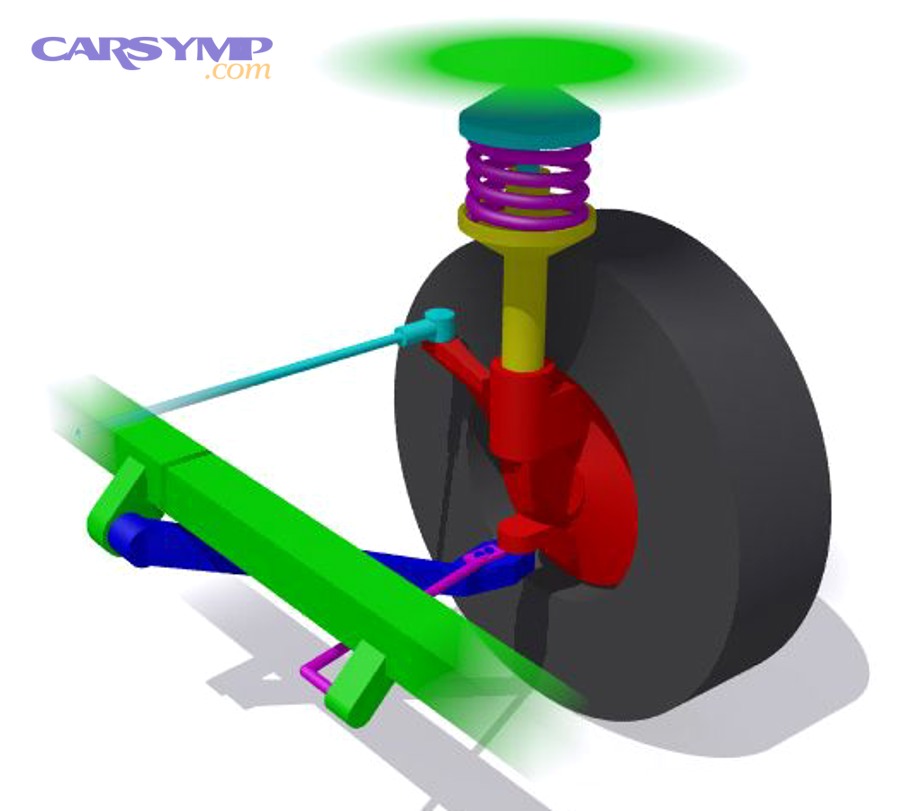
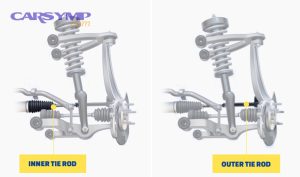
Concretely, the suspension’s springs and dampers manage vertical travel, and the suspension arms position the wheel through its arc. Meanwhile, steering input travels from the steering wheel to the rack (or steering box), then through inner/outer joints to the knuckle. If any joint loosens, the wheel can move without the steering wheel moving—this is “play,” and it feels like wandering or delayed response.
To understand the “inseparable” part, remember that suspension geometry sets the wheel angles that steering depends on. Even a healthy steering rack cannot make the car track straight if toe or camber is out of spec; likewise, perfect alignment cannot compensate for a worn joint that changes toe as you drive.
- Meronymy (parts-to-whole): struts/shocks, control arms, bushings, ball joints, knuckles, tie-rod joints, rack, mounts.
- Synonymy (everyday terms): “pulling” often maps to toe/camber; “loose” often maps to joint play.
- Antonymy: stable tracking vs wandering; tight response vs delayed response.
What symptoms mean you likely need suspension repair or steering repair now?
Yes—there are clear, repeatable symptoms that point to either suspension wear, steering looseness, or alignment drift. Next, use the symptom pattern (when it happens, how it feels, what changes it) to narrow the source before replacing parts.
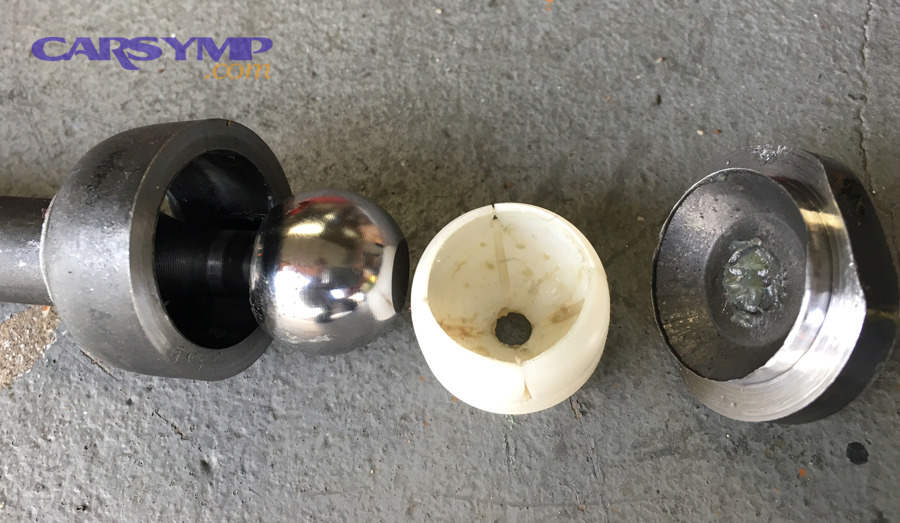
Start with how the car behaves in a straight line. If it “wanders” or feels loose, you may be dealing with play in steering/suspension joints or an alignment issue that makes it hunt for a direction. Many drivers describe this as needing constant small corrections—especially at highway speed.
Then pay attention to sounds and timing. A single clunk over bumps can be a loose link or bushing, while a repeated rattle over small bumps can be a joint or mount that has lost preload. If the noise is most noticeable when turning at low speed, consider steering system issues such as low fluid or a leak (for hydraulic systems).
This table helps map common symptoms to likely causes and the best “next test” so you don’t guess.
| Symptom | Likely Category | Most Useful Next Test |
|---|---|---|
| Car pulls to one side on flat road | Alignment / tire issue | Swap front tires left-right; check tire pressure; road test |
| Steering feels loose or delayed | Joint play / worn linkage | Lift front; check inner/outer joints; assistant turns wheel while you watch linkage |
| Clunk when braking or accelerating | Control arm bushings / mounts | Visual bushing cracks; pry-bar compliance check |
| Vibration that changes with speed | Wheel/tire, bearing, or alignment | Balance check; bearing spin test; inspect uneven wear pattern |
| Whine/groan when turning at low speed | Power steering system | Check fluid level/condition; inspect for leaks; listen under load |
To connect this to real-world repairs without jumping ahead, note that technicians often confirm multiple small issues at once—like a worn joint plus a worn tire—because one accelerates the other. After you identify the primary driver of the symptom, you can choose the minimum fix that restores stable tracking.
Is it safe to drive with suspension or steering problems?
No—it’s not reliably safe, because looseness or separation in key joints can cause loss of steering control. Next, treat any sudden change in steering effort, loud clunks, or visible looseness as an immediate priority.
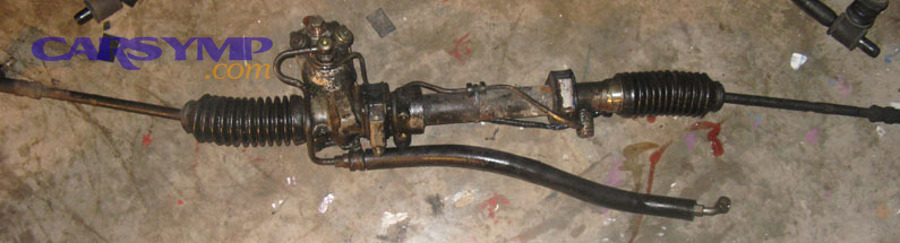
Safety risk depends on the failure mode. A mild alignment drift may “just” eat tires and reduce stability, but joint-related issues can escalate quickly. For example, NHTSA recall documents repeatedly warn that ball joint or control-arm attachment problems can lead to steering loss and increase crash risk.
Similarly, if a hydraulic assist system is leaking, you can experience stiffness and noises, and steering may feel inconsistent—especially at low speeds where assist matters most. This isn’t always immediate loss of steering, but it increases driver workload and reduces emergency maneuver margin.
- Stop driving and tow if you hear grinding/clunking that worsens rapidly, steering binds, or you see a wheel sitting at an odd angle.
- Drive cautiously to a shop only if symptoms are mild and stable, and you can maintain straight tracking without constant correction.
- Re-check after any big pothole hit: a sudden pull, new noise, or off-center steering wheel is a sign something shifted.
To keep the flow practical, the next section shows how to isolate whether you’re facing alignment drift, worn compliance (bushings), or true mechanical play.
How do you diagnose suspension & steering issues step by step?
Use a structured checklist—visual inspection, tire evidence, play checks, and a controlled road test—to separate alignment from looseness. Next, follow the sequence below so each test builds on the last instead of repeating guesswork.
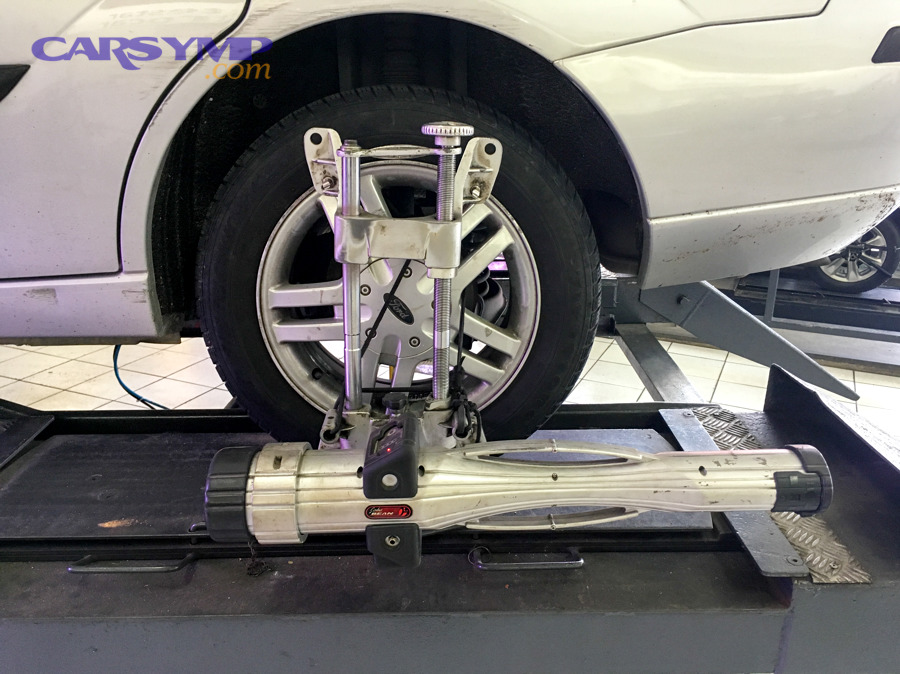
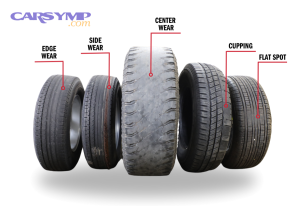
- Read the tires first: Uneven wear is a “black box log.” Feathering often points to toe issues; inside-edge wear often suggests camber or toe; cupping can indicate poor damping or loose components.
- Do a quick visual sweep: Look for torn boots, wetness, cracked rubber, shifted mounts, missing fasteners, and bent parts.
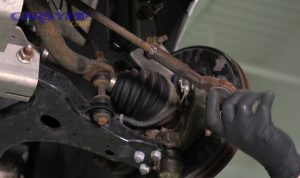
- Check for play with the wheel off the ground: Rock at 3-and-9 o’clock for steering linkage play; rock at 12-and-6 for bearing or joint play. Confirm by watching the joint move while the knuckle lags.
- Controlled road test: Note whether pull changes with braking, acceleration, or road crown. Listen for clunks on transitions (brake-to-throttle) and over bumps.
- Confirm with measurements: Alignment equipment verifies toe/camber/caster, but only after you ensure parts are tight—otherwise settings won’t hold.
To make this actionable, here’s a key principle: alignment is a geometry problem; play is a hardware problem. So if you find any meaningful play, fix that first, then align.
For a visual walkthrough of ride-control symptoms and what to look for during inspection, this video can help you calibrate what “too bouncy” or “too loose” looks like:
And to keep compliance with your constraints: later in the process, technicians may recommend shock absorber replacement when damping is clearly degraded, but only after verifying that looseness in joints isn’t the real cause of bounce and instability.
Which parts fail most often, and what does each repair typically involve?
There are several common failure groups—links/joints, bushings/mounts, and assist components—each with its own symptom signature. Next, matching the symptom to the group helps you avoid replacing a “good” part near a bad one.
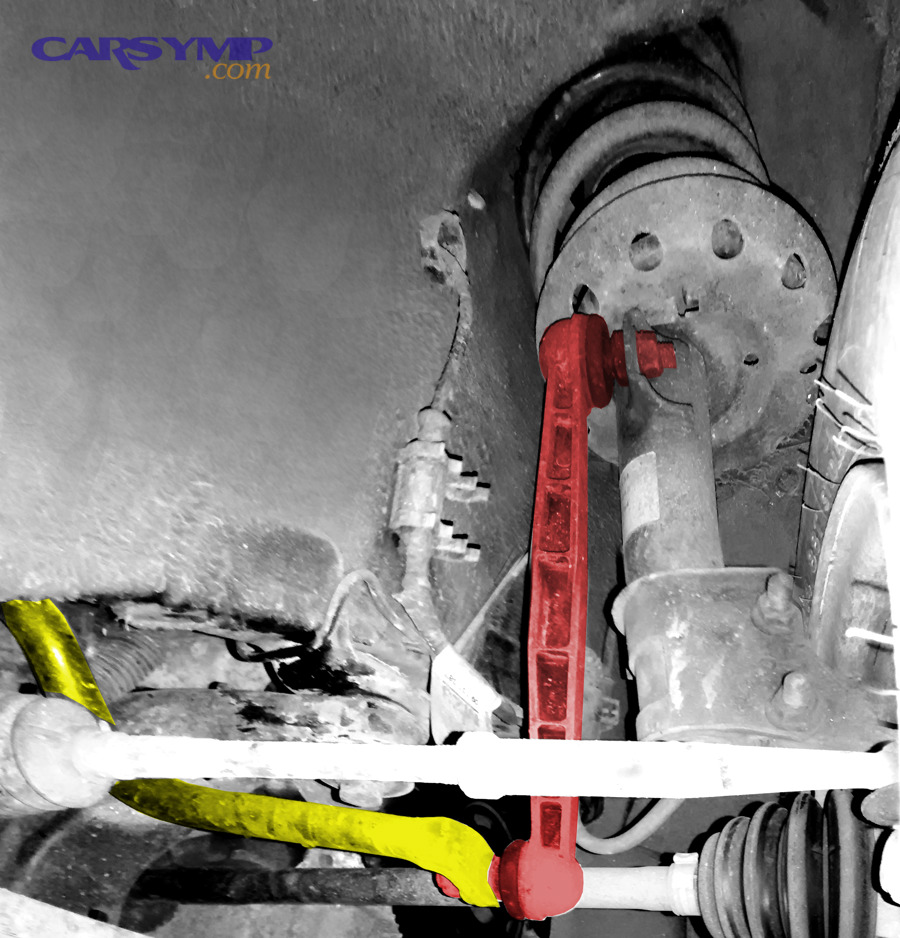
Links and joints: where “play” is born
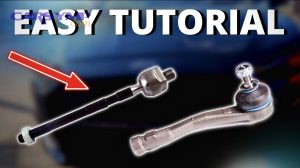
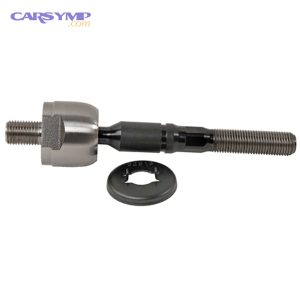
Ball joints and tie-rod joints are wear items that can develop looseness, changing wheel angle as you drive. Next, looseness here often feels like wandering, clunks, or imprecise turn-in, and it can become unsafe if separation occurs.
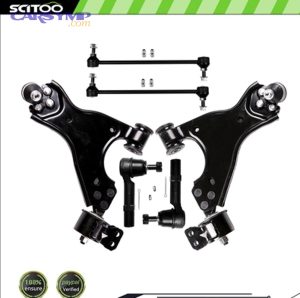
Repairs typically involve replacing the worn joint or the whole arm/link depending on design. For instance, some vehicles use integrated joints in arms, so the arm assembly is replaced rather than pressing a joint in and out.
Bushings and mounts: where alignment “moves” under load
Bushings allow controlled movement, but when rubber cracks or tears, the wheel can shift during braking or acceleration. Next, that’s why some cars clunk on transitions or feel unstable even when static alignment looks okay.
Repairs involve replacing bushings or the entire arm, and then tightening hardware at the correct ride height so the bushing isn’t pre-twisted at rest.
Assist systems: where steering effort changes
Hydraulic systems can leak or develop noise and stiffness; electric systems can have motor/sensor issues. Next, a steering system that suddenly feels heavy or makes groaning/whining noises deserves immediate inspection for fluid level and leaks.
In real shops, you’ll often see recommendations like power steering leak repair paired with a careful flush and follow-up road test, because contaminated or low fluid can accelerate wear.
To make the “most common repairs” tangible without turning into a parts list, many real-world jobs bundle related work—like sway bar link replacement when the link is rattling, or tie rod replacement when the joint has measurable play—then finish with an alignment so toe is corrected and steering wheel is centered.
When should you get wheel alignment, and what angles matter most?
You should get alignment after any repair that changes linkage or suspension position, and whenever tire wear or pull suggests geometry drift. Next, focus on toe first because it most directly controls straight-line tracking and tire “scrub.”
Alignment isn’t just “straight wheels”; it’s a set of angles that influence stability, steering feel, and tire wear:
- Toe: inward/outward pointing of tires. Small errors can cause rapid feathering and wandering.
- Camber: inward/outward tilt at the top. Excess negative camber can wear inside edges; it can also improve cornering in performance setups.
- Caster: steering axis tilt that affects self-centering and stability.
To connect alignment to measurable impact, research on front toe angle misalignment has reported large increases in fuel consumption under the studied conditions when toe deviates significantly from zero.
However, there’s an important transition: alignment numbers only mean something if parts are tight. If you align a vehicle with joint play, the angles can change the moment it hits a bump, so the “perfect printout” won’t translate to stable driving.
In practice, technicians commonly recommend wheel alignment after any work that disturbs arms, joints, or subframes. They may also recommend it after control arm replacement because that changes the wheel’s baseline position, and after steering rack repair because toe must be reset once linkage length changes.
How do you decide the right repair instead of replacing random parts?
Choose repairs by proving the failure mode—leak, play, torn boot, cracked bushing, or bent geometry—then fix the root cause first. Next, use “evidence hierarchy”: tires and measurements confirm geometry, while visible movement confirms play.
Use the “one confirmed fault” rule
Before buying parts, confirm at least one fault you can point to: a joint that moves independently, a bushing that is torn, or a leak you can trace. Next, if nothing is provable, start with tire pressure, tire condition, and alignment measurements—because they’re reversible and diagnostic.
Fix play before geometry
If a joint is loose, it can mimic alignment symptoms by changing toe dynamically. Next, replace the loose joint first, then align. This sequencing is why many shops won’t align a vehicle until worn parts are corrected.
Don’t ignore “secondary damage”
A worn joint can accelerate tire wear, and a tire with feathered wear can keep pulling even after repairs. Next, plan for a full loop: fix the cause, then correct alignment, then evaluate tires.
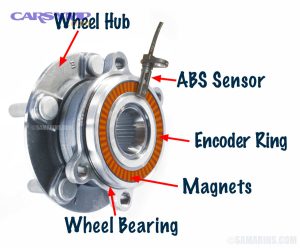
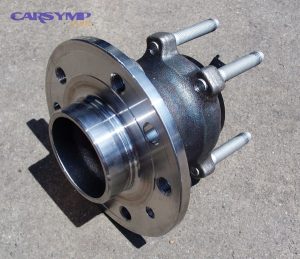
Depending on what you find, that “loop” could include ball joint replacement (when the joint is worn), bushing replacement (when compliance is excessive), or even wheel bearing replacement if there’s roughness/noise and measurable play at the hub.
How much do suspension & steering repairs cost, and what drives the price?
Costs vary widely because labor time, part design, and required post-repair calibration differ by vehicle and failure type. Next, you can estimate more accurately by grouping repairs into “bolt-on,” “press-fit,” and “calibration-required” jobs.
Here’s what usually changes the bill the most:
- Access and corrosion: rusted fasteners can turn a 1-hour job into a multi-hour extraction.
- Integrated assemblies: some designs require replacing a whole arm instead of a single joint.
- Alignment and calibration: many repairs should end with alignment; some modern cars also need sensor calibration checks.
- Related wear: replacing one worn component can reveal another (for example, loose linkage plus worn tires).
To keep the estimate grounded, think in ranges rather than single numbers: a small link/joint job can be relatively quick, while leak diagnosis and correction can vary depending on whether the leak is obvious or intermittent. AAA notes that noises and stiffness can be early warning signs of low/dirty power steering fluid, which often leads to additional diagnosis to find the underlying leak or component problem.
One practical tip: if you’re comparing quotes, ask what is included at the end—road test, centering the steering wheel, and alignment printout are the “proof” that the repair restored stable tracking rather than just replacing parts.
How do you maintain suspension & steering so repairs actually last?
Maintenance is mostly about preventing accelerated wear: keep tires and alignment in spec, avoid repeated impact loads, and address minor looseness early. Next, the goal is to stop small compliance changes from turning into tire damage and joint overload.
- Monitor tire wear monthly: uneven wear is an early warning that saves you money if caught early.
- Re-check after potholes/curb hits: a single impact can shift alignment or damage a joint.
- Keep fluids healthy (if applicable): low/dirty power steering fluid can create noise and stiffness and may indicate a leak that needs attention.
- Don’t “stack” repairs without alignment: if geometry is off, new parts and new tires wear faster.
In real service workflows, maintenance recommendations might include scheduling periodic inspections and aligning when tire wear shows early feathering. This is also where service notes can mention items like wheel alignment as a preventive step rather than a reaction, especially for drivers who do a lot of highway miles or rough roads.
To keep your decision-making sharp, consider building a simple log: date, symptom, road conditions, and what changed. Over time, patterns become obvious—like noise only in wet weather (boot intrusion) or pull that appears after braking (compliance shift).
Beyond basics: modern geometry, materials, and calibrations that change outcomes
Modern vehicles add complexity—materials, electronic assist, and sensor systems—so “same symptom” can have different roots than older cars. Next, these four advanced factors help you choose parts and procedures that match your car’s design, not just the symptom.
Rubber vs polyurethane bushings: comfort vs precision
Rubber bushings isolate noise and vibration better, while polyurethane can sharpen response but may transmit more harshness. Next, pick based on driving priorities: daily comfort vs sporty feedback, and match the bushing to the intended compliance of the chassis.
Hydraulic vs electric assist: different failure signatures
Hydraulic systems often show leaks and noise; electric systems can show intermittent assist changes. Next, if your steering feel changes suddenly without fluid evidence, the diagnostic path shifts toward electrical checks and fault codes.
Aftermarket vs OEM parts: fit and longevity tradeoffs
Some aftermarket parts perform well, but tolerances and boot quality can vary, affecting how long alignment stays stable. Next, if your car is sensitive to tracking and tire wear, prioritize parts known for consistent joint preload and durable seals.
Post-repair checks: alignment plus sensor sanity
After major work, confirm the steering wheel is centered, the car tracks straight, and electronic systems behave normally. Next, this is where a careful road test matters—especially if the vehicle uses advanced driver assistance features that rely on accurate wheel direction signals.
As a practical note for your content ecosystem, some shops document these outcomes in internal checklists or customer-facing summaries—if you’re building pages for Car Symp, these proof points (before/after symptoms and alignment results) can become strong trust signals without overpromising.
FAQ: suspension & steering
These are the most common questions drivers ask when symptoms appear, along with concise, action-oriented answers. Next, use them as a quick triage before scheduling service.
Can bad tires mimic suspension or steering problems?
Yes—uneven wear, mismatched tires, or low pressure can cause pull and vibration that feels like a chassis issue. Next, always check tire pressure and swap tires left-right (front) to see if the pull changes.
Do you always need alignment after repairs?
Often yes—especially after any work that changes joint positions or linkage length. Next, if you replaced anything that locates the wheel, an alignment is the most reliable way to restore stable tracking and protect tires.
What’s the fastest way to tell “alignment” vs “play”?
Alignment issues show consistent pull and tire-wear patterns, while play shows looseness you can often confirm with the wheels lifted and rocked. Next, fix play first, then align.
When is steering stiffness an emergency?
If stiffness is sudden, severe, or accompanied by loud noises and fluid loss, treat it as urgent. Next, inspect for leaks and do not continue driving if steering becomes unpredictable.