


spark plug replacement costs between $100 and $500 in 2025, depending on your vehicle type, spark plug material, and labor complexity. Most car owners pay around $276 to $391 for a complete replacement, which includes both parts ($16 to $200 for a full set) and labor ($40 to $350). Understanding these cost components helps you budget accurately and avoid overpaying for this essential maintenance service.
The total price varies significantly based on several key factors. Engine configuration plays a major role—a 4-cylinder engine typically costs $100 to $250 to service, while V8 engines can reach $500 or more due to the increased number of spark plugs and labor time required. The type of spark plug material you choose also affects your budget, with copper plugs starting at $2 each and premium iridium plugs costing up to $25 per plug.
Labor costs represent the largest variable in spark plug replacement pricing. Easy-access engines in vehicles like the Jeep Wrangler may only require $40 to $80 in labor, while compact or performance engines that require removing intake manifolds or other components can push labor costs to $350 or higher. The choice between independent repair shops ($100-$250 average) and dealerships ($200-$400+) further impacts your final bill.
This comprehensive guide breaks down every cost factor affecting spark plug replacement in 2025, helping you make informed decisions about materials, service providers, and whether to tackle the job yourself. Below, we examine specific price ranges by vehicle type, explain why costs vary so dramatically between different cars, and provide strategies to minimize your expenses without compromising quality.
How Much Does Spark Plug Replacement Cost in 2025?
Spark plug replacement costs range from $100 to $500+ in 2025, with most vehicle owners paying between $276 and $391 for a complete service including parts and labor. Understanding this price breakdown helps you budget effectively and recognize fair pricing when getting quotes from mechanics.
To better understand where your money goes, let’s examine the specific components that make up the total replacement cost. The table below shows typical price ranges for the most common scenarios:
| Engine Type | Parts Cost | Labor Cost | Total Cost Range |
|---|---|---|---|
| 4-Cylinder | $16-$50 | $40-$200 | $100-$250 |
| V6 | $24-$75 | $50-$275 | $150-$350 |
| V8 | $32-$100 | $80-$400 | $200-$500 |
| Dual-Plug Engines (HEMI) | $65-$200 | $100-$500 | $300-$700 |
This table illustrates how cylinder count directly affects both parts and labor expenses, with dual-plug configurations representing the highest cost category.
What Is the Average Cost Breakdown for Parts and Labor?
The average parts cost ranges from $16 to $200 for a complete set, while labor adds $40 to $350 depending on engine accessibility and mechanic rates. Parts prices vary primarily based on spark plug material composition, with copper plugs costing $2 to $5 each, platinum plugs running $6 to $10 each, and premium iridium plugs ranging from $15 to $25 per plug.
Specifically, a 4-cylinder engine requiring copper spark plugs might only need $8 to $20 in parts (four plugs at $2-5 each), while the same engine using iridium plugs could cost $60 to $100 in parts alone. Double platinum and double iridium variants, which feature premium material on both the center and ground electrodes, typically fall in the $8 to $20 per plug range, offering enhanced durability without reaching the price premium of single-material iridium plugs.
Labor costs fluctuate based on how long the job takes and your mechanic’s hourly rate. According to RepairPal’s 2025 data, labor rates across the United States range from $110 to $175 per hour, with coastal metropolitan areas typically charging at the higher end. A straightforward spark plug replacement on an accessible engine takes 30 minutes to one hour, resulting in $55 to $175 in labor. However, engines requiring removal of intake manifolds, engine covers, or other components can extend service time to 2.5 hours or more, pushing labor costs to $437 or higher.
The total service time depends heavily on your vehicle’s design. Older vehicles with simple wire ignition systems allow mechanics to remove spark plug wires and replace plugs directly. Newer vehicles with coil-on-plug ignition systems require removing the engine cover, disconnecting ignition coil harnesses, removing individual ignition coils, and then accessing the spark plugs—a more time-intensive process that increases labor charges proportionally.
How Does Engine Type Affect Replacement Costs?
Engine type determines both the number of spark plugs required and the labor complexity, with 4-cylinder engines costing $100-$250, V6 engines running $150-$350, and V8 engines ranging from $200-$500 or more. The cylinder count multiplies both your parts cost and the time mechanics spend on installation.
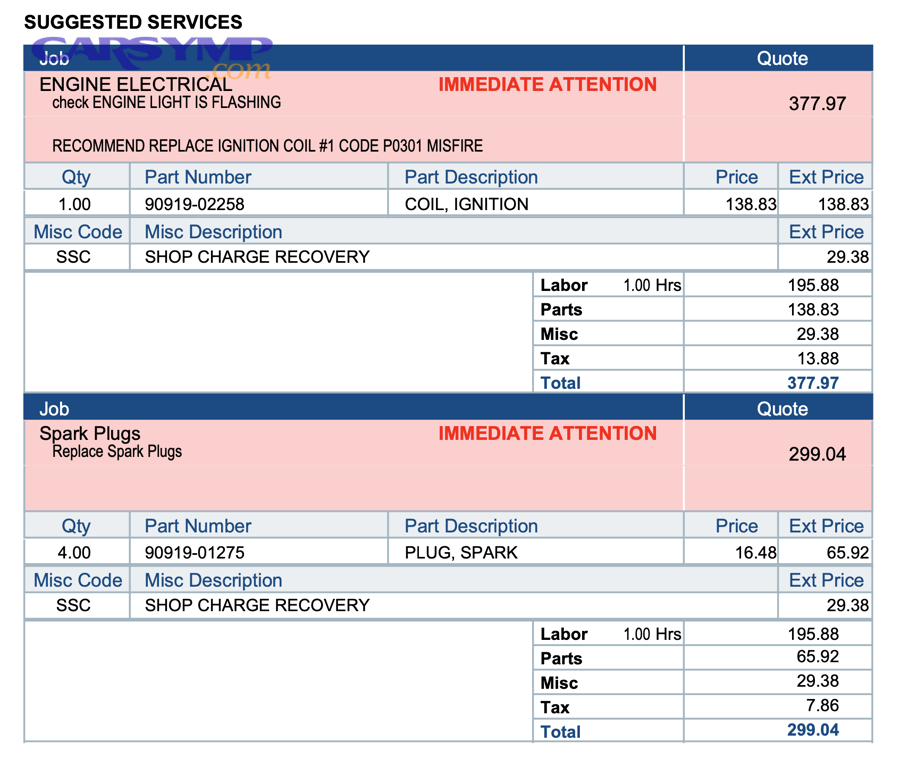
For example, a Honda Civic with a 4-cylinder engine needs only four spark plugs. At $8 per platinum plug, parts total $32. With one hour of labor at $120 per hour, the complete service costs approximately $152. Meanwhile, a Ford F-150 with a V8 engine requires eight spark plugs. The same $8 platinum plugs now cost $64 in parts, and the larger engine’s configuration may require 1.5 to 2 hours of labor at $120 per hour, bringing the total to $244 to $304.
Dual-spark-plug engines like Chrysler’s 5.7L HEMI represent the most expensive standard configuration. These engines use two spark plugs per cylinder—16 total plugs for an 8-cylinder HEMI. Even using mid-range platinum plugs at $8 each results in $128 in parts alone. The additional complexity of replacing 16 plugs instead of eight extends labor time significantly, with total costs often reaching $300 to $700 depending on the service provider and specific vehicle model.
Engine layout also affects accessibility. Inline 4-cylinder engines typically provide straightforward access to spark plugs from above, minimizing labor time. V6 and V8 engines position cylinders in a V-configuration, with rear cylinders often requiring more disassembly to access. Boxer engines used in Subaru vehicles position cylinders horizontally, sometimes requiring mechanics to work from underneath the vehicle, which increases both difficulty and labor charges.
What Factors Influence Spark Plug Replacement Costs?
Five primary factors influence spark plug replacement costs: spark plug material type, engine accessibility, vehicle make and model, service provider choice, and geographic location. These variables can create price differences of $400 or more for the same basic service, making it essential to understand each factor’s impact.
Specifically, the spark plug material you select establishes the baseline parts cost and directly affects replacement intervals. Engine accessibility determines whether the job takes 30 minutes or three hours. Your vehicle’s make and model influence both parts availability and labor complexity. The service provider—whether an independent shop, chain service center, or dealership—applies different labor rates and markup structures. Finally, geographic location affects hourly labor rates, with mechanics in urban areas and high-cost-of-living regions charging significantly more than those in rural communities.
How Do Different Spark Plug Materials Impact Price?
Spark plug material determines both upfront cost and replacement frequency, with copper plugs costing $2-$5 each but lasting only 30,000 miles, platinum plugs running $6-$10 each with 60,000-mile lifespans, and iridium plugs ranging from $15-$25 each while lasting 100,000-120,000 miles. Understanding the relationship between material cost and longevity helps you calculate total ownership expenses rather than just initial replacement costs.
Copper spark plugs use a copper core electrode and represent the most affordable option. For a 4-cylinder engine, a complete set costs just $8 to $20. However, copper’s relatively soft composition wears faster under the extreme heat and electrical demands of the combustion chamber. Most manufacturers recommend replacement every 30,000 to 40,000 miles. If you drive 15,000 miles annually, you’ll need copper spark plug replacement every two to three years, with lifetime costs (parts plus labor) reaching $300 to $750 over 100,000 miles.
Platinum spark plugs feature a platinum disc welded to the center electrode tip. This harder material resists erosion better than copper, extending service life to approximately 60,000 miles. Double platinum plugs add platinum to the ground electrode as well, particularly beneficial for waste spark ignition systems. At $6 to $10 per plug, a 4-cylinder set costs $24 to $40. Over 100,000 miles, you’ll need replacement twice instead of three to four times, potentially reducing total costs to $250 to $500 depending on labor rates.
Iridium spark plugs use iridium—one of the hardest metals on Earth—for the center electrode. This material withstands erosion exceptionally well, with manufacturers rating most iridium plugs for 100,000 to 120,000 miles. At $15 to $25 per plug, a 4-cylinder set costs $60 to $100. Despite the higher initial investment, you’ll typically need only one replacement over 100,000 miles, with total costs ranging from $160 to $350. Double iridium plugs, which add iridium to the ground electrode, cost slightly less at $8 to $15 each while providing similar longevity benefits.
For cost-conscious buyers, the break-even analysis clearly favors iridium for long-term ownership. A vehicle kept for 100,000 miles with copper plugs might require four replacements at $150 each ($600 total), while the same vehicle with iridium plugs needs just one replacement at $250—a savings of $350 over the vehicle’s life. This calculation assumes labor costs remain constant, making the material upgrade increasingly valuable as labor rates rise.
Why Does Labor Cost Vary So Much Between Vehicles?
Labor costs vary from $40 to $350 primarily due to engine accessibility differences, with some vehicles allowing 30-minute plug changes while others require 2-3 hours of disassembly to reach the spark plugs. Engine design philosophy directly determines how much work mechanics must perform before they can even access the plugs themselves.
Vehicles with easy spark plug access include older designs and some purpose-built platforms. The 1997-2006 Jeep Wrangler, for instance, features an inline 4-cylinder or inline 6-cylinder engine with spark plugs positioned prominently on top of the engine. Mechanics can remove spark plug wires or coils, extract old plugs, gap new plugs, and install them in 30 to 45 minutes. At $120 per hour, labor costs just $60 to $90 for this straightforward job.
Conversely, many modern vehicles prioritize aerodynamics, cabin space, and packaging efficiency over service accessibility. Compact cars with transversely-mounted engines often bury rear spark plugs beneath intake manifolds or against the firewall. Mechanics must remove engine covers, disconnect wiring harnesses, remove the intake manifold, and sometimes even lower the engine slightly to access rear cylinders. This disassembly process can consume 2.5 to 3 hours before the actual spark plug replacement begins. At $150 per hour in metropolitan areas, labor alone reaches $375 to $450.
Performance engines and luxury vehicles present additional complexity. Turbocharged engines may require removing intercooler piping. Supercharged engines often need supercharger unit removal or repositioning. European luxury vehicles frequently use specialized tools and procedures that extend service time. A BMW with a turbocharged inline-6 might need 3 hours for spark plug replacement, with dealership labor rates of $175 per hour resulting in $525 in labor charges alone.
Foreign versus domestic vehicle complexity also plays a role. Subaru’s boxer engine design positions cylinders horizontally, with spark plugs accessible from underneath the vehicle in some models. Mechanics must lift the car, possibly remove skid plates or undercarriage panels, and work in awkward positions to access plugs. This unconventional approach extends labor time and increases costs compared to traditional vertical engine designs. According to AutoZone’s 2025 service data, Subaru boxer engine spark plug replacement typically costs $250 to $400, with labor representing the majority of that expense.
What Is the Cost Difference Between Service Providers?
Independent repair shops charge $100-$250 for spark plug replacement, dealerships charge $200-$400+, chain service centers fall in between at $150-$300, and mobile mechanics may charge $120-$280 depending on regional market conditions. Each service provider type offers distinct advantages that may justify their pricing structure depending on your needs.
Independent repair shops typically offer the most competitive pricing for straightforward maintenance like spark plug replacement. These locally-owned businesses have lower overhead than dealerships and often build customer loyalty through fair pricing. A typical independent shop charges $100 to $120 per hour for labor and applies modest markups to parts. For a 4-cylinder vehicle needing one hour of service with platinum plugs, expect to pay $100 to $200 total. Many independent shops also provide RepairPal certifications or ASE-certified technicians to demonstrate quality standards.
Dealerships charge premium rates but offer specific benefits. Dealership service departments employ factory-trained technicians familiar with your vehicle’s exact specifications. They stock OEM (Original Equipment Manufacturer) parts and follow manufacturer service procedures precisely. Labor rates typically range from $150 to $200 per hour, with some luxury brands exceeding $200. For the same 4-cylinder vehicle, dealership costs reach $200 to $350. However, dealership service may be mandatory to maintain warranty coverage on newer vehicles, and their technicians possess specialized knowledge of uncommon models or complex systems.
Chain service centers like Jiffy Lube, Firestone Complete Auto Care, Pep Boys, and Midas occupy the middle ground. These national brands charge $120 to $150 per hour for labor and often run promotional discounts. They provide standardized service quality across locations and may offer loyalty programs or bundled service packages. For spark plug replacement, expect $150 to $300 depending on your vehicle and current promotions. The convenience of numerous locations and extended hours appeals to busy vehicle owners.
Mobile mechanics represent an emerging service category, traveling to your home or workplace to perform repairs. Labor rates range from $100 to $140 per hour, competitive with independent shops. However, you pay for convenience—mobile mechanics may charge trip fees ($25-50) or premium rates for after-hours service. Total costs typically fall between $120 and $280, making mobile service attractive when you value time savings over absolute lowest cost. This option works best for accessible engines that don’t require extensive disassembly, as mobile mechanics have limited equipment compared to full-service facilities.
What Are the Costs by Vehicle Type and Make?
Spark plug replacement costs vary significantly by vehicle category, with compact cars costing $100-$200, mid-size sedans running $150-$300, SUVs and trucks ranging from $200-$400, luxury vehicles requiring $300-$600+, and performance vehicles reaching $400-$800 or more. Vehicle manufacturers engineer their engines with different priorities—economy cars emphasize simplicity and service accessibility, while luxury and performance vehicles prioritize power delivery and packaging efficiency often at the expense of maintenance convenience.
Understanding typical costs for your specific vehicle category helps you recognize fair pricing when obtaining service quotes. The following breakdown provides realistic expectations based on common vehicles within each category and accounts for both parts and labor using current 2025 market rates.
How Much Does Spark Plug Replacement Cost for Common Vehicles?
Common vehicles fall into distinct cost categories based on engine design and accessibility, with compact cars like the Honda Civic and Toyota Corolla costing $100-$200, mid-size sedans like the Camry and Accord running $150-$300, trucks and SUVs like the F-150 and Silverado requiring $200-$400, luxury vehicles demanding $300-$600+, and performance cars reaching $400-$800 or more.
Compact Cars ($100-$200): The Honda Civic, Toyota Corolla, Mazda3, and similar compact vehicles typically use 4-cylinder engines with straightforward spark plug access. These mass-market vehicles prioritize affordable maintenance. A 2023 Honda Civic with a 1.5L turbocharged 4-cylinder needs four iridium spark plugs at $15 each ($60 parts) plus approximately one hour of labor at $120 ($120 labor), totaling $180. The naturally aspirated 2.0L version may cost slightly less due to simpler turbo-free access, around $150 to $170 total.
Mid-Size Sedans ($150-$300): The Toyota Camry, Honda Accord, Nissan Altima, and comparable sedans often use 4-cylinder or V6 engines. The 2024 Camry with a 4-cylinder hybrid powertrain costs approximately $160 to $200 for spark plug replacement, while the V6 variant (in older model years) requires six plugs and additional labor, pushing costs to $240 to $300. The transverse engine mounting in front-wheel-drive sedans sometimes requires removing intake components to access rear cylinders, extending labor time beyond simple 4-cylinder compacts.
SUVs and Trucks ($200-$400): The Ford F-150, Chevrolet Silverado, Toyota 4Runner, and similar body-on-frame trucks and SUVs use larger engines ranging from V6 to V8 configurations. A 2025 F-150 with the 5.0L V8 requires eight spark plugs. Using iridium plugs at $18 each ($144 parts) plus 1.5 to 2 hours of labor at $130 per hour ($195-260 labor), total costs reach $339 to $404. The turbocharged EcoBoost V6 engines may cost slightly less due to six plugs instead of eight, but the turbocharger complexity can offset this savings.
Luxury Vehicles ($300-$600+): BMW, Mercedes-Benz, Audi, Lexus, and other premium brands engineer complex engines with performance and refinement priorities. A 2024 BMW 340i with a turbocharged inline-6 engine requires six premium spark plugs at $25 each ($150 parts) plus 2 to 3 hours of dealership labor at $175 per hour ($350-525 labor), totaling $500 to $675. These vehicles often mandate OEM parts to maintain performance characteristics, and their tight engine bays require specialized tools and procedures that extend service time significantly.
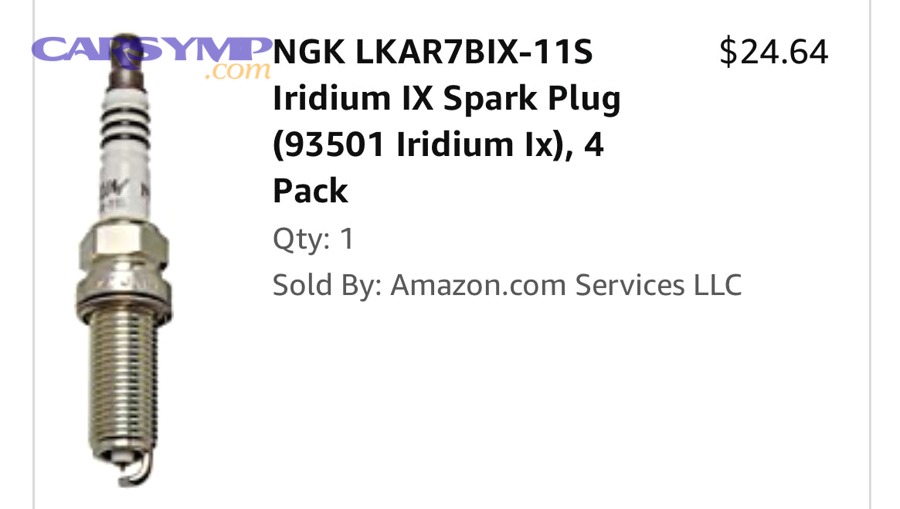
Performance Vehicles ($400-$800+): Chevrolet Corvette, Porsche 911, Dodge Challenger SRT, and similar performance-oriented vehicles use high-output engines with demanding specifications. A 2024 Corvette with the LT2 6.2L V8 requires eight premium spark plugs at $28 each ($224 parts) plus 2.5 to 3.5 hours of specialized labor at dealership rates of $180-200 per hour ($450-700 labor), totaling $674 to $924. Some performance vehicles use dual-plug configurations or require extensive disassembly of performance intake systems, further increasing costs.
Which Vehicle Brands Have the Highest Replacement Costs?
European luxury brands including BMW, Audi, Mercedes-Benz, and Porsche consistently rank among the highest spark plug replacement costs, with averages ranging from $400 to $800, while American performance brands like Corvette and high-end Dodge models cost $350 to $600, primarily due to specialized OEM part requirements and labor-intensive engine bay access. These premium pricing structures reflect design philosophies that prioritize performance and packaging density over service accessibility.
BMW vehicles exemplify high-cost maintenance patterns. The turbocharged inline-6 engines used in 340i, 440i, and M340i models position spark plugs beneath the intake manifold and require partial engine disassembly for access. BMW mandates specific NGK or Bosch OEM spark plugs to maintain fuel mapping and timing precision. At dealership service centers, expect $500 to $700 for complete spark plug replacement. The added complexity of coil-on-plug ignition systems in BMW vehicles means mechanics must remove individual ignition coils before accessing each plug, extending labor time compared to older plug wire systems.
Audi and Volkswagen Group vehicles share similar cost structures. The 2.0T turbocharged 4-cylinder engine used across multiple Audi and VW models requires removing the engine cover, disconnecting various sensors, and sometimes lowering the engine slightly to access all four spark plugs. Dealers charge $350 to $500 for this service, with parts representing $100 to $150 and labor consuming the remainder. The company’s precision engineering tolerances and electronic integration make OEM parts strongly recommended, preventing cost savings through aftermarket alternatives.
Mercedes-Benz follows a similar pattern, with V6 and V8 engines requiring $400 to $600 for spark plug replacement at dealerships. The twin-turbocharged V8 engines in AMG models may exceed $700 due to the extensive disassembly required to access rear cylinder banks. Mercedes-Benz also specifies premium iridium plugs with precise heat ranges to maintain engine performance and efficiency, limiting cost reduction options.
Porsche represents the premium end of replacement costs. The 911’s rear-mounted flat-six engine requires accessing spark plugs from underneath or by removing rear bodywork depending on the model year. Labor time can reach 3 to 4 hours for complete replacement, with dealership rates of $200 per hour resulting in $600 to $800 in labor alone. Adding Porsche’s OEM spark plugs at $30 to $40 each brings total costs to $780 to $1,040 for comprehensive service.
These high costs stem from three primary factors. First, European luxury manufacturers design engines with performance and packaging priorities, accepting reduced service accessibility as a trade-off. Second, these brands specify premium OEM parts with tight tolerances that aftermarket manufacturers struggle to match. Third, dealership labor rates for premium brands significantly exceed those of mass-market manufacturers, reflecting both higher overhead costs and the specialized training required to service complex modern engines.
Should You DIY or Pay for Professional Installation?
DIY spark plug replacement saves $40 to $350 in labor costs but requires mechanical skill, proper tools ($50-150 investment), and carries risks of costly damage ($500+ repairs) if done incorrectly, while professional installation ensures proper technique, warranty coverage, and correct torque specifications. The decision depends on your mechanical experience, tool availability, engine accessibility, and risk tolerance.
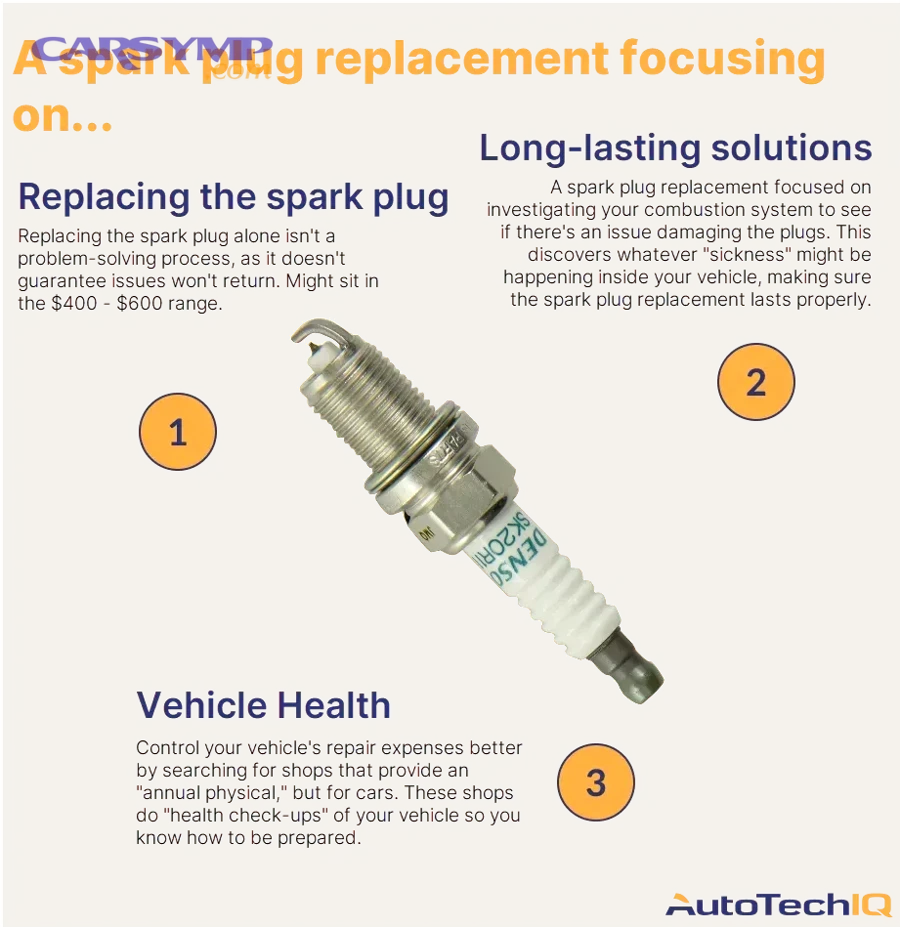
Evaluating the DIY versus professional decision requires honest assessment of your capabilities and your vehicle’s specific service requirements. Engines with straightforward access and owners with basic mechanical skills represent ideal DIY candidates, while complex modern engines with tight packaging often justify professional service despite the higher cost.
How Much Can You Save with DIY Spark Plug Replacement?
DIY spark plug replacement saves $40 to $350 in labor costs, requiring only parts ($16-$200), basic tools ($50-150 if you don’t own them), and 1-2 hours of your time. For a straightforward 4-cylinder engine with good access, you’ll spend approximately $75 for parts and complete the job in one hour, compared to $175 for professional service—a $100 savings.
The parts-only cost structure remains identical whether you buy from auto parts stores or let a mechanic order them. A set of four platinum spark plugs costs $24 to $40 at AutoZone, O’Reilly Auto Parts, or NAPA. Buying the same plugs through a repair shop adds minimal markup (5-10%), so parts represent no significant savings opportunity. The entire DIY financial benefit comes from eliminating labor charges.
Tool requirements for basic spark plug replacement include:
- Socket wrench set with spark plug socket (typically 5/8″ or 13/16″): $25-60
- Ratchet extension (6″ or longer): $8-15
- Spark plug gap tool: $3-8
- Dielectric grease: $5-10
- Anti-seize compound: $8-12
- Torque wrench (recommended for proper installation): $30-80
If you already own basic tools, you’ll only need the spark plug socket and specialty compounds, bringing additional costs to $15 to $30. First-time DIYers investing in a complete tool set spend $50 to $150 upfront but can reuse these tools for future maintenance, amortizing the investment across multiple services.
Time investment varies by experience and engine accessibility. A mechanically-inclined person tackling an accessible 4-cylinder engine can complete the job in 45 to 90 minutes on their first attempt. Subsequent replacements drop to 30 to 60 minutes as familiarity increases. Difficult engines requiring intake manifold removal extend time to 2 to 4 hours even for experienced DIYers, reducing the time-value proposition of doing it yourself.
Over a vehicle’s lifetime, DIY maintenance generates substantial savings. If you replace spark plugs twice over 100,000 miles (once with platinum at 50,000 miles, once with iridium at 100,000 miles) and save $150 per service, that’s $300 in labor savings. Combined with similar DIY savings on oil changes, air filter replacement, and other basic maintenance, annual savings can reach $400 to $600 for active DIY practitioners.
What Are the Risks of Incorrect Installation?
Incorrect spark plug installation causes three primary damage types: cross-threading that destroys cylinder head threads ($500-1,500 repair), over-torquing that cracks ceramic insulators or damages threads ($200-800 repair), and improper gap settings that cause misfires and potential catalytic converter damage ($1,000-2,500 repair). These risks make proper technique essential for DIY installers.
Cross-threading occurs when the spark plug doesn’t align perfectly with the cylinder head threads during installation. Forcing a misaligned plug shears the aluminum threads in the cylinder head, requiring professional thread repair using a HeliCoil insert ($300-500 per cylinder) or, in severe cases, cylinder head replacement ($1,200-2,500 depending on the engine). This damage is nearly irreversible and far exceeds any savings from DIY installation.
To avoid cross-threading, always start spark plugs by hand rather than with tools. Thread the plug carefully into the cylinder head using only your fingers, ensuring it turns smoothly without resistance. Once the plug seats hand-tight, use a socket wrench for the final tightening. If you feel resistance or binding while hand-threading, remove the plug completely and restart—never force it.
Over-torquing damages spark plugs and cylinder heads by applying excessive rotational force during final tightening. Spark plug specifications typically call for 15 to 25 foot-pounds of torque depending on plug design and thread size. Exceeding this specification cracks the ceramic insulator (the white or tan portion surrounding the center electrode) or damages cylinder head threads. A cracked plug must be replaced immediately, and thread damage may require professional repair costing $200 to $800.
Using a torque wrench prevents over-torquing. These tools click or release when the specified torque is reached, eliminating guesswork. Spark plug manufacturers provide exact torque specifications in installation instructions—follow them precisely. If you lack a torque wrench, turn the plug until hand-tight, then rotate an additional ½ to ⅔ turn for gasket-seat plugs or ⅛ turn for tapered-seat plugs. This approximation works but carries slightly higher risk than torque wrench precision.
Improper spark plug gap settings prevent optimal combustion, causing engine misfires, reduced fuel economy, and potential catalytic converter damage. The gap—the distance between the center and ground electrodes—must match your engine’s specifications (typically 0.028″ to 0.060″). Gaps too wide prevent reliable spark formation, while gaps too narrow cause weak combustion. Pre-gapped plugs from manufacturers sometimes require verification, as shipping and handling can alter the gap.
Use a gap tool to measure the distance between electrodes before installation. If adjustment is needed, carefully bend only the ground electrode (the curved outer portion)—never apply force to the center electrode, as this can damage the ceramic insulator. According to a 2024 study by the Automotive Maintenance and Repair Association, improper spark plug gaps accounted for 23% of check engine light diagnoses related to ignition systems, costing vehicle owners an average of $180 in diagnostic fees to identify the problem.
When professional installation makes sense:
- Complex engines requiring intake manifold removal
- Turbocharged or supercharged engines with tight clearances
- Aluminum cylinder heads prone to thread damage
- First-time DIYers without mechanical experience
- Vehicles under warranty where DIY work may void coverage
- Engines with seized or corroded plugs requiring extraction tools
How Can You Reduce Spark Plug Replacement Costs?
You can reduce spark plug replacement costs through five primary strategies: scheduling preventive replacement to avoid diagnostic fees, choosing cost-effective service providers, using price estimator tools for competitive quotes, selecting appropriate spark plug materials for your driving needs, and bundling services to reduce per-service labor charges. Implementing these strategies can save $100 to $300 per service while maintaining quality and engine performance.
Cost reduction should never compromise safety or long-term engine health. The goal is optimizing value—receiving proper service at fair prices—rather than simply choosing the absolute cheapest option regardless of quality. Understanding which cost factors you can control and which remain fixed helps you make strategic decisions that benefit your budget without risking engine damage.
When Is the Best Time to Replace Spark Plugs to Save Money?
The best time to replace spark plugs is during scheduled preventive maintenance according to your manufacturer’s recommended intervals, saving $50 to $150 in diagnostic fees compared to reactive replacement after engine problems develop. Proactive replacement also prevents the cascade of related damage that occurs when worn plugs cause misfires, potentially saving $500 to $2,000 in catalytic converter or ignition coil repairs.
Manufacturer maintenance schedules specify spark plug replacement intervals in your owner’s manual, typically ranging from 30,000 miles for copper plugs to 100,000 miles for iridium plugs. Following these intervals—before performance degradation becomes noticeable—prevents the diagnostic work required to identify spark plugs as the problem source. When you bring a vehicle with rough idle and misfires to a mechanic, they must perform diagnostic tests ($50-150) to pinpoint the cause. Scheduled replacement eliminates this unnecessary expense.
Off-season timing can reduce costs at some service centers. Many repair shops experience slower business during winter months (excluding regions with harsh winters where maintenance increases) and early fall. Some facilities offer 10-15% discounts during these periods to maintain steady work flow. Calling ahead to ask about seasonal promotions can uncover savings opportunities, particularly at chain service centers that run corporate promotional campaigns.
Bundling spark plug replacement with other scheduled maintenance maximizes labor efficiency and reduces per-service costs. If your vehicle needs spark plug replacement at 60,000 miles and also requires timing belt service, air filter replacement, and transmission fluid change at the same interval, scheduling these services together eliminates duplicate labor charges. Instead of paying $120 for shop time four separate times ($480 total), you might pay $280 for a comprehensive 2.5-hour service that addresses all items—a $200 savings through labor efficiency.
According to Kelley Blue Book’s 2025 maintenance cost analysis, vehicle owners who follow manufacturer preventive maintenance schedules spend 34% less on repairs over 100,000 miles compared to those who wait for problems to develop before seeking service. This savings comes primarily from avoiding the compounding damage that worn spark plugs inflict on ignition coils, catalytic converters, and oxygen sensors—components that cost $300 to $2,500 to replace when damaged by prolonged spark plug neglect.
What Are the Hidden Costs That Increase Total Price?
Hidden costs that increase spark plug replacement prices include related component replacement ($50-400 for ignition coils or plug wires), diagnostic fees ($50-150 if you wait for symptoms rather than scheduling preventive service), shop fees and environmental charges ($10-35), taxes (6-10% depending on location), and repairs for additional problems discovered during service. Understanding these potential add-ons helps you evaluate quotes accurately and budget for the complete service.
Related component replacement represents the most significant hidden cost. Spark plug wires (on older vehicles) deteriorate over time, developing cracks and weak insulation that reduces spark strength. Mechanics typically recommend replacing plug wires simultaneously with spark plugs every 30,000 to 60,000 miles. Wire sets cost $40 to $100 depending on quality, adding this expense to your total bill. Ignition coils, which replace plug wires in modern coil-on-plug systems, also wear out—though typically on longer intervals. Replacing a single failed ignition coil costs $150 to $300 including labor, with complete sets (replacing all coils preventively) reaching $400 to $800 for V6 or V8 engines.
Diagnostic fees apply when you bring a vehicle for symptom-based service rather than scheduled maintenance. If your check engine light illuminates or the engine runs rough, mechanics must diagnose the problem using computerized scan tools and visual inspection before recommending repairs. This diagnosis costs $50 to $150 at most facilities. While this fee is justified when the problem source remains unknown, it represents an unnecessary expense if you already know spark plugs require replacement based on mileage intervals.
Shop fees and environmental charges appear as separate line items on many invoices. These fees cover shop supplies (cleaning solvents, rags, lubricants), waste disposal for old parts, and general overhead. Typically ranging from $10 to $35, these charges aren’t negotiable but should be disclosed upfront. Ask about shop fees when requesting quotes to ensure apple-to-apple pricing comparisons.
Taxes vary by location, with most states applying sales tax to both parts and labor. At 7% sales tax, a $250 spark plug replacement becomes $267.50—an $17.50 difference that surprises unprepared customers. Some states exempt labor from sales tax, taxing only parts, while others tax the entire service. Understanding your local tax structure prevents sticker shock when paying the final bill.
Additional repairs discovered during spark plug replacement can significantly increase costs. When mechanics remove spark plugs, they inspect the combustion chamber visible through the plug hole. Discovering oil fouling (indicating valve cover gasket leaks), coolant residue (suggesting head gasket problems), or unusual deposits might prompt recommendations for additional repairs. While these recommendations address legitimate issues, they can transform a $200 spark plug service into a $800+ comprehensive repair. Ask mechanics to contact you before performing work beyond the agreed-upon scope to maintain budget control.
How Can You Find Fair Pricing in Your Area?
You can find fair spark plug replacement pricing using online cost estimator tools from RepairPal, FIXD, and Kelley Blue Book, obtaining three written quotes from different service providers, checking certifications like ASE or RepairPal Certified, reading customer reviews focusing on pricing transparency, and understanding that labor rates vary from $110 to $175 per hour based on geographic location. Combining these research methods identifies reasonably-priced, quality service providers.
Online cost estimator tools provide baseline pricing expectations customized to your specific vehicle and location. RepairPal’s Fair Price Estimator collects data from thousands of service facilities nationwide, generating price ranges for your make, model, and ZIP code. For a 2023 Honda Civic in Los Angeles, CA, the estimator might show $180 to $240 as the fair price range, while the same vehicle in rural Oklahoma might show $120 to $180. These tools account for regional labor rate differences and provide valuable negotiating context.
FIXD’s cost estimator operates similarly, pulling data from their network of repair facilities. Kelley Blue Book’s pricing tool integrates with their automotive research platform, offering cost estimates alongside vehicle valuations and specifications. Using multiple estimators provides cross-verification—if all three tools suggest $150 to $250 for your specific service, quotes above $300 or below $100 warrant additional scrutiny.
Obtaining three written quotes ensures competitive pricing. Call or email three service providers (one independent shop, one chain service center, one dealership) requesting detailed written estimates for spark plug replacement on your specific vehicle. Ensure quotes specify:
- Parts brand and type (e.g., “NGK iridium plugs”)
- Labor hours and hourly rate
- Shop fees and environmental charges
- Tax calculations
- Total out-the-door price
Written quotes create accountability and facilitate direct comparison. Providers offering suspiciously low quotes may use inferior parts, while extremely high quotes may indicate overpricing or unnecessary bundled services. The middle quote often represents fair market value, though reviewing what each quote includes remains essential.
Certifications indicate service quality and transparency. ASE (Automotive Service Excellence) certification demonstrates that technicians have passed standardized competency exams. RepairPal Certified shops undergo verification of fair pricing, quality parts, and skilled technicians. These certifications don’t guarantee the lowest price but do suggest honest service at competitive rates. According to RepairPal’s 2024 data, certified shops charge an average of 8-12% less than dealerships while maintaining comparable quality for routine maintenance like spark plug replacement.
Customer reviews provide real-world pricing transparency insights. Focus on reviews mentioning specific costs and whether final charges matched initial quotes. Comments like “they charged exactly what they quoted” or “added unexpected fees without explanation” reveal pricing practices. High-volume review platforms like Google Reviews, Yelp, and specialized automotive sites like CarGurus include thousands of service experiences, with patterns emerging across multiple reviews indicating consistent pricing behavior.
Are Extended-Life Spark Plugs Worth the Extra Cost?
Extended-life iridium spark plugs are worth the extra cost for most drivers, offering 100,000-120,000 mile lifespans compared to copper’s 30,000 miles—reducing the number of replacements from three to one over typical vehicle ownership and saving $200 to $400 in cumulative labor costs despite higher initial parts prices. The total ownership cost analysis favors iridium for vehicles kept beyond 60,000 miles.
To illustrate the cost comparison, consider a vehicle driven 100,000 miles over 8 years with two spark plug material options:
Copper Plugs Total Ownership Cost:
- Initial replacement at 30,000 miles: $50 parts + $120 labor = $170
- Second replacement at 60,000 miles: $50 parts + $120 labor = $170
- Third replacement at 90,000 miles: $50 parts + $120 labor = $170
- Total: $510 over 100,000 miles
Iridium Plugs Total Ownership Cost:
- Single replacement at 100,000 miles: $100 parts + $120 labor = $220
- Total: $220 over 100,000 miles
- Savings: $290 compared to copper
This calculation assumes consistent labor rates and a 4-cylinder engine. The savings increase proportionally for V6 and V8 engines due to higher parts quantities and labor multiplication. A V8 with copper plugs might cost $680 for three replacements over 100,000 miles, while iridium plugs cost $320 for a single service—a $360 lifetime savings.
Performance benefits beyond cost savings also justify iridium plugs. The harder electrode material maintains proper gap spacing longer, ensuring consistent combustion efficiency. This stability translates to better fuel economy, smoother engine operation, and reduced emissions throughout the plug’s service life. Copper plugs, by contrast, experience gap erosion that progressively degrades performance between replacement intervals, costing 2-5% fuel economy in the final 10,000 miles before replacement.
Vehicle manufacturer recommendations increasingly specify iridium or platinum plugs as OEM equipment. Modern engines with high compression ratios, direct fuel injection, and tight emissions tolerances require the consistent performance that extended-life materials provide. Using cheaper copper plugs in engines designed for iridium may save $50 upfront but risks misfires, reduced efficiency, and potential check engine lights that cost more to diagnose and repair.
The exception to the iridium recommendation applies to older vehicles or those nearing end-of-life. If you own a high-mileage vehicle (150,000+ miles) that you plan to replace within 2-3 years, copper plugs may make economic sense. Spending $100 on iridium plugs rated for 100,000 miles provides no value if you’ll only drive 30,000 more miles before selling or scrapping the vehicle. In this scenario, $50 copper plugs lasting 30,000 miles offer appropriate value alignment.
Similarly, vehicles experiencing engine problems (excessive oil consumption, overheating, rough idle from mechanical issues) shouldn’t receive premium spark plugs. If the engine requires major repair or replacement soon, invest minimal amounts in maintenance until addressing the primary issue. Use copper plugs as a temporary solution until determining whether the engine merits continued investment.
For the average vehicle owner maintaining a car through normal service intervals, iridium spark plugs represent the optimal choice. The combination of reduced replacement frequency, labor cost savings, performance consistency, and manufacturer compatibility make the 2-3× higher parts cost worthwhile. Over typical ownership periods of 8-12 years and 100,000-150,000 miles, extended-life plugs save both money and inconvenience while maintaining engine performance at peak levels.
Final Recommendations:
Understanding spark plug replacement costs empowers you to budget accurately and recognize fair pricing. For most 2025 vehicle owners, expect to pay $100 to $500 depending on your engine type and service provider choice. Choose iridium spark plugs for long-term value, follow manufacturer replacement intervals to avoid diagnostic fees, obtain three written quotes before scheduling service, and honestly assess whether your mechanical skills and tool access make DIY replacement practical for your specific vehicle.
The money you invest in proper spark plug maintenance prevents far more expensive repairs down the road. Worn spark plugs damage ignition coils, catalytic converters, and oxygen sensors—components costing $300 to $2,500 to replace. By maintaining spark plugs proactively, you protect your engine’s performance, fuel efficiency, and longevity while keeping total ownership costs manageable.