


Many drivers first ask whether ABS pump repair is possible, and the short answer is: sometimes—depending on whether the failure is hydraulic, electrical, or software-related, and whether the unit can be rebuilt or must be replaced as an assembly.
Beyond the part itself, success depends on correct diagnostics, clean brake fluid handling, careful line/connector work, and proper post-install validation so the vehicle stops straight and the warning lights stay off.
To begin, let’s define the system clearly and connect the symptoms you feel to the components you’re actually servicing.
What does the ABS pump do, and what parts are included in the “pump assembly”?
The ABS pump is the hydraulic “muscle” that rapidly modulates brake pressure to prevent wheel lock, usually integrated with valves and a control unit so braking remains steerable under hard stops. To understand replacement choices, you must first map the assembly.
Specifically, most “ABS pump” conversations actually refer to a combined unit with multiple layers:
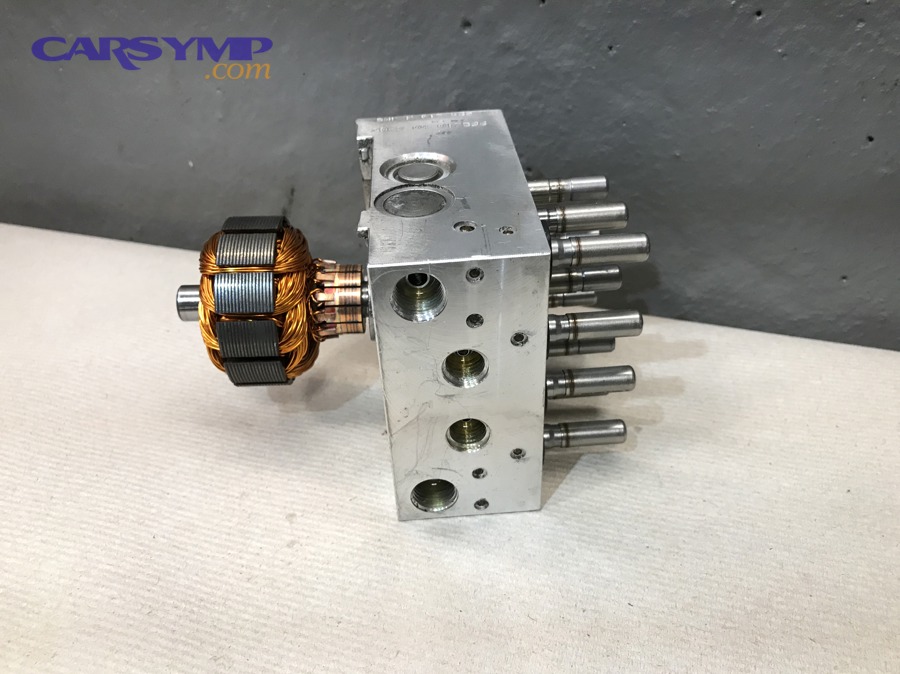
- Hydraulic Control Unit (HCU): contains solenoid valves and internal passages that route brake fluid to each wheel circuit.
- Pump motor: drives the pump that restores pressure after valve events, especially during repeated ABS activation.
- Electronic control module: monitors wheel speed sensors, calculates slip, and commands valves/motor.
- Brake lines and ports: hard lines connect the master cylinder and each wheel circuit to the unit.
In many vehicles, you can buy the motor separately, the module separately, or the full assembly—while in others, the manufacturer expects the whole unit to be replaced. That packaging difference is why the same “ABS pump replacement” job can be simple on one model and complex on another.
According to research by NHTSA from the National Center for Statistics and Analysis, in August 2009, ABS showed close to a zero net effect on fatal crash involvements overall, while reducing some crash types and increasing others—highlighting that ABS is primarily about maintaining control during braking, not “guaranteed shorter stopping” in every scenario.
Is the ABS pump the same as the hydraulic modulator?
No—while people use the terms interchangeably, the pump is typically a motor-driven hydraulic component inside a broader modulator/HCU assembly that also includes valves and passages. Therefore, when you price parts, verify whether you’re buying a motor, a module, or the whole modulator.
On many vehicles, the “hydraulic modulator” is the meronym (whole) and the pump motor is a component (part) within it. That vocabulary matters because a shop quote may say “modulator,” while an online listing says “pump,” even when they’re describing the same assembly.
Why can ABS feel different on dry vs. wet roads?
ABS can feel more active and beneficial on low-traction surfaces because it prevents lock-up and helps the tire keep some lateral grip for steering; on high-traction dry surfaces, ABS may not reduce stopping distance and can even feel intrusive. Next, that reality informs how you interpret symptoms and test results.
According to research by NHTSA from a driver behavior study published via SAE paper distribution, in 1999, ABS was found to reduce crashes significantly on wet pavement compared to conventional brakes, reinforcing that the technology’s strongest benefit is often traction-limited situations.
When should you replace the unit instead of attempting ABS pump repair?
You should replace the unit when diagnostics confirm an internal hydraulic fault, a failing pump motor, or a module fault that cannot be reliably serviced, because partial fixes often return with the same warning lights and inconsistent braking feel. Next, we’ll separate “serviceable” from “replace-only” failures.
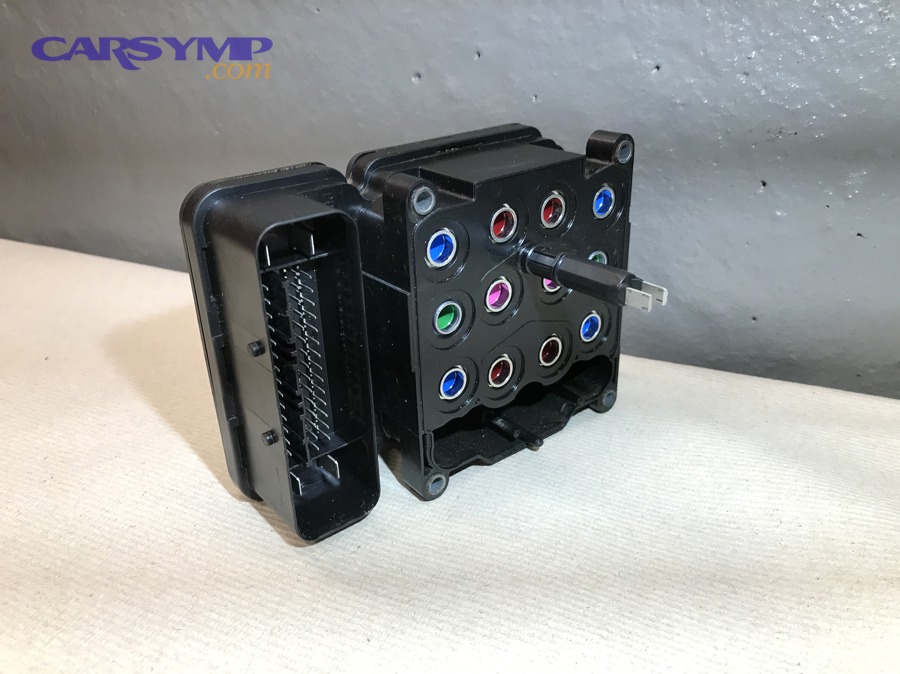
In practice, the decision is usually driven by failure type:
- Hydraulic contamination (rust, sludge, moisture): tends to damage valves and internal passages—replacement or professional remanufacture is usually safer.
- Pump motor wear (noisy motor, intermittent operation): sometimes motor-only replacement is possible if the platform supports it.
- Electronics failure (module internal fault, communication errors): may allow module-only replacement, but coding may be required.
- External issues (wheel speed sensor wiring, tone ring damage, low fluid): do not justify replacing the pump assembly.
The biggest mistake is replacing the assembly to chase a warning light when the root cause is a sensor, wiring corrosion, or a failing battery/charging system. So before spending money, your diagnostic steps must prove the unit is actually the culprit.
According to research by NHTSA from the National Center for Statistics and Analysis, in August 2009, the effectiveness and outcomes of ABS depend heavily on correct use and conditions, which indirectly supports why technicians prioritize correct diagnosis and validation rather than “parts swapping.”
What failures make replacement the safer choice?
Replacement is safer when you have repeated pump-motor electrical faults, internal valve sticking, or evidence of fluid contamination that can’t be flushed clean without risking recontamination. In other words, if the system cannot reliably hold and modulate pressure, you don’t want a “maybe” fix.
Also consider replacement if the unit is leaking at the body seams or line ports, because brake fluid leaks are a safety-critical failure that can progress quickly.
When is ABS pump repair a realistic path?
ABS pump repair is realistic when the failure is isolated—such as a replaceable motor, a rebuildable reman unit, or an electronic module that can be repaired or reprogrammed by a specialist. Next, your scan data and physical inspection determine whether the fault is isolated or systemic.
If you choose repair/reman, prioritize vendors that provide test reports, warranty terms, and clear instructions on core return and post-install procedures.
How do symptoms and scan data confirm the ABS pump is the root cause?
You confirm the pump is the root cause by matching the warning lights and stored codes with live data, electrical checks, and hydraulic behavior, not by the light alone. Next, we’ll build a “proof chain” from symptom to component.
Start with what the driver reports, then verify it:
- ABS light on: indicates a fault in the ABS/traction control subsystem; base brakes may still work normally.
- Brake pedal pulsation under normal light braking: can be sensor/tone ring issues causing false activation, not necessarily pump failure.
- Unusual pump noise: can indicate a motor bearing issue, sticking valves, or repeated ABS cycling due to sensor errors.
- Longer pedal travel or spongy feel: often points to air in the system, fluid issues, or master cylinder concerns rather than the ABS unit alone.
Then connect scan results to the physical world:
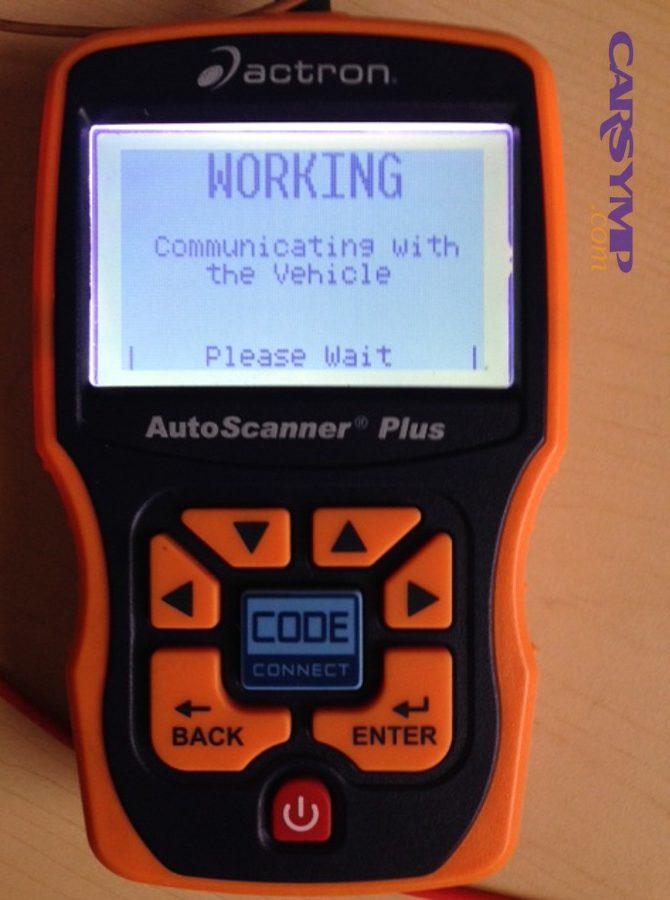
- Read codes and note whether they are pump-motor circuit faults, valve solenoid faults, or communication faults.
- Check battery voltage and grounds, because low voltage can trigger module faults and pump underperformance.
- Review live wheel speed while driving slowly; a “dropout” wheel often reveals a sensor or wiring issue.
- Perform targeted electrical tests at the connector (where service info allows) to confirm power/ground integrity.
Only after the fault repeats with confirmed power/ground and consistent codes does it make sense to condemn the unit. That proof chain protects you from replacing a costly assembly unnecessarily.
According to research by NHTSA from the National Center for Statistics and Analysis, in August 2009, ABS-related outcomes vary with conditions and driver behavior, which is consistent with why technicians rely on data-driven diagnosis rather than assuming “ABS light = pump failure.”
Which patterns often indicate a wheel-speed sensor issue instead?
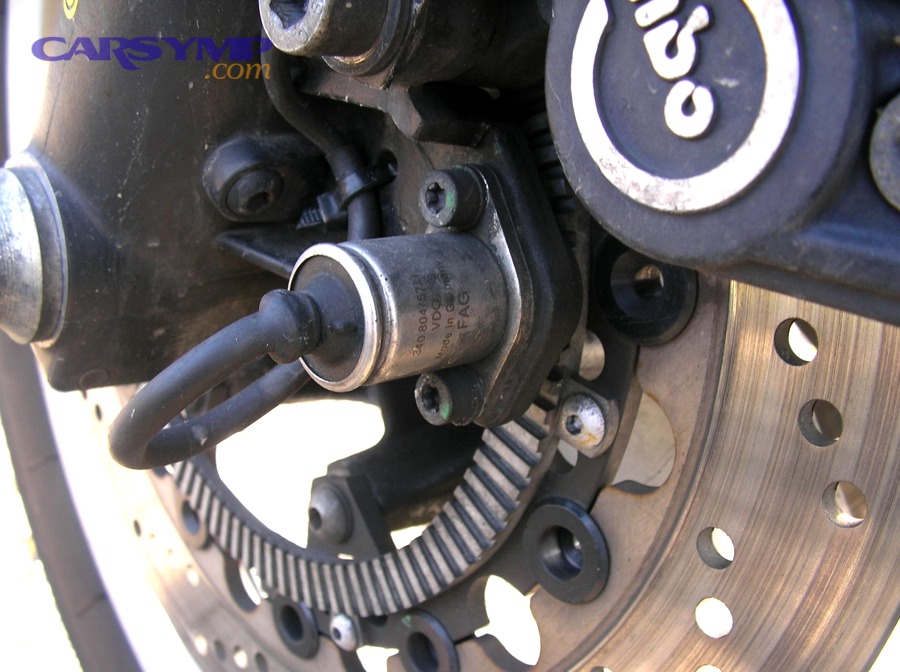
Patterns like one wheel speed intermittently reading zero, erratic speed spikes, or ABS activation at very low speeds usually point to sensor wiring, sensor gap, or a damaged tone ring. Next, a visual inspection of the sensor area can save you from a major parts bill.
What evidence points more directly to a failing pump motor or internal valves?
Evidence includes consistent pump-motor circuit codes, a pump that fails commanded activation tests (when supported), or a motor that runs loudly/continuously without proper pressure recovery. From there, you can plan whether replacement will require line removal, module coding, or both.
How does an ABS pump replacement typically work from start to finish?
An ABS pump replacement typically involves safe depressurization, disconnecting the battery, labeling and removing brake lines and connectors, swapping the unit, then refilling and bleeding the brake system before validation tests. Next, we’ll outline a practical step sequence you can adapt.
Because designs vary, treat this as a structured overview rather than vehicle-specific instructions:
- Prepare safely: park level, chock wheels, and wear eye protection; brake fluid damages paint.
- Disconnect battery: protects electronics and reduces risk of unintended pump activation.
- Reduce fluid mess: clean around the reservoir and ABS unit; use absorbent pads under line connections.
- Label brake lines: mark each line position; mixing ports can create unsafe brake bias.
- Cap/plug lines: minimize contamination and fluid loss while the unit is out.
- Swap the unit: install the replacement, torque mounts, and reconnect lines/connector carefully.
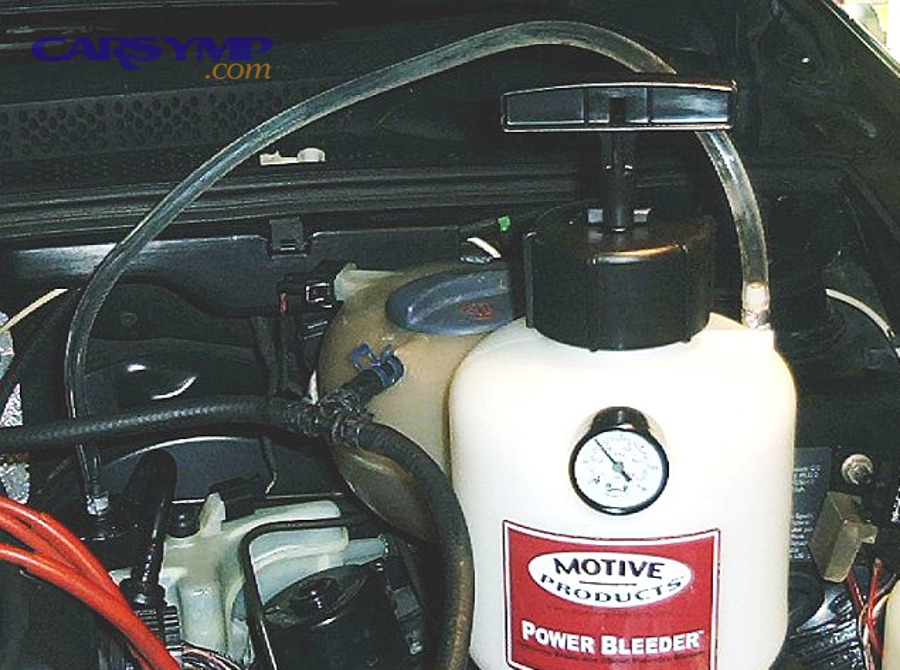
- Refill and bleed: remove air from the system using a method appropriate for ABS-equipped vehicles.
- Scan and validate: clear codes, run functional tests, and confirm stable braking on a controlled road test.
Here’s a practical video example that illustrates the physical removal steps on a common platform:
According to research by NHTSA from the National Center for Statistics and Analysis, in August 2009, ABS is designed to preserve steering control under heavy braking, which is why post-install validation focuses on consistent control and predictable pedal feel, not only on the warning light turning off.
What are the biggest “gotchas” during removal and installation?
The biggest gotchas are stripped line fittings, cross-threaded ports, contaminating open lines, and mis-seating the electrical connector—all of which can create leaks, new fault codes, or a spongy pedal. Next, controlling contamination and torque accuracy becomes your highest priority.
Use line wrenches where possible, support hard lines to avoid kinking, and never force a fitting that doesn’t thread smoothly by hand.
Why is bleeding more complicated after replacing this unit?
Bleeding can be more complicated because air can be trapped inside the HCU passages and valve chambers, and some vehicles require a scan-tool routine to cycle valves so the trapped air can move out. Next, we’ll cover the practical preparation steps that make bleeding and validation easier.
In the body of your service plan, you may see references to an ABS bleeding procedure after repair; treat that as a reminder that conventional bleeding alone may not be enough on some systems.
What tools, fluids, and safety steps matter most before you start?
The most important preparation is having the correct brake fluid specification, line wrenches, torque discipline, and a plan to keep the system clean, because tiny contamination can cause valve sticking and future faults. Next, we’ll turn preparation into a checklist.
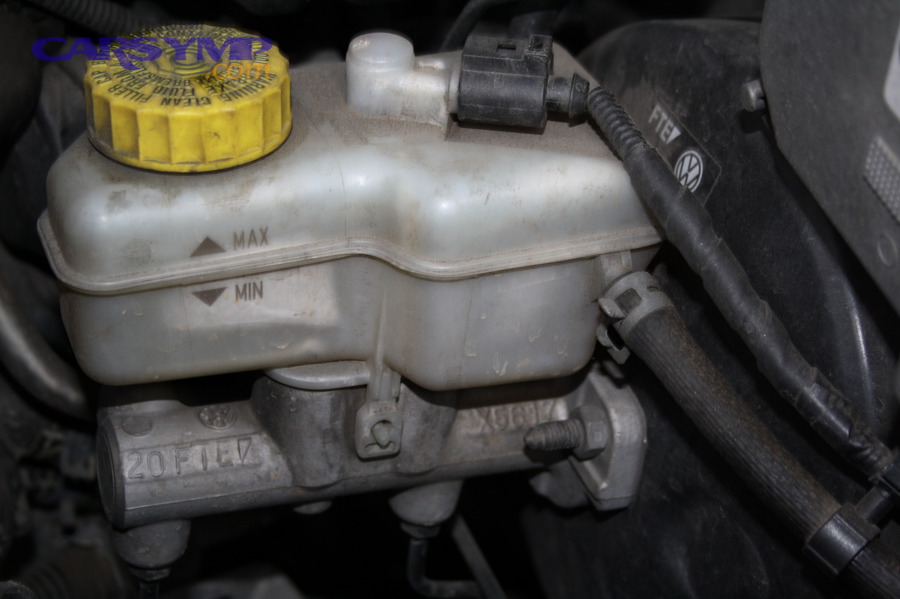
- Brake fluid: use the exact spec (DOT 3/4/5.1 as required); never mix incompatible types.
- Line/flare nut wrenches: reduce the chance of rounding brake fittings.
- Caps/plugs: to seal open ports and lines during the swap.
- Pressure bleeder or vacuum bleeder: improves consistency and reduces air introduction.
- Scan tool support: needed on some vehicles for valve cycling and module routines.
- Paint protection: fender covers and immediate cleanup; fluid is corrosive to finishes.
Also plan your workspace so you can work deliberately: brake systems reward clean, slow steps, and punish rushing. From there, you’ll be ready to handle the “after install” phase like a professional.
According to research by NHTSA from the National Center for Statistics and Analysis, in August 2009, ABS effectiveness is tied to the system performing as intended under emergency conditions, which is why your prep must ensure no leaks, no air, and stable electrical supply.
Should you replace brake fluid when doing this job?
Yes, it is strongly recommended to refresh fluid if it’s old or discolored, because moisture and debris contribute to corrosion and internal sticking in hydraulic components. Next, clean fluid becomes a long-term reliability strategy, not just a “nice to have.”
Do you need a scan tool every time?
No, not every vehicle requires a scan tool to bleed or initialize, but many modern systems benefit from it, especially when air has entered the HCU. Next, the validation section explains how to confirm you’re done without guessing.
What can go wrong after installation, and how do you validate the fix?
After installation, problems usually come from trapped air, small leaks, incorrect line routing, or module configuration issues, so validation must include visual checks, pedal feel checks, scan checks, and controlled braking tests. Next, we’ll make validation systematic.

Use a layered validation approach:
- Static leak inspection: with the engine off, press the pedal and inspect every fitting for seepage.
- Pedal integrity: pedal should feel firm and consistent; a sinking pedal indicates air or a hydraulic issue.
- Scan validation: read codes again, clear if appropriate, and confirm they do not return immediately.
- Controlled road test: low-speed stops first, then moderate stops on a safe road; confirm straight-line braking.
- ABS activation test (only when safe): brief activation on a low-traction surface can confirm proper modulation.
If issues remain, do not “drive it and see if it clears.” Brake faults can escalate, and the safest approach is to recheck the basics: line sealing, bleeding completeness, and sensor data integrity. Next, we’ll expand beyond the basics into cost, value, and long-term choices.
According to research by NHTSA from the National Center for Statistics and Analysis, in August 2009, ABS can reduce overall crash involvement in nonfatal crashes, reinforcing the value of ensuring the system is fully functional after service rather than leaving it disabled by an unresolved fault.
How do you distinguish air-in-system from a new hardware fault?
Air-in-system typically shows as a spongy pedal that improves after repeat bleeding and careful cycling, while hardware faults often trigger persistent codes, inconsistent pump behavior during tests, or recurring warning lights immediately after clearing. Next, document each change so you don’t lose track of what improved and what didn’t.
What if warning lights stay on after replacement?
If warning lights stay on, treat it as a diagnostic problem: verify connector seating, power/ground, correct part number, and sensor data, then check whether the vehicle requires initialization routines. In many service plans, this is where terms like ABS system reset and relearn after repair appear—meaning the module may need configuration steps before it behaves normally.
Deeper considerations that affect long-term reliability and value
Long-term value depends on whether you choose new vs. remanufactured parts, how you prevent recontamination, and how you estimate total job cost beyond the pump itself. Next, we’ll focus on the few decisions that change outcomes the most.
Is a remanufactured unit a good idea?
Yes, a high-quality remanufactured unit can be a strong option when it is professionally tested, includes a warranty, and matches your exact part number and configuration. However, the vendor’s testing rigor matters more than the word “reman.”
Ask whether the reman process includes valve testing, motor current draw testing, leak testing, and board-level electronics validation when applicable.
How do you prevent the same failure from returning?
You prevent repeat failures by correcting the upstream cause: flush contaminated fluid, fix wiring corrosion, address low-voltage problems, and replace failing wheel speed sensors that cause unnecessary pump cycling. In other words, replacement is only durable when the root cause is removed.
How should you think about total cost beyond the part?
Total cost includes fluid, bleeding equipment or labor, scan-tool routines, alignment of hard lines, and diagnostic time, not only the assembly price. Many owners search for an ABS repair cost estimate; the best estimate is a parts-plus-process breakdown tied to your vehicle’s packaging and coding needs.
To make that breakdown practical, the table below contains common cost drivers and what they typically include, so you can compare quotes consistently.
| Cost driver | What it usually includes | Why it changes the quote |
|---|---|---|
| Part type (new vs. reman) | Assembly price, core charge, warranty terms | New parts often cost more; reman adds core logistics |
| Labor complexity | Line access, corrosion, mounting location | Tight engine bays and rusted fittings increase time |
| Bleeding method | Pressure/vacuum bleeding, valve cycling routine | Some vehicles require scan-tool cycling to remove trapped air |
| Configuration steps | Initialization, coding, calibration checks | Module setup can add time and require higher-end tools |
| Related fixes | Sensors, wiring repair, battery/charging issues | Root-cause repairs prevent repeat faults and wasted parts |
Does replacing the unit restore all stability and traction features automatically?
Not always—some vehicles integrate traction control and stability control functions into the same module, so restoring full functionality may require correct configuration and sensor validation after the hardware swap. That’s why post-install scanning and road testing are part of the “overview,” not optional extras.
According to research by NHTSA from the National Center for Statistics and Analysis, in August 2009, ABS combined with stability technologies is expected to prevent a large proportion of crashes, reinforcing the value of completing the job with full system functionality rather than leaving secondary functions disabled.
FAQ: common questions about ABS pump replacement
This section answers the most common practical questions people ask after reading an overview, focusing on safety, planning, and what to do when results aren’t immediate. Next, use these answers to refine your plan before you turn a wrench.
Can you drive with the ABS light on?
Usually yes for short distances because base brakes often still function, but you should drive cautiously because ABS and related stability features may be disabled, which reduces control during emergency stops. Therefore, treat it as a safety priority rather than a “someday” fix.
Will replacing the ABS pump fix a soft brake pedal?
Not necessarily—soft pedal is more commonly caused by air in the system, fluid condition, flexible hoses, or master cylinder issues, so replacement only helps if the unit was leaking internally or introducing air due to a defect. Next, re-bleed and re-check fundamentals before blaming the new part.
Do you always need to bleed all four corners?
In most cases, yes, because air can migrate and because a consistent bleed sequence helps restore a uniform, firm pedal feel; however, the exact order can vary by vehicle. If your service plan references an ABS bleeding procedure after repair, it’s emphasizing that trapped air in the HCU may need special cycling.
What’s the fastest way to avoid misdiagnosis?
The fastest way is to combine code reading with live wheel-speed data and basic electrical checks before buying parts, because many “pump” codes are actually downstream effects of low voltage, wiring faults, or sensor dropouts. In other words, let the data convict the part.
After replacement, how do you ensure everything is fully restored?
Ensure everything is restored by confirming no leaks, achieving a firm consistent pedal, verifying scan results stay clean after a road test, and completing any required initialization routines when the vehicle demands it. When you see phrases like ABS system reset and relearn after repair, they indicate those routines may be necessary for full functionality.