


An ABS repair cost estimate usually falls into a predictable pattern: you pay for diagnosis first, then the bill depends on whether the fault is a simple sensor issue or a high-cost hydraulic/electronic component.
Next, you’ll see how parts, labor, and vehicle design combine into an “all-in” number—and how to compare quotes without guessing.
Then, we’ll break down the fastest ways to lower ABS fix cost while still keeping braking safety and reliability intact.
Finally, Giới thiệu ý mới: after you understand the estimate, you’ll learn what to verify after the repair so the warning light doesn’t come back.
Entity focus: ABS (Anti-lock Braking System), wheel speed sensors, ABS control module, hydraulic control unit (HCU), diagnostic scan tools, brake fluid, labor rate.
How much does an ABS repair cost in typical estimates?
Most estimates start with a paid diagnostic step and then branch into either a low-to-mid sensor repair or a high-cost module/HCU repair. To begin, treat the first line item as the “decision cost” that determines whether you’re buying a small part or a large assembly.
In many shops, the ABS diagnosis charge is a separate line item because it involves reading fault codes, checking wheel speed data, inspecting wiring, and test-driving to reproduce the fault. For a mainstream reference point, a diagnostic fee range of roughly $116–$170 is commonly cited in cost guides.
After that, the estimate commonly follows one of these paths:
- Wheel speed sensor path: a sensor replacement (sometimes bundled with a hub/bearing assembly on certain cars) plus labor.
- Control module path: an ABS control module replacement (sometimes separate from the hydraulic block, sometimes integrated) plus possible programming and post-repair procedures.
- Hydraulic unit path: replacement of the ABS hydraulic control unit (HCU) or pump, which can significantly raise parts cost.
Below is a practical “ballpark table” that helps you translate common line items into a single number. This table contains typical estimate ranges for common ABS-related repair items, so you can compare quotes line-by-line instead of only comparing totals.
| Estimate line item | What it usually includes | Typical range (parts + labor) | Why it varies |
|---|---|---|---|
| ABS diagnosis | Scan, road test, pinpoint tests | $116–$170 | Shop rate, time, complexity |
| Wheel speed sensor replacement | Sensor + labor (may include hub on some models) | $227–$313 | Sensor location, rust, hub design |
| ABS control module replacement | Module + labor; may require programming | $1,179–$1,268 | Part type (new/reman), coding, access |
Those ranges are widely used as “planning numbers,” not guarantees. A single vehicle example can land much lower or higher depending on configuration and region—for example, the same general repair category can shift based on model-specific parts pricing and labor.
Theo nghiên cứu của U.S. National Highway Traffic Safety Administration (NHTSA) từ Office of Strategic Planning and Evaluation, Evaluation Division, vào 12/1994, báo cáo về ABS nhấn mạnh ABS là một hệ thống kiểm soát trượt giúp duy trì khả năng điều khiển khi phanh—đó là lý do các lỗi ABS thường được xử lý như hạng mục an toàn ưu tiên.
Which ABS fault types change the estimate the most?
The cost swings the most when the fault shifts from “sensor-level” problems to “hydraulic/electronic core” problems. Next, classify the issue by where it lives: at the wheel, in the wiring, or in the module/hydraulic unit.
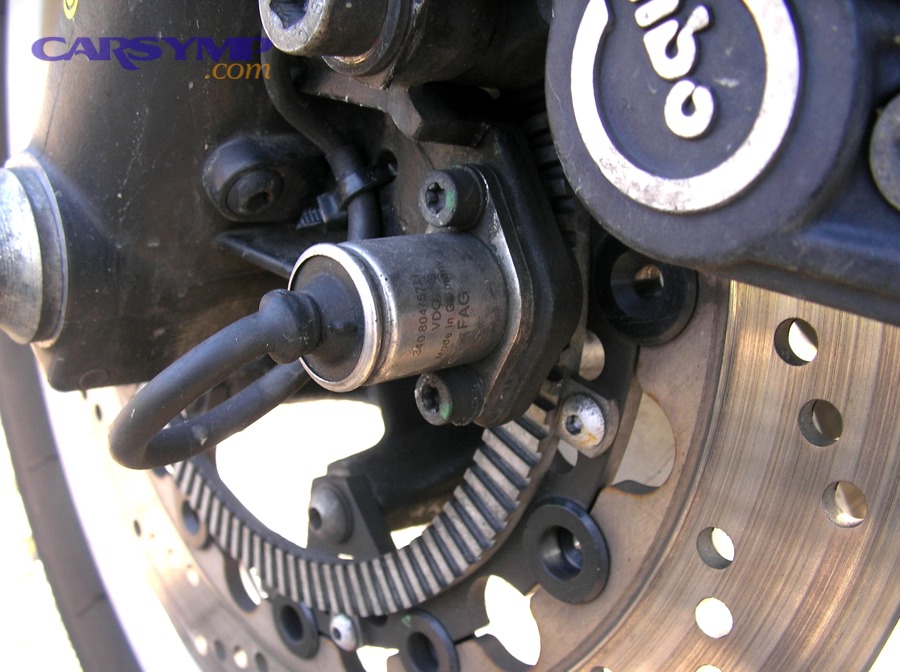
Here are the fault types that typically drive the biggest differences in an estimate:
- Wheel speed sensor or tone ring issues: often mid-range cost, but can spike if corrosion seizes fasteners or if the sensor is integrated into a hub assembly.
- Wiring, connectors, or harness damage: can be deceptively expensive because diagnosis time rises; the part is cheap, but labor/diagnostics can dominate.
- ABS control module failure: usually a higher estimate due to expensive electronics and possible programming.
- Hydraulic control unit (HCU) / pump failure: often among the highest totals because the assembly is costly and may require careful bleeding and verification.
To make this actionable, use a two-question filter when you read a quote:
- Is the part at the wheel or under the hood? Wheel-area repairs usually stay lower unless a hub assembly is required.
- Does the quote mention programming, initialization, or automated bleeding? Those terms often correlate with module/HCU-level work.
One overlooked point is that ABS-related warnings can appear even when normal braking still works; however, losing ABS can reduce stability during hard braking on low-traction surfaces. That’s why a “cheap fix” that skips verification can become a repeat visit.
Theo nghiên cứu của NHTSA từ Light Vehicle ABS Research Program, vào 11/2001, các đánh giá về ABS tập trung vào cách hệ thống hỗ trợ duy trì điều khiển khi phanh mạnh và vì thế việc chẩn đoán đúng loại lỗi (cảm biến vs cụm điều khiển) là mấu chốt để tránh thay sai cụm đắt tiền.
How do you tell a simple sensor problem from a bigger unit failure?
Yes—you can often separate a sensor-level issue from a module/HCU issue by combining code context, live data behavior, and symptom patterns. To start, focus on whether the fault is isolated to one wheel or appears system-wide.
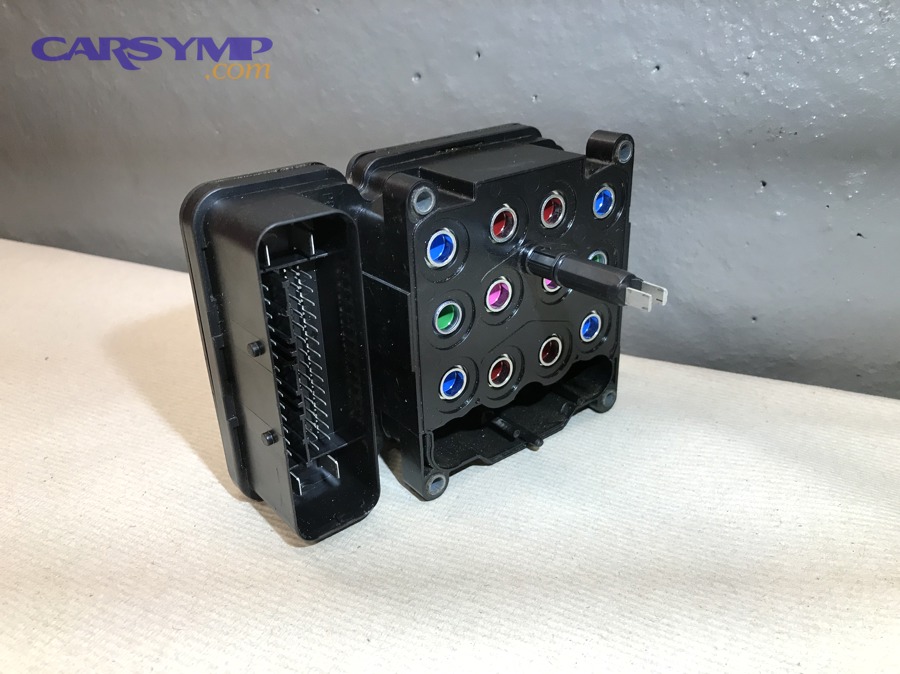
Use this practical checklist before you accept a high estimate:
- Single-wheel pattern: If codes and live data repeatedly point to one wheel, that often suggests a sensor/tone ring/wiring issue at that corner.
- Intermittent at low speed: Many sensor or tone ring issues show up during slow rolling or after bumps, because signal quality changes with vibration or rust movement.
- Multiple unrelated ABS codes: When you see a cluster of communication or internal fault codes, the estimate is more likely to lean toward module-level work.
- Pedal feel vs warning behavior: If the pedal is normal but the light returns quickly after clearing, the system may be detecting an electrical/data consistency fault rather than a hydraulic pressure issue.
At this stage, it’s useful to keep the phrase “ABS module vs wheel speed sensor symptoms” in mind as a comparison lens: the core question is whether symptoms localize to a wheel signal or show systemic control/communication behavior. If your shop can show you live wheel speed readings during a slow drive, you can often spot a “dropout” wheel that points to the sensor side.
When you see a quote recommending a control module, ask for the evidence in plain language: which codes, what tests were run, and what alternative was ruled out. A quality estimate should explain why the expensive part is the conclusion—not just list it.
Theo nghiên cứu của NHTSA từ Office of Strategic Planning and Evaluation, vào 12/1994, tài liệu nhấn mạnh ABS dựa trên cảm biến tốc độ bánh xe và điều khiển thủy lực theo vòng phản hồi; do đó, xác định đúng “mắt xích” hỏng (tín hiệu cảm biến hay điều khiển) là chìa khóa để dự toán chi phí chính xác.
What shop and vehicle factors push the estimate up or down?
Labor rate, access difficulty, corrosion, and required post-repair steps are the biggest price movers beyond the part itself. Next, treat your estimate as a formula: labor hours × local rate plus parts type plus procedures.

Here’s how each factor typically changes the total:
- Vehicle packaging: Some cars place ABS components in tight engine bay locations, raising labor time.
- Rust and seized hardware: Corrosion can turn a straightforward sensor swap into a long extraction and cleanup job.
- Integrated assemblies: Some designs integrate the sensor into a hub/bearing unit, increasing parts cost even if the “fault” is a sensor signal problem.
- Programming and calibration: Certain modules require coding, variant configuration, or system initialization steps after replacement.
- Diagnostic depth: Electrical faults (wiring/connector issues) often require more labor to prove, even when parts cost is low.
To compare estimates fairly, normalize them into three buckets:
- Diagnosis (scan + tests)
- Core repair (part + labor)
- Post-repair procedures (bleeding, reset/relearn, road-test verification)
If one quote is lower, check which bucket is missing. Often, the “cheap” estimate excludes post-repair steps that another shop includes for reliability.
Theo nghiên cứu của NHTSA từ Light Vehicle ABS Research Program, vào 11/2001, các thử nghiệm và đánh giá nhấn mạnh hành vi hệ thống ABS phụ thuộc vào tín hiệu cảm biến và điều khiển nhanh; điều này gián tiếp giải thích vì sao các hạng mục kiểm chứng sau sửa (road test, live data) có thể làm tăng labor nhưng giảm rủi ro quay lại.
How can you lower ABS fix cost without sacrificing safety?
Yes—you can often reduce the total by improving diagnosis quality, choosing the right parts strategy, and avoiding “parts cannon” repairs. To begin, spend your effort on proving the failure mode before paying for an expensive module.
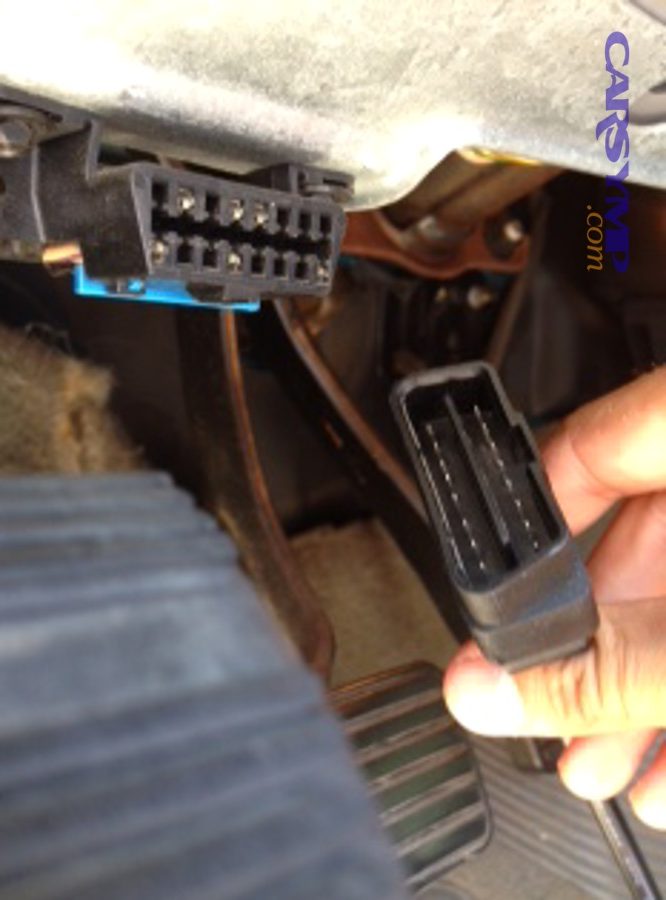
Use these cost-control levers in order:
- Ask for a code + test explanation: You’re not challenging the shop—you’re ensuring the estimate is evidence-based.
- Confirm whether the part is new vs remanufactured: Reman modules can lower parts cost, but you should compare warranty terms and return policies.
- Bundle smartly: If multiple wheel sensors are aged and the vehicle has corrosion issues, replacing a failing sensor plus cleaning/repairing the related connector may prevent repeat faults.
- Choose a shop with ABS capability: If post-repair steps require scan functions, a shop lacking tools may “clear codes and hope,” which can cost more later.
A practical sanity check: if your quote is at the high end, it should include more than a part swap—it should include proof (diagnosis), a clear scope (what’s being replaced), and a verification plan (how they confirm the fix).
Theo nghiên cứu của AAA từ Automotive Engineering/Research-focused consumer guidance, vào 03/2019, AAA nhấn mạnh bảo dưỡng phanh đúng cách giúp giảm rủi ro hỏng hóc liên quan và tránh chi phí phát sinh do sửa chữa lặp lại; điều này phù hợp với chiến lược “đầu tư chẩn đoán + kiểm chứng” để giảm tổng chi phí về dài hạn.
What should a written estimate include before you approve it?
A reliable estimate should clearly state the suspected cause, the tests performed, the exact parts (with part type), and the post-repair verification steps. Next, use the estimate as a checklist that prevents surprise add-ons.
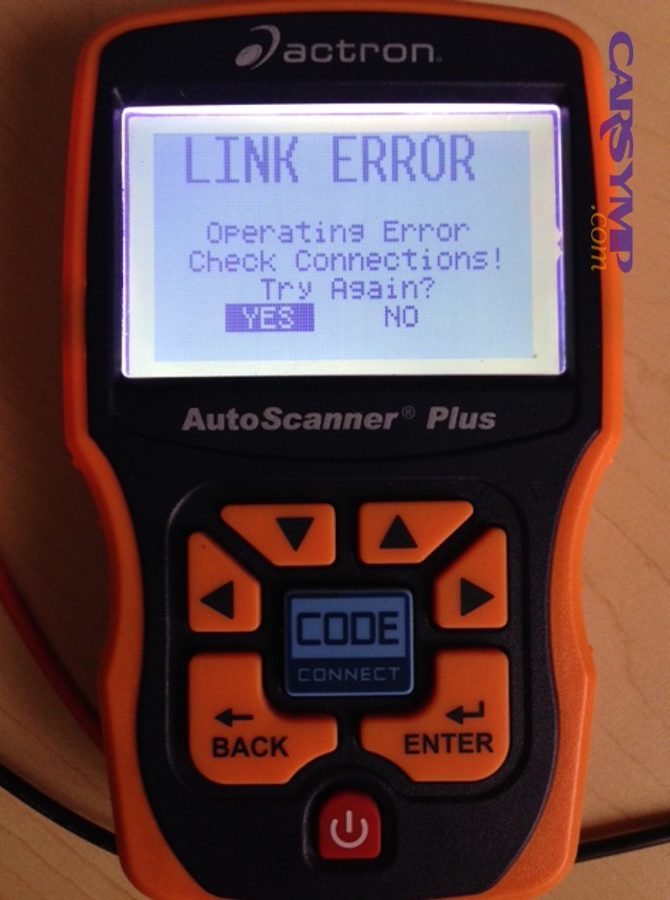
Look for these items in writing:
- Diagnosis details: fault codes, brief test summary, and what was ruled out.
- Parts identification: sensor vs module vs hydraulic unit, plus new/reman/used designation.
- Labor time and rate: hours × rate, and whether “shop supplies” are included.
- Programming or initialization: any mention of coding, setup, or system checks.
- Brake system procedures: whether bleeding is required, and what method they use.
- Warranty: parts warranty and labor warranty, including exclusions.
If you’re comparing two quotes, don’t only compare totals—compare scope. A quote that includes diagnosis, replacement, bleeding, and verification may cost more upfront but can be cheaper than a partial fix that returns with the same warning light.
Theo nghiên cứu của NHTSA từ Office of Strategic Planning and Evaluation, vào 12/1994, tài liệu mô tả ABS như một hệ thống tích hợp cảm biến–điều khiển–thủy lực; vì vậy, một dự toán tốt nên bao phủ cả ba lớp (điện, điều khiển, thủy lực) thay vì chỉ “đổi linh kiện.”
How long does ABS repair take, and what should you expect afterward?
Many sensor repairs can be completed the same day, while module or hydraulic unit work may take longer due to part sourcing, programming, and post-repair procedures. Next, plan for both repair time and verification time.
Here’s what “done correctly” typically looks like after the repair:
- Warning light behavior: the ABS light should remain off after a full drive cycle if the root cause is fixed.
- Road-test confirmation: the shop should confirm wheel speed data is stable and that no pending codes remain.
- Brake pedal feel: normal pedal feel should be restored; if a hydraulic unit was disturbed, bleeding quality matters.
- No new warnings: stability control/traction lights sometimes share sensors with ABS, so they should also remain normal if applicable.
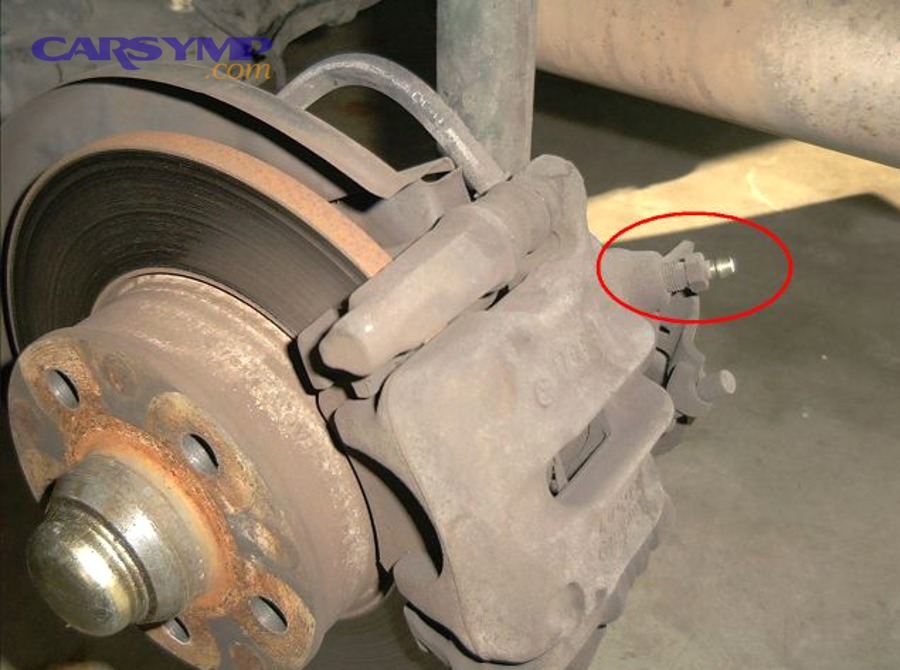
If the repair involved opening the brake hydraulic system, you want explicit confirmation that the braking system was bled correctly and that any automated bleed/solenoid cycling procedure (if required) was performed. Skipping this can create a “fixed ABS but soft pedal” scenario that feels worse than the original problem.
Theo nghiên cứu của Tire Review từ technical service guidance on ABS-equipped bleeding, vào 10/2016, nội dung nhấn mạnh nhiều xe có ABS có thể cần quy trình xả gió đặc biệt (bao gồm kích hoạt van/solenoid bằng thiết bị chẩn đoán) để loại bỏ khí đúng cách sau khi mở hệ thống.
Contextual border: Up to this point, you’ve learned how to read the estimate and compare repairs. Now we shift into the “aftercare” layer—procedures that protect brake feel, prevent repeat warning lights, and improve long-term value.
Afterward, what extra procedures protect braking performance?
After an ABS-related repair, the most protective steps are proper bleeding (when hydraulics are opened), controlled resets/relearns (when modules are replaced), and fluid quality checks. Next, treat these as reliability steps—not optional extras.
When is specialized bleeding necessary?
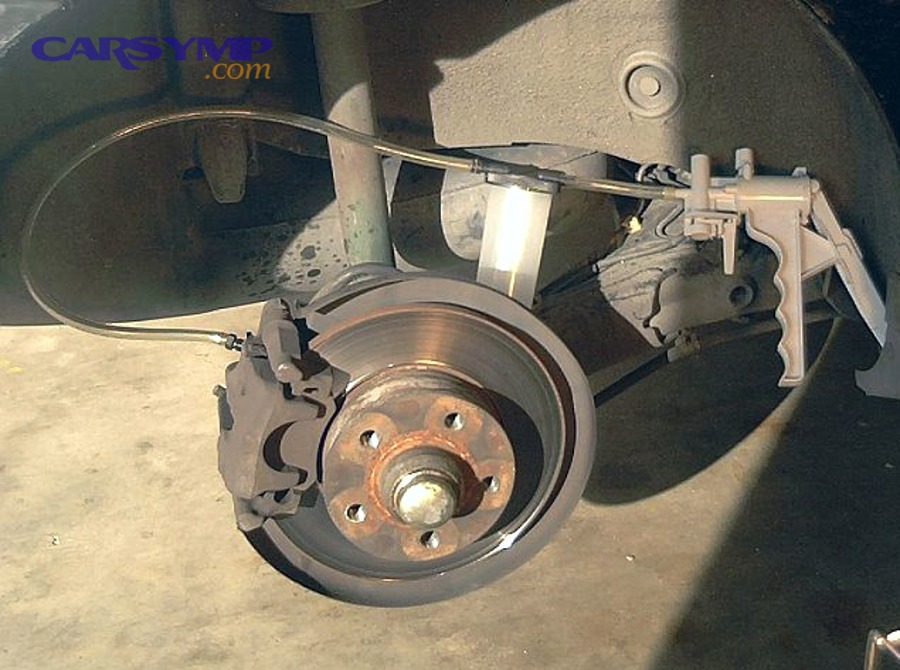
If the repair involves opening brake lines, replacing the hydraulic unit, or disturbing the ABS hydraulic block, you may need more than a basic manual bleed. To begin, remember the phrase “ABS bleeding procedure after repair”: it means the bleed method must match the vehicle’s ABS design, sometimes requiring a scan tool to cycle valves and purge trapped air.
In practice, your protection step is simple: ask the shop whether they performed an automated bleed function (if applicable) and what verification they used (pedal feel + road test + no air). A correct bleed protects stopping consistency and prevents confusing “new” symptoms after the repair.
Do you need resets, relearns, or calibrations?
Sometimes yes—especially when the control unit is replaced or when the vehicle requires initialization after certain brake system work. Next, use the phrase “ABS system reset and relearn after repair” as a checklist item: does the vehicle require module coding, steering angle sensor calibration, or ABS initialization procedures after parts replacement?
If your estimate includes programming, it should explain why: for some vehicles, a replacement module must be configured to match the car’s options so the ABS/traction/stability systems communicate correctly.
Why brake fluid quality can affect cost and outcomes
Brake fluid naturally absorbs moisture over time, which can change its boiling point and corrosion risk, especially in complex hydraulic components. To start, this matters because moisture and contamination can contribute to internal hydraulic issues and make bleeding more sensitive after repairs.
Theo nghiên cứu của National Taiwan University of Science and Technology (NTUST) từ Department of Mechanical Engineering, vào 08/2018, nghiên cứu về đặc tính brake fluid ghi nhận xu hướng suy giảm hiệu năng theo thời gian do hấp thụ ẩm và biến đổi tính chất—một lý do các quy trình xả gió/đổi dầu phanh được coi là bước bảo vệ sau sửa chữa hệ thống phanh.
Common mistakes that cause repeat ABS lights
The most common repeat-light causes are incomplete diagnosis, connector corrosion left untreated, and skipping verification steps. Next, consider these quick prevention points:
- Clearing codes without fixing the cause (light returns on the next drive cycle).
- Replacing a sensor without inspecting the tone ring (the signal problem remains).
- Overlooking wiring strain or wheel well damage (intermittent faults reappear).
- Skipping post-repair checks (pending codes remain even if the light is temporarily off).
If you want a visual walkthrough of bleeding and verification concepts (especially on ABS-equipped vehicles), here’s a related video reference.
FAQ
Is it safe to drive with the ABS light on?
It depends: basic braking can still work, but ABS may not intervene during hard braking, especially on slippery surfaces. To begin, treat it as a safety-relevant fault and schedule diagnosis soon, particularly if you also see traction or stability warnings.
Why is my estimate high even though the sensor is cheap?
Because labor and diagnosis can dominate: seized bolts, hub-integrated designs, and wiring faults can add hours. Next, ask whether the quote is for a stand-alone sensor or a hub assembly and whether corrosion risk was included.
Can I reduce cost by using a used module?
Sometimes yes, but it can increase risk if programming or compatibility issues appear. To start, compare warranty terms and confirm whether the shop can code/configure it for your vehicle, since module-level work often includes configuration steps.
What should I ask the shop to prove the diagnosis?
Ask for the fault codes, which wheel or subsystem they suspect, what test confirmed it, and how they verified the fix after repair. Next, a good shop can explain this in simple terms and show key readings or results.
Do I always need special bleeding after ABS work?
No—not always, but you should assume it’s needed whenever the hydraulic unit or brake lines are opened. To begin, ask whether the vehicle requires an automated bleed routine, because some ABS designs trap air unless valves are cycled properly.