


Common ABS failure causes by make/model usually come down to the same few components—wheel speed sensing, wiring/connectors, hydraulic control units, and control modules—but each brand’s packaging and platform choices make certain failures show up more often than others.
To narrow your diagnosis, you need a “pattern lens”: what your vehicle’s make/model is known to stress (rust-belt exposure, hub design, encoder type, harness routing, software sensitivity) and how that stress translates into specific ABS warning behaviors.
You’ll also learn how trucks, SUVs, hybrids/EVs, and compact cars differ in ABS fault profiles—so you don’t replace parts randomly when the real issue is corrosion, voltage, or an encoder ring you can’t see.
To start, the guide below groups the most frequent ABS failure causes by platform traits, then maps those traits to brand-typical examples, symptoms, and quick checks you can do before choosing a repair path.
What are the most common ABS failure causes across makes and models?
The most common ABS failures across makes/models are wheel speed sensor signal errors, connector/wiring faults, and hydraulic unit or module internal failures, because these parts live in heat, vibration, road splash, and voltage fluctuation. Next, you’ll see why the same “ABS light” can mean very different root causes depending on the platform.
Why wheel speed sensor signals fail most often
Yes—wheel speed sensing is the top repeat offender, because the sensor tip, tone ring/encoder surface, and air gap must stay stable while the wheel end experiences dirt, rust, bearing play, and impact. Specifically, even small corrosion lift or debris can distort the signal and trigger a fault during low-speed stops or on bumpy roads.
Across many brands, you’ll see similar triggers: salt corrosion under the sensor mount, cracked sensor wiring near the knuckle, broken clips that let the harness rub the tire, or a bearing that develops play and changes the sensor-to-encoder gap.
How wiring and connectors create “intermittent” ABS faults
Intermittent ABS faults are very often wiring-related, because flexing at the steering knuckle and repeated heat cycles slowly fatigue copper strands and seal materials. However, the symptom can mimic a failing module when the harness briefly drops out and the ABS unit logs “lost communication” or “invalid signal” codes.
Look for patterns: faults that appear after rain, after a car wash, or only when turning sharply can be classic connector seal or harness routing issues rather than bad sensors.
When the hydraulic unit or control module is the real culprit
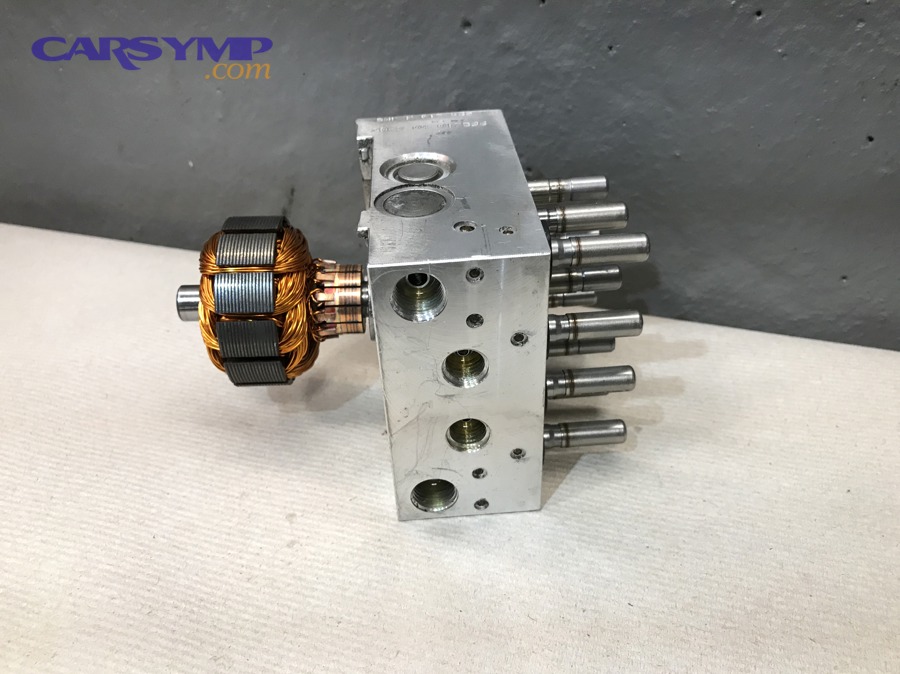
Sometimes the failure is inside the ABS hydraulic control unit (HCU) or electronic module, especially as mileage climbs and heat/voltage stress accumulates. In addition, internal valve or pump motor problems can cause unusual pedal feel, ABS pump running too often, or a cluster of unrelated sensor codes that don’t match real wheel data.
How do “rust-belt” platforms differ from “dry-climate” platforms in ABS failure patterns?
Rust-belt platforms fail more often from corrosion-driven sensor mounting and connector issues, while dry-climate platforms show more heat/age electronics and mechanical wear causes. After that, you can use your location history (salt vs no salt) to prioritize the highest-probability checks first.
Corrosion lift under the sensor mount (common on some hub-based designs)
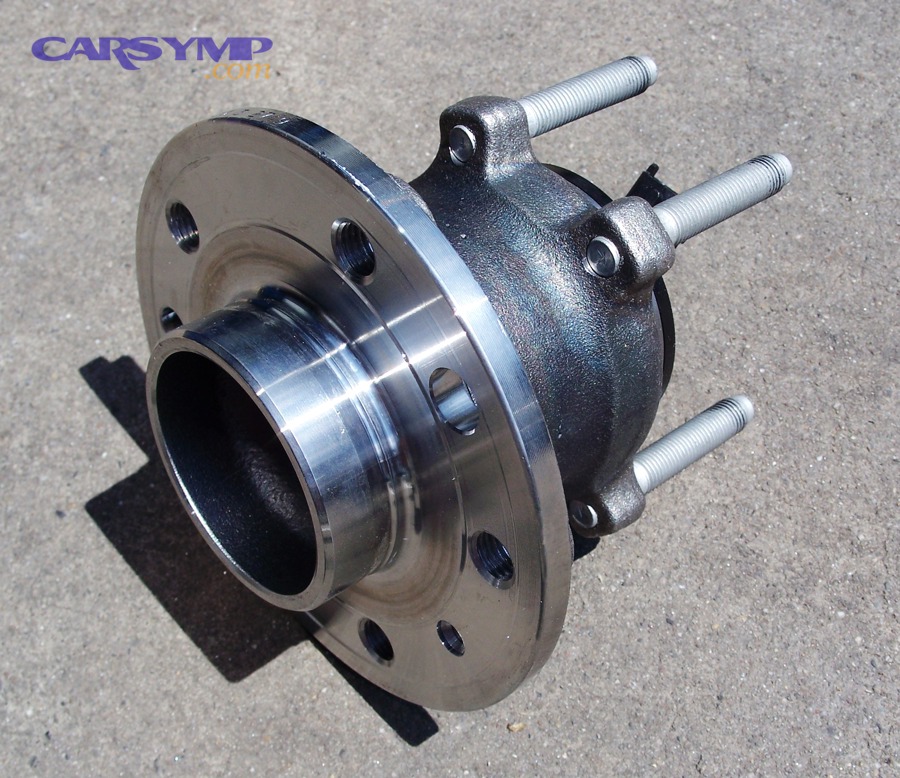
Yes—corrosion under the wheel speed sensor mounting surface can physically lift the sensor and alter the air gap, especially on hub/bearing assemblies where the sensor bolts to a steel or cast mounting pad. To illustrate, NHTSA documentation on certain older GM full-size trucks/SUVs describes corrosion between the front hub/bearing assembly and the wheel speed sensor that can lead to unwanted ABS activation in a narrow low-speed window (roughly 3–10 mph) during braking.
The practical takeaway is universal: if you live in a corrosion area and your ABS activates unexpectedly at parking-lot speeds, treat “mounting surface corrosion” as a top suspect before you buy parts.
Theo nghiên cứu của NHTSA từ Office of Defects Investigation, vào 11/2005, hiện tượng unwanted low-speed ABS activation được liên hệ chặt với corrosion build-up tại vị trí lắp wheel speed sensor trên một số nền tảng xe tải/SUV.
Water intrusion at wheel speed sensor connector seals
Water intrusion is another high-frequency cause in wet or salted environments, because a tiny seal misplacement can allow moisture to travel into pins and wick into wire strands. Next, this is why cleaning connectors without fixing the seal or strain relief often leads to repeat failures months later.
Even in non-salty regions, repeated spray from the front wheels can degrade a connector seal, especially if the harness is stretched or the clip points are missing.
Dry-climate failures: heat, age, and bearing play
In dry climates, ABS issues often correlate with age-related electronics and mechanical wear: wheel bearings loosening, sensor wiring embrittlement, or internal module solder/connector fatigue. In other words, you’ll focus more on play, routing, and voltage history than on heavy rust removal.
Which ABS components fail most often on trucks and SUVs compared with sedans and compacts?
Trucks/SUVs more often show ABS faults tied to hub/bearing assemblies, front sensor mounting corrosion, and harness strain, while sedans/compacts more often show encoder-type sensitivity, rear sensor harness issues, and module voltage/software sensitivity. Below, you’ll see how vehicle weight, suspension travel, and packaging choices shift the failure probabilities.
Trucks/SUVs: hub and knuckle zone stress
Yes—on many trucks/SUVs, the hub/knuckle area takes more road splash, heavier loads, and larger steering angles, which amplifies sensor signal instability and harness fatigue. As a result, a slightly loose hub can create a “phantom” wheel speed drop that the ABS interprets as a slip event.
Pay attention to symptoms like ABS activation only at the end of a stop, or faults that coincide with a humming/roaring wheel bearing.
Sedans/compacts: encoder rings and delicate signal margins
Compact platforms often use encoder-style sensing integrated into the bearing seal, which can be sensitive to contamination, incorrect bearing orientation (for magnetic encoders), or a slightly bent backing plate touching the sensor area. However, the symptom may look like a simple sensor failure even though the “sensor” is fine and the encoder surface is compromised.
Crossovers: rear harness routing and body flex
Crossovers frequently route rear sensor wiring along trailing arms and subframes where clips and grommets matter. In addition, cargo load and body flex can slightly change harness movement, revealing intermittent opens that appear “random” unless you watch live data while moving the suspension.
What make/model patterns point to wheel speed sensor and hub-related ABS failures?
Wheel speed sensor and hub-related ABS failures cluster by designs where the sensor mounts to a corrosion-prone pad, where the encoder is built into the bearing, or where the harness is routed through high-flex areas. Next, use the patterns below to decide whether you should inspect/clean, test with a meter, or replace a hub assembly.
GM full-size trucks/SUVs (notable corrosion-under-sensor behavior on certain older platforms)
Yes—some older GM full-size truck/SUV platforms have well-documented cases where corrosion forms between the hub/bearing assembly and the wheel speed sensor, altering the signal at low speed and causing unwanted ABS activation. Therefore, a “sensor code” on these vehicles often means “mount surface corrosion or hub condition,” not necessarily a dead sensor.
A high-value check is to remove the sensor, inspect the mounting pad for rust scale, and verify the surface is flat before reinstalling with proper protection and torque.
European makes with integrated encoder bearings (VW/Audi/BMW/others)
Many European platforms use sealed bearing units with integrated encoder rings; when the bearing wears or the encoder surface is contaminated/damaged, you can get persistent wheel speed implausibility codes. In contrast to bolt-on tone rings, you may not “see” the problem without careful inspection and live-data comparison across wheels.
When one wheel reads slightly different speed than the others at steady cruising, suspect encoder/bearing issues—especially if the sensor itself tests fine.
Subaru and other AWD-heavy platforms (tone ring damage and debris sensitivity)
AWD-focused platforms can be sensitive to mismatched tire sizes and wheel speed differences, which can trigger ABS/VDC interventions and fault thresholds. Next, if you have recent tire changes, verify all four tires match size and circumference closely before condemning ABS hardware.
What make/model patterns point to ABS module, HCU, or software-related failures?
Module/HCU/software-related ABS failures are more likely when you see multiple unrelated codes, communication faults, or symptoms tied to low voltage events rather than a single wheel’s signal. After that, you can decide whether to pursue scanning, voltage testing, software updates, or hydraulic unit evaluation.
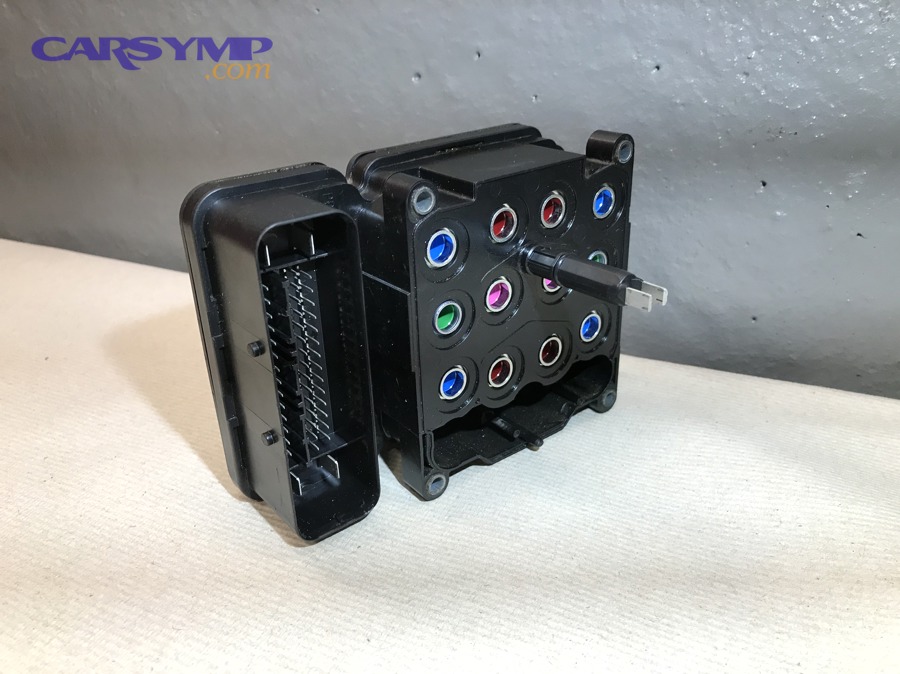
Honda/Acura-style stability systems: voltage sensitivity and calibration steps
Yes—some stability/ABS systems are sensitive to low battery voltage, and the fix can involve software updates and recalibration rather than replacing hardware. For example, an American Honda service bulletin (16-005) describes multiple indicators with specific DTCs where the possible cause is software sensitivity to low battery voltage and the corrective action is updating the modulator-control unit and performing sensor neutral position memorization.
This pattern matters because a weak battery, alternator issues, or jump-start events can create a “module looks bad” story when the deeper issue is voltage stability and required post-update procedures.
Theo nghiên cứu của American Honda Motor Co. từ Service Bulletin 16-005, vào 01/2016, phần mềm VSA/ABS có thể nhạy với điện áp thấp, khiến nhiều đèn cảnh báo bật đồng thời dù phần cứng chưa chắc hỏng.
Hybrid/EV platforms: regen blending and software thresholds
Hybrids/EVs blend regenerative braking with friction braking, so ABS events and wheel speed signals are interpreted in a more software-driven context. However, many complaints that “ABS feels weird” can be normal blending behavior unless accompanied by hard fault codes and repeatable unsafe events.
If you suspect a blending issue, record conditions (speed, temperature, battery state) and compare live data across wheels and brake commands to avoid misdiagnosis.
Internal HCU valve/pump issues: when the hydraulics don’t behave
When the hydraulic unit itself is failing, you may see abnormal pump cycling, inconsistent pedal feedback, or faults that return immediately after clearing. In addition, contamination from neglected brake fluid can accelerate valve sticking and pump strain over time.
How can you quickly map your make/model to likely ABS failure causes?
You can map your make/model to likely ABS failure causes by combining platform traits (hub type, encoder type, harness routing, voltage sensitivity) with symptom timing (low-speed only, wet-weather only, turning-only, constant), then validating with a scan tool and a few targeted inspections. Next, the table below helps you translate that into a practical checklist.
This table contains a pattern-based map of common ABS failure causes by make/model traits, so you can prioritize checks before replacing parts.
| Make/Platform Pattern | High-Probability Failure Cause | Most Telling Symptoms | Fast Confirmation Check |
|---|---|---|---|
| Older full-size trucks/SUVs used in salt regions | Corrosion lift under wheel speed sensor mount; hub surface rust | Unwanted ABS activation at parking-lot speeds; ABS light may be intermittent | Remove sensor, inspect/clean mounting pad; compare low-speed wheel data |
| Vehicles with encoder integrated into bearing seal | Encoder contamination/damage; bearing wear changing air gap | Implausible wheel speed on one corner; stability control interventions | Check for bearing play/noise; compare steady-speed wheel readings |
| Front knuckle harness routed near tire or moving joints | Harness chafing; broken clips; intermittent open | Fault appears on turns, bumps, or after suspension work | Wiggle test harness while watching live wheel speed |
| Voltage-sensitive stability systems | Low-voltage events; calibration required after update | Multiple indicators on; codes referencing power source/IG low voltage | Battery/charging test; review freeze-frame voltage; check for updates |
| High-mileage vehicles with neglected brake fluid | HCU valve sticking; pump motor wear | Repeated pump cycling; persistent internal hydraulic codes | Scan for internal HCU codes; evaluate fluid condition and service history |
Step 1: Classify your symptom by timing (low-speed, wet, turning, constant)
Yes—symptom timing is the fastest triage tool because ABS is event-driven and sensor-driven. To begin, low-speed-only problems point strongly to sensor signal quality at very low wheel speeds (corrosion lift, encoder irregularities), while wet-weather-only points to connector seals and wiring.
Step 2: Identify your wheel end technology (bolt-on sensor vs integrated encoder)
Knowing whether your car uses a visible tone ring or an integrated encoder tells you where to look. Specifically, integrated encoders often shift the repair from “sensor replacement” to “bearing/hub assembly evaluation,” especially when the sensor tests good and codes persist.
Step 3: Validate with live data instead of guessing
Live wheel speed data under controlled conditions (straight-line, steady speed, gentle braking, then low-speed braking) can isolate the “odd wheel out” quickly. After that, you can confirm with a visual inspection, a basic AC voltage test on passive sensors, or a scope test if available.
What checks prevent “wrong part replacement” when diagnosing ABS faults by make/model?
The best checks to prevent wrong-part replacement are voltage/charging verification, harness/connector inspection, and wheel-end mechanical checks (bearing play, rotor/backing plate interference), because these causes can mimic module failure. Next, you’ll see a short, high-yield checklist that fits most makes/models.
Battery and charging system first (because many modules hate low voltage)
Yes—test battery health and charging stability before condemning ABS electronics, because a weak battery can produce cascading faults, especially during cranking and cold starts. In addition, check for recent jump-starts, battery replacements, or aftermarket electrical work that could change voltage behavior.
Wheel bearing play and tone/encoder integrity
Wheel bearing looseness can create a changing sensor gap that looks like a sensor failure. However, replacing the sensor alone won’t fix a worn bearing that continues to wobble under load.
If you hear a growl, feel vibration, or see uneven wheel speed data that correlates with turning direction, prioritize the bearing/hub inspection.
Connector seals, pin tension, and harness strain relief
Water intrusion often shows up as greenish corrosion on pins, swollen seals, or loose pin tension that creates intermittent contact. Next, repair isn’t just “spray cleaner”—it’s restoring seal orientation, replacing terminals when needed, and ensuring the harness is clipped to prevent movement.
Contextual Border: What rare, model-specific ABS issues are easy to miss?
Rare ABS issues are usually “hidden” because they sit outside the obvious sensor/module story—things like tire circumference mismatch, post-repair calibration steps, or software-specific behaviors. Below, these edge cases help you avoid chasing ghosts when the hardware tests fine.
Tire size mismatch (especially on AWD and stability-heavy platforms)
Yes—mismatched tire circumference can fool the system into thinking one wheel is slipping, causing interventions or persistent plausibility codes. To illustrate, even small differences in tread depth across axles can create measurable speed deltas at highway speed.
Post-repair procedures: bleeding, calibrations, and “neutral position” memory
After brake or suspension work, some makes/models require calibration steps for yaw/steering angle sensors or stability system neutral memorization. In other words, the car may be “mechanically fixed” but still unhappy logically until the procedure is completed.
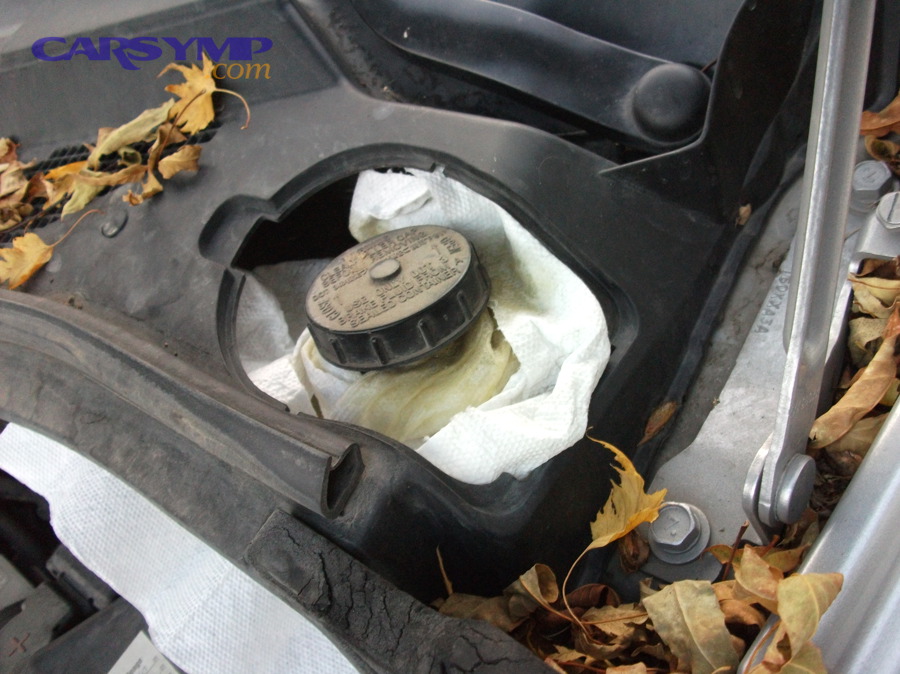
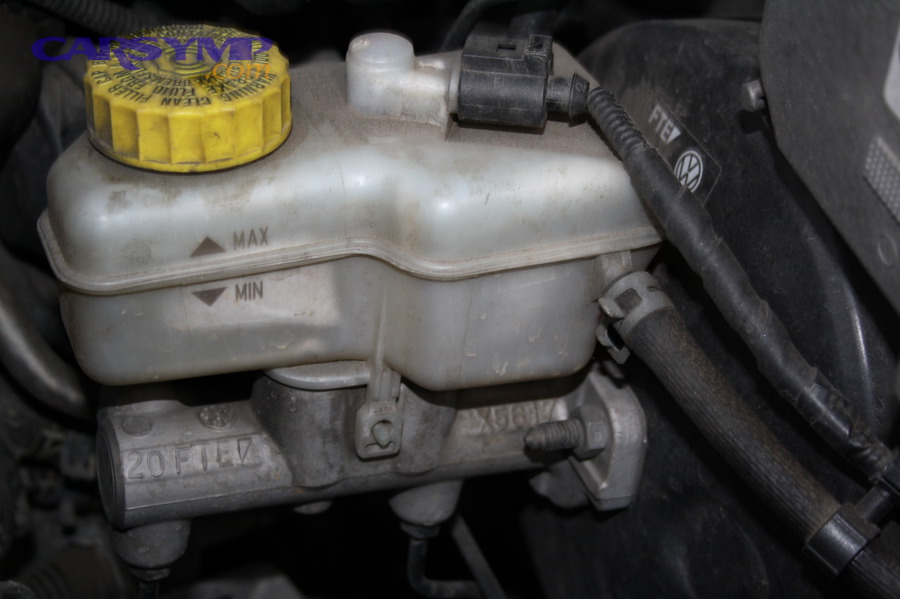
Brake fluid condition and internal valve behavior
Brake fluid absorbs moisture over time, which can increase corrosion risk inside hydraulic components and alter boiling point. In addition, neglected fluid can contribute to sticky valve behavior that looks like intermittent ABS performance issues.
Software thresholds that feel like “hardware problems”
Sometimes a software update changes fault thresholds or fixes edge-case behaviors that drivers feel as harsh interventions. Next, if your make/model has known updates tied to stability or ABS indicators, confirm update status before replacing expensive assemblies.
FAQ: Common questions about ABS failures by make/model
Is it safe to keep driving when the ABS light is on?
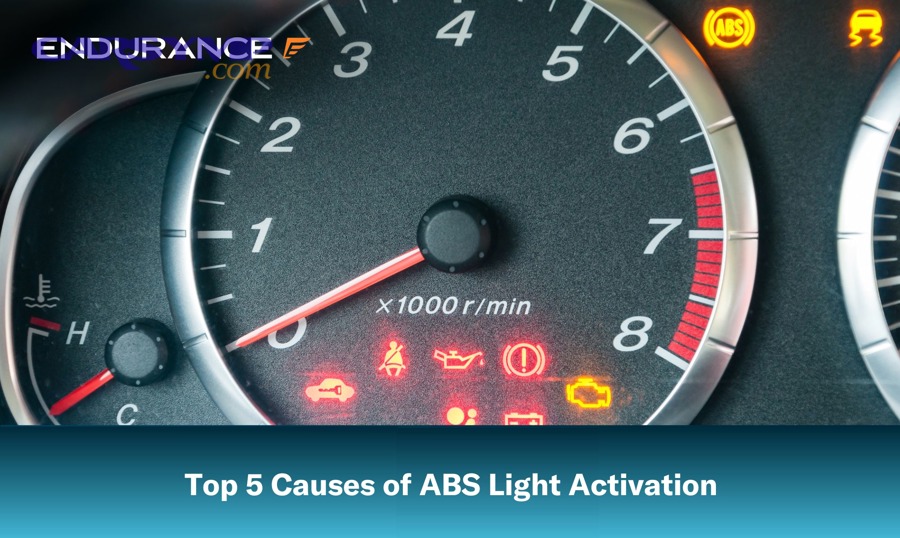
It depends: your base brakes may still work normally, but ABS (and often traction/stability functions) may be disabled, increasing skid risk during hard braking or on slick roads. Therefore, drive cautiously, increase following distance, and prioritize diagnosis—especially if the brake warning light is also on or pedal feel changes. If you’re unsure, this is where “Safe to drive with ABS light on” should be treated as a risk question, not a convenience question.
Why do some cars show ABS and traction control lights together?
Yes—many systems share wheel speed data and a common controller, so one wheel speed signal fault can disable multiple functions at once. In addition, low voltage can also trigger multiple indicators simultaneously because modules rely on stable power during self-tests.
Can a bad wheel bearing cause an ABS fault even if the sensor is new?
Yes: bearing play can change the sensor gap and distort the signal, so the module still sees an implausible wheel speed. As a result, replacing the sensor without addressing the bearing can produce a repeat code or intermittent reappearance of the warning lights.
What’s the fastest way to avoid wasting money on ABS parts?
The fastest method is to scan for codes, compare live wheel speed data, and physically inspect the connector seals and harness routing at the suspected wheel—then validate battery/charging stability. Next, only replace parts once the data points to a specific corner/component; this approach is the backbone of efficient ABS repair.
When should you suspect the ABS module instead of sensors?
Suspect the module when you see multiple unrelated codes, repeated “communication” issues, faults that return instantly after clearing, or evidence of voltage sensitivity and required updates/procedures. In other words, if wheel speed data looks normal but the system still fails self-tests, the module/HCU path becomes more likely. This is also where “ABS warning light diagnosis” should be done with data and history, not guesswork.
Video: Visual signs of ABS module and sensor-related failures
This video helps you recognize common symptoms and practical checks before replacing expensive assemblies, which supports pattern-based diagnosis across many makes/models. After that, compare what you see to your scan data and the platform traits described above.
Final note: If you want this guide tailored to your exact vehicle, the fastest path is to share your make, model, year, engine/drivetrain, your climate (rust-belt vs dry), and the exact ABS codes. Then we can map the most probable failure causes and the least-wasteful test order.