


To bleed brakes safely at home, you need stable vehicle support, correct fluid handling, and a controlled bleeding sequence so you don’t introduce air or contaminate brake components.
Beyond safety basics, you also need to protect your paint and skin from brake fluid, manage spills, and verify pedal feel before any real road speed.
Many at-home jobs go wrong because of fluid mix-ups, poor tool setup, or rushing the process—so the safety plan must cover equipment, technique, and post-bleed checks.
To start, we’ll build a practical, step-by-step safety workflow that reduces the most common DIY hazards and helps you finish with a firm, predictable brake pedal.
How do you set up a safe workspace before bleeding brakes at home?
A safe setup means you stabilize the car, control hazards, and prepare tools so you can work without rushing or improvising mid-job. Next, those preparations prevent falls, spills, and sudden brake pedal loss.
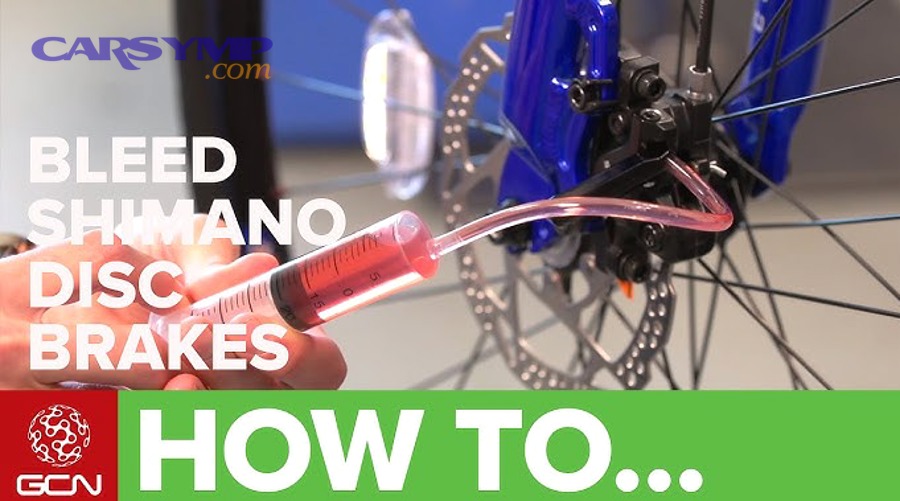
What safety hazards are most common during a home brake bleeding job?
The most common hazards are vehicle instability, chemical exposure, and loss of braking during testing because air stays in the system. Next, understanding these hazards helps you design safeguards before you touch the bleeder screw.
- Vehicle instability: Incorrect jack points, soft ground, or relying on a jack alone can cause sudden shifting.
- Chemical exposure: Brake fluid can irritate skin and eyes, and it can damage paint and some plastics.
- Air ingestion and brake failure risk: Letting the reservoir run low or pumping incorrectly can introduce air, leaving a soft pedal.
- Burn and pinch points: Hot rotors/calipers after driving, and tight access around suspension components.
- Fire and fume risks: Using solvents or aerosols near ignition sources, or working in a poorly ventilated space.
To minimize risk, treat the job like a controlled procedure: secure the car, protect yourself, protect surfaces, and never “test drive” until the pedal passes checks.
How should you lift and secure the vehicle so it cannot move?
You should lift the car on a flat, hard surface, support it with rated jack stands at correct points, and prevent rolling with chocks. Next, a stable car keeps your body safe while you’re under wheel wells and applying torque to fittings.
- Choose a stable surface: Concrete is ideal; avoid dirt, gravel, or sloped driveways.
- Chock wheels: Use wheel chocks on the opposite axle; add a secondary chock if the slope is even slight.
- Use correct lift points: Follow the manufacturer’s jacking points; avoid thin pinch welds unless specified.
- Use jack stands—never just a jack: Place stands symmetrically, lower the car slowly onto them, then lightly shake the vehicle to confirm stability.
- Keep the parking brake strategy logical: If you are bleeding rear brakes, ensure the parking brake isn’t applying those calipers/drums in a way that confuses pedal feel checks.
Tip: Keep the removed wheel under the rocker panel as an extra “buffer” (not as primary support), and keep your body out from under the vehicle until it passes the stability shake test.
Which protective gear and surface protection should you use?
You should use eye protection, chemical-resistant gloves, and paint protection because brake fluid can injure eyes and damage finishes. Next, protecting yourself and your car prevents the most expensive “accidents” in DIY brake work.
- Eye protection: Safety glasses or goggles; brake fluid splashes are more common than people expect.
- Gloves: Nitrile or chemical-resistant gloves; keep a spare pair nearby.
- Clothing: Long sleeves you don’t mind staining; avoid loose sleeves near rotating parts if the engine must be on for any reason.
- Paint protection: Fenders covered with a blanket, and absorbent pads beneath the master cylinder area.
- Spill control: A drain pan under the corner you’re bleeding, plus shop towels and water for immediate rinse (water dilutes most brake fluids).
To connect safety to quality, good spill control also prevents fluid from reaching rubber bushings and painted brackets where it can leave residue.
How do you prepare tools and materials so you don’t rush mid-bleed?
You prepare by staging the right wrench, tubing, catch bottle, and correct fluid so the reservoir never runs low and fittings don’t strip. Next, organized tools reduce mistakes that introduce air or cause leaks.
- Correct wrench: Use a flare-nut wrench on tight brake line fittings; for bleeders, use a snug six-point wrench if possible.
- Clear tubing + catch bottle: Tubing that fits tightly over the bleeder nipple; bottle partially filled with old fluid to keep the tube end submerged (reduces air backflow).
- Torque awareness: Bleeder screws are small; overtightening can snap them or damage the seat.
- Reservoir plan: Clean the reservoir cap area first; have enough new fluid ready; plan who monitors level every few strokes.
- Penetrant and cleaning: If bleeders are rusty, use penetrant earlier and a wire brush—never force a stuck bleeder without a backup plan.
According to research of the Society of Automotive Engineers from its Vehicle Safety and Maintenance division, in 06/2019, maintenance-related brake issues remain a meaningful contributor to preventable incidents, emphasizing careful procedures and post-service verification.
What handling rules keep brake fluid from harming you, your car, or your brakes?
Brake fluid safety requires correct selection, clean handling, and strict contamination control because moisture and mix-ups reduce braking reliability. Next, these rules protect both your body and the hydraulic system’s performance.
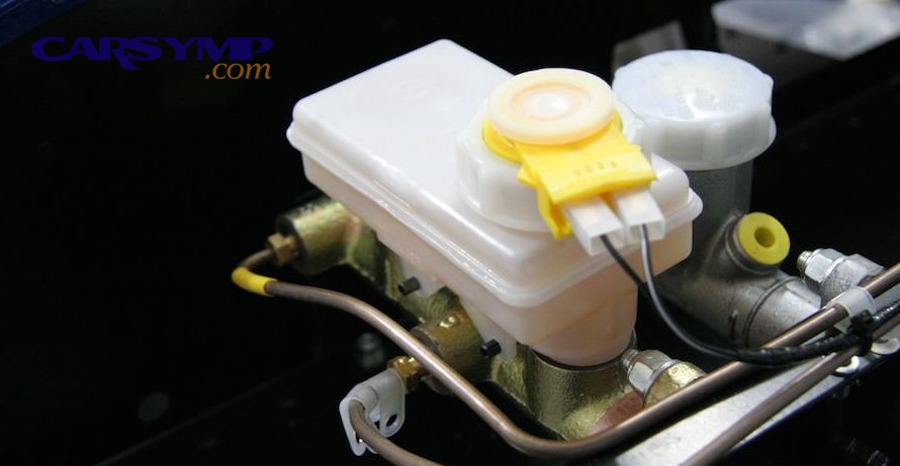
How do you choose the correct brake fluid without damaging seals?
You choose fluid by matching the specification on the reservoir cap or owner’s manual, because incompatible fluid can harm seals and change boiling behavior. Next, correct choice prevents soft pedal under heat and avoids internal component damage.
- Read the spec at the source: Reservoir cap, service manual, or manufacturer label usually states DOT 3, DOT 4, DOT 5.1, or DOT 5.
- Do not assume higher number always means better: DOT rating relates to boiling points and formulation, but compatibility and intended system matter more.
- Avoid mixing DOT 5 (silicone) with glycol-based fluids: Silicone and glycol fluids do not mix properly; this can create aeration and inconsistent pedal feel.
- Consider temperature use: If you tow, track, or drive mountains, boiling margin matters, but you still must stay within the manufacturer’s recommended type.
To keep the job safe and predictable, write the fluid type on a piece of tape placed near the reservoir so you never grab the wrong bottle mid-task.
How do you prevent contamination from moisture and dirt?
You prevent contamination by keeping the system closed, using fresh fluid, and cleaning around caps and bleeders before opening them. Next, clean handling prevents internal corrosion and swelling of components over time.
- Use fresh, sealed fluid: Brake fluid absorbs moisture from air; once opened, it degrades faster.
- Clean before you open: Wipe the reservoir cap area, then open carefully so debris doesn’t fall in.
- Never reuse drained fluid: It may contain moisture, air bubbles, or fine particles that harm valves and seals.
- Use clean tools: A dirty funnel or reused tubing can introduce contaminants.
- Cap bottles quickly: Pour, recap, and store away from humidity sources.
To connect technique to safety, contamination control also reduces the chance of sticky caliper behavior and uneven braking after the job.
What is the safest way to deal with spills and painted surfaces?
The safest approach is to contain spills immediately and rinse affected paint with water, because brake fluid can soften paint quickly. Next, fast response prevents cosmetic damage and reduces slippery work surfaces.
- Contain first: Use absorbent pads or towels to stop spreading.
- Rinse paint with water promptly: Water dilutes glycol-based fluids; follow with gentle cleaning if needed.
- Do not “wipe and forget”: Rubbing can spread fluid across paint; rinse then blot.
- Prevent slip hazards: Clean floor spills thoroughly; brake fluid is slick and can cause falls.
- Dispose responsibly: Store used fluid in a labeled container; do not pour into drains.
According to research of the U.S. Environmental Protection Agency from its Household Hazardous Waste guidance unit, in 03/2021, automotive fluids should be managed through proper collection and disposal pathways to reduce environmental and safety risks.
How do you protect rubber parts and sensors from chemical damage?
You protect rubber parts by avoiding prolonged contact with fluid and cleaners, because some chemicals can swell rubber and degrade sensor connectors. Next, component protection helps prevent leaks or electrical issues after service.
- Keep brake fluid off bushings and wiring: Wipe immediately if contact occurs.
- Use brake cleaner carefully: Spray away from ABS sensor connectors and painted surfaces; allow ventilation.
- Inspect dust boots: If caliper bleeders are under torn boots, keep the area clean to prevent grit entry.
- Check reservoir grommets: Old grommets can seep when disturbed; monitor for dampness after refilling.
To lead into the actual bleeding process, once your fluid handling is controlled, you can choose the safest bleeding method for your setup.
Which brake bleeding method is safest at home, and why?
The safest method depends on control and error-proofing: pressure or vacuum tools reduce helper mistakes, while manual pumping is simpler but easier to do wrong. Next, choosing wisely prevents air entry and protects master cylinder seals.
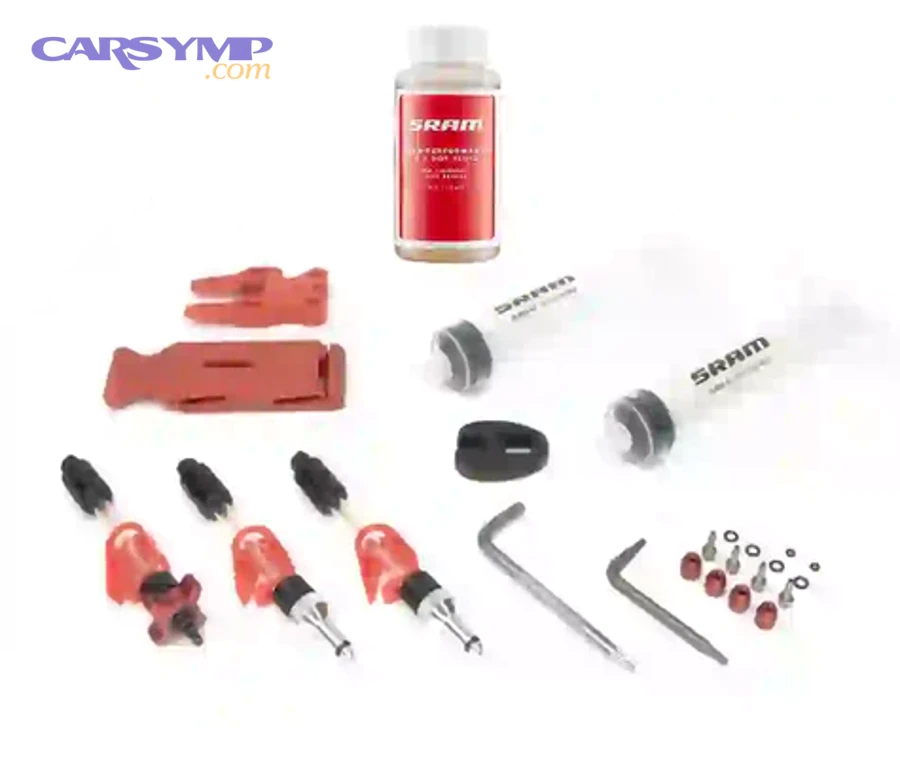
How do gravity, pump-and-hold, vacuum, and pressure methods compare for safety?
Pressure bleeding is safest for consistency, vacuum bleeding is safe with seal management, gravity is safest for simplicity but slow, and pump-and-hold is most error-prone without clear rules. Next, the comparison helps you match method to your risk tolerance.
This table contains a side-by-side safety and mistake-risk comparison of common home bleeding methods to help you choose the best approach for your tools and experience.
| Method | Safety Strength | Common Safety Risk | Best Use Case |
|---|---|---|---|
| Gravity | Low-pressure, simple | Reservoir can run low unnoticed | Minor fluid refresh, low rust risk |
| Pump-and-hold (two-person) | No special tools | Over-stroking master cylinder; miscommunication | Basic bleed when tools are limited |
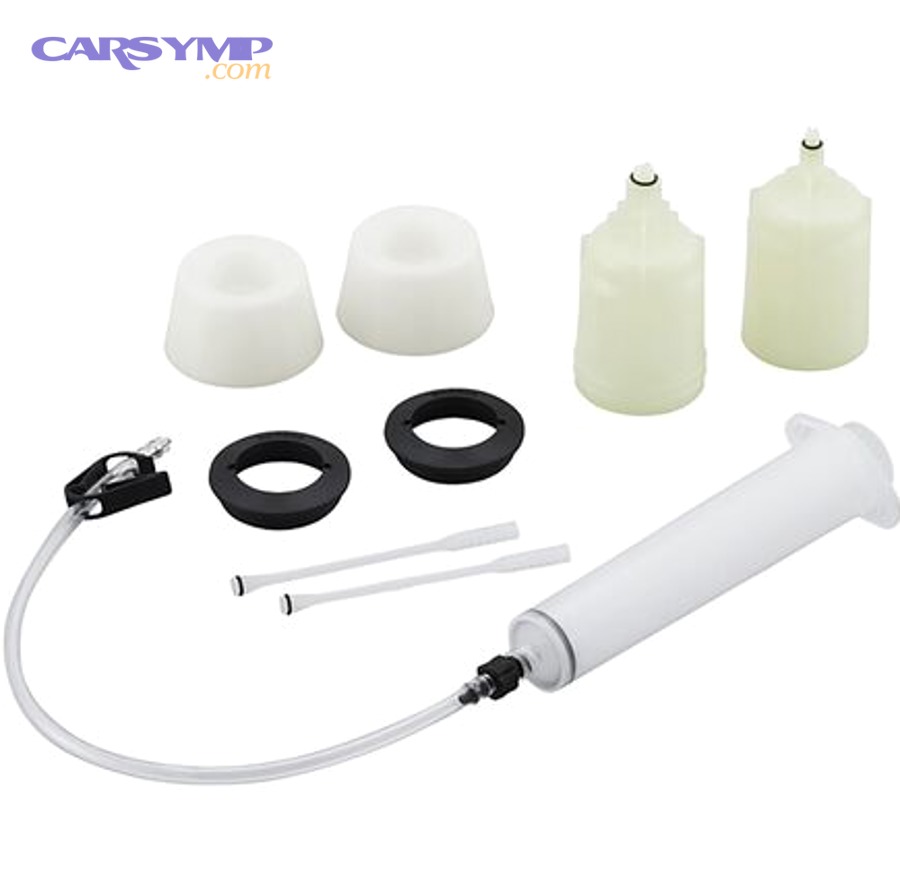
| Vacuum | One-person control | Air leaks at bleeder threads mimic bubbles | Solo work, good access to bleeders |
| Pressure | Most consistent flow | Incorrect adapter fit can leak fluid | Full system bleed, ABS-friendly prep |
What rules make the pump-and-hold method safer with a helper?
It’s safe if you use a strict call-and-response, limit pedal travel, and never open the bleeder when the pedal is rising. Next, these rules prevent air being drawn back and protect the master cylinder.
- Use exact commands: “Down—hold—open—close—up” with no improvisation.
- Limit pedal travel: Place a block under the pedal to prevent over-stroking into unused cylinder bore areas.
- Open only on hold: Crack the bleeder only when the pedal is held down steadily.
- Close before release: Tighten the bleeder before the helper lets the pedal come up.
- Monitor reservoir every 3–5 cycles: Top off early, not late.
To connect safety to outcome, the pedal block is one of the simplest ways to prevent internal seal damage on older master cylinders.
What safety checks matter most when using a vacuum bleeder?
Vacuum bleeding is safe when the hose seals tightly, the bleeder threads are managed to avoid false bubbles, and the catch bottle is stable. Next, these checks prevent confusion that leads to unnecessary over-bleeding.
- Use tight-fitting tubing: Loose tubing can suck air and spray fluid.
- Stabilize the catch bottle: Tip-over is a common spill cause.
- Seal bleeder threads lightly: A small amount of grease around threads can reduce air sneaking past threads (without blocking the port).
- Watch reservoir level continuously: Vacuum can move fluid faster than expected.
- Stop if fluid looks foamy: Recheck connections; foaming often indicates air leak at the tool.
According to research of the National Institute for Occupational Safety and Health from its Safety Engineering division, in 11/2020, structured procedural controls and stable tool setups significantly reduce home-maintenance injury risk during under-vehicle tasks.
How do you keep pressure bleeding safe and leak-free?
Keep it safe by using the correct cap adapter, staying within tool pressure limits, and confirming no leaks before opening any bleeder. Next, leak-free pressure prevents fluid spray and protects your paint and eyes.
- Use the correct adapter: A poor seal can pop off under pressure.
- Stay in safe pressure range: Follow the tool’s instructions; do not “crank it up” for speed.
- Pre-check for leaks: Pressurize, wait 30–60 seconds, and inspect the reservoir/cap area.
- Bleed in controlled increments: Open bleeder slightly; close once flow is clear and consistent.
- Depressurize safely: Release pressure before removing the cap to avoid spray.
To transition smoothly, once your method is selected, the next safety layer is the step-by-step bleed sequence that prevents air entry.
What step-by-step safety process prevents air from entering the brake system?
The safest process is a controlled sequence: keep the reservoir topped, use correct order, and verify each corner before moving on. Next, a consistent routine prevents the most common DIY failure—trapped air and a soft pedal.
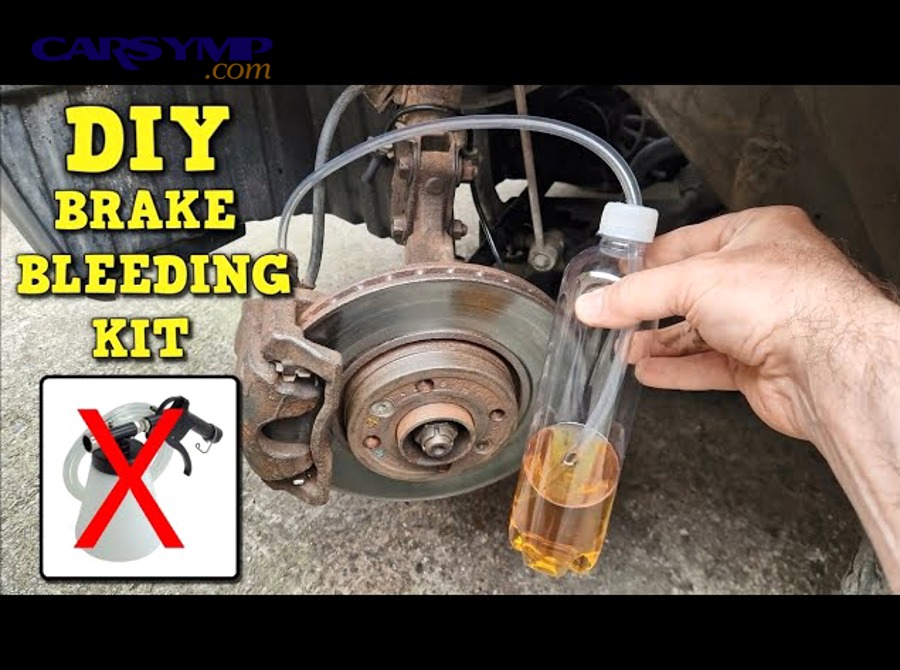
How do you choose the safest bleeding order without guessing?
The safest approach is to follow the service manual order, because different hydraulic layouts and ABS modules can change the best sequence. Next, correct order reduces the chance of moving air into already-cleared lines.
- Check manufacturer guidance first: Many vehicles use “farthest to closest,” but not all.
- Know your layout: Diagonal split vs front/rear split changes what “farthest” means in practice.
- Be consistent: Do not jump corners randomly; finish one circuit logically.
- If uncertain: Use the service manual or a reputable repair database; avoid forum-only guesses for safety-critical procedures.
To connect this with method choice, pressure bleeding often tolerates layout complexity better, but correct order still matters for efficiency and confidence.
How do you keep the master cylinder reservoir from running low?
You keep it safe by topping off frequently, using a clear visual mark, and assigning reservoir monitoring as a dedicated task. Next, preventing low fluid levels avoids pulling air into the master cylinder and ABS unit.
- Set a minimum line: Mark the reservoir “do not go below” level with tape.
- Top off early: Add fluid every few cycles rather than waiting.
- Use a clean funnel: Avoid spills and keep debris out.
- Do not tilt the bottle over the engine bay: Pour into a cup or funnel to reduce spill risk.
- Keep the cap nearby: Close the reservoir when stepping away to reduce moisture absorption.
To lead into the caliper-side technique, reservoir control is the “anchor” that makes every other safety tip work.
What is the safest way to open and close a bleeder screw?
The safest way is to clean the area, apply the correct wrench, open minimally, and close snugly without overtightening. Next, controlled handling prevents stripped bleeders, leaks, and sudden fluid spray.
- Clean first: Brush away rust and dirt so it doesn’t enter the port.
- Use the correct wrench size: A loose wrench rounds corners and increases injury risk from sudden slips.
- Open slightly: Usually a quarter-turn is enough for flow; opening too far can leak around threads.
- Close firmly, not aggressively: Overtightening can crack the seat or snap the screw.
- Inspect for weeping: After closing, wipe dry and watch for fresh fluid.
According to research of the University of Michigan from its Transportation Research Institute, in 08/2018, maintenance quality and correct post-service functional checks are strongly associated with braking reliability in everyday driving conditions.
How do you avoid pushing air backward through the system?
You avoid backflow by keeping the tube submerged, closing the bleeder before pedal release, and preventing tool leaks. Next, stopping backflow keeps each cycle moving air out—not back in.
- Submerge the tube end: Keep the hose end in fluid inside the catch bottle.
- Close before release: In two-person bleeding, bleeder closes first, then pedal rises.
- Maintain tool seals: Vacuum/pressure systems must be leak-tight.
- Use slow, steady pedal movement: Fast pumping aerates fluid and creates inconsistent bubbles.
To transition, once the system is bled, the next safety step is validating pedal feel and confirming no leaks before any road test.
What post-bleed checks prove it’s safe to drive after bleeding brakes at home?
It’s safe to drive only after a firm pedal, stable fluid level, and leak-free inspection because any remaining air or seepage can cause sudden braking loss. Next, these checks reduce the risk of discovering a problem at speed.
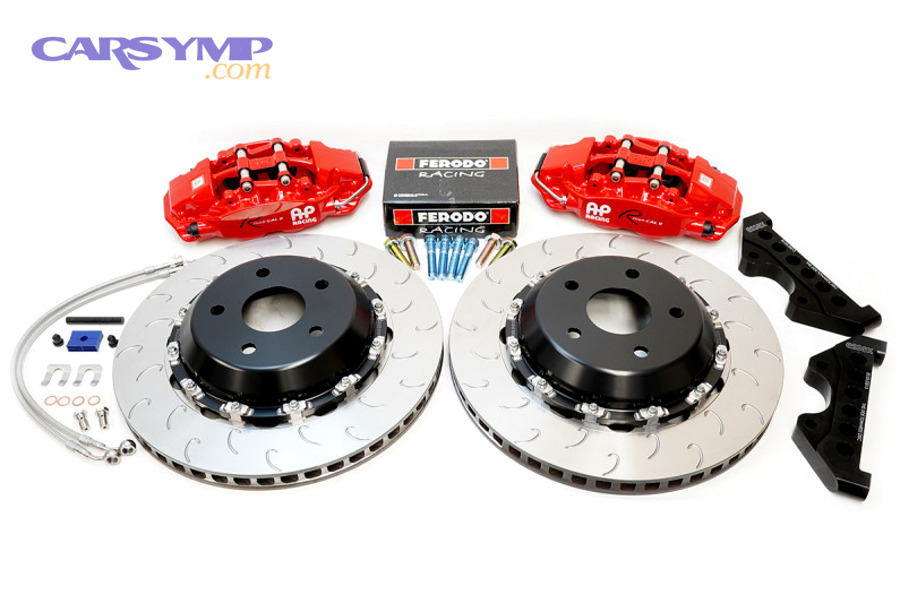
What pedal feel checks indicate a safe, air-free system?
A safe system has a firm pedal that holds pressure without slowly sinking, and the engagement point stays consistent. Next, verifying these behaviors confirms you expelled air and didn’t introduce leaks.
- Engine off firmness: Press pedal; it should feel solid after a couple pumps.
- Hold test: Apply steady pressure for 20–30 seconds; pedal should not drift downward.
- Engine on behavior: With vacuum assist, pedal may drop slightly then stabilize—no sponginess.
- Repeatability: Pedal height and firmness should be consistent across multiple presses.
- Warning lights: ABS/brake warning lights should not appear unexpectedly after the procedure.
To connect checks to action, if the pedal is spongy or inconsistent, do not drive—repeat bleeding and re-check for leaks and fluid type correctness.
Where should you inspect for leaks and how do you confirm they’re not developing?
Inspect bleeders, hose connections, caliper areas, and the master cylinder reservoir for wetness, then recheck after a short static test. Next, staged inspection catches slow seepage before it becomes brake failure.
- Bleeder screws: Wipe dry, then look for fresh fluid beading.
- Caliper line junctions: Check where brake hoses meet calipers and hard lines.
- Master cylinder and reservoir: Look for dampness at seams, grommets, and cap.
- ABS hydraulic unit area: If accessible, scan for wetness along lines and fittings.
- Recheck timing: Inspect immediately, then again after 5–10 minutes and after the first low-speed test.
According to research of the National Highway Traffic Safety Administration from its Vehicle Safety Compliance unit, in 02/2022, brake system integrity checks after service are an essential safety practice to reduce failure risk and improve road safety outcomes.
How do you perform the first test drive safely?
The safest first test is a low-speed, controlled stop sequence in an empty area, increasing speed only after repeated consistent stops. Next, controlled testing verifies performance without exposing you to traffic risk.
- Start in a flat, empty area: Parking lot or quiet street with clear visibility.
- Initial roll test: At walking speed, apply brakes gently—confirm immediate response.
- Progressive stops: 10 mph, then 20 mph, then 30 mph—only if pedal remains firm.
- Check for pull: Car should stop straight; pulling can indicate trapped air, uneven pad contact, or a sticking caliper.
- Listen and feel: Grinding, hissing, or abnormal pedal vibration should trigger a stop-and-inspect.
To move from testing to long-term safety, once the brakes pass, you should finish with cleanup and disposal to keep the workspace safe and compliant.
How do you clean up and dispose of brake fluid safely after a home bleed?
Safe cleanup means preventing slips, protecting the environment, and storing waste fluid correctly because brake fluid is hazardous when spilled or dumped. Next, proper disposal completes the job responsibly and reduces future hazards.
What is the safest cleanup sequence for tools and surfaces?
The safest sequence is to cap fluid, wipe and rinse affected areas, decontaminate tools, then remove protective coverings last. Next, this order prevents spreading fluid to clean areas and avoids accidental contact.
- Cap all fluid containers: Close the reservoir, recap new fluid, and seal waste fluid.
- Contain and wipe: Use absorbents on wet areas; avoid smearing across paint.
- Rinse paint with water: If any fluid touched paint, rinse promptly and blot dry.
- Clean tools: Wipe wrenches and tubing; store tubing in a sealed bag if reused.
- Remove pads and coverings: Lift absorbent pads carefully to avoid drips.
To connect cleanup to safety, clean tools also reduce future contamination if you bleed brakes again later.
How should you store and dispose of used brake fluid?
Store used fluid in a sealed, labeled container and take it to a hazardous waste or recycling facility, because improper disposal harms waterways and creates fire/chemical hazards. Next, responsible disposal aligns DIY work with community safety rules.
- Use a dedicated waste container: A clean, sealable bottle or jug labeled “Used Brake Fluid.”
- Keep it away from children and pets: Store high and secured until disposal.
- Do not mix with other chemicals: Avoid combining with oil, coolant, or solvents unless a facility instructs it.
- Use local disposal options: Many municipalities offer household hazardous waste days or drop-off centers.
According to research of the California Department of Toxic Substances Control from its Household Hazardous Waste program, in 07/2020, proper collection and segregation of automotive fluids is a key step to reduce environmental contamination and community exposure.
What mistakes during cleanup can create delayed safety issues?
Delayed issues come from leaving residue on pedal pads, overlooking slow leaks, or allowing fluid to sit on paint and rubber. Next, avoiding these mistakes prevents slipping, component degradation, and surprise fluid loss later.
- Ignoring small drips: A tiny bleeder seep can become a fluid-level problem over weeks.
- Leaving fluid on tires or brakes: Residue can reduce traction or contaminate pads if it reaches friction surfaces.
- Not rechecking reservoir level: Level may settle after bubbles move; recheck after the first test cycle.
- Storing open fluid bottles: Moisture absorption reduces quality for future use.
To bridge into deeper technique, if you repeatedly find a soft pedal after safe cleanup, it may indicate air trapped in ABS circuits or an underlying hydraulic fault.
Contextual Border
What unique safety tips apply to ABS-equipped vehicles and stubborn systems at home?
ABS-equipped cars may need extra steps because air can hide in the hydraulic control unit, and improper cycling can leave the pedal soft. Next, these unique tips reduce the risk of incomplete bleeding and unsafe road testing.
When is it unsafe to continue DIY bleeding and time to stop?
Stop if the pedal remains dangerously soft, fluid leaks persist, or a bleeder is seized and threatens to break, because continuing can create sudden brake failure. Next, stopping early prevents turning a manageable job into a safety emergency.
- Pedal sinks or fails hold test: This can indicate air or an internal leak.
- Active fluid leak anywhere: Leaks must be fixed before driving.
- ABS/brake warning lights appear unexpectedly: This may indicate a fault or low pressure condition.
- Seized bleeders: Breaking a bleeder can immobilize the car and create a safety hazard.
What cautious approach helps if air seems trapped in an ABS unit?
Use a conservative method: re-bleed with a consistent technique, avoid running the reservoir low, and consider scan-tool cycling if the manual specifies it. Next, controlled cycling can move trapped air into lines where it can be expelled.
- Recheck bleeding order and method consistency: Many “trapped air” cases are actually inconsistent technique.
- Use pressure bleeding if available: Steady pressure often clears stubborn microbubbles.
- Follow service guidance for ABS cycling: Some systems require valve/pump activation using a scan tool.
- Do not attempt aggressive high-speed ABS activation tests: Safety risk outweighs benefit; use controlled procedures.
What rare but important compatibility issue can make bleeding feel unsafe?
A rare issue is fluid mismatch or degraded fluid that aerates or boils easily, creating inconsistent pedal feel and perceived “never-ending bubbles.” Next, verifying the correct spec and fresh fluid can resolve stubborn symptoms safely.
- Wrong fluid type: Using a non-specified fluid can change seal behavior and pedal response.
- Old opened fluid: Moisture-laden fluid can lower boiling point and introduce sponginess under heat.
- Contaminated tools: Residue in tubing or bottles can introduce microbubbles and debris.
How do you add a final safety “sign-off” before normal driving?
Sign off with a repeatable checklist: verify torque, level, lights, and short controlled stops before returning to traffic. Next, a written sign-off reduces human error at the most dangerous moment—thinking you’re done.
- Bleeders snug + dust caps installed: Prevent future seepage and corrosion.
- Reservoir at correct level: Not overfilled; cap tightened; area wiped clean.
- No leaks after 10 minutes: Recheck all corners and fittings.
- Firm pedal hold test passed: Both engine off and engine on behavior confirmed.
- Controlled low-speed stops completed: Straight stopping, consistent pedal, no warning lights.
FAQ
Is it safe to bleed brakes at home without professional tools?
Yes, it can be safe if you use stable jack stands, correct fluid, a controlled method, and strict post-bleed checks; otherwise, the risk of a soft pedal or leaks makes it unsafe. Next, choosing a method that reduces mistakes improves safety the most.
How can I avoid breaking a rusty bleeder screw?
Use penetrant in advance, clean the exposed threads, apply steady torque with the correct wrench, and stop if it feels like it will snap. Next, stopping early and seeking professional help can be safer than forcing a failure.
What should I do if the brake pedal is still spongy after bleeding?
Do not drive; recheck for leaks, confirm reservoir never ran low, verify fluid type, and re-bleed using a consistent method, then retest pedal hold. Next, if the issue persists, trapped air in ABS circuits or a failing master cylinder may require professional diagnosis.
Can brake fluid damage my driveway or garage floor?
Yes, it can stain and create a slip hazard, so contain spills with absorbents and clean thoroughly. Next, using a drain pan and pads under each corner prevents most messes.