


You should use a scan tool to bleed ABS when there’s a realistic chance air is trapped inside the ABS hydraulic unit, or when the vehicle’s procedure explicitly requires an automated routine to cycle the pump and solenoid valves.
Besides “air-in-module” situations, you’ll also reach for a scan tool when stability-control systems, electronic brake assist, or brake-by-wire logic can change how valves behave during bleeding, making traditional corner bleeding incomplete.
You can often finish the job without a scan tool when air never entered the ABS modulator and you’re only flushing or bleeding at the calipers—yet you still need a disciplined method to avoid introducing new air or damaging components.
To connect the decision to real results, here’s a practical map of triggers, symptoms, and safe workflows—Giới thiệu ý mới: we’ll start with a fast “need vs not-need” decision, then build into the exact steps that keep the pedal firm.
Do you need a scan tool to bleed ABS on this job?
No, not always—but you should use a scan tool when air likely entered the ABS modulator, the ABS unit was replaced, or the service procedure calls for automated valve cycling to purge trapped air.
Tiếp theo, use a simple decision matrix to stop guessing and match the bleeding method to the type of repair you just performed.
Most “ABS-equipped” brake bleeding is still fundamentally hydraulic: you’re pushing incompressible fluid through lines while venting compressible air at the bleeders. The catch is that an ABS hydraulic control unit (HCU)—sometimes called the modulator, BPMV, or hydraulic modulator—contains internal chambers and solenoid valves that may not be fully opened by normal pedal bleeding. If air is trapped behind a closed valve, you can bleed forever at the calipers and still end up with a long, spongy pedal.
Here are the most reliable “use the scan tool” triggers in real-world service:
- You opened the system upstream: master cylinder replacement, ABS hydraulic unit replacement, or any line disconnected at/near the modulator.
- The reservoir ran low or empty: during caliper replacement, line repair, or repeated pedal pumping with a bleeder open.
- ABS warning light or stored ABS codes: especially after hydraulic work, because some systems enter a protective mode that changes valve behavior.
- Factory procedure says so: some vehicles require an “Automated Bleed,” “ABS Service Bleed,” or “Brake System Bleed” routine that cycles valves and the pump.
- Pedal stays soft after correct manual bleeding: you’ve bled all corners properly and still can’t restore a firm pedal.
To make the decision fast, this table helps you choose the tool level that matches the risk of trapped air.
This table shows common repair situations and whether a scan-tool ABS routine is typically recommended to purge internal air pockets.
| What happened during the repair? | Risk of air trapped in ABS unit | Best next step |
|---|---|---|
| Caliper/pad/rotor swap; reservoir never ran low | Low | Manual corner bleeding is usually sufficient |
| Brake hose/line opened at a caliper; reservoir stayed full | Medium | Manual bleeding first; scan-tool routine if pedal remains soft |
| Master cylinder replaced or lines opened near the ABS modulator | High | Manual bleeding + scan-tool automated bleed is strongly recommended |
| ABS hydraulic unit/modulator replaced | Very high | Follow the service routine with scan-tool valve/pump cycling |
| Reservoir ran empty, then refilled | High | Manual bleeding + scan-tool routine to clear internal chambers |
The key idea: the scan tool is not “magic,” it’s simply the safest way to command the ABS pump and solenoid valves so trapped air can move into the lines where you can vent it at the bleeders.
Theo nghiên cứu của National Library of Medicine (PMC) từ nhóm biên tập Sensors, vào 04/2024, brake fluid commonly absorbs moisture at about 1% or more per year, and just 2% water can reduce DOT 4 boiling point by roughly 45°C—making a thorough, correct bleed more important after hydraulic work.
Which brake repairs make a scan-tool ABS bleed most likely?
The repairs most likely to require scan-tool ABS bleeding are those that let air reach the modulator: master cylinder work, ABS unit replacement, and any line opened upstream of the hydraulic control unit.
Dưới đây, we’ll group the repair types by how easily air migrates into internal ABS passages, so you can predict whether manual bleeding will be enough.
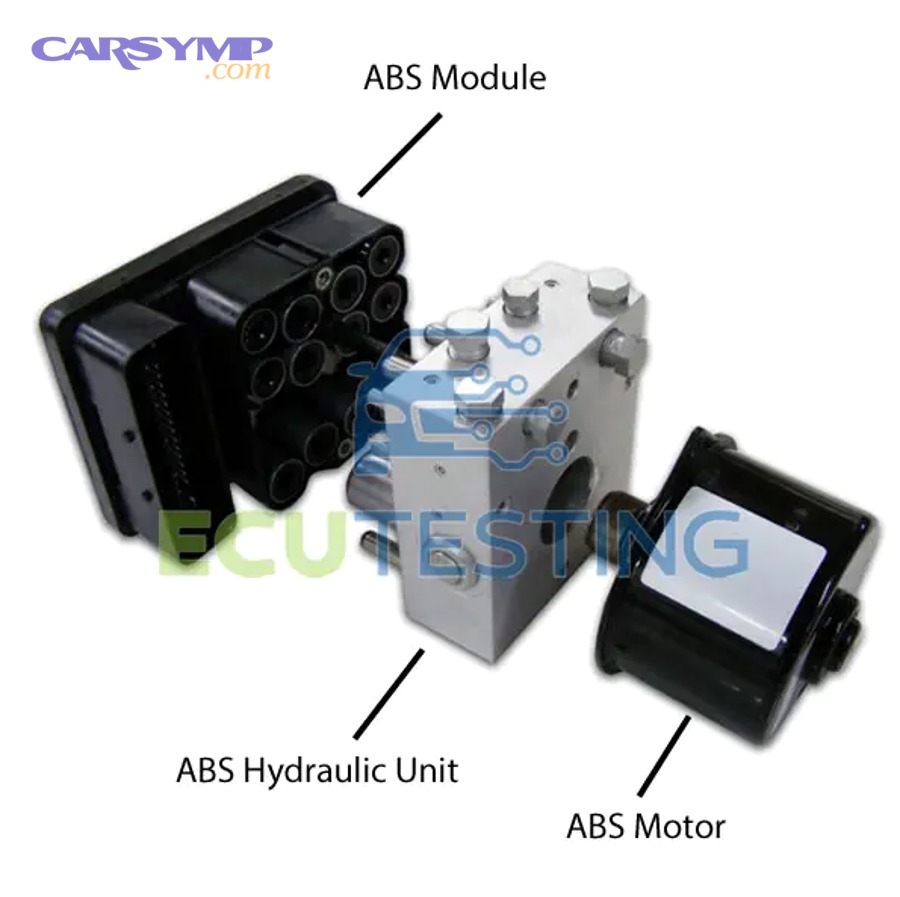
Think of the ABS unit as a “valve maze.” During normal braking, many internal paths are effectively transparent. During ABS events, valves rapidly open/close while the pump builds and releases pressure. If air gets into that maze, it can park in small chambers that don’t naturally purge during a basic bleed—especially if the valves default to a closed position.
Upstream openings that commonly trap air
Yes—opening the system near the master cylinder or ABS unit can trap air because it enters the portion of the system that feeds the modulator’s internal circuits and solenoids.
Cụ thể, once air is inside the modulator, it may not move until the valves cycle, which is exactly what an automated scan-tool routine forces.
- Master cylinder replacement or bench bleeding errors
- Brake line replacement near the firewall or ABS unit
- Hydraulic modulator/HCU removal or replacement
- Repeated reservoir-empty events while bleeding
Midstream openings that might or might not trap air
Sometimes—opening a front/rear line downstream of the ABS unit may be fully purgeable by manual bleeding, but it depends on whether air migrates upstream and whether valve positions allow flow.
Để minh họa, if you let the reservoir run low while the line is open, air can rise into the modulator, turning a “simple” bleed into a scan-tool case.
- Brake hose replacement at a wheel
- Hard line repair along the chassis
- Rear wheel cylinder replacement on drum brakes
Downstream-only work that usually does not
No—if air never entered the ABS unit and you kept the reservoir full, caliper and pad work typically only requires a standard corner bleed to remove any air at the wheel end.
Quan trọng hơn, the difference is not “ABS vs non-ABS,” but “air location”: if air is only in the caliper/line, you can vent it directly.
- Pad/rotor replacement (no line opened)
- Caliper replacement with careful fluid control (reservoir stayed full)
- Routine fluid flush performed correctly without introducing air
Theo nghiên cứu của National Highway Traffic Safety Administration (NHTSA) từ chương trình thử nghiệm tiêu chuẩn FMVSS 116, vào 04/2005, việc kiểm soát chất lượng và độ “đúng chuẩn” của brake fluid được thiết kế để giảm nguy cơ hỏng hệ thống phanh do dùng sai hoặc nhiễm bẩn—vì vậy quy trình bleed đúng sau sửa chữa thủy lực là một phần của an toàn hệ thống.
What signs suggest air is trapped inside the ABS modulator?
Yes—air trapped in the ABS modulator often shows up as a soft pedal that won’t firm up after proper corner bleeding, especially right after master cylinder work or when the reservoir ran low.
Bên cạnh đó, you can use a few consistent “behavior clues” to separate trapped air from pad knockback, hose swell, or normal bedding-in.
Air behaves differently depending on where it sits. Air in a caliper typically produces immediate improvement as you bleed that corner. Air in the ABS unit can hide—until the valve state changes or the pump runs—then it moves and the pedal changes unpredictably.
- Pedal improves briefly, then goes soft again: you bleed four corners and it feels better, but after a short drive it deteriorates.
- Long pedal travel with no visible bubbles at bleeders: repeated bleeding yields little air, yet pedal travel remains excessive.
- ABS activation makes the pedal worse (or suddenly better): a single ABS event can move trapped bubbles into lines, changing feel.
- Spongy pedal after master cylinder replacement: a classic sign the upstream circuit still contains compressible air.
- Inconsistent pedal height between presses: first press long, second press higher—especially if you hold pressure and it feels springy.
To be fair, not every soft pedal is trapped air. Flexible rubber hoses can swell, caliper slides can bind, and rear drum adjustment can change pedal height. The difference is that trapped air usually responds to valve cycling: if an automated bleed routine suddenly improves pedal firmness, you’ve confirmed the air was in a place manual bleeding couldn’t reliably reach.
Theo nghiên cứu của National Library of Medicine (PMC) từ nhóm nghiên cứu Sensors, vào 04/2024, chỉ cần vài phần trăm nước trong brake fluid đã làm giảm đáng kể điểm sôi, làm tăng nguy cơ “vapor” và cảm giác bàn đạp mềm khi phanh nóng—vì vậy, sau khi mở hệ thống, cần loại bỏ khí và kiểm soát chất lượng fluid thật nghiêm túc.
How does a scan tool purge air that manual bleeding can miss?
A scan tool can purge hidden air by commanding the ABS pump and cycling solenoid valves, temporarily opening fluid paths that may stay closed during normal pedal bleeding.
Để bắt đầu, it helps to understand what the automated routine is doing mechanically, so you don’t treat it like a black box.
Inside most ABS/ESC units are:
- Inlet and outlet solenoid valves for each circuit (often per wheel or per axle circuit)
- A pump motor that can build and move fluid during ABS events
- Accumulator chambers (design-dependent) that temporarily store and return fluid
- Internal passages that are smaller than typical brake lines and can trap bubbles
During manual bleeding, you mostly rely on steady fluid flow from the master cylinder to each wheel. But if an inlet valve defaults to a restrictive position, or if air is trapped behind a chamber that doesn’t see strong flow, bubbles can cling and compress without ever traveling to a bleeder screw.
An automated bleed routine intentionally “stirs the maze”:
- It cycles valves open/closed so bubbles can detach and migrate.
- It runs the pump so trapped air is pushed into downstream lines.
- It often prompts you to open specific bleeders at specific times to vent newly moved air.
According to Tire Review’s recommended procedure example for a Bosch ABS system, an automatic bleed routine can energize and cycle solenoids for timed intervals while instructing wheel-by-wheel bleeding—exactly the kind of sequencing manual bleeding cannot replicate consistently.
Theo nghiên cứu của Tire Review từ nhóm biên tập kỹ thuật aftermarket, vào 2010, quy trình “automatic bleed” cho một hệ ABS Bosch được mô tả với việc tạo áp bằng pressure bleeder, sau đó scan tool sẽ chu kỳ hóa solenoids/pump theo thời gian và hướng dẫn bleed từng bánh—nhấn mạnh vai trò của valve cycling để đẩy khí ra khỏi cụm ABS.
When is manual bleeding enough even on an ABS-equipped vehicle?
Yes—manual bleeding is often enough when air stayed in the calipers/lines only, the reservoir never ran low, and you’re not dealing with an ABS unit replacement or upstream hydraulic opening.
Tuy nhiên, even in “manual-is-fine” cases, the method must be clean and consistent or you’ll create the very air problem you’re trying to remove.
Manual bleeding works because it’s fundamentally about moving air out of the highest and most compressible points in the system. If air is only at a wheel-end, it will usually exit at the bleeder with normal flow. Common “manual-sufficient” scenarios include:
- Pad/rotor service without opening hydraulic lines
- Caliper replacement where you pinched the hose and prevented reservoir drain-down
- Routine flush where you never exposed the master cylinder ports to air
To keep manual bleeding effective on ABS systems, prioritize steady flow and minimal aeration:
- Use slow, controlled pedal strokes to avoid foaming and seal damage.
- Keep the reservoir topped up so you never draw air at the master cylinder.
- Use a clear hose into a catch bottle so you can see microbubbles and prevent back-siphon.
- Follow the correct wheel sequence for your vehicle’s hydraulic split (front/rear, diagonal, etc.).
And here’s the subtle point: even when manual bleeding is “enough,” it can still be slower than a controlled pressure bleed, and it can still fail if the fluid is old, aerated, or contaminated. That’s why your decision isn’t only about ABS—it’s about the quality of the bleeding process.
Theo nghiên cứu của U.S. Government (eCFR) từ tiêu chuẩn 49 CFR 571.116, vào lần cập nhật hiện hành của Standard No. 116, brake fluid cho hệ phanh thủy lực phải đáp ứng các yêu cầu về tính chất và ghi nhãn; điều này củng cố rằng dùng đúng loại fluid và quy trình service đúng là một phần của an toàn hệ thống.
What is the safest decision workflow before you start bleeding?
The safest workflow is: confirm the repair type and fluid level history, choose manual bleeding first when risk is low, and escalate to scan-tool valve cycling if symptoms persist or the procedure requires it.
Sau đây, we’ll turn that into a repeatable checklist that reduces mistakes and prevents unnecessary parts swapping.

Step 1: Reconstruct what happened to the reservoir. If it ran low or empty at any point, assume air may have traveled upstream and be prepared to use a scan-tool routine.
Step 2: Identify the highest-risk opening point. If the master cylinder or lines at the ABS unit were opened, treat it as a high-risk case and plan for automated cycling.
Step 3: Pick a method that matches your control level. In many DIY situations, steady controlled bleeding is safer than aggressive pedal pumping. This is where the phrase How to bleed brakes without a helper becomes practical: a pressure bleeder or vacuum bleeder can maintain stable flow without repeated pedal strokes that aerate fluid.
Step 4: Prevent new air entry. The most frequent failure mode is not “ABS complexity,” but the simple mistake of letting the reservoir drop, or pulling air around bleeder threads. This is also where Common mistakes that introduce air matters: loose fittings, over-traveling the pedal, reusing crushed copper washers, and opening multiple bleeders at once can all reintroduce air.
Step 5: Verify fluid spec compatibility before you pour. Use the manufacturer-required DOT grade and do not mix incompatible bases; Brake fluid type and compatibility is not a cosmetic detail—wrong chemistry can swell seals or reduce boiling margin.
Step 6: Decide your escalation rule. If you’ve bled all corners correctly, achieved bubble-free flow, and still have a long pedal, escalate to an ABS automated routine rather than repeating the same manual steps indefinitely.
Theo nghiên cứu của National Library of Medicine (PMC) từ nhóm biên tập Sensors, vào 04/2024, brake fluid’s hygroscopic nature and boiling point sensitivity to small water percentages were quantified—supporting a conservative workflow that prioritizes correct fluid handling and complete air removal after hydraulic repairs.
How do you run a scan-tool ABS automated bleed safely?
You run it safely by completing a baseline wheel bleed first, stabilizing battery voltage, following the scan tool prompts exactly, and venting at the correct bleeders while the valves and pump are being cycled.
Để hiểu rõ hơn, treat the automated routine as a controlled sequence: you’re coordinating valve cycling with venting so air can exit at the right moment.
Pre-routine setup that prevents false failures
Yes—setup matters because low voltage, poor scan-tool communication, or a low reservoir can interrupt the routine and leave air partially moved but not vented.
Ngoài ra, stabilizing conditions upfront reduces the chance you’ll need to repeat the whole sequence.
- Connect a battery maintainer or charger (many vehicles drop voltage when pumps cycle).
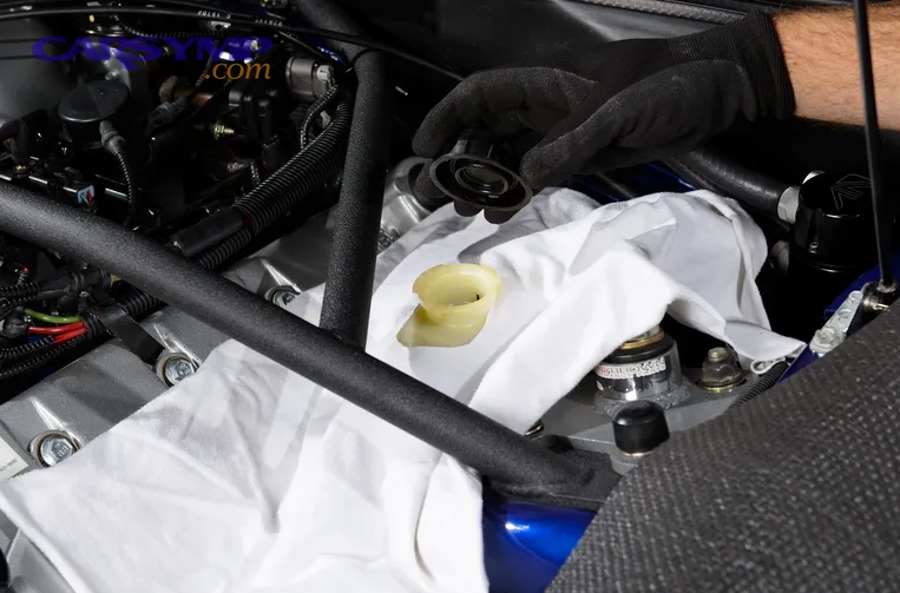
- Fill the reservoir to the correct level and keep the cap area clean.
- Confirm the scan tool supports bidirectional ABS service functions for your exact model.
- Set up a catch bottle and clear hose at the first bleeder the procedure calls for.
Baseline wheel bleeding before commanding the ABS unit
Yes—most procedures start with a normal wheel bleed first because it removes easy air, reduces the volume the ABS routine must move, and prevents “re-aerating” fluid during pump cycling.
Cụ thể hơn, you want clean, bubble-free flow at the corners before you agitate the ABS unit.
During the automated routine: coordinate prompts and bleeders
Yes—follow the on-screen prompts because different vehicles open different valves in different order, and opening the wrong bleeder at the wrong time can waste the valve-cycling effect.
Quan trọng hơn, the goal is to vent the air right after the pump/valves push it into the line.
- Start the automated bleed function (naming varies: “Automated Bleed,” “ABS Service Bleed,” “Brake Bleed”).
- When prompted, open the specified bleeder and allow fluid/air to flow until it runs clear and bubble-free.
- Close the bleeder before releasing the pedal or before the routine changes states, as instructed.
- Repeat per wheel/circuit until the scan tool completes the sequence.
Finish with a verification bleed
Yes—after the routine, do a final corner bleed to remove any last microbubbles that were moved into the lines.
Tóm lại, think “manual → automated cycling → manual finish” for the most reliable result.
Theo nghiên cứu của Tire Review từ nhóm biên tập kỹ thuật aftermarket, vào 2010, một quy trình ABS Bosch mẫu mô tả việc scan tool chu kỳ hóa solenoids/pump theo thời gian và hướng dẫn bleed từng bánh—ủng hộ trình tự an toàn kiểu “baseline bleed rồi mới automated cycle.”
How do you confirm the brake pedal is truly fixed afterward?
You confirm it by checking pedal height and firmness with engine off/on, verifying the pedal doesn’t slowly sink under steady pressure, and performing a controlled road test that includes normal braking and (if safe) an ABS event check.
Tiếp theo, use a structured verification routine so you don’t confuse normal pad bedding or rear adjustment with remaining air.
Start with stationary checks:
- Engine off: Pump the pedal a few times, then hold firm pressure. A properly bled system should feel solid and not springy.
- Engine on: The pedal will drop slightly as the booster assists, but it should remain firm and predictable.
- Hold test: Maintain steady pressure for 20–30 seconds. A sinking pedal can indicate internal leakage or remaining compressibility.
Then do a cautious road test:
- Start at low speed in a safe area; confirm normal braking is linear and stable.
- Increase speed gradually; confirm no pulling, no odd noises, no warning lights.
- If conditions and safety allow, perform a controlled ABS activation (loose gravel or a safe test surface) to confirm the pedal remains consistent afterward.
Finally, re-check the reservoir level and inspect for leaks at every connection you touched. A tiny seep can draw air over time and “undo” your bleeding success.
Theo nghiên cứu của NHTSA từ chương trình tiêu chuẩn hóa FMVSS 116, vào 04/2005, mục tiêu của tiêu chuẩn là giảm nguy cơ hỏng hệ phanh do fluid không phù hợp hoặc bị nhiễm bẩn—vì vậy bước kiểm tra sau bleed (rò rỉ, mức fluid, cảm giác pedal) là một phần logic của an toàn hệ thống.
What happens if you skip scan-tool bleeding when it’s required?
Yes—you can end up with a persistently soft pedal, longer stopping distances, unpredictable ABS behavior, and repeated re-bleeding cycles that never fully fix the trapped air.
Ngược lại, doing the right automated cycle once often resolves what hours of manual bleeding cannot.
Skipping the scan-tool routine in a true “air-in-modulator” case creates three common patterns:
- False confidence: the pedal feels slightly better in the driveway, but becomes inconsistent after driving.
- Chasing ghosts: you suspect hoses, calipers, or boosters, replacing parts while the real issue is trapped air.
- ABS surprise: the first serious ABS event changes pedal feel abruptly because the valves/pump finally move the trapped bubbles.
There’s also a practical DIY risk: repeated pedal pumping with poor technique can aerate fluid or over-stroke seals. That’s why escalation is a feature, not a failure—if the risk profile says “air could be in the modulator,” the scan tool is the correct tool.
Theo nghiên cứu của National Library of Medicine (PMC) từ nhóm nghiên cứu Sensors, vào 04/2024, chỉ một thay đổi nhỏ về thành phần (ví dụ nước) đã làm giảm mạnh điểm sôi của DOT 4; kết hợp với khí trong hệ thống, điều này có thể làm hiệu suất phanh suy giảm rõ rệt khi nhiệt tăng, nên bỏ qua quy trình purge đúng là rủi ro thực tế.
Contextual Border
From here, we move beyond “do you need a scan tool” into the higher-resolution details that change outcomes: fluid chemistry, scan-tool capability tiers, and system variants that behave differently.
Advanced details that change ABS bleeding outcomes
Yes—these details can determine whether your bleed is stable for months or turns into a recurring soft-pedal problem after a week of driving.
Hơn nữa, they also explain why two vehicles can behave differently even when both have ABS.
How fluid moisture changes the “feel” and the safety margin
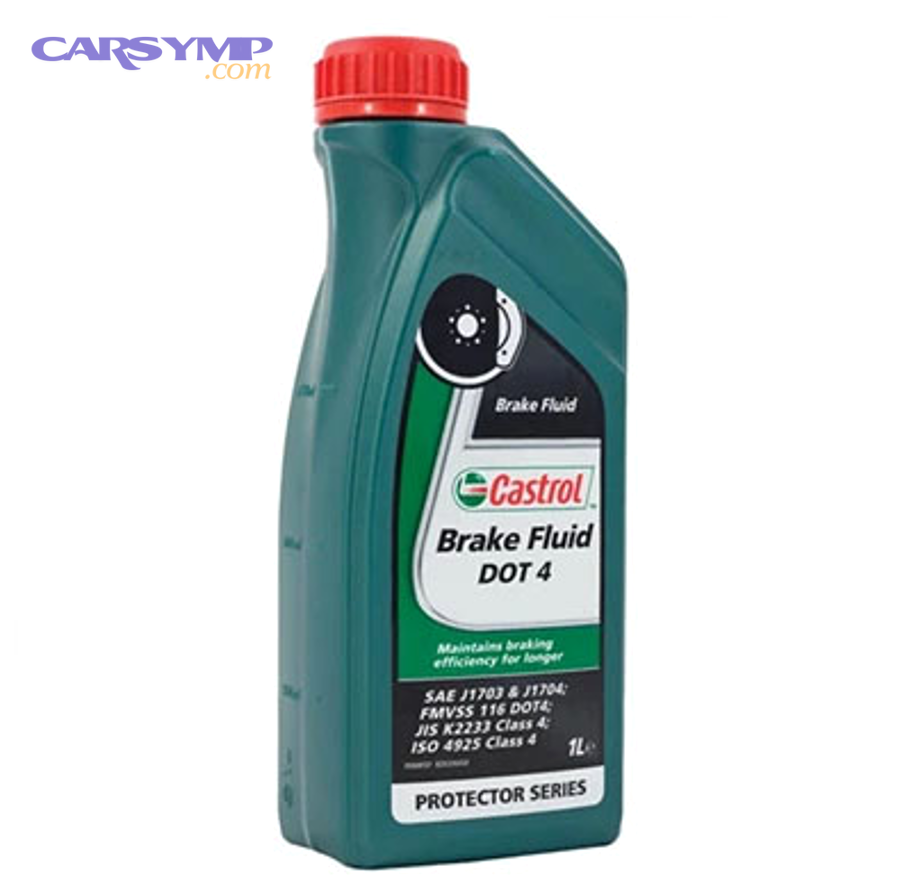
Brake fluid is hygroscopic in most DOT 3/4/5.1 systems, meaning it absorbs moisture over time, which can reduce boiling point and increase compressibility under heat.
Cụ thể, a system that feels “okay” cold can feel weak or inconsistent when hot if fluid quality is poor.
Scan tool tiers: code readers vs bidirectional service tools
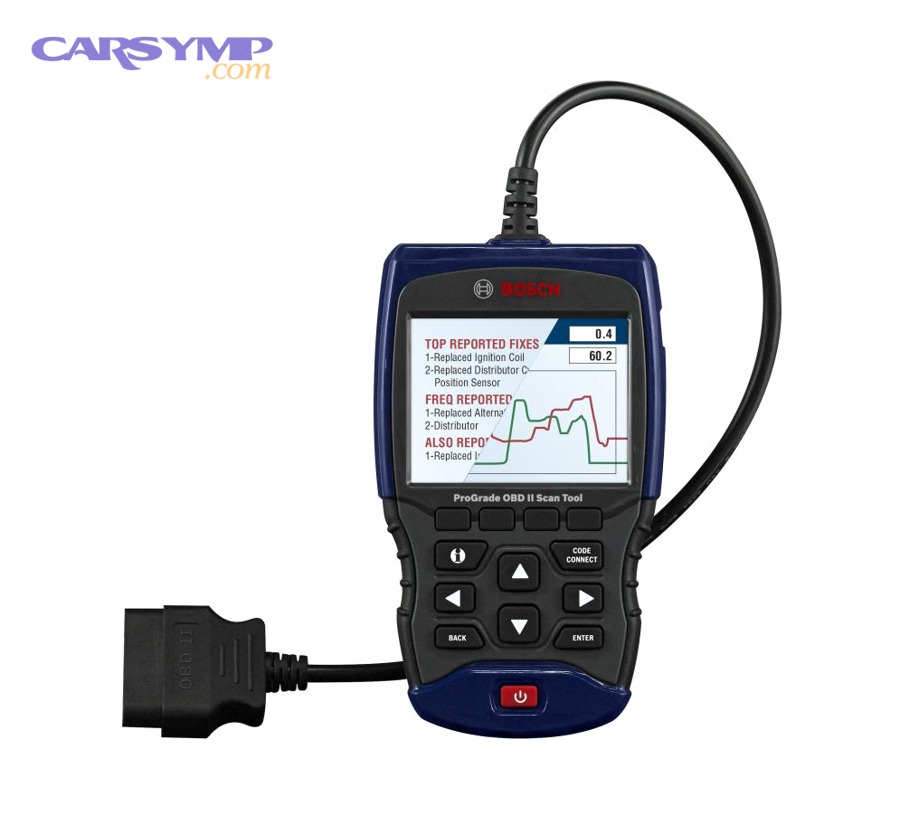
A basic OBD-II code reader may read/clear generic codes but cannot command ABS valves; a bidirectional tool can run service functions like automated bleed, pump tests, and solenoid cycling.
Để minh họa, “scan tool” in ABS bleeding really means “a tool that can execute the ABS bleed service function for your exact module.”
ESC, traction control, and brake-by-wire variants
Vehicles with integrated stability control or electronic brake systems can have more complex valve states and may require specific routines to ensure all internal circuits are purged.
Đặc biệt, always follow the vehicle-specific sequence when the system includes electronic control strategies beyond basic ABS.
Why standards and labeling still matter in real bleeding work
Brake fluid standards define baseline performance and labeling rules, but your vehicle may specify a DOT grade for seal compatibility and thermal margin that you should not downgrade.
Tổng kết lại, correct fluid selection supports the whole goal of bleeding: firm hydraulics with predictable behavior.
Theo nghiên cứu của U.S. Government (eCFR) từ 49 CFR 571.116 (Standard No. 116), vào bản hiện hành, tiêu chuẩn nêu phạm vi và yêu cầu đối với brake fluid dùng trong hệ phanh thủy lực—nhấn mạnh tầm quan trọng của đúng loại fluid, đúng nhãn, và đúng đặc tính nền tảng khi service.
FAQ: Quick answers about scan-tool ABS bleeding
These quick answers address the most common “last-mile” questions DIYers ask right before they start, so you can avoid avoidable errors and finish the job once.
Sau đây, pick the question that matches your scenario and apply the exact guidance.
Can you trigger ABS to move air without a scan tool?
Sometimes, but it’s unreliable and may be unsafe; the dependable approach is using the correct service function to cycle valves and the pump in a controlled sequence.
Quan trọng hơn, uncontrolled attempts can create risk without guaranteeing the trapped air is actually purged.
Is a pressure bleeder required for an ABS automated routine?
No, not always, but it can make the process cleaner and more consistent because it maintains steady flow while the scan tool cycles the system.
Tuy nhiên, follow the procedure for your vehicle: some routines assume pressure, others work with pedal prompts.
What if the pedal is still soft after automated bleeding?
Yes, you can still have issues: re-check for leaks, verify rear adjustment (on drums), confirm caliper orientation (bleeder at the top), and ensure you didn’t pull air through bleeder threads.
Ngoài ra, consider that a failing master cylinder can mimic air by allowing internal bypass.
Do you need to replace all brake fluid when you open the system?
No, not always, but a flush is often smart if the fluid is old, dark, or you introduced contamination; fresh fluid helps restore boiling margin and corrosion protection.
Như vậy, bleeding is about air removal, while flushing is about fluid condition—often you do both when safety is the priority.
Theo nghiên cứu của National Library of Medicine (PMC) từ nhóm nghiên cứu Sensors, vào 04/2024, chỉ 2% nước đã làm giảm đáng kể điểm sôi DOT 4; vì vậy nếu fluid đã già hoặc nghi ngờ nhiễm ẩm, việc flush trong quá trình bleed có thể nâng biên an toàn, nhất là khi phanh nóng.