


Yes—EVAP issues can affect drivability because they can upset the air-fuel mixture through the purge flow, create tank venting restrictions that change fueling behavior during certain conditions, and trigger ECU corrections that feel like rough idle, hesitation, or hard starting.
Next, you’ll learn what the EVAP system actually does (and what it doesn’t do) so you can separate “emissions code panic” from problems that can genuinely change how the engine runs.
Then, we’ll map the most common EVAP fault patterns to the drivability symptoms drivers notice—so you can connect what you feel (stalling, stumble, refuel difficulty) to likely causes.
Introduce a new idea: once you understand the symptom-to-fault logic, a simple diagnostic path—starting with the easiest checks and ending with a smoke test—helps you confirm the root cause before you spend money.
Can EVAP Issues Affect Drivability?
Yes—EVAP issues can affect drivability because (1) a purge valve fault can introduce unmetered fuel vapor/air into the intake, (2) venting restrictions can create abnormal tank pressure that interferes with normal purge/refuel behavior, and (3) the ECU may chase unstable fueling trims that feel like misfires or hesitation.
To better understand why “an emissions system” can still change how the engine behaves, it helps to picture EVAP as a controlled leak path that the engine computer intentionally opens and closes.
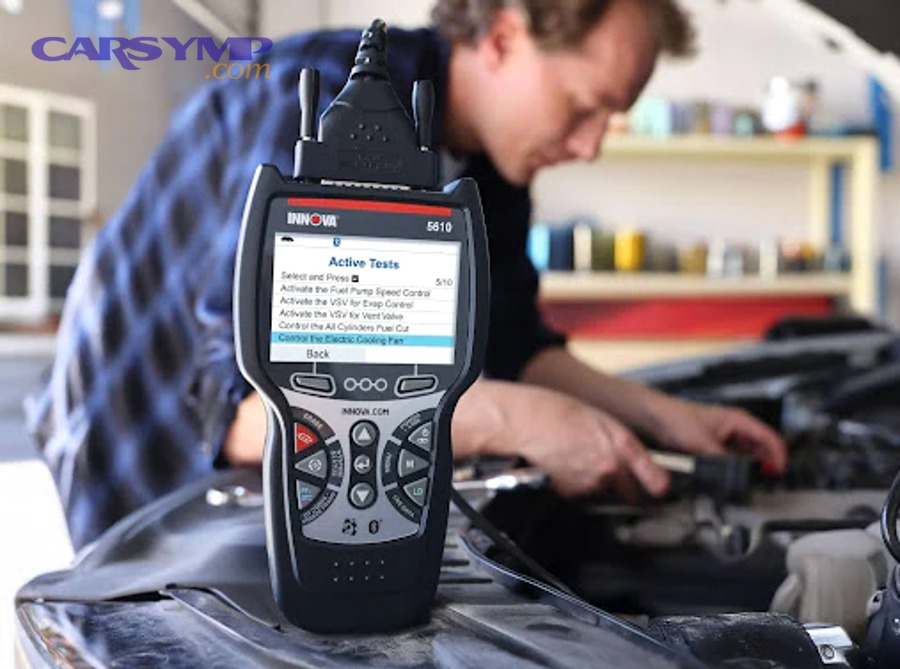
Can a stuck-open purge valve cause rough idle or hard starts?
A stuck-open purge valve can cause rough idle and hard starts because it lets fuel vapor flow into the intake when it shouldn’t, making the mixture too rich at idle or during restart, especially after refueling or hot soak.
More specifically, the engine is calibrated to purge vapor only under certain conditions; when vapor arrives outside that window, the ECU may over-correct fuel trims, and the driver feels it as a stumble or “almost stall” at idle.
Common drivability clues that point toward purge-related EVAP faults:
- Rough idle that improves when warm (or worsens right after refueling)
- Longer crank / “flooded” start feel
- Random stumble at stoplights
- Fuel smell near the front of the vehicle (sometimes)
An EVAP purge fault can behave like a fueling or vacuum problem because, functionally, it is an unexpected air/fuel input. That’s why EVAP problems sometimes get misdiagnosed as ignition or injector issues first.
According to a study by Massachusetts Institute of Technology from the Department of Mechanical Engineering, in 2009, three-way catalyst conversion efficiency was reported to be about 98% near stoichiometric fueling and drops outside a narrow window—so disturbances (including canister vapor purge) that push mixture off-target can affect emissions and drivability feel.
Can EVAP leaks cause hesitation or misfires while driving?
EVAP leaks usually do not cause strong hesitation by themselves, but they can contribute when the leak changes purge behavior or when the leak is effectively a vacuum leak in a purge line near the intake.
However, most leak-only scenarios are more “code-and-smell” than “stall-and-jerk,” because a small vapor leak doesn’t always introduce enough unmetered airflow to destabilize combustion.
Where leaks can become drivability-relevant:
- A cracked purge hose near the intake can act like a classic vacuum leak at idle
- A purge valve that doesn’t seal can look like a “leak” and a fueling disturbance
- A vent valve stuck closed can create pressure issues that change purge flow behavior
So, if you have a small-leak code (like a tiny orifice equivalent), you may have no symptoms—but if that leak is tied to purge plumbing near the manifold, you might feel idle instability.
Can a clogged vent or charcoal canister affect refueling and performance?
A clogged vent path or saturated charcoal canister can affect refueling immediately and drivability indirectly, because the tank cannot breathe normally and the system can’t manage vapor the way it was designed to.
Besides refueling clicks/stops, restricted venting can lead to abnormal tank pressure/vacuum, which may change how aggressively the system purges vapor—sometimes showing up as transient stumble, odor, or inconsistent idle after certain drive cycles.
What drivers typically notice first:
- Fuel nozzle keeps clicking off during refuel
- Strong fuel odor near the rear of the vehicle
- Occasional stumble after refueling or during hot soak conditions
- EVAP codes that return despite replacing the gas cap
According to Snap-on, EVAP canisters are designed to trap fuel vapors and later route them into the intake during controlled purge events, which is why purge/vent problems can overlap with drivability complaints.
What Is the EVAP System and How Does It Work?
The EVAP system is an emissions-control network that seals fuel vapor inside the tank and charcoal canister, then meters that vapor into the engine under ECU control to be burned instead of vented to the atmosphere.
Next, we’ll break it down by components so you can see exactly where a “drivability” symptom can enter the story.
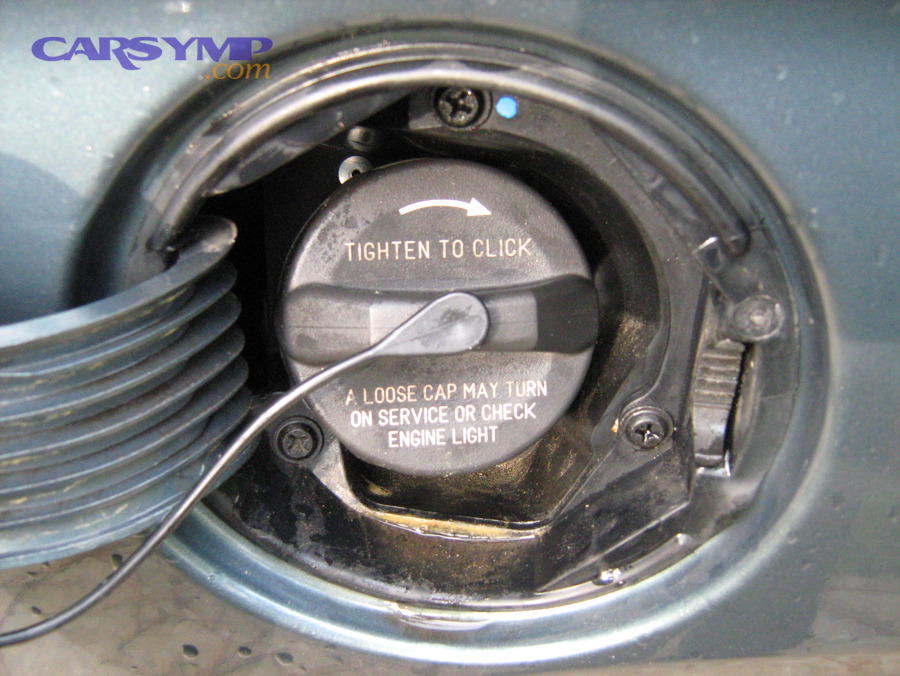
What does the charcoal canister do in the EVAP system?
The charcoal canister stores fuel vapor using activated carbon so vapor doesn’t vent freely, then releases that stored vapor during purge when conditions are safe for combustion.
Specifically, the canister is your vapor “buffer tank”: it smooths out evaporation spikes from heat and refueling, and it prevents raw hydrocarbons from escaping when the car is parked.
What makes the canister crucial to drivability-related EVAP issues:
- If it becomes fuel-saturated, purge events can deliver excessive vapor (rich condition)
- If it breaks down internally, charcoal debris can contaminate valves/lines
- If venting is restricted, the canister can’t exchange air properly during purge
How do the purge valve and vent valve control vapor flow?
The purge valve meters vapor from the canister to the intake, while the vent valve (or vent solenoid) controls whether the system can draw fresh air through the canister and whether the system can be sealed for leak testing.
More importantly, the purge valve is the component most likely to create direct drivability symptoms, because it’s the gateway between EVAP vapors and the engine’s air/fuel mixture.
Typical control logic (simplified):
- Cold start: purge often disabled or limited
- Warm cruise: purge enabled in controlled duty cycles
- Idle: purge may be limited to prevent instability
- EVAP leak test: system sealed; pressure/vacuum behavior monitored
Why does EVAP trigger a check-engine light even if the car feels fine?
EVAP triggers a check-engine light because regulations require the system to detect very small vapor leaks and control faults—even when the leak size is too small to create a noticeable drivability change.
In addition, many EVAP checks run under specific conditions (fuel level window, temperature ranges, steady cruise), so symptoms can feel random while codes appear consistent.
According to the U.S. Environmental Protection Agency, evaporative emissions contribute to hydrocarbon pollution because fuel can evaporate while a vehicle is refueling, parked, or driving—so EVAP monitoring exists even when the engine “runs fine.”
Which EVAP Faults Are Most Likely to Cause Drivability Symptoms?
There are 4 main EVAP fault patterns that can cause drivability symptoms—purge flow faults, venting restrictions, seal/leak faults near the intake, and canister saturation/contamination—based on whether the fault changes the engine’s effective air/fuel mixture or restricts vapor handling.
Then, we’ll connect each pattern to what you feel behind the wheel so you can prioritize the right tests.
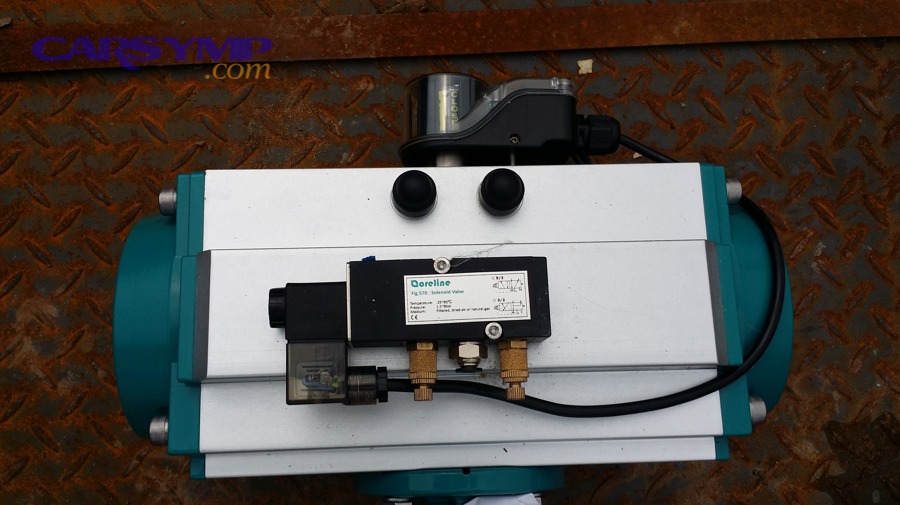
Which EVAP problems commonly cause rough idle or stalling?
Rough idle or stalling is most commonly linked to purge-related faults—especially a purge valve that leaks when it should be closed—because it behaves like an uncontrolled vapor injection at idle.
For example, if the engine is idling on a carefully balanced airflow, even a small unexpected flow through the purge circuit can push fueling trims and cause unstable combustion.
High-probability culprits when the symptom is “idle is the worst”:
- Purge valve stuck open / leaking
- Purge line cracked near intake (acts like a vacuum leak)
- Charcoal canister saturated (purge delivers excessive vapor)
This is where “EVAP issues affect drivability” becomes most literal: the EVAP system is physically connected to the intake tract.
Which faults cause hard starting after refueling?
Hard starting after refueling is strongly associated with a purge valve that doesn’t seal, because vapor can flood the intake during or after the refuel event and create an overly rich start condition.
More specifically, refueling can increase vapor availability; if the purge pathway is unintentionally open, the engine receives more vapor than expected right when it’s trying to stabilize idle.
A practical clue:
- If the car cranks longer or stumbles right after filling up, prioritize purge valve sealing tests before chasing ignition parts.
According to AutoZone, a purge valve stuck open can contribute to a rich mixture and starting problems because fuel vapor enters the intake when it shouldn’t.
Which EVAP failures mainly cause fuel smell and failed emissions tests?
Fuel smell and emissions-test failure are most often caused by system leaks (gas cap seal, cracked vapor lines) and vent/canister issues that allow hydrocarbons to escape instead of being stored and burned.
However, these faults can still overlap with drivability when the leak is close to the intake (vacuum-leak behavior) or when venting restrictions create abnormal purge behavior.
Common “smell-first” faults:
- Loose or damaged gas cap / filler neck seal
- Cracked vapor hoses near tank/canister
- Canister cracked or internally degraded
- Vent valve stuck open (system can’t seal for leak test)
How Do You Diagnose EVAP-Related Drivability Problems?
Diagnose EVAP-related drivability problems using a step-by-step workflow—scan data → quick physical checks → purge/vent function tests → leak isolation → smoke test confirmation—to identify whether vapor control is disturbing fueling or whether the issue is a non-EVAP drivability fault.
Below, we’ll turn that into a practical sequence you can follow, including a DIY EVAP troubleshooting checklist and a Smoke test EVAP system overview so you don’t skip the tests that actually confirm the fault.
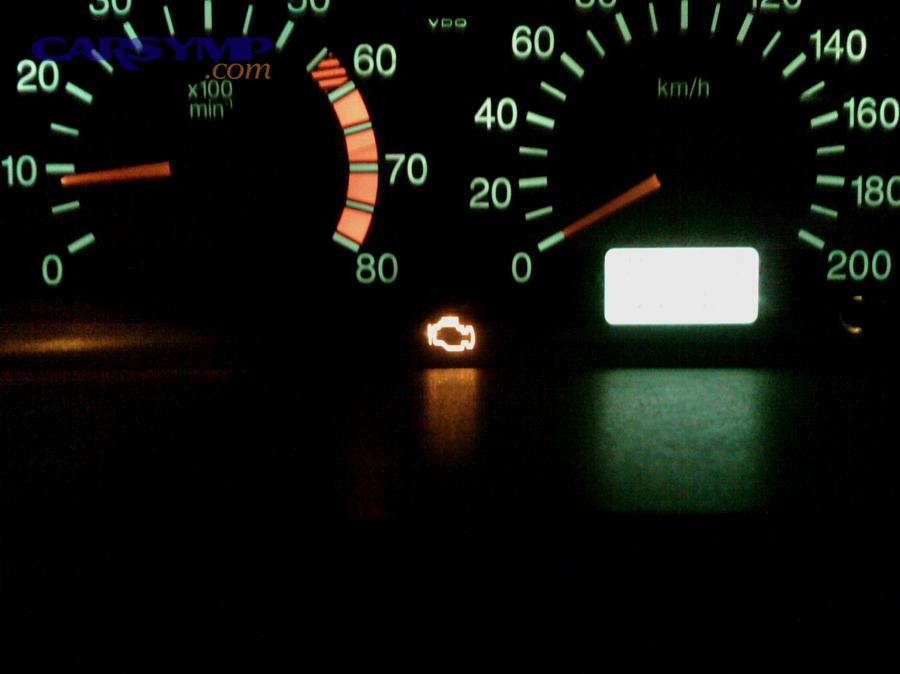
What codes and scan data point to purge or vent problems?
Codes and scan data that point to purge/vent problems include purge flow codes, gross/small leak codes, and fuel trim behavior that shifts when purge is commanded on/off.
Specifically, you want to watch how the engine reacts to purge activity, because the purge circuit is the EVAP-to-drivability bridge.
What to check on a scan tool:
- EVAP purge command (duty cycle) vs. actual purge flow feedback (if supported)
- Short-term and long-term fuel trims at idle vs. cruise
- Misfire counters at idle after refueling
- Tank pressure sensor readings during commanded tests (if supported)
How to interpret patterns (general logic):
- Trims lean at idle and improve off-idle → possible vacuum leak (including purge line leak)
- Trims rich at idle and hard start after refuel → possible purge valve leaking open
- Frequent EVAP monitor “not ready” → incomplete test conditions or unresolved sealing/venting issue
What is a basic DIY EVAP troubleshooting checklist?
A basic DIY EVAP troubleshooting checklist is: (1) inspect sealing points, (2) verify purge valve sealing, (3) verify vent valve operation, (4) check vapor lines for cracks/collapses, and (5) confirm leaks with smoke before replacing major parts.
Then, you move from “possible” to “proven” so you don’t throw parts at a code.
DIY EVAP troubleshooting checklist (fast-to-slow):
- Check gas cap seal, tether, and filler neck lip for damage
- Look for cracked or disconnected vapor hoses (especially near the intake)
- Inspect electrical connectors at purge and vent solenoids
- Pinch-test or block-off test purge line to see if idle stabilizes
- Command purge/vent on a scan tool (if possible) and listen/feel for actuation
- Perform EVAP system repair only after you’ve confirmed the failure mode (seal vs. flow vs. restriction)
A key strategy: if you suspect purge is affecting drivability, temporarily isolating the purge line (diagnostic-only, not permanent) can quickly show whether the stumble is purge-related.
What is a smoke test EVAP system overview and when do you need it?
A smoke test EVAP system overview is: seal the EVAP system, introduce low-pressure smoke, and visually locate vapor leaks at caps, hoses, canister seams, valves, and fittings—especially when codes persist after basic checks.
More importantly, smoke testing is how you stop guessing, because EVAP leaks can be tiny and intermittent.
When a smoke test becomes the best next step:
- You have a recurring small leak code and no obvious hose damage
- You replaced the gas cap but the code returned
- You suspect a canister/vent valve leak that only shows under certain conditions
- You want to confirm the leak location before parts replacement
According to a study by Linköping University from the Vehicular Systems group in the Department of Electrical Engineering, in 2009, EVAP leak detection requirements include detecting leak orifices as small as 1.0 mm (and later 0.5 mm), and experimental evaluation showed useful detection data often under 10 seconds in lab conditions.
Is It Safe to Drive With an EVAP Problem?
It depends—you can often drive short-term with a minor EVAP leak, but it may be unsafe or damaging to ignore EVAP problems when (1) the purge valve is affecting fueling and causing stalling, (2) fuel odor indicates significant vapor release, or (3) refueling/venting issues create pressure problems that worsen over time.
Next, we’ll separate “annoying but manageable” from “stop driving until fixed,” using symptom-based thresholds.
When is an EVAP issue just an emissions problem?
An EVAP issue is “just an emissions problem” when the car drives normally, there are no starting/idle symptoms, there’s no fuel odor, and the fault is consistent with a small leak (often a seal issue) rather than a purge flow disturbance.
However, even then, the system may keep the check-engine light on, which can hide new problems—so it’s still worth repairing.
Situations that often fall into “emissions-only”:
- Small leak code with no drivability changes
- Slightly loose cap or aged cap seal
- Minor vapor hose crack near the rear (not near intake)
When should you stop driving and repair it immediately?
You should stop driving (or at least avoid traffic-heavy conditions) if the EVAP issue causes stalling, severe rough idle, strong fuel odor, or hard starts that create unsafe situations—especially at intersections or on ramps.
More importantly, stalling risk is a safety issue first, even if the root cause is “just the purge system.”
Red-flag symptoms:
- Engine stalls at idle repeatedly
- Long crank + stumble after refueling
- Strong raw-fuel smell inside or around the car
- Misfire flashing check-engine light (treat as urgent)
What happens if you ignore purge valve or vent valve faults?
Ignoring purge or vent valve faults can lead to repeated drivability events (idle instability, hard starts), canister saturation, recurring codes, and longer-term diagnostic complexity because multiple EVAP components can be affected downstream.
For example, a purge valve that leaks may keep upsetting trims, while a vent valve stuck closed may contribute to refueling headaches and canister stress.
A practical takeaway: if “EVAP issues affect drivability” in your case, it’s usually because the purge pathway has become uncontrolled—so fix that first.
How Can You Prevent EVAP Problems and Avoid Repeat Repairs?
Prevent EVAP problems by combining fueling habits, periodic inspection of sealing points, and verification steps after repairs—so the system stays sealed, purge remains controlled, and monitors complete without repeat check-engine lights.
Below is where prevention becomes actionable, including After repair: clearing codes and monitor readiness so you don’t “fix it” only to fail inspection or see the same code return.
What driving and fueling habits reduce EVAP failures?
Driving and fueling habits reduce EVAP failures by limiting liquid fuel ingestion into the canister and reducing stress on seals—mainly by avoiding topping off and responding quickly to refueling abnormalities.
Specifically, the canister is designed for vapor, not liquid fuel; repeated overfill events can saturate it and make purge behavior unstable.
Best habits:
- Stop fueling at the first click; don’t “top off”
- If the pump clicks repeatedly during refuel, don’t force it—diagnose venting
- Address fuel odor early (it usually worsens, not improves)
What parts should be inspected during routine maintenance?
Routine inspection should focus on EVAP sealing and vulnerable hose areas: gas cap seal, filler neck condition, purge hose near intake, and rear vapor lines near the canister.
More importantly, a quick visual check can prevent weeks of intermittent codes.
What to look for:
- Cracks, oil saturation, or collapse in rubber vapor hoses
- Loose clamps or broken quick-connects
- Corrosion around the filler neck sealing surface
- Damaged wiring to purge/vent solenoids
After repair: clearing codes and monitor readiness—what should you do?
After repair: clearing codes and monitor readiness means clearing stored DTCs (or letting them clear after confirmed fixes), then completing a proper drive cycle so the EVAP monitor runs and reports “ready” without the code returning.
Then, you confirm the fix the same way the car’s self-tests confirm it—by passing the monitor.
What to do after an EVAP system repair:
- Clear codes with a scan tool after confirming connections are correct
- Verify fuel level is in the typical EVAP-test window (often mid-range)
- Perform steady cruise + idle events as needed for your vehicle’s monitor logic
- Re-scan for pending codes before calling it “done”
If the monitor won’t set, it usually means test conditions weren’t met—or the fault is still present.
What are common mistakes that cause repeat EVAP codes?
Repeat EVAP codes often come from guessing parts without leak confirmation, missing a cracked hose near the intake, using an incorrect cap, or skipping validation (smoke test + monitor readiness) after the repair.
In other words, the repair fails not because EVAP is “mysterious,” but because the system requires proof: sealed system + controlled purge.
Common repeat-repair traps:
- Replacing the cap repeatedly without verifying the leak location
- Replacing the canister without checking vent valve operation
- Ignoring purge valve sealing tests when drivability symptoms exist
- Skipping smoke confirmation and relying only on “it feels better”
According to a study by Massachusetts Institute of Technology from the Department of Mechanical Engineering, in 2009, a well-designed fueling control system must reject disturbances—like canister vapor purge—to maintain stable mixture control, which is directly tied to drivability feel and emissions performance.