


You can get a realistic EVAP repair cost estimate by matching your fault code and symptoms to the most likely EVAP failure point, then adding the correct diagnostic time and labor rate—because most EVAP “repairs” range from a simple seal to a component replacement.
Next, you’ll see typical price ranges for the most common EVAP fixes (from gas cap and hoses to purge valve and charcoal canister), so you can tell whether a quote fits the usual market and what should be included.
Then, you’ll learn how diagnosis changes the final number—especially when the shop uses a scan tool plus a smoke test—because finding a leak location often matters more than the price of the part. This Smoke test EVAP system overview helps you understand why accurate leak localization can prevent wasted parts replacement.
Introduce a new idea: once you understand the estimate math, you can decide whether it’s safe to drive, whether you’ll pass emissions, and whether DIY makes sense without wasting money on repeat parts swapping.
What does an “EVAP repair cost estimate” include?
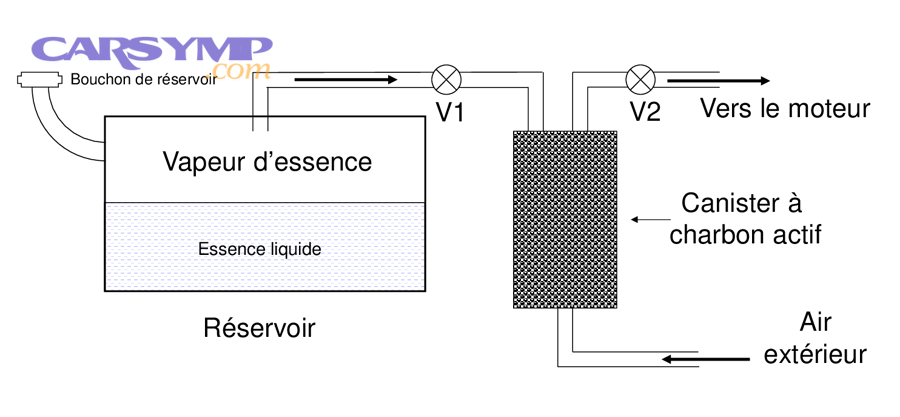
An EVAP repair cost estimate is a line-item quote that bundles diagnosis + parts + labor to restore the evaporative emissions system’s ability to seal, store, and purge fuel vapors without leaks.
Next, the most accurate estimates explain what you’re paying for before any parts are replaced, because EVAP system repair often depends more on correct testing than on the component price alone.
What parts and labor are typically included?
A solid estimate usually includes four buckets:
- Diagnostic labor (time-based)
- Reading codes and freeze-frame data
- Reviewing readiness monitors and EVAP test status
- Planning the test path (large leak vs small leak vs purge/vent fault)
- Testing labor (procedure-based)
- Visual inspection (hoses, lines, canister area, fuel cap seal)
- Functional test (purge valve/vent valve command tests)
- Leak confirmation (often smoke test or pressure decay)
- Parts and supplies
- Replacement component(s): gas cap, purge valve, vent valve, hose, canister, etc.
- Small supplies: clamps, connectors, EVAP-rated hose segments, seal rings
- Repair labor
- Remove/replace the part
- Reassembly checks, leak verification
- Clearing codes (if appropriate) and confirming monitors can complete
The reason this matters is simple: EVAP work is frequently diagnosis-heavy. A low parts cost can still produce a meaningful bill if the leak is hard to locate.
What information do shops need to quote accurately?
A shop can quote far more precisely when you provide:
- Vehicle details: year, make, model, engine, drivetrain (some EVAP layouts differ)
- Your codes: e.g., P0442 (small leak), P0455 (large leak), P0456 (very small leak), P0441 (incorrect purge flow)
- Symptoms after refueling: hard start after fueling, fuel smell, slow fill, pump clicking off
- What’s already been replaced: especially gas cap, purge valve, vent valve
- Whether emissions testing is due soon: because timing changes strategy (confirm fix + readiness)
If a quote is given with no request for vehicle info or codes, treat it as a rough guess—not an estimate.
What is the typical EVAP repair cost range for common fixes?
There are 4 main EVAP repair cost tiers—seal-level, valve-level, canister-level, and system-level—based on how deep the repair goes and how much diagnostic time is required.
Then, you can map your code and symptoms to the tier most likely to match your final bill.
Before the breakdown, here’s what the table below contains: a practical cost ladder you can use to sanity-check quotes by matching the repair type to a typical market range.
| EVAP fix type (common) | Typical scope | Typical cost tier (parts + labor) |
|---|---|---|
| Gas cap / seal / minor clamp | Seal or small hardware | Low |
| Hose segment / connector / small EVAP line | Small leak point | Low–Medium |
| Purge valve / vent valve | Electronic valve control | Medium |
| Charcoal canister replacement | Vapor storage hardware | Medium–High |
| Fuel tank / filler neck / major line routing | Access + complexity | High |
How much does a gas cap, hose, or clamp-based fix cost?
This is the lowest-cost tier when the issue is truly a sealing problem.
- Gas cap replacement: commonly lands around the low hundreds depending on cap design and labor. One market estimator puts a gas cap replacement in the roughly $124–$136 range.
- Small hose/clamp/connector fixes: can be inexpensive in parts, but labor depends on access:
- Easy access near the engine bay: often quick
- Hidden near the canister or tank: can take longer to reach safely
Best practice: If your code is a “leak” code and the cap seal looks questionable, the shop may test the cap first—but replacing the cap blindly should not be the only plan if the code returns.
How much does a purge valve or vent valve replacement cost?
This is the most common mid-tier because these valves are frequent failure points and are directly monitored by the ECU.
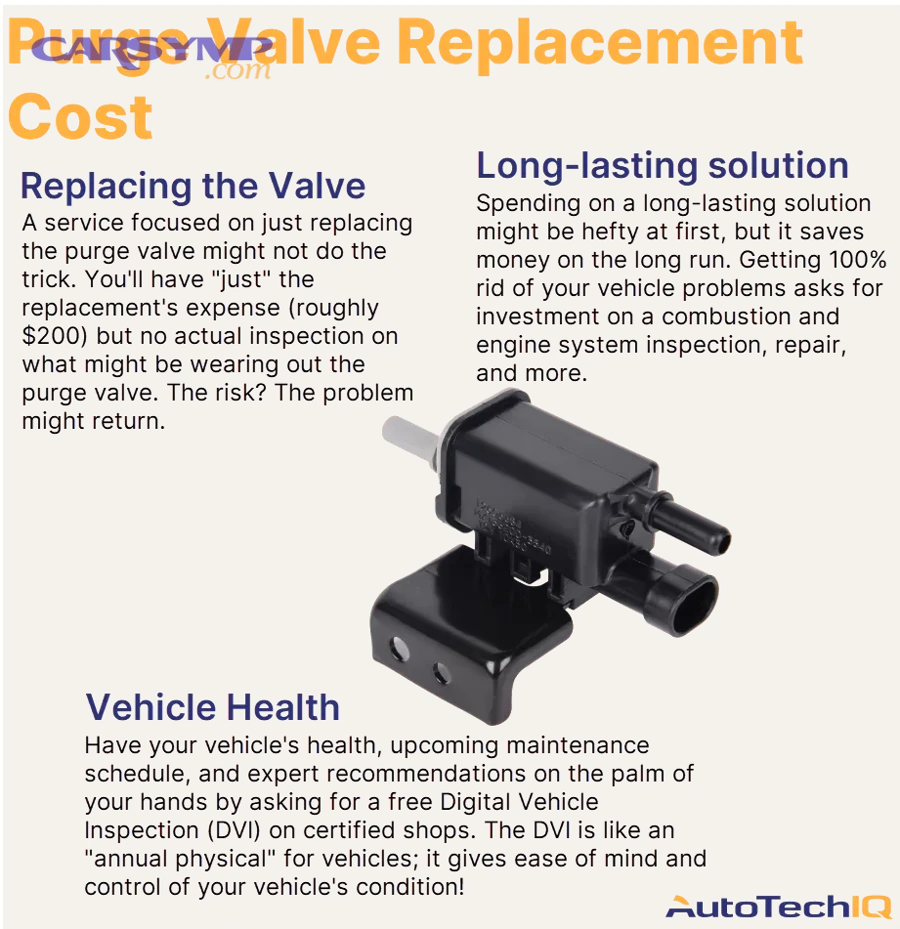
- Purge valve replacement: one broad estimator places it around $201–$240 on average.
Cost changes because:
- Some purge valves are easy to reach (top of engine)
- Others are integrated into assemblies or buried under covers
- Diagnosis may be required to confirm it’s stuck open/closed vs a leak elsewhere
If you have fueling-related symptoms (hard start after fueling, rough idle after fill-up), purge valve testing becomes especially relevant for accurate EVAP system repair planning.
How much does an EVAP canister replacement cost?
This is a medium-to-high tier because the canister is larger, sometimes mounted near the rear, and may require access steps.
- A general canister estimate is often in the mid-hundreds; one estimator places fuel evaporative canister replacement around $530–$616.
- On a specific vehicle example, canister costs can sit lower or higher depending on parts pricing and packaging, but the key driver remains access + parts cost.
Canister-related quotes often rise when:
- The canister is packaged with related valves or brackets
- Road debris damage affects multiple connected lines
- Leak location is uncertain and requires smoke testing time
When does an EVAP repair become a high-cost job?
EVAP becomes high-cost when access and system complexity dominate:
- Fuel tank removal or partial lowering to access lines, seals, or modules
- Filler neck replacement due to corrosion, cracks, or sealing failures
- Complex leak hunting (intermittent leaks, tiny leaks, temperature-dependent leaks)
- Multiple failures at once (e.g., vent valve + cracked line + saturated canister)
A key truth: the most expensive EVAP bills usually aren’t “expensive parts”—they’re time.
Which EVAP components most often cause the repair bill to change?
There are 4 main EVAP cost drivers—lines/hoses, valves/sensors, charcoal canister hardware, and fuel tank/filler neck access—based on where leaks form and how difficult the component is to reach.
Next, you’ll learn how each component category changes the estimate so you can read a quote like a checklist.
How do hoses and connectors affect costs?
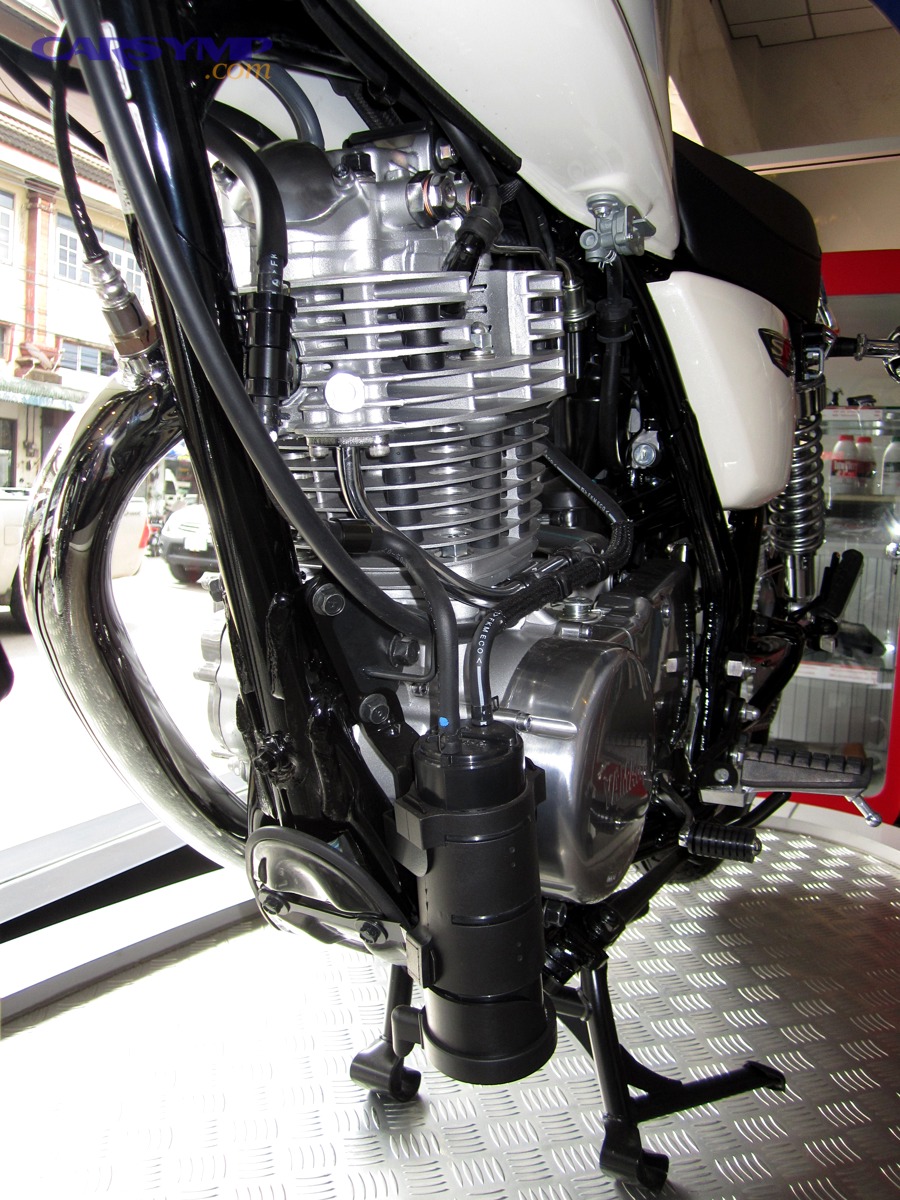
Hoses and connectors look “cheap,” but they can swing totals because:
- Leak size vs leak location: a tiny crack in a hard-to-reach line can cost more than a larger leak in plain view
- Material requirements: EVAP-rated hoses must resist vapor and heat
- Routing complexity: lines can run from tank to canister to engine bay
Shops may quote a blend of:
- A short EVAP-rated hose segment + clamps
- A molded factory line (more expensive, faster install)
- Additional time to lower shields or access underbody routing
How do valves and sensors affect costs?
Valves and sensors change cost because they require both diagnosis and verification:
- Purge valve (purge solenoid): can stick open (causing rich/rough behavior) or fail to flow correctly
- Vent valve: can stick closed/open or fail electrically; often exposed to dust and moisture
- Pressure sensor (if equipped): can misreport, triggering false leak conclusions
When a quote includes a valve, look for:
- A stated test method (command test, vacuum test, smoke test confirmation)
- Post-repair verification (system holds pressure / monitor can run)
How do the charcoal canister and related hardware affect costs?
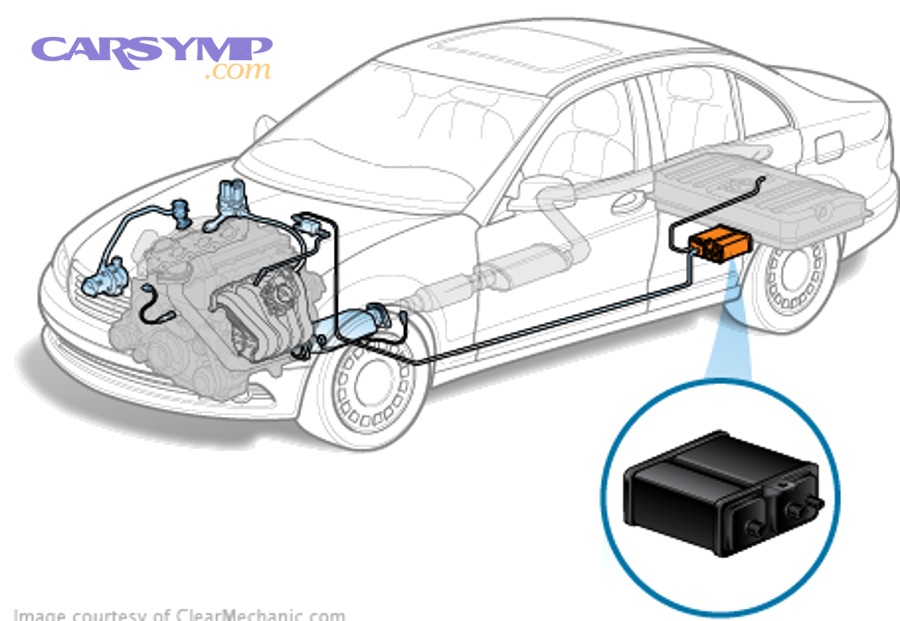
The charcoal canister changes cost because it is the heart of EVAP vapor storage and can be damaged or saturated.
- Replacement parts cost: canister assemblies vary widely by vehicle
- Mounting access: rear-mounted canisters may require lifting the vehicle and removing shields
- Collateral issues: cracked housings or broken ports can force additional line replacement
This is where EVAP leak symptoms and codes explained becomes practical: a “small leak” code might still originate from a cracked canister shell or broken port that only shows up under a smoke test.
Evidence matters here because the canister’s job is measurable: it literally adsorbs vapor mass. According to a study by The Ohio State University from the Graduate Program in Mechanical Engineering, in 2019, a canister loading experiment showed the canister adsorbed 321 grams of n-butane during a controlled loading event.
How do the fuel tank and filler neck influence the estimate?
Fuel tank and filler neck items are cost multipliers because they drive labor intensity:
- Filler neck cracks/corrosion can cause leak codes and fueling problems
- Tank seal issues may require dropping or lowering the tank
- Rollover/vent fittings on the tank can leak intermittently
If a shop mentions “tank access,” ask what level:
- Inspect only (visual + smoke routing)
- Lower tank partially (moderate labor)
- Remove tank (high labor)
How do diagnostics (OBD scan, smoke test) impact the final EVAP estimate?
EVAP diagnostics change the estimate because the best process uses 3 steps—scan data, functional testing, then leak localization—so you don’t replace parts before you know where vapor is escaping.
To better understand the pricing, it helps to see what each diagnostic tool can and cannot prove.
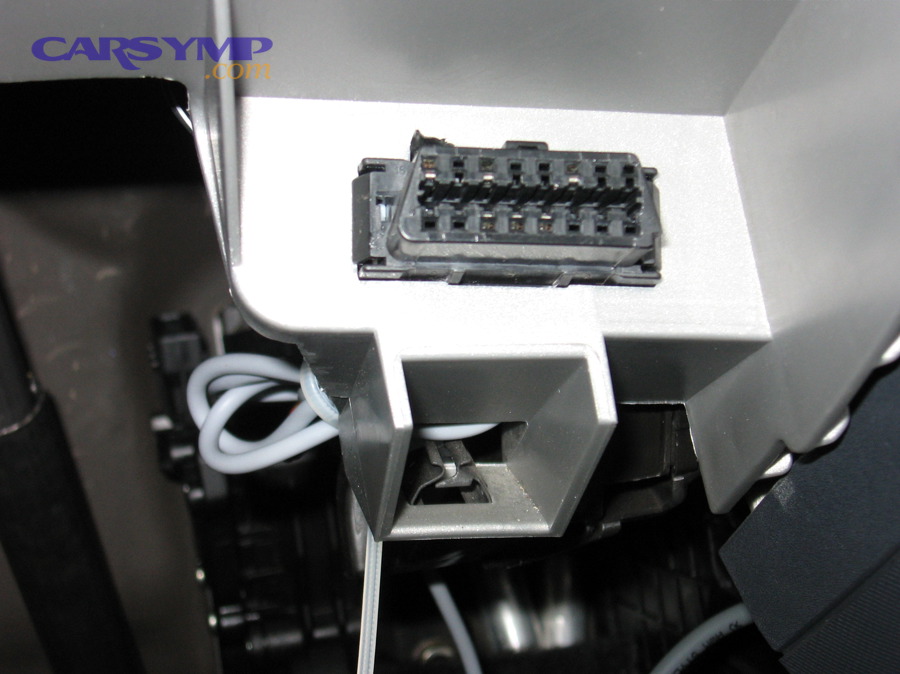
What does an OBD-II scan tell you (and what it can’t)?
An OBD-II scan is fast, but it’s not a leak locator.
What it can tell you:
- The DTC family (small leak vs large leak vs purge flow fault)
- Freeze-frame conditions (fuel level, temp, speed) when the fault set
- EVAP monitor status (complete / not ready)
What it can’t tell you:
- The exact leak point (cap vs hose vs canister crack)
- Whether a leak is intermittent (unless supported by repeated patterns)
- Whether a new part was installed correctly
This is where EVAP leak symptoms and codes explained helps: codes point you to the type of failure, but testing pinpoints the location.
What is a smoke test, and why does it change the estimate?
A smoke test is the most direct way to find EVAP leaks because it pushes visible smoke through the sealed EVAP plumbing so the leak location reveals itself.
Next, the Smoke test EVAP system overview you should remember is: smoke testing can reduce wasted parts replacement, but it adds billed diagnostic time up front.
Why smoke testing changes cost:
- Setup time: accessing a service port or isolating the system
- System isolation: closing/opening purge/vent as needed
- Leak confirmation: observing smoke at the exact failure point
In many cases, paying for smoke testing reduces your total spend because it prevents “guess and replace.”
What other tests (pressure/vacuum, purge/vent command tests) add time?
Shops often add targeted tests to confirm the failure mode:
- Purge valve seal test: does it hold vacuum when commanded closed?
- Vent valve function test: does it seal and release as commanded?
- Pressure decay test: does the system hold pressure after sealing?
- Service bay “wiggle” checks: does a leak appear only when lines move?
If your estimate includes multiple test steps, that’s usually a sign the shop is trying to be accurate—not just expensive.
For reference on what diagnosis alone can cost in many markets, one estimator places emission system diagnosis & testing around $62–$90.
How do labor rates and shop type change your EVAP repair cost?
Dealerships often win on model-specific procedures, independents often win on flexibility, and chains can be best for standardized services—so your EVAP estimate shifts based on hourly rate, diagnostic policy, and parts sourcing.
More importantly, EVAP system repair pricing depends on whether the shop charges diagnosis separately or folds it into the repair.
How do hourly labor rates change the final price?
Labor rate impacts EVAP more than many repairs because:
- Leak finding can take time
- Access can add time
- Verification can add time
A simple way to read quotes:
- If parts are low but labor is high → the shop expects diagnosis/access complexity
- If labor is low but parts are high → the shop is swapping a known component
- If both are high → expect either tank-area access or multi-component work
How do dealership, independent, and chain shops differ in EVAP estimates?
- Dealership
- Pros: factory procedures, OEM parts, latest service bulletins
- Cons: higher labor rates, more OEM-only pricing
- Independent shop
- Pros: flexible parts options, often strong diagnostic techs
- Cons: quality varies—ask about EVAP testing tools
- Chain shop
- Pros: standardized pricing, quick service for basic repairs
- Cons: EVAP diagnosis depth varies by location
A “best quote” isn’t always the cheapest—it’s the one that includes proper diagnosis + confirmation.
How does location (state/city) affect emissions-related diagnostics?
Location changes cost because:
- Labor rates vary city to city
- Emissions compliance pressure varies by region
- Some areas have stricter readiness requirements and retest fees
If you’re near an emissions deadline, the shop may recommend a plan that prioritizes:
- Repair confidence
- Monitor completion
- Avoiding a failed retest
Can you drive with an EVAP leak or EVAP-related check engine light?
Yes, you can often drive with an EVAP leak, but you should treat it seriously for at least 3 reasons: it can worsen over time, it can cause drivability issues when purge control fails, and it can prevent emissions compliance when inspection is due.
However, the safe answer depends on the leak type and symptoms.
Is it safe to drive with a small EVAP leak?
Often yes, especially if:
- The car runs normally
- You have a small leak code and no fuel smell
- No refueling problems occur
But “safe to drive” does not mean “safe to ignore” because:
- A small leak can become a large leak
- A loose seal can turn into a cracked hose
- The check engine light can mask new problems
When should you stop driving and diagnose immediately?
Stop and diagnose sooner if you notice:
- Strong fuel odor (possible vapor release near hot components)
- Hard starting after refueling (purge valve may be stuck open)
- Stalling/rough idle that correlates with fueling or purge activity
- Fuel filling issues (pump clicks off repeatedly)
These signs suggest the issue may be more than a tiny leak—especially when purge control is involved.
Will an EVAP issue prevent you from passing emissions?
In many inspection programs, EVAP problems can block a pass because:
- The check engine light is on
- EVAP readiness monitors are incomplete
- The system fails its self-test
This is where How to pass emissions with EVAP fixed becomes actionable:
- Fix the underlying leak/fault
- Drive enough cycles for readiness (varies by vehicle)
- Confirm monitor completion with a scan tool before retesting
Should you DIY an EVAP repair or pay a shop?
You can DIY some EVAP repairs, but the best outcome comes from a 3-step plan: confirm the failure type, verify the exact leak point, and re-test after repair—so you don’t replace parts blindly.
Next, you’ll see which jobs are realistic at home and which ones usually justify professional diagnosis.
What EVAP repairs are realistic DIY jobs?
DIY-friendly EVAP work usually includes:
- Gas cap replacement (easy, quick)
- Visible cracked hoses in the engine bay (if clearly identified)
- Accessible purge valve replacement (common on many vehicles)
- Basic scan tool checks (reading/clearing codes, monitor status)
If you DIY, the win condition is simple: the code stays gone and the EVAP monitor can complete.
What EVAP repairs are best left to a professional?
Professional-only (or professional-recommended) EVAP work includes:
- Smoke testing to locate tiny or intermittent leaks
- Canister replacement in tight underbody packaging
- Vent valve issues buried near the rear subframe
- Fuel tank/filler neck access work
These jobs justify a shop because the risk of misdiagnosis is expensive.
How to avoid misdiagnosis and repeat parts swapping?
To avoid the classic EVAP money trap:
- Don’t “parts-cannon” purge/vent/canister without proof
- Demand a stated test method (scan data + functional test + leak localization)
- Confirm the fix with verification (holds pressure, smoke shows no leak, monitor can run)
A good shop (or a careful DIYer) treats EVAP like a sealed system: verify the seal, don’t assume it.
Contextual Border: From here, the article shifts from the core “EVAP repair cost estimate” calculation into micro factors that expand coverage and explain why two similar cars can get very different EVAP quotes.
What else can change EVAP repair cost beyond the part itself?
There are 4 hidden EVAP estimate multipliers—intermittency, parts sourcing, coverage rules, and prevention habits—based on how unpredictable the fault is and how the repair is supported after the install.

Below, you’ll see how these micro factors can add (or save) hundreds even when the “main part” looks the same.
How do “intermittent” leaks change costs?
Intermittent leaks raise costs because:
- The leak might only appear at certain temperatures
- It may only fail at certain fuel levels
- It may require multiple test sessions to reproduce
Shops may quote:
- Initial diagnosis
- A follow-up smoke test under different conditions
- Additional labor if access must be repeated
How do aftermarket vs OEM parts change the estimate?
- OEM parts
- Higher price, more predictable fit
- Lower risk of sealing mismatch in EVAP connections
- Aftermarket parts
- Lower cost, sometimes acceptable quality
- Risk: slight fit differences can create new micro-leaks
If a shop uses aftermarket on a sealing-sensitive EVAP connection, confirm they will re-test for leaks after installation.
How do warranty, goodwill, and emissions coverage apply?
Depending on vehicle age, location, and program:
- Some emissions-related components may have extended coverage
- Some repairs may qualify for goodwill assistance
- Some shops provide parts/labor warranty that reduces risk
Even when coverage doesn’t pay the full bill, it can reduce the sting of a canister- or valve-level repair.
What maintenance can prevent recurring EVAP costs?
Prevention focuses on reducing seal stress and contamination:
- Tighten the gas cap properly (don’t over-torque)
- Avoid topping off the tank after the pump clicks off (can saturate the canister)
- Replace cracked vacuum/EVAP lines early
- Address fueling issues quickly before they damage EVAP hardware
That’s the long-term EVAP system repair strategy: fewer repeat leak codes, fewer diagnostic hours, fewer surprise bills.