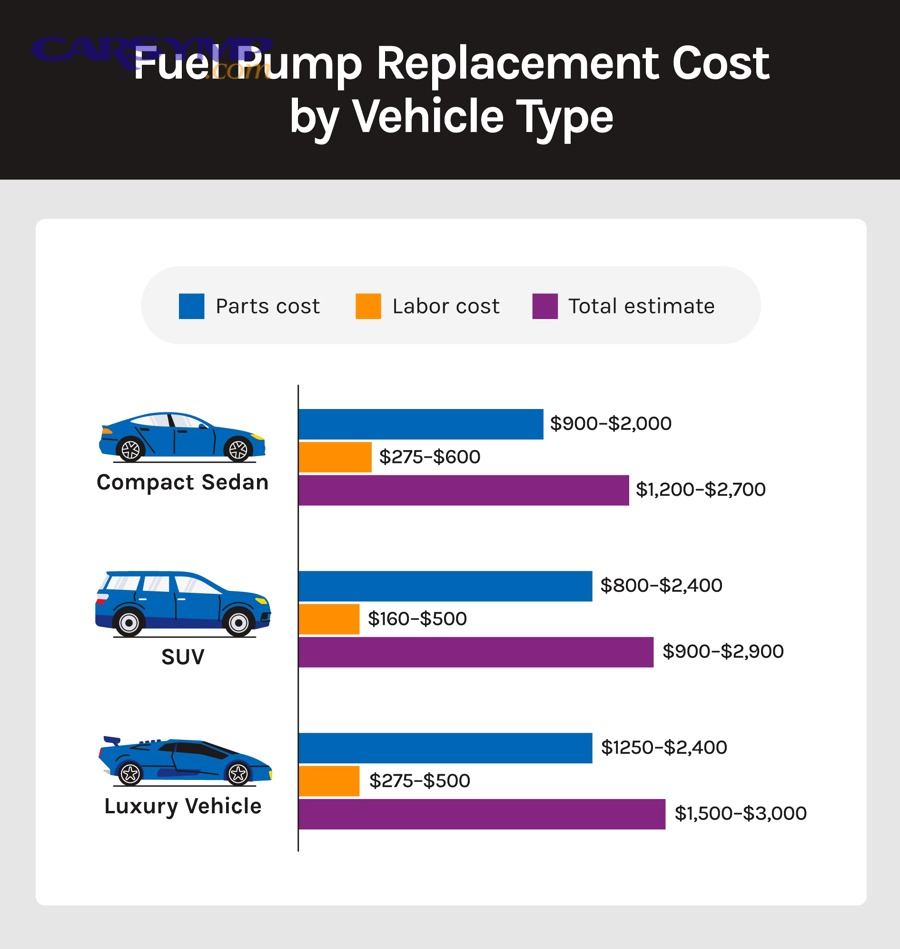
Replacing a fuel pump is expensive mainly because the total is a parts + labor equation, and both sides move depending on your vehicle and the repair approach. A good fuel pump replacement cost estimate starts with a realistic price range, then narrows it using your pump type, access method, and local labor rates.
Next, you’ll want to know what the estimate actually includes—because “fuel pump” can mean a pump-only swap or a full pump module, and that scope difference is often the reason two quotes don’t match.
Then, you’ll learn the handful of factors that reliably push your estimate up or down, so you can predict cost before you call a shop and ask smarter questions when you do.
Introduce a new idea: once your estimate is grounded, you can validate whether you truly need a pump, weigh DIY versus professional repair, and avoid cost traps that come from misdiagnosis.
What is a “fuel pump replacement cost estimate” and what does it include?
A fuel pump replacement cost estimate is a projected total price for replacing the fuel pump (or pump module) that combines parts and labor into one expected bill, adjusted by your vehicle, location, and repair scope.
Next, to avoid surprise charges, you need to understand exactly which line items are commonly included and which ones vary by shop or by vehicle design.
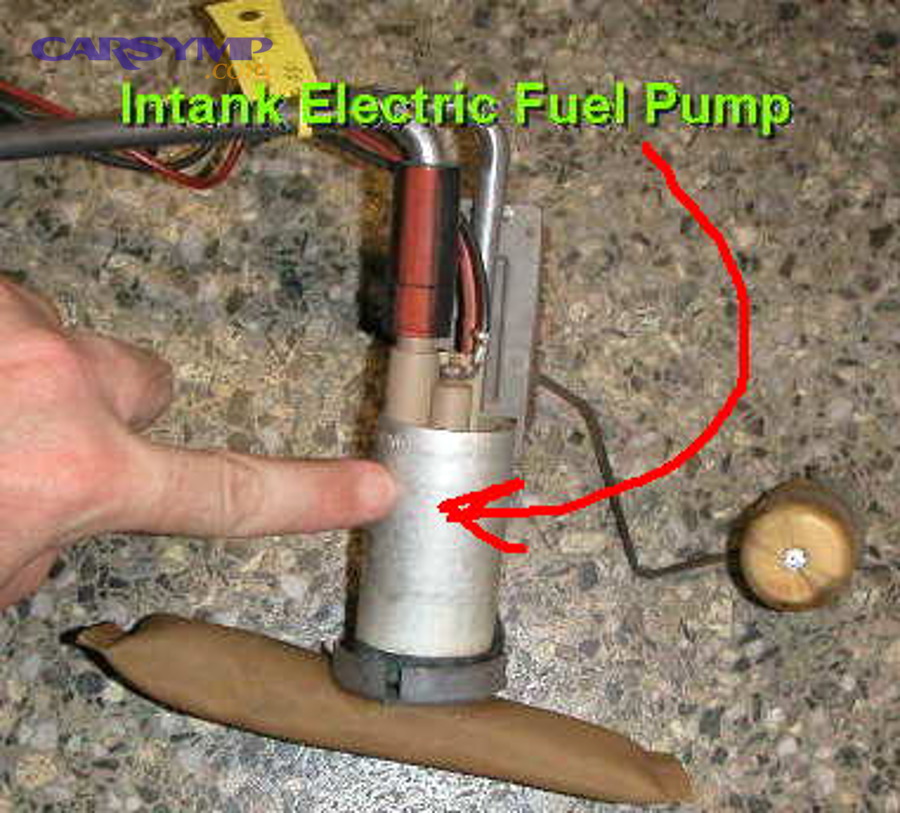
A strong estimate typically includes these components:
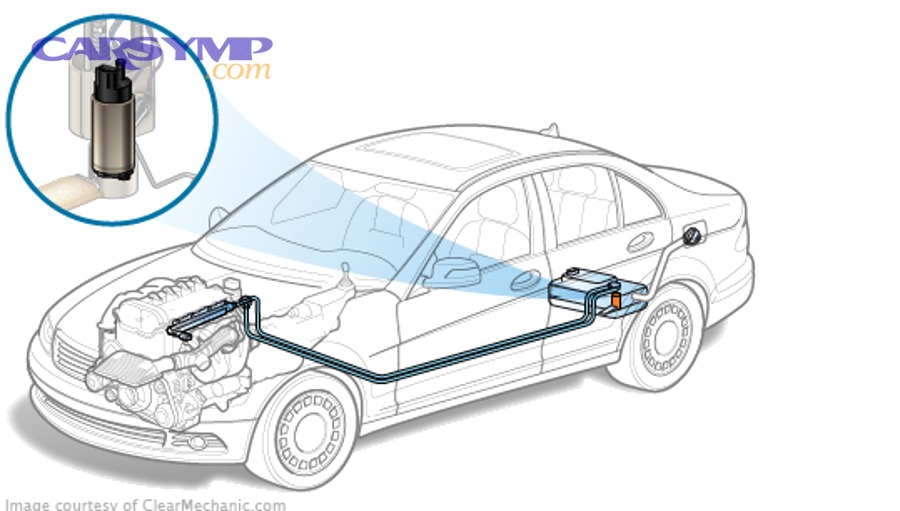
- Parts (fuel pump or fuel pump module): Many modern vehicles use an in-tank pump module (pump + housing and sometimes a level sender and regulator). If your quote is for a module, the parts cost can jump significantly versus a pump-only replacement.
- Labor (diagnosis + replacement time): The “replacement” labor can be quick with an access panel, or much longer if the tank must be lowered. Some shops also bill a separate diagnostic charge before approving the job.
- Supplies and shop fees: Small fees for disposal, shop supplies, or environmental handling may appear as flat amounts.
- Taxes and location adjustment: The same job can price differently due to labor rate differences by region and city.
A practical rule: if the estimate does not clearly state pump-only vs module, you don’t yet have a comparable quote. Many “high” estimates are simply module estimates, while “low” estimates are pump-only or aftermarket parts.
How much does it typically cost to replace a fuel pump (parts + labor price range)?
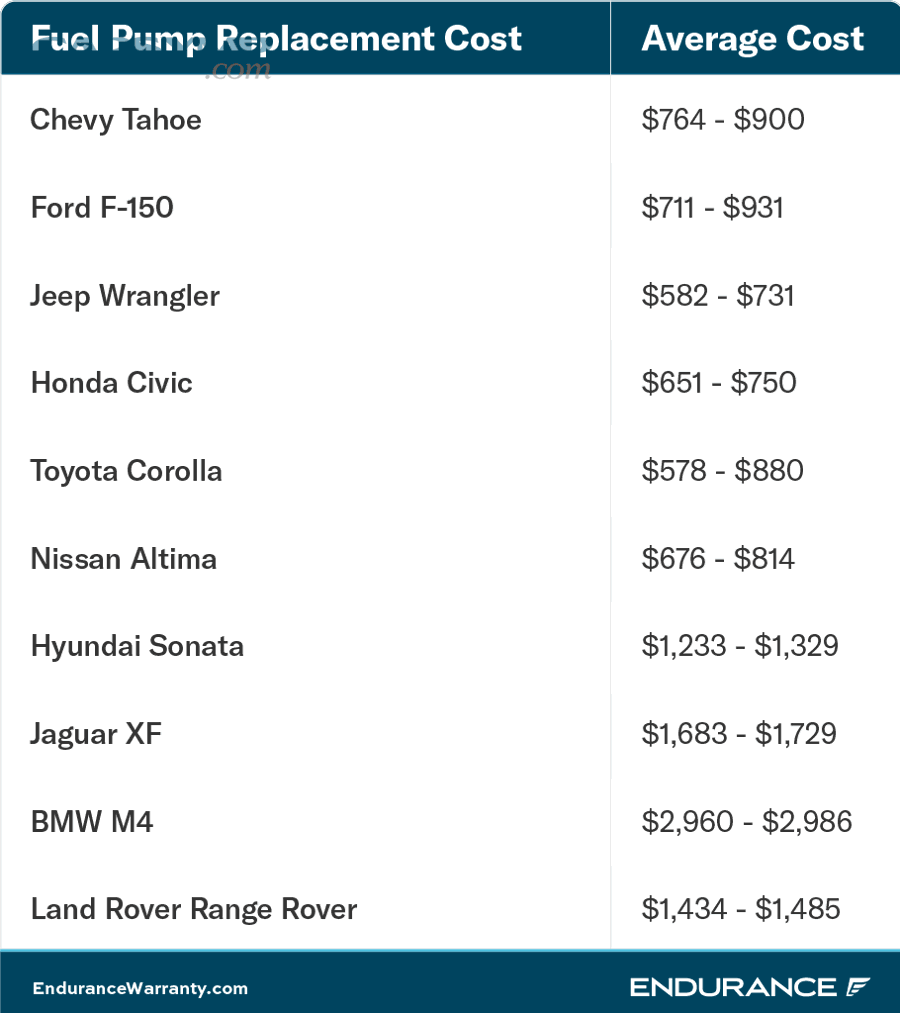
The typical fuel pump replacement cost estimate falls into a broad range because parts pricing can swing from mid-hundreds to over a thousand dollars and labor can be simple or time-intensive depending on access and packaging.
Then, the fastest way to understand the range is to anchor it with reputable benchmarks and immediately split the total into parts versus labor.
One widely used national estimator puts the average total around $1,247–$1,506, with parts making up the larger share and labor forming a smaller slice in that specific average. (repairpal.com)
Another large consumer auto organization cites a typical range around $1,150–$1,400 for fuel pump replacement. (aaa.com)
Meanwhile, a repair-range source that emphasizes variation by vehicle and location ballparks the job as low as $390–$900 in some scenarios, highlighting how much vehicle design and market pricing can change the outcome. (kbb.com)
To keep these numbers useful, treat them like this:
- Low end of the range: easier access, less expensive parts, straightforward vehicle packaging
- Middle of the range: common modern vehicles, average labor rates, common module pricing
- High end of the range: expensive modules, hard-to-reach pumps, higher labor rates, or add-on repairs
What’s the typical parts cost for a fuel pump vs a fuel pump module?
A fuel pump (pump-only) is often cheaper, while a fuel pump module is typically more expensive because it bundles multiple components into one assembly, and those bundled parts raise the replacement cost estimate.
Next, the reason this matters is simple: when you compare quotes, you must compare the same scope, or you’ll think one shop is “overcharging” when they’re just quoting the full assembly.
Pump-only parts cost tends to be lower when:
- The vehicle allows pump-only service without forcing module replacement
- Aftermarket options are available and reliable for the specific model
- The level sender and housing are reusable and in good condition
Module parts cost tends to be higher when:
- The module includes extra parts (sender, regulator, housing, sometimes filter elements)
- The manufacturer sells the pump primarily as a module
- The vehicle is newer or uses a specialized module design
A quick sanity check for parts: if the parts number in your estimate is the majority of the bill, that often signals a module quote (though labor-heavy vehicles can flip this).
What’s the typical labor cost, and how many hours does fuel pump replacement take?
Labor cost varies because fuel pump replacement time can range from relatively short (access panel) to significantly longer (tank removal), and labor is priced as hours multiplied by your local shop rate.
Then, to translate “hours” into dollars, use a simple model:
- Labor cost = labor hours × shop hourly rate
If a shop rate is high, even average labor hours create a large labor line item. If labor hours are high (tank drop, shields, tight packaging), even moderate rates create a large labor total.
Which factors most change your fuel pump replacement estimate?
There are 6 main factors that change a fuel pump replacement cost estimate: pump design, access method, vehicle packaging, local labor rate, parts quality tier, and related repairs that become necessary once the system is opened.
Next, if you learn these factors in order, you can predict where your estimate will land before you even request quotes.
Does your vehicle design require dropping the fuel tank (or is there an access panel)?
Yes—if your vehicle has no access panel, fuel tank removal is often required, and it increases the fuel pump replacement cost estimate for three reasons: it raises labor hours, adds risk-managed steps, and increases the chance of add-on parts.
Then, the practical takeaway is to figure out access first, because access drives labor more than almost anything else.
Why tank removal increases labor and cost:
- More steps and safety controls: the tank must be supported, lowered, and disconnected safely.
- More time under the vehicle: shields, exhaust routing, and straps can add time.
- More “while you’re in there” needs: aged seals, brittle lines, or corroded fasteners can force additional parts or labor.
If your vehicle does have an access panel under the rear seat or cargo area, labor often drops because the technician can reach the module from above.
Does AWD/4WD or a specific chassis layout increase labor time and cost?
Yes—AWD/4WD and complex chassis layouts can increase your fuel pump replacement cost estimate for three reasons: tighter packaging slows access, more components may need to move, and reassembly checks become more extensive.
Then, the key is not “AWD costs more” universally—it’s that AWD packaging can make the pump harder to reach, and time is money in labor pricing.
Common layout-related labor adders:
- Underbody protection plates
- Exhaust components near the tank
- Tighter clearances around straps, lines, and connectors
If you’re comparing quotes, ask one question: “Are you dropping the tank on this vehicle?” That single answer explains many price differences.
Do you need additional parts beyond the pump (strainer, filter, relay, seals)?
Yes—many repairs require additional parts beyond the pump, and your estimate changes for three reasons: seals are often replaced to prevent leaks, strainers/filters may be renewed to protect the new pump, and electrical relays/fuses may be replaced if they contributed to failure.
Then, the cost-control move is to separate “recommended” from “required,” so you don’t pay for extras that don’t improve reliability.
Common add-ons that can be reasonable:
- New seal/O-ring for the module opening
- Strainer/sock if it’s integrated or visibly contaminated
- Fuel filter on vehicles where the filter is serviceable and due
Add-ons that should be justified:
- Relay replacement without symptoms or testing
- Injector service when fuel pressure and delivery are normal
How can you calculate your own fuel pump replacement cost estimate in 5 steps?
You can calculate a fuel pump replacement cost estimate in 5 steps—identify the pump type, confirm access, price the part, estimate labor, and add fees—so you arrive at a realistic best/likely/worst total for your specific vehicle.
Below, this method works because each step narrows uncertainty and turns a vague online range into a personal estimate you can actually use.
How do you estimate parts cost accurately (OEM vs aftermarket vs kit)?
OEM parts win on fit certainty, aftermarket parts win on price, and a complete kit is optimal when wear parts (seals/strainer) are likely to be replaced anyway.
Then, to estimate parts correctly, match the quote to what your vehicle actually uses.
Use this checklist:
- Step 1: Confirm scope: pump-only or module? If it’s a module, the parts line will typically be higher.
- Step 2: Choose a tier:
- OEM: highest confidence in fit and calibration
- Aftermarket: lower cost, quality varies by brand and application
- Kit/module package: convenient if it includes what you’ll replace anyway
- Step 3: Add the small essentials: seals, locking ring (if required), strainer (if separate), and clamps (if recommended)
A realistic parts estimate is not just “the pump price.” It’s “the pump price + the parts that prevent leaks and comebacks.”
How do you estimate labor cost using local shop rates and realistic labor hours?
Estimate labor by multiplying realistic labor hours by local shop rates, then add a small buffer for diagnostic time if the shop charges separately.
Next, to keep the estimate honest, split labor into two categories:
- Diagnostic labor (if billed): confirms the pump is actually the issue
- Replacement labor: the physical work of replacing the pump/module
A simple calculation template:
- Replacement labor hours: (access panel = fewer hours; tank drop = more hours)
- Shop rate: your local average
- Labor estimate: hours × rate
If you cannot find exact hours, use a best/likely/worst range and don’t pretend it’s more precise than it is.
Is fuel pump replacement always necessary, or could it be a relay, filter, or injector issue?
Fuel pump replacement is the right fix when fuel pressure or delivery is failing, a relay/fuse/filter repair is best when power supply or restriction is the real problem, and injector service is optimal when fuel delivery is fine but combustion remains uneven.
In other words, you should not buy a pump just because the engine stumbles; you should replace the pump when testing and symptoms line up.
This is where understanding fuel pump symptoms prevents expensive guesswork. Many drivers notice:
- Hard starting, especially under load
- Sudden loss of power at higher demand
- Stalling that feels like fuel starvation
- Intermittent no-start that resolves temporarily
But those can overlap with electrical and filtration issues.
Can a bad fuel pump relay or blown fuse mimic fuel pump failure?
Yes—a bad relay or fuse can mimic a failing fuel pump for three reasons: it cuts power intermittently, it creates inconsistent pump operation, and it produces “random” no-start or stall behavior that looks like mechanical failure.
Next, because this is a low-cost possibility, it should be checked early—especially when symptoms are intermittent.
Quick validation approach:
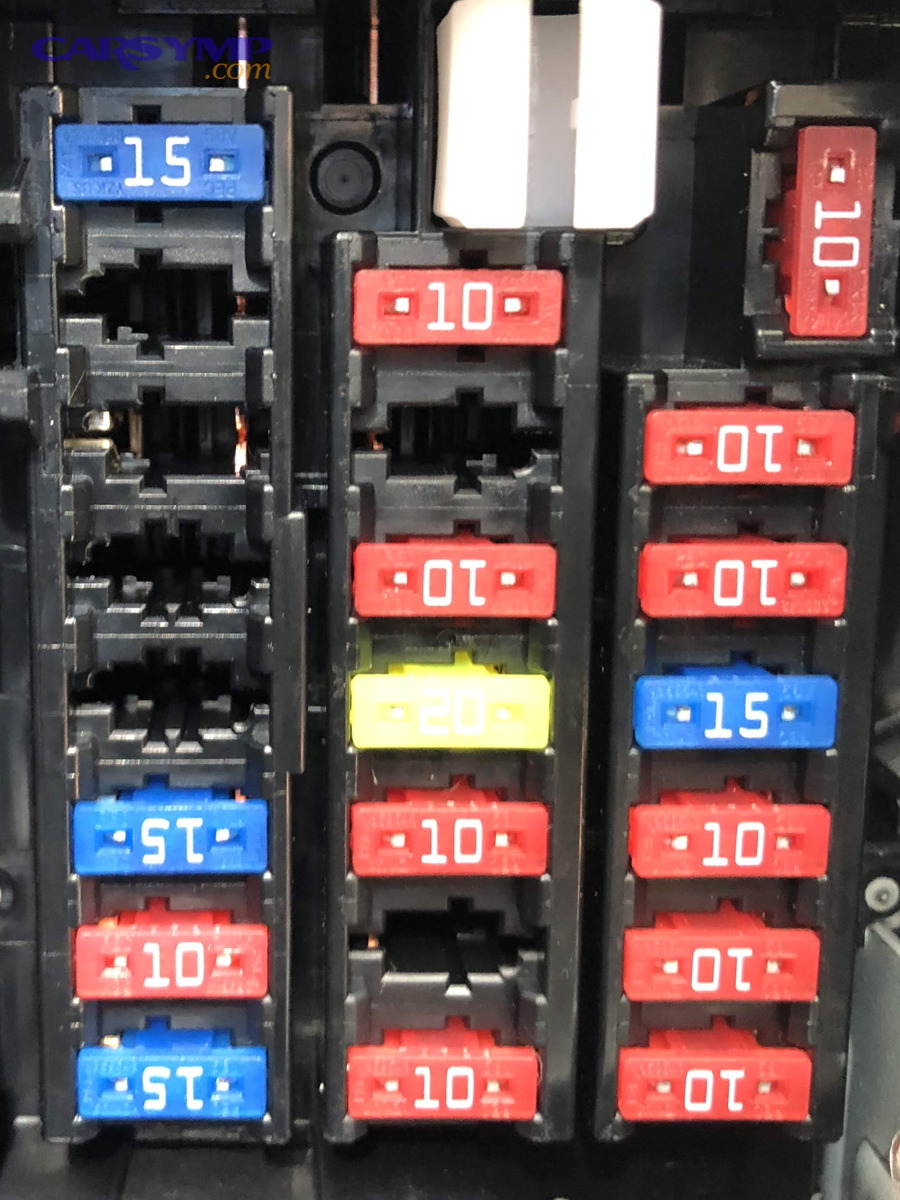
- Check for pump prime sound on key-on (not foolproof, but informative)
- Inspect the fuel pump fuse condition
- Swap the relay with an identical known-good relay (when safe and appropriate)
- Verify voltage at the pump connector (proper procedure required)
If power delivery is unstable, replacing the pump may not fix the issue and could inflate your cost estimate unnecessarily.
Is a clogged fuel filter (or low fuel pressure) cheaper to fix than a pump?
A fuel filter fix is usually cheaper when the filter is serviceable and clearly restricted, while a pump replacement is necessary when the pump cannot maintain pressure even with good power supply and an unrestricted system.
Then, the diagnostic hinge is pressure behavior:
- Restriction pattern: pressure may rise slowly or drop under load due to flow limitation
- Pump weakness pattern: pressure may be low consistently or collapse under demand
This is where a fuel pressure test becomes valuable. Even a simple pressure check can separate “delivery problem” from “combustion or sensor problem.”
If you’re hearing unusual sounds, you can also treat Whining noise from tank diagnosis as a clue—not a verdict. A pump can whine when failing, but it can also sound different due to low fuel level, aeration, or changed load. Don’t replace parts based on sound alone.
Should you DIY a fuel pump replacement or pay a shop?
DIY wins on upfront price, while a professional shop is best for safety, diagnostics, and warranty-backed work, so the right choice depends on your access method, tools, and tolerance for risk.
Next, use a simple decision lens: DIY makes the most sense when access is easy and the job is controlled; a shop makes the most sense when tank removal, corrosion, or uncertainty is involved.
Do you have the tools and safety setup to work around fuel safely?
Yes—DIY can be reasonable if you have the correct tools and safety setup, because it lowers labor cost, lets you control parts choice, and can reduce downtime when access is straightforward.
However, DIY is not automatically “cheaper” if you lack the setup. The hidden costs can show up as:
- Damaged connectors or brittle lines
- Improper sealing that causes leaks
- A second repair attempt that doubles your time
Minimum DIY readiness indicators:
- Safe lifting and support (if working underneath)
- Proper ventilation and fire safety planning
- Correct tools for connectors and retaining rings
- Ability to verify results (no leaks, correct pressure, stable operation)
If you can’t confidently do those, paying a shop is often the cheaper total outcome.
When does paying a shop reduce your total cost risk (comebacks, warranty, diagnosis)?
Yes—paying a shop can reduce total cost risk for three reasons: the shop confirms the diagnosis before replacing parts, the work is often warranty-backed, and experienced technicians reduce the chance of mistakes that cause leaks or repeated failures.
Then, this is the key logic: the “cheapest” quote is not the same as the “lowest total cost” if the root cause isn’t the pump.
This also answers a question many drivers type into search bars: Can you drive with weak fuel pump? You sometimes can, but it’s a gamble. A weak pump can worsen under heat and demand, triggering stalling or a no-start at the worst possible time. If your symptoms include stalling, loss of power under acceleration, or repeated hard starts, treating it as urgent is often the safer and cheaper choice than waiting for a breakdown.
How can you prevent fuel pump failure and avoid an expensive replacement bill?
There are 4 practical ways to reduce the odds of a premature fuel pump replacement: keep fuel levels at a safe minimum, prevent contamination, manage heat and load, and respond early to symptoms before the pump is overstressed.
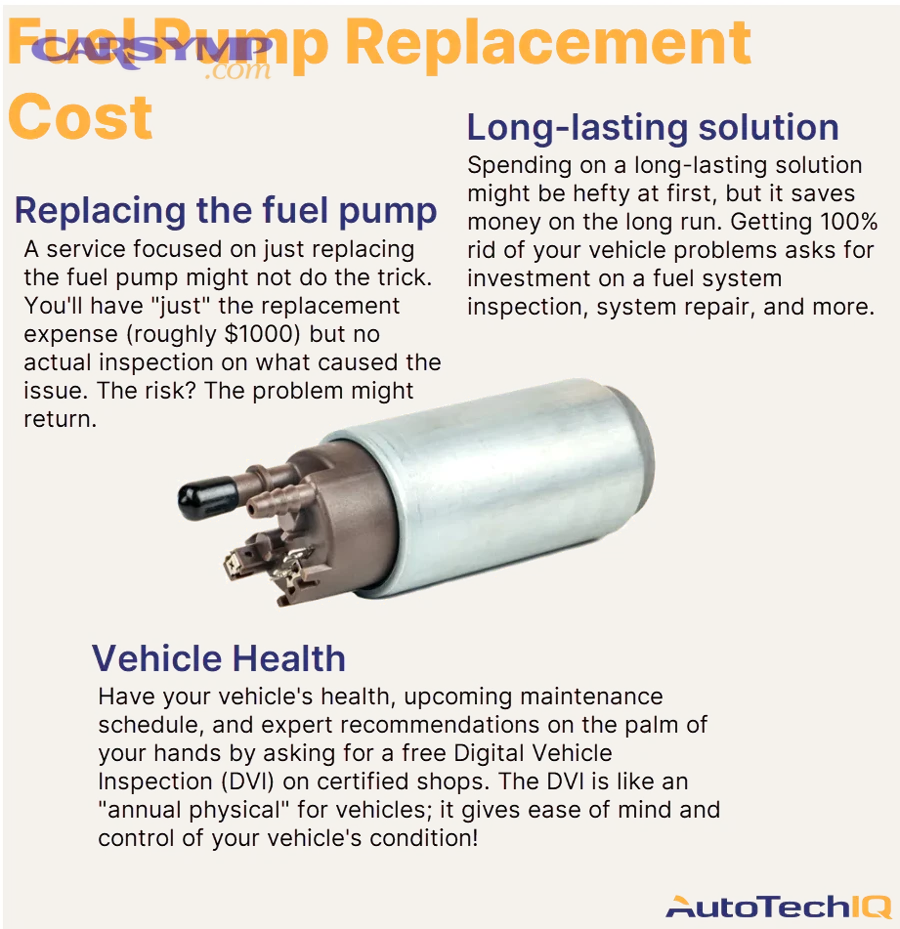
Next, this is where Preventing fuel pump failure becomes a cost strategy: you’re not just avoiding a breakdown—you’re avoiding a repair that commonly lands in the four-figure range for many vehicles. (repairpal.com)
Does driving on a low tank shorten fuel pump life (and increase replacement likelihood)?
Yes—frequently running low on fuel can increase pump stress for three reasons: the pump may run hotter in some designs, it may ingest more aerated fuel near empty, and sediment disturbance can increase system load over time.
Then, don’t interpret this as “never go below 1/4 tank.” Interpret it as “avoid living on the warning light,” especially in hot conditions or when you already suspect pump weakness.
Some automotive guidance sources explicitly warn that low fuel levels can contribute to pump overheating risk in certain conditions. (jeffsautomotive.com)
Which fuel quality and filtration habits most reduce pump wear and contamination risk?
The best habits are the ones that reduce debris and water exposure because contamination increases pump workload and can shorten service life.
Then, focus on habits with direct mechanical payoff:
- Buy fuel from high-turnover stations (reduces stale fuel risk)
- Address water contamination quickly (don’t ignore repeated sputtering after refuel)
- Replace serviceable filters on schedule (when your vehicle has one)
- Avoid running the tank extremely low repeatedly, which can stir settled debris
Even if modern systems are robust, reducing contamination reduces the strain placed on the pump and injectors over time.
When can contaminated fuel or a rusted tank turn a “pump job” into a bigger repair?
Yes—contaminated fuel or tank corrosion can expand a pump replacement into a larger repair for three reasons: the new pump can be damaged quickly, fuel lines and filters may need cleaning, and the tank itself may require remediation.
Then, if a vehicle dies immediately after refueling and continues to stall, think beyond “pump failure” and consider fuel quality and contamination as a root cause.
In these cases, the right “estimate mindset” is scope-based:
- Pump only is cheaper
- Pump + flush + filter + cleanup is more expensive
- Tank remediation can be a major cost add-on
Is a fuel pump module upgrade or OEM part worth the higher upfront cost?
OEM is often worth it when fit and calibration are critical, while an aftermarket module can be worth it when a reputable brand has a proven track record for your exact vehicle and you’re balancing cost.
Then, use this decision rule:
- Choose OEM when the vehicle is sensitive to fuel delivery calibration, the module design is complex, or you can’t afford a comeback.
- Choose aftermarket when you have high confidence in application fitment and the savings are meaningful.
- Choose a full module when multiple sub-components are aged or integrated and replacing them together reduces risk.
If your first goal is reliability, the “best” part is often the one that minimizes repeat labor—because labor is the part you pay for twice when a cheaper part fails early.
Evidence (if any)
Cost benchmarks used in this article come from widely referenced consumer-facing estimators and guides that publish typical ranges (for example, RepairPal’s national estimator range and AAA’s stated replacement range). (repairpal.com)