


Fuel pump failure is preventable in many cases because most pumps don’t “suddenly die”—they wear out faster when heat, restriction, contamination, or electrical resistance forces them to work harder than designed. The simplest prevention plan is to keep fuel flowing cleanly at the right pressure and keep the pump supplied with stable voltage so it runs cooler and quieter.
Next, you’ll learn the preventive fuel-system maintenance checklist that protects the pump first (fuel quality + filtration + electrical health), then protects the rest of the fuel-delivery system so you don’t mistake a different fault for pump failure.
Then, you’ll see the driving and ownership habits that cause early pump wear—and the “avoid vs cause” swaps you can make immediately without buying parts or tools.
Introduce a new idea: prevention only works if you can spot early warning signs and confirm the real cause—so the final sections cover fuel pump symptoms, quick tests, and a clear Fuel pump vs injector vs filter diagnosis path.
What does “fuel pump failure” mean, and why does prevention matter for car owners?
Fuel pump failure means the pump can no longer deliver the required fuel pressure and volume under real driving conditions, so the engine starves for fuel (especially under load) and may hard-start, hesitate, stall, or not start at all.
To better understand why prevention matters, it helps to separate how the pump fails (restriction, overheating, contamination, electrical stress) from how the driver experiences it (performance and starting problems).
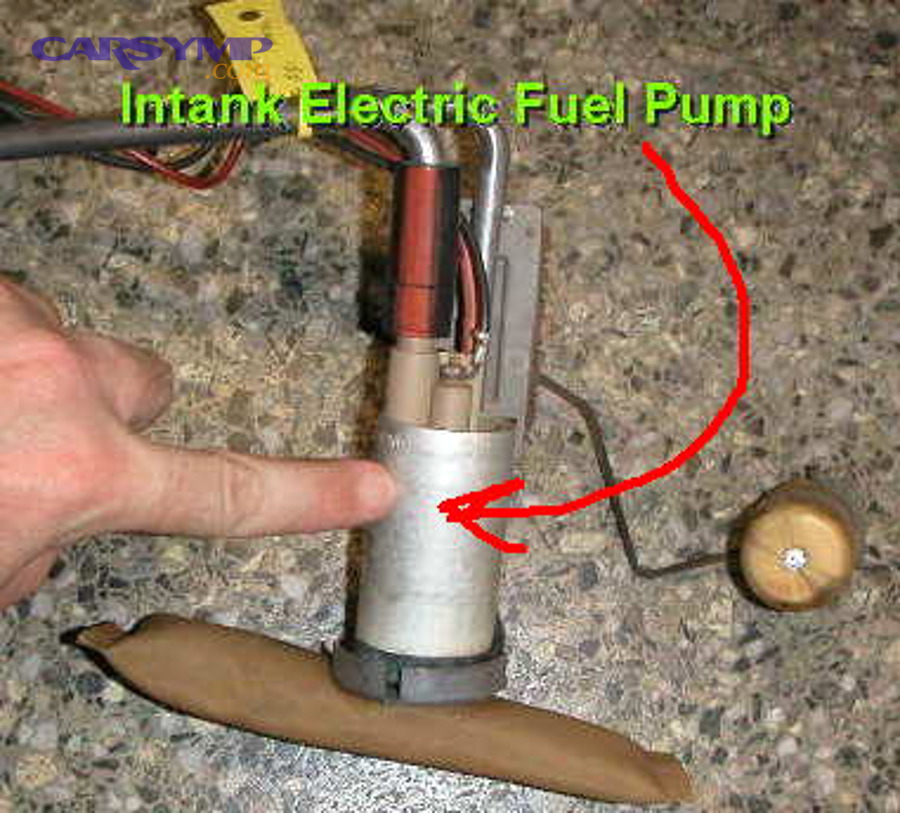
What does a fuel pump do in a modern fuel system?
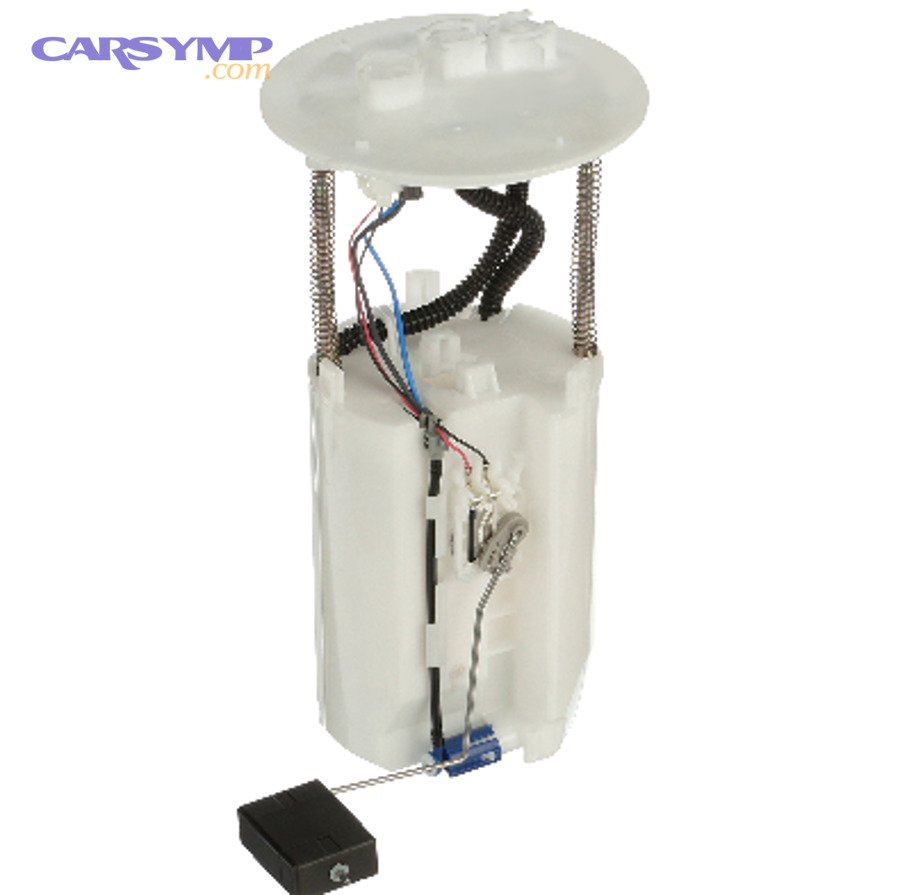
A fuel pump is an electric (or mechanical, on older designs) device that moves fuel from the tank toward the engine at a pressure and flow rate the fuel system can regulate. In many vehicles, the pump sits inside the tank as part of a “module,” and it must reliably deliver fuel during:
- cold starts (higher demand during cranking)
- acceleration (high injector duty cycle)
- high load/high RPM (peak volume demand)
- hot soak conditions (heat-related vapor/pressure issues)
A pump doesn’t just “push fuel.” It must maintain delivery stability—because the engine control system assumes fuel pressure will remain within a usable window for the injectors to meter fuel correctly.
What are the most common pathways to fuel pump failure?
Fuel pumps commonly fail through a few repeatable pathways:
- Overheating and wear: Heat and friction degrade the electric motor and internal pumping elements. Low fuel and high ambient heat can worsen this in many designs.
- Restriction and overwork: A clogged filter or restricted pickup increases load, raising current draw and operating temperature.
- Contamination: Dirt, rust, and water can abrade or corrode components, while sludge can restrict the pickup sock/strainer.
- Electrical stress: Corroded connectors, weak grounds, or high-resistance wiring reduces voltage at the pump, forcing it to work harder to produce the same output.
- Aging + duty cycle: High mileage, frequent hot running, towing, and long high-load trips increase operating hours and demand.
Why does prevention matter (even if you can “just replace the pump”)?
Prevention matters because pump replacement is often labor-heavy and can cascade into other issues:
- A weak pump can make the engine run lean under load, causing misfires, overheating, and catalytic converter stress.
- A failing pump can strand you without warning once it crosses a threshold (no-start).
- Replacing a pump without addressing the root cause (contamination, restriction, voltage drop) can shorten the life of the new pump too.
In other words, prevention isn’t only about avoiding a repair—it’s about keeping fuel delivery stable so the engine runs correctly day-to-day.
What is the preventive fuel-system maintenance checklist to avoid fuel pump failure?
A preventive fuel-system checklist has five pillars—fuel level management, fuel quality control, filtration discipline, electrical health, and periodic verification—because those are the conditions that most strongly separate “pump survives” vs “pump overheats and wears.”
Below, we’ll walk through the checklist in a practical order: what you can do today, what you do on schedule, and what you verify when symptoms appear.
What fuel level habits protect the pump most?
You don’t need to baby the gauge, but smart fuel level habits reduce heat stress and reduce the odds of sucking sediment/water from the bottom of the tank.
- Aim to refuel around 1/4 tank as a general habit (not a strict rule).
- Avoid repeatedly running the tank near empty, especially in hot weather or during long high-load drives.
- If your vehicle is known for pump/module overheating, treat low-fuel driving as a “high-risk condition” and refuel earlier.
Many in-tank pumps rely on surrounding fuel for cooling and thermal buffering; constantly driving near empty can increase overheating risk in some designs. (auto.howstuffworks.com)
How do you reduce contamination and water risk before it reaches the pump?
Contamination is often a tank and handling problem more than a pump problem. Prevention is about reducing what enters the tank and reducing what forms inside it.
- Buy fuel from high-turnover stations (fresh fuel, less water accumulation).
- Avoid refueling while a tanker is actively delivering fuel if you can—delivery agitation can stir sediment in underground tanks.
- Keep the fuel cap and filler area clean, and ensure the cap seals properly.
- If you store a vehicle, don’t store it with half a tank in a humid environment—minimize condensation risk and follow manufacturer guidance for storage.
What’s the right filter strategy (and why does it protect the pump)?
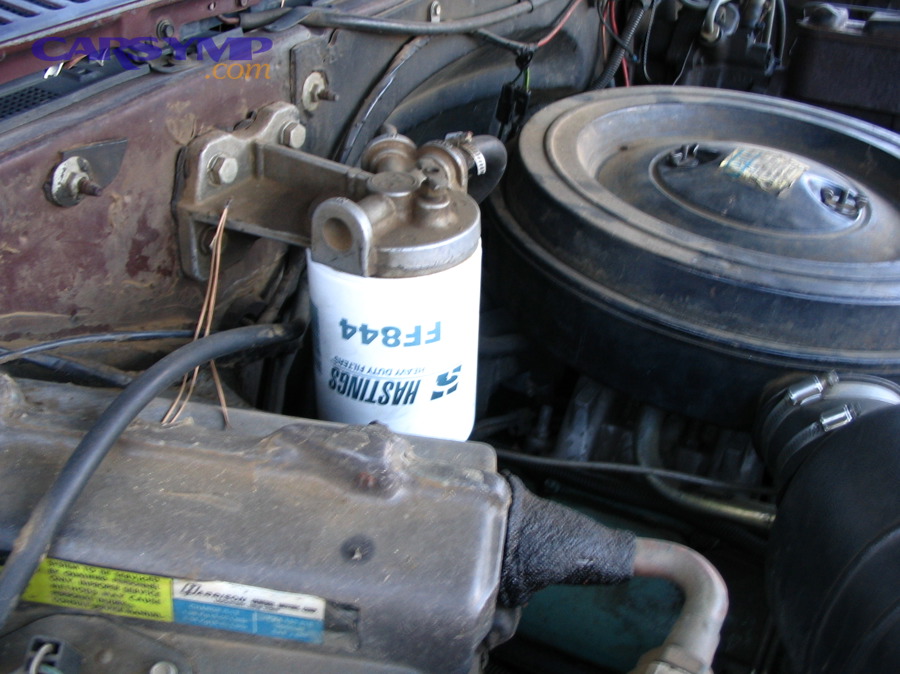
A restricted filter increases pump workload. Your prevention move is simple:
- Replace the fuel filter at the interval specified by the manufacturer (or earlier if you have contaminated fuel history).
- If your vehicle uses an in-tank strainer/sock plus an external filter (or a serviceable module filter), treat filter restriction as a pump-killer.
What to do in real life: if your car is older, unknown maintenance history, or has had contaminated fuel, prioritize filter service before chasing pump failure.
What electrical checks prevent fuel pump burnout?
A healthy pump still fails early if it’s under-volted or forced to run through high resistance.
- Inspect pump power and ground connections for corrosion or heat discoloration.
- If you’re diagnosing or preventing repeat failures, do a voltage drop test under pump operation (or during prime).
A practical benchmark: a common guideline is that voltage drop should be low (often under ~0.2V on the power side and also under ~0.2V on the ground side during the brief prime or while running), otherwise resistance in wiring/connectors can overheat terminals and stress the pump.
How do you verify fuel delivery before it becomes a failure?
Prevention isn’t just maintenance—it’s measurement at the right time.
- If you notice early Bad fuel pump signs (hesitation under load, growing tank whine, long crank), do a fuel pressure test and compare results to spec.
- When possible, test pressure under load (not only at idle), because many weak pumps look “okay” at idle but collapse during acceleration.
Quick reality check: you’re not hunting perfection—you’re confirming the pump can maintain stable pressure and adequate volume when demand increases.
What driving habits and conditions increase fuel pump wear, and what should you do instead?
Yes—driving habits can accelerate fuel pump wear because they increase heat, increase demand, or increase contamination risk, and the fastest way to prevent fuel pump failure is to swap the “cause” habit for an “avoid” habit in the same situation.
More specifically, focus on the big three: low-fuel operation, high-heat/high-load operation, and poor fuel/storage practices.
Is driving on a low tank really bad for the fuel pump?
Yes, it can be—especially when repeated often—because low fuel increases heat stress and increases the chance the pickup ingests sediment/water near the bottom of the tank, and those two factors accelerate wear. (auto.howstuffworks.com)
However, the prevention takeaway isn’t fear—it’s consistency:
- Don’t make “near empty” your normal pattern.
- Refuel earlier when it’s hot, when you’ll be climbing/towing, or when you’ll be stuck in slow traffic (higher under-hood temps + long run time).
This is where fuel level habits matter most: you’re reducing heat stress and protecting stable fuel delivery.
What conditions make the pump work harder than usual?
Some conditions raise demand or reduce the pump’s margin:
- Towing, hills, high-speed driving: higher fuel demand for longer periods.
- High ambient heat + low fuel: thermal stress increases.
- Repeated short trips: more hot starts, more primes, more thermal cycling.
- Stop-and-go traffic in summer: long run time at elevated temps.
What to do instead: if you’re heading into these conditions, treat it like “pump protection mode”:
- Start the trip with more fuel.
- Avoid pushing the car hard right after a hot soak if it already shows early symptoms.
- Keep up with filtration and electrical checks, because margin matters most under load.
How does fuel quality and long storage affect pump health?
Poor fuel quality and storage problems often show up as restriction, corrosion, or unstable combustion—any of which can make you misdiagnose the pump.
A useful data point for storage risk context: in a 2023 research article with authors affiliated with Hainan University (School of Mechanics and Electronics Engineering) and other institutions, E10 blends (with certain additive blends tested) remained single-phase with no phase separation during 40 days of observation under their test conditions. (pmc.ncbi.nlm.nih.gov)
That doesn’t mean “storage is always safe”—it means storage behavior and conditions matter, and prevention should follow manufacturer guidance plus good handling practices.
What are the best “avoid vs cause” habit swaps?
Here’s a simple mapping you can actually use:
- Cause: routinely drive to “miles to empty”
Avoid: refuel around 1/4 tank, earlier in heat/high load - Cause: ignore a louder tank whine for months
Avoid: pressure test early; check filter restriction and voltage drop - Cause: replace pump but not filter / not addressing contamination
Avoid: treat filter + tank cleanliness + electrical checks as “pump insurance” - Cause: store vehicle with old fuel and lots of air space
Avoid: follow storage best practices; stabilize fuel if recommended
What symptoms tell you prevention is failing—and how do you confirm it’s the pump (not the filter, relay, or injectors)?
Fuel pump symptoms show up as fuel delivery instability—hard starts, hesitation, sputtering under load, stalling, and loss of power—and the best confirmation approach is to test pressure/volume and rule out electrical and restriction causes before you condemn the pump.
In addition, the moment you suspect a fuel delivery problem, you should shift from “guessing parts” to a structured Fuel pump vs injector vs filter diagnosis path.
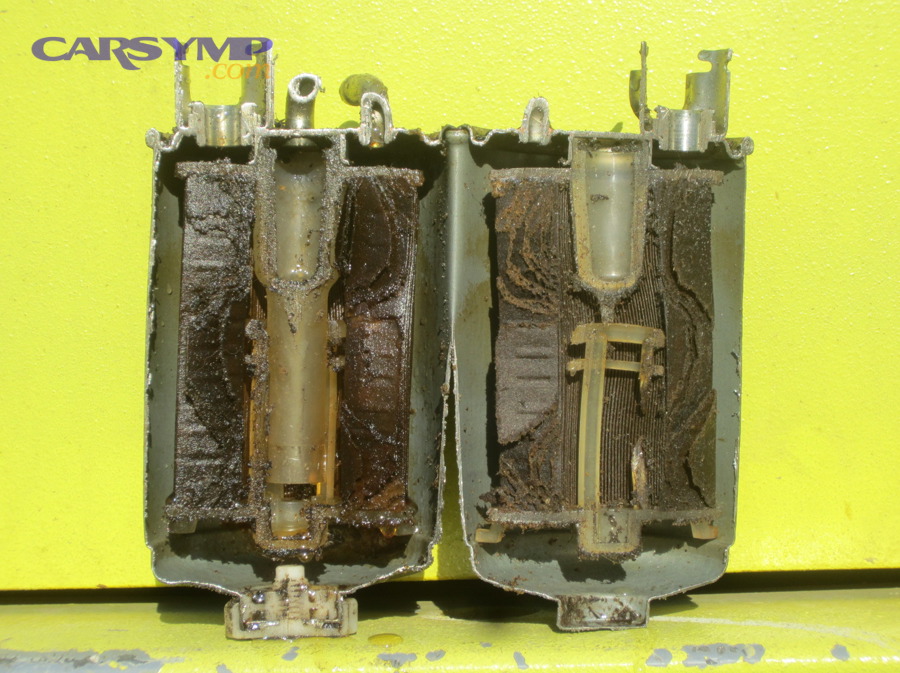
What are the most reliable fuel pump symptoms?
Common fuel pump symptoms (especially when they worsen over time) include:
- long crank / hard start
- sputter or hesitation during acceleration
- loss of power on hills or at highway speed
- stalling (often after warm-up)
- whining or humming from the tank area that grows louder
These overlap with other faults, which is why confirmation matters.
What quick checks can you do before testing fuel pressure?
Start with fast, low-cost checks:
- Scan for codes and look at fuel trims (lean under load can hint at supply issues).
- Listen for prime (brief pump run) at key-on; silence can indicate power/relay/pump.
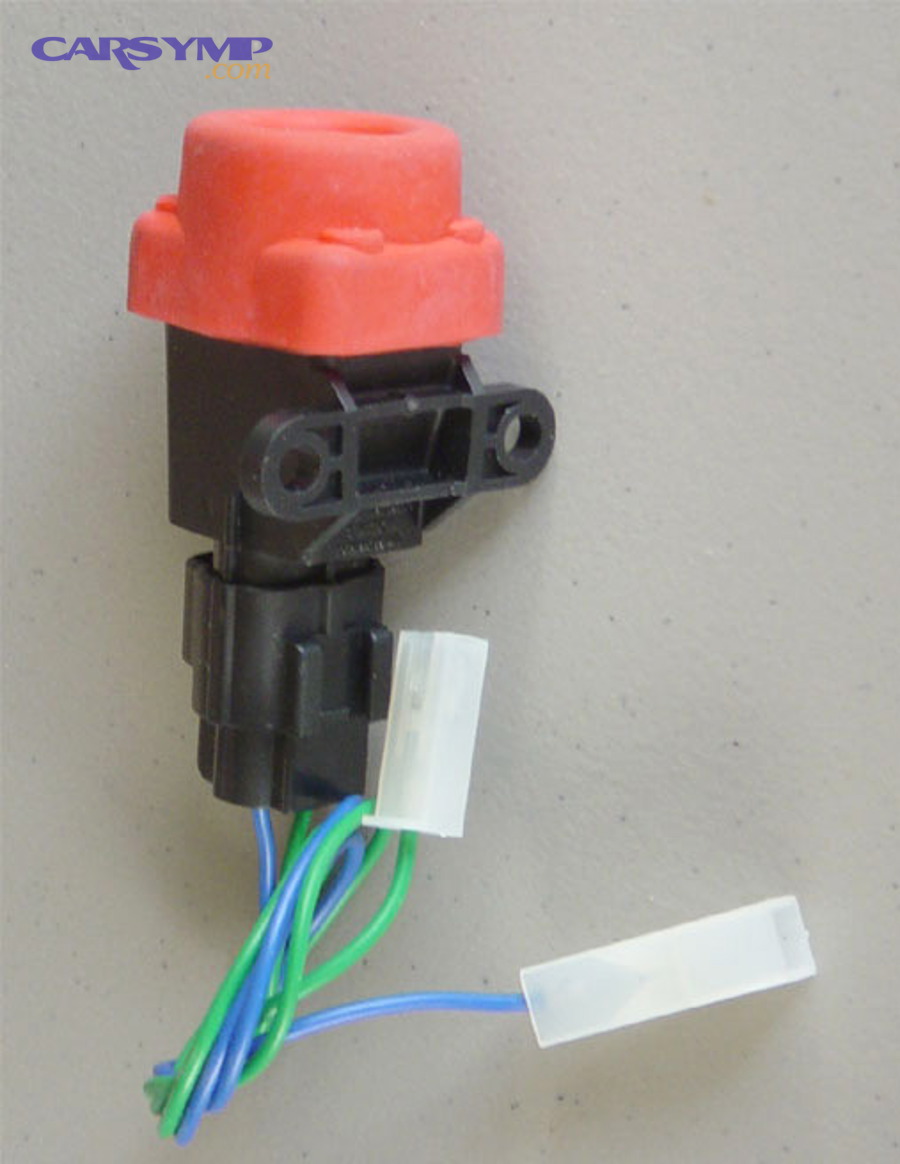
- Check fuse/relay behavior and any inertia switch (some vehicles).
- Inspect connectors and grounds for corrosion, looseness, heat damage.
Then move to measurement.
How do you confirm it’s the pump with pressure and electrical tests?
A strong confirmation sequence looks like this:
- Fuel pressure test (compare to spec at key-on, idle, and ideally under load).
- Volume/delivery test (if supported by service procedures) to catch weak flow.
- Voltage drop test at the pump connector to confirm the pump is receiving healthy voltage with low resistance in the circuit.
As noted in a technician-focused guide, a practical voltage-drop benchmark often used is less than 0.2V on the power side and less than 0.2V on the ground side during pump operation; higher readings point to resistance in wiring/connectors that can stress the pump and even overheat terminals.
How do you separate pump problems from filter, relay, or injector problems?
Use this “pattern + test” logic:
- Filter restriction pattern: runs “okay” at idle but stumbles under acceleration; pressure may dip when demand rises; filter history unknown.
- Relay/electrical pattern: intermittent no-start, random stall, pump silent sometimes; voltage drop or relay control issues show up during testing.
- Injector pattern: misfire on specific cylinders, rough idle that doesn’t correlate cleanly with load-only behavior; pressure may be normal.
- Pump weakness pattern: pressure looks borderline and collapses under load; pump noise increases; current draw may rise; symptom trend is progressive.
To make this easier, the table below summarizes what you’re looking for and what test best confirms it.
| Suspected cause | Common driving pattern | Best confirming test | What “points away” from it |
|---|---|---|---|
| Weak fuel pump | Hesitation/loss of power under load, worsening over time | Pressure under load + volume + electrical drop | Strong pressure stability under load |
| Clogged fuel filter | Stumble on acceleration, improved briefly after key cycles | Pressure/volume change across filter + filter history | Fresh filter + normal delivery |
| Electrical/relay issue | Intermittent no-start, pump silent sometimes | Voltage drop + relay command/prime verification | Stable voltage at pump when fault occurs |
| Injector issue | Rough idle/misfire often cylinder-specific | Misfire counters + injector balance tests | Clean idle, load-only symptom with pressure drop |
When does replacement become the smartest prevention move?
If you confirm weak delivery and the electrical supply is healthy, replacement becomes a prevention step to avoid breakdown. Cost varies widely by vehicle, but a realistic planning number helps.
For example, RepairPal’s estimator lists an average Fuel pump replacement cost estimate range of about $1,247–$1,506 (parts and labor) for a general estimate, depending on vehicle and location. (repairpal.com)
That’s why early confirmation matters: you want to replace the pump once, and only after you’ve removed the causes that would kill the next one.
What special situations require extra fuel pump failure prevention steps?
Special situations require extra prevention because they change the “normal” risk profile—higher duty cycle, different fuel chemistry, longer storage, or harsher contamination environments.
Besides the usual checklist, the key is to identify which risk you’re facing (heat, contamination, electrical load, storage) and strengthen that pillar.
How should you prevent pump failure in hot climates, towing, or heavy load use?
- Refuel earlier (avoid sustained low fuel in heat).
- Treat any rising tank whine or load-hesitation as an early warning, not “normal aging.”
- Prioritize electrical health (grounds/connectors) because high-load use narrows margin.
What changes for diesel, biodiesel blends, or fleet-style fuel use?
- Filtration discipline matters more because contamination and wax/precipitate issues can increase restriction in some contexts.
- Follow manufacturer guidance on filter intervals and fuel quality requirements.
- If operating in cold climates, ensure fuel handling reduces water and waxing risks (because restriction hurts pumps).
What about hybrids, plug-in hybrids, and vehicles that store fuel longer?
Long fuel storage increases the odds of degraded fuel behavior and contamination issues.
- Follow the manufacturer’s guidance on fuel aging and stabilizers (if recommended).
- Keep the tank in a storage-friendly state (often fuller to reduce condensation, depending on guidance and climate).
- If the engine runs infrequently, do periodic operation that cycles fuel if recommended.
How should off-road, rural, or dusty environments change your prevention plan?
- Fuel quality and contamination control becomes priority #1.
- Use reputable fueling sources, keep the filler clean, and never ignore filter history.
- If you repeatedly get bad fuel, consider more frequent filter service and earlier diagnostic testing when symptoms appear.
Evidence (selected)
- In-tank pumps may rely on surrounding fuel for cooling/insulation, so repeatedly running very low fuel can increase overheating risk in some designs. (auto.howstuffworks.com)
- A technician-focused voltage drop testing guide notes pump operation is brief during prime and suggests low voltage drop targets (e.g., under ~0.2V on power and ground sides) to identify resistance in the circuit.
- A 2023 research article with authors affiliated with institutions including Hainan University (School of Mechanics and Electronics Engineering) reported E10 blend samples (with tested additive blends) remained single-phase with no phase separation during a 40-day observation period under their experimental conditions. (pmc.ncbi.nlm.nih.gov)
- Repair cost planning reference: RepairPal lists an average fuel pump replacement cost estimate range (parts and labor) around $1,247–$1,506, varying by vehicle and location. (repairpal.com)