


A wheel bearing hum can be diagnosed reliably when you treat it like a pattern-matching problem: confirm the sound is rotation-related, verify it changes with load, and then use simple tests to pinpoint which corner is producing the noise.
Next, you’ll learn how to separate wheel bearing noise from the most common imposters—especially tire roar—so you don’t replace the wrong part and still hear the same humming afterward.
Then, you’ll get practical safety guidance: what symptoms mean you can drive cautiously for a short time, and what symptoms mean you should stop driving to avoid a dangerous failure.
Introduce a new idea: once you know how to confirm the diagnosis, you can use a repeatable road-test + garage-check routine that works for most vehicles, whether you’re a daily driver or a hands-on DIY owner.
Is a humming/droning noise while driving a bad wheel bearing?
Yes—wheel bearing hum diagnosis is often correct when the noise rises with speed, changes with steering load, and persists independent of engine RPM. More importantly, these three clues work together: speed-related drone, load-sensitive change, and a consistent “from one corner” feel.
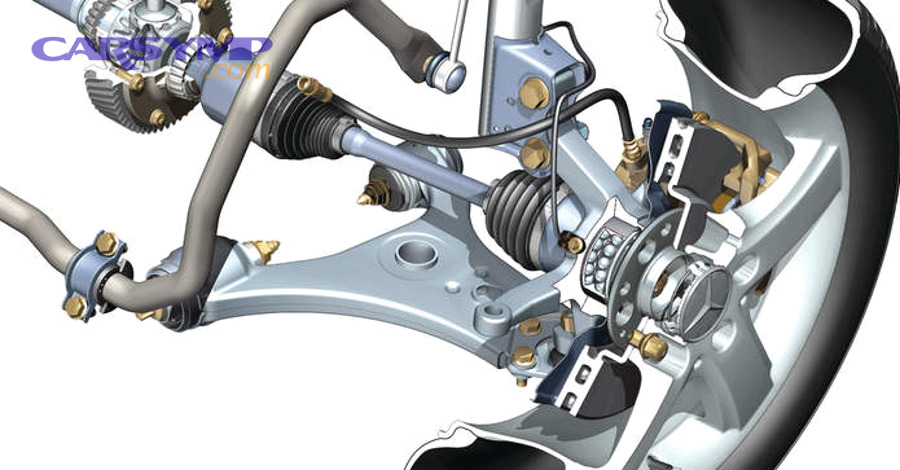
To better understand why those clues matter, start by thinking about what a wheel bearing actually does: it supports the wheel and lets it rotate smoothly under load. When the bearing surfaces pit or lose lubrication, the rolling elements create a repeating vibration that your cabin hears as a hum—often most obvious as a humming noise at speed.
Here are the three strongest reasons a hum points to a bearing:
- The sound tracks vehicle speed, not engine speed.
If the pitch or volume climbs as you go 20 → 40 → 60 mph, that’s classic rotational noise. Engine-related noises tend to change with RPM (accelerating in a lower gear changes RPM quickly without changing road speed much). - The sound changes with load transfer in turns.
Bearings respond to load. When you gently steer left or right at steady speed, you shift weight to one side. A worn bearing often gets louder when loaded and quieter when unloaded. - The sound feels location-specific.
A bad bearing often “sounds like it’s coming from one corner” (front-left, rear-right), even if it echoes through the cabin. Tire noise is more likely to feel like it’s everywhere.
Does wheel bearing hum usually get louder with speed, even in neutral?
Yes—wheel bearing hum diagnosis stays consistent because the bearing rotates with the wheel whether you’re accelerating, coasting, or in neutral. That happens for three reasons: the wheel still spins, the bearing still carries vehicle weight, and the damaged surfaces still repeat the same vibration each rotation.
Specifically, if you’re on a safe road and you coast at the same speed, a bearing-related hum usually remains. That’s a useful separation test from drivetrain noises that change with throttle. It also explains why many drivers notice the hum most on smooth highways, where background noise is low.
Practical note: some drivetrain sounds can still persist while coasting (especially in AWD/4WD), so neutral/coast is a clue—not a verdict. You’ll confirm later with turning tests and lift tests.
Can a wheel bearing make noise before you feel vibration or steering looseness?
Yes—wheel bearing hum diagnosis often starts with sound first because early-stage surface damage creates noise long before the bearing develops measurable play. The three reasons are simple: early pitting creates microscopic impacts, seals can fail without immediate looseness, and modern hub units can remain tight even while noisy.
More specifically, many sealed hub assemblies get loud yet still feel solid during a quick hand check. That’s why your best early warning is often sound pattern, not wobble. If you wait until the wheel is loose, you’re usually dealing with a more advanced failure—and a higher risk of heat buildup or seizure.
What does wheel bearing hum sound like, and why does it happen?
Wheel bearing hum is a low-to-mid frequency droning or growling sound caused by damaged bearing surfaces and disrupted lubrication that create repeating vibration as the wheel rotates. It typically begins as a faint drone and can progress to a rough growl or grinding noise as damage spreads.
Next, connect that definition to what you actually hear: the cabin doesn’t hear “metal fatigue”; it hears vibration transmitted through the knuckle, control arms, and chassis. That’s why bearing noise can sound deceptively like tire noise at first.
Common real-world causes of the hum include:
- Rolling-contact fatigue: tiny pits (spalling) form on races/rollers, creating a repeating “buzz” each time a roller passes the defect.
- Lubrication breakdown: heat and contamination reduce the grease’s protective film, increasing friction and noise.
- Water/dirt intrusion: damaged seals allow moisture or grit in, accelerating wear.
- Impact damage: potholes or curb strikes can bruise bearing surfaces and start a noise that slowly grows.
What’s the difference between a hum, growl, rumble, and grinding sound from a bearing?
Hum wins for early-stage wear, growl is best for mid-stage damage, and grinding is optimal as a “stop driving” warning when metal-to-metal contact is likely. That comparison matters because drivers often describe the same issue using different words.
However, you can map the words to severity trends:
- Hum / drone: steady, smooth-sounding, often louder at certain speeds (like 45–65 mph). Early wear is common here.
- Growl / rumble: rougher, “grainy” sound that increases with load or turning. Damage is typically more advanced.
- Grinding: harsh, scraping sound—often paired with vibration, heat, or warning lights. This suggests severe wear or imminent failure.
A useful trick: if passengers describe it as “airplane cabin noise,” that’s often a hum/drone stage. If they describe it as “a rough rolling boulder sound,” that leans growl/rumble.
Why does the sound often change when you turn left or right?
The sound changes because turning transfers vehicle weight and increases load on one side’s wheel bearing, amplifying vibration on the loaded bearing and reducing it on the unloaded side. That’s why steering input becomes a diagnostic tool, not just a driving action.
More specifically:
- In a left turn, weight shifts to the right side. A right-side bad bearing often gets louder.
- In a right turn, weight shifts to the left side. A left-side bad bearing often gets louder.
This isn’t a perfect rule (especially with aggressive tires, uneven pavement, or AWD driveline noise), but it’s one of the fastest “directional” clues you can gather before lifting the vehicle.
How can you pinpoint which wheel bearing is bad during a road test?
You can pinpoint a bad wheel bearing by using a controlled road test that combines steady-speed listening, gentle left-right load changes, and surface checks to identify which corner’s noise strengthens under load. The expected outcome is a high-confidence “most likely wheel” that you’ll confirm with garage checks.
Then, treat the road test like a checklist. You’re not guessing—you’re collecting repeatable observations.
A simple road-test sequence:
- Choose a steady speed range where the hum is clear (often 40–70 mph).
- Hold speed constant on a smooth road and listen to the baseline.
- Make gentle lane-change sweeps (safe, clear road) and note louder/quieter changes.
- Try different surfaces (asphalt vs concrete) to see if the sound is surface-sensitive (more common with tires).
- Coast vs light throttle to check whether the sound is strongly throttle-dependent (more common with differential/drivetrain).
You can also record audio in the cabin and compare “straight vs sweep” segments. The goal isn’t studio quality—it’s pattern capture.
Does the noise get worse when turning left or right—and what side does that indicate?
Turning behavior is a strong pointer: if the hum gets louder in a left sweep, the right-side bearing is often the loaded culprit; if it gets louder in a right sweep, the left-side bearing is often the loaded culprit. This works because load increases friction and vibration on the failing bearing.
However, use it as a pointer, not a final diagnosis. Tire tread patterns can also change pitch during a sweep, and some vehicles transmit sound in ways that confuse direction. That’s why you’ll confirm with lift tests.
A practical “confidence ladder”:
- High confidence: loud change in one direction + consistent at multiple speeds + confirmed by lift test.
- Medium confidence: slight change in one direction + unclear surface influence.
- Low confidence: noise changes randomly or only on one pavement type.
Can you use a “weave test” to confirm bearing hum safely?
Yes—wheel bearing hum diagnosis becomes clearer with a gentle weave test because it deliberately shifts load side-to-side and reveals which bearing reacts. The three reasons are repeatability, load sensitivity, and quick comparison.
Specifically, do it only when it’s safe: empty lane, stable weather, legal speed, and smooth inputs. You’re not swerving—you’re applying mild steering angle changes. If the noise rises when you load one side and drops when you load the other, that supports a bearing diagnosis.
Should you test on different road surfaces to rule out tire roar?
Yes—testing on different surfaces strengthens wheel bearing hum diagnosis because tire noise often changes dramatically with pavement texture while bearing noise tends to remain more consistent at the same speed. The three reasons are tread interaction, harmonic resonance, and surface roughness differences.
More specifically:
- Concrete can amplify a “whirring” or “singing” tire sound.
- Fresh asphalt may reduce tire roar, making bearing drone stand out more.
- Grooved pavement can produce a misleading hum that disappears elsewhere.
If the noise nearly vanishes when you change surfaces, suspect tires first—and confirm using the tire-rotation test later.
What simple garage checks confirm a wheel bearing hum (DIY)?
There are 4 simple DIY checks to confirm wheel bearing hum: wheel-play testing, spin-and-feel testing, listening at the knuckle/hub, and heat comparison—based on whether the bearing shows looseness, rough rotation, audible vibration, or abnormal temperature. Together, these checks turn “I think” into “I’m confident.”
Next, remember a key diagnostic truth: a bearing can be noisy without being loose. So you’re looking for any combination of supporting signs—not one single “magic” test.
Safety setup (brief but important):
- Use a flat surface, wheel chocks, and a proper jack + stands.
- Keep hands clear of pinch points and rotating parts.
- If you’re unsure, stop and get help—diagnosis isn’t worth injury.
Is there wheel play (12-and-6 shake) that confirms a bad bearing?
Yes—wheel play can confirm wheel bearing hum diagnosis when it’s present, because looseness indicates the bearing’s internal clearance has grown; but no, a lack of play does not rule a noisy bearing out. That’s the realistic answer.
However, you need to avoid a common trap: play can also come from ball joints or suspension components. Use these checks:
- Grab the tire at 12 and 6 and rock it: play here can be bearing or ball joint.
- Grab the tire at 3 and 9 and rock it: play here can be tie rods or steering components.
- If possible, have a helper watch the joints while you rock the wheel.
If you feel clunking and see the joint move, that’s not the bearing. If the hub/knuckle area seems to shift as a unit, that’s more bearing-like.
Does spinning the wheel by hand reveal a rough/gritty bearing?
Yes—spinning can support wheel bearing hum diagnosis because a worn bearing often feels rough, notchy, or “sandpaper-like” compared to the smooth rotation of a healthy bearing. The three reasons are surface damage, uneven grease film, and rolling-element vibration.
Specifically, do this:
- Remove the wheel (if practical) and spin the hub/rotor by hand.
- Listen for a faint growl and feel for roughness.
- Compare left vs right on the same axle.
Caution: brake pads can drag slightly and mask the feeling. If one side drags more, it may confuse the test, so treat it as supporting evidence.
Can you use a mechanic’s stethoscope or screwdriver listening test?
Yes—listening at the knuckle can strengthen wheel bearing hum diagnosis because vibration travels through solid parts and becomes audible as a growl near the hub on the failing side. The three reasons are vibration conduction, side-to-side comparison, and proximity.
More specifically:
- Touch a stethoscope (or long screwdriver handle) to the knuckle near the hub.
- Spin the wheel and listen.
- Compare the suspect side to the known-good side.
If one side sounds distinctly rougher, that’s a strong clue. If both sound similar, return to road-test behavior and tire checks.
Evidence: According to a study by Hanyang University from the Department of Mechanical Engineering, in 2022, researchers measured wheel-bearing noise and vibration and reported an RMS noise level of 53.4 dB(A) at 200 rpm, with dust-shield vibration about 0.76 m/s² vs 0.19 m/s² at the outer ring, showing how vibration transmission can amplify audible noise.
Does one hub getting hotter than the others after a drive indicate the bad bearing?
Yes—hub temperature differences can support wheel bearing hum diagnosis because a failing bearing often creates higher friction and heat; but you must rule out brake drag first. Those are the two sides of the same clue.
However, you can make it useful:
- Drive at steady speed where the hum is present for 10–15 minutes.
- Park safely and carefully compare wheel/hub temperatures (non-contact IR thermometer is best).
- If one corner is noticeably hotter, it’s a candidate.
If that corner also smells hot or you feel braking changes, suspect brake drag. If brakes feel normal yet the hub is hot and noisy, the bearing moves higher on your suspect list.
Wheel bearing hum vs tire noise: how do you tell the difference?
Wheel bearing hum diagnosis wins when the noise changes with steering load and stays relatively consistent across road surfaces, while tire noise is best identified by surface sensitivity and by moving the noise after tire rotation. That comparison prevents the #1 DIY mistake: replacing a hub when the tire is the real culprit.
Next, connect this to the secondary phrase you’ll see in real life: Wheel alignment and balance relation to humming matters because alignment and balance problems can create uneven wear (cupping), and cupping can sound like a bearing.
Here’s a practical decision framework:
- If the sound changes a lot between concrete and asphalt, suspect tires first.
- If the sound changes clearly when you weave left/right, suspect a bearing.
- If the sound moves after rotating tires, it’s almost certainly tire-related.
- If the sound stays in the same corner after rotation and reacts to load transfer, it leans bearing.
Also watch for steering feel:
- Cupped tires often cause a “busy,” vibration-prone ride.
- Bearings can cause subtle vibration, but the hallmark is the sound pattern.
Does rotating tires front-to-back change the noise location if it’s tire-related?
Yes—rotating tires can change the noise location because the noise source (uneven tread blocks) physically moves to a new position, while a wheel bearing hum stays at the same corner. That’s why rotation is one of the highest-value DIY tests.
However, do it correctly:
- Rotate only if tires are safe and rotation pattern matches your vehicle.
- Drive the same route at the same speed after rotation.
- Listen for whether the hum “moves” with the tires.
If the noise shifts from front to rear (or vice versa), you’ve found your culprit: the tire/wear pattern, not the bearing.
Is tire cupping/scalloping more likely to “whir” than “growl”?
Tire cupping wins for “whir/roar” that changes with pavement, while a bearing is best known for a deeper “growl/drone” that changes with load in turns. That said, badly cupped tires can sound very similar to a bearing—especially at highway speeds.
More specifically, cupping is often caused or accelerated by:
- Worn shocks/struts
- Poor balance
- Misalignment
- Loose suspension parts
That’s where Wheel alignment and balance relation to humming becomes practical, not theoretical: alignment and balance don’t “make a bearing hum,” but they can create the tire wear that mimics it.
What else can cause a humming/growling noise besides a wheel bearing?
There are 4 main groups of causes besides a wheel bearing: tire/tread issues, brake drag, CV/axle problems, and differential/drivetrain noise—based on whether the sound changes with surface, braking, acceleration, or load direction. This grouping prevents tunnel vision.
In addition, you’ll see why people misdiagnose: many noises overlap at the same speed range where wind and road noise are loud.
Here’s the quick classification:
- Tires: surface-sensitive, often moves with rotation, may correlate with visible wear.
- Brakes: heat/smell, changes when braking lightly, may cause pull.
- CV joints/axles: can click on turns, inner CV can drone under load.
- Differential/drivetrain: may change with throttle, may feel more “centered” than corner-specific.
Can a bad CV joint sound like a wheel bearing hum?
Yes—a CV issue can mimic wheel bearing hum diagnosis because inner CV joints can create a droning sound under load, but the CV pattern usually changes with acceleration and may be paired with clicking in tighter turns. That distinction is your anchor.
More specifically:
- Outer CV joints commonly click on sharp turns.
- Inner CV joints can cause vibration or droning during acceleration.
- Bearings more often change with gentle weaving at steady speed, even off-throttle.
If your hum gets significantly louder when you accelerate and quieter when you coast at the same speed, look harder at the CV/axle path.
Can brake drag or a warped rotor mimic bearing noise?
Yes—brake drag can mimic wheel bearing hum diagnosis because constant pad contact creates a rotational sound and heat, but it typically changes when you lightly apply the brakes and often produces noticeable heat at that corner. That “heat + brake influence” combination is the giveaway.
More specifically, do a cautious check:
- After a short drive, see if one wheel smells “hot” or radiates unusual heat.
- Lightly apply brakes at the speed where the noise is loud—if the sound changes, brakes move up the list.
- Inspect for uneven pad wear or a stuck caliper (if you’re qualified).
Can differential or transfer-case noise be mistaken for a wheel bearing?
Yes—drivetrain hum can be mistaken for wheel bearing hum diagnosis because differential and drivetrain noise can also create a steady drone at speed, but it more often changes with throttle and feels less corner-specific. Those are the most useful separators.
More importantly, keep an ear out for Differential and drivetrain hum clues:
- Throttle sensitivity: louder on power, quieter on coast (or vice versa).
- Centered feel: noise seems to come from the middle or rear center, not a single corner.
- Gear-dependent behavior: may feel different under load transitions.
If your road test shows strong throttle dependence and weak left-right load dependence, the differential/drivetrain path deserves attention.
Is it safe to drive with wheel bearing hum—and when should you stop?
Yes, you can sometimes drive a short distance with early wheel bearing hum, but you should stop driving if the noise escalates rapidly, becomes grinding, or is paired with heat, looseness, warning lights, or steering instability. The “safe” answer is conditional—and the condition is symptom severity and progression.
Next, think of bearing noise like a timeline. A mild hum can persist for a while, but a bearing can also deteriorate faster than you expect if lubrication fails or contamination accelerates wear.
Risk increases sharply when any of these appear:
- Grinding or scraping sounds
- Steering wander or looseness
- Excessive hub heat or smoke smell
- ABS/traction warning lights (sometimes tied to hub/sensor issues)
- Noticeable vibration that worsens quickly
Should you avoid highway speeds if the hum is getting louder quickly?
Yes—wheel bearing hum diagnosis becomes a safety priority when the noise gets louder quickly because rapid progression suggests heat and damage are accelerating, which increases the risk of seizure or wheel-end failure. Those are the three reasons to slow down and shorten the trip.
Specifically, if today’s noise is dramatically louder than yesterday’s at the same speed, treat it as urgent. Drive slower, avoid long distances, and plan repair soon. If you must drive, choose surface streets and keep speeds modest.
Do grinding noises, ABS lights, or steering wander mean “stop driving”?
Yes—these signs mean stop driving because they indicate severe bearing damage, possible sensor or hub involvement, and reduced wheel-end stability, which can lead to loss of control. Those are three direct safety reasons.
More specifically:
- Grinding suggests metal-to-metal contact.
- ABS/traction lights may indicate wheel speed sensor disruption in hub assemblies.
- Steering wander can indicate looseness or instability at the wheel end.
When these appear together, towing is often the smartest move.
What should you do after you confirm the bad bearing?
After you confirm a bad wheel bearing, you should document the symptoms, choose the right repair approach (hub assembly vs press-in), and address contributing factors like tire wear or alignment so the new bearing and tires don’t suffer prematurely. This keeps diagnosis and repair connected as one story.
Then, treat your diagnosis as useful information for either your DIY repair or your mechanic visit. A clear description saves time and reduces the chance of replacing the wrong side.
Key “after-confirmation” steps:
- Write down your test results: which direction made it louder, what speed range, whether tire rotation changed anything.
- Inspect tires and wear patterns: if tires are cupped, fix the cause (shocks, balance, alignment).
- Plan the repair: hub assemblies are often bolt-on; press-in bearings require a press and careful technique.
- Recheck after repair: confirm the hum is gone with the same road test route.
Should you replace the bearing on just one side or both sides?
Replacing one side wins when the other side is quiet and tight, replacing both is best when mileage is high or both sides show similar symptoms, and “inspect-first” is optimal if you’re unsure and want to avoid unnecessary cost. This comparison keeps the decision rational.
However, a simple rule works for most drivers:
- If only one corner is noisy and the opposite is smooth and quiet, one side is usually fine.
- If both sides are noisy or the vehicle is very high mileage and you’re already doing major work, “both sides” becomes more attractive.
What information should you give a mechanic to speed up diagnosis?
Give the mechanic your speed range, turning direction change, tire rotation results, and any heat/play findings, because those details narrow the diagnosis quickly and reduce guesswork. That’s the most helpful package.
More specifically, mention:
- “It’s a humming noise at speed, loudest around ___ mph.”
- “It gets louder when I turn ___ (left/right).”
- “Tire rotation did/didn’t move the noise.”
- “No play / some play at 12-and-6.”
- “One hub felt hotter than the others.”
That level of detail often leads to a faster, more confident fix.
What type of wheel bearing does your vehicle use—and how does that affect diagnosis and repair?
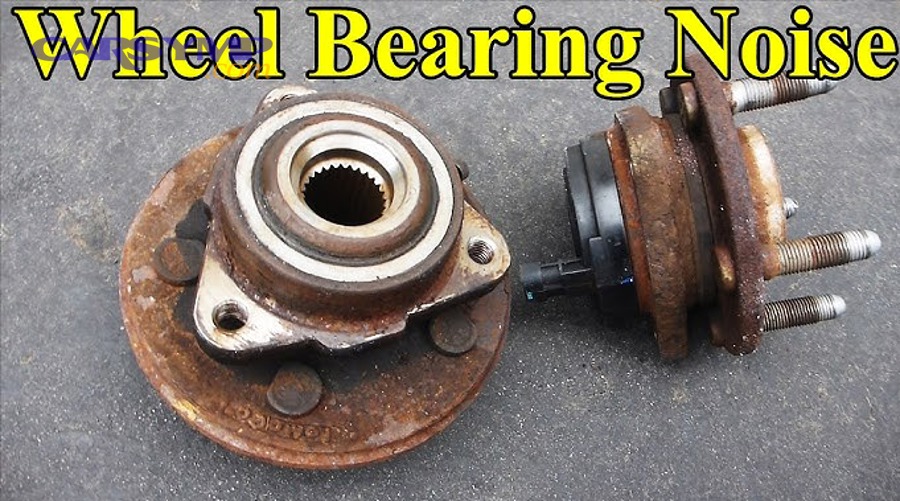
Your vehicle typically uses either a unitized hub assembly or a press-in bearing, and that affects diagnosis because some designs stay tight while noisy and affects repair because hub units are often bolt-on while press-in bearings require specialized pressing tools and technique. This is the “why it varies” section that prevents surprises.
Next, connect this to modern symptoms: many newer vehicles integrate sensors into hub assemblies, and that can create warning lights or extra parts considerations.
Is a hub assembly (unit bearing) different from a press-in bearing?
Yes—hub assemblies are complete units (often with flanges and sensors), while press-in bearings are separate components installed into a knuckle, and the hub approach wins for replacement simplicity while press-in wins for part cost in some designs. That’s the practical difference.
However, the diagnostic effect is just as important:
- A sealed hub assembly can howl loudly with no obvious play.
- A press-in bearing may show roughness or looseness sooner depending on wear and installation quality.
Can a failing bearing trigger ABS/traction lights because of integrated sensors?
Yes—some wheel bearings can trigger ABS/traction lights because many hub assemblies incorporate or closely interface with wheel speed sensing components, and bearing damage can disrupt signal quality. The three reasons are sensor proximity, tone ring irregularities, and vibration-induced signal issues.
More specifically, if you have a hum plus intermittent ABS/traction behavior, don’t assume it’s “just electronics.” It can be mechanical noise affecting sensor stability.
Does improper axle-nut torque shorten bearing life or create repeat noise?
Yes—improper torque can shorten bearing life because bearing preload and clamping force affect internal loading, heat generation, and vibration, and incorrect torque can lead to premature wear or repeat wheel bearing noise after replacement. The three reasons are preload sensitivity, micro-movement, and uneven stress.
More importantly, this is where DIY jobs fail: the bearing is new, but the installation conditions are wrong. Following the correct torque procedure matters as much as buying the right part.
Are AWD/4WD vehicles more likely to confuse bearing noise with drivetrain hum?
Yes—AWD/4WD vehicles can complicate wheel bearing hum diagnosis because driveline components can produce similar drone frequencies, and the noise can feel more “everywhere,” especially under load. Those are the core reasons.
To apply Differential and drivetrain hum clues in AWD/4WD:
- If the noise changes more with throttle than with weaving, suspect driveline.
- If the noise remains corner-specific and reacts strongly to load transfer, suspect bearing.
- If you’re uncertain, a shop can use chassis ears to isolate the loudest corner.
Evidence (if any)
According to a study by Hanyang University from the Department of Mechanical Engineering, in 2022, researchers experimentally measured wheel-bearing noise and vibration and reported an RMS noise level of 53.4 dB(A) at 200 rpm, with dust-shield vibration around 0.76 m/s² compared to 0.19 m/s² at the outer ring—showing how vibration transmission can radiate as audible noise in assembled wheel-bearing systems. scholarworks.bwise.kr