


A humming noise that rises with vehicle speed almost always comes from something that rotates or “loads” as you drive—most commonly tires or wheel bearings—so the fastest way to solve it is to run a simple, repeatable checklist that ties the sound to speed, road surface, and steering load.
Next, the key fork in the road is separating tire-related drone from wheel-bearing hum, because both can sound like a steady “womp” at highway speeds but they react differently when you change lanes, drive on different pavement, or rotate tires.
Then, you also need safe triage: some causes are annoying but not urgent, while others can become unsafe quickly—so you should know exactly what symptoms mean “slow down and schedule service” versus “stop driving.”
Introduce a new idea: once you’ve narrowed the cause, you can either fix it yourself (pressure, rotation, quick inspections) or walk into a shop already knowing what tests they should run and what repairs actually solve the problem.
Is the humming (droning) noise getting louder with speed, and what does that usually indicate?
Yes—when a hum gets louder with speed, it usually points to rotating components (tires, wheel bearings, brakes, or driveline) because their vibration frequency and load increase as wheel speed rises. Next, the fastest way to turn that clue into an answer is to describe the noise precisely and test whether it reacts more to pavement texture or to steering load.
A speed-linked hum is different from many engine noises because it often stays present at a steady throttle, and it may even persist while coasting. That’s why drivers often report it as a “humming noise at speed” that starts around a certain mph and then becomes a constant drone.
To avoid chasing the wrong system, think in terms of what changes the sound:
- Speed changes (20 → 40 → 60 mph) change the frequency of rotation-related vibration.
- Road surface changes (smooth asphalt vs coarse concrete) change the way tire tread blocks hit the pavement.
- Steering load changes (gentle lane change left vs right) shift weight across wheel bearings and tires.
Those three levers—speed, surface, steering—are the foundation of every accurate diagnosis.
What is a “humming” vs “droning” noise at speed, and how do you describe it accurately?
A humming or droning noise at speed is a steady, tonal “roar” caused by repeating vibration cycles from tires, bearings, brakes, or driveline parts, and it’s defined by when it appears, where you hear it, and what driving inputs change it. Then, once you describe it consistently, your checklist results become reliable instead of subjective.
Use this quick description template (it prevents vague notes like “it’s loud”):
- Speed window: “Starts at 35 mph, loudest at 55–70 mph.”
- Pitch vs volume: “Pitch rises with speed” vs “same pitch, just louder.”
- Location: “Front left floor,” “rear seat area,” “through steering wheel,” “through seat.”
- Surface sensitivity: “Much louder on concrete,” “almost gone on fresh asphalt.”
- Steering sensitivity: “Louder when turning left,” “quieter when turning right.”
- Load sensitivity: “Worse on acceleration,” “same on coast,” “changes with light brake.”
That template matters because tires are usually surface-sensitive, while wheel bearings are often steering-load-sensitive. If you write those reactions down, you stop guessing.
A practical tip: if you can safely do so, let a passenger listen and note whether the sound seems to come from the front or rear. The human ear localizes better when the driver isn’t focused on controlling the vehicle.
Does the noise change on different road surfaces (smooth vs rough)?
Yes—if the drone changes dramatically between smooth asphalt and coarse concrete, tires are often the top suspect because tread pattern and road texture interact directly to create repeating noise. Specifically, this surface test is one of the quickest ways to separate tire roar from bearing hum without lifting the vehicle.
Run the surface test like this:
- Choose two nearby road types (e.g., a concrete section and an asphalt section) at the same speed.
- Keep steering steady, keep windows closed, and maintain a constant throttle.
- Note whether the sound becomes much louder/rougher on one surface.
What the results tend to mean:
- Big difference by surface: tread pattern noise, cupping/scalloping, tire construction, or tire balance issues.
- Little difference by surface: wheel bearing, brake drag, driveline, or exhaust resonance is more likely.
Evidence: According to a study by the University of Jordan from the Department of Civil Engineering, in 2023, an increase in pavement roughness by 1 m/km was associated with an interior noise increase of about 3.9 dB(A), and increasing speed by 10 km/h increased interior noise by about 1.6 dB(A)—showing why surface and speed tests are meaningful.
What’s the fastest causes checklist to diagnose humming at speed step-by-step?
There are 6 main checklist steps to diagnose a speed-related hum: baseline the noise, test road surface, test gentle left/right steering load, test acceleration vs coast, pinpoint location, and do quick visual checks. Then, each step narrows the culprit set so you’re not replacing parts blindly.
Here’s the checklist flow you can follow in under 20 minutes of safe driving plus a short driveway inspection:
- Baseline: Identify the speed range where the noise starts and peaks.
- Surface test: Compare smooth vs rough pavement at the same speed.
- Steering load test: Gentle lane-change left vs right at the same speed.
- Load test: Compare light acceleration vs steady cruise vs coasting (in gear).
- Location test: Front vs rear, left vs right, and whether you feel vibration.
- Quick checks: Tire condition, tire pressure, visible brake shield contact, and obvious exhaust rattle.
The “secret” is that you’re not looking for a single clue—you’re looking for a pattern that repeats.
Does the humming change when you gently steer left/right at the same speed?
Yes—if the humming changes during gentle left/right steering at the same speed, wheel bearings become more likely because steering shifts load onto one side of the bearing and unloads the other. Next, this load-shift clue becomes even stronger if the change is consistent every time you repeat the test.
How to do it safely:
- Pick a straight, low-traffic road at a steady speed where the noise is clear.
- Make a gentle lane change left, then right—no abrupt moves.
- Listen for a consistent pattern:
- Louder when steering left often suggests the right-side bearing is loaded and noisier.
- Louder when steering right often suggests the left-side bearing is loaded and noisier.
This isn’t a perfect rule for every vehicle, but it’s a high-value test. If you do it three times and get the same result each time, that consistency is your best friend.
Also note whether the steering load test changes the volume more than the pitch. Bearing hum often changes volume with load, while tire noise often changes with surface texture and rotation position.
Does the noise change when accelerating vs coasting in gear?
Differential and drivetrain hum clues show up when the noise changes with load: acceleration tends to amplify driveline/differential problems, while tire and bearing hum often stays similar on accel and coast at the same speed. Then, once you observe the load reaction, you can place the issue in “rolling” versus “powertrain load” buckets.
Use a simple three-part observation at the same speed band:
- Light acceleration (just enough to maintain speed uphill)
- Steady throttle on flat
- Coasting in gear (foot off throttle, same speed dropping slowly)
Common interpretations:
- Worse on acceleration: differential gear whine/hum, driveshaft or CV joint load issues, or mounts.
- Same on accel and coast: tires, wheel bearings, brake shield rub, or a constant exhaust resonance.
- Worse on coast/decel: sometimes driveline backlash or certain gear mesh issues.
Safety note: avoid shifting into neutral for this test on public roads; in-gear coast is usually sufficient and safer.
Where is the noise coming from (front vs rear, left vs right), and how can you pinpoint it?
A speed-related hum is easiest to pinpoint by combining “where you feel it” (steering wheel vs seat) with “where it sounds loudest” (front footwell vs rear cabin) and confirming with a short walk-around inspection. Next, location cues make your next step—tire rotation or bearing inspection—far more targeted.
Use this practical mapping:
- Steering wheel vibration + sound in front: front tires, front bearings, or front brakes.
- Seat/floor vibration + sound in rear: rear tires, rear bearings, differential/driveshaft.
- Sound shifts left/right with steering load: often a bearing or a single tire with irregular wear.
- Noise seems “under the middle” at highway speed: driveshaft center support bearing (some vehicles) or exhaust resonance.
If you want a quick, low-effort aid, you can record a short audio clip from the center console at the speed where the noise peaks (do this safely, preferably with a passenger). When you replay it, you’ll often hear whether it’s a smooth “whooooo” (tire roar) or a rougher growl (bearing).
Is it tires or wheel bearings: which is more likely based on symptoms?
Tires win as the most likely cause when the sound changes by road surface and tread wear pattern, wheel bearings are more likely when the sound changes with left/right steering load, and driveline becomes more likely when the sound changes with acceleration load. However, the most reliable confirmation comes from combining tests rather than trusting a single symptom.
Below is a quick “symptom-to-suspect” table; it’s helpful because it shows what each cause is best at explaining.
This table summarizes what your checklist observations usually indicate:
| Observation you can repeat | Most likely cause | Why it fits |
|---|---|---|
| Much louder on rough concrete than smooth asphalt | Tires | Tread blocks and texture create repeating impact noise |
| Loudness changes when gently steering left vs right | Wheel bearing | Load shifts across bearing races |
| Noise changes after rotating tires front↔rear | Tires | The noisy tire moved to a different position |
| Worse on acceleration than steady cruise | Differential/driveline | Gear mesh/load increases under torque |
| Light brake application changes the sound | Brakes/shields | Rotor drag or shield contact responds to braking |
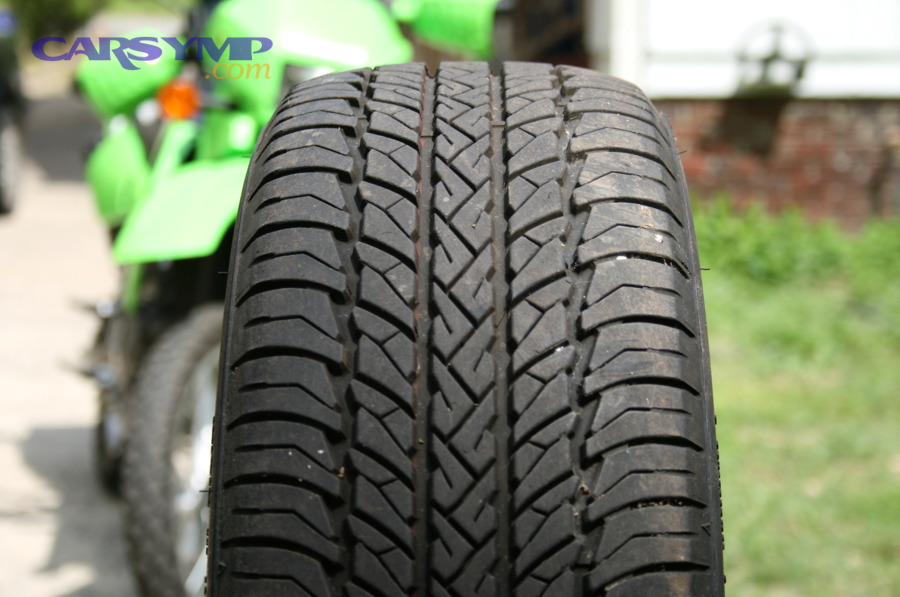
Do tires cause a humming noise at speed, and what tire issues should you check first?
Yes—tires commonly cause a humming noise at speed for at least three reasons: irregular tread wear (cupping/scalloping), incorrect inflation or balance, and tread design/aging that increases road roar. Next, tire checks are fast and cheap, so they should be your first stop before you assume a bearing or differential failure.
Start with the highest-yield tire issues:
- Cupping/scalloping (uneven “dips” around the tread)
- Often tied to worn shocks/struts, imbalance, or missed rotations.
- Creates a rhythmic “womp-womp” or steady drone that rises with speed.
- Feathering (sharp edges on tread blocks)
- Often tied to alignment issues (toe).
- Can sound like a constant hum and feel slightly rough when you run your hand across the tread (carefully, vehicle off).
- Out-of-balance tire or bent wheel
- Often adds vibration; sometimes the noise is more noticeable at one speed range.
- Tire pressure far from spec
- Can change how the tread contacts the road and increase noise or vibration.
- Tread type and age
- Aggressive tread blocks, hardening rubber, and certain patterns naturally roar more over time.
Quick driveway method: run your palm lightly over the tread (vehicle parked). If it feels like repeating high/low spots, that’s consistent with cupping.
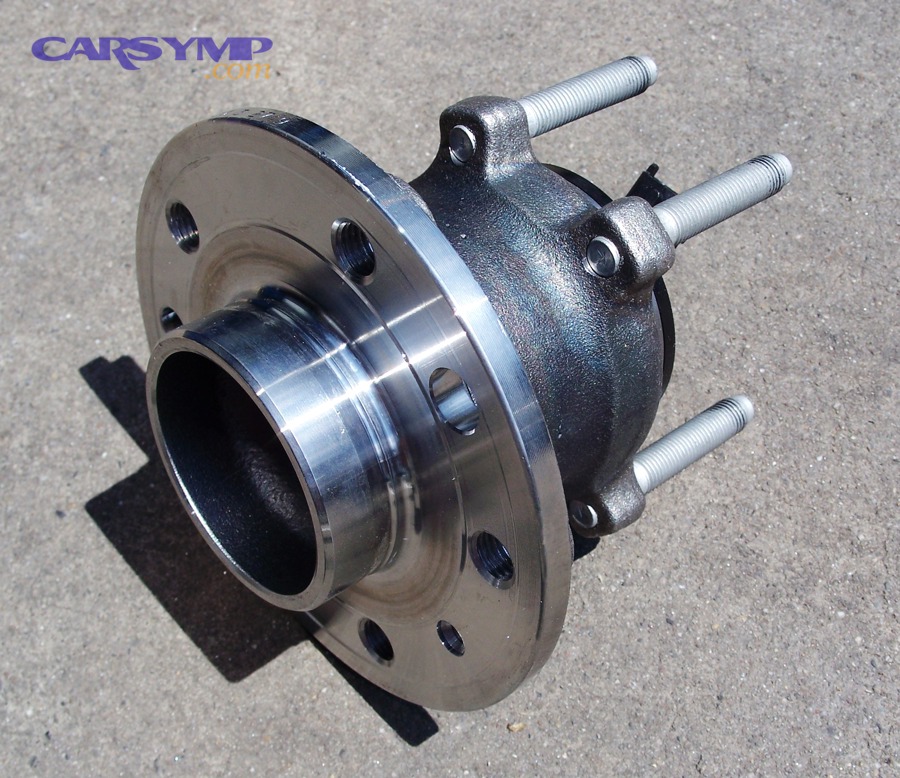
Do wheel bearings cause a humming noise at speed, and what are the telltale signs?
Yes—wheel bearings can cause a humming noise at speed for at least three reasons: damaged rolling surfaces that growl under load, heat buildup as friction increases, and progressive looseness that can add vibration and instability. Then, the hallmark is that the sound often changes when the vehicle’s weight shifts left or right.
What to look for after you’ve seen a steering-load effect:
- Noise changes during gentle lane changes (repeatable).
- A rough growl that increases with speed even when road surface changes.
- Heat near one hub after a drive (careful: components can be hot).
- Play or roughness when the wheel is lifted and spun (only if you know safe lifting procedures).
Evidence: According to Kelley Blue Book in 2025, early wheel bearing failure commonly presents as a low humming or whirring sound that intensifies as the failure progresses, often alongside increased vibration and potential wheel wobble—supporting why a humming diagnosis should not be ignored if it’s worsening.
If you rotate tires, will the humming move or change—and what does that prove?
Yes—if you rotate tires and the humming moves or changes, it strongly suggests the noise source is tire-related, because the “noisy tread” moved to a different corner and changed how the sound transfers into the cabin. Next, interpreting the result correctly keeps you from replacing a perfectly good hub assembly.
Here’s how to use tire rotation as a diagnostic tool:
- If the noise shifts from front to rear after rotation: suspect tires.
- If the noise stays in the same corner and steering-load test still points there: suspect bearing.
- If the noise becomes smoother but not gone: you may have more than one contributing issue (e.g., mild cupping + a starting bearing).
Important caution: don’t rotate if your tires are directional and you don’t know the proper pattern. If in doubt, have a shop rotate them and tell them the goal is diagnosis, not just maintenance.
What other common causes belong on the checklist besides tires and wheel bearings?
There are 5 other common cause groups for a speed-related hum: brakes and shields, CV joints/axles, differential and driveshaft components, exhaust contact/resonance, and aerodynamic noise from exterior add-ons. Moreover, covering these prevents “false tire/bearing” conclusions when the real culprit is a rubbing shield or a load-dependent driveline issue.
A key principle: the more tonal and speed-locked the sound is, the more you should focus on rotating/contact issues. The more it’s load-locked (changes with acceleration), the more you should focus on drivetrain.
Can brakes (rotors, dust shields, stuck calipers) create a hum at speed?
Yes—brakes can create a speed-related hum for at least three reasons: a bent dust shield lightly rubbing the rotor, uneven pad contact from a sticking caliper, or rotor surface issues that create periodic friction noise. Next, the fastest brake clue is whether light braking changes the sound.
Try this safe check:
- At the speed where the hum is clear, apply very light brake pressure for 1–2 seconds (no hard braking).
- Observe:
- Noise changes immediately: brake drag or shield rub becomes more likely.
- No change at all: brakes are less likely the primary cause.
Then do a quick visual:
- Look behind the wheel for a dust shield that appears bent inward.
- Listen for a light scraping sound at low speeds after a drive.
- After parking, smell for an overheating brake (sharp, hot odor), which can suggest a dragging caliper.
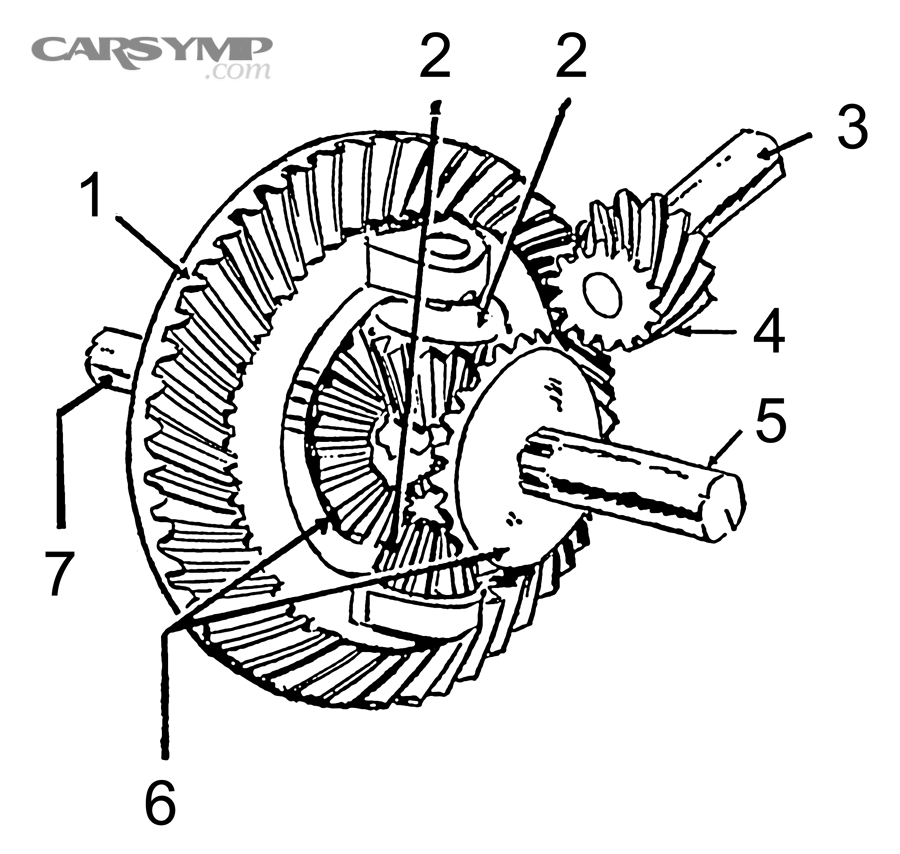
Can CV joints, axles, differential, or driveshaft issues cause a highway drone?
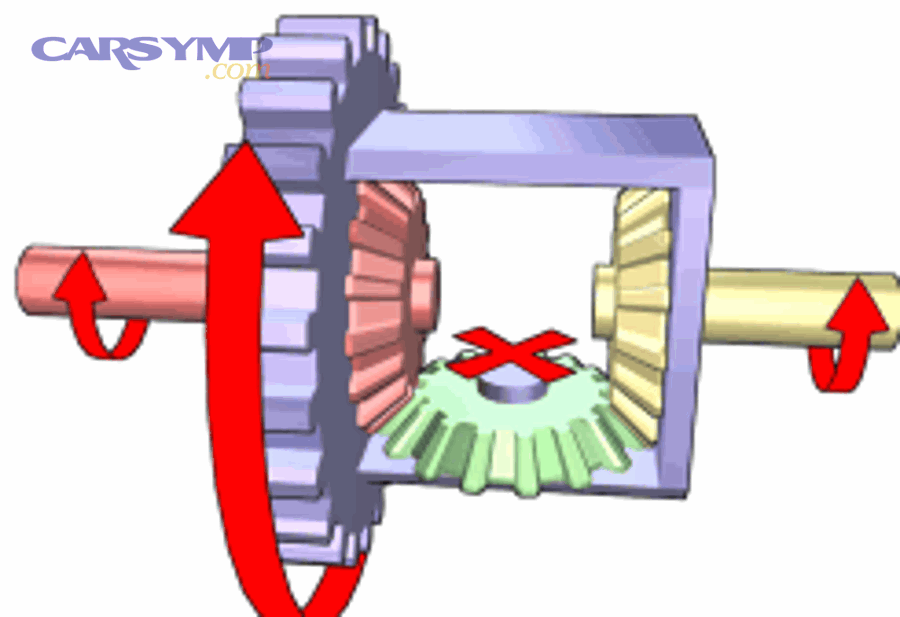
Yes—driveline components can cause a highway drone for at least three reasons: gear mesh noise in the differential, vibration from a worn CV/axle joint under torque, or imbalance/wear in driveshaft support components. Then, the defining trait is usually load sensitivity—the sound changes when you accelerate.
This is where “Differential and drivetrain hum clues” matter most. Watch for:
- Worse on acceleration: differential gear noise becomes more suspect.
- Vibration through floor at speed: driveshaft or axle imbalance (vehicle-dependent).
- Sound tied to a specific speed band: resonance can amplify a smaller driveline issue.
Also note: some differentials produce more of a “whine” than a “hum,” but drivers often label both as humming because the cabin blends frequencies.
If your vehicle is AWD/4WD, also consider that additional rotating parts can create more opportunities for load-dependent noise, especially after long intervals without fluid service or after suspension height changes.
Could it be exhaust or aerodynamic noise instead of a rotating component?
Exhaust resonance wins when the sound is tied to engine load and cabin vibration, wheel hum is more tied to speed and surface, and aerodynamic noise is most tied to airflow and crosswinds—so you can separate them by testing load, speed, and wind exposure. Next, this “Exhaust resonance vs wheel hum comparison” prevents you from replacing tires when the real issue is a vibrating heat shield or a roof accessory.
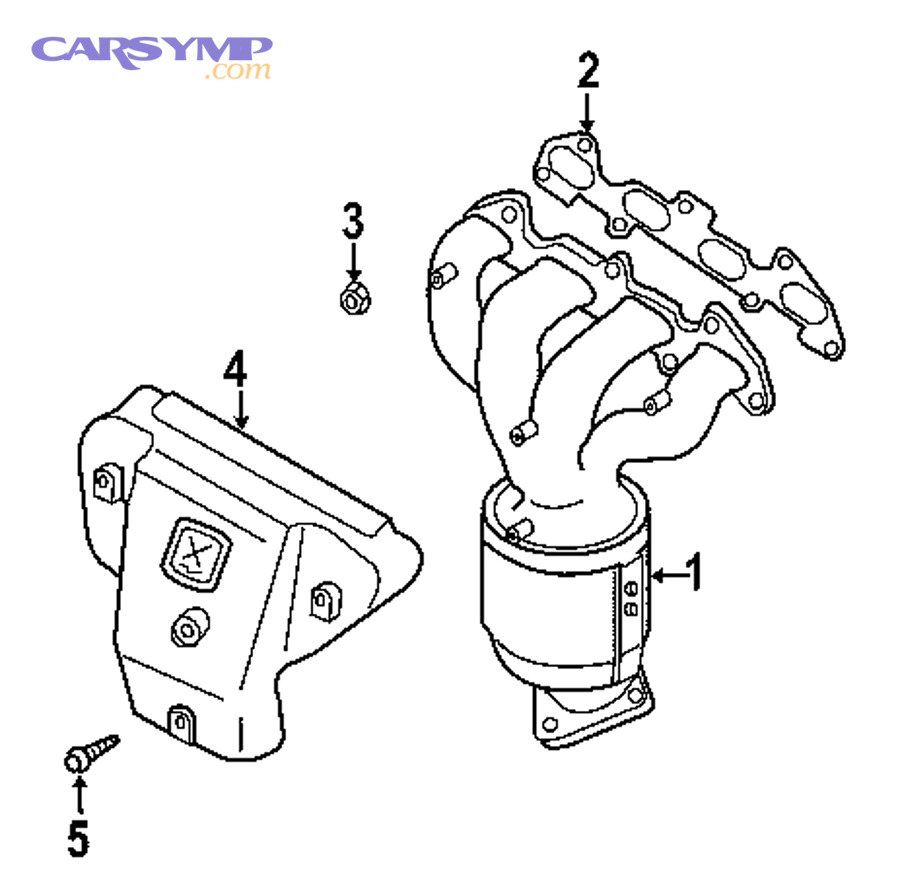
Use these distinctions:
- Exhaust resonance
- Often changes with engine rpm/load.
- May show up at a specific rpm on the highway.
- Can cause a booming cabin sensation.
- Wheel/tire hum
- Tracks vehicle speed closely.
- Often changes with pavement type.
- Aerodynamic noise
- Often worsens with wind and at higher speeds.
- Can change if you crack a window slightly or remove a roof rack.
Quick checks:
- Inspect for loose exhaust hangers and heat shields (they can buzz and resonate).
- If you recently added a roof rack, crossbars, or window deflectors, consider them as a “new variable.”
- Listen for whether the noise is louder near the rear hatch area (often exhaust-related) versus near a wheel well.
Is it safe to drive with a humming noise at speed, and when should you stop?
Yes, it can be safe to drive short-term with a mild hum—but only if there are no red flags, because humming can come from benign tire roar or from a worsening bearing that can become unsafe quickly. Next, the smartest approach is to apply “Safe-to-drive guidance with humming noise” using a strict red-flag checklist.
Start by separating annoying from dangerous:
- Annoying often means: surface-dependent tire noise, minor tread wear, mild imbalance.
- Dangerous often means: rapidly worsening noise, heat at a hub, wobble, grinding, or severe vibration.
Are there red-flag symptoms that mean “pull over and tow”?
Yes—if you have a humming noise plus any of these red flags, you should stop driving because the risk of wheel instability, brake failure, or drivetrain damage rises sharply. Then, it’s worth being conservative because the cost of getting it wrong is high.
Red flags include:
- Grinding, crunching, or metal-on-metal sounds (especially if sudden).
- Steering wobble, wheel shake, or a “loose wheel” feeling.
- Strong vibration that rapidly worsens with speed.
- Burning smell near a wheel or visible smoke after stopping.
- A hub area that’s unusually hot compared to other wheels (carefully check without touching hot metal).
- ABS/traction control warnings that appear alongside new noise (can happen when bearing/hub sensors are affected).
If you notice any of these, don’t “test it a little longer” at highway speeds. Reduce speed, find a safe place to stop, and arrange service.
When is it okay to keep driving short-term, and what limits should you follow?
Yes—if the hum is mild, stable, and you have no red flags, you can usually drive short-term while you schedule diagnosis, but you should limit speed, avoid long highway trips, and re-check for changes after each drive. Next, conservative limits reduce risk while still letting you function.
Use these practical limits:
- Keep speeds moderate (avoid the speed band where noise peaks if possible).
- Avoid long trips until you confirm the cause.
- Avoid heavy loads/towing that increase bearing and drivetrain stress.
- Re-check daily: does the sound worsen, does steering change, does vibration increase?
A safe rule: if the noise is getting worse week to week, treat it as urgent even if the car still “drives fine.”
What will a mechanic do to confirm the cause, and what are the typical fixes?
A mechanic confirms a speed-related hum by reproducing it on a road test, isolating the source with targeted checks (tires, bearings, brakes, driveline), and verifying with tools like balancing machines or chassis microphones; the fix then matches the confirmed source. Then, knowing the process helps you ask for the right tests and avoid guesswork repairs.
When you arrive with notes from your checklist (surface test, steering-load test, accel/coast test), you’re giving the shop actionable information. That often saves diagnostic time—and it reduces the chance of “replace parts until it stops.”
What tests confirm tire-related humming (balance, alignment, road-force), and what fixes help?
Tire-related humming is confirmed by tests that measure or change how the tire rolls—balance checks, alignment checks, tire rotation results, and road-force measurement—because these directly affect tread contact and vibration. Specifically, a shop can prove the tire is the source by showing the noise moves with the tire or improves after correction.
Common confirmation tests:
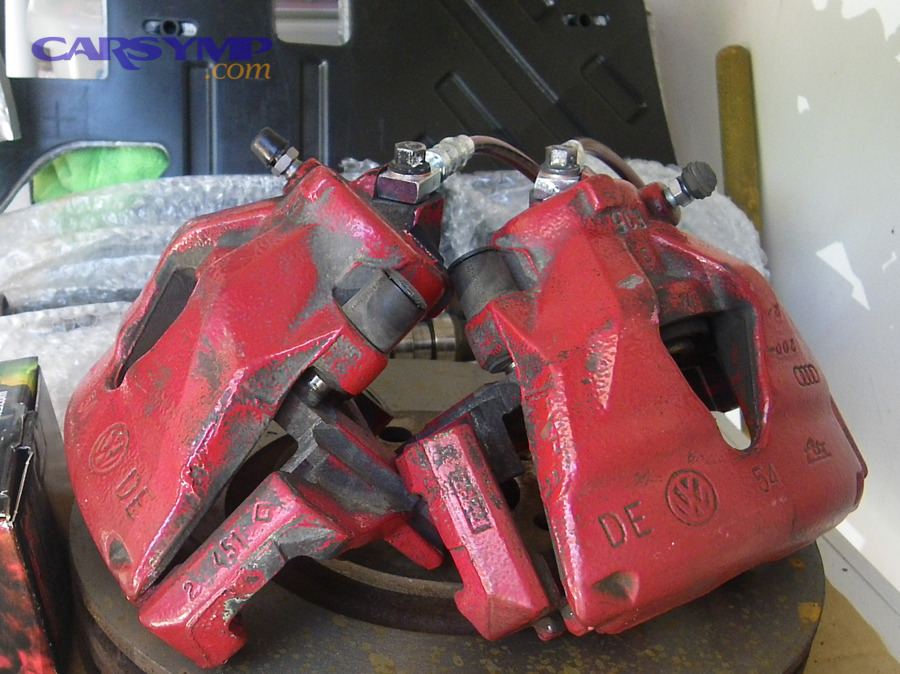
- Tire inspection for irregular wear (cupping, feathering, flat spots).
- Balance check (standard dynamic balance).
- Alignment measurement (toe/camber issues that cause feathering).
- Road-force variation testing (on certain equipment) to identify tires that roll “out of round” under load.
- Rotation test documented (noise moves after tires change positions).
Typical fixes:
- Correct tire pressure to spec.
- Rotate tires and re-evaluate.
- Balance tires; replace a bent wheel if found.
- Align the vehicle if wear suggests toe/camber issues.
- Replace tires if cupping is severe or the rubber has hardened.
Evidence: According to a research report by the University of Texas at Austin from the Center for Transportation Research, in 2015, tire/pavement noise measurement methods show roadway surface characteristics and rolling conditions can materially affect noise outcomes—supporting why proper tire condition and surface interaction are central to diagnosing tire-origin hum.
What tests confirm bearing/driveline humming, and what repairs are common?
Bearing/driveline humming is confirmed by load-sensitive road testing, lift inspections for play/roughness, temperature checks, and source-isolation tools (like chassis microphones), because these identify which rotating assembly produces the vibration. Next, once confirmed, the fix is usually replacement of the failing component rather than adjustment.
Typical confirmation steps:
- Road test with gentle lane-change load shifts to see if noise changes consistently.
- Lift inspection
- Wheel play checks (as appropriate for the vehicle design).
- Spin and listen for roughness (with safety protocols).
- Hub temperature comparison after a drive (one hub hotter than others can be a clue).
- Chassis microphones (“chassis ears”) to isolate which corner or driveline area is loudest.
Common repairs:
- Replace the wheel bearing or complete hub assembly (many modern vehicles).
- Service or replace driveline components (CV axles, U-joints, center support bearing) if confirmed.
- Differential service (fluid) and further inspection; repair depends on internal wear severity.
Evidence: According to a study by the University of California, Davis from the Pavement Research Center, in 2010, measured tire/pavement noise trends were used to identify surface texture relationships and noise levels—underscoring why “rolling system” noise must be isolated from other vehicle sources before major repairs.
How do you prevent humming (or fix recurring drone) after repairs or new tires?
Preventing recurring humming comes down to 4 habits: maintain correct tire pressure, rotate on schedule, keep alignment and suspension healthy, and eliminate new resonance sources after changes—so the vehicle stays quiet instead of re-developing a drone. Then, once you treat prevention as part of the fix, the noise is far less likely to return.
This is where many drivers get stuck: they replace tires, the noise improves, and then it comes back because the cause of the irregular wear (worn shocks, misalignment, imbalance) never changed.
Can uneven tire wear (cupping/feathering) come back, and what maintenance stops it?
Yes—uneven wear can return because the underlying causes (weak damping from shocks/struts, imbalance, misalignment, or skipped rotations) keep forcing the tire to bounce and scrub, recreating the same pattern. Next, the prevention plan is straightforward and measurable.
Use this maintenance set:
- Check tire pressure monthly (and before long trips).
- Rotate on a consistent interval (your manual’s guidance is best; don’t “wait until it looks worn”).
- Balance when you rotate if you feel new vibration or you’ve hit potholes.
- Align the vehicle if you see feathering, steering pull, or rapid edge wear.
- Inspect shocks/struts if you see cupping or the vehicle bounces excessively.
A useful mindset: tire noise is often the symptom, while worn suspension or alignment is the cause.
Do aggressive tread tires (A/T, M/T) naturally hum at highway speeds—and how do you reduce it?
Yes—aggressive tread tires naturally hum at highway speeds because larger tread blocks and voids create stronger repeating air-pumping and impact noise, especially on certain pavements. However, you can reduce the drone without “fixing” something that isn’t broken.
Practical reduction steps:
- Confirm pressure is at spec (some drivers run too high and increase harshness/noise).
- Rotate more consistently; aggressive tires can develop uneven wear that amplifies noise.
- Choose quieter pavement routes when possible (concrete can be louder for some tread types).
- If the drone is unacceptable, select a less aggressive tread design next time.
The goal here isn’t silence—it’s realistic expectations plus wear control.
After lifting/leveling a vehicle, can driveline angles create a new drone at speed?
Yes—after a lift or leveling kit, driveline angles can create a new drone because the driveshaft and joints run at altered angles that can introduce vibration and resonance at highway speeds. Next, if the noise began after a suspension height change, treat that timing as your strongest clue.
What to watch for:
- Noise appears after the lift and is strongest at a specific speed band.
- Vibration feels more through the floor than the steering wheel.
- The noise changes under acceleration (torque changes joint angles slightly under load).
In these cases, the fix may involve driveline adjustments (vehicle-specific) rather than tires or wheel bearings.
Could “humming” actually be wind/aero noise, and how do you confirm the difference?
Yes—wind/aero noise can masquerade as humming because it also rises with speed, but it’s usually more sensitive to crosswind, window position, and exterior accessories than to pavement or steering load. Then, confirming it is about changing airflow—not changing tire position.
Quick confirmation ideas:
- Note whether the noise is worse on windy days or when passing large trucks.
- Crack a window slightly (only if safe) and see if the sound character changes.
- Remove or reposition a recent add-on (roof rack/crossbars) and compare.
If the sound disappears after an accessory change, you’ve solved the wrong category—successfully.