


A drivetrain hum is diagnosable if you treat it like a pattern: when the sound appears, how it changes, and where you feel it can usually narrow the cause to tires, wheel bearings, the driveline, or the differential itself. You don’t need to guess—you need a repeatable set of clues.
Next, the fastest win is to rule out lookalikes before blaming the differential. Many “rear-end hum” complaints are actually tire tread noise or a wheel bearing that only shows itself under certain steering loads, so your first job is to separate speed-based road noise from true drivetrain noise.
Then, once you’ve confirmed it’s driveline-related, you can use load vs coast (accel vs decel) and turning behavior to point toward pinion bearings, carrier bearings, ring-and-pinion wear, U-joints/driveshaft imbalance, or CV/axle issues—with simple tests you can do safely.
Introduce a new idea: after you’ve narrowed the source, you can decide whether it’s safe to keep driving, what a reasonable repair path looks like, and when AWD/4WD or limited-slip systems change the diagnosis.
Is the humming noise actually coming from the differential or from tire/wheel “lookalikes”?
No—many cases that feel like a differential hum are not the differential, because (1) tire tread patterns can create a humming noise at speed, (2) wheel bearings can mimic drivetrain sounds under load shifts, and (3) exhaust/cabin resonance can mask as a “rear-end” drone. To better understand what you’re hearing, you want quick “separators” that change one variable at a time.
Does the hum change when you steer slightly left or right at the same speed?
A steering “sweep” test often points away from the differential because wheel bearing noise typically changes when you shift load side-to-side, while a true differential hum usually tracks vehicle speed more consistently and doesn’t react sharply to small steering inputs.
How to do it safely (road test):
- Choose a smooth, lightly traveled road at a steady speed where the hum is obvious.
- Keep throttle steady (don’t accelerate or brake).
- Make gentle lane-position changes (small left-right sweeps), not aggressive swerves.
How to interpret the result:
- Gets louder when you steer left (loading the right side): often suggests a right-side wheel bearing.
- Gets louder when you steer right: often suggests a left-side wheel bearing.
- Barely changes with gentle steering: more consistent with tire noise, differential, or driveline.
Keep the hook chain tight: if steering changes the sound, your “differential hum” may actually be a bearing or tire issue—so you should test tires next.
Does the hum change after rotating tires front-to-back or swapping to a spare?
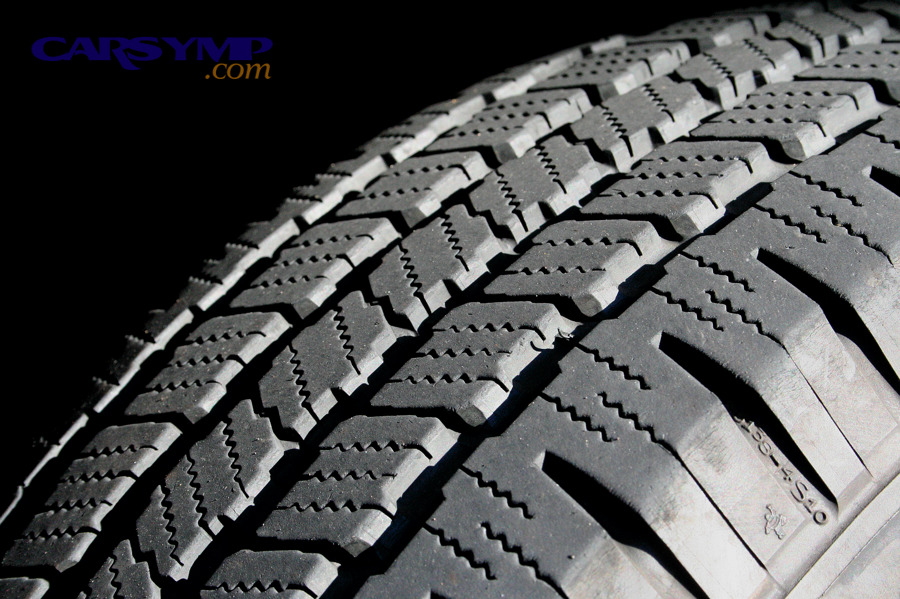
Yes, tire changes are one of the most reliable DIY tests to narrow down humming sources because tread pattern, uneven wear, and cupping can create a smooth “drone” that rises with speed and survives multiple drivetrain parts swaps.
This is where Tire cupping and road noise identification matters: cupped tires can “sing” at certain speeds, especially as they develop scalloped wear blocks that slap the road rhythmically.
Fast checks that don’t require special tools:
- Run your palm lightly over the tread (front-to-back). If it feels wavy or sawtooth, the tire can hum.
- Rotate front-to-back (or swap left-right if directional rules allow) and repeat the same speed test.
- If you have a full-size spare, swap one rear tire at a time and test.
Interpretation:
- Noise moves or changes noticeably after rotation/swapping → strongly points to tires.
- Noise stays identical → keep suspecting wheel bearings, driveline, or differential.
According to a study by University of Twente from the Mechanical Engineering / vibro-acoustics research context, in 2010, interior tire-road noise was described as transferring to occupants through air-borne and structure-borne paths, explaining why tire noise can feel “drivetrain-like” inside the cabin. (ris.utwente.nl)
Is the noise more of a cabin drone that changes with throttle but not with speed?
Yes—if the sound behaves like a low-frequency cabin resonance (a pressure-like booming or droning sensation) and changes with slight throttle openings, it can be exhaust or resonance-related rather than a differential hum.
Quick differentiators:
- If you can reduce the drone by slightly changing throttle (even 2–5%) without changing speed much, that’s a resonance clue.
- If the sound is stronger with windows up and feels like pressure in your ears, that also leans resonance.
- If shifting to a different gear changes engine RPM but the noise stays tied to road speed, resonance is less likely than tires/bearings.
Here’s why this happens in plain terms: the cabin can amplify a narrow band of frequencies, and certain operating conditions excite that band.
According to a study by Eindhoven University of Technology from the vehicle acoustics research/reporting context, in 2004, groove/pipe resonances in tread features can produce pronounced tonal peaks around ~1 kHz when groove lengths align with resonant conditions—illustrating how “road noise” can masquerade as mechanical hum at specific speeds. (pure.tue.nl)
What is a “differential hum,” and how is it different from whine, howl, rumble, or clunk?
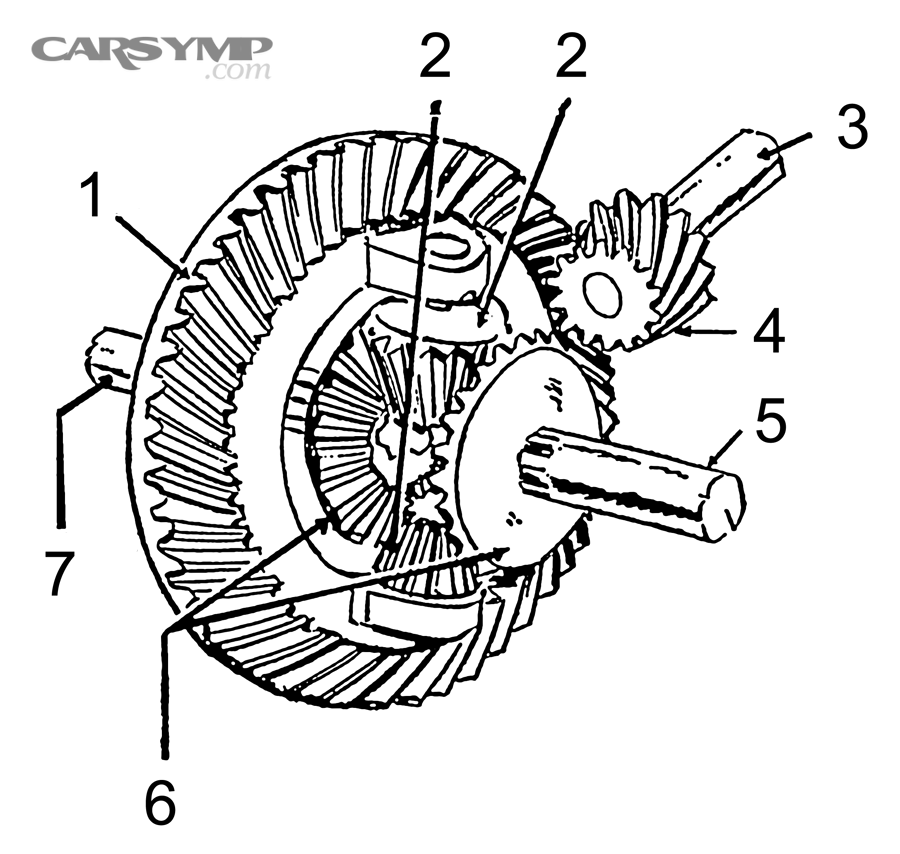
A differential hum is a steady, speed-related tonal noise typically linked to bearing support or gear contact stability in the final drive, and it differs from whine/howl (often gear mesh or pinion-related), rumble/growl (often bearings), and clunk (often backlash or broken parts). Next, you’ll get the most diagnostic power by naming the sound correctly—because each sound family has a “most likely” set of causes.
What does a steady hum at highway speeds usually indicate?
A steady hum at highway speeds often indicates tire noise, wheel bearing noise, driveshaft/driveline vibration, or differential carrier bearing wear, in that order—because tires and bearings are statistically common and can sound deceptively “mechanical.”
Use this mini-checklist:
- If it starts at a specific speed band (like 45–55 mph) and stays similar above it, suspect tire pattern noise first.
- If it rises smoothly with speed and you also feel vibration in the floor/seat, suspect wheel bearing or driveline.
- If it’s rear-biased and accompanied by gear oil smell/leak, keep differential bearings on the list.
Practical note: a differential hum is more convincing when it comes with other differential-adjacent clues (leaks, fluid condition changes, noise on load/coast).
What does a whine/howl on acceleration vs deceleration suggest?
Whine/howl under acceleration often points toward ring-and-pinion wear or setup issues, while a whine/howl that shows up on deceleration (coast) often points toward pinion bearing preload/support changes. However, you should keep the hook chain: this only matters after you’ve ruled out tire and wheel bearing lookalikes.
A useful mental model is “load direction changes gear contact”:
- On acceleration, gears load on the drive side of the tooth.
- On deceleration, they load on the coast side.
- If noise is strongly one-sided (only accel or only decel), it often reflects contact/preload differences rather than a random tire noise.
Industry diagnostic summaries consistently map decel-only whir/whine to pinion bearings or preload and accel whine/howl to ring-and-pinion setup/wear. (differentials.com)
What does a rumble or growl that increases with speed suggest?
A rumble/growl that increases with speed usually suggests a bearing family problem—often wheel bearings, sometimes differential carrier bearings—because bearing damage tends to create broad, low-frequency vibration that scales with rotational speed.
Here’s how to separate the two:
- Wheel bearing growl often reacts to steering load shifts (left/right sweep test).
- Carrier bearing rumble may be more rear-localized and sometimes changes with turning on certain axle designs.
The key is consistency: a true bearing rumble usually doesn’t “come and go” with tiny throttle changes the way resonance might.
Which noise clues help you pinpoint the failing part in the driveline system?
There are four main clue groups you can use to pinpoint driveline noise: (1) load vs coast behavior, (2) speed scaling, (3) vibration + feel, and (4) turning/geometry sensitivity—and each group narrows the suspect list differently. Below, we’ll turn those clues into practical “if this, then that” logic you can apply on your next drive.
What does a hum that gets louder under throttle (load) usually point to?
A hum that gets louder under throttle usually points to gear contact/bearing loading in the final drive or driveline angle/imbalance that becomes more obvious when torque loads the shaft.
Use a two-step confirmation:
- Hold a steady speed where the hum exists.
- Very gently add throttle (without a downshift if possible).
If the hum increases with load, likely suspects include:
- Differential gear contact instability (wear/setup)
- Pinion bearing support issues
- Driveshaft angle/imbalance that worsens under torque
If the hum doesn’t change with load at all, you’re back to tires/wheel bearings as the prime suspects.
What does a hum that appears mainly on deceleration (off-throttle) point to?
A hum/whir mainly on deceleration often points to pinion bearing support/preload or coast-side gear contact differences, because deceleration shifts the loaded contact pattern.
This is one of the most “differential-ish” clues you can observe without tools. Diagnostic reference guides for differentials commonly associate decel-only whir with pinion bearing/preload rather than ring-and-pinion gears. (differentials.com)
Still, keep your chain of logic: confirm it’s not tire-related by repeating the test on a different road surface or after a tire rotation.
What does a rhythmic vibration + hum that changes with speed point to?
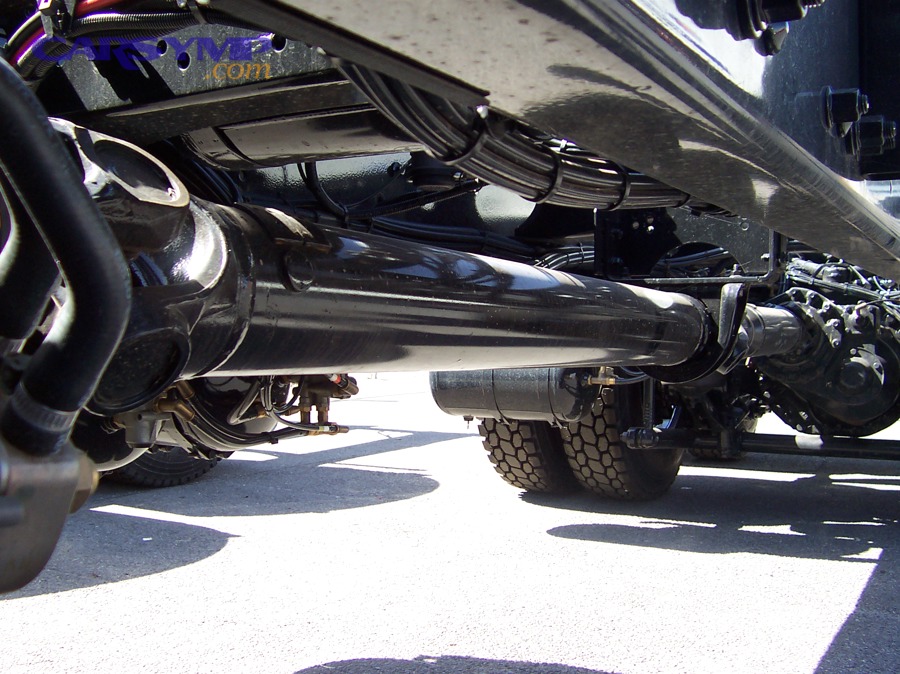
A rhythmic vibration plus hum that changes with speed often points to driveshaft imbalance, U-joint wear, or driveline misalignment, because rotating shaft issues create repeatable vibration cycles tied to shaft speed.
Common signs you’re in driveline territory:
- Vibration felt in the seat/floor more than the steering wheel
- A “buzz” that intensifies at certain speeds and can fade above/below them
- Clunk on takeoff or on/off throttle (often U-joint play)
This is where DIY tests to narrow down humming sources should include:
- Visual inspection of U-joint caps for rust dust
- Checking for play (with wheels chocked and safely lifted)
- Looking for missing balance weights on the driveshaft
According to a study by Düzce University from the Düzce University Journal of Science and Technology, in 2026, driveshaft balancing produced a ~65–70% reduction in vibration amplitude under demanding conditions (80 km/h on uneven surface), linking imbalance directly to cabin-perceived vibration. (dergipark.org.tr)
What does a hum that changes during turns (not just steering load) point to?
A hum that changes during turns can point to wheel bearings (steering-load effect), but if it changes with turning even when load shifts are minimal, it can also implicate differential side bearings or limited-slip behavior.
Interpretation framework:
- Sharp change with gentle left/right sweeps → wheel bearing more likely
- Change specifically during sustained cornering (like a long highway curve) → diff side bearings or axle-related issues can move up the list
- Chatter/binding on tight turns → limited-slip clutch/friction modifier issues become relevant (more in Supplementary)
What quick checks can DIY drivers do before visiting a shop?
You can do three quick checks before visiting a shop: (1) fluid condition check, (2) noise localization by repeatable road tests, and (3) driveline play inspection, and together they prevent wasted money on the wrong repair. Below, you’ll connect each check back to the hum pattern so you don’t collect “random data.”
Is the differential fluid low, burnt-smelling, or metallic—and what does each mean?
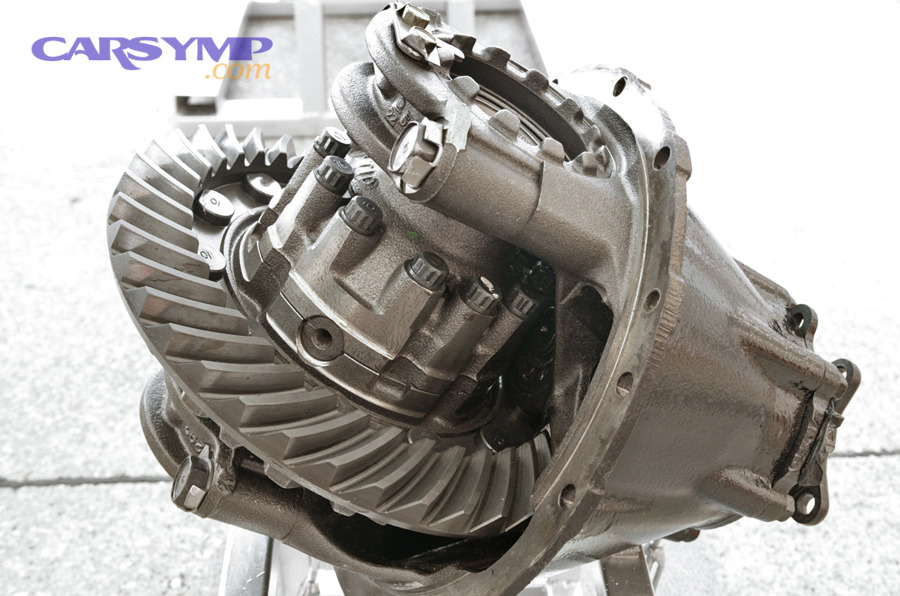
Differential fluid tells a story because it carries heat and debris from bearings and gears.
What each condition suggests:
- Low fluid level: leaks or neglect; can lead to bearing/gear wear and heat.
- Burnt smell: overheating from friction; can come from worn bearings or heavy load.
- Metallic “glitter”: early-stage wear; fine particles may be normal in small amounts after break-in, but heavy glitter is a warning.
- Chunks or slivers: higher risk of gear damage—this moves you into “don’t delay” territory.
Safety and practicality:
- Use the correct fill/check procedure for your axle type.
- Don’t confuse diff fluid with transfer case fluid on AWD/4WD vehicles.
If you’re planning budget next steps, this is where a Repair cost estimate by likely cause becomes useful. The table below summarizes typical repair directions (costs vary widely by vehicle, region, and parts availability, so treat this as planning range, not a quote).
What this table contains: common hum causes, what usually fixes them, and why the repair cost swings.
| Likely cause (based on clues) | Typical fix path | Why cost varies |
|---|---|---|
| Tire tread noise / cupping | Replace tires + alignment/suspension check | Tire type, size, and whether suspension parts caused the wear |
| Wheel bearing | Replace hub/bearing assembly | Press-in vs bolt-on hubs; rust; labor time |
| U-joint / driveshaft imbalance | U-joint replacement or shaft balancing | Shaft type, access, balancing availability |
| Differential bearings/gears | Bearing service or rebuild | Gear damage, setup complexity, parts availability, core exchange |
Can you safely localize the noise to front vs rear without special tools?
Yes—you can often localize drivetrain noise by changing only one variable at a time and repeating the same route.
Try this structured road test:
- Same road, same speed, same lane (reduces surface noise variables)
- Compare:
- Light throttle vs coast
- Slight left sweep vs slight right sweep
- Different pavement texture (smooth asphalt vs rough concrete)
Rear-localization cues (not perfect, but helpful):
- Noise feels strongest in the rear cargo area or “behind you”
- Sound transmits through the seat base more than steering wheel
- Load/coast behavior is pronounced
Front-localization cues:
- Steering wheel vibration or a front “growl” that changes with steering
To keep the chain: once you’ve localized, you can decide whether your next check is the tire swap, the bearing test, or the driveline play check.
Is there measurable looseness in the driveline (U-joints, axle shafts) that matches the symptom?
Yes—measurable looseness is a strong “physical confirmation” clue, because many humming-and-vibration complaints are ultimately rotational play or imbalance that you can feel by hand (with proper safety).
Safe inspection basics:
- Work on level ground.
- Use wheel chocks and jack stands (never rely only on a jack).
- With the vehicle safely supported, check:
- U-joint play (twist/rock the shaft)
- Axle flange play (if accessible)
- Obvious torn boots (CV/axle)
If you find driveline looseness plus speed-related vibration, your diagnosis is no longer “just a sound”—it’s a mechanical condition you can act on.
According to a study by Düzce University from the Düzce University Journal of Science and Technology, in 2026, balancing-related changes were large enough to reduce cabin-area vibration amplitude by about two-thirds, supporting the idea that driveline vibration sources can be confirmed and meaningfully corrected. (dergipark.org.tr)
Is it safe to keep driving with a differential/driveline hum?
It depends—but if the hum is accompanied by (1) rapid worsening, (2) vibration spikes, or (3) fluid loss/overheating signs, then no, it’s not safe to keep driving, because those are classic escalation signals for bearing or gear failure. Next, you’ll sort your situation into “monitor,” “schedule soon,” or “stop driving” so you’re making a risk decision—not a guess.
Are there “stop driving” red flags that signal imminent failure?
Yes—stop-driving red flags exist, and they’re worth memorizing because they often appear right before catastrophic driveline failure.
Stop or tow if you notice:
- Grinding, banging, or repeated heavy clunks
- A sudden jump in noise volume within a short drive
- Gear oil actively leaking or spraying
- Burning smell from the rear after a short drive
- Loss of drive, shuddering, or harsh engagement
These symptoms suggest the problem has moved beyond “annoying” into “damage propagation,” where continued driving can destroy gears, housings, or even create wheel-end hazards.
When should you book a diagnosis vs plan a rebuild/replacement?
A diagnosis is usually enough when the hum is stable, mild, and unaccompanied by debris/leaks, while a rebuild/replacement becomes more likely when the hum is progressive, load-sensitive, and supported by fluid/debris evidence.
Book a diagnosis soon when:
- The hum is consistent and you can reproduce it
- Tire and wheel-bearing tests are inconclusive
- You detect early metallic glitter but no chunks
Plan for rebuild/replacement when:
- Noise grows week-to-week
- Fluid is burnt/metallic and worsening
- There’s clear driveline play plus vibration
- Symptoms point strongly to ring-and-pinion damage
If you’re trying to plan your next move, revisit the earlier table—your “Repair cost estimate by likely cause” improves once you’ve ruled out tires and wheel bearings first, because differential work is typically the most specialized and variable.
How do AWD/4WD and limited-slip differentials change hum diagnosis and repair decisions?
AWD/4WD and limited-slip systems change hum diagnosis because they add more rotating components, more transfer paths, and more “normal” noises that can resemble faults, so you must isolate whether the sound originates in the front diff, rear diff, transfer case, or driveline. Below, you’ll expand your semantic coverage without losing the main thread: you’re still chasing the same clues—load, speed, turning, and location.
Does an AWD/4WD transfer case or front differential create the same hum symptoms as a rear diff?
Yes—transfer cases and front differentials can create very similar hum patterns, especially in AWD vehicles where power is always flowing through additional gears and bearings.
How to isolate (where applicable and safe):
- Test in different drive modes if your vehicle offers them (some do, some don’t).
- Note whether the sound changes when torque distribution changes (for example, during light acceleration vs steady cruise).
If you can’t isolate by mode, lean harder on localization cues and fluid checks for each housing.
What’s the difference between limited-slip chatter and true differential bearing/gear hum?
Limited-slip chatter tends to be a low-speed, turn-related chatter or shudder, while bearing/gear hum is usually speed-related and present even when driving straight.
Common LSD chatter clues:
- Happens most during tight turns (parking lots, U-turns)
- Feels like vibration/shudder rather than a smooth hum
- Sometimes improves after correct fluid/friction modifier service (vehicle-dependent)
True bearing/gear hum clues:
- Strongly tied to road speed
- Often present in straight-line driving
- May show load/coast behavior
Can incorrect ring-and-pinion setup (preload/backlash) cause a “new gear hum” after service?
Yes—new or changed humming/whining after gear work can point to setup variables like contact pattern, preload, and backlash, because gears are extremely sensitive to alignment and support.
Practical interpretation:
- A mild break-in sound can be normal depending on gear type, but a pronounced hum that appears quickly and grows is a warning.
- If the noise is strongest in a narrow speed band and behaves like gear mesh, it deserves re-checking.
Diagnostic write-ups commonly link humming/whining after gear installation to contact/setup issues and warn it can accelerate wear if ignored.
What rare clues (metal debris patterns or frequency-based NVH tools) help confirm the source?
Rare-but-powerful confirmation clues exist when your tests are still ambiguous.
Debris pattern clues (quick, practical):
- Fine shimmer: early wear (context matters)
- Larger flakes/chunks: higher probability of gear damage
- Increasing debris over short intervals: active failure trend
NVH tool clues (advanced):
- Chassis ears (clip-on microphones) can isolate which housing is loudest.
- Frequency analysis can show whether a tone tracks wheel speed, driveshaft speed, or gear mesh orders.
And when driveline vibration is suspected, remember the balancing evidence: according to a study by Düzce University from the Düzce University Journal of Science and Technology, in 2026, correcting driveshaft imbalance reduced measured vibration amplitude by ~65–70% at a cabin-relevant point—supporting balancing as a meaningful corrective step when the symptom includes vibration. (dergipark.org.tr)