


Flushing your plumbing system after leak repairs is essential to remove debris, sediment, pipe compound residue, and air pockets that accumulate during the repair process, ensuring clean water flow and preventing damage to fixtures and appliances. The flushing procedure involves systematically running water through all pipes, starting from the lowest floor and progressing upward, while removing aerators and screens to allow contaminants to exit freely. Most homeowners can complete this process themselves within 30 to 45 minutes using basic household tools.
Understanding why flushing matters protects your investment in plumbing repairs. During leak repairs, plumbers introduce foreign materials into your pipes—Teflon tape particles, pipe dope, flux residue, and metal shavings—while simultaneously disturbing decades of accumulated mineral scale. Additionally, stagnant water that sits in pipes during repair shutdowns creates an environment where bacteria can multiply, and air pockets form throughout the system, causing water hammer and reduced flow efficiency.
The proper flushing sequence requires specific tools and a methodical approach. You’ll need wrenches for removing aerators, buckets for catching initial discharge, and potentially a garden hose for water heater flushing. The procedure differs slightly depending on whether you’re flushing cold water lines, hot water lines, or your entire system including the water heater, and each stage serves a distinct purpose in restoring water quality.
Certain repairs demand professional flushing services, particularly extensive repiping projects, slab leak repairs, or situations involving potential contamination. However, most standard leak repairs—fixture replacements, supply line repairs, or minor pipe sections—allow homeowners to handle flushing independently. Below, we’ll explore each aspect of proper plumbing system flushing to ensure your water flows clean and safe after any leak repair.
Why Is Flushing Your Plumbing System After Leak Repairs Necessary?
Flushing your plumbing system after leak repairs removes harmful contaminants, prevents fixture damage, and restores water quality by eliminating debris, bacterial growth, and air pockets introduced during the repair process. The necessity stems from three critical factors: foreign materials entering pipes during repairs, disturbed mineral deposits breaking loose, and stagnant water creating health hazards.
To better understand this requirement, consider what happens inside your pipes during a typical repair. When plumbers cut, thread, or connect pipes, they introduce materials that don’t belong in your water supply. Pipe dope—a sealing compound applied to threaded connections—can flake off into the water stream. Teflon tape used for creating watertight seals sometimes shreds into tiny particles. Metal shavings from cutting copper or galvanized steel pipes float through your system. Flux residue from soldering copper joints remains as a corrosive agent that can damage fixtures and appliances if not removed.
What Contaminants Enter Your Pipes During Leak Repairs?
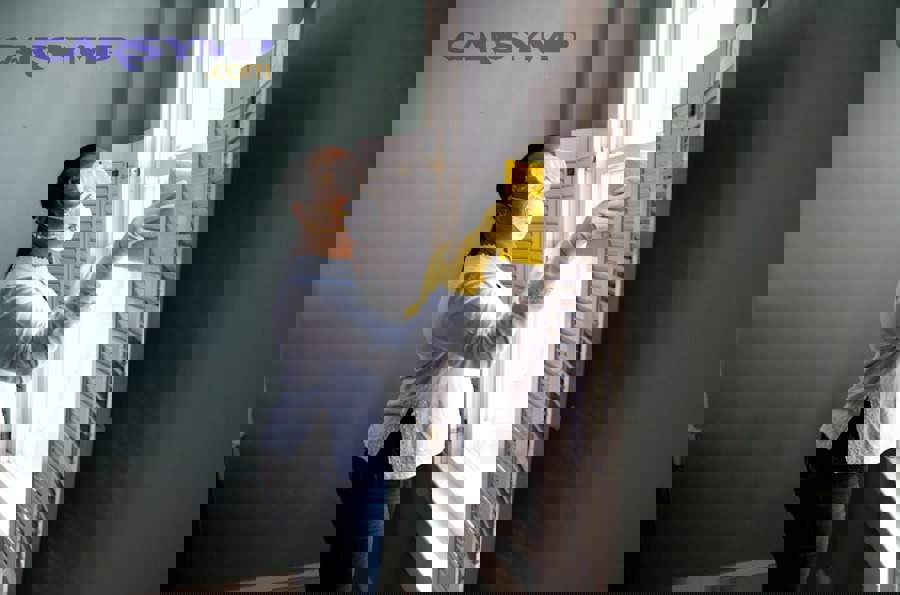
Six primary contaminant types infiltrate your plumbing system during leak repairs, each posing distinct risks to water quality and system integrity. First, flux residue from soldering copper pipes contains rosin-based or acid-based compounds that corrode fixtures and create metallic taste in water. Second, pipe dope and thread sealant compounds flake off in chunks that clog aerators, showerheads, and appliance inlet screens within days of repair completion.
Third, Teflon tape particles shred during pipe threading and travel through your system as white fibrous material that wraps around aerator screens and mixing valve cartridges. Fourth, metal shavings from cutting pipes—whether copper, brass, or galvanized steel—accumulate in low points and horizontal pipe runs, creating abrasive particles that wear down rubber gaskets and washers prematurely.
Fifth, mineral scale dislodges when pipes vibrate during repair work. This scale has built up over years, particularly in hard water areas, and forms a protective barrier inside pipes. When disturbed, chunks break loose and travel downstream, appearing as white, gray, or rust-colored particles in your water. Sixth, bacterial colonies form in stagnant water whenever your system shuts down for more than a few hours. These bacteria produce biofilm—a slimy substance that gives water an unpleasant odor and taste.
The repair process also introduces air into the system. Air pockets create water hammer—that banging noise when you turn faucets on or off—and reduce water pressure throughout your home. Air-bound systems deliver sputtering, inconsistent flow that makes showers unpleasant and causes appliances to malfunction.
What Happens If You Don’t Flush Your System After Repairs?
Skipping the flushing process after leak repairs leads to four major problems that escalate in severity over time. Initially, clogged aerators and showerheads reduce water flow within 24 to 48 hours as debris accumulates in the fine mesh screens, requiring frequent cleaning or replacement at a cost of $5 to $15 per fixture.
Within one to two weeks, appliances begin suffering damage. Dishwashers and washing machines have inlet screens and mixing valves that trap particles, reducing water flow to the appliance and causing incomplete cycles or error codes. Ice makers in refrigerators clog entirely, requiring service calls averaging $150 to $300. Water heaters collect sediment that settles at the bottom of the tank, creating hot spots that reduce efficiency by 10% to 30% and shorten the heater’s lifespan by several years.
Discolored water becomes a persistent issue. Initially appearing as brown or rust-colored flow when first turning on faucets, the discoloration may clear after running water for several minutes. However, the underlying problem—loose sediment circulating through pipes—continues. White or gray particles float in drinking glasses, coffee appears cloudy, and bathtubs show sediment rings after draining.
Health risks emerge from bacterial growth in unflushed systems. Legionella bacteria, which causes Legionnaires’ disease, thrives in stagnant water between 77°F and 108°F—the exact temperature range in residential hot water systems. While rare, Legionnaires’ disease is serious, particularly for people over 50, smokers, or individuals with weakened immune systems. According to the Centers for Disease Control and Prevention (CDC), building water systems account for approximately 80% of reported Legionnaires’ disease cases in the United States.
What Tools and Materials Do You Need to Flush Your Plumbing System?
You need seven essential items to properly flush your plumbing system after leak repairs: adjustable wrench, multiple buckets, absorbent towels, garden hose, optional thermometer, replacement aerators, and replacement water filters. These tools enable thorough flushing while protecting your home from water damage and ensuring complete contaminant removal.
More specifically, the tools serve distinct purposes throughout the flushing process. An adjustable wrench (6-inch or 8-inch) removes aerators from faucets and showerheads, which have varying thread sizes that require tool adjustment. Two or three buckets (5-gallon capacity) catch initial water discharge that may contain significant debris, preventing it from splashing onto bathroom or kitchen surfaces. Absorbent towels (at least six bath-size towels) protect floors and countertops from water overflow during the flushing procedure.
A standard garden hose (25 to 50 feet length) connects to your water heater’s drain valve, allowing you to direct discharged water safely to a floor drain, utility sink, or outdoor area. A thermometer (optional but recommended) measures water temperature, confirming that hot water lines have flushed completely when temperature stabilizes at your water heater’s set point—typically 120°F to 140°F.
Replacement aerators prove necessary because flushing exposes existing aerators to high volumes of sediment that often cannot be cleaned effectively. Purchase replacement aerators ($3 to $8 each) for bathroom and kitchen faucets before starting the flushing process. Similarly, replacement water filters for under-sink systems, refrigerator water lines, and whole-house filtration units cost between $15 and $60 depending on type and must be installed after flushing to prevent clogging with repair debris.
Additional optional items enhance the flushing process. A flashlight helps inspect water clarity when flushing in basements or poorly lit areas. Plumber’s tape ensures aerators seal properly during reinstallation. A notepad helps track which fixtures you’ve flushed and their individual flushing duration, particularly important in larger homes with multiple bathrooms.
Should You Remove Faucet Aerators and Showerheads Before Flushing?
Yes, you must remove all faucet aerators and showerheads before flushing your plumbing system after leak repairs because these fixtures contain fine mesh screens that trap debris, preventing contaminants from exiting the system and potentially causing permanent clogging or damage. Removal allows debris to flow freely through the fixture opening and prevents the expensive consequence of replacing clogged fixtures.
Understanding the aerator’s design clarifies why removal matters. Aerators screw onto the end of faucet spouts and contain multiple screens and flow restrictors that mix air with water to create a smooth, splash-free stream while reducing water consumption. These screens have openings measuring 0.5mm to 1.0mm—small enough to trap metal shavings, Teflon tape particles, and mineral scale chunks. Once trapped, these particles form a dense mat that blocks water flow entirely, turning a strong stream into a weak trickle.
The removal process takes 30 seconds per fixture. Wrap the aerator’s outer edge with a thin cloth to protect the chrome or brushed nickel finish, then grip it with your adjustable wrench. Turn counterclockwise to unscrew. Some aerators have a key-operated design requiring a special tool (usually provided with the faucet), while others unscrew by hand. Place removed aerators in a bucket of white vinegar to dissolve mineral deposits while you flush the system.
Showerheads require the same treatment. Most showerheads connect to the shower arm via a threaded collar. Grip the collar with your wrench (again, protecting the finish with cloth) and turn counterclockwise. If the showerhead hasn’t been removed in years, calcium deposits may fuse the threads. Apply penetrating oil and let it sit for 15 minutes before attempting removal. After removing the showerhead, inspect the shower arm outlet—you may find a small rubber washer that prevents leaks, which should remain in place during flushing.
After flushing completes, clean aerators thoroughly before reinstalling. Disassemble the aerator by separating its components—usually an outer housing, rubber washer, flow restrictor, and multiple screens. Scrub each screen with an old toothbrush under running water. Soak stubborn deposits in vinegar for 30 minutes. Reassemble in the correct order (most aerators have diagrams showing proper sequence) and hand-tighten onto the faucet. Use the wrench only for a final quarter-turn to avoid over-tightening, which cracks the aerator housing.
How Do You Flush Your Plumbing System After Leak Repairs? (Step-by-Step Guide)
Flushing your plumbing system after leak repairs requires a systematic seven-stage process: preparation, cold water line flushing, hot water line flushing, water heater flushing, individual fixture flushing, filter replacement, and final testing, completed over 45 to 90 minutes depending on home size. This sequence ensures complete contaminant removal while preventing damage to fixtures and appliances.
Let’s explore each stage with the precision required for professional-grade results. The sequence matters because flushing in random order allows debris to settle in unflushed sections, requiring repeated attempts and wasting water. Starting with preparation and moving systematically through each stage creates a pressure wave that pushes contaminants progressively through the system toward drain outlets.
What Are the Pre-Flushing Preparation Steps?
Preparation involves five critical actions completed before opening any faucets. First, locate your water heater and turn off its power supply. Electric water heaters have a dedicated circuit breaker (usually labeled) in your electrical panel—flip it to the OFF position. Gas water heaters have a control knob on the gas valve—rotate it to the PILOT position, which maintains the pilot light while stopping the main burner. This step prevents the heating elements or burner from activating when the tank empties during hot water flushing, which would cause element burnout (electric) or dangerous overheating (gas).
Second, close the cold water inlet valve to your water heater. This valve sits on top of the water heater where the cold water supply pipe enters. Turn the valve handle clockwise (or move the lever perpendicular to the pipe) to close it. Closing this valve isolates the water heater, preventing cold water from continuously refilling the tank as you drain it during the hot water flushing stage.
Third, bypass your water softener if you have one installed. Water softeners have a bypass valve—usually three valves arranged in a triangle or a single lever—that redirects water flow around the softener unit. Consult your softener’s manual for the specific bypass procedure, as designs vary by manufacturer. Bypassing prevents resin beads (the media inside the softener that removes hardness minerals) from flushing into your plumbing during the system flush. These beads are expensive to replace and can clog fixtures.
Fourth, bypass or remove whole-house water filters. These filters typically install in the cold water main line after the water meter and contain cartridges designed to remove sediment, chlorine, or other contaminants. During system flushing, high volumes of repair debris would clog these cartridges within minutes, rendering them useless. Locate the filter housing (usually blue or clear plastic cylinders), turn off the valves before and after the housing, and either remove the cartridge or turn the bypass valve (if equipped).
Fifth, remove all aerators and showerheads as described in the previous section. Place them in a bucket of white vinegar to clean while you flush the system. Walk through your entire home—including basement, garage, and outdoor faucets—to ensure you haven’t missed any fixtures. Create a checklist if your home has more than two bathrooms, as forgetting even one aerator leaves debris trapped in that fixture.
How Do You Flush Cold Water Lines Throughout Your Home?
Cold water line flushing follows a specific lowest-to-highest sequence to leverage gravity and water pressure for maximum debris removal. Begin in your home’s lowest level—typically the basement or crawl space. Locate all cold water faucets on this level: laundry sink, utility sink, basement bathroom, and outdoor hose bibs if they’re below the main floor level. Place a bucket under the first faucet to catch initial discharge, then open the cold water handle fully.
Move to the next lowest faucet and repeat, opening each cold water valve fully until all lowest-level faucets run simultaneously. The water initially appears discolored—brown, rust-colored, or cloudy with visible particles. This is normal and confirms the flushing process is working. Let these faucets run without interruption.
Proceed to the main floor. Open all cold water faucets in kitchens, bathrooms, and utility rooms. If your home has two or more main-floor bathrooms, open all simultaneously. As you add more open faucets, you may notice reduced flow at individual fixtures—this is expected as the available water pressure divides among all outlets. The goal is creating flow through every pipe section, not achieving full pressure at each fixture.
Continue to upper floors (second floor, third floor if applicable), opening all cold water faucets. At this stage, every cold water outlet in your home runs simultaneously. Check that water flows from each fixture—if any fixture shows no flow or weak flow, partially close other nearby fixtures to redirect pressure.
Monitor the water quality at the last faucet you opened (typically the highest fixture in your home). Water temperature serves as an indicator: cold water lines should deliver water at consistent temperature, typically matching your municipal supply temperature (50°F to 60°F in most regions). When the water runs clear with no visible particles and temperature stabilizes, cold water line flushing is complete—typically 15 to 30 minutes.
Begin closing faucets in reverse order: start with the lowest-level fixtures and work upward. Close each fixture completely before moving to the next. This reverse closing sequence prevents air from re-entering the system and maintains forward pressure that pushes any remaining debris toward the still-open upper fixtures.
How Do You Flush Hot Water Lines and Your Water Heater?
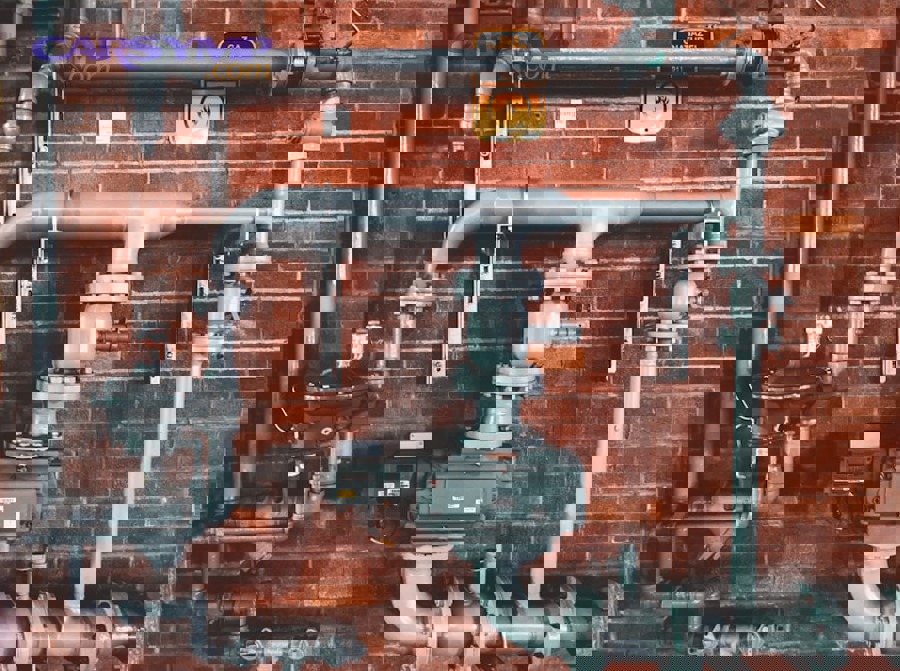
Hot water line flushing begins immediately after completing cold water line flushing and follows the same lowest-to-highest sequence using hot water taps. Start at the lowest level, opening all hot water faucets fully. Unlike cold water flushing where water temperature remains constant, hot water flushing shows temperature progression that indicates completion.
Initially, hot water flows from the water heater’s residual heat—the water heated before you shut off power and closed the inlet valve during preparation. This water temperature may be near your heater’s set point (120°F to 140°F). As flushing continues, temperature gradually decreases because you’re drawing water from the heater faster than it can receive replacement cold water (remember, the inlet valve is closed).
After approximately 10 to 15 minutes, depending on your water heater capacity (40 gallons is standard for a 2-3 person household), hot water temperature drops significantly as the tank approaches empty. Water color may show more discoloration during hot water flushing compared to cold water flushing because sediment accumulates heavily in water heaters, particularly at the tank bottom where heating elements or burners create localized hot spots.
Continue running all hot water taps until water temperature at the highest fixture drops to near cold water temperature (within 10°F to 15°F of cold supply). This temperature drop confirms the water heater has emptied substantially. Begin closing hot water faucets in reverse order—lowest to highest—just as you did for cold water lines.
Water heater flushing requires specific steps performed separately. With all hot water taps now closed and the cold water inlet valve to the heater still closed, attach your garden hose to the water heater’s drain valve located near the bottom of the tank. Route the hose to a floor drain, utility sink, or outdoors. Open the drain valve by turning it counterclockwise (some have a lever handle that flips up or down).
Water begins draining from the tank through the hose. Initially, flow may be strong, then weaken as the tank empties. Sediment-heavy water heaters often clog the drain valve partially, causing slow drainage. If flow stops completely, briefly open the cold water inlet valve at the top of the heater to create pressure that dislodges sediment blocking the drain valve, then close it again.
Open a hot water faucet at a nearby sink (bathroom or kitchen) to introduce air into the system, which speeds draining by preventing a vacuum from forming in the tank. Continue draining until water stops flowing entirely—typically 10 to 20 minutes for a 40-gallon tank, longer for larger tanks or heavily sedimented heaters.
After draining completes, close the water heater’s drain valve, disconnect the garden hose, and open the cold water inlet valve at the top of the heater to refill the tank. Leave the nearby hot water faucet open during refilling. You’ll hear water rushing into the tank and see sputtering, air-filled flow from the open faucet. When water flows steadily from the faucet with no air bubbles, close it—the tank is now full.
Restore power to the water heater: flip the circuit breaker on (electric) or rotate the gas valve knob to ON (gas). Electric water heaters take 30 to 90 minutes to heat a full tank to set temperature. Gas heaters require 30 to 60 minutes. During this heating period, complete the remaining flushing stages.
According to research from the Water Quality Association, water heaters accumulate 1 to 3 pounds of sediment annually in areas with moderate to hard water, with calcium carbonate forming the primary deposit component, reducing heating efficiency by up to 25% over five years without regular flushing.
What Final Steps Complete the Flushing Process?
Final steps involve individual fixture flushing, filter replacement, and system testing to ensure complete contaminant removal and proper operation. Beginning with individual fixture flushing, return to each bathroom and kitchen faucet, opening both hot and cold handles fully. Let water run for 5 to 10 minutes per fixture, monitoring for clear water and checking that flow rate appears normal. This extended individual flush removes any debris that settled in fixture-specific supply lines—the short pipe sections between shut-off valves (usually under sinks) and the faucet itself.
Flush toilets multiple times at each location. Toilets receive water from a dedicated supply line and fill valve mechanism that can trap debris. Flushing three to five times per toilet ensures debris exits through the fill valve and doesn’t block the small orifices in the rim that direct water into the bowl during flushing. Check for leaks at the supply line connection and fill valve base while flushing.
Address appliances systematically. Run your dishwasher through a complete cycle without dishes—just water. This flushes the dishwasher’s inlet valve, spray arms, and internal plumbing. Many dishwashers have filters that trap food particles; check and clean these filters after the cycle. Run your washing machine through a rinse-and-spin cycle on the largest load size setting, which maximizes water flow through the machine’s inlet valves and internal hoses.
If your refrigerator has an ice maker or water dispenser, dispense 2 to 3 gallons of water through the dispenser by filling and emptying pitcher multiple times. Empty and discard the first two batches of ice produced after flushing. These steps clear repair debris from the refrigerator’s water supply line and the appliance’s internal filter if equipped.
Replace all water filters throughout your home. Under-sink filters, refrigerator filters, whole-house filter cartridges, and pitcher filters should all receive new cartridges post-flush. Even if these filters aren’t due for replacement according to their normal schedules (typically every 3 to 6 months), the high debris load from system flushing clogs them prematurely. Record the filter replacement date on each filter housing or in your home maintenance log.
Clean and reinstall aerators and showerheads. Remove them from the vinegar soak, scrub screens with an old toothbrush, rinse thoroughly, and reinstall by hand-tightening followed by a gentle quarter-turn with your wrench. Check for leaks at each aerator by running water at full pressure for 30 seconds.
Test water pressure throughout your home. Compare current pressure to pre-repair pressure if you noted it. Significantly reduced pressure at specific fixtures suggests a blocked aerator, supply line, or shut-off valve that requires attention. Test hot water temperature at several locations—water should reach near the water heater’s set temperature within 1 to 2 minutes at fixtures close to the heater, and within 2 to 3 minutes at distant fixtures.
Inspect for leaks at all repair locations. Even minor weeping at pipe connections can indicate improper tightening or damaged gaskets that need correction before they develop into significant leaks. Check below sinks, around water heater connections, and near any repair work performed. Leaks that appear several hours after flushing may indicate that water pressure changes during flushing stressed weakened connection points.
How Long Should You Flush Your Plumbing System After Repairs?
You should flush your entire plumbing system for a minimum of 30 to 45 minutes after leak repairs, with individual fixture flushing adding another 5 to 10 minutes per fixture, totaling 60 to 90 minutes for a typical single-family home. The duration varies based on four key factors: home size, repair extent, water pressure, and visible water quality improvement.
Specifically, homes under 2,000 square feet with one to two bathrooms typically complete flushing within the 30 to 45 minute minimum timeframe. Larger homes (2,500 to 4,000 square feet) with three to four bathrooms require 45 to 60 minutes because additional pipe length and fixture quantity demand more time for contaminants to reach outlets. Homes exceeding 4,000 square feet or properties with multiple stories may need 60 to 90 minutes or longer, particularly if low water pressure limits flow rate.
Repair extent significantly impacts flushing duration. Minor repairs—replacing a single faucet, fixing one supply line, or patching a small pipe section—introduce minimal contamination, potentially allowing shorter 20 to 30 minute flushing periods. Major repairs—repiping sections of your home, replacing the main water line, or fixing multiple simultaneous leaks—introduce substantial debris requiring extended 60 to 90 minute flushing or even multiple flushing sessions over several days.
Water pressure affects how quickly contaminants move through your system. Municipal water systems typically deliver 40 to 60 PSI (pounds per square inch) to residential properties. Pressure at the lower end of this range (40 PSI) moves water more slowly, extending flushing time. Higher pressure (60 PSI or above) accelerates debris transport, potentially reducing flushing time by 15% to 25%. Homes using well water may experience varying pressure depending on the well pump’s capacity and pressure tank settings.
Temperature stabilization provides a reliable completion indicator beyond simple time measurement. When flushing hot water lines, water temperature at the furthest fixture from your water heater should stabilize at the heater’s set temperature minus 5°F to 10°F (accounting for heat loss in pipes). This stabilization typically occurs at the 15 to 25 minute mark for hot water flushing. Cold water should stabilize at your supply temperature—consistent from one fixture to the next—usually within 10 to 15 minutes.
Visual inspection complements time-based guidelines. Fill a clear glass with water from the last faucet you opened (highest fixture in your home). Examine it against a white background. Water should appear crystal clear with no cloudiness, visible particles, or color tint. If you observe any discoloration or particles, continue flushing for an additional 10 to 15 minutes, then test again.
The cost of flushing—a concern for some homeowners—remains minimal. The average flushing session uses 150 to 300 gallons of water for a typical home. At the U.S. average water rate of approximately $1.50 per 1,000 gallons (rates vary by municipality from $0.50 to $3.00 per 1,000 gallons), flushing costs $0.23 to $0.90 in water charges. This minor expense prevents hundreds or thousands of dollars in potential damage to fixtures and appliances.
How Do You Know When Water Quality Is Restored?
Water quality restoration manifests through four observable criteria: visual clarity, temperature consistency, absence of unusual odors, and normal flow pressure, all of which should be present simultaneously at the conclusion of flushing. These criteria provide objective confirmation that your plumbing system has returned to pre-repair water quality standards.
Visual clarity serves as the primary indicator. Fill a clean, clear drinking glass with water from various faucets throughout your home, examining each against a white background in good lighting. Restored water quality shows no cloudiness, discoloration, or suspended particles. Water should look identical to pre-repair quality. If you observe any rust-colored, brown, or gray tint, continue flushing. White cloudiness sometimes appears due to air bubbles dissolved in water under pressure—this is harmless and dissipates within seconds of filling the glass, distinguishing it from sediment cloudiness that persists.
Temperature consistency confirms complete system flushing. Cold water should maintain steady temperature across all fixtures when tested simultaneously—variations exceeding 5°F between fixtures suggest trapped air or incomplete flushing. Hot water temperature should reach within 10°F to 15°F of your water heater’s set point at all fixtures after running for 2 to 3 minutes. Use a thermometer to measure actual temperature if you want precision, though hand-testing (uncomfortably hot water at the expected temperature) provides adequate confirmation for most homeowners.
Unusual odors indicate persistent contamination or bacterial growth. Restored water quality produces no detectable odor beyond possible chlorine smell from municipal treatment—a normal characteristic of city water. Metallic odors suggest iron, copper, or other metal contamination requiring continued flushing. Sulfur or “rotten egg” odors indicate bacterial growth in water heater or pipes, requiring additional sanitization beyond simple flushing. Musty or earthy odors point to disturbed biofilm or algae growth in pipes, particularly common in wells or untreated water sources.
Normal flow pressure returns when debris no longer restricts pipe interiors or fixture outlets. Test pressure by fully opening faucets and comparing flow to pre-repair conditions. If you didn’t note pre-repair pressure, compare flow between multiple fixtures—all should deliver similar pressure assuming identical fixture types and similar distances from the main water line. Significantly weaker flow at specific fixtures indicates lingering clogs requiring individual attention, possibly necessitating aerator cleaning or replacement beyond the vinegar soak performed during flushing.
According to the Environmental Protection Agency’s guidance on flushing building plumbing, water quality returns to normal when visual inspection shows clarity matching supply water standards and temperature reaches consistent levels throughout all fixtures, typically achieved within 30 minutes of proper flushing procedures in residential systems.
Can You Flush Your Plumbing System Yourself or Do You Need a Plumber?
Yes, most homeowners can successfully flush their plumbing system themselves after standard leak repairs because the process requires only basic tools, minimal technical knowledge, and careful attention to the systematic procedure outlined above. DIY flushing proves both safe and effective for repairs involving single fixtures, supply lines, or small pipe sections, saving the $150 to $300 cost of a professional service call.
To better understand when DIY suffices versus when professional assistance becomes necessary, consider the complexity scale of plumbing repairs. Simple repairs that homeowners can confidently flush themselves include: faucet replacements, toilet supply line repairs, under-sink pipe sections, water heater supply or discharge line repairs, individual fixture installations, and single-room plumbing work. These repairs introduce limited debris into relatively small pipe sections, making contamination control straightforward.
The DIY approach requires confidence in following sequential procedures and willingness to invest 60 to 90 minutes in the complete process. If you successfully followed the preparation steps, opened and closed faucets in the correct sequence, and verified water quality restoration using the criteria discussed, you’ve accomplished the flushing process properly. The primary risk of DIY flushing is incomplete execution—skipping steps or rushing through stages—which leaves contaminants in the system.
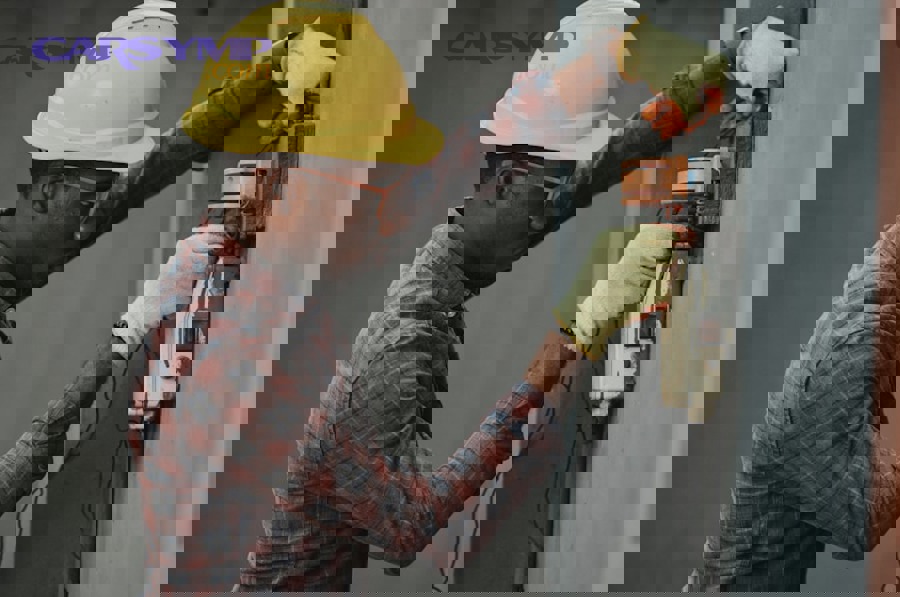
Cost comparison strongly favors DIY for standard flushing. Professional plumbers charge $75 to $150 per hour for service calls, with minimum fees often applying. A thorough system flush performed by a plumber takes 45 to 90 minutes plus travel time, totaling $150 to $300 for the service. Your only DIY costs are water usage ($0.25 to $1.00), replacement aerators if needed ($10 to $30 total), and replacement water filters ($20 to $80 depending on number and type)—a total DIY cost of $30 to $110 versus $150 to $300 professional cost.
However, certain situations demand professional flushing services due to complexity, safety concerns, or quality assurance requirements. Let’s examine these scenarios in detail.
What Repairs Require Professional Flushing Services?
Four repair categories require professional flushing services: extensive repiping projects, contamination incidents, complex multi-zone systems, and lead pipe replacements requiring certified testing. These situations exceed typical homeowner capabilities due to technical complexity, safety implications, or regulatory requirements that only licensed professionals can properly address.
Extensive repiping projects—replacing more than 25% of your home’s plumbing or performing whole-house repiping—introduce massive quantities of debris from numerous cut pipes, threaded connections, and soldered joints. Professional plumbers use specialized equipment for large-scale flushing: high-capacity pumps that circulate water faster than municipal pressure alone provides, filtration systems that capture and measure debris removal, and testing equipment that verifies complete contaminant elimination. Attempting DIY flushing after major repiping often leaves debris pockets in pipe sections that simple faucet flushing cannot reach, leading to persistent aerator clogging and fixture damage over subsequent weeks.
Contamination incidents require professional intervention and often health department notification. Examples include: sewage backflow into supply lines (extremely rare but possible during specific repair scenarios), chemical contamination if wrong substances enter pipes, or fuel oil infiltration if a heating oil tank leaks near water supply lines. Professionals use chemical disinfection procedures—typically high-concentration chlorine solutions circulated through the system—followed by extensive flushing and water testing to confirm safety. DIY attempts at contamination cleanup create serious health risks and may violate local regulations.
Complex multi-zone systems, common in large homes or properties with separate living areas, require zone-by-zone flushing coordinated with pressure testing to ensure complete debris removal from every section. These systems have multiple pressure regulators, backflow preventers, and isolation valves that affect flushing procedures. Professional plumbers have manometers (pressure gauges) and zone-specific knowledge to verify each section flushes properly. A related scenario involves Steps to diagnose steering leaks in automotive applications, where professionals use pressure testing to locate hidden system failures—plumbing follows similar diagnostic principles for complex systems.
Lead pipe replacement mandates professional handling due to health regulations. The EPA’s Lead and Copper Rule requires certified testing after lead service line replacement to verify that flushing adequately removed lead particles. Only certified laboratories can perform this testing using EPA-approved methods. Professional plumbers coordinate sample collection timing, proper sampling procedures, and result interpretation, ensuring your water meets the 15 parts per billion (ppb) action level for lead. DIY flushing after lead pipe work cannot substitute for certified professional protocols.
Professional costs for these complex scenarios range significantly. Extensive repiping flushing costs $300 to $600 depending on home size and pipe length. Contamination remediation ranges from $500 to $2,000 depending on contamination type and severity. Multi-zone system flushing costs $250 to $500 for professional verification. Lead pipe replacement flushing with certified testing costs $400 to $800, with testing comprising $100 to $200 of that total.
What Are the Risks of Improper Flushing?
Improper flushing creates five significant risks: incomplete contaminant removal, water heater damage, appliance failure, recurring water quality issues, and unnecessary water waste. Understanding these risks emphasizes the importance of following proper procedures whether performing DIY or professional flushing.
Incomplete contaminant removal occurs when homeowners skip preparation steps, rush through flushing stages, or fail to maintain proper sequence. Debris remains trapped in pipe sections, particularly in horizontal runs where gravity cannot assist debris transport. This trapped debris gradually loosens over subsequent days and weeks, creating intermittent water quality problems. Faucet aerators require cleaning weekly instead of annually. Showerhead flow diminishes progressively. Appliance inlet screens clog repeatedly. Addressing these issues requires repeating the entire flushing process—essentially doubling the time investment and water usage compared to proper initial flushing.
Water heater damage results from two improper flushing practices. First, failing to turn off power before draining allows electric heating elements to energize without water coverage, causing element burnout within minutes. Replacement costs $150 to $300 for parts and labor. Gas water heaters suffer damaged thermocouples or control valves if burners activate in empty tanks. Second, refilling the water heater too quickly traps air pockets that create uneven heating, reducing efficiency and causing strange noises during operation. This damage is subtle and cumulative, shortening water heater lifespan by 1 to 3 years.
Appliance failure accelerates when debris bypasses proper flushing. Dishwasher fill valves contain small screens and solenoid mechanisms sensitive to particles—clogging causes fill problems requiring $100 to $200 service calls. Washing machine inlet valve failures from debris lead to error codes and incomplete cycles, with repairs costing $150 to $300. Refrigerator ice makers and water dispensers use small-diameter tubing easily blocked by particles, necessitating supply line replacement at $75 to $150 in parts and labor. These appliance failures often occur 2 to 8 weeks after inadequate flushing, when debris gradually migrates to appliance connections.
Recurring water quality issues frustrate homeowners who believe they’ve completed flushing properly. Brown or rust-colored water reappears intermittently, particularly after periods of non-use (mornings, after vacations). This suggests debris remains in pipe low points or dead-end sections that standard flushing didn’t reach. Resolving this requires extended flushing periods at specific fixtures—sometimes 30 to 60 minutes of continuous flow at problematic outlets—or professional hydrojetting to scour pipe interiors.
Water waste from improper flushing occurs when homeowners repeat the process multiple times due to initial execution errors. Each flushing session uses 150 to 300 gallons. Three attempts—not uncommon when procedures aren’t followed carefully—waste 450 to 900 gallons, costing $0.70 to $2.70 in water bills and representing environmental waste equivalent to 6 to 12 typical showers. Proper execution on the first attempt avoids this waste.
According to a study by the Insurance Institute for Business & Home Safety conducted in 2019, 23% of homeowner plumbing insurance claims related to fixture damage resulted from improper post-repair maintenance, including inadequate system flushing that allowed debris to damage faucets, valves, and appliances, with average claims totaling $1,847 per incident.
What Special Considerations Apply to Different Types of Leak Repairs?
Different leak repair types require specialized flushing procedures because slab leaks, whole-house repiping, water heater replacement, and fixture-only repairs introduce varying contamination levels and system disturbances. Adapting your flushing approach to match the repair type ensures complete contaminant removal while avoiding procedure redundancy for minor repairs.
More specifically, repair type determines three critical flushing variables: duration, intensity, and repetition frequency. Minor repairs affecting single fixtures or short pipe sections require standard 30 to 45 minute flushing with normal municipal water pressure. Major repairs affecting multiple rooms or extensive pipe lengths need extended 60 to 90 minute flushing sessions, sometimes repeated over multiple days. Extreme repairs like whole-house repiping may require professional hydrojetting—using high-pressure water streams (1,500 to 4,000 PSI) to scour pipe interiors—beyond standard flushing procedures.
Understanding these distinctions prevents both under-flushing (leaving debris) and over-flushing (wasting water and time). A homeowner who performs 90-minute flushing after a simple faucet replacement wastes effort, while someone who performs only 20 minutes of flushing after extensive slab leak repair invites fixture damage and appliance problems.
How Do You Flush After Slab Leak Repairs?
Slab leak repairs require extended 90 to 120 minute flushing performed twice—immediately after repair completion and again 24 hours later—because these repairs disturb foundation-level pipes encased in concrete, introducing concrete dust, rebar particles, and extensive mineral scale from decades-old pipes. The two-stage flushing protocol ensures debris doesn’t resettle in low points of the plumbing system.
Slab leaks occur when pipes running through or under your home’s concrete foundation develop leaks due to corrosion, ground movement, or installation defects. Repairing slab leaks involves accessing pipes by breaking through concrete, either from above (cutting floor concrete) or tunneling beneath the foundation. Both approaches create substantial debris: concrete dust particles measuring 10 to 100 microns that easily transport through plumbing, metal particles from cutting rebar or wire mesh in concrete, rust and scale from old galvanized steel pipes common in foundations, and soil particles if repair required tunneling.
Stage one flushing begins immediately after the plumber completes the repair and restores water service. Follow the standard flushing sequence—preparation, cold water, hot water, water heater, individual fixtures—but extend each stage duration by 50%. If standard cold water flushing takes 15 minutes, allocate 22 to 25 minutes for post-slab-leak cold water flushing. This extended duration accounts for heavier debris loads and longer settling distances (foundation to fixtures).
Pay special attention to fixtures on the same level as the repaired slab leak. These fixtures receive the highest debris concentration because water travels minimal vertical distance from the repair site. Run these specific fixtures for 10 additional minutes each during individual fixture flushing. If the repaired leak served a specific bathroom or kitchen, focus extra flushing time on those locations.
Stage two flushing occurs 24 hours after stage one. This delay allows any debris that settled in horizontal pipe runs or low points to loosen. Repeat the complete flushing sequence, though at standard duration (not extended). Many homeowners skip stage two, believing stage one sufficient, only to experience renewed water discoloration 2 to 4 weeks later as settled debris gradually remobilizes through normal water flow turbulence.
Professional hydrostatic testing should follow slab leak flushing. This test pressurizes the repaired section to 1.5 times normal operating pressure (typically 60 to 90 PSI test pressure) for 30 to 60 minutes, verifying repair integrity while creating turbulent flow that helps dislodge stubborn debris. Many plumbers include hydrostatic testing as part of slab leak repair service—confirm this before repair work begins.
What’s Different About Flushing After Whole-House Repiping?
Whole-house repiping requires the most extensive flushing protocol: multiple daily flushing sessions over 3 to 5 days, professional hydrojetting of main lines, and mandatory water testing to verify complete debris removal and water quality restoration. This intensive approach addresses the massive contamination load from replacing dozens or hundreds of pipe sections throughout your home.
Repiping involves removing old pipes—typically galvanized steel or polybutylene—and installing new pipes made of copper, PEX (cross-linked polyethylene), or CPVC (chlorinated polyvinyl chloride). The process creates hundreds of cut pipe ends, threaded connections, soldered joints (copper), crimped fittings (PEX), or solvent-welded joints (CPVC). Each connection point introduces specific contaminants: flux and solder particles from copper installation, PEX crimp ring metal shavings, CPVC primer and cement residue, plus decades of accumulated scale from old pipes disturbed during removal.
Day one flushing begins when plumbers restore water service after completing the repipe. Perform initial flushing for 60 minutes using the standard sequence, recognizing that water quality won’t fully restore after this first session—the goal is removing the most substantial debris to prevent immediate fixture damage. Water likely remains visibly discolored after day one flushing. This is expected and acceptable.
Days two through five require 30 to 45 minute flushing sessions once daily, preferably at the same time each day. This schedule allows overnight settling followed by systematic debris removal, progressively clearing the system. Many homeowners observe that water clarity improves each day, with day four or five finally showing crystal-clear water matching pre-repipe quality.
Professional hydrojetting becomes necessary for repiping projects in homes older than 30 years or when replacing galvanized steel pipes. These older systems have thick scale deposits and rust layers that standard flushing cannot adequately remove. Plumbers use specialized hydrojetting equipment—essentially pressure washers designed for pipe interiors—that shoot water at 1,500 to 4,000 PSI through pipes, scouring walls and removing stubborn deposits. Hydrojetting costs $300 to $600 for whole-house service but prevents months of water quality problems post-repiping.
Zone-by-zone approach applies to larger homes (over 3,000 square feet) or two-story homes where simultaneous flushing of all fixtures may not generate sufficient flow in individual pipe sections. Professional plumbers or knowledgeable homeowners divide the home into zones—for example, first floor east, first floor west, second floor—and flush each zone separately with all fixtures in that zone open simultaneously. This concentrated approach creates higher flow velocity through zone-specific pipes, improving debris removal.
Water testing provides objective verification that repiping flushing succeeded. Many municipalities offer free or low-cost water testing programs. Alternatively, purchase test kits ($25 to $60) that analyze common contaminants: lead, copper, bacteria count, and pH. Testing should occur after completing the multi-day flushing protocol. Results guide whether additional flushing is necessary. Copper levels exceeding 1.3 mg/L (the EPA action level) indicate inadequate flushing of soldering flux residue. Bacterial counts above 500 CFU/mL (colony forming units per milliliter) suggest inadequate sanitization requiring chlorine treatment beyond simple flushing.
The cost-benefit analysis favors thorough post-repipe flushing despite its time investment. Repiping projects cost $4,000 to $15,000 depending on home size and pipe material. This substantial investment deserves protection through proper flushing, particularly considering that inadequate flushing can damage new fixtures and appliances totaling $1,000 to $3,000 in value. The 5 to 6 hours of flushing time over multiple days represents minor effort compared to potential fixture replacement costs.
How Should You Flush After Water Heater Replacement?
Water heater replacement requires focused flushing that emphasizes sediment removal from the new heater while performing standard whole-system flushing to clear debris from supply line connection work. The process takes 45 to 60 minutes and prevents premature element failure (electric heaters) or burner problems (gas heaters) caused by sediment accumulation during the critical first weeks of operation.
New water heater installation disturbs two critical pipe connections: the cold water inlet at the top of the heater and the hot water outlet adjacent to it. Professional installation includes cutting and threading pipes (if using galvanized steel or black iron), soldering joints (copper), or installing push-fit or compression fittings (flexible connections). Each method introduces connection-specific debris: thread shavings and pipe dope for threaded connections, flux and solder particles for copper joints, rubber gasket material for compression fittings.
Manufacturer-specific flushing requirements often exceed standard protocols. Many water heater manufacturers—Rheem, Bradford White, A.O. Smith—recommend initial flushing of 5 to 10 gallons from the new heater’s drain valve before normal operation begins. This initial flush removes manufacturing residue: welding scale from tank seams, protective oils from anode rods, packaging materials, and metal particles from factory assembly processes. Consult your specific heater’s installation manual for manufacturer recommendations, as skipping this step may void warranties.
Begin water heater replacement flushing by performing the standard system-wide flush described earlier: preparation, cold water lines, hot water lines. Focus particular attention on hot water line flushing, extending duration by 50% compared to standard times. The new water heater’s heating capacity and recovery rate differ from your old heater, potentially affecting hot water temperature delivery patterns throughout your home.
After completing system-wide flushing, perform dedicated water heater flushing. With the heater now full (you refilled it during hot water line flushing) and power restored (the heater has heated water to set temperature), attach your garden hose to the drain valve. Open the valve and drain 10 to 20 gallons into a bucket where you can observe sediment content. New heaters should show minimal sediment—mostly clear water with perhaps slight discoloration from anode rod material. Heavy sediment (brown water, visible particles) suggests manufacturing defects or improper installation requiring professional inspection.
Anode rod considerations apply specifically to new water heater flushing. Anode rods—magnesium or aluminum rods that protect the tank from corrosion by sacrificial dissolution—shed particles during the first weeks of operation as they activate chemically. This shedding is normal and harmless, though it may create slight white or gray cloudiness in hot water. Extended flushing (60 rather than 45 minutes) removes most anode rod particles, accelerating the period until hot water runs crystal clear.
Connection point debris removal requires checking both supply line connections (cold inlet, hot outlet) and the drain valve connection for leaks during flushing. Apply hand pressure to fitting nuts while water flows at full pressure. Any seepage requires immediate tightening or gasket replacement before the leak worsens. New connection points sometimes weep slightly during the first 24 to 48 hours as fittings and gaskets “seat” under pressure and temperature cycling, then self-seal. However, persistent leaking after 48 hours requires professional correction.
According to research published in the Journal of Building Services Engineering Research and Technology in 2020, newly installed water heaters accumulate 30% to 50% more sediment during the first three months of operation compared to steady-state accumulation rates, primarily from anode rod activation and installation debris, making initial flushing critical for long-term heater performance and lifespan.
What About Flushing After Fixture-Only Repairs?
Fixture-only repairs—replacing faucets, toilets, showerheads, or similar single-unit fixtures—require localized flushing that may eliminate whole-house procedures entirely if repairs didn’t disturb supply pipes beyond shut-off valves. This targeted approach saves time and water while adequately addressing the limited debris introduced by fixture-level work.
Determining whether localized flushing suffices requires answering two questions: Did the repair work involve cutting, threading, or soldering pipes? Did the plumber shut off water to the entire home or only to the specific fixture? If repairs involved only unscrewing old fixture supply lines and installing new lines without pipe modifications, and water shut-off was fixture-specific (not whole-house), localized flushing proves sufficient.
Localized flushing procedures vary by fixture type. For faucet replacements, remove the aerator, open both hot and cold handles fully, and let water run for 3 to 5 minutes per handle. Initially, water may contain rubber gasket particles from new supply lines or minor sediment disturbed when reopening supply shut-off valves. Clean the aerator with vinegar and an old toothbrush, then reinstall. Test for proper flow and temperature.
For toilet replacements or repairs, flush 10 times consecutively after installation completes. This repeated flushing clears debris from the fill valve and ensures the flapper seats properly. Check for leaks at the supply line connection (tank bottom) and at the toilet base. Modern toilets use wax-free seals or better-quality wax rings that rarely leak, but verification prevents water damage to bathroom flooring. After the 10 flushes, fill a glass with water from the bathroom sink (if present) or nearby faucet to verify water clarity.
Showerhead replacements require 5 minutes of flushing at full hot water flow. Showerheads typically connect via simple threaded collars without disturbing supply pipes, making this minimal flushing adequate. However, old showerheads sometimes harbor biofilm—bacterial colonies growing in the shower arm pipe or fixture interior—that releases when disturbing the connection. If water shows unusual color or odor after showerhead replacement, extend flushing to 10 to 15 minutes and consider chemical sanitization if problems persist.
Whole-house flushing becomes necessary even for fixture-only repairs in three scenarios: the repair required cutting supply pipes to install new fittings, the plumber shut off the main water valve (indicating system-wide disturbance), or mineral scale obviously dislodged during repair work (you observed heavy sediment in initial water flow). When uncertainty exists, err toward whole-house flushing—the time investment (45 minutes) provides peace of mind and fixture protection worth far more than the minor water cost.
Fixture priority guidance helps homeowners focus flushing effort efficiently. Prioritize flushing fixtures directly connected to or near the repair location, as these receive the highest debris concentration. A bathroom faucet replacement requires thorough bathroom flushing but only brief kitchen flushing. This prioritized approach reduces total flushing time to 15 to 30 minutes for fixture-only repairs while still addressing contamination adequately.
Situations where fixture repairs parallel automotive Power steering leak repair cost breakdown considerations include understanding whether replacement or repair offers better value. In plumbing, fixture replacement often proves more cost-effective than repeated repairs for old fixtures prone to recurring problems. Similarly, Steering rack seal leak repair vs replacement decisions in automotive applications follow comparable logic—sometimes replacement prevents repeated maintenance costs. Both scenarios require flushing or bleeding systems afterward to ensure proper operation.
Final Considerations
Properly flushing your plumbing system after leak repairs protects your investment in both the repairs themselves and the fixtures and appliances throughout your home. The systematic approach outlined—from preparation through final testing—ensures complete contaminant removal while preventing damage that could cost hundreds or thousands of dollars in premature replacement or repair work.
The DIY capability for most standard repairs makes flushing accessible to typical homeowners willing to invest 60 to 90 minutes following clear procedures. However, recognizing situations requiring professional assistance—particularly extensive repiping, contamination incidents, or complex systems—prevents inadequate flushing attempts that leave problems unresolved.
Water quality serves as the ultimate measure of flushing success. When visual clarity, temperature consistency, odor absence, and normal pressure all confirm system restoration, you’ve completed the process successfully. This confirmation provides confidence that your plumbing system operates safely and efficiently, delivering clean water throughout your home without the lingering consequences of unremoved repair debris.
Understanding these principles and applying them consistently after any plumbing work—whether professional or DIY—transforms what might seem like an optional maintenance task into an essential protective measure. The relatively minor effort of proper flushing prevents a disproportionately large range of potential problems, making it one of the highest-value home maintenance activities you can perform. Much like recognizing Car Symptoms that indicate underlying problems, observing water quality changes prompts appropriate corrective action before minor issues escalate into costly repairs.