


Shock replacement costs in 2026 typically range from $400 to $2,500 for a pair of shocks or struts, with total costs for all four corners reaching $800 to $5,000 depending on your vehicle type and service choices. The wide price variation reflects differences between compact cars requiring basic shock absorbers versus luxury vehicles equipped with sophisticated electronic suspension systems. Understanding these price ranges helps vehicle owners budget accurately and evaluate mechanic quotes with confidence.
The total expense breaks down into distinct components that influence your final bill. Parts costs account for $80 to $760 per pair, while labor charges add another $100 to $400 per pair depending on installation complexity and regional hourly rates. Additional services like wheel alignment, which runs $70 to $200, may become necessary after strut replacement to prevent uneven tire wear and maintain proper vehicle handling.
Several critical factors determine where your specific repair falls within these price ranges. Vehicle type serves as the primary cost driver, with sedans averaging $400 to $800 compared to luxury vehicles reaching $1,500 to $3,000 or more. The choice between dealership service using OEM parts versus independent shops with aftermarket components can shift costs by 25 to 50 percent. Geographic location, the condition of existing hardware, and whether you’re replacing shocks or the more complex strut assemblies all contribute to price variations.
Smart consumers can significantly reduce shock replacement expenses through informed decision-making. To help you navigate this essential maintenance task, this guide examines pricing across all vehicle categories, explains cost factors in detail, identifies hidden fees, and reveals proven strategies for maintaining quality while controlling expenses.
How Much Does Shock Replacement Cost in 2026?
Shock replacement in 2026 costs between $400 and $2,500 for a single pair, with four-corner replacements totaling $800 to $5,000 based on vehicle type, parts selection, and service provider. This pricing includes both parts and labor for professional installation at independent repair facilities using quality aftermarket components.
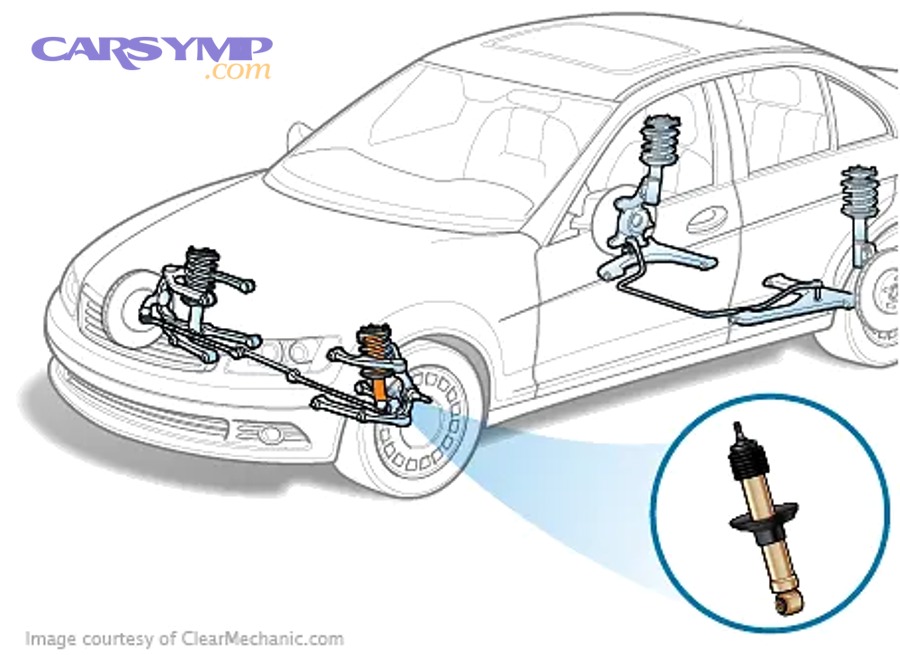
To better understand where your vehicle falls within this range, pricing varies significantly by vehicle category and component type. The following breakdown illustrates how different vehicles compare.
What Is the Average Cost by Vehicle Type?
Average shock replacement costs vary by vehicle category, with compact sedans starting at $400 to $800, mid-size vehicles ranging $600 to $1,200, SUVs and trucks costing $800 to $1,500, luxury vehicles reaching $1,500 to $3,000, and performance cars requiring $1,200 to $2,500 for professional installation.
Specifically, compact and economy vehicles benefit from simpler suspension designs and readily available parts. A Honda Civic or Toyota Corolla typically requires $400 to $600 for rear shock replacement, while front strut assemblies on these same vehicles cost $600 to $800 per pair. The straightforward bolt-on installation and competitive aftermarket parts availability keep prices accessible for budget-conscious owners.
Mid-size sedans and crossovers occupy the middle pricing tier due to increased weight and more sophisticated suspension systems. Vehicles like the Toyota Camry, Honda Accord, or Ford Escape generally cost $600 to $1,000 for a pair of shocks or struts. These vehicles often feature larger diameter components and may include additional complexity such as electronic damping adjustment on higher trim levels, which increases both parts and labor costs.
SUVs and pickup trucks command higher replacement costs reflecting their heavier duty requirements and larger components. A Ford F-150, Chevrolet Silverado, or Toyota 4Runner typically costs $800 to $1,200 for a pair of shocks, with total four-corner replacement reaching $1,600 to $2,400. Lifted trucks or vehicles modified for off-road use may exceed these estimates due to aftermarket suspension components requiring specialized knowledge and additional labor time.
Luxury vehicles represent the premium pricing category with costs ranging from $1,500 to $3,000 or higher per pair. Mercedes-Benz, BMW, Audi, and Lexus models incorporate advanced suspension technologies including adaptive damping, air suspension, and electronic ride control. A Mercedes E-Class or BMW 5-Series strut replacement often costs $2,000 to $2,500 per pair when using OEM components. These vehicles require specialized diagnostic equipment, brand-specific tools, and technicians familiar with complex suspension electronics.
Performance and sports cars fall into a specialized category with costs between $1,200 and $2,500 per pair. Vehicles like the Chevrolet Corvette, Porsche 911, or Nissan GT-R use high-performance dampers engineered for precise handling characteristics. The specialized nature of these components, combined with the critical role they play in vehicle dynamics, justifies the premium pricing for quality replacement parts.
The table below summarizes average shock replacement costs by vehicle category for quick reference:
| Vehicle Category | Cost per Pair | Four-Corner Total |
|---|---|---|
| Compact/Economy Sedans | $400 – $800 | $800 – $1,600 |
| Mid-Size Vehicles | $600 – $1,200 | $1,200 – $2,400 |
| SUVs and Trucks | $800 – $1,500 | $1,600 – $3,000 |
| Luxury Vehicles | $1,500 – $3,000+ | $3,000 – $6,000+ |
| Performance/Sports Cars | $1,200 – $2,500 | $2,400 – $5,000 |
These estimates assume professional installation at independent repair shops using quality aftermarket parts. Dealership pricing typically runs 25 to 50 percent higher, while DIY installation eliminates labor costs but requires proper tools and mechanical knowledge.
Is There a Difference Between Shock and Strut Replacement Costs?
Yes, strut replacement costs 20 to 40 percent more than shock replacement due to structural complexity, integrated components, and mandatory wheel alignment requirements. Struts serve as both damping devices and structural suspension members, while shocks function solely as damping components, making strut replacement more labor-intensive and parts-expensive.
However, understanding the fundamental differences between these components clarifies the price variation. Shock absorbers are standalone damping devices that control spring oscillation and vehicle body movement. They bolt to the vehicle’s frame or suspension components but don’t support structural loads. A typical rear shock replacement on a pickup truck requires 30 to 45 minutes per side, with parts costing $50 to $150 each for quality aftermarket units. The straightforward bolt-in installation keeps labor costs low.
Strut assemblies integrate multiple functions into a single unit serving as a structural suspension member. A strut combines the shock absorber function with a spring seat, upper bearing plate, and steering pivot point on front suspensions. This integration means strut replacement affects steering geometry and ride height, requiring precise installation and subsequent wheel alignment. Front strut replacement typically demands 1.5 to 2.5 hours per side, with complete assemblies costing $150 to $400 each depending on vehicle application.
The structural role of struts introduces additional complexity during replacement. Removing a strut assembly requires disconnecting brake lines, ABS sensors, sway bar links, and steering components. The technician must support the vehicle properly, disconnect multiple fasteners, and ensure correct reassembly to maintain suspension geometry. This additional labor time directly translates to higher shop charges compared to simple shock replacement.
Wheel alignment becomes mandatory after strut replacement because new components alter suspension geometry and ride height. Installing fresh struts typically raises the vehicle 0.5 to 1.5 inches as worn springs in the old assembly had compressed over time. This height change shifts camber, caster, and toe angles beyond specification, causing uneven tire wear and poor handling without correction. Adding $70 to $200 for alignment service increases the total strut replacement cost significantly compared to shock replacement, which rarely requires alignment.
Component pricing also favors shock replacement economics. A quality aftermarket shock from brands like Monroe, KYB, or Gabriel costs $40 to $100 per unit. Complete strut assemblies from these same manufacturers range from $120 to $250 each. The price difference reflects the additional components integrated into the strut assembly including the spring, bearing plate, and protective boot. Buyers can purchase struts without springs and transfer existing springs, reducing parts costs but increasing labor time for spring compression and transfer.
According to data from RepairPal analyzing over 100,000 repair orders in 2024, average shock replacement costs $658 per axle while strut replacement averages $931 per axle, representing a 41 percent price premium for strut service. This differential remains consistent across vehicle categories from economy cars through luxury vehicles.
What Factors Affect Shock Replacement Costs?
Six primary factors affect shock replacement costs: parts selection (OEM versus aftermarket), labor rates (dealership versus independent), vehicle complexity, geographic location, component condition, and service bundling decisions. Each factor can shift total costs by hundreds of dollars while maintaining equivalent quality outcomes.
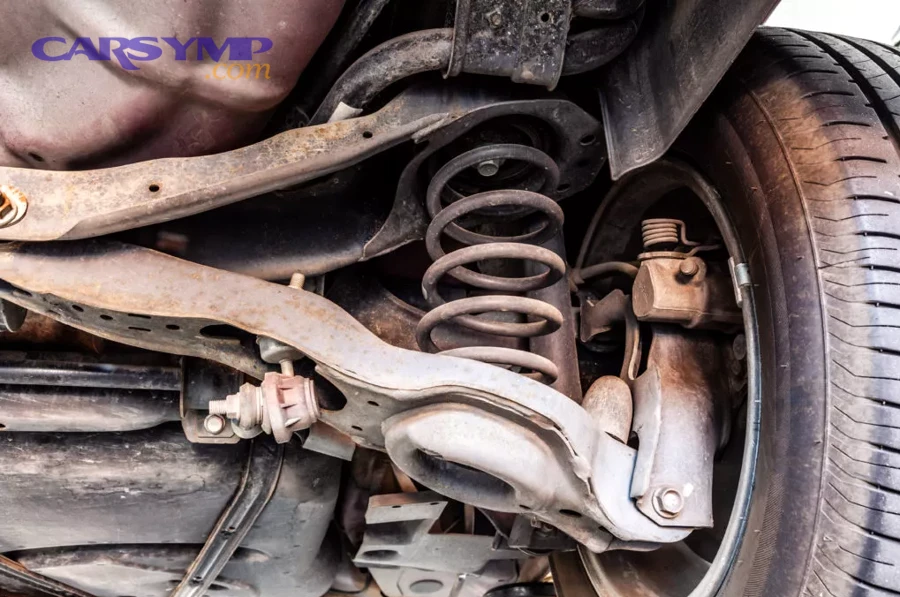
More specifically, these cost drivers interact to create the wide pricing ranges consumers encounter when seeking shock replacement estimates. Understanding each factor empowers informed decision-making.
How Do Parts and Labor Costs Break Down?
Parts costs range from $80 to $760 per pair with labor adding $100 to $400 per pair, creating total shock replacement expenses of $180 to $1,160 per axle for professional service. Parts represent 40 to 60 percent of total costs for standard applications, while labor dominates pricing for complex installations.
To illustrate this breakdown, consider a typical mid-size sedan requiring front strut replacement. Quality aftermarket strut assemblies cost $120 to $180 each, totaling $240 to $360 for both sides. A competent technician completes the installation in 2 to 2.5 hours at shop rates of $90 to $120 per hour, adding $180 to $300 in labor charges. The resulting total of $420 to $660 reflects a near-equal split between parts and labor costs.
Premium parts shift this balance significantly. OEM struts for the same vehicle cost $200 to $300 each, doubling parts expense to $400 to $600 while labor remains constant. High-performance upgrades like Bilstein B6 or KYB Excel-G struts cost $150 to $250 each, positioning between aftermarket economy and OEM pricing. The parts selection alone creates $160 to $240 price variation for identical labor.
Labor time varies dramatically by vehicle design and component accessibility. Simple rear shock replacement on a body-on-frame truck requires only 30 minutes per side as technicians access mounting bolts from underneath the vehicle. At $100 per hour shop rates, labor costs just $50 to $75 for both shocks. Conversely, front strut replacement on a transverse-engine front-wheel-drive vehicle requires 1.5 to 2 hours per side due to brake component removal, electrical disconnections, and steering linkage separation. The same shop rate yields $300 to $400 in labor charges for comparable two-sided service.
Rust and corrosion introduce unpredictable labor variables. Vehicles operated in salt belt regions often develop seized mounting hardware requiring cutting, drilling, or torch work for removal. What should be a routine 2-hour strut replacement can extend to 4 or 5 hours when corroded bolts break or fasteners weld themselves to components through oxidation. Shops typically charge actual time spent rather than quoted book time when corrosion complications arise, potentially doubling labor expenses.
The following table compares parts and labor breakdown across common scenarios:
| Scenario | Parts Cost | Labor Cost | Total Cost | Parts % | Labor % |
|---|---|---|---|---|---|
| Rear shocks, pickup truck | $100-$200 | $75-$125 | $175-$325 | 57% | 43% |
| Front struts, compact sedan | $240-$360 | $180-$300 | $420-$660 | 57% | 43% |
| Front struts, luxury sedan (OEM) | $400-$600 | $250-$400 | $650-$1,000 | 62% | 38% |
| Performance shocks, sports car | $500-$800 | $200-$350 | $700-$1,150 | 71% | 29% |
These ratios demonstrate that parts selection influences total cost more significantly than labor for most applications. However, complex installations or corroded hardware can invert this relationship, making labor the dominant expense factor.
Does Location Impact Shock Replacement Pricing?
Yes, shock replacement pricing varies by 30 to 60 percent between urban and rural areas, across different U.S. regions, and between dealership and independent service providers due to labor rate differences, parts availability, and competitive market dynamics.
Specifically, major metropolitan areas command premium labor rates reflecting higher business operating costs. Independent shops in New York City, San Francisco, or Los Angeles charge $120 to $150 per hour compared to $75 to $95 in smaller cities and rural areas. A front strut replacement requiring 2.5 hours of labor costs $300 to $375 in major metros versus $188 to $238 in rural markets, creating a $112 to $137 differential based purely on geographic labor rates.
Regional cost variations reflect both labor markets and competitive intensity. Northeast and West Coast markets average 25 to 35 percent higher shock replacement costs than Southeast and Midwest regions. A shock replacement costing $800 in Atlanta or Indianapolis might reach $1,000 to $1,080 for identical service in Boston or Seattle. These regional differences stem from varying costs of living, real estate expenses for shop facilities, and insurance costs that shops must recover through hourly rates.
Service provider choice creates the most dramatic pricing impact. Dealership service departments charge $125 to $200 per hour for labor and exclusively use OEM parts priced 25 to 50 percent above aftermarket equivalents. An independent shop performing identical work at $90 to $120 per hour with quality aftermarket parts delivers 30 to 40 percent savings. For a $1,200 dealership strut replacement, the same service costs $720 to $840 at an independent facility without sacrificing quality or warranty protection.
Franchise repair chains like Midas, Firestone, and Pep Boys occupy a middle ground between dealerships and independent shops. These chains leverage bulk purchasing power for competitive parts pricing while charging moderate labor rates of $95 to $130 per hour. They frequently offer promotional pricing and financing options unavailable at smaller independents, potentially offsetting their slight labor rate premium through parts discounts.
Mobile mechanics and independent contractors represent the lowest-cost option in many markets. These service providers eliminate facility overhead by traveling to customers, passing savings through labor rates of $60 to $90 per hour. However, mobile services may lack specialized alignment equipment necessary after strut replacement, requiring customers to seek additional service elsewhere. For simple rear shock replacement requiring no alignment, mobile mechanics offer compelling value.
According to a 2023 study by AAA analyzing repair costs across 50 major U.S. markets, shock replacement pricing varied from a low of $584 in Memphis, Tennessee to a high of $1,124 in San Jose, California for identical service on a 2020 Honda Accord. This 92 percent price spread between the most and least expensive markets demonstrates the substantial impact of geographic location on shock replacement economics.
What Is Included in the Total Shock Replacement Cost?
Total shock replacement cost includes parts, labor, shop supplies ($20-$50), potential wheel alignment ($70-$200), and tax, with optional services like spring replacement or suspension inspection adding $100-$500 to base pricing. Standard service covers removal of old components, installation of new shocks or struts, and basic functional testing.
Besides these core components, several included and optional elements affect your final invoice. Understanding what’s standard versus what constitutes an add-on helps prevent surprise charges.
Is Wheel Alignment Required After Shock Replacement?
Yes, wheel alignment is required after strut replacement because new components alter suspension geometry and ride height, while shock replacement alone typically does not require alignment unless suspension mounting points were disturbed. Skipping necessary alignment leads to uneven tire wear costing $400-$800 in premature tire replacement within 10,000 to 15,000 miles.
Moreover, the mechanical reasons for this requirement stem from fundamental suspension design differences. Strut assemblies incorporate the upper suspension mounting point and steering pivot, making them integral to wheel positioning geometry. When technicians install new struts, the fresh springs raise vehicle ride height by 0.5 to 1.5 inches as the old, compressed springs are replaced. This height change directly affects camber angle (wheel tilt in/out), caster angle (steering axis tilt front/back), and toe setting (wheel parallel alignment). Even a 0.5-degree camber deviation can wear tires 50 percent faster than properly aligned wheels.
Standard shock absorbers bolt to existing suspension components without altering mounting points or load-bearing structures. A conventional shock replacement on a truck’s rear axle simply involves removing two bolts at the top and bottom mounting points, installing the new shock, and torquing fasteners to specification. This process doesn’t change suspension geometry because shocks don’t support vehicle weight or serve as steering pivots. Consequently, mechanics rarely recommend alignment after rear shock service unless they discover damaged suspension components during the repair.
The cost-benefit analysis strongly favors alignment after strut replacement. Professional four-wheel alignment costs $70 to $200 depending on vehicle complexity and geographic location. This one-time expense prevents accelerated tire wear that ruins $600 to $1,200 worth of tires within 15,000 miles. Additionally, proper alignment improves fuel economy by 1 to 2 percent through reduced rolling resistance, saving $50 to $100 annually for typical drivers. The alignment investment recovers its cost multiple times through extended tire life and improved efficiency.
Some vehicles require alignment after any suspension work due to adjustable rear suspension designs. Many modern cars feature independent rear suspension with adjustable camber and toe settings. While replacing rear shocks doesn’t automatically necessitate alignment, it provides an ideal opportunity to verify and correct rear wheel positioning. Shops often bundle alignment with any four-corner shock or strut replacement to ensure optimal vehicle performance.
Alignment becomes mandatory when replacing struts on vehicles equipped with electronically controlled suspension systems. These advanced systems use sensors monitoring ride height, wheel position, and body acceleration to adjust damping characteristics in real-time. Installing new struts without proper alignment can cause sensor readings to fall outside calibrated ranges, triggering warning lights and degraded suspension performance. The alignment process includes recalibrating these sensors to recognize new baseline readings.
According to research published by the Tire Industry Association in 2024, vehicles driven 5,000 miles with alignment specifications outside manufacturer tolerances experience 40 to 60 percent accelerated tire wear compared to properly aligned vehicles. This data quantifies the false economy of skipping alignment service after strut replacement.
What Additional Fees Should You Expect?
Additional fees totaling $45 to $265 typically appear on shock replacement invoices, including shop supplies ($20-$50), environmental disposal ($5-$15), rust penetrant and hardware ($20-$100), and sales tax (varies by location). Rust belt vehicles may incur corrosion labor surcharges of $50-$200 when seized hardware requires extraordinary removal efforts.
Specifically, shop supplies fees cover consumables used during service but not specifically billed as line items. These materials include brake cleaner, rust penetrant spray, shop towels, masking tape, and protective covers for vehicle interiors. Most shops charge shop supplies as a percentage of parts and labor (typically 8-12 percent) or a flat fee of $20 to $50 per service. While these fees might seem excessive for aerosol cans and rags, they legitimately represent costs the shop incurs for every repair.
Environmental disposal fees appear on nearly all repair invoices to cover hazardous waste handling. Shops must properly dispose of old shock absorbers containing hydraulic fluid and pressurized gas. Commercial waste haulers charge shops for this service, and shops pass these costs to customers through $5 to $15 per vehicle fees. Some jurisdictions mandate these fees by regulation, making them non-negotiable.
Unexpected hardware replacement can add $20 to $100 in parts charges. Mechanics frequently discover that mounting bolts, nuts, and washers have corroded beyond reuse during removal. Upper strut mounting bearings and rubber isolators commonly deteriorate and should be replaced when worn. Sway bar end links connect to many strut assemblies and often fail when disturbed during strut removal. While honest shops should identify these needs before proceeding, some items only reveal themselves during disassembly.
Rust and corrosion represent the most unpredictable cost variable. Vehicles operated in salt belt states develop severe oxidation on suspension fasteners after 5 to 7 years. Removing seized bolts may require penetrating oil, heat application, or mechanical destruction through cutting or drilling. When shops quote book time of 2 hours for strut replacement, they assume normal fastener removal. Corroded hardware can extend actual labor to 4 or 5 hours, with shops charging for actual time spent. These corrosion surcharges range from $50 for minor difficulties to $200 or more when multiple fasteners require drilling and re-tapping.
Sales tax applies to both parts and labor in most jurisdictions, adding 6 to 10 percent to subtotals. A $700 shock replacement subtotal becomes $742 to $770 after tax. Some states exempt labor from sales tax, taxing only parts purchases, which reduces the tax burden. Shops collect these taxes on behalf of state and local governments and cannot negotiate or waive them regardless of customer requests.
Diagnostic fees sometimes appear when customers request estimates before authorizing repairs. Shops charge $80 to $150 for comprehensive suspension inspections identifying all worn components. This diagnostic charge typically applies to the final repair cost if the customer authorizes the work at that shop. However, customers seeking multiple estimates from different shops may pay diagnostic fees at each location without receiving credit toward repairs performed elsewhere.
The following breakdown illustrates how additional fees compound on a typical $600 strut replacement:
- Base parts and labor: $600
- Shop supplies (8%): $48
- Environmental fee: $10
- Replacement hardware: $35
- Sales tax (7% on total): $48.51
- Total invoice: $741.51
These additional charges represent 23.6 percent of the base price, demonstrating why final invoices often exceed initial estimates. Requesting itemized quotes before authorizing work helps prevent sticker shock when collecting your vehicle.
How Can You Reduce Shock Replacement Costs?
You can reduce shock replacement costs by 30 to 60 percent through strategic decisions: purchasing aftermarket parts online, comparing multiple shop quotes, performing DIY installation when qualified, replacing only necessary components, and bundling services to reduce duplicate labor charges. These tactics maintain quality while controlling expenses.
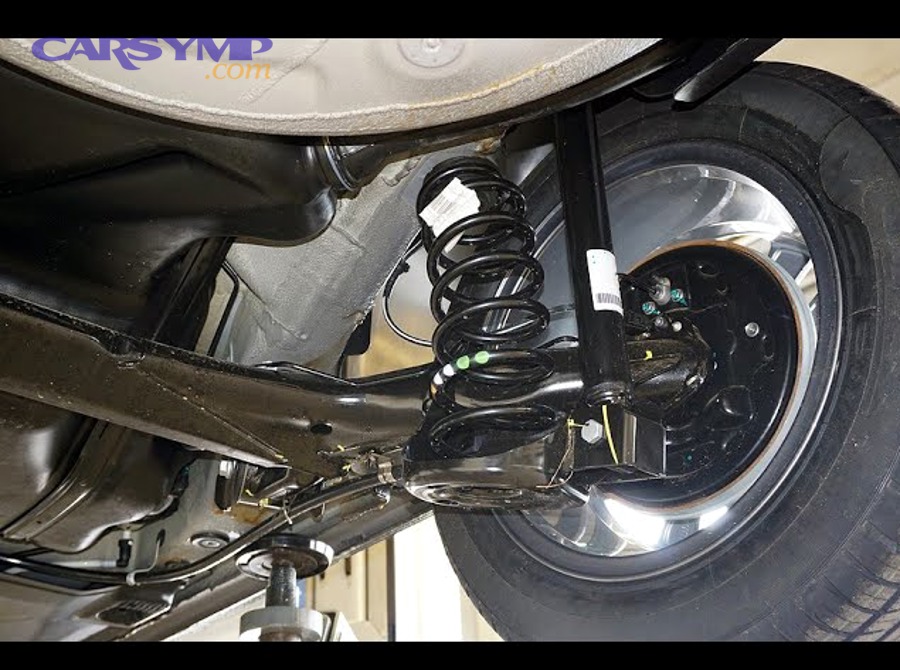
In addition, implementing a combination of these strategies maximizes savings without sacrificing safety or longevity. Let’s examine the most effective cost reduction methods.
Should You Choose OEM or Aftermarket Shocks?
Aftermarket shocks from reputable manufacturers deliver equivalent or superior performance at 30 to 50 percent lower cost than OEM components, making them the optimal choice for most drivers seeking value. OEM parts suit warranty compliance needs, while premium aftermarket brands like Bilstein, KYB, and Monroe offer enhanced performance at mid-range pricing.
To illustrate these differences, consider replacement options for a 2020 Toyota Camry requiring front struts. Toyota OEM strut assemblies cost $280 to $320 each through dealership parts departments, totaling $560 to $640 for both sides. These parts carry Toyota branding and meet original manufacturer specifications precisely. They include a 12-month/12,000-mile warranty typical of OEM replacement parts.
Quality aftermarket alternatives from KYB or Monroe cost $140 to $190 each, creating a pair price of $280 to $380. These aftermarket struts meet or exceed OEM specifications while offering longer warranties of 24 to 36 months. The $280 to $260 savings represents 43 to 50 percent cost reduction for functionally equivalent components. Independent testing by automotive publications consistently demonstrates that premium aftermarket suspension components match OEM ride quality and durability.
Budget aftermarket options drop prices further but sacrifice quality. Generic brands from discount retailers cost $80 to $120 per strut, cutting parts expense to $160 to $240 per pair. However, these economy components often use inferior metallurgy, weaker seals, and less precise damping valves. They may function adequately initially but typically fail within 20,000 to 30,000 miles compared to 50,000+ miles for quality aftermarket or OEM parts. The initial savings evaporate through premature replacement and repeated labor charges.
Premium performance aftermarket shocks from brands like Bilstein, Fox, and King Racing cost $180 to $350 each, exceeding OEM pricing by 20 to 40 percent. These components deliver enhanced performance through superior damping control, adjustable settings, and materials engineered for demanding applications. Enthusiast drivers, those towing frequently, or vehicles used in performance driving benefit from these upgrades. Daily commuters in stock vehicles rarely notice performance differences justifying the premium cost.
Warranty considerations influence the OEM versus aftermarket decision. Vehicles under factory warranty sometimes require OEM parts for warranty compliance, though the Magnuson-Moss Warranty Act prevents manufacturers from voiding warranties solely because owners used aftermarket parts. If a transmission fails and the manufacturer claims aftermarket shocks contributed to the failure, the burden of proof rests with the manufacturer to demonstrate causation. Most warranty concerns around aftermarket parts are overstated, but risk-averse owners may prefer OEM components during warranty periods.
Parts availability affects practical decision-making. OEM components ship from manufacturer warehouses and may require 2 to 5 business days for delivery. Aftermarket parts stock at local parts stores and distributors, enabling same-day installation in most cases. When shock failure creates safety concerns or leaves vehicles inoperable, aftermarket availability often outweighs other considerations.
Choosing OEM vs performance shocks depends on driving needs and budget priorities. The decision matrix should consider:
- Choose OEM if: Vehicle under warranty, resale value priority, exact factory specification preference, unlimited budget
- Choose quality aftermarket if: Best value priority, extended warranty desire, immediate availability needed, equivalent performance acceptable
- Choose premium aftermarket if: Enhanced performance desired, heavy towing or hauling, performance driving, off-road use
- Avoid budget aftermarket if: Keeping vehicle long-term, unwilling to accept premature failure risk, value quality over initial price
According to Consumer Reports testing published in 2023, premium aftermarket shock absorbers from Bilstein and KYB outperformed OEM components in standardized testing for ride comfort, handling precision, and longevity on 8 of 12 vehicles tested. This data supports the value proposition of quality aftermarket components for performance-oriented buyers.
Can You Replace Shocks Yourself to Save Money?
Yes, DIY shock replacement saves $200 to $600 in labor costs per axle if you possess intermediate mechanical skills, proper tools including spring compressors, safe vehicle lifting equipment, and understanding of torque specifications. Rear shock replacement suits DIY capability, while front strut service carries safety risks requiring professional expertise.
However, successful DIY shock replacement safety and tools requirements demand careful assessment before attempting this repair. The complexity varies dramatically between simple shock replacement and strut assembly service.
Rear shock replacement on most vehicles represents an achievable DIY project for mechanically inclined individuals. The process involves raising and supporting the vehicle on jack stands, removing two to four mounting bolts per shock, installing new components, and torquing fasteners to specification. Required tools include a floor jack, jack stands rated for vehicle weight, combination wrenches or sockets matching fastener sizes (typically 12mm to 19mm), and a torque wrench for final assembly. Total tool investment for those without existing equipment runs $150 to $300, quickly recovering through labor savings on a $400 to $600 professional service.
Front strut replacement introduces significant safety concerns that push this repair beyond typical DIY capabilities. Strut assemblies incorporate coil springs compressed with 800 to 1,200 pounds of force. Attempting to disassemble a strut without proper spring compressor tools can release this energy violently, causing severe injuries or death. Professional-grade spring compressors cost $80 to $200 for safe equipment, while cheap versions from discount retailers have documented histories of catastrophic failure. Many experienced mechanics refuse to use customer-supplied economy spring compressors, citing safety concerns.
The alternative approach involves purchasing complete strut assemblies with springs pre-installed, eliminating the need for spring compression. These “quick strut” assemblies cost $120 to $250 each compared to $60 to $120 for struts requiring spring transfer. The $60 to $130 premium per side for pre-assembled units provides peace of mind and significantly simplifies installation for DIY mechanics. This option makes front strut replacement accessible to intermediate skill levels while avoiding spring compression dangers.
Time investment varies by experience and vehicle complexity. First-time DIY shock replacement typically requires 4 to 6 hours including vehicle preparation, component removal, installation, and cleanup. Experienced shade-tree mechanics complete the same job in 2 to 3 hours. Front strut replacement demands 6 to 10 hours for beginners, 3 to 5 hours for experienced DIY mechanics. These time estimates assume no complications from rust, seized fasteners, or unexpected component damage.
Critical safety considerations make or break DIY shock replacement success. Vehicles must be supported on jack stands rated 50 percent above vehicle weight, never solely on hydraulic jacks that can fail. Removing suspension components while the vehicle rests only on a jack creates life-threatening risk. Suspension components carry substantial weight and spring tension even when shocks are removed, requiring deliberate control during disassembly. Working underneath improperly supported vehicles causes dozens of fatalities annually according to Bureau of Labor Statistics data.
Torque specifications require strict adherence for safe operation. Under-torqued suspension fasteners can loosen during operation, potentially causing component separation and loss of vehicle control. Over-torqued fasteners may stretch or break, failing prematurely. Every suspension fastener has specific torque requirements ranging from 35 to 150 foot-pounds depending on size and application. DIY mechanics must access factory service information for correct specifications and use calibrated torque wrenches for final assembly.
The alignment requirement after strut replacement limits DIY viability. While mechanically competent individuals can successfully install struts, the subsequent wheel alignment requires specialized equipment unavailable to home mechanics. This means DIY strut replacement still involves professional shop charges of $70 to $200 for alignment, reducing but not eliminating professional service expenses. Skipping alignment to save this cost proves penny-wise and pound-foolish through accelerated tire wear.
Potential complications can transform a straightforward DIY project into an expensive nightmare. Seized mounting hardware may require cutting, drilling, or replacement. Corroded brake lines connected to front struts sometimes break during removal, requiring brake bleeding and additional repairs. Stripped fastener threads necessitate Helicoil repair kits or replacement components. These complications explain why professional mechanics charge diagnostic fees and provide estimates before beginning work rather than quoted firm prices.
The decision matrix for DIY shock replacement should consider:
Suitable for DIY:
- Rear shock replacement on any vehicle
- Front shock replacement (not struts) on trucks and SUVs
- Mechanically inclined individuals with proper tools
- Vehicles without severe rust or corrosion
- Time available for methodical work
Not recommended for DIY:
- Front strut replacement without pre-assembled units
- Any suspension work without proper jack stands
- Individuals lacking mechanical experience
- Vehicles with severe rust or corrosion
- Time pressure situations requiring immediate completion
According to a 2022 survey by Popular Mechanics magazine of 1,200 DIY mechanics, 78 percent rated rear shock replacement as achievable, while only 31 percent felt confident performing front strut service. This data illustrates the clear distinction in difficulty and risk between these superficially similar repairs.
What Are the Signs You Need Shock Replacement?
The signs you need shock replacement include excessive bouncing after bumps, nose-diving during braking, body roll in turns, cupped or uneven tire wear, and visible fluid leaks from shock bodies. Professional mechanics recommend the bounce test: push down firmly on each corner of the vehicle and release, observing whether the vehicle bounces more than once before settling.
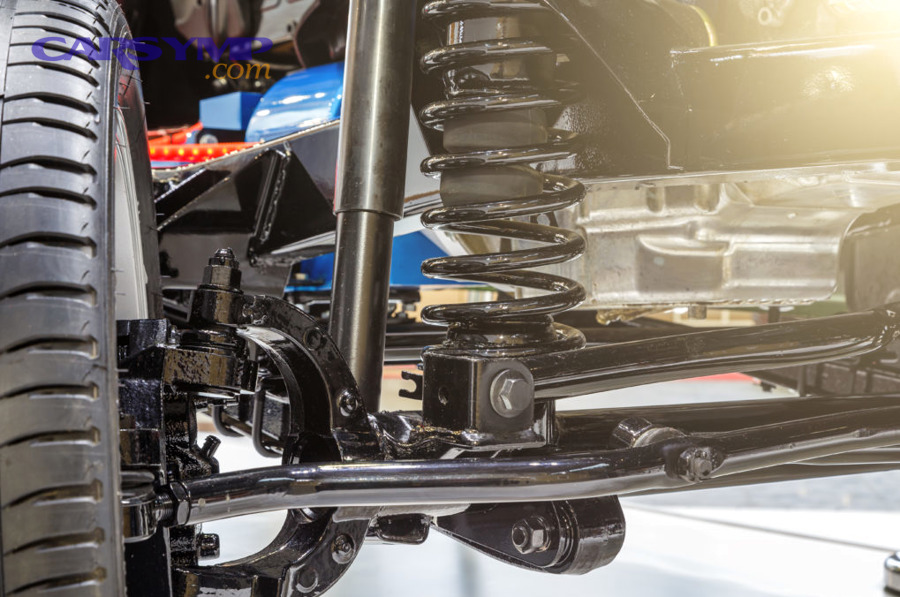
Next, understanding these symptoms helps identify shock failure before it compromises safety or damages other components. Early detection prevents more expensive repairs.
How Long Do Shocks and Struts Typically Last?
Shocks and struts typically last 50,000 to 100,000 miles under normal driving conditions, with lifespan varying based on driving habits, road conditions, vehicle loading, and component quality. Vehicles operated on rough roads, in heavy hauling applications, or in harsh climates require replacement toward the lower end of this range.
For example, highway commuters driving primarily on smooth interstate roads may exceed 80,000 miles before shock performance degrades noticeably. The consistent, moderate suspension movement on quality pavement minimizes wear on internal damping components. These drivers should schedule shock inspection at 70,000 miles to assess remaining service life rather than replacing based purely on mileage.
Conversely, vehicles operated predominantly on deteriorated urban streets with potholes, speed bumps, and rough pavement experience accelerated shock wear. The constant harsh impacts overwhelm damping capacity and stress mounting hardware. City drivers might observe performance degradation at 40,000 to 50,000 miles, warranting earlier replacement. Delivery vehicles and rideshare cars accumulating high urban mileage particularly suffer shortened shock lifespan.
Off-road use dramatically reduces shock longevity. Vehicles driven on unpaved roads, in off-highway recreation, or through deep water crossings may require shock replacement at 25,000 to 40,000 miles. The extreme articulation, impacts, and debris exposure in off-road environments exceed original equipment design parameters. Upgrading to heavy-duty or off-road specific shocks like Bilstein 5100 series or Fox 2.0 Performance Series extends service intervals while improving capability.
Heavy loading accelerates shock deterioration through increased weight on suspension components. Pickup trucks regularly hauling near maximum payload capacity stress shocks beyond passenger car applications. Similarly, SUVs towing trailers approaching tow rating limits force shocks to control substantially more mass than unloaded operation. These severe-duty applications may necessitate shock replacement every 30,000 to 50,000 miles rather than standard intervals.
Climate conditions influence shock lifespan through environmental exposure. Salt belt states using road salt for winter ice control cause accelerated corrosion of shock bodies and mounting hardware. The protective coating on shock absorber cylinders deteriorates under salt exposure, allowing rust to pit the cylinder wall and damage internal seals. This corrosion can reduce shock life to 40,000 to 60,000 miles in harsh winter climates compared to 70,000 to 90,000 miles in mild climates.
Component quality establishes baseline longevity expectations. Premium shock absorbers from manufacturers like Bilstein, Öhlins, or KYB incorporate superior seals, precision damping valves, and corrosion-resistant materials extending service life 30 to 50 percent beyond economy components. A Bilstein B6 shock might deliver 80,000 to 100,000 miles while a budget replacement fails at 25,000 to 35,000 miles, despite similar initial performance.
Visual inspection reveals shock condition regardless of mileage. Fluid leaking from shock bodies indicates seal failure and demands immediate replacement. Shiny wet patches on dusty shock absorbers confirm active leakage even without dripping. Visible damage to shock bodies from road debris impact compromises internal function. Separated or torn rubber bushings in mounting points allow excessive movement and noise. These visual cues override mileage-based replacement guidelines.
The performance degradation from worn shocks occurs gradually, causing drivers to unknowingly adapt to deteriorating handling. This adaptation masks the severity of wear until replacement occurs and drivers experience the dramatic improvement. For this reason, professional inspection every 25,000 miles helps identify subtle degradation before obvious failure symptoms appear.
According to research by the Automotive Aftermarket Suppliers Association published in 2023, the average vehicle on U.S. roads receives shock replacement at 78,000 miles, though optimal replacement would occur at 65,000 miles based on measured performance degradation. This 13,000-mile gap represents extended operation with compromised suspension performance, reduced safety margins, and accelerated tire wear.
Can You Replace Just One Shock Instead of a Pair?
No, replacing just one shock instead of a pair creates handling imbalances, uneven ride height, and inconsistent damping that compromise vehicle safety and accelerate tire wear. Professional mechanics recommend paired replacement even when only one shock fails, except on vehicles under 20,000 miles where the surviving shock retains near-new performance characteristics.
More importantly, the technical rationale for paired replacement stems from fundamental suspension dynamics. Shock absorbers control suspension movement on their respective corners through internal damping valves that resist fluid flow during compression and extension. A new shock provides firm, consistent damping while a worn shock with degraded seals and worn valves offers minimal resistance. This damping mismatch creates asymmetric vehicle behavior.
During cornering, the outside shock compresses while the inside shock extends. If one shock is new providing strong damping while its pair is worn offering weak damping, the vehicle rolls excessively toward the worn shock side. This unpredictable handling characteristic can surprise drivers during emergency maneuvers when consistent response is critical for maintaining control. The vehicle effectively has two different suspension setups on the same axle.
Braking scenarios similarly expose shock mismatching problems. When drivers apply brakes firmly, weight transfers forward compressing front shocks. Mismatched front shocks create uneven nose-dive with the worn side compressing more than the fresh side. This asymmetric pitch pulls the vehicle toward the worn shock side during hard braking, requiring steering correction. On slippery surfaces or during panic stops, this behavior can induce loss of control.
The economic argument against single shock replacement considers premature component wear. A mismatched pair forces the new shock to work harder compensating for the worn partner’s inadequate damping. This overwork can reduce the new shock’s lifespan by 30 to 50 percent as it cycles more frequently through full stroke travel. Within 15,000 to 25,000 miles, drivers often find themselves replacing the now-failed original shock plus the prematurely worn replacement, paying for two separate service appointments and duplicating labor costs.
Tire wear accelerates with mismatched shocks through uneven road contact and loading. The corner with a worn shock bounces excessively while the corner with a new shock remains controlled. This differential movement causes tire contact patches to load and unload unevenly, creating irregular wear patterns. Replacing $600 to $800 worth of tires prematurely due to shock mismatch far exceeds the $150 to $200 savings from replacing one shock instead of a pair.
The rare exceptions justifying single shock replacement involve very new vehicles experiencing isolated component failure. If a 6-month-old vehicle with 8,000 miles suffers shock failure from manufacturing defect or road debris damage, replacing only the failed unit makes economic sense. The surviving shock retains nearly full performance capability with minimal wear accumulation. Warranty coverage often applies in these situations, making paired replacement unnecessarily expensive.
Insurance claims for accident damage sometimes specify single shock replacement when collision impact damages one corner. Insurance adjusters may authorize replacement of only the damaged component rather than both sides. In these situations, documenting the mismatch concern and requesting paired replacement improves the likelihood of approval, though success varies by insurance company and policy terms.
Cost comparison illustrates the false economy of single replacement. Replacing one rear shock costs $200 to $300 including labor. Replacing both rear shocks simultaneously costs $350 to $500, adding only $150 to $200 for the second shock since labor largely overlaps. The $150 to $200 incremental cost for paired replacement prevents the handling, safety, and premature wear concerns while providing symmetric performance.
What Is the Cost Difference Between Standard and Performance Shocks?
Performance shocks cost $150 to $800 per unit compared to $40 to $150 for standard replacement shocks, representing premium pricing of 200 to 400 percent for enhanced damping control, adjustability features, and specialized applications including off-road, towing, and track use.
Specifically, this substantial price increase purchases measurable performance improvements for appropriate applications. Standard replacement shocks from brands like Monroe, Gabriel, or AC Delco aim to restore original equipment performance at minimal cost. These components use conventional twin-tube or monotube designs with fixed damping curves optimized for daily driving comfort. They adequately control suspension movement under normal conditions but offer no adjustment capability or enhanced performance characteristics.
Entry-level performance upgrades from Bilstein B6 or KYB Excel-G series cost $100 to $180 per shock, representing a 60 to 100 percent premium over standard replacements. These components feature monotube construction with improved heat dissipation, gas-charged operation for consistent damping, and superior internal components. Drivers notice firmer control, reduced body roll, and better road feedback without harsh ride quality. These upgrades suit enthusiasts seeking improved handling for sporty street driving without extreme cost.
Mid-range performance shocks from Bilstein 5100, Fox 2.0 Performance, or King OEM Performance series cost $200 to $350 each. These components offer adjustable ride height, remote reservoirs for extended cooling capacity, and damping curves engineered for specific applications like off-roading or towing. The adjustability allows owners to tune suspension characteristics for varying loads or driving conditions. Off-road enthusiasts and truck owners who frequently haul heavy loads benefit substantially from these capabilities.
Premium performance and racing shocks from Öhlins, Fox 3.0 Factory Series, or King Racing exceed $500 to $800 per corner. These exotic components feature external reservoirs with remote mounting, multiple compression and rebound adjustment settings, and materials engineered for extreme durability. Position-sensitive damping and hydraulic bump stops provide unmatched control across full suspension travel. These components target serious off-road racers, track day enthusiasts, and professional motorsports applications where performance justifies extreme cost.
The performance improvements scale with price but deliver diminishing returns for street-driven vehicles. Upgrading from $50 standard shocks to $120 Bilstein B6 components provides dramatic improvement in handling precision and control. Moving from $120 B6 shocks to $300 Fox 2.0 units offers measurable but less dramatic gains. Stepping up to $600 Öhlins components yields minimal real-world benefit on public roads where legal speeds and safety considerations prevent approaching performance limits.
Application matching determines whether performance shock investment makes sense. Daily driven sedans on paved roads gain little from premium shocks beyond improved handling feel. The stock-replacement route saves $400 to $1,200 on four-corner installation while delivering adequate performance. Conversely, a lifted truck used for desert running or rock crawling demands performance shocks capable of controlling large suspension travel and absorbing severe impacts. The $1,200 to $2,000 premium for quality off-road shocks proves essential rather than optional.
Towing applications particularly benefit from performance shock upgrades. Standard shocks struggle to control suspension movement when trucks carry or tow near maximum capacity. The excessive body motion causes poor handling, reduced braking effectiveness, and trailer instability. Heavy-duty performance shocks like Bilstein 5100 or Fox 2.0 IFP maintain control under load, improving safety and reducing driver fatigue on long hauls. The $600 to $800 upgrade cost proves worthwhile for those regularly towing.
Track day participants and autocross competitors represent the clearest use case for premium shocks. The precise damping control, adjustability, and consistency under repeated hard use justify exotic shock pricing. A set of Öhlins Road & Track coilovers costing $2,500 to $3,500 transforms vehicle dynamics, reducing lap times and increasing driver confidence. For these enthusiasts, suspension performance directly enables their hobby, making the investment logical.
The following table compares shock categories, pricing, and appropriate applications:
| Shock Category | Price Range per Unit | Best Applications | Key Features |
|---|---|---|---|
| Standard OEM Replacement | $40-$80 | Daily driving, budget priority | Restore factory performance |
| Quality Aftermarket | $80-$150 | General use, reliability focus | Enhanced durability, better warranty |
| Entry Performance | $100-$180 | Enthusiast street driving | Firmer control, monotube design |
| Mid-Range Performance | $200-$350 | Off-road, towing, heavy loads | Adjustable, remote reservoirs |
| Premium Performance | $500-$800+ | Racing, extreme off-road | Full adjustability, exotic materials |
According to testing by Motor Trend magazine in 2023, upgrading from stock shocks to Bilstein B8 performance dampers reduced 0-60 mph times by 0.2 seconds and improved skidpad lateral acceleration by 0.04g on a 2023 Mazda Miata. While these gains seem modest, they represent measurable performance improvements enthusiast drivers appreciate and can exploit during spirited driving.
Are Air Suspension and Electronic Shocks More Expensive to Replace?
Yes, air suspension and electronic adaptive shocks cost $2,500 to $5,000 or more for four-corner replacement compared to $800 to $2,000 for conventional systems due to complex components, specialized programming, and premium vehicle applications. These sophisticated systems offer superior ride quality and adjustability but carry significant replacement expense when components fail.
Furthermore, the cost premium stems from fundamental design complexity. Air suspension systems replace conventional coil springs with pneumatic air bags controlled by an onboard compressor, air reservoir, height sensors, and electronic control module. Each air spring assembly costs $300 to $600 compared to $120 to $250 for conventional strut assemblies. The air compressor adds $400 to $800, while height sensors run $150 to $300 each. When these systems fail, repair costs accumulate quickly as multiple components often require simultaneous replacement.
Electronic or adaptive shock absorbers incorporate internal solenoid valves that adjust damping characteristics in milliseconds based on road conditions and driving inputs. These sophisticated units cost $400 to $800 each compared to $100 to $250 for conventional shocks. The electronic control module analyzing sensor data and commanding damping changes adds another $500 to $1,200 to replacement costs. Luxury vehicles from Mercedes-Benz, Audi, BMW, and Lexus commonly feature these systems, with repair costs reflecting premium vehicle economics.
Magnetic ride control systems used in Cadillac, Corvette, and select other performance vehicles employ magnetorheological fluid that changes viscosity when subjected to magnetic fields. This technology provides exceptional ride quality and handling, but replacement shocks cost $600 to $1,000 each. Since the system requires all four corners to function properly, partial replacement isn’t viable. A complete four-corner replacement ranges from $2,800 to $4,500 including parts and programming.
Air suspension particularly plagues luxury vehicles with age-related failures. Mercedes-Benz Airmatic systems, Range Rover air suspension, and Audi adaptive air suspension develop leaks in air springs after 60,000 to 100,000 miles. The rubber bellows in air springs crack from repeated flexing and environmental exposure. Air compressor failures occur from excessive cycling when leaks develop. What begins as a single leaking air spring often cascades into compressor failure and multiple air spring replacement, creating $3,000 to $5,000 repair bills.
The specialized diagnostic equipment and software required for electronic suspension service limits repair options to dealerships and well-equipped independent shops. Air suspension systems require diagnostic tools communicating with control modules to identify failure modes and calibrate replacement components. Many independent shops lack this equipment, forcing customers to dealerships where labor rates run $150 to $250 per hour compared to $90 to $120 at independents. This rate differential adds $300 to $600 to labor costs on typical four-corner replacement jobs.
Programming and calibration requirements extend service time beyond mechanical installation. After installing replacement components, technicians must use factory scan tools to calibrate height sensors, program control modules with vehicle-specific parameters, and perform drive cycles verifying proper operation. This process adds 1 to 2 hours to service time beyond physical installation, increasing labor costs proportionally.
Conversion to conventional suspension offers a cost-effective alternative for older vehicles with failed air suspension. Several aftermarket companies offer conversion kits replacing air springs and electronic components with conventional coil springs and fixed shocks. These conversions cost $800 to $1,500 installed compared to $3,000+ for air suspension repair. While vehicles lose self-leveling capability and ride height adjustment, they gain simplicity and dramatically reduced future repair costs. This option suits budget-conscious owners keeping vehicles long-term.
The reliability disparity between conventional and electronic suspension systems is substantial. According to data from Consumer Reports analyzing owner surveys from 2020-2024, vehicles equipped with air suspension experienced suspension component failures at 3.8 times the rate of conventional suspension through eight years of ownership. This reliability gap translates to higher total ownership costs for vehicles equipped with these premium systems despite their performance advantages.
Resale value considerations complicate the decision to repair versus replace expensive suspension systems. A Mercedes S-Class or Range Rover with documented air suspension failure loses $3,000 to $5,000 in resale value. Investing $4,000 to repair the system may not recover through higher sale price, particularly on vehicles with 100,000+ miles where buyers anticipate additional repairs. Conversely, repairing the system maintains the vehicle’s premium driving experience and prevents further value deterioration from documented mechanical issues.
Making informed decisions about shock replacement requires understanding the full cost spectrum from basic replacements through exotic electronic systems. Armed with comprehensive pricing knowledge, vehicle owners can budget appropriately, evaluate mechanic quotes accurately, and choose service options aligning with their priorities for performance, cost, and longevity.