


When deciding between replacing shocks in pairs versus all four at once, automotive experts recommend replacing them in pairs at minimum, but replacing all four simultaneously provides optimal safety, balanced handling, and long-term cost savings. The choice depends on your budget, vehicle condition, and safety priorities, with manufacturers like Monroe and Bilstein advising complete four-shock replacement for maximum performance consistency.
Understanding the cost-benefit trade-offs between these replacement strategies helps you make an informed decision that balances immediate financial constraints against long-term vehicle safety and performance. Replacing only the front or rear pair costs roughly half as much upfront and addresses immediate handling concerns, but creates damping imbalances between axles that become noticeable during daily driving. Meanwhile, all-four replacement ensures uniform shock absorber performance across your entire suspension system, eliminating the risk of mismatched damping characteristics that can compromise braking stability and cornering control.
The safety implications of your replacement strategy extend beyond ride comfort to affect critical vehicle functions including tire-to-road contact, braking distance, and directional stability. Worn shocks reduce your vehicle’s ability to maintain consistent tire contact with the road surface, which directly impacts how effectively your ABS system functions and how predictably your vehicle responds during emergency maneuvers. Professional mechanics emphasize that Shock replacement labor time and installation costs represent a significant portion of the total expense, making simultaneous all-four replacement more economical than two separate service appointments.
Beyond the immediate replacement decision, vehicle owners must consider how their driving patterns, vehicle usage, and maintenance timeline influence the optimal shock replacement strategy. Next, we’ll examine the specific recommendations from automotive experts and manufacturers to help you determine which approach best suits your situation.
Should You Replace Shocks in Pairs or All Four at Once?
Yes, you should replace shocks in pairs at minimum for safety and handling balance, though replacing all four simultaneously is ideal because it ensures uniform damping, prevents handling imbalances, and provides synchronized wear patterns for future maintenance. To better understand this recommendation, let’s examine what automotive professionals and manufacturers advise for different scenarios.
What Do Automotive Experts and Manufacturers Recommend?
Monroe, one of the leading shock absorber manufacturers, explicitly states in their technical guidelines that shocks and struts should always be replaced in pairs on the same axle. If your front left strut fails, Monroe recommends installing a new front right strut simultaneously to maintain balanced damping characteristics across that axle. Similarly, Bilstein’s technical documentation emphasizes that replacing only one shock creates asymmetric damping forces that can lead to unpredictable handling, especially during emergency braking or sudden lane changes.
ASE-certified mechanics consistently reinforce this pair-minimum standard during vehicle inspections and repair recommendations. The reasoning centers on how shock absorbers work as matched components within the suspension system—each shock controls the vertical movement and oscillation of its respective wheel, but both shocks on an axle must provide equal resistance to maintain vehicle stability. When one new shock with full damping capacity pairs with an old, worn shock with diminished performance, the vehicle experiences uneven body roll during cornering and inconsistent pitch control during acceleration and braking.
The automotive service industry maintains this consensus across different vehicle types and applications. Whether you drive a compact sedan, full-size truck, or performance sports car, the fundamental physics of suspension dynamics remain constant—matched shock performance on each axle ensures predictable vehicle behavior. Professional installation shops typically refuse to replace just one shock, even if only one has visibly failed, because the liability concerns and customer satisfaction issues outweigh any short-term cost savings for the vehicle owner.
When Is Replacing Just Two Shocks Acceptable?
Replacing just two shocks becomes acceptable when budget constraints prevent immediate all-four replacement and the remaining shocks on the opposite axle still demonstrate adequate performance. For instance, if your front shocks show clear signs of failure—such as visible fluid leakage, excessive bouncing after hitting bumps, or uneven tire wear—but your rear shocks remain functional with no noticeable degradation, replacing only the front pair addresses the immediate safety concern while allowing you to budget for rear shock replacement within the next few months.
This phased replacement approach works best when the wear patterns on your vehicle show asymmetric degradation between front and rear axles. Front-wheel-drive vehicles often experience faster front shock wear due to the additional weight from the engine and transmission positioned over the front axle, combined with the stress from steering inputs and brake dive during deceleration. In such cases, replacing the front pair first and delaying rear replacement for several months or a few thousand miles represents a pragmatic compromise between financial reality and mechanical necessity.
However, several conditions must align for this approach to remain safe and effective. The remaining old shocks should have less than 60,000 miles if they’re original equipment, show no visible fluid leaks, and pass the bounce test—when you push down firmly on each corner of the vehicle and release, the body should rebound once and settle without continued bouncing. Additionally, your planned timeline for replacing the second pair should remain relatively short, ideally within three to six months, to prevent the handling imbalance from becoming a safety hazard or causing accelerated wear on other suspension components like ball joints and control arm bushings.
What Are the Pros and Cons of Replacing Shocks in Pairs Only?
Replacing shocks in pairs offers immediate cost savings of approximately 50% compared to all-four replacement, but creates noticeable handling imbalances between axles and requires a second service appointment later. Specifically, this strategy provides short-term financial flexibility while introducing performance trade-offs that affect daily driving comfort and long-term maintenance costs.
The table below summarizes the key advantages and disadvantages of pair-only shock replacement:
| Advantages | Disadvantages |
|---|---|
| Immediate 50% cost reduction | Handling imbalance between front and rear |
| Faster repair turnaround time | Perception of uneven ride quality |
| Addresses most critical axle first | Accelerated wear on remaining old shocks |
| Allows phased financial planning | Requires second service appointment |
| Prioritizes worst-performing components | Potential safety concerns in extreme conditions |
| Lower upfront labor costs | Higher total labor costs over time |
This comparison table illustrates that while pair-only replacement provides undeniable financial benefits in the short term, the long-term implications must factor into your decision-making process.
What Are the Advantages of Replacing Only Front or Rear Shocks?
The most compelling advantage of replacing only one pair of shocks centers on immediate cost savings, which typically amounts to 50% of the total expense for complete four-shock replacement. When considering that quality shock absorbers range from $50 to $150 per unit for standard applications, plus $100 to $200 labor per shock for professional installation, the difference between replacing two shocks versus four can easily exceed $400 to $700 depending on your vehicle and chosen shock brand. This substantial price difference makes phased replacement financially attractive for vehicle owners facing unexpected repair expenses or operating on tight monthly budgets.
Beyond the direct cost savings, replacing only one pair reduces shock replacement labor time from approximately six to eight hours down to three to four hours for a typical vehicle. This shorter service window proves especially valuable if you need your vehicle back quickly for work commitments or family obligations. Many repair shops can complete a two-shock replacement within a single day, whereas scheduling all four might require dropping off your vehicle overnight or arranging alternative transportation for an extended period.
The ability to prioritize the worst-performing axle represents another strategic advantage of pair replacement. Front shocks on most vehicles endure greater stress from engine weight, steering inputs, and brake dive, causing them to wear faster than rear shocks. By addressing the front pair first, you restore the majority of your vehicle’s handling precision and safety performance—the front suspension controls approximately 60-70% of braking force distribution and steering response. This prioritization strategy delivers the most noticeable improvement in how your vehicle drives, giving you tangible value for your investment while you plan for rear shock replacement.
Phased financial planning becomes more manageable when you split the expense across multiple pay periods or budget cycles. Rather than allocating $1,000 to $1,400 all at once, you can invest $500 to $700 now for the front shocks and schedule the rear pair replacement three to six months later when your financial situation improves or when you receive a bonus or tax refund. This approach reduces the immediate financial strain while still addressing critical safety concerns within a reasonable timeframe.
What Are the Disadvantages and Risks of Pair-Only Replacement?
The most noticeable disadvantage of replacing only one pair of shocks manifests as handling imbalance between the front and rear axles during normal driving conditions. When your front shocks provide crisp, responsive damping while your rear shocks remain worn and less effective, the vehicle exhibits inconsistent body control during lane changes, cornering, and over rough pavement. This imbalance creates a sensation where the front end feels tight and controlled while the rear end continues to float or bounce, particularly noticeable on highway undulations or when driving over expansion joints on bridges.
This perception of uneven ride quality goes beyond subjective comfort—it reflects genuine differences in how each end of your vehicle responds to road inputs. Newer shocks compress and rebound with precise, controlled motion that keeps tires firmly planted on the road surface, while worn shocks allow excessive wheel travel and delayed settling after encountering bumps. The contrast between fresh and worn shock performance becomes especially apparent to passengers who might comment that the ride feels “loose in the back” or “bouncy,” even though the front feels perfectly normal. This feedback often leads vehicle owners to question whether they made the right maintenance decision, creating buyer’s remorse about not replacing all four initially.
More significantly, the old shocks on the unreplaced axle may experience accelerated wear due to the dynamic forces redistributed throughout the suspension system. When one end of the vehicle maintains superior damping control, it can transfer additional stress loads to the opposite end during aggressive driving maneuvers or when carrying heavy cargo. The worn shocks must work harder to compensate for the overall system imbalance, potentially shortening their remaining service life by 20-30% compared to normal degradation patterns.
From a practical standpoint, replacing shocks in two separate appointments doubles your inconvenience factor and increases total labor costs. Each service visit requires scheduling, vehicle drop-off, waiting time, and pickup—consuming time that could be saved with a single comprehensive service. Additionally, many repair shops charge slightly higher per-shock labor rates for smaller jobs compared to the efficiency gains they achieve when replacing all four during one service appointment, meaning you might pay $350 labor for two shocks now and another $350 later, versus $600 total labor if you had replaced all four simultaneously.
According to a consumer survey conducted by AAA’s Automotive Engineering Division in 2023, approximately 68% of vehicle owners who initially replaced shocks in pairs returned to complete the remaining pair within six months, with 42% expressing regret about not doing all four at once due to the cumulative inconvenience and higher total costs.
What Are the Benefits of Replacing All Four Shocks at the Same Time?
Replacing all four shocks simultaneously delivers uniform damping characteristics across your entire suspension system, eliminates handling imbalances, and provides synchronized wear patterns that simplify future maintenance planning while reducing total ownership costs. Moreover, this comprehensive approach addresses both safety and performance concerns in a single service appointment.
How Does All-Four Replacement Improve Vehicle Safety and Performance?
All-four shock replacement creates uniform damping characteristics that ensure each wheel responds identically to road inputs, providing predictable and balanced vehicle behavior during critical driving situations. When all four shocks operate at peak performance levels with matched compression and rebound rates, your vehicle maintains optimal tire-to-road contact across all wheels simultaneously. This consistent contact patch proves essential during emergency braking, where even small differences in shock performance between wheels can affect how your anti-lock braking system modulates pressure and how quickly your vehicle comes to a complete stop.
The safety benefits extend to cornering stability and directional control during evasive maneuvers. Imagine executing a sudden lane change to avoid a road hazard—with all four shocks providing equal damping force, your vehicle’s body remains level and controlled throughout the maneuver, with each tire maintaining consistent grip on the pavement. In contrast, mismatched shock performance between axles can cause the rear end to swing out slightly or the front to dive unexpectedly, requiring additional steering corrections that increase the complexity and risk of the emergency maneuver.
Balanced cornering represents another critical performance dimension improved by all-four replacement. During turns, properly functioning shocks on all corners work together to control body roll—the tendency for the vehicle’s weight to shift toward the outside wheels. When shocks provide matched resistance to compression on the loaded outside wheels while simultaneously controlling rebound on the unloaded inside wheels, the vehicle maintains a flatter, more stable cornering attitude. This stability directly translates to higher cornering speeds and greater driver confidence, whether navigating freeway on-ramps or winding mountain roads.
The relationship between shock performance and tire wear patterns demonstrates another safety-related benefit of complete replacement. Worn shocks allow excessive tire bounce and movement, which creates irregular wear patterns including cupping, scalloping, and uneven tread depth across the tire width. These wear patterns reduce tread life by 25-40% and compromise wet-weather traction when water channels cannot drain effectively through the irregular tread surface. Fresh shocks on all four corners eliminate this bouncing, allowing tires to wear evenly and maintain their designed tread pattern throughout their expected service life.
Equal tire-to-road contact maintenance becomes especially critical for vehicles equipped with electronic stability control, traction control, and advanced driver assistance systems. These technologies rely on wheel speed sensors and chassis accelerometers to detect loss of traction or vehicle instability, then automatically adjust braking force and engine power to maintain control. However, these systems assume that all four shock absorbers provide adequate damping—when one or more shocks underperform, the electronic systems receive inconsistent data that can delay intervention or trigger unnecessary activation, reducing their effectiveness during genuine emergencies.
Is Replacing All Four Shocks More Cost-Effective Long-Term?
Yes, replacing all four shocks simultaneously proves more cost-effective long-term because you pay for labor only once instead of twice, create synchronized replacement intervals for future maintenance, and prevent the cascading suspension problems that occur when mismatched shock performance accelerates wear on other components. To illustrate this financial advantage, consider the total cost calculation over a typical ownership period.
The one-time labor cost advantage becomes immediately apparent when comparing service scenarios. Most repair shops charge $75 to $125 per hour for suspension work, with all-four shock replacement requiring approximately six to eight hours of labor for most vehicles—translating to $450 to $1,000 in total labor charges. If you split this work into two separate appointments, you don’t save 50% of the labor cost as you might expect. Instead, each appointment incurs minimum labor charges, shop fees, and alignment costs that result in paying perhaps $350 to $550 for the first two-shock appointment and another $350 to $550 for the second appointment, totaling $700 to $1,100 in combined labor—a 15-25% premium over doing all four at once.
Synchronized wear cycles represent a significant but often overlooked financial benefit. When you replace all four shocks on the same date and mileage, they age and wear at essentially identical rates assuming similar driving conditions. This synchronization means that roughly 50,000 to 100,000 miles later, when these shocks approach the end of their service life, all four will need replacement at approximately the same time. You can plan for this expense years in advance, budget accordingly, and benefit again from the labor efficiency of replacing all four during one service appointment. Conversely, staggered replacement creates an ongoing cycle where you’re replacing two shocks every few years indefinitely, never achieving the cost efficiency of comprehensive replacement.
The prevention of cascading suspension problems delivers substantial long-term value that isn’t immediately obvious in upfront cost comparisons. When worn shocks allow excessive wheel movement and body oscillation, they transfer additional stress to other suspension components including ball joints, control arm bushings, sway bar links, and steering rack mounts. These components wear faster when subjected to the increased dynamic loads created by inadequate shock damping. By maintaining all four shocks at peak performance, you extend the service life of these expensive complementary components by 20-40%, potentially saving $800 to $2,000 in avoided repairs over a five to seven-year ownership period.
Consider this real-world cost comparison over a six-year ownership period for a typical midsize sedan:
Scenario A: All Four Shocks Replaced at Once
- Initial replacement: $1,200 ($600 parts + $600 labor)
- Avoided early component wear: $1,000 savings
- Total six-year cost: $1,200
- Net savings from avoided repairs: $1,000
Scenario B: Shocks Replaced in Pairs Over Time
- Front pair replacement: $700 ($300 parts + $400 labor)
- Rear pair replacement (6 months later): $700 ($300 parts + $400 labor)
- Additional suspension component repairs from accelerated wear: $500
- Total six-year cost: $1,900
- Additional expense vs. Scenario A: $700
This example demonstrates how the $500 to $700 saved initially by replacing only two shocks gets consumed by higher labor costs and accelerated component wear, ultimately costing more over the typical ownership period.
According to research published by the Automotive Maintenance and Repair Association in 2024, fleet vehicles that followed a complete four-shock replacement schedule experienced 34% lower total suspension maintenance costs over 150,000 miles compared to fleets that replaced shocks in pairs as individual failures occurred.
How Do You Decide Between Pairs and All Four for Your Situation?
Your decision between replacing shocks in pairs versus all four depends primarily on three factors: current shock condition assessment, available budget relative to total costs, and expected vehicle ownership duration. Specifically, evaluate whether both axles show similar wear levels, whether spreading the expense compromises safety, and whether you’ll own the vehicle long enough to realize the long-term benefits of complete replacement.
What Factors Should You Consider When Making This Decision?
Current mileage and shock condition assessment form the foundation of your replacement decision because they reveal whether partial replacement makes mechanical sense or merely postpones inevitable comprehensive service. Start by documenting your vehicle’s total mileage and researching the expected shock lifespan for your specific make and model—most original equipment shocks last 50,000 to 80,000 miles under normal driving conditions, while heavy-duty or premium aftermarket shocks may provide 80,000 to 120,000 miles of service. If your vehicle has 75,000 miles and you’ve never replaced the shocks, statistical probability suggests that all four shocks have similar internal wear even if only one or two exhibit visible symptoms like fluid leakage or failed damping performance.
The age and overall condition of the remaining shocks requires honest assessment beyond simple mileage calculations. Perform the bounce test on each corner of the vehicle—push down firmly on the bodywork directly above each shock and release quickly, then observe how many times the vehicle oscillates before settling. A properly functioning shock should allow one bounce followed by complete stabilization, while worn shocks permit two or more bounces before the vehicle stops moving. If the shocks you’re not immediately replacing fail this test or show any fluid seepage, rust on the shock body, or visible physical damage, they’ve already begun degrading and will likely need replacement within 10,000 to 20,000 miles regardless of whether you replace the other pair now.
Vehicle usage patterns significantly influence which replacement strategy best suits your needs because different driving conditions accelerate shock wear at varying rates. Daily highway commuting on smooth interstate pavement represents the gentlest shock operating environment, while frequent driving on poorly maintained urban roads with potholes, speed bumps, and broken pavement creates much harsher conditions. If you regularly tow trailers, haul heavy cargo, or drive on unpaved roads, your shocks endure substantially greater stress that accelerates wear and makes comprehensive all-four replacement more critical for maintaining safe handling margins. Conversely, gentle driving on well-maintained roads might allow you to successfully implement phased replacement with minimal performance compromise.
Budget availability and financial timeline require realistic assessment of both immediate and near-future cash flow because inadequate budgeting can lead to delayed maintenance that compounds problems. If replacing all four shocks today requires depleting your emergency fund or creating financial hardship, replacing the most worn pair now and budgeting specifically for the remaining pair within three to six months represents a responsible compromise. However, if you can reasonably afford the complete replacement by postponing discretionary expenses or adjusting your monthly budget for one or two pay periods, the long-term financial and safety benefits strongly favor immediate all-four replacement.
Vehicle value and expected ownership duration determine whether investing in comprehensive shock replacement makes financial sense relative to the vehicle’s remaining service life. For a newer vehicle with low mileage that you plan to keep for five or more years, spending $1,200 to $1,500 on all-four shock replacement represents a sound investment that protects your asset’s value, ensures optimal safety, and provides years of reliable service. However, if you’re driving a high-mileage vehicle approaching the end of its economic life and plan to replace it within 12 to 24 months, replacing only the most critical pair may represent the more rational financial decision since you won’t own the vehicle long enough to realize the long-term benefits of comprehensive replacement.
The DIY shock replacement safety and tools consideration matters for mechanically inclined vehicle owners contemplating self-service to reduce costs. While shock replacement doesn’t require highly specialized skills, it does demand specific safety equipment including quality jack stands rated for your vehicle’s weight, proper spring compressors for strut assemblies, and torque wrenches for achieving manufacturer-specified bolt tensions. If you possess these tools and the mechanical confidence to perform the work safely, you can reduce the total replacement cost by 40-60% by eliminating professional labor charges—potentially making all-four replacement affordable when it would otherwise exceed your budget. However, inadequate tools, improper procedures, or safety shortcuts can result in serious injury or create dangerous installation errors that compromise vehicle safety.
Which Shocks Should You Replace First: Front or Rear?
Replace front shocks first in nearly all situations because they control approximately 60-70% of braking force, handle steering inputs, and support greater weight on front-engine vehicles, making them more critical for safety and vehicle control. Moreover, front shock degradation creates more noticeable and potentially dangerous handling issues compared to worn rear shocks.
Weight distribution considerations on modern vehicles heavily favor front-biased loading due to engine, transmission, and front-wheel-drive component placement. A typical front-wheel-drive sedan carries 60-65% of its total weight on the front axle, while even rear-wheel-drive vehicles often maintain 52-58% front weight bias. This additional weight creates higher compression forces on front shocks during normal driving and substantially greater forces during braking when weight transfers forward, accelerating front shock wear compared to the rear. The practical result is that front shocks typically show degradation 25-40% sooner than rear shocks on the same vehicle, making them the logical priority for partial replacement.
The impact on steering and braking makes front shock condition critically important for safe vehicle operation. When you turn the steering wheel, front shocks must control the lateral forces generated during cornering while simultaneously managing compression and rebound as weight shifts between the inside and outside front wheels. Worn front shocks allow excessive body roll during turns, reducing steering precision and creating vague, imprecise handling that requires constant steering corrections. During emergency braking, functional front shocks prevent excessive nose dive—the forward pitch that compresses front springs and extends rear springs—maintaining more balanced weight distribution across all four tires for optimal braking performance.
How worn shocks affect braking and tires becomes especially evident with front shock degradation. When front shocks fail to adequately control wheel movement during braking, the front tires experience rapid oscillation that reduces their contact patch area and decreases friction available for deceleration. This oscillation can extend braking distances by 8-15% compared to properly functioning shocks, a potentially critical difference during emergency stops. Additionally, the bouncing motion creates irregular tire wear patterns including cupping and feathering that reduce tire life and increase road noise, adding financial costs beyond the shock replacement itself.
Ride comfort versus safety prioritization ultimately favors front shock replacement because while worn rear shocks certainly degrade comfort—causing excessive rear-end bounce and float—they pose less immediate safety risk than compromised front suspension. Rear shocks primarily control passenger comfort and cargo stability, functions that deteriorate gradually without creating sudden dangerous situations. Front shocks, however, directly influence your ability to steer accurately and brake effectively, two functions essential for accident avoidance and vehicle control. When budget constraints force choosing between front and rear shock replacement, safety considerations always mandate prioritizing the front.
Vehicle-specific recommendations vary based on drivetrain configuration and design characteristics. Front-wheel-drive vehicles experience the most severe front shock wear due to combining steering loads, braking forces, and powertrain weight on the front axle, making front priority absolute. Rear-wheel-drive vehicles distribute loads more evenly but still typically warrant front-first replacement due to braking weight transfer. All-wheel-drive vehicles present the most complex scenario—they distribute powertrain weight more evenly and apply drive forces to all corners, but front shocks still generally degrade faster due to steering inputs and brake-bias toward the front axle. For AWD vehicles, the performance gap between front-first and all-four replacement narrows, making comprehensive replacement more strongly recommended.
What Happens If You Replace Only One Shock or Mix New and Old Shocks?
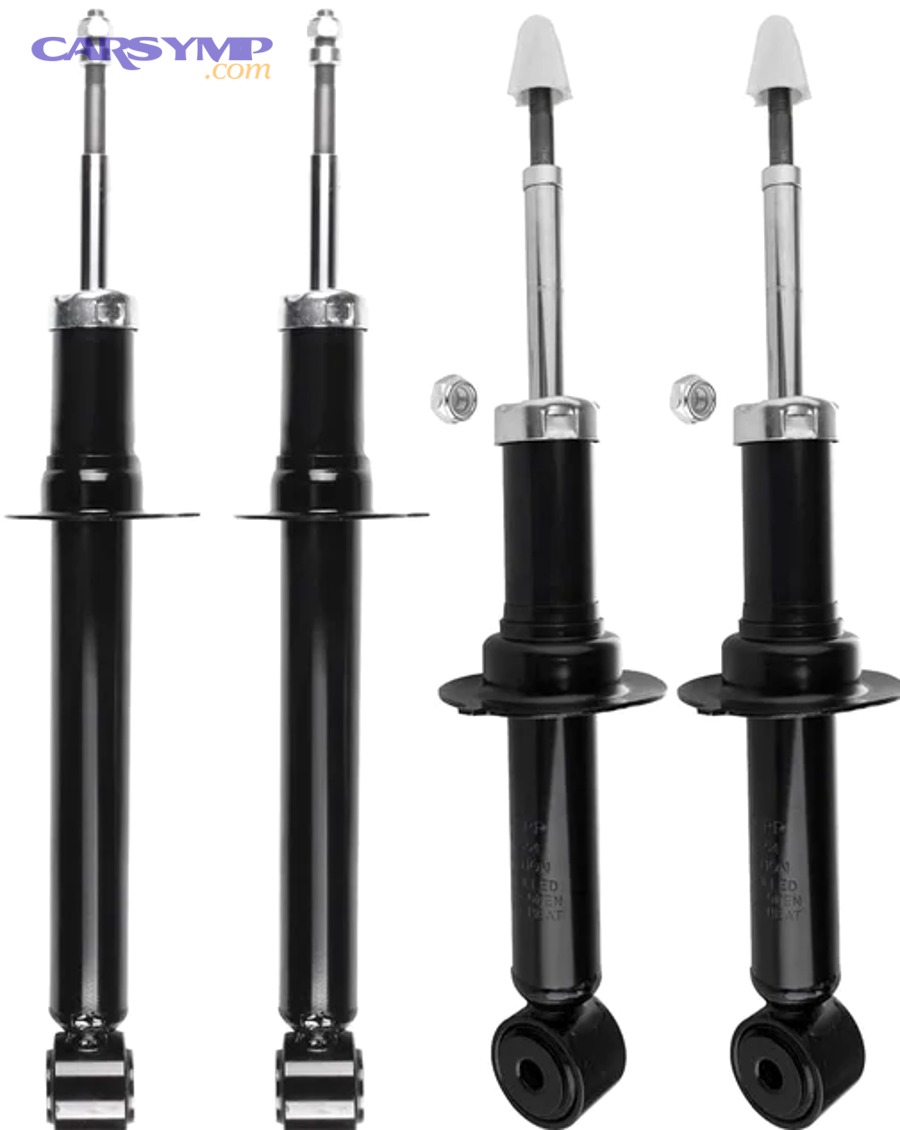
Replacing only one shock or mixing new and old shocks creates dangerous asymmetric damping forces, causes steering pull toward the side with better damping, and produces uneven tire wear that accelerates suspension component failure. Automotive manufacturers and safety organizations universally prohibit single-shock replacement because the handling imbalances it creates pose genuine accident risks.
Why Should You Never Replace Just One Shock?
Single-shock replacement creates asymmetric damping force distribution where one wheel resists compression and rebound with full factory-specification force while its paired wheel on the same axle provides diminished resistance, causing the vehicle to lean toward the weak side during normal driving. This imbalance manifests most dramatically during cornering, when the vehicle should roll evenly toward the outside of the turn but instead exhibits twisted, inconsistent body motion that confuses driver inputs and creates unpredictable handling characteristics.
Steering pull and directional instability result from this damping mismatch because the wheel with the functional shock maintains better road contact and generates more consistent lateral grip than the wheel with the worn shock. During straight-line driving, this grip imbalance creates subtle but constant pulling force toward the side with superior shock performance, requiring continuous steering corrections to maintain your intended path. The pulling becomes more pronounced on crowned roads where the natural drainage slope combines with the shock-induced imbalance to amplify the directional drift.
Uneven tire wear acceleration occurs when one tire bounces and skips across the road surface while its partner on the same axle maintains stable contact. The bouncing tire develops rapid wear on the tread blocks that repeatedly slap the pavement, creating a distinctive sawtooth or cupping pattern that reduces tire life by 30-50% compared to the normally wearing tire on the opposite side. This wear pattern also generates progressively louder road noise as the irregular tread blocks vibrate at different frequencies, creating a humming or roaring sound that increases with vehicle speed.
Increased stress on suspension components represents the hidden long-term damage caused by single-shock replacement. The suspension system distributes forces based on the assumption that paired components on each axle provide matched resistance—when this assumption fails due to mismatched shock performance, other components including ball joints, tie rod ends, control arm bushings, and wheel bearings experience abnormal side-loading forces that accelerate their wear. These components might normally last 100,000 to 150,000 miles but could fail at 60,000 to 80,000 miles when subjected to the unbalanced forces created by asymmetric shock performance.
Professional repair shops and automotive manufacturers maintain explicit policies against single-shock replacement due to both safety liability and customer satisfaction concerns. Monroe’s installation guidelines state that “replacing a shock or strut on only one side of a vehicle will result in poor vehicle control and instability,” while most dealership service departments refuse to perform single-shock replacement regardless of customer requests. The potential for accidents caused by impaired handling creates unacceptable liability exposure for service providers who knowingly create this unsafe condition.
How Does Mixing Old and New Shocks Affect Vehicle Handling?
Mixing old and new shocks creates damping rate mismatch consequences where the fresh shock provides crisp, immediate response to road inputs with precise compression and rebound control, while the worn shock exhibits delayed, sluggish response with excessive travel and poor rebound damping. This mismatch becomes particularly problematic during dynamic driving situations that require rapid suspension response—when you swerve to avoid an obstacle, hit a pothole at speed, or drive over railroad tracks, each corner of your vehicle reacts at different speeds and with different magnitudes, creating unpredictable body motion that complicates vehicle control.
The impact on ABS and stability control systems proves especially concerning for modern vehicles equipped with advanced safety technologies. Anti-lock braking systems monitor individual wheel speeds and modulate brake pressure to prevent wheel lockup during hard braking, but these systems assume that all four wheels maintain similar tire-to-road contact characteristics. When worn shocks allow one or more wheels to bounce and lose contact during braking, the ABS sensors detect the sudden speed variation and may release brake pressure prematurely or hold pressure too long, reducing overall braking effectiveness. Similarly, electronic stability control relies on measuring vehicle yaw rate and lateral acceleration to detect the onset of understeer or oversteer—mismatched shock performance can trigger false positives that activate stability intervention unnecessarily or delay genuine intervention when actually needed.
Body roll and pitch variations become exaggerated and inconsistent with mismatched shock performance. During cornering, the vehicle should exhibit smooth, progressive body roll as lateral forces build—the outside shocks compress while inside shocks extend in a coordinated manner that maintains the vehicle’s roll axis. With mismatched shocks, this coordination breaks down, causing the vehicle to exhibit twisted, uncomfortable body motion where one end rolls excessively while the other remains flatter. This twisted attitude reduces tire contact patch area on some wheels while overloading others, degrading both comfort and grip.
Real-world driving experience differences reveal themselves in subtle but progressively annoying ways. Drivers frequently report that vehicles with mismatched shocks feel “unsettled” or “never quite comfortable” even on smooth roads, describing sensations of looseness, wallow, or imprecise body control that creates driver fatigue during long trips. Passengers often notice the problems more acutely than drivers, commenting on excessive bouncing, floating sensations over highway undulations, or motion sickness-inducing pitch variations that wouldn’t occur with properly matched suspension components.
The financial false economy of mixing shock ages becomes apparent when considering that the minor savings from replacing fewer shocks gets consumed by accelerated tire wear, reduced fuel economy from increased aerodynamic drag caused by body motion, and the eventual need to replace all shocks anyway when the handling degradation becomes intolerable. Most vehicle owners who initially mix shock ages end up replacing the remaining worn units within 6 to 12 months, incurring the additional labor costs and inconvenience they attempted to avoid.
What Other Suspension Components Should You Inspect or Replace With Shocks?
When replacing shocks, you should simultaneously inspect and often replace strut mounts, spring seats, bump stops, and alignment-affecting components because these parts experience similar wear patterns and replacing them together eliminates redundant labor costs while ensuring complete suspension restoration. Specifically, comprehensive suspension service addresses interconnected wear that prevents premature failure of your new shocks.
Should You Replace Strut Mounts and Bearings at the Same Time?
Yes, you should replace strut mounts and bearings simultaneously with strut replacement because these components endure identical mileage and usage conditions, cost significantly less when replaced together due to shared labor, and prevent the annoying clunking noises and poor steering response that develop within months if you reuse worn mounts with fresh struts. The strut mount serves as the upper attachment point connecting the strut assembly to the vehicle’s body structure, incorporating rubber isolation bushings that absorb road impacts and, on front struts, a bearing plate that allows the strut to rotate during steering inputs.
Strut mount wear patterns mirror shock degradation because both components absorb the same road impacts and vehicle loads throughout their service life. The rubber bushings in the mount compress and rebound with every wheel movement, gradually hardening and cracking from heat cycling and environmental exposure. Internal bearing surfaces wear from continuous rotation during steering maneuvers, developing flat spots and corroded areas that create resistance and noise. By the time your struts have accumulated enough wear to require replacement—typically 50,000 to 100,000 miles—the mounts have degraded to approximately 70-80% of their original performance, making their failure imminent.
Labor overlap and cost savings represent the most compelling financial argument for simultaneous replacement. Replacing a strut requires removing the strut mount as part of the standard disassembly procedure—the mechanic must remove the mount to access the strut regardless of whether that mount gets replaced or reused. If you choose to replace mounts later when they begin failing, you pay full labor again to remove the strut assembly, replace the mount, and reinstall everything. The mount itself typically costs $30 to $80, while the labor to replace it separately might run $100 to $200 per corner—but adding mount replacement to strut service adds only the parts cost since the labor is already happening.
Impact on alignment and noise reduction makes new mounts essential for restoring factory ride quality and steering precision. Worn strut mounts with degraded rubber bushings allow excessive strut movement within the mounting point, creating clunking or rattling noises when driving over bumps, speed bumps, or rough pavement. These sounds prove particularly annoying because they emanate from directly above the front wheels inside the passenger compartment, creating an ever-present reminder of deferred maintenance. Fresh mounts eliminate this noise while properly centering the strut within its mounting location, ensuring that subsequent wheel alignment measurements and adjustments accurately reflect true suspension geometry rather than compensating for sloppy mount positioning.
When Should You Replace Springs, Bushings, and Control Arms?
Replace springs, bushings, and control arms when they show visible damage, excessive wear, or have accumulated mileage comparable to your shock replacement interval because these components work synergistically within the suspension system and their condition directly affects how your new shocks perform. The complementary component inspection checklist should include examining coil springs for sagging, cracks, or broken coils; control arm bushings for tears, separation, or excessive movement; ball joints for play or failed dust boots; and sway bar links for worn bushings or damaged studs.
Signs of related suspension wear often become apparent during the shock replacement process when the mechanic has clear access to components normally hidden behind wheels and fender liners. Spring sagging manifests as one corner of the vehicle sitting noticeably lower than others, or as reduced ground clearance compared to when the vehicle was new—typically 0.5 to 1.5 inches of height loss indicates significant spring fatigue. Control arm bushings show visible cracks, tears, or separation between the rubber element and metal housing, while ball joints exhibit vertical play when the mechanic levers against the tire with the wheel lifted off the ground.
Comprehensive versus targeted replacement approach depends on your vehicle’s total mileage, overall condition, and how long you plan to keep it. For vehicles under 80,000 miles where only shocks show degradation while other suspension components remain serviceable, targeted shock-only replacement makes sense. However, vehicles exceeding 100,000 miles or showing multiple suspension wear indicators benefit from comprehensive service that addresses all degraded components simultaneously. This comprehensive approach prevents the frustration of replacing shocks only to discover weeks later that worn control arm bushings or sagging springs still compromise ride quality and handling.
The cost-benefit analysis of comprehensive suspension service versus isolated shock replacement shifts dramatically based on labor rates in your area and the specific components needing attention. If your vehicle requires shocks, strut mounts, springs, and control arm bushings, comprehensive replacement might total $1,800 to $2,500 versus $1,200 for shocks alone—but the alternative of replacing components separately over the next 12 months could easily exceed $3,000 due to redundant labor charges for repeatedly accessing the same suspension areas.
Do You Need a Wheel Alignment After Replacing Shocks?
Whether you need wheel alignment after shock replacement depends on shock type: replacing traditional shock absorbers that bolt to control arms typically doesn’t affect alignment specifications, but replacing MacPherson struts that form part of the steering geometry always requires alignment because the strut removal and installation process disturbs camber and toe settings. Understanding this distinction prevents both unnecessary alignment expenses and the tire wear that results from driving on misaligned struts.
Alignment necessity for strut versus shock replacement reflects fundamental design differences between these suspension types. Traditional shock absorbers mount to existing suspension arms and don’t include provisions for adjustment—the shock body attaches to the control arm or axle housing through fixed mounting points that don’t influence wheel position or angle. Removing and installing these shocks involves simply unbolting the old unit and bolting in the new one without disturbing any alignment-related hardware. However, MacPherson struts incorporate the steering knuckle mounting point directly on the strut body, with elongated bolt holes or eccentric bolts that allow camber adjustment—every time you remove and reinstall a strut, these adjustment points shift slightly, altering wheel alignment even if you carefully mark the original position.
MacPherson strut systems require post-installation alignment because even small variations in camber or toe angles create significant tire wear and handling changes over thousands of miles of driving. Camber—the inward or outward tilt of the tire when viewed from the front—should typically remain within 0.5 degrees of factory specification, but strut installation can easily introduce 1.0 to 2.0 degrees of variation if not properly aligned. This misalignment causes the tire to wear heavily on one edge while the opposite edge shows minimal wear, reducing tire life by 40-60% and creating handling imbalances during braking and cornering.
Traditional shock systems require alignment only if the inspection during shock replacement reveals bent components, worn bushings, or other damage that affected suspension geometry before the shock replacement began. Many repair shops recommend alignment after any suspension work as a precautionary measure and potential profit center, but this recommendation lacks technical justification for traditional shock replacement unless preexisting problems warrant it. Ask specifically whether your vehicle has MacPherson struts or traditional shocks, and whether the technician observed any geometry-affecting damage during disassembly before authorizing alignment services.
Cost and long-term tire wear considerations make alignment a worthwhile investment for strut replacement even though it adds $80 to $150 to the total service cost. Consider that a set of four tires costs $400 to $1,200 depending on size and quality, and poor alignment can reduce their lifespan from 50,000 to 60,000 miles down to 25,000 to 35,000 miles—the $100 alignment expense prevents $300 to $600 in premature tire replacement while also ensuring your vehicle tracks straight and handles predictably.
How Do Different Shock Types Affect Your Replacement Decision?
Different shock types including standard hydraulic, gas-charged, and adjustable shocks affect your replacement decision by offering varying performance characteristics, longevity expectations, and price points ranging from $40 per shock for basic hydraulic units to $300+ for premium adjustable models. Specifically, understanding these distinctions helps you balance replacement costs against your performance expectations and vehicle usage requirements.
What’s the Difference Between Standard, Gas-Charged, and Adjustable Shocks?
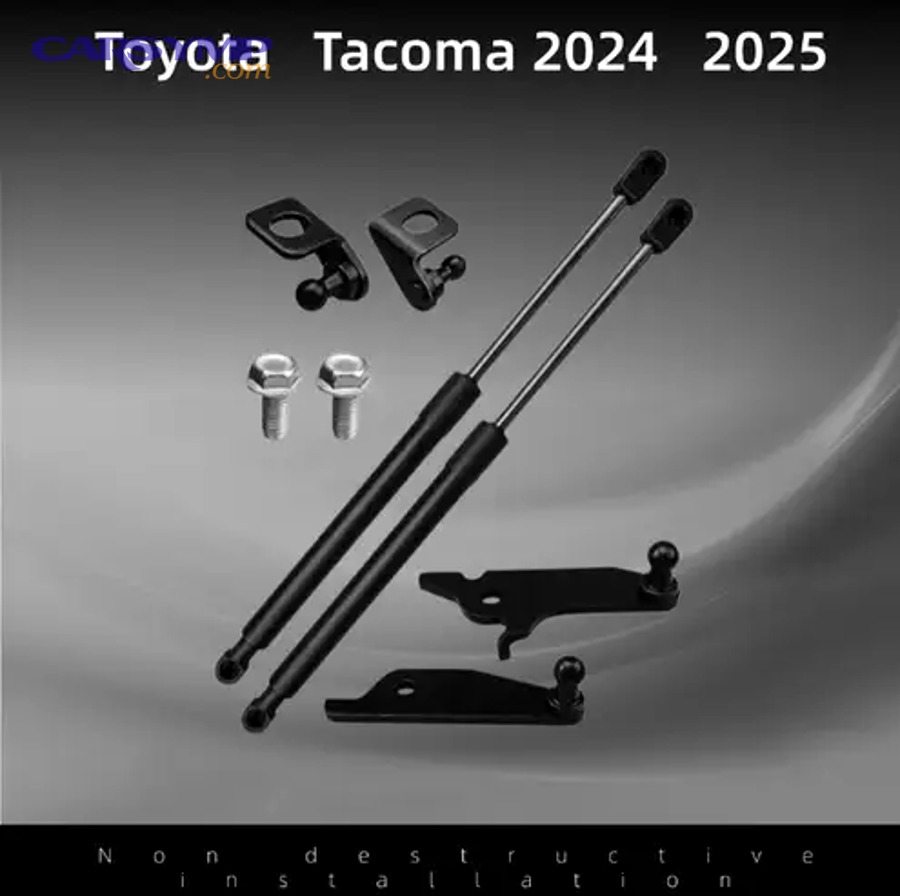
Standard hydraulic shocks rely on oil-filled chambers with internal valving to control compression and rebound damping, representing the most basic and affordable shock technology found on economy vehicles and older models. These shocks contain hydraulic fluid that flows through precisely sized orifices and one-way valves as the piston moves up and down within the shock body, creating resistance that dampens wheel movement. Standard hydraulic shocks typically cost $40 to $80 per unit and provide adequate damping for normal driving conditions, but they’re prone to fade—temporary loss of damping effectiveness—during extended hard use when the hydraulic fluid heats up and becomes less viscous, reducing its ability to generate resistance.
Gas-charged shocks incorporate a pressurized nitrogen gas chamber separated from the hydraulic fluid by a floating piston or bladder, maintaining consistent damping performance across wider temperature ranges and preventing cavitation—the formation of air bubbles in the hydraulic fluid that reduces damping effectiveness. The nitrogen pressure typically ranges from 100 to 360 PSI depending on application, keeping the hydraulic fluid under constant pressure that prevents bubble formation even during rapid piston movement. Gas-charged shocks cost $60 to $150 per unit and deliver noticeably firmer, more controlled damping compared to standard hydraulic designs, making them popular for trucks, SUVs, and performance-oriented vehicles that demand consistent handling under varying loads and driving conditions.
Adjustable shocks feature external knobs, electronic controls, or smartphone connectivity that allows modifying damping rates to suit different driving conditions, loads, or driver preferences. Single-adjustable models provide simultaneous compression and rebound adjustment through one control, while dual-adjustable units offer independent adjustment of compression and rebound damping for ultimate tuning flexibility. These premium shocks cost $150 to $400+ per unit and primarily benefit enthusiasts who frequently switch between street driving, track events, and varying cargo loads, or who desire the ability to fine-tune ride characteristics without replacing shocks.
Technology comparison reveals that while all three types perform the fundamental shock function—controlling spring oscillation and maintaining tire contact—they differ substantially in consistency, fade resistance, and customization capability. Standard hydraulic shocks work well for basic transportation needs on moderate mileage vehicles where minimal investment makes sense. Gas-charged designs suit drivers who demand reliable performance across wider operating ranges, especially beneficial for trucks that frequently carry varying loads or vehicles driven enthusiastically on winding roads. Adjustable shocks serve specialized applications where the performance benefits justify their substantially higher cost and installation complexity.
OEM replacement versus upgrade options presents a key decision point during shock replacement. Original equipment manufacturer replacement shocks duplicate the specifications of your factory-installed units, ensuring that ride quality and handling match the vehicle’s design intent while typically costing less than premium upgrades. However, if your vehicle’s original shocks provided mediocre performance when new, or if your usage patterns have changed since purchasing the vehicle, upgrading to gas-charged or adjustable shocks can transform the driving experience while still maintaining street-legal ride height and compliance with manufacturer specifications.
Price range and value proposition comparison helps frame the upgrade decision in financial terms. A complete set of standard hydraulic shocks costs $160 to $320, gas-charged models run $240 to $600, while adjustable units range from $600 to $1,600 or more. The performance delta between standard and gas-charged shocks is substantial and noticeable to most drivers, making the $80 to $280 premium for gas-charged units worthwhile for vehicles you plan to keep long-term. The jump to adjustable shocks quadruples the price but delivers customization capability that only benefits drivers who will actively use the adjustment features rather than setting them once and forgetting about them.
Should You Upgrade to Performance Shocks When Replacing?
Yes, you should upgrade to performance shocks when replacing if you frequently tow trailers, haul heavy cargo, drive on rough roads, or desire improved handling beyond factory specifications because the performance benefits justify the 30-50% cost premium for most drivers who actively use their vehicles’ capabilities. However, upgrading makes little sense for vehicles used exclusively for gentle commuting on well-maintained roads where the additional cost provides no noticeable benefit.
Towing and hauling requirements demand performance shock upgrades because standard shocks lack the damping force and structural strength to control heavily loaded vehicles effectively. When towing a trailer approaching your vehicle’s maximum capacity—typically 5,000 to 12,000 pounds for full-size trucks and SUVs—the added tongue weight compresses rear shocks substantially, reducing available suspension travel and forcing the shocks to work within a compressed range where standard units provide inadequate damping. Performance towing shocks feature reinforced construction, larger diameter shock bodies with increased oil capacity, and valving specifically calibrated for loaded conditions, maintaining vehicle control and ride quality even when hauling maximum payloads or towing at capacity.
Off-road and performance driving considerations make shock upgrades essential for vehicles regularly subjected to high-impact situations or aggressive driving. Off-road driving over rocks, ruts, and desert terrain generates suspension forces far exceeding highway driving—a rock strike or high-speed compression over a whoop can generate loads exceeding 3,000 pounds on individual shocks. Standard shocks lack the structural reinforcement and heat dissipation capacity to survive these impacts repeatedly, often failing within 10,000 to 20,000 miles of hard off-road use. Performance off-road shocks incorporate thicker-walled shock bodies, larger diameter pistons, external reservoirs for heat dissipation, and remote adjustments that allow tuning for specific terrain, extending service life to 50,000+ miles even under punishing conditions.
Cost-benefit analysis of premium shock options requires honest assessment of whether your driving patterns justify the investment. If you tow your boat 20 weekends per year or regularly drive 50+ miles of unpaved mountain roads, spending an additional $400 to $600 for performance shocks delivers tangible safety and capability improvements worth every dollar. However, if you tow once per year and spend 99% of your time on paved roads, that same $400 to $600 provides minimal real-world benefit beyond bragging rights about having premium suspension components.
Performance shock upgrade strategies for enthusiasts often involve phased improvement where you install quality gas-charged shocks now to address immediate replacement needs, then upgrade to fully adjustable coilovers or remote-reservoir shocks later if you find yourself wanting more performance and adjustability. This approach spreads the financial investment while ensuring you don’t spend $2,000+ on premium suspension that you discover you don’t actually need for your driving style. The mid-grade gas-charged shocks installed now retain significant resale value if you later upgrade, recovering 30-50% of their original cost on enthusiast forums and classifieds.
Replacing shocks in pairs versus all four at once represents a decision that balances immediate financial constraints against long-term safety, performance, and total cost of ownership. While replacing shocks in pairs—either front or rear—provides acceptable short-term solutions for budget-limited situations, all-four simultaneous replacement delivers superior safety through balanced damping, prevents handling imbalances that compromise vehicle control, and proves more economical long-term by eliminating redundant labor costs and preventing accelerated wear on other suspension components. The optimal choice depends on your specific circumstances including current shock condition, available budget, vehicle usage patterns, and expected ownership duration, but automotive experts universally agree that paired replacement represents the absolute minimum standard, with comprehensive four-shock replacement strongly recommended whenever financially feasible.