


Clunking noises after shock replacement typically stem from seven primary causes: loose mounting bolts, worn strut mount bearings, improper installation procedures, missing hardware components, faulty bushings, other suspension component issues, and in rare cases, defective shock absorbers themselves. The overwhelming majority of post-installation clunking sounds—approximately 90 to 95 percent—result from mounting and installation issues rather than defective parts, meaning most problems can be resolved through proper inspection, tightening procedures, or component replacement without discarding the new shocks.
Understanding whether loose or worn mounting components cause your clunking noise requires systematic inspection of bolts, nuts, washers, and bushings that secure the shock absorber to your vehicle’s frame and suspension. These mounting elements endure constant stress from road impacts and vehicle weight, making them prone to loosening over time or showing wear that becomes apparent only after installing fresh shocks with tighter tolerances. Professional mechanics recommend checking torque specifications and examining mounting hardware closely before assuming the new shocks are faulty.
Improper installation represents another frequent culprit behind post-replacement clunking, with common mistakes including incorrect component sequencing, missing spacers or washers, inadequate torque application, and misaligned spring isolators. These installation errors create gaps or allow unwanted movement between shock components and mounting points, producing the characteristic metallic clunk when driving over bumps. Recognizing these assembly mistakes and understanding proper installation procedures can save vehicle owners from unnecessary returns and repairs.
Beyond the shocks themselves, other suspension components such as sway bar links, control arm bushings, ball joints, and even brake caliper bolts can produce similar clunking sounds that become noticeable only after new shocks improve the suspension’s overall responsiveness. To better understand these interconnected issues and their solutions, let’s explore each cause in detail along with proven diagnostic and repair methods.
What Causes Clunking Noises After Installing New Shocks or Struts?
Clunking noises after installing new shocks or struts are caused primarily by loose or worn mounting hardware, improper installation procedures, and worn related suspension components rather than defective shock absorbers, with mounting issues accounting for over 90 percent of reported cases.
Specifically, the installation of new shocks with tighter internal tolerances and proper damping characteristics often reveals existing weaknesses in mounting systems that older, worn shocks masked through their diminished performance. When a fresh shock absorber operates correctly, it transfers road impacts more efficiently to mounting points, exposing any play, looseness, or deterioration in the hardware connecting the shock to the vehicle’s chassis and suspension arms. This explains why drivers frequently hear clunking immediately after shock replacement even though the mounting hardware hasn’t changed—the improved shock performance simply reveals problems that were always present but previously hidden.
The distinction between defective shocks and installation or mounting issues proves critical for proper diagnosis. A truly defective shock absorber would exhibit internal component failure such as damaged piston rods, blown seals causing fluid leakage, or improperly assembled internal valving that produces abnormal resistance during compression and extension cycles. These internal failures are relatively rare in new shocks from reputable manufacturers, occurring in less than 5 percent of installations. Meanwhile, external mounting problems—including loose bolts that weren’t torqued to specification, worn rubber bushings that compress unevenly, missing washers or spacers from incomplete assembly, and deteriorated upper strut mounts that no longer isolate movement—represent the vast majority of clunking noise complaints.
The metallic clunking sound itself provides diagnostic clues about its origin. Sharp, distinct clunks occurring precisely when hitting bumps typically indicate movement between metal components that should be secured tightly together, such as a bolt moving within its mounting hole or a shock shaft striking against a washer due to insufficient compression of rubber isolators. This differs from the smoother, fluid-like sounds of properly functioning shock absorbers working through their compression and rebound cycles. Understanding this fundamental distinction helps vehicle owners and technicians approach diagnosis systematically rather than immediately assuming the new parts are defective.
Professional automotive technicians emphasize that the shock absorber replacement process inherently disrupts mounting systems that may have gradually adapted to worn shocks over thousands of miles. Original mounting hardware often shows microscopic deformation, rubber bushings develop compression sets that partially compensate for looseness, and related components settle into positions that accommodate the reduced performance of aging shocks. Installing new shocks essentially resets this adapted system, requiring careful attention to mounting hardware condition and proper installation procedures to prevent clunking noises.
Are Loose or Worn Mounting Components Causing Your Clunking Noise?
Yes, loose or worn mounting components cause clunking noises after shock replacement in approximately 70 to 80 percent of cases because mounting bolts can loosen from inadequate torque, bushings deteriorate from age and environmental exposure, and mounting plates deform from repeated stress cycles.
To begin diagnosing mounting component issues, vehicle owners should understand that mounting hardware serves as the critical interface between the shock absorber’s controlled damping forces and the vehicle’s chassis structure. This hardware includes upper mounting nuts and bolts that attach strut assemblies to the body or frame, lower mounting bolts that connect shocks to suspension control arms or axle assemblies, rubber or polyurethane bushings that isolate vibration while maintaining positional stability, and metal washers or sleeves that distribute clamping forces evenly. Each element must function correctly and be torqued to manufacturer specifications to prevent movement that generates clunking sounds.
How Do You Identify Loose Shock Mounting Bolts and Nuts?
Identifying loose shock mounting bolts and nuts requires visual inspection for gaps between washers and mounting surfaces, physical testing by attempting to move the shock by hand while the vehicle is safely raised, and using a torque wrench to verify that fasteners meet manufacturer specifications, which typically range from 35 to 95 foot-pounds depending on vehicle size and shock location.
The inspection process begins with safely raising the vehicle on jack stands and removing wheels to access mounting points clearly. For front strut assemblies, mechanics inspect both the upper mounting nuts visible under the hood or in the wheel well and the lower mounting bolts connecting the strut to the steering knuckle or lower control arm. Rear shock installations require checking upper mounts that typically attach to the vehicle body or frame inside the trunk or under the rear seat area, along with lower mounts connecting to the rear axle assembly or trailing arms.
Visual indicators of loose mounting hardware include visible gaps between washers and mounting surfaces, rust staining indicating movement and corrosion, witness marks where components have shifted position, and deformed lock washers that no longer provide proper spring tension. Physical testing involves grasping the shock absorber body firmly and attempting to move it perpendicular to its axis while watching mounting points for any play or movement. Even slight motion of a few millimeters indicates inadequate clamping force that will produce clunking when subjected to road impact forces.
Torque verification represents the definitive test for proper mounting bolt tightness. Mechanics use calibrated torque wrenches set to manufacturer specifications, which vary significantly based on bolt size, thread pitch, and mounting location. Front strut upper mounting nuts commonly require 40 to 60 foot-pounds of torque, while lower strut-to-knuckle bolts may need 75 to 95 foot-pounds due to their larger diameter and critical role in maintaining alignment. Rear shock mounting bolts typically fall in the 35 to 55 foot-pound range for passenger vehicles, though trucks and SUVs often require higher values.
Importantly, proper torque application follows specific procedures including tightening fasteners with the vehicle at normal ride height rather than fully extended on jack stands, using the correct tightening sequence for multi-bolt mounting plates, and replacing any fasteners that show thread damage or excessive corrosion. Many professional technicians recommend replacing all mounting hardware during shock replacement regardless of appearance, as the cost of new bolts, nuts, and washers represents a small fraction of the labor required to diagnose and repair clunking noises later.
What Are the Signs of Worn Strut Mount Bearings and Bushings?
Worn strut mount bearings and bushings display visual signs including cracked or torn rubber, oil contamination that causes rubber swelling and deterioration, compression set where bushings no longer return to original shape, and metal-to-metal contact surfaces showing unusual wear patterns or corrosion.
Specifically, rubber bushings deteriorate through multiple mechanisms that become apparent during close inspection. Age-related degradation causes rubber to harden and lose its elasticity, developing surface cracks that propagate into deeper fissures under stress. Environmental exposure to road salt, petroleum products, ozone, and temperature extremes accelerates this process, with bushings in harsh climates showing significantly shorter service lives than those in moderate environments. Oil contamination from leaking shock absorbers, engine components, or power steering systems causes rubber to swell and soften, destroying the precise fit required for proper shock mounting.
The upper strut mount bearing assembly deserves particular attention in diagnosis because it serves the dual purpose of supporting vehicle weight while allowing steering rotation on front struts. This bearing plate typically includes a sealed ball bearing or thrust bearing that enables smooth steering movement, surrounded by rubber isolators that dampen vibration and noise. When these bearings wear, they produce grinding or squeaking sounds during steering input, often accompanied by increased steering effort or binding sensations. The rubber portion of the mount can separate from its metal backing plate, compress unevenly from one side, or develop voids that allow excessive shock movement.
Testing strut mount condition involves both static and dynamic procedures. With the vehicle safely supported and wheels removed, technicians grasp the top of the strut shaft where it protrudes through the mounting plate and attempt to move it side to side and front to back, feeling for excessive play that indicates worn bearings or torn rubber isolators. The shaft should remain centered in the mount with minimal lateral movement—any looseness suggests replacement is necessary. Additionally, rotating the strut shaft by hand should reveal smooth, consistent resistance from a properly functioning bearing; rough spots, grinding sensations, or binding indicate bearing damage.
Visual inspection of removed strut mounts often reveals damage not apparent when installed. Mechanics look for rubber that has separated from bonded metal surfaces, compression that has reduced the mount’s original thickness by more than 20 percent, cracks extending through the rubber’s full thickness, and metal components showing rust or deformation. The bearing surfaces should move smoothly without catching or excessive play, with lubricant still present rather than dried out or contaminated with water and debris.
Professional automotive research indicates that strut mount service life averages 60,000 to 100,000 miles under normal driving conditions, with premature failure occurring in vehicles subjected to rough roads, heavy loads, or aggressive driving. Many suspension specialists recommend replacing upper strut mounts whenever installing new struts, as the labor to access these components represents the majority of the job cost, making concurrent replacement economically sensible even if the existing mounts appear acceptable.
Is Improper Installation the Reason for Post-Replacement Clunking?
Yes, improper installation causes post-replacement clunking in 40 to 60 percent of cases because assembly errors including missing components, incorrect torque application, improper component sequencing, and misaligned parts create gaps and movement that produce metallic clunking sounds when the suspension cycles over bumps.
Moreover, the complexity of modern shock and strut assemblies increases the likelihood of installation mistakes, particularly when technicians work with aftermarket components that may have slightly different assembly requirements than original equipment parts. Complete strut assemblies—often called quick-struts or loaded struts—arrive pre-assembled with springs, mounts, and hardware, reducing installation errors but costing more than component-level replacements. Bare struts require complete disassembly of the old unit, transfer of springs and mounts to the new strut, and careful reassembly following specific procedures that vary by manufacturer and vehicle application.
What Installation Mistakes Lead to Clunking Noises?
Installation mistakes that lead to clunking noises include missing or incorrectly positioned washers and spacers that create gaps between components, improper component sequencing that prevents proper compression of rubber isolators, failure to replace worn mounting hardware alongside new shocks, over-torquing that deforms bushings and under-torquing that allows movement, and misaligned spring isolators that permit spring contact with metal surfaces.
The washer and spacer issue represents one of the most common and easily overlooked installation errors. Shock absorber assemblies typically require specific sequences of metal washers, rubber bushings, metal sleeves, and isolator pads that must be installed in precise order to function correctly. A missing washer allows the mounting bolt to compress the rubber bushing excessively or create a gap that permits unwanted movement. Similarly, shock shafts often require specific sleeves or spacers that maintain correct positioning within mounting brackets—omitting these components allows the shaft to shift position during compression and rebound cycles, creating the characteristic clunking sound.
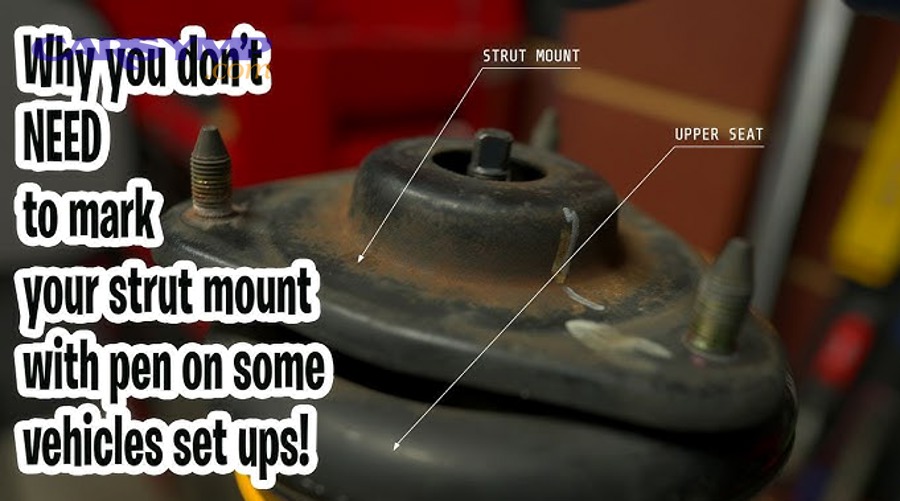
Component sequencing errors occur frequently when technicians work from memory rather than consulting manufacturer installation instructions. The typical upper strut mount assembly includes, from bottom to top: lower spring seat on the strut body, coil spring with its lower isolator pad, upper spring seat with its isolator pad, upper mounting bearing plate, rubber isolation bushing, metal washer, and mounting nut. Reversing the order of spring isolator pads or installing the bearing plate upside down prevents proper compression and isolation, allowing components to shift and contact each other during suspension movement. Different shock absorber brands—including Bilstein, KYB, Monroe, and Gabriel—sometimes require unique assembly sequences or include proprietary spacers that must be installed exactly as specified.
The decision to reuse versus replace mounting hardware significantly impacts installation quality and longevity. Original equipment mounting bolts often feature special coatings, thread-locking compounds, or specific grade ratings that resist loosening under vibration and stress. Reusing old hardware saves minimal cost but risks thread damage, reduced clamping force from worn threads, and compromised corrosion resistance from damaged coatings. Professional installation standards recommend replacing all mounting bolts, nuts, and washers during shock replacement, with particular emphasis on critical fasteners like strut-to-knuckle bolts that affect suspension alignment and safety.
Torque application errors manifest in two distinct ways, both problematic. Under-torquing leaves mounting hardware loose enough to allow movement between components, directly causing clunking noises. This often occurs when technicians tighten fasteners by feel rather than using calibrated torque wrenches, or when they fail to follow the specified tightening sequence for multi-bolt mounting plates. Over-torquing creates different problems by deforming rubber bushings beyond their design compression, crushing metal sleeves, or stretching bolt threads to the point where they lose clamping force. Rubber bushings rely on specific compression ranges to provide proper isolation—excessive compression forces the rubber to bulge outward, reducing its effective thickness and creating internal stresses that lead to premature cracking and failure.
Spring isolator misalignment represents a subtler installation error that produces clunking or creaking sounds rather than sharp metallic clunks. Coil springs on strut assemblies require rubber or plastic isolator pads at both ends to prevent direct spring-to-metal contact and reduce noise transmission. These isolators feature specific shapes with tabs or notches that must align with corresponding features on spring seats. Misalignment allows the spring to shift during suspension travel, causing it to contact metal surfaces or move between compressed and uncompressed states unevenly. The resulting sound may be described as creaking, groaning, or light clunking, particularly noticeable during slow-speed maneuvering or when the suspension cycles through small bumps.
How Should Strut Mounts Be Properly Assembled to Prevent Noise?
Strut mounts should be properly assembled by following the manufacturer’s exact component sequence, torquing the center shaft nut to specification (typically 40-55 foot-pounds) while preventing shaft rotation, ensuring bearing plates are oriented correctly for steering rotation, compressing springs safely with appropriate tools, and verifying that all isolator pads seat fully against their mating surfaces before final tightening.
The assembly process begins with safe spring compression using a quality spring compressor tool designed specifically for automotive coil springs. Spring compressors apply force evenly on opposite sides of the spring coils, gradually reducing the spring’s free length until sufficient slack exists to remove or install the upper mounting components. Inadequate compression forces technicians to struggle with assembly, potentially leading to crossed threads, misaligned components, or dangerous spring release. Professional-grade spring compressors feature safety hooks, positive locking mechanisms, and sufficient compression capacity to handle high-rate springs found on trucks and performance vehicles.
Component installation follows a specific sequence that varies by vehicle manufacturer but generally adheres to common principles. The strut body receives the lower spring seat, which may be integral to the strut or a separate component that slides over the strut body to a specific position. The coil spring installs with its lower end positioned against the stop tab on the lower spring seat, ensuring the spring’s wound end orientation matches the manufacturer’s specification—some springs are directional with different wire diameters or winding patterns at each end. The lower spring isolator pad fits between the spring end and the spring seat, typically featuring a molded shape that keys into the seat to prevent rotation.

The upper spring seat and bearing plate assembly represents the most critical portion of strut mount installation. The upper spring isolator pad sits in the upper spring seat, which then positions on top of the compressed spring with the spring’s upper end aligned to the seat’s stop tab. The bearing plate—which allows steering rotation on front struts—mounts above the spring seat with specific orientation requirements: the bearing must align with the vehicle’s centerline to permit equal steering rotation in both directions, and any mounting studs or bolt holes must align with corresponding chassis mounting points. Failure to orient the bearing plate correctly causes binding during steering input and premature bearing wear.
The isolation bushing and washer stack above the bearing plate follows manufacturer specifications precisely. Most designs include a thick rubber isolation bushing that sits in a recess in the bearing plate’s top surface, a metal washer that distributes clamping force evenly across the bushing’s top surface, and the mounting nut that threads onto the strut shaft. Some applications include additional components such as bump stops that mount on the shaft above the bearing plate, dust boots that protect the shaft from contamination, or spacer washers that set specific suspension geometry.
Torque application to the center shaft nut requires specific procedures to prevent shaft rotation while tightening. The strut shaft typically features a hex section, slot, or other drive feature at its top end that mechanics engage with the appropriate tool—commonly a 6mm or 8mm hex key—while applying torque to the mounting nut with a torque wrench or impact wrench. Torque specifications generally range from 40 to 55 foot-pounds for passenger vehicles, with larger vehicles requiring higher values. Under-torquing allows the assembly to loosen during service, while over-torquing can damage the shaft threads or compress the isolation bushing excessively.
Final verification before releasing spring compression includes checking that the bearing plate rotates smoothly without binding, ensuring all isolator pads remain properly seated rather than displaced during assembly, confirming that mounting studs or bolt holes align correctly for chassis installation, and verifying that the spring maintains proper contact with both upper and lower spring seats. Only after completing these checks should technicians gradually release spring compressor tension, observing the assembly for any shifting or misalignment as the spring expands to its installed length.
Can You Fix Clunking Caused by Installation Errors Yourself?
Yes, you can fix clunking caused by installation errors yourself if you possess basic mechanical skills, appropriate tools including a torque wrench and possibly a spring compressor, the ability to safely raise and support your vehicle, and access to manufacturer specifications for torque values and assembly procedures, though safety considerations with compressed springs warrant professional assistance for those lacking experience.
DIY troubleshooting begins with systematic inspection of accessible mounting points, starting with components that don’t require spring compression or disassembly. Check lower shock mounting bolts using a properly calibrated torque wrench to verify they meet manufacturer specifications—this simple check resolves many clunking issues without complex procedures. Inspect visible mounting hardware for obvious problems including missing washers, improperly seated bushings, or loose nuts that can be identified visually and corrected without specialized tools.
Upper strut mount inspection from under the hood or inside the vehicle (for rear struts) allows assessment of the top mounting nut torque and observation of the rubber isolation bushing condition. Some clunking issues resolve simply by tightening the center shaft nut to specification, though this requires the appropriate hex key to prevent shaft rotation while torquing the nut. If inspection reveals missing components, incorrect assembly sequence, or damaged hardware, the repair escalates in complexity depending on whether accessing the problem area requires spring compression.
For issues requiring strut disassembly and reassembly, the spring compressor represents the critical safety tool that determines whether DIY repair is advisable. Automotive coil springs store tremendous energy when compressed—a suddenly released spring can cause severe injury or death. Professional-quality spring compressors that attach securely to spring coils and provide positive locking mechanisms offer reasonable safety for experienced DIYers who follow instructions carefully and work methodically. Harbor Freight-style economy compressors with inadequate engagement and weak threading present significant hazards and should be avoided. Many auto parts stores offer tool loaner programs that include quality spring compressors, making proper equipment accessible without large purchase investments.
The decision between DIY repair and professional service should weigh multiple factors beyond just mechanical ability. Consider the value of your time, the cost of tools you’ll need to purchase or rent, the potential for causing additional damage through inexperience, and most critically, the safety risks of working with compressed springs and supporting a vehicle on jack stands. Simple tasks like torque verification and hardware replacement favor DIY approaches, while complete strut disassembly and reassembly typically justify professional service unless you regularly perform suspension work and own the appropriate tools.
Professional mechanics offer advantages beyond just tool access, including diagnostic expertise to identify root causes accurately, experience with brand-specific assembly quirks, warranty coverage on their work, and professional liability insurance covering potential issues. Many suspension shops charge 1 to 2 hours of labor to diagnose and correct installation-related clunking, a reasonable expense compared to the time and risk of DIY troubleshooting when the specific problem remains unclear.
Could Other Suspension Components Be Causing the Clunking Sound?
Yes, other suspension components including sway bar links, control arm bushings, ball joints, tie rod ends, brake caliper mounting bolts, and worn wheel bearings can cause clunking sounds that become apparent after shock replacement because the improved shock performance changes how the suspension system responds to road inputs, revealing existing problems in related components.
Essentially, worn shocks mask other suspension issues through their reduced damping effectiveness—they allow the vehicle to float and move excessively, spreading forces across multiple worn components rather than transmitting crisp, controlled impacts that highlight specific failure points. Installing new shocks that properly control suspension movement transforms the system’s dynamic behavior, causing forces to transfer more directly through mounting points and connecting components. This enhanced responsiveness exposes worn parts that previously operated quietly within the context of generally deteriorated suspension performance.
What Other Parts Should You Inspect When Hearing Clunking After Shock Replacement?
When hearing clunking after shock replacement, you should inspect sway bar links for worn bushings or loose connections, control arm bushings for cracking or separation from metal sleeves, ball joints for excessive play or torn dust boots, tie rod ends for looseness affecting steering, brake caliper mounting bolts for adequate torque, brake dust shields for contact with rotors, and wheel bearings for roughness or play that creates noise during wheel rotation.
Sway bar links—also called stabilizer links or anti-roll bar links—connect the sway bar to the suspension control arms or struts, allowing the bar to resist body roll during cornering while permitting normal suspension travel over bumps. These links typically feature ball-and-socket joints at each end, encased in rubber or plastic boots, with the joint assemblies attached to the sway bar and suspension via threaded studs and nuts. The ball joints wear over time, developing play that allows movement and clunking, particularly noticeable over speed bumps or uneven pavement where the suspension articulates significantly. Worn sway bar link bushings produce distinctive clunking or rattling sounds, often described as similar to loose change rattling in a can.
Inspection involves grasping the sway bar link near each ball joint and attempting to move it perpendicular to its axis—any noticeable play indicates wear requiring replacement. Visual inspection should reveal intact dust boots without tears or splits; compromised boots allow contamination that rapidly accelerates joint wear. Many technicians perform a simple test by having an assistant bounce the vehicle’s corner while listening and feeling for play in the sway bar link connections. Replacement costs remain modest since sway bar links are inexpensive components with straightforward replacement procedures.
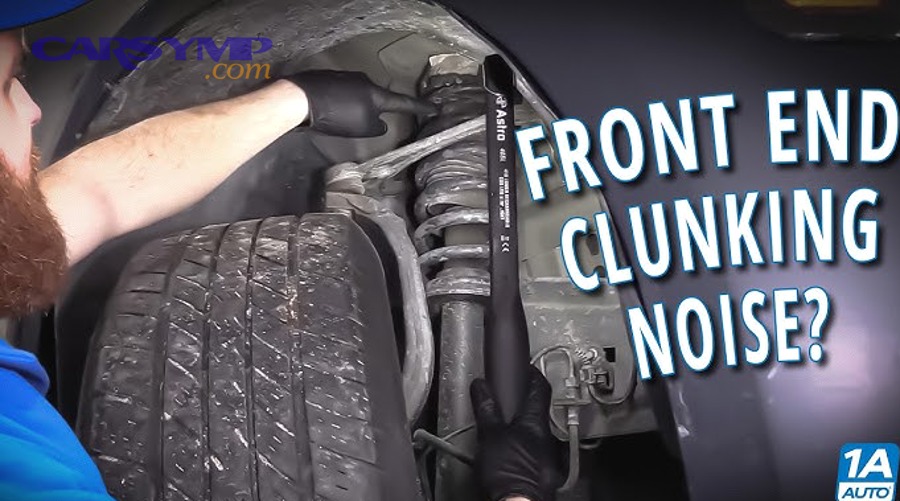
Control arm bushings serve critical functions in suspension geometry, positioning the control arms relative to the chassis while allowing necessary rotation during suspension travel and absorbing vibration and noise. These bushings typically consist of rubber bonded between inner and outer metal sleeves, with the inner sleeve fitting over a bolt that passes through the control arm and chassis mounting point. Deterioration manifests as cracking in the rubber, separation between rubber and metal components, or complete tearing that allows excessive control arm movement. Worn control arm bushings produce clunking over bumps and may also cause steering wander, uneven tire wear, and poor handling characteristics.
Inspection requires examining bushings for visible cracking, noting whether the rubber appears hardened or oil-soaked, and checking for movement between the bushing components. Prying on the control arm with a long pry bar while watching the bushings often reveals separation or excessive deflection not apparent during casual visual inspection. Front control arm bushings typically show wear first due to their exposure to steering forces and more complex load patterns, though rear bushings also deteriorate with age and mileage.
Ball joints connect steering knuckles to control arms, bearing substantial loads while allowing the rotation and angular movement necessary for steering and suspension travel. Upper and lower ball joints on double-wishbone suspensions, or the single lower ball joint on MacPherson strut systems, must maintain tight clearances despite constant movement and load cycling. Wear appears as play between the ball and socket, often accompanied by torn or missing dust boots that allowed contamination entry. Testing involves unloading the ball joint by positioning jack stands appropriately, then using a pry bar to check for vertical movement that exceeds manufacturer specifications—typically less than 0.050 inches for most applications.
Tie rod ends perform similar functions in the steering system, connecting the steering rack to the steering knuckles through ball-and-socket joints that allow steering input while accommodating suspension movement. Worn tie rod ends create clunking during steering input or over bumps, often accompanied by loose or imprecise steering feel. Inspection involves checking for play in the ball joint, torn dust boots, and looseness in the tapered connection between the tie rod end stud and steering knuckle. Worn tie rod ends represent safety-critical components requiring immediate replacement due to their direct impact on steering control.
Brake caliper mounting bolts secure the caliper assembly to its mounting bracket on the steering knuckle or axle assembly. These bolts must remain tight to prevent caliper movement during braking, yet some designs allow the caliper to slide on guide pins to accommodate pad wear. Loose caliper bolts or worn guide pin bushings permit the caliper to shift position, creating clunking sounds particularly noticeable during braking or when transitioning between acceleration and deceleration. Inspection involves checking mounting bolt torque and examining slide pin bushings for wear or inadequate lubrication.
Brake dust shields—thin metal plates positioned between the brake rotor and suspension components to prevent debris accumulation—sometimes bend from road damage or improper installation, causing them to contact the rotating brake rotor. This contact produces scraping or rubbing sounds rather than distinct clunks, but bent shields that contact intermittently can create rhythmic clunking that varies with wheel rotation speed. Visual inspection with the wheel removed quickly identifies shield contact issues, which typically resolve by bending the shield back to proper clearance or, if severely damaged, replacing the shield.
Wheel bearings support vehicle weight while allowing smooth wheel rotation, enduring tremendous loads and rotational speeds throughout their service life. Worn wheel bearings develop rough spots in their bearing surfaces or loose internal clearances that produce grinding, humming, or rumbling sounds during driving, with the noise intensity typically varying with vehicle speed. Severely worn bearings can develop enough play to cause clunking, particularly when transitioning between acceleration and braking or when cornering forces shift bearing loads. Inspection involves raising the vehicle, grasping the tire at 12 and 6 o’clock positions, and attempting to rock it vertically—any perceptible play suggests bearing wear requiring attention.
How Can You Distinguish Between Shock Noise and Other Suspension Noises?
You can distinguish between shock noise and other suspension noises by analyzing the sound’s characteristics (sharp metallic clunk versus rattle, grind, or squeak), identifying the location through systematic listening with the vehicle both stationary and moving, performing bounce tests that isolate shock behavior, and conducting road surface tests over bumps, during turns, and while braking to determine which specific movements trigger the noise.
Sound characteristics provide the first diagnostic clue about noise source. Shock-related clunking typically produces a sharp, metallic sound occurring precisely when the suspension compresses over a bump or rebounds afterward, with timing directly correlated to the road impact that caused suspension movement. This differs from the continuous grinding of worn wheel bearings, the squeaking or creaking of worn bushings that often worsens during slow-speed maneuvering, the rattling of loose sway bar links that may occur even on smooth roads, and the rubbing sounds of dust shields contacting rotors that follow wheel rotation rather than suspension movement.
Location identification requires systematic listening from multiple positions. Drive the vehicle slowly over speed bumps or rough pavement while an assistant listens from outside the vehicle, positioning themselves near each corner to isolate which wheel area generates the noise. From inside the vehicle, drivers can often determine whether clunking originates from front or rear, left or right, though pinpointing the exact component requires more detailed investigation. Using a mechanic’s stethoscope—a simple tool with a metal probe and earpieces—technicians can touch various suspension components while the vehicle is stationary and subjected to bouncing or rocking, identifying components that transmit noise most clearly.
The bounce test provides a simple, effective method for assessing shock absorber function and identifying certain types of suspension noise. Push down firmly on each corner of the vehicle and release quickly, observing how the suspension responds. Properly functioning shocks should allow one full bounce followed by rapid settling to rest position—multiple bounces indicate worn shocks with inadequate damping. Listen carefully during this test: clunking that occurs during the bounce may originate from shocks, mounts, or related components, while absence of clunking during bouncing but presence during driving suggests noise sources activated by specific road inputs or vehicle dynamics not replicated in the static bounce test.
Road surface testing involves deliberately driving over specific features that load the suspension in different ways. Speed bumps taken at slow speeds (5 mph or less) load the suspension nearly vertically, highlighting issues with shock mounts, bushings, and mounting hardware. Railroad crossings or expansion joints crossed at moderate angles create diagonal suspension loading, sometimes revealing problems not apparent during straight vertical impacts. Sharp turns activate sway bars and shift weight dramatically, causing different noise patterns from worn sway bar links, control arm bushings, or strut mount bearings. Braking and acceleration testing reveals noises related to control arm bushings or loose components that shift position under longitudinal forces.
Professional diagnostic approaches often include test drives with the customer to verify complaint conditions, followed by systematic component isolation. Technicians may temporarily disconnect sway bar links to eliminate their potential contribution to noise, allowing clearer assessment of shock-related sounds. Some shops use chassis-ear diagnostic tools—wireless sensors placed on various suspension components that transmit sounds to headphones worn by the technician during a test drive—enabling precise identification of the component generating noise.
According to diagnostic procedures published by the Automotive Service Association, systematic noise diagnosis following a decision-tree approach resolves 85 to 90 percent of suspension noise complaints within two diagnostic steps, significantly improving efficiency compared to random part replacement approaches.
How Do You Fix Clunking Noises After Shock Replacement?
You fix clunking noises after shock replacement by following a systematic diagnostic process: inspecting and tightening all mounting hardware to manufacturer torque specifications, replacing worn bushings and mounting components identified during inspection, correcting installation errors by disassembling and reassembling with proper component sequence, addressing related suspension component issues found during diagnosis, and in rare cases, replacing defective shock absorbers confirmed through testing.
The systematic approach begins with the simplest, most common fixes and progresses toward more complex solutions only when initial attempts don’t resolve the issue. This logical progression saves time and prevents unnecessary parts replacement, focusing diagnostic efforts on the most probable causes first. Professional technicians estimate that proper mounting hardware inspection and torque verification resolve approximately 60 to 70 percent of post-installation clunking complaints, making this the essential first step before considering more extensive repairs.
What Is the Step-by-Step Process to Diagnose and Repair the Clunking?
The step-by-step process to diagnose and repair clunking involves: first, performing visual inspection of all shock mounting points and related suspension components with the vehicle safely raised; second, verifying mounting bolt torque using a calibrated torque wrench and manufacturer specifications; third, testing for component play by manually attempting to move the shock assembly and connected parts; fourth, correcting identified issues through tightening, adjustment, or component replacement; and fifth, conducting post-repair test drives to verify the fix.
Visual inspection establishes the foundation for effective diagnosis. With the vehicle properly supported on jack stands and wheels removed for access, examine all shock mounting points for obvious problems. Look for missing washers or spacers, bushings that appear cracked or displaced from their mounting positions, bolts with damaged threads or corroded surfaces, and any components showing unusual wear patterns or damage. Inspect surrounding suspension components including sway bar links, control arm bushings, and ball joints for visible deterioration. Document findings with photos or notes to track what you’ve checked and any concerns identified.
Torque verification follows visual inspection, addressing the most common cause of post-installation clunking. Using a properly calibrated torque wrench set to manufacturer specifications, check each mounting bolt and nut. Start with lower mounting bolts that typically connect the shock or strut to control arms, axle assemblies, or steering knuckles. These fasteners often require 75 to 95 foot-pounds of torque for front struts and 35 to 55 foot-pounds for rear shocks, though specifications vary significantly by vehicle make and model. Continue with upper mounting nuts, accessible from under the hood for front struts or from the trunk or interior for rear shocks. The center shaft nut typically requires 40 to 55 foot-pounds, while peripheral mounting studs may need 15 to 25 foot-pounds.

Critical to proper torque verification is the loading condition of the suspension during tightening. Manufacturer specifications often require tightening mounting hardware with the vehicle at normal ride height—meaning the suspension is loaded by the vehicle’s weight rather than extended on jack stands. This ensures bushings compress to their intended operating position before fasteners are torqued, preventing binding or pre-loading that occurs when bushings are torqued in an extended position and then compressed when the vehicle weight is applied. To achieve this, lower the vehicle onto its wheels, bounce each corner several times to settle the suspension, and then torque the mounting hardware. Some technicians use a specialized procedure of torquing upper mounts with the vehicle raised, then torquing lower mounts after lowering the vehicle to ride height.
Play testing identifies worn or damaged components that may not be apparent through visual inspection alone. Grasp the shock body firmly and attempt to move it perpendicular to its axis, watching mounting points for any movement between components. Check strut shaft play by grasping the shaft where it protrudes through the upper mount and attempting lateral movement—excessive play indicates worn mount bearings or bushings. Test sway bar links by moving them by hand and feeling for looseness in ball joints. Apply prying force to control arm bushings using a long pry bar, observing for separation between rubber and metal components or excessive deflection.
Correction procedures depend on findings from the diagnostic steps. Loose mounting hardware simply requires proper torque application, though severely loose fasteners should be removed, inspected for thread damage, and replaced if necessary. Worn bushings, mounts, or related components need replacement, following manufacturer procedures for removal and installation. Installation errors require disassembly, correction of component sequencing or missing parts, and reassembly following proper procedures including spring compression safety protocols. Make corrections systematically, addressing all identified issues rather than fixing one problem and immediately testing—multiple issues often contribute to clunking, requiring comprehensive repair.
Post-repair verification ensures the fix addressed the root cause successfully. After making corrections, lower the vehicle and perform initial testing in the shop or driveway. Bounce each corner and listen for clunking, then drive slowly over speed bumps or uneven pavement to verify the noise has been eliminated. Conduct a more comprehensive test drive including varied road surfaces, turns, and braking to confirm the suspension now operates quietly under all normal driving conditions. Re-inspect mounting torque after the test drive, as some fasteners may require re-torquing after initial settling.
When Should You Replace vs. Tighten Mounting Hardware?
You should replace mounting hardware when bolts show thread damage or excessive corrosion, nuts have deformed hex surfaces preventing proper torque application, washers are bent or missing, or any fastener has been loosened and retightened multiple times causing thread wear, while tightening is appropriate when hardware remains in good condition but simply needs proper torque application to specification.
The decision criteria focus on hardware condition and service history. New or nearly-new mounting hardware that simply wasn’t torqued correctly during installation can be tightened to specification without replacement concerns. Examine bolt threads carefully for any signs of damage including crossed threads, stripped areas, or mushrooming at thread ends that would prevent proper engagement with nuts or threaded holes. Nuts should maintain clean, sharp hex surfaces that allow secure wrench or socket engagement—rounded corners that cause tools to slip indicate the nut should be replaced rather than reused.
Corrosion assessment determines whether surface rust represents cosmetic concern or structural degradation. Light surface oxidation on bolt shanks doesn’t compromise strength or function, easily cleaned with a wire brush before reinstallation. However, heavy rust that has formed pits in the metal surface, corrosion that has penetrated into thread valleys, or rust that has frozen nuts onto bolt threads despite penetrating oil application indicates replacement is necessary. Severely corroded fasteners risk breaking during torque application, potentially causing difficult extraction problems or requiring drill-out and re-tapping procedures.
The history of fastener reuse provides important context for the replacement decision. Thread-locking compounds, plastic insert lock nuts, and deformable washers are designed for single use—once tightened, their locking features become less effective. Bolts that have been repeatedly loosened and retightened during diagnostic procedures or multiple repairs experience work hardening and thread deformation that reduces their clamping effectiveness and increases the likelihood of future loosening. Professional repair standards typically mandate replacement of critical suspension fasteners regardless of appearance, recognizing that the modest cost of new hardware provides significant insurance against comebacks and liability concerns.
Torque-to-yield (TTY) bolts represent a special category requiring mandatory replacement. These fasteners are designed to stretch slightly during installation, creating precise clamping force through controlled deformation. Common in modern engine and suspension applications, TTY bolts often have specific markings or appear in service documentation with instructions stating “do not reuse” or “replace with new.” Attempting to reuse TTY bolts after they’ve been torqued to specification risks bolt failure, as the material has been permanently stretched beyond its elastic limit and cannot reliably achieve specified clamping force when reinstalled.
Cost-benefit analysis strongly favors replacement in professional repair scenarios. A complete set of shock mounting bolts, nuts, and washers typically costs $10 to $30 for most passenger vehicles—a negligible expense compared to the labor cost of diagnosing and correcting clunking noises, the liability exposure of improper repairs, and the customer satisfaction impact of repeat concerns. Many shock absorber manufacturers include new mounting hardware with their products, recognizing that fresh fasteners are essential for reliable installation.
According to data from automotive fastener manufacturers, properly torqued, high-grade mounting bolts maintained at correct torque specifications rarely loosen in service, with loosening incidents typically traceable to under-torquing, vibration in applications lacking thread-locking features, or fastener fatigue from millions of load cycles over 100,000-plus miles of service.
Is Your New Shock or Strut Actually Defective?
No, your new shock or strut is actually defective in only 3 to 5 percent of clunking noise cases, with true defects exhibiting fluid leakage from compromised seals, abnormal internal resistance during compression and extension testing, physical damage to piston rods or housings, or manufacturing assembly errors that prevent proper operation.
However, understanding how to distinguish genuine defects from installation and mounting issues remains important for proper diagnosis and warranty claim success. Shock absorber manufacturers design their products to stringent quality standards, with major brands reporting defect rates below 2 percent for properly handled units. These low defect rates reflect automated manufacturing processes, computerized testing systems that evaluate every unit before shipping, and quality control procedures that identify and reject substandard products. Despite these safeguards, occasional defective units reach customers through manufacturing anomalies, damage during shipping and handling, or quality escapes that bypass inspection protocols.
What Are the Signs of a Truly Defective Shock Absorber?
Signs of a truly defective shock absorber include visible fluid leaking from the piston rod seal area indicating internal seal failure, abnormal compression and extension resistance suggesting damaged internal valving or contaminated fluid, physical damage including dented housings or bent piston rods that prevent smooth operation, and unusual sounds originating from inside the shock body such as rattling that indicates loose internal components.
Fluid leakage represents the most common and easily identified shock defect. Hydraulic shock absorbers rely on precise internal tolerances and high-quality seals to maintain the pressurized fluid necessary for damping control. The piston rod seal—located where the shaft exits the shock body—must prevent fluid escape while allowing smooth rod movement through millions of cycles. Seal failure appears as wet spots or fluid drips around the piston rod, often accompanied by a film of oil coating the shock body below the seal. Small amounts of surface moisture may be normal during initial break-in as internal seals seat properly, but continuous fluid loss that creates drips or puddles indicates definite seal failure requiring replacement.
Not all fluid on shock absorbers originates from internal leakage. External contamination from oil leaks elsewhere on the vehicle, road spray, or overspray from undercoating or rust protection treatments can coat shock bodies, creating the appearance of shock leakage when none exists. Determining the true source requires cleaning the shock thoroughly and inspecting it after driving to see if fresh fluid appears specifically from the piston rod seal area. Genuine shock leakage will show fresh fluid originating from the seal, flowing down the piston rod and shock body.
Abnormal resistance patterns during compression and extension provide another defect indicator, though testing requires removal of the shock from the vehicle or specialized diagnostic equipment. A properly functioning shock should offer smooth, consistent resistance when compressed and extended by hand, with extension resistance typically higher than compression resistance due to internal valving design. Defective internal valving causes erratic resistance—sudden binding followed by easy movement, or complete lack of resistance in one direction. Contaminated fluid from internal debris or incorrect fill during manufacturing creates rough or gritty sensation during stroking. Gas-charged shocks should extend automatically when compressed and released, while non-gas shocks may require manual extension but should still offer consistent resistance throughout their travel.
Physical damage assessment focuses on the piston rod and shock housing. The piston rod must be perfectly straight without bends, dents, or scoring of the polished chrome surface—any imperfection prevents proper seal function and allows fluid leakage. The shock body should be free from significant dents that could interfere with internal piston movement or indicate impact damage during shipping. Minor cosmetic paint scratches don’t affect function, but deep dents in the body that create visible deformation suggest potential internal damage. The mounting hardware attachment points should be secure without looseness or cracking in welds or crimped connections.
Internal noise from the shock body itself indicates loose or damaged internal components. This differs from external mounting noise—truly internal shock noise sounds like rattling from inside the shock tube when the unit is shaken or compressed, suggesting a broken internal component, loose valving, or foreign debris inside the shock chamber. Most shocks operate silently except for the quiet swish of fluid movement during rapid stroking, making any metallic rattling or clunking from within the shock body highly suspect.
Manufacturing defects occasionally include incorrect assembly that becomes apparent only during installation or initial operation. Examples include missing internal components discovered when the shock offers zero resistance to movement, incorrectly installed internal valving that causes asymmetric damping (significantly different resistance in compression versus extension), or improperly sealed gas chambers in gas-charged shocks that lose pressure rapidly after installation. These issues typically manifest immediately rather than developing gradually, helping distinguish them from mounting and installation problems.
How Do You Test if a New Shock Is Working Properly?
You test if a new shock is working properly by performing the bench compression test where the shock offers smooth, progressive resistance and extends automatically (for gas shocks) or returns smoothly (for non-gas shocks), conducting visual inspection for fluid leakage and physical damage, installing the shock and performing the bounce test where the vehicle settles within one to two bounces, and comparing performance side-to-side to verify both shocks on an axle provide similar damping.
The bench compression test requires no special equipment and can be performed before installation to verify shock function. Hold the shock upright with the piston rod pointing up, then firmly push down on the mounting eye or stud while holding the body stationary. A functional shock will resist compression with smooth, consistent force throughout its travel range. Release the rod quickly—gas-charged shocks should automatically extend to full length, while conventional hydraulic shocks may need manual extension but should move smoothly without binding. Repeat the compression and extension cycle 10 to 15 times, listening and feeling for consistency. Any sudden changes in resistance, rough spots that feel like internal obstruction, or complete lack of resistance indicates internal problems.
Comparative testing between left and right shocks on the same axle helps identify defective units. Both shocks should require similar force to compress and should extend at similar rates when released. Significant differences in resistance or extension speed suggest one shock has internal problems or incorrect valving. This comparison proves particularly valuable when clunking occurs on only one side of the vehicle—if both shocks compress and extend similarly during bench testing but only one side produces clunking when installed, the problem likely lies in mounting or related components rather than shock defects.
Visual inspection before and after installation identifies damage not apparent during function testing. Examine the piston rod carefully for straightness—sight down the rod from the mounting end, rotating the shock slowly to observe any bends or deviations from straight. Check the rod’s chrome plating for scoring, scratches, or rough spots that will damage the piston seal and cause premature failure. Inspect the shock body for dents, especially in the area where the internal piston travels. Look at welded and crimped joints for cracks or separation that could allow fluid leakage or structural failure.
The vehicle bounce test provides final verification after installation. With the shock installed and all mounting hardware properly torqued, push down firmly on the vehicle’s corner and release quickly. The suspension should compress fully, rebound to slightly above normal ride height, settle back through normal height to slightly below, then return to proper ride height and stop—a total of approximately 1.5 to 2.0 bounce cycles. Worn shocks allow 3 or more bounces as the suspension oscillates, while properly functioning shocks dampen the movement within two cycles. Conduct this test at all four corners for comparison, noting any significant differences in bounce behavior.
Road testing offers the ultimate evaluation of shock performance in real-world conditions. New shocks should provide controlled suspension movement over bumps without harshness, stable handling during cornering without excessive body roll, and firm control during braking without front-end dive. The ride should feel more controlled and stable than with worn shocks, without feeling harsh or overly stiff. Any clunking, banging, or unusual noises during this test require investigation to determine whether they originate from the shock itself or from mounting and related components.
Warranty claim preparation requires documentation when defects are suspected. Take photos or videos of fluid leakage showing the source location, document abnormal noise with audio recordings if possible, and retain all packaging and receipts. Contact the shock manufacturer or retailer before installing suspect shocks if obvious defects are visible—most warranties require return of defective parts, and pre-installation defects are easier to document than problems discovered after installation. Understand that warranty coverage typically excludes problems caused by improper installation, inadequate mounting hardware, or damage from other suspension component failures.
How Can You Prevent Clunking Noises When Installing New Shocks or Struts?
You can prevent clunking noises when installing new shocks or struts by always replacing mounting hardware and bushings regardless of apparent condition, following manufacturer torque specifications exactly using a calibrated torque wrench, inspecting related suspension components before installation and addressing any wear found, using proper assembly sequence with correct component orientation, and selecting quality parts from reputable manufacturers that include complete installation hardware.
Prevention strategies focus on addressing the root causes before problems develop, saving time and frustration compared to troubleshooting after installation. Professional installers emphasize that shock replacement should be viewed as a system upgrade rather than simple component swapping—proper installation considers all elements that affect suspension performance and longevity. This comprehensive approach costs slightly more in parts and labor but virtually eliminates clunking noise complaints and ensures optimal suspension performance from the new shocks.
What Are the Best Practices for Shock and Strut Installation?
Best practices for shock and strut installation include mandatory replacement of all mounting hardware including bolts, nuts, and washers; concurrent replacement of worn bushings and mounts; using calibrated torque wrenches for all fasteners following manufacturer specifications; tightening mounting hardware at correct ride height rather than with suspension extended; inspecting and addressing related suspension component wear before installation; following proper assembly sequence with particular attention to spring isolator positioning; and conducting thorough post-installation testing including bounce tests and test drives.
Mounting hardware replacement represents the single most effective prevention measure. Even hardware that appears serviceable has experienced thousands of load cycles, thread wear from previous tightening, and potential stress relaxation that reduces clamping effectiveness. New hardware costs minimal amounts—typically $10 to $30 for a complete set—while providing fresh threads, proper grade strength ratings, and often improved corrosion resistance coatings. Many premium shock absorber packages include new mounting hardware, recognizing its importance for proper installation. When hardware isn’t included, purchase OEM replacement fasteners or quality aftermarket equivalents meeting or exceeding original specifications.
Bushing and mount replacement timing coincides logically with shock replacement due to labor overlap. Accessing shocks requires removing mounting hardware and, for struts, often involves complete disassembly exposing all wear-prone components. Labor to replace bushings and mounts separately after shock installation exceeds the incremental cost of replacing these items during the shock installation process. Consider that worn bushings can cause clunking even with new shocks and perfect installation, making their concurrent replacement both economical and effective for preventing noise concerns.
Torque wrench use ensures proper clamping force on all fasteners, preventing both under-torquing that allows looseness and over-torquing that damages components. Click-type torque wrenches provide adequate accuracy for suspension work when properly calibrated and maintained, while beam-type wrenches offer reliability without calibration concerns though with less convenient operation. Digital torque wrenches provide precise readings and often include memory functions for recording torque values, though at higher cost. Regardless of type, verify the wrench is appropriate for the torque range required—using a 0-150 foot-pound wrench to apply 15 foot-pounds yields poor accuracy due to operation at the extreme low end of its range.
Tightening sequence and vehicle position affect bushing pre-load and long-term performance. Bushings function optimally when installed at their designed operating position, meaning the suspension should be at normal ride height when mounting hardware is final-torqued. This prevents binding or pre-loading that occurs when bushings are compressed or extended beyond their neutral position during tightening. Practical implementation involves loosely installing mounting hardware with the vehicle raised, lowering it to the ground, bouncing corners several times to settle the suspension, then torquing all fasteners to specification. This procedure adds minimal time but significantly improves installation quality.
Related component inspection before shock installation prevents discovering other worn parts after completing the shock work. Check sway bar links by grasping them and feeling for play in ball joints. Inspect control arm bushings for cracking or separation. Test ball joints for excessive wear using appropriate measurement tools. Examine tie rod ends for looseness. This pre-installation inspection allows planning repairs comprehensively rather than addressing issues piecemeal, and prevents the disappointment of persistent noise after shock replacement when the true source was a different worn component.
Assembly sequence adherence prevents the most common installation errors. Consult manufacturer instructions or service manual procedures for the specific vehicle and shock brand being installed, paying particular attention to items like spring isolator orientation, bearing plate positioning for struts, and correct sequence of washers and bushings on mounting studs. Take photos during disassembly of the original components for reference during reassembly—these visual records prove invaluable when questions arise about proper part orientation. Work methodically rather than rushing, double-checking each step before proceeding to the next.
Post-installation testing validates the installation before returning the vehicle to service. Conduct bounce tests at all four corners, verifying that the suspension settles within one to two bounces and that no clunking occurs during the test. Drive slowly over speed bumps and rough pavement, listening for any unusual noises. Make a test drive including varied road conditions, turns at different speeds, and moderate braking to ensure the suspension performs properly under realistic conditions. Re-check critical torque specifications after the test drive and initial settling period—some fasteners may benefit from re-torquing after the suspension has cycled through initial load cycles.
What Are Common Brand-Specific Installation Requirements?
Common brand-specific installation requirements include Bilstein shocks requiring specific washers and collar spacers that must not be omitted, KYB struts needing particular attention to upper mount assembly sequence and torque specifications, Monroe units sometimes including proprietary mounting hardware that differs from OEM designs, quick-strut assemblies from various manufacturers arriving pre-assembled and requiring only mounting rather than component transfer, and OEM replacement shocks demanding strict adherence to factory procedures including ride height positioning during torque application.
Bilstein shock absorbers, recognized for performance-oriented damping characteristics, often include unique mounting requirements that differ from other brands. Bilstein’s monotube shock design features larger diameter shock bodies that sometimes require specific spacers or collars at mounting points to achieve proper fit. The company typically includes these components with their shocks, but installers must ensure they use them rather than assuming OEM mounting hardware will work correctly. Bilstein installation instructions emphasize proper torque sequences and specifications that may differ from OEM values, requiring careful attention to their documentation rather than relying on general knowledge or previous experience with other brands.
KYB products, including their popular Excel-G and Gas-a-Just lines, feature specific upper strut mount assembly requirements that affect noise prevention and longevity. KYB documentation stresses the importance of installing upper mounting components in exact sequence, with particular attention to bearing plate orientation that allows proper steering rotation without binding. Their instructions often specify torque values for the center shaft nut that differ slightly from OEM specifications, reflecting their internal design differences. KYB technical support reports that many installation-related complaints trace to improper upper mount assembly, making careful attention to their instructions essential for successful installation.
Monroe shock absorbers and struts, including their Sensa-Trac, OESpectrum, and Quick-Strut product lines, sometimes include proprietary mounting hardware designed specifically for their products. Their Quick-Strut assemblies arrive completely assembled with springs, mounts, and often new mounting hardware, simplifying installation by eliminating component transfer and spring compression steps. However, installers must recognize that these complete assemblies may include different mounting hardware than OEM designs, requiring use of the supplied components rather than attempting to reuse original hardware. Monroe technical documentation provides specific guidance for each product line, with particular emphasis on proper alignment of coil spring ends to spring seat stops.
OEM replacement shocks—those bearing the vehicle manufacturer’s brand—typically require strictest adherence to factory service procedures including specific ride height positioning during final torque application, precise assembly sequences for strut units, and use of genuine replacement mounting hardware. Dealership technicians follow detailed service manual procedures that specify every aspect of installation, from specialized tools required to precise torque values for each fastener. While aftermarket installations may allow some procedural flexibility, OEM installations benefit from complete compliance with factory specifications to ensure warranty coverage and optimal performance.
Quick-strut versus bare strut installation decisions impact both procedure complexity and final results. Quick-struts eliminate spring compression requirements and component transfer steps, significantly reducing installation time and eliminating risks associated with compressed spring handling. However, they cost more than bare struts and don’t allow inspection or selective replacement of spring and mount components. Bare strut installation provides opportunities to inspect and replace springs, upper mounts, and bearing plates selectively, potentially saving cost when these components remain serviceable, but requires spring compressor tools and expertise for safe disassembly and reassembly.
Professional installers emphasize reading and following manufacturer instructions completely rather than relying on general knowledge or experience with other brands. Each shock and strut manufacturer incorporates unique design features that may require specific installation procedures, specialized tools, or particular attention to assembly details. Instructions typically include torque specifications, component identification diagrams, assembly sequence photos, and troubleshooting guidance—resources that prevent installation errors and subsequent noise concerns.
Should You Replace Both Shocks at the Same Time to Avoid Issues?
Yes, you should replace both shocks on the same axle simultaneously to avoid uneven damping that causes handling imbalances, premature wear of the newer shock from compensating for the worn one, and potential safety concerns from asymmetric suspension control during emergency maneuvers, though replacing only one shock may be acceptable in rare cases where the other shock is nearly new and verifiably functional.
Paired replacement maintains balanced suspension damping across the axle, essential for predictable vehicle handling and control. Shocks wear gradually over tens of thousands of miles, with damping effectiveness declining so slowly that drivers rarely notice the degradation until reaching advanced wear stages. When one shock fails catastrophically through fluid leakage or physical damage while its partner remains functional but worn, the temptation to replace only the failed unit saves immediate cost but creates handling asymmetry. The new shock provides full damping control while the worn partner offers reduced damping, causing the vehicle to pull toward the side with better damping during braking, lean unevenly during cornering, and exhibit unpredictable behavior during emergency maneuvers.
Uneven wear acceleration affects the newer shock when paired with a worn unit. The properly functioning shock must handle disproportionate suspension control duties, enduring higher stress levels and cycling through its full damping range more frequently than if both shocks were sharing loads equally. This accelerated duty cycle reduces the new shock’s service life, potentially causing premature wear that defeats the purpose of replacement. Additionally, the handling imbalance may cause drivers to perceive the vehicle as still having suspension problems, leading to dissatisfaction despite having installed a quality replacement part.
Safety considerations related to emergency handling justify paired replacement even when cost pressures encourage single-shock replacement. During panic braking, suspension control becomes critical for maintaining tire contact and preventing nose-dive that shifts weight excessively onto front wheels. Asymmetric damping causes unequal brake force distribution and potential pulling to one side, lengthening stopping distances and reducing driver control. Similarly, emergency lane changes require balanced suspension control to prevent excessive body roll and maintain predictable handling—mismatched shock damping compromises this balance, potentially contributing to loss of control during critical maneuvers.
Cost-benefit analysis generally favors axle-pair replacement despite higher immediate expense. Labor to access and replace one shock typically represents 60 to 80 percent of the total job cost, with the shock itself accounting for the remaining 20 to 40 percent. Replacing both shocks while already performing the labor adds minimal additional time—perhaps 30 to 50 percent more labor rather than double—making the second shock’s installed cost substantially lower than if installed separately later. This economic reality, combined with the technical benefits of matched damping, makes paired replacement the strongly preferred approach.
Exceptions to the paired replacement recommendation include situations where one shock suffered obvious damage from impact or road debris while its partner has low mileage and verified functionality, budget constraints in economically challenged situations where even necessary repairs strain resources, and temporary repairs intended to maintain basic vehicle operation until comprehensive suspension overhaul can be performed. In these limited scenarios, single-shock replacement may be acceptable with clear understanding of the compromises involved.
Front versus rear replacement priorities depend on vehicle type and driving conditions. Front-wheel-drive passenger vehicles typically experience faster front shock wear due to engine weight and braking force concentration, making front pair replacement a common initial step. Rear-wheel-drive and all-wheel-drive vehicles may show more balanced wear patterns. Trucks and SUVs used for towing or hauling often wear rear shocks faster from load carrying duties. Regardless of priority, best practice recommends eventually replacing all four shocks to restore complete suspension performance, with the interval between front and rear replacement determined by budget, wear assessment, and usage patterns.
According to suspension component research published by the Automotive Aftermarket Suppliers Association, vehicles with matched shock damping across each axle demonstrate 15 to 25 percent better braking stability and emergency handling performance compared to vehicles with mismatched shock conditions, supporting the strong recommendation for paired replacement.
How Often Should Shocks and Related Components Be Inspected After Installation?
Shocks and related components should be inspected 24 hours or 50 to 100 miles after installation to verify that mounting hardware remains properly torqued and no leaks have developed, again at one week or 500 miles to check for any loosening or settling, and then according to normal maintenance intervals of 12,000 to 15,000 miles or annually, with additional inspections recommended after driving through particularly rough terrain or noticing any changes in ride quality or handling.
The initial 24-hour or 50 to 100-mile inspection addresses settling and initial break-in concerns. New shock absorbers undergo internal seating of components during initial use as seals conform to piston rods, internal valving settles into normal operation, and mounting hardware experiences its first full load cycles. This inspection verifies that mounting bolts remain at proper torque—some settling may occur as new bushings compress and components seat, potentially requiring minor torque adjustment. Visual inspection checks for fluid leakage that might indicate seal damage during installation or a defective unit that wasn’t apparent during pre-installation testing. This early inspection catches problems while memory of the installation remains fresh and before minor issues develop into significant concerns.
The one-week or 500-mile follow-up inspection allows evaluation after the suspension has experienced varied driving conditions including different road surfaces, temperature changes that affect bushing characteristics, and full range of suspension articulation through turns, bumps, and braking events. Re-check mounting hardware torque, though significant loosening at this stage suggests either inadequate initial torque or problems with mounting hardware quality. Inspect bushings for any signs of unusual wear patterns or displacement that might indicate improper installation or incompatible components. Listen and feel for any noise or handling changes that have developed since installation, addressing concerns promptly before they worsen.
Routine maintenance intervals of 12,000 to 15,000 miles or annually align with typical oil change schedules, providing convenient opportunities for suspension inspection without requiring special trips. These inspections focus on shock absorber condition including fluid leakage, piston rod damage, and mounting security, along with broader suspension component assessment covering bushings, ball joints, tie rod ends, and related items. Regular inspection identifies developing problems early when repairs remain simple and inexpensive rather than waiting for catastrophic failures that may cause additional damage or safety concerns.
Additional inspection triggers include rough road exposure, accident involvement even without apparent damage, unusual noises or handling changes, and seasonal transitions in climates with extreme temperature variations. Driving through construction zones with rough pavement, navigating unpaved roads, or experiencing significant impacts from potholes justifies inspection to verify no damage occurred. Minor accidents that didn’t seem significant may have stressed suspension components enough to cause mounting looseness or bushing damage not immediately apparent. New noises or changes in ride quality warrant prompt inspection rather than waiting for scheduled maintenance.
Temperature cycling effects on bushings and mounts represent a subtle but real factor in long-term performance. Rubber components experience property changes across wide temperature ranges, with cold temperatures causing hardening and reduced flexibility while high temperatures promote softening and accelerated degradation. Vehicles in climates with extreme seasonal temperature swings benefit from inspection during seasonal transitions, particularly in late fall before winter freeze cycles and late spring after thaw, to verify that temperature cycling hasn’t caused cracking or loosening.
Professional maintenance programs for fleet vehicles often specify suspension inspections at shorter intervals than private passenger vehicles due to higher mileage accumulation and duty cycles. Commercial fleets may inspect suspension components every 5,000 to 7,500 miles, recognizing that early problem detection prevents costly roadside failures and maintains safety for professional drivers and the public. While private passenger vehicles don’t require such frequent inspection, adopting a proactive inspection mindset—checking suspension condition during routine service rather than waiting for obvious problems—extends component life and enhances safety.
Documentation of inspection findings provides valuable historical records for tracking component condition over time. Recording observations about shock absorber appearance, mounting hardware condition, bushing state, and related suspension component status enables trend analysis that predicts when replacement will become necessary. This proactive approach allows planning and budgeting for maintenance rather than dealing with unexpected failures, and provides documentation supporting warranty claims if premature wear suggests defective components or installation errors.
This comprehensive guide has addressed the seven common causes of clunking noises after shock replacement, covering everything from loose mounting hardware and worn bushings to improper installation procedures and related suspension component issues. Understanding that over 90 percent of post-installation clunking results from mounting and installation factors rather than defective shocks empowers vehicle owners and technicians to approach diagnosis systematically, starting with the most probable causes and progressing logically toward solutions. By following proper installation procedures, replacing mounting hardware and worn components proactively, using correct torque specifications and assembly sequences, and conducting thorough post-installation inspections, you can virtually eliminate clunking noise concerns and ensure optimal performance from your new shock absorbers. When clunking does occur, the diagnostic and repair procedures outlined provide clear pathways to identifying root causes and implementing effective corrections, restoring the quiet, controlled ride quality that properly functioning suspension systems deliver.