


Engine smoke timing reveals specific component failures, with startup smoke typically indicating valve seal deterioration while acceleration smoke points to piston ring wear, turbocharger seal damage, or head gasket issues. The critical difference lies in when pressures and temperatures stress different sealing surfaces—valve seals fail when oil drips during extended shutdowns, whereas piston rings leak under the sustained cylinder pressure of hard acceleration.
Understanding startup smoke patterns helps you distinguish between normal condensation that dissipates within seconds and problematic blue smoke from overnight oil seepage past worn valve guides. Cold engine conditions create unique diagnostic opportunities because failed valve seals allow oil to pool in combustion chambers during shutdowns, producing characteristic blue puffs when you first crank the engine. This startup-specific smoke disappears once oil pressure stabilizes and temperatures rise, differentiating it from continuous smoke caused by deeper mechanical problems.
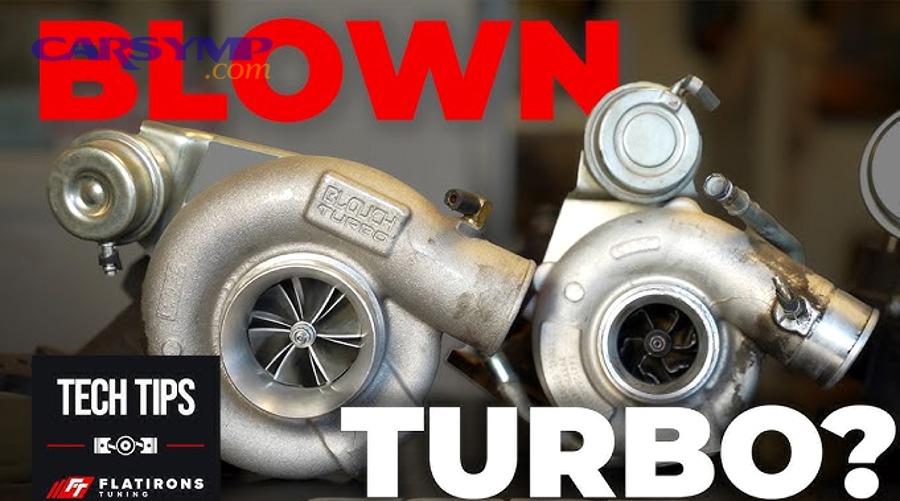
Acceleration smoke presents different diagnostic clues because sustained load conditions expose weaknesses in components that seal properly at idle. When you press the throttle and cylinder pressures spike, worn piston rings cannot maintain their seal against cylinder walls, allowing oil to enter the combustion chamber and produce blue smoke that intensifies with engine load. Similarly, turbocharged engines develop smoke under boost when turbo seals degrade, creating pressure-dependent smoke patterns that idle conditions never reveal.
Accurate diagnosis requires analyzing smoke color, timing, persistence, and accompanying symptoms to pinpoint whether you’re facing a minor valve seal replacement or major engine rebuild. Below, we’ll examine the specific smoke patterns each component produces and provide practical diagnostic tests you can perform to identify your exact failure point.
What Does Startup Smoke Tell You About Your Engine?
Startup smoke indicates specific engine component conditions based on color and duration, with brief blue smoke pointing to valve seal leakage, persistent white smoke suggesting head gasket or coolant system failures, and black smoke revealing fuel system richness issues that occur during cold engine operation.
To better understand these diagnostic patterns, let’s examine each smoke type and its underlying mechanical cause during the critical startup phase.
What Causes Blue Smoke Only at Cold Startup?
Blue smoke at cold startup results from valve seal deterioration allowing engine oil to seep past valve stems into combustion chambers during extended shutdowns, where it accumulates and burns during initial ignition cycles. The valve seal’s primary function involves creating a controlled barrier that prevents crankcase oil from entering the intake and exhaust valve guides while still allowing minimal lubrication of the valve stem. When these seals harden, crack, or lose their spring tension over time, they permit excessive oil migration down the valve stem whenever the engine sits stationary.
The overnight seepage mechanism operates through gravity and residual heat cycles. After shutdown, oil coating the valve stems gradually works its way past compromised seals and pools on top of pistons in cylinders with open intake valves. When you start the engine the next morning, this accumulated oil burns immediately, creating the characteristic blue smoke puff that clears within 30 to 90 seconds once normal oil control resumes. This timing specificity provides the key diagnostic distinction—if blue smoke appears only during cold starts and disappears completely after brief warm-up, valve seals represent the probable failure point rather than piston rings.
Normal startup smoke from condensation appears white and wispy, dissipating within 10 to 20 seconds as exhaust system moisture evaporates. Abnormal valve seal smoke shows a distinctly blue or blue-gray color, carries a burnt oil smell rather than a neutral steam odor, and may persist for up to two minutes depending on how much oil accumulated. The severity correlates with how long the vehicle sat stationary—cars driven daily show less startup smoke than vehicles sitting for days or weeks, as extended shutdown periods allow more oil seepage time.
Does White Smoke at Startup Always Mean Head Gasket Failure?
White smoke at startup does not always indicate head gasket failure, as normal condensation produces harmless white vapor that disappears within seconds, while problematic white smoke from coolant burning persists beyond warm-up, carries a sweet smell, and accompanies coolant loss or engine overheating.
Specifically, temperature and humidity factors determine whether white startup smoke falls within normal parameters. Cold ambient temperatures below 40°F combined with high humidity create substantial condensation inside exhaust systems overnight. When you start the engine, this trapped moisture immediately vaporizes, producing thick white clouds that can appear alarming but represent nothing more than water vapor. This condensation smoke lacks any odor, shows no oily residue, and completely vanishes once the exhaust system reaches operating temperature—typically within 30 to 60 seconds of idling.
Coolant-based white smoke from head gasket failure or cracked cylinder head presents distinctly different characteristics. The smoke appears thicker and more persistent, continuing well beyond initial warm-up and often intensifying as engine temperature rises. A sweet, almost syrupy smell accompanies this smoke, caused by vaporized ethylene glycol from the coolant mixture. Additionally, you’ll notice progressive coolant loss from the reservoir without visible external leaks, and the engine may run hotter than normal as combustion gases pressurize the cooling system. The oil dipstick may show a milky, chocolate-colored substance—emulsified oil contaminated with coolant—confirming internal coolant leakage into the lubrication system.
The persistence test provides the clearest diagnostic indicator. Let your engine idle for five minutes in a well-ventilated area. If white smoke continues billowing from the tailpipe after this warm-up period, especially if it intensifies when you rev the engine, coolant is entering the combustion chambers. Conversely, if the white smoke completely clears within the first minute or two, you’re observing normal condensation that requires no repair. This simple timing observation helps you distinguish between a harmless daily occurrence and a serious engine problem requiring immediate professional diagnosis.
Is Black Smoke on Cold Start a Serious Problem?
Black smoke on cold start is not immediately serious if it clears within 10 to 15 seconds, as engines require temporarily rich fuel mixtures during cold operation, but persistent black smoke indicates fuel system malfunctions including stuck choke mechanisms, leaking fuel injectors, or failed engine sensors that demand prompt diagnosis.
More specifically, understanding why modern engines run rich during cold starts explains when this black smoke falls within normal parameters. Fuel atomization deteriorates significantly in cold conditions—gasoline particles don’t vaporize efficiently when cylinder walls and intake manifolds sit at ambient temperature. To compensate, the engine control unit (ECU) commands fuel injectors to deliver 20 to 40 percent more fuel during initial cranking and warm-up cycles, ensuring sufficient vaporized fuel reaches combustion chambers for reliable ignition. This intentional over-fueling can produce brief black smoke puffs, particularly visible on cold mornings when you first start the engine.
However, this enrichment should last only until coolant temperature reaches approximately 140°F, at which point the ECU begins leaning the mixture toward normal stoichiometric ratios. If black smoke persists beyond the first 30 seconds of operation, or if it continues after the engine reaches normal operating temperature, you’re facing fuel system problems rather than normal cold-start enrichment. Common culprits include malfunctioning coolant temperature sensors that trick the ECU into thinking the engine remains cold, failed mass airflow sensors providing incorrect airflow data, or stuck-open fuel injectors continuously flooding cylinders with excess fuel.
Choke issues primarily affect older carbureted vehicles, where a mechanical or automatic choke valve restricts airflow during cold starts to richen the mixture. A stuck or misadjusted choke fails to open as the engine warms, maintaining an excessively rich mixture that produces continuous black smoke and poor fuel economy. Modern fuel-injected engines eliminate mechanical chokes but can develop similar symptoms when electronic sensors fail to signal proper warm-up progression.
When black startup smoke clears quickly and the engine runs smoothly once warm, monitor the situation but don’t panic—you’re observing normal cold-weather fuel compensation. If black smoke persists throughout operation, continue billowing under acceleration, or accompanies rough idling and poor performance, schedule diagnostic scanning to identify which fuel system component requires attention before catalytic converter damage or spark plug fouling creates additional problems.
What Does Smoke During Acceleration Reveal About Engine Health?
Smoke during acceleration reveals specific internal engine failures based on color and load conditions, with blue smoke indicating piston ring wear or turbocharger seal damage, white smoke pointing to head gasket failure or turbo seal problems, and black smoke exposing fuel system richness from clogged air filters or sensor malfunctions.
Moreover, acceleration creates unique diagnostic conditions because sustained throttle application generates maximum cylinder pressures and temperatures that expose component weaknesses invisible during idle operation. Let’s examine what each smoke type tells you about your engine’s mechanical condition under load.
Why Does Blue Smoke Appear Only Under Hard Acceleration?
Blue smoke appearing exclusively under hard acceleration indicates worn piston rings that maintain adequate sealing at idle but leak combustion gases and allow oil passage when cylinder pressures exceed 800 to 1200 psi during full-throttle operation. The piston ring’s sealing function depends on both mechanical spring tension and gas pressure acting behind the ring to force it outward against the cylinder wall. Fresh rings create an effective seal through precise geometric fit and material elasticity, but years of reciprocating motion under high temperatures gradually wear the ring faces and cylinder bore surfaces.
Specifically, the blow-by mechanism explains why acceleration intensifies blue smoke from ring wear. During hard acceleration, combustion pressures spike dramatically as the throttle plates open and fuel delivery increases. These elevated pressures find the path of least resistance through worn ring-to-cylinder clearances, forcing combustion gases past the rings into the crankcase—a condition called blow-by. Simultaneously, this pressure differential reverses normal oil control, pushing crankcase oil upward past the worn rings into combustion chambers where it burns and exits as blue smoke.
The PCV (Positive Crankcase Ventilation) system becomes overloaded when excessive blow-by occurs. This system normally handles small amounts of blow-by gases by routing them through a valve back into the intake manifold for re-combustion. However, severely worn rings produce blow-by volumes exceeding the PCV system’s capacity, causing oil-saturated vapors to exit through the crankcase breather or PCV valve directly into the intake system. You’ll often find oil residue coating the intake tubing, throttle body, and air filter housing when this condition exists—a telltale sign that excessive blow-by is forcing oil through the crankcase ventilation system.
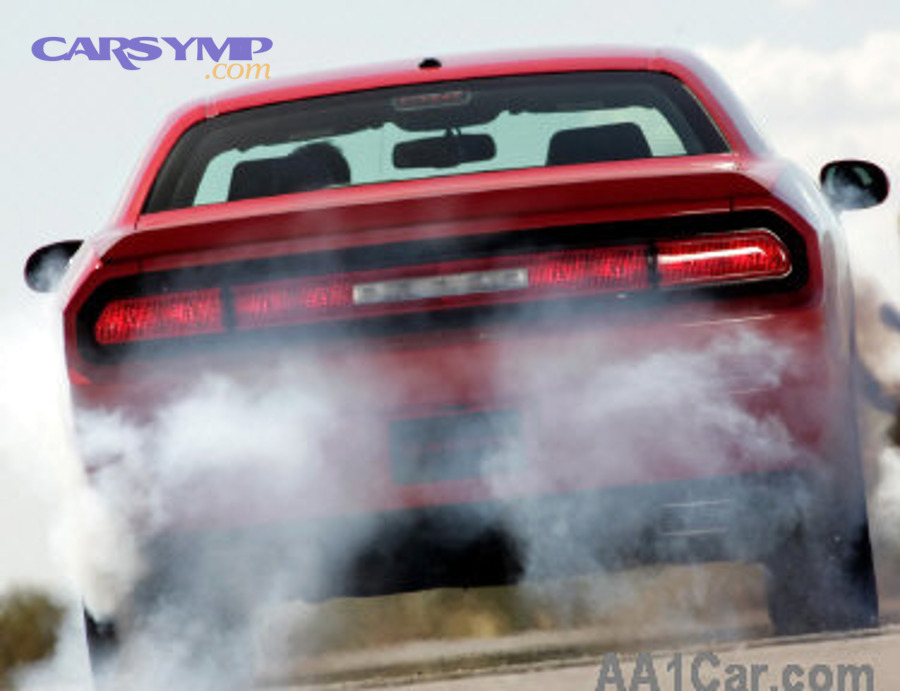
Sustained acceleration smoke differs from brief puffs in both appearance and diagnostic significance. Brief blue smoke puffs lasting one to two seconds when you first hit the throttle can occur from oil temporarily pooling in intake runners or residual oil in the turbocharger, especially after extended idling. This transient smoke clears quickly once airflow stabilizes. Conversely, blue smoke that continues billowing throughout sustained acceleration, intensifies at higher RPMs, and persists as long as you maintain throttle indicates genuine ring seal failure requiring engine disassembly and rebuild. The smoke’s continuous nature confirms that ongoing oil passage is occurring, not just burning of accumulated oil deposits.
What Causes White Smoke When Accelerating But Not at Idle?
White smoke appearing during acceleration but absent at idle typically results from turbocharger seal failure allowing oil intrusion under boost conditions, or head gasket breakdown that manifests under the elevated cylinder pressures and temperatures created by sustained engine load.
To illustrate, turbocharger seal degradation creates pressure-dependent smoke patterns. The turbocharger uses engine oil for bearing lubrication, circulating oil through the center housing where it lubricates the shaft connecting the turbine and compressor wheels. Oil seals on both the compressor side (intake) and turbine side (exhaust) prevent this lubricating oil from entering the air stream. However, heat cycling, carbon deposits, and bearing wear gradually degrade these seals. At idle, boost pressure remains near zero and the pressure differential across the seals stays minimal—insufficient to force oil past the degraded sealing surfaces.
When you accelerate hard, the turbocharger spins faster and boost pressure climbs to 10, 15, or 20+ psi depending on your engine’s specification. This boost pressure overwhelms compromised seals, allowing oil to migrate from the center housing into either the intake system (compressor side failure) or exhaust stream (turbine side failure). Compressor-side leaks produce blue-white smoke that enters cylinders with the intake charge, while turbine-side leaks create white-blue smoke that mixes directly with exhaust gases. Both scenarios intensify proportionally with boost levels—the harder you accelerate and the higher the boost climbs, the more oil leaks and the thicker the smoke becomes.
Head gasket failure under load presents differently than turbo seal problems. A head gasket failing between a coolant passage and combustion chamber may seal adequately at idle’s lower cylinder pressures (approximately 150-200 psi compression) but leak when acceleration raises combustion pressures to 800-1000+ psi. This pressure forces coolant into the cylinder, where it instantly vaporizes into thick white smoke with the characteristic sweet smell of burning antifreeze. Unlike turbo smoke that correlates with boost, head gasket smoke correlates with engine load and RPM—appearing whenever you demand significant power regardless of whether the engine is turbocharged or naturally aspirated.
Transmission fluid entering the intake represents a rarer cause of acceleration white smoke, occurring primarily in vehicles where the transmission vacuum modulator develops a diaphragm leak. This modulator uses engine vacuum to control automatic transmission shift points. When its internal diaphragm ruptures, transmission fluid gets sucked through the vacuum line directly into the intake manifold. At idle, vacuum is highest but fluid flow remains relatively slow. During acceleration, rapidly changing vacuum levels can pull substantial transmission fluid into the engine, creating white smoke with a distinctive burnt transmission fluid smell—different from the sweet coolant odor or acrid oil smell. This diagnosis is quickly confirmed by checking transmission fluid levels, which will show significant loss, and inspecting the vacuum line for red or pink fluid residue.
How Do You Identify Which Component Is Failing?
You identify which component is failing by analyzing smoke timing (startup versus acceleration), smoke color (blue for oil, white for coolant, black for fuel), and pattern persistence, with valve seals producing startup-only blue smoke, piston rings creating continuous blue smoke under load, and turbochargers showing boost-dependent smoke.
However, multiple overlapping symptoms sometimes occur, requiring systematic testing to pinpoint the exact failure. Let’s examine the key comparison points that distinguish one component failure from another.
Valve Seals vs. Piston Rings: What’s the Difference in Smoke Patterns?
Valve seals produce blue smoke primarily at cold startup and during deceleration when high intake manifold vacuum pulls oil past worn seals, whereas piston rings generate blue smoke continuously during operation with intensification under acceleration as cylinder pressure forces oil past worn ring-to-cylinder clearances.
Specifically, the deceleration smoke test provides the clearest diagnostic differentiation between these two wear patterns. When you lift off the throttle at highway speeds, intake manifold vacuum spikes to 18-22 inches of mercury—far higher than the 12-15 inches typical at idle. This extreme vacuum creates powerful suction on the intake valve stems. If valve seals or guides are worn, this vacuum overcomes the seal’s resistance and literally pulls oil down the valve stem into the combustion chamber. When you reapply throttle after coasting, this accumulated oil burns suddenly, creating a distinctive blue smoke cloud visible in your rearview mirror. Piston ring wear doesn’t correlate with vacuum levels, so deceleration followed by acceleration won’t produce smoke puffs if rings are the culprit.
Compression testing provides quantitative confirmation of ring wear. A compression test measures each cylinder’s ability to hold pressure during the compression stroke. Healthy cylinders show readings between 140-180 psi depending on engine design, with minimal variation between cylinders. Worn piston rings allow compression gases to escape past the piston into the crankcase, reducing measured compression to 90-120 psi or lower. The wet compression test—adding a small amount of oil into the cylinder before testing—temporarily seals worn rings, causing compression readings to jump 20-40 psi higher. This pressure increase confirms the rings as the sealing problem rather than valves, which oil addition doesn’t affect.
The smoke’s relationship to engine temperature also differs between seal and ring failures. Valve seal smoke appears most prominently when the engine is cold because low oil viscosity allows easier oil passage, and dissipates somewhat as oil thins and temperatures stabilize valve seal materials. Ring smoke shows less temperature dependency—once rings wear beyond effective sealing tolerances, they leak regardless of whether the engine is cold or at full operating temperature. You’ll see consistent blue smoke throughout operation with ring problems, whereas valve seal smoke diminishes significantly once everything reaches normal running temperature.
Oil consumption rates provide another diagnostic indicator. Valve seal deterioration typically causes moderate oil consumption—perhaps one quart every 1,500 to 3,000 miles, as only small amounts of oil seep past during vacuum events. Significant piston ring wear produces dramatic oil consumption—potentially one quart every 500 to 1,000 miles or worse—because oil continuously passes into combustion chambers throughout operation. If you’re adding oil frequently between changes and observing constant blue smoke rather than isolated puffs, piston ring failure represents the far more likely diagnosis requiring engine rebuild rather than simple valve seal replacement.
How Can You Tell If It’s Turbo Seals or Piston Rings?
You can distinguish turbo seal failure from piston ring wear by observing whether smoke correlates with boost pressure (turbo-specific) or engine load regardless of aspiration (rings), checking for oil residue on the compressor wheel (turbo), and noting whether smoke appears at idle (rings) or only under acceleration (turbo).
More specifically, the boost-dependent smoke pattern serves as the primary differentiator. Turbocharger seal problems create smoke that appears exclusively during boost conditions—when the turbo spools up under hard acceleration. At idle and light throttle where boost remains near zero, a vehicle with failed turbo seals may produce no visible smoke whatsoever. The moment boost pressure builds, oil forced past the compromised seals enters the air stream and combustion chambers, creating sudden, thick smoke clouds. This on-off behavior directly linked to turbo operation doesn’t occur with ring wear, which produces relatively consistent smoke at all throttle positions once the engine is under load.
Compressor wheel inspection provides definitive physical evidence of turbo seal failure. Remove the intake tube between the air filter housing and turbocharger inlet. Shine a flashlight into the compressor housing and examine the compressor wheel blades. A healthy turbo shows clean, dry aluminum blades with no oil coating. Failed turbo seals allow oil from the center housing to migrate into the compressor side, coating the wheel and housing with oil residue. You can often wipe your finger along the wheel blades and it will come away coated with engine oil. Additionally, check for shaft play by grasping the compressor wheel’s center and attempting to move it radially (perpendicular to the shaft). Minimal play—less than 1mm—is normal, but excessive movement indicates bearing wear that often accompanies seal failure. Piston ring problems won’t create any oil residue in the turbo compressor housing, making this a clear diagnostic distinction.
Performance loss differences also help identify the failure source. Turbocharger problems typically accompany noticeable power reduction, sluggish boost building, or unusual whining and whistling sounds as damaged bearings or wheels struggle to spin efficiently. The engine feels particularly weak during the boost range where you’d normally feel strong acceleration. Piston ring wear reduces power more subtly and uniformly across the rev range, with the primary symptoms being smoke and oil consumption rather than dramatic power loss or turbo-specific noises. If your turbocharged vehicle suddenly lacks the punch it once had and smokes only under boost, turbo seal failure takes priority as the diagnostic focus.
Oil supply and drain line condition matters significantly for turbo longevity. Inspect the oil feed line from the engine to the turbo for restrictions, and verify the drain line from turbo to oil pan flows freely without blockages. Restricted oil drainage causes oil to back up in the turbo center housing, overwhelming seals and forcing oil into both compressor and turbine sides. This drainage problem can occur even with otherwise healthy seals, creating smoke symptoms that mimic seal failure. Clearing the drain restriction may eliminate the smoke without turbo replacement. Piston ring diagnosis doesn’t involve turbo oil lines, so if you find drainage issues, you’re definitely looking at turbo-related problems rather than internal engine wear.
Is Your Smoke From Oil, Coolant, or Fuel Issues?
Your smoke originates from oil burning if it appears blue or blue-gray with a burnt toast smell, from coolant if it’s white with a sweet odor and correlates with coolant loss, or from fuel if it’s black with a gasoline smell and appears during rich-running conditions.
However, distinguishing between these smoke sources requires systematic observation of multiple characteristics beyond just color. Let’s examine the specific identification techniques.
The smell test provides immediate diagnostic value when you know what to detect. Oil smoke carries a distinctive acrid, burnt odor similar to overheated cooking oil or burnt toast—sharp and unpleasant but not sweet. When you walk behind your vehicle while it’s smoking, this burnt oil smell is unmistakable and often irritates your eyes and throat. Coolant smoke smells markedly different—sweet, almost like maple syrup or antifreeze itself, because you’re literally vaporizing ethylene glycol. This sweetness is so characteristic that experienced mechanics identify coolant consumption by smell before any other test. Fuel-based black smoke smells like raw gasoline or diesel fuel—chemically pungent without the burnt character of oil or the sweetness of coolant. Train your nose to recognize these three distinct odors, and you’ll identify the smoke source immediately.
Fluid level monitoring over time confirms what smell suggests. Check your oil dipstick weekly if you suspect oil burning. A drop from the full mark to one quart low over 500 miles indicates significant oil consumption—approximately one quart per 500 miles—confirming oil is entering combustion chambers. Similarly, observe your coolant reservoir level. Mark the cold-fill line with a marker when the engine is cold. After several days of driving, check whether the level has dropped below your mark without any visible external leaks (no puddles under the car, no wet spots on hoses). Coolant loss and sweet smell correlation directly confirms internal coolant burning, typically from head gasket failure or cracked cylinder head. Fuel system problems don’t cause fluid loss—your fuel gauge drops normally—but you’ll notice dramatically reduced fuel economy, often 20 to 40 percent worse than typical, as unburnt fuel exits through the exhaust.
The oil-contamination inspection reveals coolant intrusion into the lubrication system. Remove the oil fill cap and examine the underside with a flashlight. Look for a tan, milky, mayonnaise-like substance coating the cap and filler neck. This emulsified mixture forms when coolant mixes with engine oil, creating the telltale “chocolate milk” or “mayonnaise” appearance that mechanics universally recognize as head gasket failure. Pull the dipstick and observe the oil’s appearance. Dark honey or black color is normal. Light brown, milky, or frothy oil indicates coolant contamination. Similarly, check the coolant reservoir for oily residue floating on the surface—this reverse contamination occurs when pressurized combustion gases blow past a failed head gasket into coolant passages, forcing oil into the cooling system.
Exhaust residue analysis provides physical evidence of the contaminate source. With the engine at operating temperature, carefully hold a clean white paper towel or rag a few inches from the tailpipe opening for 10 to 15 seconds while the engine idles. Examine what collects on the fabric. Oily, greasy deposits that feel slippery between your fingers indicate oil burning—the fabric will appear sooty and oily. Wet, water-based deposits with a sweet smell suggest coolant vapor—the paper will be damp but not oily. Dry, black carbon deposits point to incomplete fuel combustion. This simple test provides tangible proof of which substance is contaminating your exhaust stream, guiding your repair approach.
What Are the Quick Diagnostic Tests You Can Do Yourself?
The quick diagnostic tests you can perform include oil consumption monitoring through dipstick checks, compression testing to identify ring and valve problems, coolant system pressure testing for leak detection, and visual inspection of the PCV system and intake for oil contamination evidence.
These tests require minimal specialized tools and provide substantial diagnostic information before investing in professional diagnosis. Let’s examine each test’s procedure and interpretation.
How to Check for Oil Consumption and Burning?
You check for oil consumption by establishing a baseline dipstick reading when cold, recording mileage, and checking levels every 500 miles to calculate quarts consumed per 1,000 miles, while checking for burning involves inspecting intake components for oil residue and monitoring exhaust smoke color and smell during various operating conditions.
To establish accurate consumption measurements, always check oil when the engine is cold and on level ground. Warm oil gives falsely high readings as expanded oil fills the pan more fully. Park on a level surface, wait at least 15 minutes after shutdown for oil to drain from the upper engine into the pan, then pull the dipstick, wipe it clean, reinsert it fully, and remove it again for the actual reading. Note whether the level sits at the full mark, between full and add marks, or at/below the add mark. Record this exact position and your current odometer mileage in a maintenance log.
Drive normally for 500 to 1,000 miles depending on how quickly you suspect oil is burning. Recheck using the same cold-engine procedure, noting the new oil level and mileage. Calculate consumption: if the level dropped from full to the add mark (typically one quart) in 500 miles, you’re consuming one quart per 500 miles—a severe consumption rate indicating major ring wear or turbo failure. Most manufacturers consider consumption of one quart per 1,000 to 2,000 miles within normal specifications for higher-mileage engines, though new engines should consume virtually no oil between changes. Consumption exceeding one quart per 1,000 miles typically indicates repair-worthy problems like valve seal wear, ring failure, or turbo seal deterioration.
PCV valve inspection reveals whether excessive blow-by is routing oil into the intake system. Locate the PCV valve—typically a small cylindrical valve inserted into a grommet in the valve cover, with a hose running to the intake manifold. Remove the valve and shake it. You should hear a metallic rattle indicating the internal check valve moves freely. No rattle means the valve is stuck from carbon or sludge deposits. Remove the hose from the intake manifold and examine the interior with a flashlight. Oil droplets, puddles, or wet residue coating the inside of the hose and intake manifold confirm that excessive blow-by gases are carrying oil vapor from the crankcase into the intake system—definitive evidence of piston ring wear allowing too much combustion gas past the pistons.
Intake system oil residue examination provides visual confirmation of oil consumption paths. Remove the air intake tube and throttle body inlet hose. Inspect the throttle body bore and intake manifold runners with a flashlight. Light oil film is sometimes normal, especially in direct-injection engines with no fuel washing the intake valves. However, heavy oil coating, puddles in the intake runners, or oil dripping from components indicates serious blow-by forcing oil through the PCV system or turbo seal failure allowing oil into the compressor side. On turbocharged engines, remove the intercooler inlet and outlet pipes and check for pooled oil—another clear sign of turbo seal problems forcing oil into the intake charge.
What Does a Compression Test Reveal About Smoke Causes?
A compression test reveals smoke causes by measuring each cylinder’s ability to hold pressure, with readings below 100 psi indicating severe ring wear or valve problems, minimal variation between cylinders suggesting uniform wear, and significant pressure increases during wet testing confirming piston rings as the primary sealing failure.
Specifically, proper compression testing procedure ensures accurate diagnostic results. Warm the engine to full operating temperature before testing, as cold compression readings don’t accurately represent true sealing capability. Disable the ignition system by disconnecting the coil pack or removing the fuel pump fuse to prevent fuel delivery and potential engine starting during testing. Remove all spark plugs—testing with some plugs installed creates false readings. Thread the compression gauge into the first cylinder’s spark plug hole, ensuring a tight seal. Have an assistant crank the engine with the throttle held wide open for five to six compression strokes, or until the gauge needle stops climbing. Record the maximum pressure reading, release the gauge, and repeat for all remaining cylinders.
Interpreting compression test results identifies specific failure types. Healthy cylinders typically produce 140 to 180 psi depending on compression ratio and engine design, with cylinder-to-cylinder variation not exceeding 10 percent. If all cylinders measure low—say 90 to 110 psi—with minimal variation, you’re likely seeing advanced piston ring wear affecting the entire engine uniformly. If one or two cylinders measure significantly lower than others—perhaps 80 psi compared to 150 psi in the rest—suspect valve problems, burnt valve seats, or localized ring damage in those specific cylinders. If all cylinders measure normal compression but you still observe smoke, the problem likely stems from valve seals allowing oil past without significantly affecting compression, or turbocharger issues unrelated to cylinder sealing.
The wet compression test definitively confirms ring versus valve failure. After performing the dry compression test on a low-reading cylinder, squirt approximately one tablespoon of engine oil through the spark plug hole onto the piston crown. Reinstall the compression gauge and repeat the test. If compression rises dramatically—30 to 60 psi higher than the dry reading—the added oil temporarily sealed the worn rings against the cylinder wall, confirming ring wear as the problem. If compression remains unchanged or increases only minimally (5 to 10 psi), the rings are sealing adequately and the low compression results from valve problems such as burnt valves, worn valve seats, or stuck-open valves that allow compression gases to escape through the valve ports instead of leaking past rings.
Reading patterns across all cylinders guides repair decisions. Uniformly low compression across all cylinders with significant wet-test improvement indicates comprehensive ring wear requiring complete engine rebuild with new pistons, rings, and cylinder honing or boring. Low compression in adjacent cylinders—particularly cylinders sharing a head gasket sealing area—suggests head gasket failure between those cylinders or into a coolant passage. One isolated low-compression cylinder often indicates a localized valve problem repairable with cylinder head work rather than complete engine rebuild. These patterns transform compression numbers into actionable repair strategies, helping you understand whether you need valve work, head gasket replacement, or full bottom-end rebuild.
How to Inspect for Coolant in Oil or Vice Versa?
You inspect for coolant in oil by checking for milky discoloration or chocolate-milk appearance on the dipstick and oil cap, observing the coolant reservoir for oily film floating on the surface, and monitoring for unexplained coolant loss without external leaks correlating with white exhaust smoke.
Moreover, the oil dipstick inspection provides the most accessible initial screening. With the engine cold, pull the dipstick completely from the tube and examine the oil clinging to the blade in good lighting. Normal engine oil appears dark honey-colored when relatively fresh or nearly black when approaching change intervals. The consistency should be slippery and liquid, not foamy or sludgy. Coolant contamination creates a distinctive milky, tan, or light brown appearance because water-based coolant emulsifies with petroleum-based oil, forming a homogeneous mixture that looks strikingly like chocolate milk or coffee with excessive cream. Sometimes you’ll observe two distinct layers—dark oil below and lighter, frothy material above—confirming the contamination. Any milky appearance, regardless of degree, indicates cooling system integrity has been compromised and coolant is entering the lubrication system through internal leaks.
The oil fill cap examination reveals contamination even when the dipstick appears relatively normal. Remove the oil fill cap from the valve cover and examine its underside and the filler neck opening with a flashlight. Look for mayonnaise-like, creamy tan deposits coating these surfaces. This sludgy buildup forms when coolant condenses in the valve cover during short trips or cold weather, mixes with oil vapors, and creates the characteristic mayonnaise appearance. In severe head gasket failure cases, you’ll find thick accumulations of this mayonnaise substance, sometimes completely coating the valve cover interior. Minor amounts of light tan residue can appear on engines running frequent short trips in cold climates without head gasket problems, but substantial buildup combined with other symptoms—white smoke, coolant loss, overheating—confirms internal coolant leakage requiring immediate attention.
Coolant reservoir inspection identifies reverse contamination where oil enters the cooling system. Remove the coolant reservoir cap when the engine is completely cold—never when hot, as pressurized coolant can violently spray out causing severe burns. Shine a light on the coolant surface and look for oily residue, rainbow-colored films, or dark particles floating on top. Normal coolant appears translucent and uniformly colored (green, orange, pink, or yellow depending on type) without any surface contamination. Oil floating on coolant indicates combustion gases are pressurizing the crankcase—from severe ring blow-by or head gasket failure—forcing oil past gaskets and seals into coolant passages. This typically accompanies white smoke and oil-in-coolant symptoms, creating a bidirectional contamination where coolant enters oil AND oil enters coolant simultaneously.
Pressure testing the cooling system provides definitive leak identification. A cooling system pressure tester connects to the radiator or reservoir filler neck and pressurizes the system to its rated cap pressure—typically 13 to 16 psi. With the system pressurized, observe whether pressure holds steady or slowly drops. Rapid pressure loss indicates significant leaks, either external (visible coolant weeping from hoses, radiator, or gaskets) or internal (head gasket, cracked cylinder head, or intake manifold gasket). To specifically test for combustion gas intrusion into coolant—the telltale sign of head gasket failure—use a block tester kit. This tool draws vapors from the coolant reservoir through a chemical that changes color if combustion gases (primarily carbon dioxide and hydrocarbons) are present. The chemical remains blue when testing healthy coolant but turns yellow or green when combustion gases contaminate the cooling system, providing chemical proof of head gasket failure without engine disassembly.
When Should You Stop Driving and Seek Immediate Repair?
You should stop driving immediately when you observe thick white smoke with coolant loss, when blue smoke intensifies rapidly with falling oil levels, when the engine overheats or loses significant power, or when any smoke accompanies warning lights, unusual noises, or rough running that could indicate imminent catastrophic failure.
Continuing to operate an engine exhibiting severe smoke symptoms accelerates damage exponentially, often transforming a manageable repair into a complete engine replacement. Let’s examine the specific safety and damage thresholds for each smoke type.
Is It Safe to Drive With Blue Smoke?
Driving with blue smoke is moderately safe for short distances if oil consumption remains below one quart per 500 miles and the engine maintains oil pressure, but becomes dangerous when rapid oil consumption risks oil starvation, when catalytic converter damage from oil contamination threatens emissions failure, or when turbocharger failure creates the smoke.
To illustrate the safety considerations, oil consumption rate determines immediate risk levels. Minor blue smoke from valve seals consuming one quart every 2,000 to 3,000 miles presents primarily a nuisance and gradual repair concern—you can continue driving while scheduling valve seal replacement at your convenience, provided you diligently monitor and maintain proper oil levels between checks. However, severe blue smoke from advanced piston ring wear consuming one quart every 300 to 500 miles creates genuine safety risks. The primary danger involves running the engine low on oil if you fail to check levels frequently enough. Low oil level reduces oil pressure, starves bearings of lubrication, and can cause catastrophic bearing seizure, connecting rod failure, or complete engine destruction—often without warning.
Catalytic converter damage represents a secondary but expensive consequence of continued driving with oil burning. The catalytic converter uses precious metal catalysts (platinum, palladium, rhodium) to chemically convert harmful exhaust pollutants into less harmful substances. These catalysts operate within specific temperature ranges and cannot tolerate oil contamination. Burning oil coats catalyst surfaces with carbon and ash deposits, gradually poisoning the catalyst and reducing its efficiency. Extended driving with significant blue smoke inevitably leads to catalytic converter failure, evidenced by illuminated check engine lights with catalyst efficiency codes (P0420, P0430), failed emissions tests, and replacement costs ranging from $1,000 to $3,000 depending on the vehicle. This secondary damage often doubles the total repair cost beyond the original engine work needed to stop the oil burning.
Low oil pressure consequences escalate rapidly from warning to disaster. Modern engines typically maintain 10 psi of oil pressure per 1,000 RPM—so 30 psi at 3,000 RPM. The oil pressure warning light illuminates when pressure drops below approximately 5 to 7 psi, indicating critically low pressure that threatens immediate engine damage. If you’re driving with blue smoke and the oil pressure warning light illuminates, stop immediately, shut down the engine, and check the oil level. Operating even briefly with illuminated oil pressure warning risks bearing damage that transforms a ring replacement job into a complete engine replacement. The bearing clearances in modern engines measure just 0.001 to 0.003 inches—without sufficient oil pressure to maintain this film, metal-on-metal contact welds bearings to crankshaft journals within seconds, destroying both components.
The turbocharger failure urgency differs from ring or seal wear. If blue smoke from a turbocharged engine correlates specifically with boost and you’ve confirmed turbo seal failure through inspection, the turbo itself will continue deteriorating rapidly. Failed seals indicate bearing problems that will worsen quickly, potentially resulting in catastrophic turbo failure where turbine or compressor wheels contact their housings at 100,000+ RPM. This creates instant destruction—wheel fragments can exit through the exhaust or, worse, through the intake into the engine, destroying pistons, valves, and cylinder heads. If you’ve diagnosed turbo seal failure, limit driving to essential trips only and schedule turbo replacement within days, not weeks or months.
Can You Continue Driving With White Smoke?
You cannot safely continue driving with persistent white smoke from coolant burning because head gasket failure risks rapid engine overheating, coolant loss leading to catastrophic head or block damage, and hydrolock if excessive coolant accumulates in cylinders, whereas brief white smoke from condensation requires no driving restrictions.
More specifically, distinguishing between harmless condensation and dangerous coolant smoke determines safe driving parameters. Condensation white smoke appearing only during the first 30 to 60 seconds of cold-weather operation, then completely disappearing as the engine warms, poses zero safety concern—drive normally without restriction. This condensation-based smoke represents simple water vapor from overnight moisture accumulation in the exhaust system and requires no repair or driving limitations. However, white smoke that persists after warm-up, intensifies during acceleration, carries a sweet smell, or correlates with falling coolant levels indicates genuine coolant combustion that makes continued driving extremely hazardous.
Engine overheating risks from head gasket failure escalate unpredictably. When combustion gases blow past a failed head gasket into coolant passages, they pressurize the cooling system beyond designed limits. This pressure forces coolant out through the reservoir overflow, gradually depleting coolant volume. Simultaneously, combustion gases in the cooling system create air pockets that prevent proper coolant circulation. These air locks cause hot spots in the cylinder head, particularly around exhaust valves where temperatures already exceed 1,200°F. Without adequate coolant flow, localized overheating warps the cylinder head, potentially cracking it between combustion chambers and coolant passages or between valve seats. Cylinder head replacement costs $2,500 to $5,000 including machining and labor—far exceeding the $1,200 to $2,000 typical head gasket replacement if you stop driving immediately when symptoms appear.
Hydrolock represents the most catastrophic risk from severe coolant consumption. Hydrolock occurs when liquid accumulates in the combustion chamber, and since liquids don’t compress like air-fuel mixture, the piston cannot complete its compression stroke. In severe head gasket failure or cracked head scenarios, coolant can pour into cylinders faster than combustion burns it. If you shut down the engine with coolant pooling in cylinders, then attempt to restart, the starter motor forces the piston upward into incompressible coolant. The tremendous forces involved bend connecting rods, crack pistons, or catastrophically destroy the engine block. You’ll recognize attempted starts with hydrolock—the starter motor strains unusually, makes grinding or clunking sounds, and the engine won’t rotate through complete revolutions. This instant destruction transforms a head gasket job into complete engine replacement costing $5,000 to $10,000+.
Head gasket failure progression follows a predictable pattern. Initial stages produce slight white smoke during hard acceleration, minor coolant loss requiring topping off every few weeks, and perhaps occasional slight overheating in heavy traffic. This early stage offers the ideal intervention point—stop driving, replace the head gasket, and avoid any secondary damage. Continued driving advances to moderate smoke at all throttle positions, weekly coolant topping required, and regular overheating episodes. At this stage, cylinder head warpage becomes likely, adding machining or replacement to repair costs. Final stages before catastrophic failure show constant white smoke clouds, daily coolant loss, persistent overheating, rough running from coolant-fouled cylinders, and potential hydrolock risk. Each stage exponentially increases repair costs and failure risks. The prudent decision involves stopping all non-essential driving the moment you confirm persistent white smoke from coolant, scheduling immediate diagnosis, and accepting towing costs to avoid magnifying repair expenses through continued operation.
How Can You Prevent Engine Smoke Issues Before They Start?
You can prevent engine smoke issues by following manufacturer-specified maintenance intervals for oil and coolant changes, using correct oil viscosity and quality for your engine age and condition, warming the engine gently before demanding full power, and maintaining the PCV system to control crankcase pressure and oil consumption.

However, prevention effectiveness depends heavily on consistent execution rather than occasional attention. Let’s examine the specific preventive maintenance practices that protect critical sealing components from premature wear.
What Maintenance Schedule Prevents Valve Seal Deterioration?
The maintenance schedule preventing valve seal deterioration includes oil changes every 3,000 to 5,000 miles using high-quality motor oil, avoiding extended periods of engine inactivity that allow oil drainage and seal drying, and using oils with seal-conditioning additives for engines exceeding 75,000 miles to maintain seal elasticity.
Specifically, oil change interval selection significantly impacts valve seal longevity. Conventional wisdom suggests modern synthetic oils enable 7,500 to 10,000-mile intervals, and while this holds true for preventing bearing wear, valve seals benefit from more frequent oil changes. The combustion byproducts, fuel dilution, and oxidation that accumulate in oil over extended use create acidic conditions that attack rubber and synthetic seal materials. These acids cause seals to harden, crack, and lose their interference fit against valve stems. By changing oil every 3,000 to 5,000 miles, you minimize seal exposure to these degrading contaminants, preserving seal elasticity and sealing capability well past 100,000 miles in many engines. The incremental cost of more frequent oil changes—perhaps $150 extra annually—pales against the $800 to $1,500 typical cost of valve seal replacement requiring cylinder head removal.
Extended idle periods paradoxically damage valve seals through oil starvation. When an engine sits unused for weeks or months, oil drains from the cylinder head valve train back into the oil pan through gravity. The valve seals, now exposed without their protective oil coating, experience atmospheric oxygen exposure that hardens and cracks the seal material. Seal springs lose tension. When you finally restart after extended storage, the initial moments of operation occur with dry, hardened seals that leak excessively until oil pressure re-establishes lubrication. This cycle of drainage, seal drying, and dry-start wear dramatically accelerates seal degradation. If you own a vehicle driven infrequently—classic cars, seasonal vehicles, or spare cars—start and run the engine for 15 to 20 minutes every two weeks. This circulation replenishes oil film on seals, prevents seal drying, maintains seal suppleness, and dramatically extends seal service life.
High-mileage oil formulations incorporate seal-conditioning additives specifically designed to combat seal deterioration. These additives include seal swell agents and plasticizers that penetrate dried, hardened seal materials and restore elasticity. Engines exceeding 75,000 miles benefit substantially from high-mileage oils even if no smoke symptoms currently exist. The conditioning agents proactively maintain seal flexibility, preventing the hardening that leads to smoke rather than attempting to reverse damage after smoking begins. Brands like Valvoline MaxLife, Castrol GTX High Mileage, and Mobil 1 High Mileage include these conditioning packages. The minimal price premium—typically $2 to $5 per oil change—provides inexpensive insurance against valve seal failure that costs hundreds to repair.
How Does Oil Type and Quality Affect Smoke Development?
Oil type and quality affect smoke development by determining viscosity stability at operating temperatures, providing different levels of seal protection, and containing varying levels of detergent additives that prevent deposit formation contributing to ring sticking and increased blow-by.
To illustrate, viscosity selection for older engines requires understanding how oil thickness changes with temperature. The viscosity rating—such as 5W-30—indicates oil flow characteristics at cold (the “W” winter number) and hot (the second number) temperatures. Fresh engines with tight tolerances run optimally on lower-viscosity oils like 0W-20 or 5W-30 that flow easily and reduce friction. However, as engines age and clearances increase from wear, thinner oils escape more readily past worn rings and seals. Switching to slightly higher-viscosity oils like 10W-40 or even 15W-40 in high-mileage engines provides thicker oil film that seals worn clearances more effectively, reducing oil passage into combustion chambers and decreasing blue smoke. This viscosity increase shouldn’t be dramatic—jumping from 5W-30 to 20W-50 in a modern engine can actually increase wear through inadequate lubrication during cold starts. Consult your manual’s recommendations for high-mileage engines or increase one viscosity grade if experiencing early smoke symptoms.
Synthetic versus conventional oil selection impacts seal compatibility and smoke development in nuanced ways. Modern synthetic oils provide superior thermal stability, oxidation resistance, and detergency compared to conventional petroleum-based oils, generally making them the better choice for smoke prevention. However, older vehicles designed before synthetic oils became common—typically pre-2000 models—may have seal materials incompatible with synthetic formulations. These older seals sometimes shrink slightly when exposed to synthetic oils, creating gaps that allow increased oil consumption and smoke. If converting an older, high-mileage vehicle from conventional to synthetic oil, monitor carefully for increased smoke during the first 1,000 miles. If smoke worsens, the seals may be incompatible, and returning to conventional or using synthetic blend oils provides the compromise. Newer vehicles designed for synthetic oils experience no such compatibility issues and benefit from synthetic’s superior protection against smoke-causing deposit formation.
Can Driving Habits Reduce Piston Ring Wear?
Driving habits can significantly reduce piston ring wear by allowing proper warm-up before demanding full power, avoiding excessive idling that creates incomplete combustion and carbon deposits, managing turbocharger boost demands gradually, and preventing lugging the engine at low RPMs under heavy load.
More specifically, the warm-up procedure protects rings during their most vulnerable operating period. Cold oil flows poorly—10W-30 oil at 0°F has the consistency of molasses—providing inadequate lubrication to rings and cylinder walls during initial operation. Cold aluminum pistons contract, increasing piston-to-cylinder clearances and allowing greater oil passage past rings. The first 30 to 60 seconds after cold-start expose rings to maximum wear potential. Gentle driving during warm-up—keeping RPMs below 3,000 and avoiding hard acceleration until the temperature gauge shows normal reading—allows oil to reach operating viscosity, pistons to expand to proper clearances, and oil pressure to stabilize before subjecting rings to high cylinder pressures. This practice alone can extend ring life by 20 to 30 percent compared to immediate hard acceleration from cold starts.
Excessive idling creates unique ring wear patterns through incomplete combustion. At idle, cylinder temperatures run 300 to 500°F cooler than under load, preventing complete fuel vaporization and combustion. This incomplete combustion produces carbon deposits that accumulate in ring grooves, behind rings, and on piston crowns. Carbon in ring grooves prevents rings from flexing properly within their grooves, reducing their ability to maintain contact with cylinder walls and increasing oil passage. This carbon buildup effect compounds over time, particularly in vehicles frequently idling for extended periods—delivery vehicles, police cars, or work trucks. Minimize idling by shutting down the engine during waits exceeding two minutes. The fuel consumed and wear generated by extended idling far exceeds the trivial wear and fuel used in restarting.
Turbocharger load management prevents premature ring wear in boosted applications. Turbocharged engines operate under significantly higher cylinder pressures than naturally aspirated engines—often 25 to 30 psi of boost adding 1.5 to 2 times atmospheric pressure to cylinder loading. These elevated pressures demand perfect ring sealing, and any ring wear allows excessive blow-by under boost conditions. Gradual boost application, particularly during initial warm-up, prevents shock loading rings with maximum cylinder pressure before they’ve expanded to optimal sealing dimensions. Similarly, avoiding full-boost operation when the engine hasn’t reached normal oil temperature protects rings from operating with insufficient oil film strength. Once warm, turbocharged engines tolerate full boost without issues, but applying maximum boost when cold accelerates ring and cylinder wear dramatically.
Lugging prevention protects rings from combustion pressure-related damage. Lugging occurs when you attempt to accelerate at low RPMs in too high a gear—think trying to accelerate from 25 mph in 5th gear instead of downshifting to 3rd. The high load at low RPM creates tremendous cylinder pressures while oil pressure remains relatively low, subjecting rings to maximum stress with minimal lubrication. This combination can actually flex rings beyond their elastic limit, creating permanent deformation and gaps that leak even under normal conditions. Proper gear selection maintaining RPMs above 2,000 during acceleration ensures adequate oil pressure accompanies cylinder loading, protecting rings through lubrication rather than subjecting them to dry, high-pressure conditions that accelerate wear. Manual transmission drivers should downshift for power; automatic transmission drivers should use lower gear selections or sport modes during heavy acceleration rather than forcing the transmission to pull high gears at low speeds.
What Role Does PCV System Maintenance Play in Preventing Smoke?
PCV system maintenance plays a critical role in preventing smoke by regulating crankcase pressure, controlling oil vapor circulation, preventing pressure buildup that forces oil past seals and rings, and routing blow-by gases for combustion rather than allowing oil vapor accumulation in the intake system.
However, the PCV system’s complexity and importance often go underappreciated until failure symptoms appear. Let’s examine how this system functions and how proper maintenance prevents smoke development.
The PCV valve replacement interval should follow manufacturer specifications, typically every 30,000 to 50,000 miles, though many vehicles lack specific service intervals for this critical component. The PCV valve contains a spring-loaded check valve that opens under intake manifold vacuum, drawing blow-by gases from the crankcase through the valve into the intake manifold where they’re burned during combustion. Over time, carbon deposits and oil sludge accumulate in the valve, restricting its movement or preventing it from closing fully. A stuck-open PCV valve allows excessive crankcase vacuum during high intake manifold vacuum conditions (deceleration, idle), pulling oil mist from the crankcase into the intake system. A stuck-closed PCV valve prevents blow-by gas evacuation, creating positive crankcase pressure that forces oil past seals, gaskets, and rings—the primary cause of smoke in otherwise healthy engines. Replace the PCV valve at regular intervals regardless of whether symptoms appear, as prevention costs $10 to $30 while repairing smoke damage from PCV failure can cost thousands.
Breather system cleaning maintains proper crankcase ventilation beyond just the PCV valve. Most engines incorporate a separate breather element or filter in the valve cover, connected to the air intake system before the turbocharger or throttle body. This breather provides filtered fresh air inlet to the crankcase, allowing the PCV system to flow properly—blow-by gases and oil vapor exit through the PCV valve while fresh air enters through the breather. If the breather filter clogs with oil deposits and carbon, it restricts air inlet to the crankcase. This restriction creates excessive crankcase vacuum, pulling oil past rings and seals into combustion chambers. Many mechanics overlook breather system service, focusing only on the PCV valve. Inspect and clean or replace the breather element every 50,000 miles, particularly on turbocharged engines where the breather connects to the turbo inlet compressor side—a clogged breather here can mimic turbo seal failure symptoms.
Catch can installation for turbocharged engines represents a unique attribute benefiting performance and modified applications. A catch can installs inline in the PCV hose between the crankcase vent and intake manifold, physically capturing oil vapor and droplets before they enter the intake system. The can condenses oil vapor, allowing the liquid oil to collect in a reservoir you drain periodically while permitting cleaned air to continue to the intake. This prevents oil from coating intake valves, intercoolers, and turbo compressor wheels—oil buildup that reduces performance and contributes to smoke under boost. Performance enthusiasts and owners of direct-injection engines (which lack fuel-spray cleaning of intake valves) particularly benefit from catch can installation. Quality catch cans cost $100 to $300 and prevent thousands in intake cleaning and turbo seal problems over the engine’s lifetime.
Blow-by gas management in modified engines requires understanding that increased power creates increased blow-by. Engines modified for significantly higher horsepower—particularly turbocharged engines running elevated boost levels—generate combustion pressures far exceeding stock specifications. These extreme pressures force more blow-by past rings, overwhelming stock PCV systems designed for stock power levels. Modified engines benefit from upgraded PCV systems including larger-diameter hoses, baffled valve covers with integrated oil separators, and dual catch can configurations that provide higher-volume blow-by handling. Failure to upgrade the PCV system on modified engines results in positive crankcase pressure, oil forced past seals, and characteristic blue smoke under boost despite otherwise healthy engine internals. If you’ve modified your engine for significant power increases, consult with your tuner or performance shop about appropriate PCV system upgrades to match your new power level and prevent smoke development.
This comprehensive guide to startup smoke versus acceleration smoke provides the diagnostic framework, testing procedures, and preventive maintenance strategies necessary to identify which engine component is failing and take appropriate action before minor smoke issues escalate into catastrophic engine damage. By systematically analyzing smoke color, timing, and patterns while performing accessible diagnostic tests, you can confidently determine whether valve seals, piston rings, turbocharger components, or head gasket failure is causing your smoke symptoms and make informed repair decisions that protect both your engine and your budget.