


Before committing to expensive major engine repairs, car owners should perform essential DIY diagnostic checks including visual inspections for leaks and damage, fluid level and condition assessments, OBD-II scanner code reading, and component-specific examinations of spark plugs, air filters, and belts to verify repair necessity and potentially identify simple fixes that could save thousands of dollars. These preliminary checks empower vehicle owners to make informed decisions, avoid unnecessary repairs, and communicate effectively with mechanics about genuine engine problems versus minor issues that mimic serious damage.
Understanding what visual inspection checks to perform provides the foundation for identifying obvious problems before paying for professional diagnostics. Oil leaks, coolant seepage, cracked belts, damaged hoses, corroded connections, and loose components often reveal themselves through careful examination under the hood, giving car owners immediate insight into potential causes of engine performance issues without specialized equipment.
Checking fluid levels and conditions offers critical information about engine health that can prevent misdiagnosis of major problems. Low engine oil, contaminated coolant, degraded transmission fluid, or insufficient brake fluid can trigger symptoms identical to serious internal engine damage, yet these issues cost mere dollars to remedy compared to thousand-dollar repair bills for unnecessary engine work.
Using an OBD-II scanner to read diagnostic trouble codes represents one of the most valuable DIY skills for modern vehicle owners, as these inexpensive tools ($20-$100) connect directly to your car’s onboard computer system and retrieve specific error codes that pinpoint problem areas. Moreover, knowing which warning signs require immediate professional diagnosis protects both your safety and your engine from catastrophic damage that DIY assessment cannot address. Below, we’ll explore each essential check in detail to help you confidently evaluate your engine’s condition before making major repair decisions.
Why Should You Perform DIY Checks Before Major Engine Repairs?
Yes, you should absolutely perform DIY checks before major engine repairs because they protect you financially, prevent unnecessary repairs, and empower informed decision-making about your vehicle’s actual condition. To better understand the value of this approach, consider how preliminary diagnostics transform the repair process from blind trust to verified necessity.
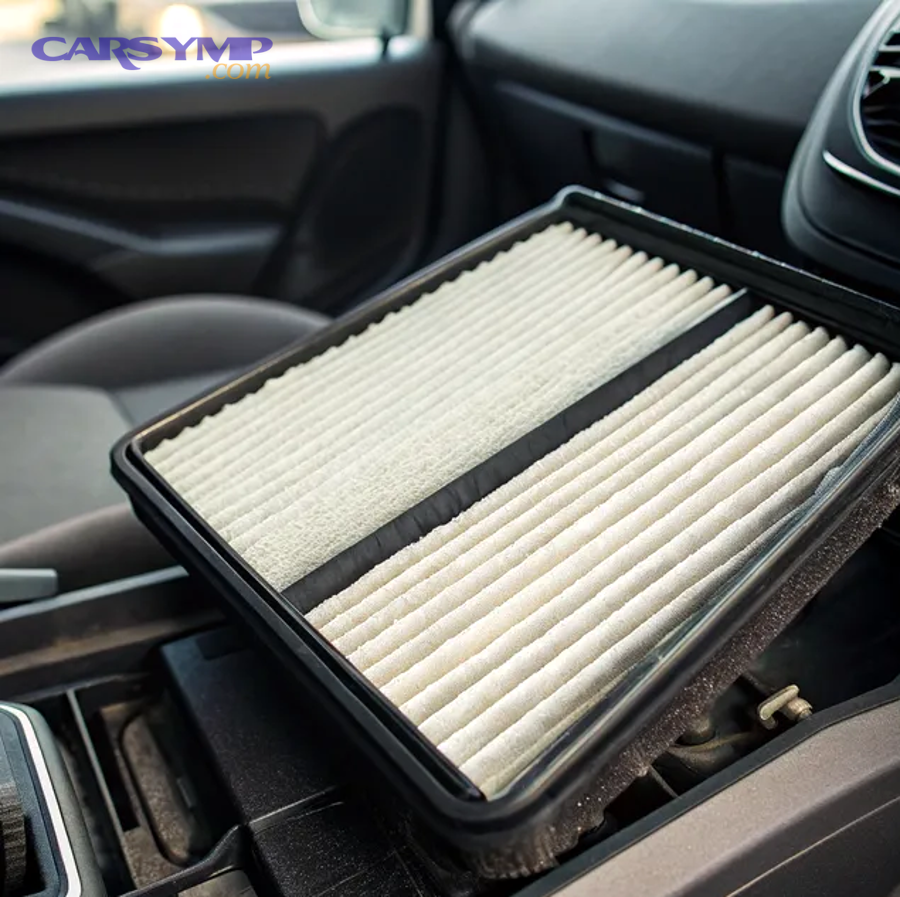
The financial protection alone justifies taking time for DIY assessment. Major engine repairs typically cost between $2,000 and $8,000 depending on the extent of work required, yet many symptoms that appear catastrophic stem from simple problems costing under $50 to fix. A loose gas cap triggers the check engine light in thousands of vehicles annually, leading uninformed owners to fear expensive sensor replacements or emission system overhauls. Similarly, a clogged air filter restricts airflow and causes power loss, rough idling, and poor acceleration—symptoms identical to failing fuel injectors or worn piston rings that would cost hundreds or thousands to repair professionally.
Avoiding misdiagnosis represents another critical benefit. Mechanics, despite their expertise, sometimes recommend repairs based on initial symptoms without exhaustive testing, particularly at shops where diagnostic time isn’t adequately compensated. Your DIY checks serve as a verification layer, confirming whether preliminary findings align with professional assessments or revealing discrepancies that warrant second opinions. When you arrive at a repair shop armed with OBD-II codes, documented fluid conditions, and photographic evidence of visible damage, the quality of diagnostic conversation improves dramatically.
Building automotive self-sufficiency creates long-term value beyond any single repair decision. Each inspection you perform teaches you normal versus abnormal conditions for your specific vehicle, developing pattern recognition that helps you catch future problems earlier. This knowledge compounds over years of ownership, transforming you from a passive consumer of automotive services into an active participant who understands their vehicle’s mechanical language.
What Are the Financial Risks of Skipping Pre-Repair Diagnostics?
Skipping pre-repair diagnostics exposes car owners to three primary financial risks: paying for unnecessary repairs, accepting inflated estimates without verification, and missing simple fixes that would have prevented major component failures.
The most immediate risk involves unnecessary repairs driven by symptom-based diagnosis rather than root-cause analysis. Engine misfires illustrate this perfectly—they can result from bad spark plugs ($40 repair), faulty ignition coils ($150-300 repair), clogged fuel injectors ($300-500 repair), or actual internal engine damage ($3,000+ repair). Without checking spark plugs yourself first, you might authorize a complete fuel system cleaning when simply replacing worn plugs would have resolved the misfire. Shops operating on flat-rate labor systems sometimes recommend the more profitable repair path rather than the most likely solution, especially when dealing with customers who demonstrate no mechanical knowledge.
Inflated estimates thrive in information asymmetry environments. When you cannot verify a mechanic’s claims about your engine’s condition, you have no negotiating leverage or ability to challenge questionable recommendations. A shop might claim your engine needs valve work ($2,500) when actual compression testing would reveal adequate cylinder pressures, or recommend a complete timing belt replacement ($800-1,200) on a vehicle where the belt shows minimal wear and has 20,000 miles remaining before the manufacturer’s replacement interval. Your DIY checks create accountability by establishing baseline data that professionals must address when presenting estimates.
The cascading failure risk represents the most insidious financial threat. Small problems left unidentified grow into catastrophic damage over weeks or months. A minor coolant leak detected during visual inspection costs $50-150 to repair with a new hose clamp or replacement hose, but ignoring that leak allows coolant levels to drop, leading to engine overheating that warps the cylinder head and destroys the head gasket—a $1,500-3,000 repair. Low engine oil from a slow leak causes accelerated wear on bearings and camshafts, eventually requiring a complete engine rebuild that could have been prevented by a $30 oil pan gasket replacement discovered during your DIY inspection.
According to research from the Automotive Maintenance and Repair Association, approximately 42% of engine repair recommendations in 2023 involved work that could have been deferred or avoided entirely through proper preliminary diagnostics and basic maintenance interventions.
Can Basic DIY Checks Really Identify Major Engine Problems?
Yes, basic DIY checks can identify major engine problems, though their effectiveness varies between obvious mechanical failures (90%+ identification rate), electrical issues (60-70% identification rate), and internal engine damage (30-40% identification rate without specialized equipment). Specifically, understanding both the capabilities and limitations of DIY diagnostics helps car owners set realistic expectations about what they can accomplish.
Visual inspections excel at detecting external mechanical failures that manifest physically. Broken timing belt covers revealing damaged belts, cracked engine blocks leaking coolant or oil, severely corroded battery terminals causing starting failures, and damaged serpentine belts about to snap all become immediately apparent during careful examination. These obvious problems often trigger symptoms that owners fear indicate catastrophic internal damage, but visual confirmation provides certainty about the actual issue and its repair cost.
OBD-II code reading identifies major problems when the vehicle’s computer system detects them through its sensor network. Codes like P0300 (random/multiple cylinder misfire), P0128 (coolant thermostat malfunction), P0171/P0174 (fuel system too lean), and P0420 (catalyst system efficiency below threshold) point directly toward specific system failures. However, diagnostic trouble codes indicate areas requiring investigation rather than definitive diagnoses—a P0301 code confirms cylinder 1 misfires, but doesn’t specify whether the cause is a bad spark plug, faulty ignition coil, clogged injector, low compression, or vacuum leak.
Compression testing represents the most technically demanding DIY check, yet it provides the clearest window into internal engine health. Cylinder compression readings below manufacturer specifications (typically 125-160 PSI for most engines) or variations exceeding 10% between cylinders signal worn piston rings, damaged valves, or head gasket failures—genuine major problems requiring professional repair. This single test, performable with a $30-50 compression gauge, definitively answers whether an engine has internal damage or if symptoms stem from external issues.
The limitation boundary appears when problems require disassembly for diagnosis. Timing chain stretch, camshaft bearing wear, crankshaft damage, and piston ring failure hide inside the engine where visual inspection and external testing cannot reach. In these scenarios, DIY checks reveal symptoms and narrow possibilities, but professional tear-down becomes necessary for confirmation. However, even here, your preliminary work prevents shops from skipping diagnostic steps or making assumptions—you arrive informed enough to demand thorough investigation before authorizing expensive repairs.
What Are the Essential Visual Inspection Checks You Should Perform?
The essential visual inspection checks you should perform before major engine repairs include examining for oil and fluid leaks using the cardboard test method, inspecting all belts and hoses for wear patterns and damage, and identifying visible engine component corrosion or cracking that could indicate underlying problems. Let’s explore how each inspection reveals critical information about your engine’s actual condition.
How Do You Check for Engine Oil and Fluid Leaks?
Checking for engine oil and fluid leaks requires placing clean cardboard under your parked vehicle overnight, examining the size, color, and location of any spots, then correlating those findings with visual inspection under the hood to identify leak sources and severity.
Start by parking your vehicle on level ground over a large piece of cardboard or light-colored fabric that will clearly show fluid stains. Leave the vehicle stationary for at least 8-12 hours, preferably overnight, allowing any slow leaks to accumulate visible puddles or stains. This passive collection method reveals leaks that might not drip actively during a quick visual inspection but indicate deteriorating seals, gaskets, or component failures.
When you examine the cardboard the next morning, fluid characteristics tell you what’s leaking and how urgently it needs attention. Fresh engine oil appears amber to dark brown or black, feels slippery between your fingers, and typically appears toward the front or center of the vehicle where the oil pan, valve cover gaskets, and oil filter housing reside. Coolant/antifreeze displays bright green, orange, pink, or yellow colors depending on type, has a sweet smell, and often pools beneath the radiator, water pump, or heater core connections. Transmission fluid ranges from bright red when new to dark brown when degraded, appears toward the center or rear of the vehicle, and has a slightly sweet petroleum odor. Power steering fluid resembles transmission fluid but pools near the front where the power steering pump and rack are located. Brake fluid appears clear to light amber, feels slippery, and rarely leaks onto the ground unless you have a serious brake system failure.
The size and frequency of leaks determine urgency. Small seepage that creates a stain the size of a quarter indicates a minor leak requiring attention within weeks—often a loose drain plug, degraded valve cover gasket, or aging hose connection. Puddles larger than your hand suggest active leaks demanding immediate repair, as fluid loss accelerates engine wear and can lead to catastrophic failures. Engine oil leaks pose the greatest risk because oil lubricates critical moving components; running low on oil causes bearing failure, piston scoring, and complete engine seizure within minutes of the oil pressure warning light illuminating.
Follow the cardboard test with under-hood visual inspection to locate exact leak sources. Use a flashlight to examine the engine block, valve covers, oil pan, and all hose connections for wet spots, fresh fluid residue, or accumulated grime that indicates long-term seepage. Pay special attention to gasket surfaces where components join—these interfaces represent the most common leak points. A head gasket leak often appears where the cylinder head meets the engine block, sometimes creating white residue from coolant evaporation mixed with combustion pressure.
What Should You Look for When Inspecting Belts, Hoses, and Connections?
When inspecting belts, hoses, and connections, look for cracks, glazing, fraying, bulges, soft spots, and loose clamps that indicate wear requiring replacement before component failure leads to misdiagnosed major engine problems.
The serpentine belt demands particular attention because its failure disables multiple engine systems simultaneously. This single ribbed belt typically drives the alternator, power steering pump, water pump, and air conditioning compressor. Examine both sides of the belt carefully—the ribbed inner surface should show consistent contact patterns across all ribs without chunks missing, deep cracks, or glazing (shiny, hardened appearance). Run your finger along the ribs to feel for fraying threads or rubber deterioration that indicates the belt has reached the end of its service life. Most serpentine belts last 60,000-100,000 miles, but severe climates and stop-and-go driving accelerate wear. A belt showing significant cracking or missing chunks could snap without warning, causing your engine to overheat from water pump failure, your battery to discharge from alternator failure, and your power steering to become inoperative—symptoms that might lead uninformed owners to suspect major mechanical failures rather than a simple belt replacement costing $75-150 including labor.
Radiator hoses represent critical components whose failure creates dramatic symptoms easily confused with serious engine damage. Examine both upper and lower radiator hoses, plus smaller heater hoses, for bulges, cracks, soft spots, and hardening. Squeeze each hose gently—healthy hoses feel firm yet pliable, while deteriorated hoses feel either rock-hard from age or mushy from internal deterioration. Bulges indicate internal rubber layer failure that will soon burst, while surface cracking signals rubber degradation from heat cycles. Check hose clamps for rust, looseness, and proper positioning; loose clamps allow coolant to weep out slowly, dropping fluid levels and causing gradual overheating. A catastrophic radiator hose failure dumps coolant instantly, creating a cloud of white steam from under the hood that terrifies most drivers into assuming their engine has suffered major damage, when actually the repair costs only $40-80 for a new hose and fresh coolant.
Vacuum lines and smaller connection hoses often get overlooked despite causing symptoms that mimic expensive problems. These small rubber or plastic tubes route engine vacuum to emission components, brake boosters, and various sensors. Cracked vacuum lines create lean fuel conditions (too much air relative to fuel), triggering rough idle, hesitation during acceleration, and check engine lights with codes like P0171 (System Too Lean Bank 1). Mechanics unfamiliar with methodical diagnosis sometimes recommend fuel injector cleaning ($300-500), throttle body service ($150-250), or mass airflow sensor replacement ($200-400) when a $5 vacuum line would solve the problem. During inspection, trace each vacuum line from its source to destination, looking for cracks, disconnections, and brittle rubber that crumbles when touched.
Battery terminal corrosion and cable connections deserve scrutiny because electrical problems produce bewildering symptoms including no-start conditions, random stalling, misfires, and numerous dashboard warning lights. White, blue, or greenish crusty buildup around battery terminals indicates corrosion from acid vapor escaping the battery. This corrosion increases electrical resistance, preventing adequate current flow to the starter motor and causing slow cranking that owners mistake for a failing starter, weak compression, or other mechanical problems. Clean terminals with a wire brush and baking soda solution restore proper connection, eliminating symptoms that might otherwise lead to hundreds in unnecessary electrical diagnostics.
How to Identify Visible Engine Damage or Corrosion?
Identifying visible engine damage or corrosion requires systematic examination of the engine block for cracks, the exhaust manifold for breakage, engine mounts for deterioration, and all metal surfaces for rust or corrosion indicating structural compromise or imminent component failure.
Start with the engine block itself—the large metal structure forming the engine’s foundation. Look for wet spots, white residue, or actual cracks in the cast iron or aluminum. Cracks typically appear in high-stress areas like cylinder head bolt holes, freeze plug locations, or where the block joins the transmission bell housing. Small hairline cracks might be difficult to see but often reveal themselves through coolant or oil seepage that leaves telltale stains. A cracked engine block represents genuine major damage requiring engine replacement or extensive machine shop repairs costing thousands, so confirming this visually before accepting a mechanic’s diagnosis protects you from misdiagnosis.
The exhaust manifold—the component collecting exhaust gases from cylinder ports—cracks frequently on engines experiencing repeated heat cycles. Visual signs include black carbon deposits around manifold joints, white exhaust residue on the manifold surface, or actual visible cracks in the cast iron. Cracked exhaust manifolds create loud ticking sounds that increase with engine speed, often misinterpreted as valve train problems or internal engine damage. Confirming a cracked manifold visually allows you to seek quotes specifically for that repair ($300-800 depending on accessibility) rather than authorizing expensive exploratory diagnostics.
Engine mounts secure the engine to the vehicle frame while absorbing vibration. Deteriorated mounts allow excessive engine movement, creating clunking sounds during acceleration or deceleration, vibration at idle, and drivetrain misalignment. Inspect each mount (typically 3-4 per vehicle) for cracked rubber, torn sections, or separation between the metal brackets. Destroyed engine mounts cause symptoms including harsh shifting, jerking during gear changes, and vibrations through the steering wheel—problems that uninformed owners attribute to transmission failure, requiring thousands in unnecessary repairs when $200-400 in new mounts would restore smooth operation.
Corrosion assessment focuses on areas where dissimilar metals meet or where salt exposure accelerates rust. Battery trays, radiator support structures, and exhaust component connections rust heavily in climates using road salt. Surface rust appears cosmetic, but rust perforation (holes eaten through metal) indicates structural compromise. Severely corroded radiator supports sometimes fail, causing the radiator to drop and damage hoses, while corroded exhaust hangers break and allow the exhaust system to drag on the ground. These visible issues cost relatively little to repair but create dramatic symptoms—a dragging exhaust creates horrendous scraping noises that drivers fear indicate transmission or driveshaft damage.
What Fluid Level and Condition Checks Should You Conduct?
You should conduct comprehensive fluid level and condition checks covering engine oil quality and quantity, coolant concentration and contamination, transmission fluid color and smell, brake fluid clarity, and power steering fluid level to identify simple deficiencies that often mimic symptoms of major mechanical failures. Moreover, systematic fluid assessment provides baseline data that helps validate or challenge professional repair recommendations.
How Do You Properly Check Engine Oil Level and Quality?
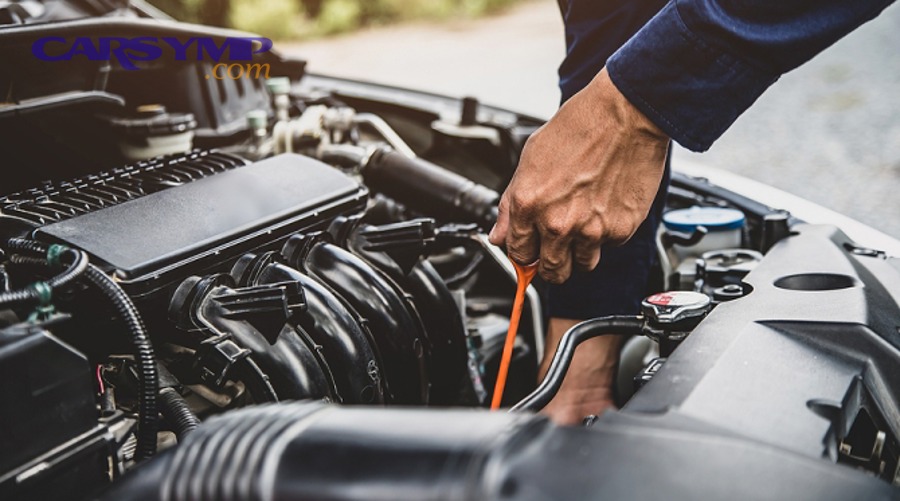
Properly checking engine oil level and quality requires ensuring the engine is cool or has been off for 5-10 minutes, removing and cleaning the dipstick, reinserting it fully, then examining both the level between min/max marks and the oil’s color and consistency to assess if contamination or insufficient lubrication could be causing performance issues.
Begin with proper preparation—park your vehicle on level ground and turn off the engine. Checking oil on sloped surfaces produces inaccurate readings, while checking immediately after driving gives falsely high readings because oil remains distributed throughout the engine rather than settled in the pan. Wait at least 5-10 minutes after engine shutdown for accurate measurement, though checking when the engine is completely cold provides the most reliable reading.
Locate the dipstick, typically a brightly colored handle (yellow or orange) emerging from the engine block near the front or side. Pull the dipstick completely out and wipe it clean with a lint-free cloth or paper towel to remove all oil. This cleaning step ensures you measure actual oil level rather than residual oil clinging to the dipstick from engine operation. Reinsert the dipstick fully into its tube, ensuring it seats completely, then withdraw it again for reading.
Examine where oil appears on the dipstick relative to the minimum and maximum marks. Proper level falls between these indicators—closer to maximum is ideal. Oil below the minimum mark indicates insufficient lubrication that accelerates engine wear and can cause symptoms including valve train noise (ticking or tapping sounds), increased operating temperature, and poor performance during acceleration. These symptoms often convince owners their engine has internal damage requiring expensive repairs, when simply adding the correct grade of oil to proper level restores normal operation. Most engines require one quart to raise oil level from minimum to maximum, though checking your owner’s manual confirms specific capacity.
Oil color and consistency reveal contamination that necessitates oil changes rather than major repairs. Fresh oil appears amber to golden brown and maintains a clear, slippery texture. As oil ages and accumulates combustion byproducts, it darkens to deep brown or black. This darkening is normal after several thousand miles of operation and doesn’t necessarily indicate problems. However, milky or foamy oil suggests coolant contamination from a blown head gasket or cracked cylinder head—genuine major damage requiring immediate professional diagnosis. Gritty or metallic-feeling oil indicates internal engine wear with particles suspended in the lubricant, confirming actual mechanical problems rather than simple maintenance neglect.
The smell test provides additional information—normal used oil has a petroleum odor, while oil smelling strongly of gasoline suggests fuel system problems allowing unburned fuel into the crankcase. This condition dilutes oil’s lubricating properties and can trigger symptoms identical to worn piston rings or valve seals, yet often stems from fixable issues like leaking fuel injectors or faulty fuel pressure regulators costing hundreds rather than thousands to repair.
What Does Coolant Condition Tell You About Engine Health?
Coolant condition reveals critical information about internal engine health, with clean, properly colored antifreeze indicating normal operation while rusty, contaminated, or oil-mixed coolant signals head gasket failure, corrosion, or cooling system neglect that will cause overheating and misdiagnosed engine damage if not addressed.
Check coolant level and condition in the plastic overflow reservoir tank—never open the radiator cap when the engine is hot, as pressurized coolant can explode outward causing severe burns. The reservoir features minimum and maximum level marks; proper coolant level when the engine is cold should fall between these indicators. Low coolant forces the engine to operate at higher temperatures, reducing the margin before overheating occurs and potentially triggering temperature-related symptoms that owners fear indicate internal damage.
Coolant color varies by type but should remain consistent with what was originally installed. Most modern vehicles use long-life coolant that appears bright green, orange, pink, or yellow depending on formulation. The coolant should look clean and vibrant, not murky or discolored. Rusty brown coolant indicates corrosion throughout the cooling system, often from neglected maintenance or pure water use instead of proper antifreeze mixture. This corrosion clogs radiator passages, deteriorates water pump bearings, and eventually leads to overheating symptoms identical to those caused by blown head gaskets or warped cylinder heads.
The most critical coolant inspection involves checking for oil contamination. Remove the radiator or reservoir cap (engine cold only) and examine the coolant surface. Milky, foamy coolant or an oily sheen on the surface indicates oil entering the cooling system—a hallmark sign of head gasket failure or cracked cylinder head. This cross-contamination allows coolant into cylinders (creating white exhaust smoke) and oil into cooling passages, causing rapid overheating and engine damage. Confirming this visually helps you understand that major repairs are genuinely necessary rather than simply recommended for profit.
The sweet smell associated with coolant becomes diagnostic in certain scenarios. If you smell coolant inside the vehicle when the heater runs, you likely have a leaking heater core—a repair costing $500-1,200 depending on dashboard removal complexity. If you smell coolant outside the vehicle or see white sweet-smelling smoke from the exhaust, you’re losing coolant through the combustion process (White smoke causes and diagnosis), confirming head gasket or cylinder head problems. This correlation between coolant loss and sweet smell provides definitive evidence of internal coolant leaks that require professional repair.
Coolant freeze point testing ensures adequate protection in cold climates. Inexpensive test strips or floating hydrometers measure the antifreeze concentration, which should provide protection to at least -35°F in most climates. Weak coolant freezes in winter, potentially cracking the engine block or radiator—catastrophic damage prevented by a simple $15 antifreeze addition. Conversely, pure antifreeze without water provides inadequate heat transfer and actually reduces freezing protection, demonstrating why proper 50/50 mixture matters.
Why Are Other Fluid Checks Critical Before Repair Decisions?
Other fluid checks are critical before repair decisions because transmission fluid degradation, power steering fluid leaks, and brake fluid contamination create symptoms that overlap with engine problems, leading to misdiagnosis and unnecessary engine work when addressing these auxiliary systems would resolve the issues at fraction of the cost.
Transmission fluid condition directly impacts how your engine performs under load. Check the transmission dipstick (if equipped) following your vehicle’s specific procedure—some require checking in Park with engine running, others in Neutral when cold. Transmission fluid should appear bright red or pink when new, transitioning to darker red or light brown with use. Black or burnt-smelling transmission fluid indicates overheating or internal transmission damage that can cause shuddering, hesitation, and poor acceleration that drivers attribute to engine problems. A transmission failing to shift properly forces the engine to operate outside its optimal power band, creating sluggish acceleration and high-revving sounds that seem like engine weakness. Confirming transmission fluid condition helps determine whether performance issues originate in the transmission rather than engine.
Power steering fluid level affects engine operation through the belt-driven power steering pump. Low fluid causes the pump to work harder, creating whining noises and increased belt load that can slow engine idle speed or cause stalling when steering at rest. Check the power steering reservoir (typically on the driver’s side of the engine bay) with the engine cold; level should fall between minimum and maximum marks. Dark or contaminated power steering fluid suggests system contamination or worn pump components, while low fluid indicates leaks that need repair. A failing power steering pump sometimes seizes, causing serpentine belt breakage that disables the alternator and water pump—symptoms including battery discharge and overheating that might appear to be engine-related but actually stem from a $200-400 power steering pump replacement.
Brake fluid rarely affects engine operation directly but reveals important information about vehicle maintenance history. Brake fluid should appear clear to light amber; dark brown or black brake fluid indicates severe contamination from moisture absorption over years of neglect. A vehicle with contaminated brake fluid likely suffers from deferred maintenance in other systems as well, suggesting that symptoms attributed to major engine problems might actually result from neglected basic services. Additionally, checking brake fluid level identifies leaks that could cause catastrophic brake failure—a safety issue that takes precedence over any engine repair decision.
Windshield washer fluid level serves as a general maintenance indicator. While it doesn’t affect engine operation, an empty washer reservoir on a vehicle supposedly maintained regularly suggests the owner hasn’t been performing routine checks or service, making deferred maintenance the probable cause of engine symptoms rather than internal damage requiring major repairs.
How Do You Use an OBD-II Scanner to Diagnose Engine Problems?
Using an OBD-II scanner to diagnose engine problems involves purchasing an appropriate code reader for your skill level, connecting it to your vehicle’s diagnostic port located under the dashboard, retrieving diagnostic trouble codes (DTCs), interpreting what those codes indicate about system malfunctions, and distinguishing between minor issues requiring simple fixes versus codes suggesting genuine major repairs. Let’s explore each aspect of this invaluable diagnostic process.
What Is an OBD-II Scanner and Which One Should You Buy?
An OBD-II scanner is an electronic diagnostic tool that connects to your vehicle’s onboard computer system through a standardized port, reads stored diagnostic trouble codes, displays sensor data, and provides information about detected malfunctions that trigger check engine lights or affect performance. Specifically, understanding the scanner types available helps you choose the right tool for DIY diagnostics without overspending on professional-grade features you won’t use.
All vehicles manufactured for the U.S. market from 1996 onward include OBD-II (On-Board Diagnostics, Second Generation) systems that monitor engine performance, emissions, and various sensors throughout operation. When the vehicle’s computer detects a malfunction meeting specific criteria, it stores a diagnostic trouble code and typically illuminates the check engine light on your dashboard. The OBD-II scanner retrieves these codes and sometimes additional information like freeze frame data (sensor readings captured when the code set) and readiness monitors (emissions test preparation status).
Basic code readers represent the entry level and cost $20-50 from retailers like Amazon, AutoZone, or O’Reilly Auto Parts. These simple devices display the alphanumeric trouble codes without much additional information, requiring you to look up code meanings online or in reference materials. Despite their simplicity, basic readers serve perfectly adequate for most DIY diagnostics—they tell you which system triggered the check engine light, allowing you to research the problem and decide whether you can fix it yourself or need professional help. Popular budget options include the Autel AL319, FOXWELL NT301, and ANCEL AD310, all of which provide reliable code reading for under $40.
Mid-range Bluetooth scanners costing $50-100 pair with smartphone apps that interpret codes, display live sensor data, and provide additional diagnostic features like graphing capabilities and oil reset functions. Devices like the BlueDriver Bluetooth Pro OBDII Scan Tool or FIXD OBD-II Active Car Health Monitor connect to your phone via Bluetooth, offering user-friendly interfaces that explain code meanings in plain language rather than just displaying cryptic alphanumeric combinations. These scanners appeal to DIYers who want more information without the complexity of professional-grade tools.
Professional-level scanners costing $100-300+ provide comprehensive diagnostics including bi-directional control (commanding components to activate for testing), advanced module access beyond just the engine computer, and manufacturer-specific code reading for brands like Toyota, Ford, or BMW. Tools like the Autel MaxiCOM MK808 or Launch X431 Creader series offer capabilities rivaling those used by professional technicians, though most car owners don’t require this level of functionality for basic pre-repair diagnostics. Reserve this tier for serious automotive enthusiasts who perform regular advanced diagnostics or own multiple vehicles.
When selecting a scanner, prioritize compatibility with your specific vehicle, ease of code interpretation, and the ability to clear codes after repairs. Most modern scanners work with all OBD-II compliant vehicles regardless of manufacturer, but checking compatibility lists before purchase prevents frustration. The best scanner for pre-repair verification is one you’ll actually use—even a $25 basic code reader provides immense value when deciding whether to authorize expensive repairs.
How Do You Read and Interpret Diagnostic Trouble Codes (DTCs)?
Reading and interpreting diagnostic trouble codes requires locating your vehicle’s OBD-II port under the dashboard, plugging in the scanner with the ignition on but engine off, selecting “Read Codes” from the menu, then researching the returned alphanumeric codes to understand which systems have detected problems and what repairs might be necessary.
The OBD-II port typically resides under the driver’s side dashboard, either directly above the pedals, to the left near the hood release, or under a small panel that pops open. The port is a trapezoid-shaped 16-pin connector, always in the driver’s area for easy access. Some vehicles hide the port behind small panels or covers, so checking your owner’s manual saves time if initial searching proves unsuccessful. Never confuse the OBD-II port with other connectors—the distinctive shape and location prevent mistakes.
Connect your scanner with the ignition key in the “on” position but the engine not running. Most scanners draw power from the vehicle, illuminating when properly connected. Follow your specific scanner’s instructions, but typically you’ll press a button or navigate a menu to select “Read Codes,” “Scan,” or similar command. The scanner communicates with various vehicle modules, which takes 10-60 seconds depending on scanner sophistication, then displays any stored trouble codes.
Diagnostic trouble codes follow a standardized format: a letter followed by four digits (example: P0301). The first character indicates which system the code relates to: P (Powertrain – engine and transmission), B (Body – airbags, power windows, locks), C (Chassis – anti-lock brakes, suspension), or U (Network – communication between modules). The second digit specifies whether the code is generic (0) or manufacturer-specific (1). The remaining three digits identify the specific fault detected.
For example, P0301 breaks down as: P (Powertrain), 0 (Generic code applicable to all manufacturers), 3 (Ignition system or misfire), 01 (Cylinder 1 misfire detected). Similarly, P0171 translates to: P (Powertrain), 0 (Generic), 1 (Fuel/air metering), 71 (System Too Lean Bank 1). Understanding this structure helps you categorize codes even before detailed research.
Most scanners display brief descriptions alongside codes, but these summaries often lack sufficient detail for proper diagnosis. Use free online resources like OBD-Codes.com, Engine-Codes.com, or manufacturer-specific forums to research what each code indicates, common causes, and typical repair procedures. When researching, pay attention to whether sources describe the code as “sensor circuit malfunction” versus “sensor malfunction”—the former suggests wiring or connection problems (cheap fix), while the latter indicates actual sensor failure (moderate cost).
Distinguishing between active and stored/pending codes proves crucial for accurate diagnosis. Active codes indicate currently detected problems, while stored codes may remain in memory from previous temporary faults even after the issue resolved itself. Most scanners allow you to clear codes after repairs; if codes return immediately upon restarting the vehicle, you’ve confirmed an ongoing problem rather than a historical event.
Which Engine Codes Indicate Minor Issues vs. Major Repairs?
Engine codes indicating minor issues include P0171/P0174 (lean fuel mixture from vacuum leaks), P0420/P0430 (catalyst efficiency often from sensor failure), and P0128 (thermostat malfunction), while codes suggesting major repairs include P0300-P0308 (multiple cylinder misfires), P0011/P0021 (camshaft timing issues), and P0301-P0308 when accompanied by low compression readings. However, understanding that codes indicate symptom areas rather than definitive diagnoses prevents jumping to conclusions about repair necessity.
Codes representing minor fixes that inexperienced owners fear indicate major damage include P0440 series (evaporative emission system). These codes often result from a loose or failing gas cap, a problem costing literally $10-20 to resolve. Many drivers panic when seeing “check engine light” and “emissions system fault,” assuming expensive catalytic converter replacement will be necessary, when tightening or replacing the gas cap clears the code. P0455 specifically indicates a large leak in the EVAP system, which 80% of the time means the gas cap wasn’t tightened after refueling.
P0171 and P0174 codes (System Too Lean Bank 1/Bank 2) frequently result from vacuum leaks—cracks in intake hoses, disconnected vacuum lines, or deteriorated intake manifold gaskets allowing excess air into the engine. These codes create running problems including rough idle, hesitation, and poor acceleration that terrify owners into believing their engine has compression problems or worn piston rings. Locating and repairing vacuum leaks typically costs $50-200 depending on accessibility, contrasting sharply with the thousands you might authorize for unnecessary internal engine work based on symptoms alone.
Oxygen sensor codes (P0130-P0167 series) indicate sensor circuit malfunctions or sensor deterioration. While oxygen sensors are important emissions components, they’re relatively inexpensive ($50-150 per sensor) and easy to replace on most vehicles. A shop might quote $200-400 for sensor replacement due to labor rates, but the repair doesn’t indicate anything wrong with your engine itself—just a worn sensor after 80,000-100,000 miles of exposure to hot exhaust gases.
Conversely, codes suggesting genuine major problems require serious attention. Multiple cylinder misfire codes (P0300 plus P0301, P0302, P0303 simultaneously) indicate widespread ignition or fuel delivery problems, potentially from failed timing components, severely worn spark plugs affecting multiple cylinders, or actual compression loss from worn piston rings or valves. When you see several misfire codes together, performing compression testing becomes essential before authorizing major repairs.
Camshaft position sensor codes (P0011, P0021, P0340, P0341) sometimes indicate sensor failure, but they can also signal timing chain or belt problems, variable valve timing (VVT) system malfunctions, or camshaft bearing wear—problems costing $800-3,000 to repair depending on engine design. These codes warrant professional diagnosis because distinguishing between a $150 sensor replacement and a $2,500 timing chain job requires expertise and sometimes disassembly.
Engine temperature codes deserve careful attention. P0128 (Coolant Temperature Below Thermostat Regulating Temperature) typically means a stuck-open thermostat costing $75-200 to replace, while P0217 (Engine Coolant Over Temperature Condition) suggests actual overheating that may have already caused internal damage from warped cylinder heads or blown head gaskets. If you see overheating codes, check coolant level and condition immediately—continuing to drive with these codes active can transform a simple thermostat replacement into a $2,000+ head gasket repair.
The table below categorizes common trouble codes by repair complexity and typical cost:
| Code Range | System | Typical Cause | Repair Cost | Urgency |
|---|---|---|---|---|
| P0440-P0459 | EVAP System | Gas cap, purge valve, leak | $10-$300 | Low |
| P0171, P0174 | Fuel System | Vacuum leak, MAF sensor | $50-$400 | Medium |
| P0420, P0430 | Catalyst | O2 sensor, catalytic converter | $150-$2,000 | Medium |
| P0128 | Cooling | Thermostat stuck open | $75-$200 | Medium |
| P0300-P0308 | Ignition/Misfire | Spark plugs, coils, compression | $100-$3,000+ | High |
| P0011, P0021 | Camshaft Timing | VVT solenoid, timing chain | $150-$2,500 | High |
| P0217 | Overheating | Coolant loss, head gasket | $100-$3,000+ | Critical |
This table helps you quickly assess whether codes point toward minor maintenance issues or genuine major repairs requiring professional intervention.
What Component-Specific Checks Can Prevent Unnecessary Major Repairs?
Component-specific checks that prevent unnecessary major repairs include spark plug inspection revealing combustion problems, air filter examination identifying restriction causing power loss, compression testing confirming cylinder health, and battery/electrical verification eliminating charging system issues misinterpreted as engine failure. Specifically, these focused inspections target common failure points that produce symptoms identical to catastrophic engine damage yet cost a fraction to repair.
How to Inspect Spark Plugs for Engine Performance Issues?
Inspecting spark plugs for engine performance issues involves removing each plug using the correct socket size, examining the electrode and porcelain for deposits and damage, comparing the condition to reference guides showing normal versus problematic wear patterns, and measuring the electrode gap to ensure proper spark formation. Moreover, spark plug condition provides a window into combustion chamber health without engine disassembly.
Begin by gathering necessary tools: a spark plug socket (typically 5/8″ or 13/16″ depending on vehicle), a socket wrench or ratchet with extension, and a spark plug gap tool. Locate the spark plugs—on inline engines they sit atop the cylinder head in a row, while V6 and V8 engines have plugs on both sides of the engine valley. Most modern engines hide plugs under plastic covers or deep in recessed tubes requiring extended reach tools.
Remove one spark plug at a time, keeping track of which cylinder each came from if they show different wear patterns. Spray compressed air around the plug area before removal to prevent dirt from falling into the cylinder when you extract the plug. Unscrew the plug carefully, noting any resistance—plugs that won’t turn may have seized threads requiring penetrating oil and patience to avoid breaking off inside the cylinder head (a genuine major repair).
Examine each plug’s condition against diagnostic references. Normal spark plugs display light gray or tan deposits on the porcelain insulator and clean electrodes with slight rounding from wear. The appearance tells a detailed story about combustion quality. Carbon-fouled plugs covered in dry, black soot indicate rich fuel mixture, oil burning, or excessive idling. Oil-fouled plugs coated in wet, oily deposits suggest oil consumption from worn piston rings, valve seals, or PCV system problems—conditions that can indicate major wear but often result from simple PCV valve failures costing $20-50 to fix. Ash-coated plugs with thick deposits come from oil or fuel additives and typically appear in high-mileage engines using oil consumption treatments.
White, blistered, or melted plugs signal serious problems—overheating, detonation, or timing issues that can rapidly destroy engines if not corrected. These conditions require immediate professional diagnosis because continuing to operate with these plug conditions leads to actual catastrophic damage. Conversely, wet plugs saturated with gasoline indicate flooding, faulty injectors, or failed ignition components preventing combustion, but not necessarily internal engine damage.
Check the electrode gap using a gap tool—the space between center and ground electrodes should match manufacturer specifications (typically 0.028″-0.060″ depending on ignition system). Excessive gap from electrode wear causes weak spark and misfires, while insufficient gap prevents proper spark formation. Properly gapping new plugs before installation ensures optimal ignition performance.
The decision to replace versus clean depends on condition and mileage. Standard copper plugs last 30,000 miles, platinum plugs 60,000-80,000 miles, and iridium plugs 100,000+ miles. If your plugs show heavy deposits but haven’t reached mileage limits, cleaning with a wire brush and regapping might restore function temporarily. However, modern plugs cost $3-15 each, making replacement the preferred option given labor time required for removal already invested.
When replacing plugs, install to proper torque specifications (typically 15-25 ft-lbs) using a torque wrench—over-tightening cracks porcelain or damages threads, while under-tightening allows combustion pressure to blow past, damaging plug and threads. Coat threads with anti-seize compound on aluminum heads to prevent future seizure, but avoid contaminating electrodes which would cause misfires.
Can a Dirty Air Filter Cause Symptoms That Mimic Major Problems?
Yes, a dirty air filter can absolutely cause symptoms that mimic major problems including power loss, rough idle, increased fuel consumption, and hesitation during acceleration because restricted airflow forces the engine to operate with incorrect fuel mixture ratios that trigger check engine lights and performance degradation identical to failing fuel injectors, worn piston rings, or clogged catalytic converters. To better understand this connection, consider how air restriction affects engine operation across all speeds and loads.
The engine air filter traps dirt, pollen, insects, and debris before air enters the intake system, protecting internal components from abrasive contamination. As the filter captures particles over thousands of miles, the filter media becomes progressively clogged, restricting airflow volume that can pass through. Modern engines use mass airflow (MAF) sensors or manifold absolute pressure (MAP) sensors to measure incoming air, then calculate the precise fuel quantity needed for optimal combustion. When a severely clogged filter restricts air, the engine computer cannot compensate adequately, creating either rich (too much fuel) or lean (too little fuel) conditions depending on sensor type and engine management strategy.
Symptoms of severely restricted air filters include sluggish acceleration, especially when merging onto highways or climbing hills. The engine feels “choked” or “suffocated,” lacking power throughout the rev range. This exact symptom pattern appears with worn piston rings reducing compression, failed catalytic converters restricting exhaust flow, or clogged fuel filters starving the engine. Many drivers experiencing these symptoms immediately fear expensive repairs, never considering that a $15-30 air filter might be the culprit.
Rough idle and hesitation represent another symptom cluster from dirty air filters. When airflow restriction becomes severe, idle quality degrades as the engine struggles to maintain stable combustion with insufficient oxygen. The tachometer needle bounces or the engine shudders at stoplights—symptoms identical to vacuum leaks, failing idle air control valves, or worn engine mounts. Additionally, severely restricted air triggers lean condition codes (P0171/P0174) because sensors detect less air than physically present, causing the computer to reduce fuel delivery inappropriately.
Increased fuel consumption occurs when restricted airflow forces the engine to work harder to generate equivalent power. The driver compensates by pressing the accelerator pedal further, opening the throttle wider and using more fuel to achieve normal performance. This fuel economy degradation mimics symptoms of failing oxygen sensors, worn spark plugs, or excessive mechanical friction from engine wear—all expensive diagnoses compared to simply replacing the air filter.
Checking your air filter takes five minutes and requires no tools on most vehicles. Locate the air filter housing—a large black plastic box connected to the engine intake with a thick tube. Most housings use clips or screws that release easily, allowing the top cover to lift off and reveal the pleated filter inside. Remove the filter and hold it up to sunlight or a bright light source. If you cannot see light passing through the filter media, it’s too clogged and requires replacement. Visible dirt, oil contamination, or damaged pleats also indicate replacement necessity.
Aftermarket filters cost $15-30 at auto parts stores, while dealer OEM filters run $25-50. High-performance reusable filters from K&N or AEM cost $50-90 but can be cleaned and reused for the vehicle’s lifetime. Installation is simple—drop the new filter into the housing ensuring proper seating, replace the cover, and secure all clips or screws. This five-minute, sub-$30 repair can transform engine performance from sluggish and rough to smooth and powerful, preventing thousands in unnecessary diagnostics and repairs based on symptoms alone.
According to testing by automotive research firm AAA, a severely clogged air filter can reduce acceleration performance by up to 11% and increase fuel consumption by 6-8% compared to a clean filter, with symptoms appearing gradually enough that drivers adapt to degraded performance without realizing a simple fix exists.
How Do You Perform a Basic Compression Test?
Performing a basic compression test requires removing all spark plugs, disabling the fuel and ignition systems, threading a compression gauge into each cylinder sequentially, cranking the engine for 5-6 seconds per cylinder, recording the pressure readings, and comparing results against manufacturer specifications and cylinder-to-cylinder variation limits to determine if low compression indicates worn piston rings, damaged valves, or head gasket failure. Specifically, compression testing provides the most definitive DIY assessment of internal engine condition without disassembly.
Gather required tools before beginning: a compression gauge kit ($30-80 from auto parts stores), spark plug socket and wrench, and basic hand tools to access ignition components. Compression gauges come in two types—threaded gauges that screw into spark plug holes provide the most accurate readings, while push-in (hold-in) gauges require you to maintain pressure during testing and give less reliable results but cost less.
Prepare the engine properly to ensure accurate testing. The engine should be warm (normal operating temperature) because metal expansion affects compression readings—cold engines read 10-15% lower than hot engines. Ensure the battery is fully charged since you’ll be cranking the engine repeatedly without it starting. Disable the fuel system by removing the fuel pump fuse or relay to prevent fuel from entering cylinders during testing, which could wash down cylinder walls and damage the catalytic converter. Disable the ignition system by disconnecting the coil pack electrical connectors or removing the primary ignition fuse—this prevents spark during cranking, eliminating fire risk from fuel vapors.
Remove all spark plugs, not just one cylinder at a time, because leaving plugs installed in other cylinders creates resistance during cranking that produces artificially low compression readings. Label or photograph plug wire/coil positions before removal to ensure correct reinstallation. With all plugs out, the engine cranks much faster, spinning at 200-300 RPM compared to 80-150 RPM with plugs installed.
Test each cylinder sequentially. Thread the compression gauge firmly into cylinder #1’s spark plug hole—hand-tighten threaded gauges completely to prevent leakage that reduces readings. Have an assistant crank the engine for 5-6 seconds (or about 6-8 compression strokes) while you observe the gauge. The needle should rise quickly during initial strokes, then level off at maximum pressure. Record the highest reading achieved. Release gauge pressure, move to the next cylinder, and repeat the process for all cylinders.
Interpret results by comparing against manufacturer specifications and cylinder-to-cylinder variation. Most gasoline engines produce 125-160 PSI compression when healthy, though specifications vary widely by engine design, compression ratio, and altitude (readings drop approximately 3% per 1,000 feet above sea level). Consult a repair manual for your specific engine’s normal compression range. More importantly, examine cylinder-to-cylinder variation—all cylinders should read within 10% of each other. If cylinder #1 reads 150 PSI and cylinder #3 reads 90 PSI, you’ve identified a specific problem with cylinder #3 even if you don’t know exact manufacturer specifications.
Low compression in a single cylinder suggests valve problems (burnt or improperly seated valves) or piston ring issues specific to that cylinder. Low compression in adjacent cylinders (like #1 and #2 on a four-cylinder) often indicates head gasket failure between those cylinders. Low compression across all cylinders equally suggests advanced piston ring wear, though it could also result from severely retarded valve timing or jumped timing belt/chain.
Perform a wet compression test to distinguish between piston ring wear and valve problems when encountering low compression. Squirt a small amount of engine oil (about one tablespoon) into the low-reading cylinder through the spark plug hole, then retest that cylinder. If compression increases significantly (30+ PSI), the rings are worn and allowing combustion pressure to escape past the pistons. If compression remains low despite added oil, the valves are leaking—either worn valve seats, bent valves, or broken valve springs. This distinction matters because valve work often costs less than full engine rebuild for ring replacement.
Understanding compression test results prevents unnecessary major repairs. Discovering that all cylinders read within specifications (140-155 PSI with less than 10% variation) definitively proves your engine has good internal health despite symptoms that worried you. This information arms you to challenge mechanics who claim you need a complete engine rebuild based solely on external symptoms. Conversely, finding cylinder #2 at 60 PSI while others read 145 PSI confirms legitimate internal damage requiring professional repair—but now you know exactly which cylinder has problems, preventing shops from proposing unnecessary work on healthy cylinders.
What Battery and Electrical Checks Should You Complete?
Battery and electrical checks you should complete include measuring battery voltage with a multimeter, load testing to verify cranking capacity, inspecting terminals and cables for corrosion and damage, testing alternator output to ensure proper charging, and checking all fuse boxes for blown fuses that could disable critical engine management systems and create symptoms suggesting mechanical failure. Moreover, electrical problems produce bewildering symptom combinations that frequently lead to misdiagnosis when owners and mechanics focus exclusively on mechanical explanations.
Battery voltage testing requires only an inexpensive multimeter ($15-40 from hardware or auto parts stores). Set the meter to DC voltage (typically 20V scale), connect the red probe to the positive battery terminal and black probe to negative, then read the display. A fully charged battery reads 12.6-12.8 volts with the engine off and no accessories running. Readings below 12.4V indicate partial discharge, while readings under 12.0V suggest a nearly dead battery requiring charging or replacement. Many symptoms attributed to starter failure or fuel pump problems actually result from insufficient battery voltage—the starter cranks slowly or not at all, creating clicking sounds that owners fear indicate expensive starter replacement ($300-600 including labor), when a $120 battery would resolve the issue.
Load testing determines whether the battery can deliver adequate current during starting. Professional-grade load testers cost $100-300, but most auto parts stores perform free battery testing using these devices. The test applies a load equal to half the battery’s cold cranking amp (CCA) rating for 15 seconds while monitoring voltage. A healthy battery maintains at least 9.6 volts under load; voltage dropping below this threshold indicates internal cell damage requiring battery replacement despite showing adequate voltage under no-load conditions. This testing prevents the frustrating scenario where your battery tests “good” with a multimeter yet fails to crank the engine reliably.
Terminal and cable inspection catches common problems causing no-start conditions or erratic electrical behavior. Examine both battery terminals for white, blue, or green crusty corrosion that increases electrical resistance. Remove terminal clamps (negative first to prevent shorts), clean thoroughly with a wire brush and baking soda solution, then reinstall tightly (positive first, then negative). Check the cable ends for fraying, corrosion underneath insulation, or physical damage. Battery cables rarely fail completely but often develop high-resistance connections that allow basic electrical function while preventing adequate current flow for starting—symptoms including dim lights, slow cranking, and dashboard warning lights that owners misinterpret as alternator or starter failure.
Alternator testing verifies the charging system maintains battery charge during operation. With the engine running, measure battery voltage again—readings should increase to 13.8-14.4 volts, indicating the alternator is charging. Readings remaining at 12.6V or below with engine running confirm alternator failure, while readings exceeding 15.0V indicate overcharging that damages electrical components and boils battery electrolyte. Turn on major electrical loads (headlights, heater blower, rear defroster) and verify voltage remains above 13.5V—excessive voltage drop under load suggests a weak alternator unable to meet electrical demand despite showing adequate output at idle.
Fuse inspection prevents wasted time on complex diagnostics when a simple blown fuse disables critical systems. Most vehicles have two fuse boxes—one under the hood near the battery containing high-current fuses for charging and starting systems, and one inside the cabin (often under the dashboard or in the glove box) protecting accessories and computer modules. Consult your owner’s manual for fuse locations and ratings. Visually inspect each fuse by pulling it out and looking for a broken internal wire, or use a test light/multimeter to check continuity. A blown fuel pump fuse creates a no-start condition with perfect cranking—symptoms many owners assume indicate fuel pump failure ($400-800 repair) when replacing a $1 fuse fixes the problem.
Electrical connector inspection throughout the engine bay catches loose or corroded connections causing intermittent problems that confuse both owners and technicians. Check connectors at the mass airflow sensor, throttle position sensor, camshaft/crankshaft position sensors, and fuel injectors for corrosion (green oxidation on pins), moisture intrusion, or loose retention clips. These connection problems create error codes and performance issues identical to failed sensors, yet cleaning connections and applying dielectric grease restores function at zero cost versus hundreds for unnecessary sensor replacements.
What Warning Signs Require Immediate Professional Diagnosis?
Warning signs requiring immediate professional diagnosis include loud knocking or grinding noises from the engine during operation, white smoke from exhaust diagnosis indicating coolant burning, blue smoke signals showing oil consumption, black smoke suggesting severe fuel system problems, seized or locked components preventing engine rotation, and severe overheating with temperature gauges in the red zone—all symptoms indicating damage progression that worsens exponentially the longer you continue driving. Specifically, recognizing these critical warnings prevents transforming repairable problems into complete engine replacement scenarios.
Which Engine Symptoms Are Too Dangerous for DIY Assessment?
Engine symptoms too dangerous for DIY assessment include rod knock (heavy metallic knocking that increases with RPM), hydraulic lifter collapse causing valve-to-piston contact, timing belt/chain failure with bent valves, coolant or oil contamination indicating head gasket breach, and any situation where the engine locks up or refuses to rotate—all conditions where continued operation or improper diagnosis risks catastrophic damage, fire hazard, or personal injury requiring immediate professional intervention.
Rod knock produces a distinct heavy, rhythmic knocking sound synchronized with engine speed that indicates worn connecting rod bearings allowing excessive clearance between rod journals and crankshaft. This symptom announces imminent catastrophic failure—the bearing material has worn through, metal contacts metal, and heat generated from friction rapidly accelerates damage. Continuing to run an engine with rod knock typically results in thrown rods (connecting rods breaking through the engine block side), requiring complete engine replacement costing $4,000-8,000+ depending on vehicle. The sound resembles hitting the engine block with a hammer in rhythm with engine RPM, unmistakable once heard. If you detect this sound, shut off the engine immediately and have the vehicle towed rather than driven—every minute of operation causes exponentially increasing damage.
White smoke from exhaust diagnosis combined with Coolant loss and sweet smell correlation indicates coolant entering combustion chambers through head gasket failure or cracked cylinder head. Unlike normal water vapor condensation visible on cold mornings that dissipates after warmup, coolant-based white smoke continues regardless of temperature, appears thick and white, and smells sweet like antifreeze. This condition requires immediate shutdown because continued operation pushes coolant into the oil system (creating milky oil), overheats the engine from inadequate cooling, and can warp the cylinder head from temperature extremes. While head gasket replacement costs $1,500-3,000, continuing to drive transforms this into a $5,000+ cylinder head replacement plus potential engine block damage.
Blue smoke from exhaust during acceleration or deceleration signals oil burning from worn piston rings, valve seals, or turbocharger seals. Unlike white smoke, blue smoke has an acrid, burnt oil smell and appears blue-gray in color. While oil consumption from worn rings represents gradual wear rather than immediate catastrophic failure, excessive oil burning fouls spark plugs, damages catalytic converters ($800-2,500 replacement), and can cause sudden loss of oil pressure if consumption exceeds replenishment rate. Car Symptoms including oil smoke warrant professional compression testing and leak-down testing to quantify wear severity before the problem escalates to seized pistons or spun bearings.
Engine seizure—the complete inability of the crankshaft to rotate—represents the ultimate catastrophic failure, typically from oil starvation, overheating, or internal component breakage. If your engine suddenly locks while running (immediate stop with loud bang or grinding) or won’t crank despite adequate battery power and starter function, assume catastrophic internal damage. Never attempt to force rotation by hand or with tools—you could cause additional damage or injure yourself if components release suddenly. Professional diagnosis via borescope inspection through spark plug holes or minor disassembly determines whether the engine can be saved through repair or requires complete replacement.
Severe overheating with the temperature gauge in the red zone or steam erupting from under the hood demands immediate engine shutdown and cooling period before attempting any diagnosis. Aluminum cylinder heads warp at temperatures above 260°F, creating permanent head gasket sealing surface damage that costs thousands to repair. If you see the temperature gauge approaching maximum or notice steam, pull over safely, shut off the engine, and wait 30-45 minutes before opening the hood. Never remove the radiator cap while hot—explosive pressure release causes severe burns. Once cooled, check coolant level and look for obvious leaks, but avoid driving until professional diagnosis confirms the cooling system works properly. A $200 towing charge protects against $3,000+ heat damage from attempting to drive with cooling system failure.
When Should You Stop DIY Checks and Call a Mechanic?
You should stop DIY checks and call a mechanic when you encounter internal damage indicators like low compression across multiple cylinders, discover problems requiring specialized tools beyond basic DIY equipment, find symptoms that present immediate safety risks like brake failure or severe fuel leaks, or when diagnostic results confuse you to the point where additional DIY investigation risks causing damage through improper procedures. To illustrate, understanding your knowledge and equipment boundaries prevents transforming simple problems into expensive disasters through well-intentioned but misguided repair attempts.
Internal engine damage indicators discovered through compression testing represent a clear handoff point to professionals. If your compression test reveals multiple cylinders reading below specifications or showing more than 10-15% variation, you’ve confirmed mechanical problems requiring engine disassembly to repair. At this point, continuing DIY assessment provides no additional value—you need professional quotes for head gasket replacement, valve work, or complete engine rebuild/replacement. Similarly, if compression testing shows good results but symptoms persist, the problem likely involves systems requiring professional scan tools or expertise to diagnose, such as variable valve timing malfunctions, fuel injection timing problems, or computer module failures.
Specialized tool requirements indicate professional handoff necessity. Timing belt/chain replacement, head gasket replacement, valve adjustment on some engines, and any work requiring engine mount removal or lifting the engine from the vehicle exceed most DIYers’ tool inventory and skill level. While YouTube tutorials make these jobs appear manageable, they require expensive specialty tools (timing tools, cylinder head torque wrenches, engine support fixtures), precise technical knowledge (torque specifications, assembly sequences), and significant time investment. Attempting these repairs without proper tools and experience frequently results in costly mistakes—improperly timed engines bend valves when started, under-torqued head bolts cause gasket failure, and incorrect reassembly creates oil leaks or mechanical damage exceeding the original problem’s repair cost.
Safety-critical symptoms always demand professional attention regardless of your mechanical confidence. Brake system problems (soft pedal, grinding noises, fluid leaks), steering system failures (extreme looseness, binding, fluid leaks), fuel system leaks (gasoline smell, visible fuel puddles, fuel rail leaks), and any situation involving airbag system warnings require certified technician diagnosis and repair. These systems protect your life and others’—improper repairs can cause catastrophic failure during emergency maneuvers or crashes.
Confusion or uncertainty about diagnosis represents an often-overlooked stopping point. If you’ve performed all reasonable DIY checks, consulted online resources, and still can’t identify the problem causing symptoms, further DIY investigation risks wasting time and potentially causing damage through incorrect assumptions. Modern vehicles integrate complex computer systems managing dozens of sensors and actuators—problems in these systems often require manufacturer-specific scan tools, wiring diagrams, and technical service bulletins that professional shops access through subscription diagnostic services. An honest admission that you’ve reached your knowledge limits saves money compared to replacing random components hoping to solve the problem.
Document everything you’ve discovered during DIY checks before calling mechanics—OBD-II codes, compression test results, observed leak locations, component conditions, and symptoms under various operating conditions. This documentation ensures you communicate effectively with technicians, prevents redundant diagnostic charges for testing you’ve already performed, and demonstrates your informed involvement that discourages shops from recommending unnecessary work. Professional mechanics appreciate knowledgeable customers who’ve performed appropriate preliminary checks, as it reduces their diagnostic time and helps target investigation toward likely problem areas.
How Do You Document Your Findings and Communicate with Mechanics?
Documenting your findings and communicating with mechanics requires systematically recording all diagnostic results including OBD-II codes with freeze frame data, compression test readings, fluid condition assessments, and photographs of visible damage, then presenting this information clearly when requesting professional estimates to ensure transparent communication, prevent redundant diagnostic charges, and establish a foundation for challenging questionable repair recommendations. Specifically, professional-quality documentation transforms you from a passive customer into an informed participant in repair decisions.
What Information Should You Record During DIY Checks?
Information you should record during DIY checks includes all diagnostic trouble codes with their descriptions and freeze frame data, compression test results for each cylinder with testing conditions noted, fluid levels and conditions with dates checked, photographs of leak locations and damaged components, unusual symptoms with specific operating conditions when they occur, and your vehicle’s complete service history to provide mechanics comprehensive context for accurate diagnosis.
Create a dedicated vehicle maintenance log—either a physical notebook kept in your vehicle or a digital document on your smartphone—where you record every observation systematically. Start with basic vehicle information: year, make, model, VIN (vehicle identification number), engine size, and current mileage. This header ensures any mechanic receiving your documentation can immediately identify your specific vehicle configuration.
Record OBD-II codes completely: note the alphanumeric code (P0171), the scanner’s description (“System Too Lean Bank 1”), and the date/mileage when first detected. Crucially, record whether codes are active (currently triggering the check engine light) or stored (historical codes from previous events). If your scanner provides freeze frame data—sensor readings captured when the code set—record these values as they provide critical context about operating conditions when the problem occurred. For example, a misfire code showing freeze frame data with the engine at operating temperature and moderate load indicates a different problem than the same code occurring during cold start.
Document compression test results in table format showing each cylinder’s reading, testing temperature (cold vs. warm), and testing conditions (throttle closed vs. open, fuel system disabled, etc.). Note the gauge type used and any observations about how quickly pressure built up during cranking. This complete documentation allows mechanics to compare their professional testing against your results and identifies whether discrepancies result from testing method differences or actual changing conditions.
Fluid condition records should note level (full, low, minimum), color, smell, and any contamination observed. Describe oil as “clean amber,” “dark brown,” “black,” or “milky with coolant contamination.” Record coolant as “bright green and clear,” “rusty brown,” or “oily sheen on surface.” These descriptions, paired with photographs, provide objective evidence of fluid conditions before repair discussions begin. Date each entry because fluid condition changes over time—oil that appeared clean two weeks ago but now looks milky indicates recent head gasket failure rather than long-term neglect.
Photographs document visual conditions that verbal descriptions cannot capture adequately. Take clear, well-lit photos of oil leaks showing both the leak location and the accumulated oil pattern, damaged belts highlighting cracks or missing sections, corroded connections, fluid level on dipsticks, and any warning lights illuminated on your dashboard. Modern smartphones produce sufficient quality for diagnostic documentation—mechanics can zoom in on details and verify your observations independently.
How to Get a Second Opinion on Major Repair Recommendations?
Getting a second opinion on major repair recommendations involves selecting an independent shop unaffiliated with the first facility, providing your documented DIY findings without revealing the first shop’s diagnosis, requesting their independent assessment and written estimate, then comparing both recommendations for consistency in identified problems and proposed solutions while watching for discrepancies that suggest misdiagnosis or unnecessary work.
Choose your second opinion shop carefully—avoid chain operations if your first estimate came from a chain, and vice versa, since corporate policies sometimes drive similar recommendations regardless of actual necessity. Independent shops with ASE-certified technicians, good Better Business Bureau ratings, and positive online reviews (especially reviews mentioning honest diagnostics rather than pushing unnecessary work) provide the most valuable second opinions. Specialty shops focusing on your vehicle’s brand (Subaru specialists, BMW specialists, etc.) often provide superior diagnosis compared to general repair shops because they encounter the same problems repeatedly and develop expertise in brand-specific issues.
Present your documented findings without revealing the first shop’s diagnosis. This prevents anchoring bias where the second mechanic unconsciously skews toward confirming the first diagnosis rather than performing independent assessment. Provide your OBD-II codes, compression test results, photographs, and symptom descriptions, then request they perform their diagnostic process and report findings. Pay for this second diagnostic if necessary ($75-150 typically)—shops providing free estimates sometimes rush diagnosis to secure repair work, while paid diagnostics encourage thorough investigation.
Request written estimates from both shops detailing specific problems identified, proposed repairs, parts required (OEM vs. aftermarket), labor hours, and warranty terms. Professional estimates break down costs item-by-item rather than providing lump sums—you should see separate line items for each component, associated labor time, and shop hourly rate. Vague estimates like “engine repair $3,500” provide insufficient information for meaningful comparison, while detailed breakdowns listing “cylinder head removal: 6 hours @ $125/hour, head gasket kit $350, machine shop head resurface $200, coolant flush $75” allow you to evaluate whether proposed work matches identified problems.
Compare estimates for consistency and discrepancies. If both shops identify low compression in cylinder 3, recommend head gasket replacement, and quote similar costs ($1,800-2,200 typical range), you’ve likely received accurate diagnosis. However, if shop A recommends complete engine rebuild ($5,000) while shop B suggests replacing a bad ignition coil ($250), the dramatic difference warrants a third opinion or further investigation of why diagnoses differ so significantly. Price variations of 20-30% between shops are normal due to labor rate differences and parts sourcing, but identical repairs quoted at vastly different prices ($1,500 vs. $4,000) suggest one shop misdiagnosed the problem or proposes unnecessary additional work.
Ask specific questions about discrepancies between your DIY findings and professional recommendations. If your compression test showed all cylinders at 145 PSI (good compression) but the shop claims you need new piston rings, request they demonstrate the low compression they detected or explain what additional testing revealed problems your gauge missed. Legitimate shops welcome informed questions and explain their diagnostic reasoning; shops that become defensive or refuse to explain their findings may be proposing unnecessary work.
What Should a Legitimate Major Engine Repair Estimate Include?
A legitimate major engine repair estimate should include detailed problem description with diagnostic test results supporting the diagnosis, itemized parts list specifying OEM or aftermarket quality and individual component costs, labor breakdown showing hours required for each task with shop hourly rate clearly stated, warranty information covering both parts and labor for specified duration or mileage, and alternative repair options comparing repair versus rebuild versus replacement costs and benefits.
The diagnostic findings section should explain what testing identified the problem and provide supporting evidence. For head gasket failure, the estimate should reference compression test results showing specific cylinder pressures, coolant contamination evidence (milky oil or oil in coolant), and OBD-II codes detected. For timing belt failure, it should describe the inspection method (borescope examination of valve-to-piston contact, compression testing showing bent valves). This diagnostic documentation proves the shop performed thorough investigation rather than assuming problems based solely on symptoms.
Parts itemization must specify exactly what components they will replace and whether parts are OEM (original equipment manufacturer), OEM-equivalent (major aftermarket brands like Beck/Arnley, Gates, Aisin), or economy aftermarket (budget brands). OEM parts cost more but guarantee fitment and quality, while economy parts reduce cost but sometimes fail prematurely. Your estimate should list each part with individual pricing: “Cylinder head gasket set (OEM Honda): $285, Cylinder head bolts (OEM Honda, one-time use): $95, Timing belt (Gates OEM-equivalent): $75,” etc. This transparency allows you to research part pricing independently and identify if the shop marks up parts excessively.
Labor breakdown should show hours allocated to each major task and the shop’s hourly rate. Major engine repairs involve multiple distinct labor components: “Engine disassembly and head removal: 4.5 hours, Cylinder head installation and timing: 3.5 hours, Coolant system refill and bleed: 0.5 hours, Total labor: 8.5 hours @ $125/hour = $1,062.50.” This breakdown helps you understand where costs accumulate and compare against industry standard labor times found in Mitchell or AllData professional repair guides that many shops use for estimation.
Warranty terms protect your investment—professional shops warranty major engine repairs for 12-36 months or 12,000-36,000 miles. The estimate should specify exactly what the warranty covers (parts, labor, or both), duration, and any conditions voiding coverage (improper maintenance, racing use, etc.). Be wary of shops offering no warranty or extremely limited coverage on major repairs, as this suggests lack of confidence in their work quality.
Alternative options presentation demonstrates the shop’s honesty and customer focus. Legitimate shops explain the pros and cons of different approaches—repair (lowest cost but unpredictable final price if additional damage discovered during disassembly), rebuild (moderate cost with predictable outcome but longer timeframe), and replacement (highest upfront cost but fastest turnaround with comprehensive warranty). They might note: “Your 2008 vehicle with 195,000 miles might benefit from a used engine replacement ($2,500 installed) rather than $2,000 head gasket repair, considering potential for other age-related failures soon.” This guidance helps you make economically rational decisions aligned with your vehicle’s overall condition and value.
According to industry data from RepairPal, legitimate shops presenting detailed estimates as described above average 15% lower total repair costs for customers compared to shops providing vague lump-sum quotes, primarily because transparency reduces customer disputes, comebacks, and the need for additional unexpected repairs discovered mid-job.
What Should You Know About Major Engine Repair Options and Costs?
Understanding major engine repair options and costs requires knowledge of the fundamental differences between repairing specific failed components, rebuilding the entire engine through disassembly and reconditioning, and replacing the engine with new or remanufactured units, with typical costs ranging from $1,500-3,000 for targeted repairs, $2,500-5,000 for rebuilds, and $3,000-8,000+ for replacements depending on vehicle make, labor accessibility, and parts selection. Moreover, making the economically optimal choice depends on vehicle age, mileage, overall condition, and your intended ownership duration beyond repair.
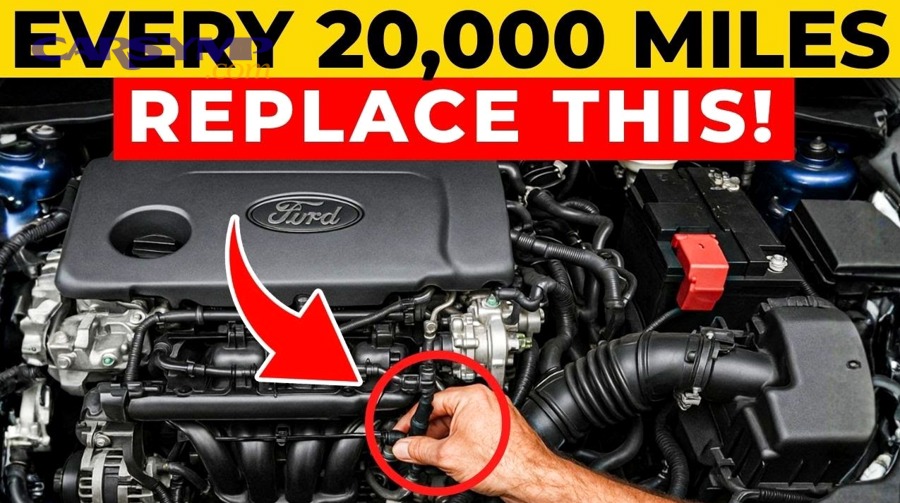
What’s the Difference Between Engine Repair, Rebuild, and Replacement?
Engine repair addresses specific identified problems like replacing a head gasket, fixing a coolant leak, or replacing failed valves while leaving other engine components untouched, costing $1,500-3,500 typically but carrying risk that additional problems may surface during disassembly or shortly after. Engine rebuild involves complete disassembly, machining all wear surfaces to factory specifications, replacing all wear items (pistons, rings, bearings, seals), and reassembly with essentially new internal components, costing $2,500-5,500 and providing near-new engine longevity. Engine replacement installs a complete new, remanufactured, or used engine as a single unit, costing $3,000-8,000+ but offering the fastest turnaround and most comprehensive warranty when choosing quality remanufactured units.
Repair focuses on fixing the immediate problem with minimal additional work. If compression testing and leak-down testing confirm your problem is a blown head gasket between cylinders 2 and 3, repair involves removing the cylinder head, inspecting the head and block surfaces for warpage, replacing the gasket, and reassembling. This approach makes sense when the engine has relatively low mileage (under 100,000), you’ve maintained it properly, and diagnostic testing confirms damage is localized to one area. The advantage is lowest cost when everything goes as planned; the disadvantage is that tear-down often reveals additional problems not detectable externally—worn cam bearings, scored cylinder walls, deteriorated valve guides—that escalate the final bill beyond initial estimates.
Rebuild transforms your existing engine back to near-new condition through comprehensive reconditioning. The shop disassembles the engine completely, sends the block and heads to a machine shop for hot tanking (chemical cleaning), bore honing to restore cylinder wall geometry, valve seat machining, and surface milling to restore flatness. They replace all bearings, piston rings, timing components, seals, gaskets, and often install oversized pistons if cylinders require boring to remove scoring or restore proper tolerances. Rebuilt engines typically carry 12-36 month warranties and provide 100,000-200,000 miles of additional service when performed correctly. This option suits vehicles you plan to keep long-term with overall good condition aside from engine problems.
Replacement installs a complete engine assembly—either new (rare and extremely expensive except for exotic vehicles), remanufactured (professionally rebuilt engines built to factory specifications), or used (pulled from wrecked or junked vehicles). Remanufactured engines represent the gold standard for replacement, built in factory settings with precise machining, new internal components, and comprehensive 36-48 month warranties. They cost $3,500-6,000 for most domestic vehicles, plus 8-15 hours of installation labor. Used engines cost $500-2,500 depending on mileage and availability, but carry significant risk—you’re buying an engine with unknown maintenance history and wear condition, typically sold “as-is” with no warranty. Replacement makes sense for vehicles with major internal damage (cracked blocks, multiple failed components) where repair and rebuild costs approach or exceed replacement costs.
How Do You Decide Between Repairing or Replacing Your Engine?
Deciding between repairing or replacing your engine requires applying the 50% rule (if total repair cost exceeds 50% of your vehicle’s current market value, replacement usually makes better economic sense), evaluating your intended ownership duration and emotional attachment versus pure economics, assessing the vehicle’s overall condition beyond the engine, and considering whether the repair/replacement cost spread over expected additional useful life produces acceptable cost-per-year value.
Start with hard economic analysis using the 50% rule as a baseline. Research your vehicle’s current market value using Kelley Blue Book, NADA Guides, or recent comparable sales on platforms like CarGurus or Autotrader. A 2015 Honda Accord with 125,000 miles might have a private party sale value of $8,500, while a 2008 Ford F-150 with 180,000 miles might be worth $6,000. If head gasket repair costs $2,200 on the Accord (26% of value), repair makes clear economic sense. If the F-150 needs a complete engine rebuild quoted at $4,500 (75% of value), replacement with a different vehicle likely makes better financial sense unless special circumstances apply.
Intended ownership duration modifies purely economic calculations. If you plan to drive the vehicle only 12-18 more months before upgrading regardless, spending $3,000 on repairs that benefit the next owner makes little sense—sell the vehicle “as-is” and apply the sale proceeds toward a replacement vehicle. Conversely, if you love your vehicle, know its complete maintenance history, and plan to drive it another 5-10 years, investing in proper repairs or rebuild extends a vehicle you’re comfortable with and potentially saves thousands compared to purchasing a different used vehicle with unknown maintenance history and hidden problems.
Vehicle overall condition strongly influences repair decisions. Evaluate honestly whether the vehicle has deferred maintenance issues beyond the engine: worn suspension components, rust perforation, failing transmission, old tires needing replacement soon, broken air conditioning, etc. If the vehicle needs $2,000 in additional non-engine repairs within the next year, adding $3,500 for engine work creates a $5,500 total investment that might exceed wise economic threshold. However, if the vehicle is otherwise excellent—recently replaced tires, new brakes, solid transmission, clean body, functioning accessories—the engine repair addresses the only significant problem and likely provides years of reliable service afterward.
Emotional factors have legitimate weight despite “rational economics.” A vehicle carrying sentimental value (first car, inherited from family, rare model, heavily customized) may warrant repair costs exceeding pure economic logic. Similarly, vehicles with known complete maintenance history that you’ve owned for years represent lower risk than purchasing a “better” used vehicle with unknown maintenance history—you know exactly what maintenance you’ve performed and what problems to anticipate, while a replacement vehicle might hide expensive problems the previous owner deferred.
Calculate cost-per-year over expected remaining useful life to evaluate true economic impact. A $3,500 engine rebuild on a vehicle you’ll drive five more years costs $700 per year—likely cheaper than replacement vehicle payments even for modest used cars. However, the same $3,500 repair on a vehicle you’ll drive only one more year before replacement costs $3,500 per year—economically unsound. This calculation provides objective grounding for emotional decisions about repair versus replacement.
What Are OEM vs. Aftermarket Parts and Which Should You Choose?
OEM (Original Equipment Manufacturer) parts are components produced by the same company that built your vehicle’s original parts, guaranteeing exact specifications, fitment, and quality but typically costing 20-50% more than alternatives, while aftermarket parts come from third-party manufacturers ranging from premium brands matching or exceeding OEM quality to budget options offering lower cost with potential reliability compromises. Specifically, choosing between OEM and aftermarket depends on the specific component, your budget constraints, and how long you plan to keep the vehicle.
OEM parts carry your vehicle manufacturer’s logo and part numbers, sourced through dealership parts departments or authorized distributors. For a Honda, OEM parts bear Honda logos and Honda part numbers; for Ford, they display Ford identification. The primary advantage is guaranteed compatibility—OEM parts match factory specifications exactly since they’re built to the same engineering standards as original components. Quality control tends to be rigorous since manufacturer reputation depends on parts performance. Warranties often specify or prefer OEM parts for covered repairs, and some manufacturers require OEM parts for warranty repairs to remain valid. The disadvantage is cost—OEM parts typically carry 20-50% premiums over aftermarket equivalents because you’re paying for guaranteed compatibility and manufacturer branding.
Aftermarket parts divide into distinct quality tiers that crucially affect value proposition. Premium aftermarket brands like Bosch, Denso, Aisin, Gates, NGK, and Federal-Mogul often supply OEM parts to manufacturers and sell identical or superior components through aftermarket channels at lower prices than dealership OEM parts. These companies maintain rigorous quality standards, offer comprehensive warranties, and sometimes improve on original designs based on field experience with failure modes. For example, Aisin manufactures automatic transmissions for Toyota, then sells replacement parts through aftermarket channels—you’re getting OEM-quality components at aftermarket prices.
Mid-tier aftermarket brands like Beck/Arnley, Standard Motor Products, Delphi, and Dorman provide good quality at moderate prices, suitable for most repair applications on vehicles you plan to keep 3-5+ years. These parts meet or exceed original equipment specifications in most cases, carry reasonable warranties (typically 12-24 months), and cost 30-60% less than OEM equivalents. Failure rates typically run only slightly higher than premium brands, making them economically rational choices for common repairs.
Economy aftermarket parts from lesser-known brands or generic suppliers offer the lowest costs but carry higher failure risk. Chinese-manufactured generic parts flooding the market through Amazon and eBay often fail to meet stated specifications, use inferior materials, or have poor quality control despite appearing visually similar to quality parts. These parts might be acceptable for vehicles nearing end of life or when budget absolutely requires minimum cost, but failure rates can exceed 20-30% compared to 2-5% for premium parts, potentially resulting in repeat repairs that ultimately cost more than buying quality parts initially.
Part-specific recommendations help optimize OEM versus aftermarket choices. For major engine components like timing belts, water pumps, fuel injectors, and engine gaskets, choose OEM or premium aftermarket—these parts critically affect engine longevity and reliability, making quality paramount. For maintenance items like air filters, wiper blades, and spark plugs, mid-tier aftermarket provides excellent value with minimal compromise. For accessories like floor mats or light bulbs, economy aftermarket suffices since failure doesn’t affect mechanical reliability.
Consider warranty implications when choosing parts for major repairs. Some shops offer longer warranties on labor when you choose OEM parts because they’re confident in part longevity, while shortening warranties on repairs using customer-supplied economy parts due to higher failure risk. If a shop warranties head gasket labor for 36 months with OEM gaskets but only 12 months with aftermarket gaskets, the apparent savings from aftermarket might evaporate if the part fails in month 18 and you pay full labor cost again for replacement.
How Can Regional Climate Affect Engine Repair Decisions?
Regional climate affects engine repair decisions through accelerated wear patterns specific to environmental conditions—extreme heat causes coolant system failures and oil breakdown in desert climates, severe cold stresses starting systems and causes freeze damage in northern regions, high humidity accelerates corrosion in coastal areas, and high altitude reduces power output while affecting air-fuel mixture in mountainous regions. Moreover, understanding these regional factors helps you prioritize which repairs offer greatest value in your specific location.
Extreme heat in desert climates (Arizona, Nevada, Southern California inland areas, Texas) dramatically accelerates cooling system component failure. Radiators, water pumps, thermostats, and hoses deteriorate faster in sustained 100°F+ ambient temperatures because cooling systems work continuously under high stress. If you live in these regions and face engine repairs, prioritizing cooling system rehabilitation alongside other work makes economic sense—replace the water pump, thermostat, and radiator hoses even if they haven’t failed yet, because they’re approaching end of life and failure will cause overheating damage requiring the expensive repairs you just completed. Oil change intervals should shorten by 30-40% in extreme heat because oil breaks down faster at sustained high temperatures, particularly if you drive primarily short trips where oil never fully reaches operating temperature to boil off contaminants.
Severe cold in northern climates (Alaska, northern Minnesota, North Dakota, Montana, northern New England) stresses different systems. Batteries last approximately half as long in severe cold compared to moderate climates because chemical reactions slow and cold-cranking demands increase. Block heaters become essential for diesel engines and beneficial for gasoline engines, preventing cold-start wear that accounts for significant percentage of total engine wear. If deciding whether to repair an engine in severe cold climates, factor in that all rubber components (hoses, seals, belts) become brittle faster from extreme temperature cycling, suggesting that comprehensive component replacement during repair provides better value than minimum-necessary repairs. Synthetic oil becomes mandatory rather than optional in these climates because conventional oil thickens excessively when temperatures drop below 0°F, causing oil starvation during cold starts.
High humidity and salt exposure in coastal regions accelerates corrosion of engine external components—exhaust systems, radiator supports, engine mounts, and electrical connections deteriorate faster near oceans or in areas using heavy road salt. When evaluating repair versus replacement decisions in these regions, inspect the entire vehicle for corrosion-related damage that might necessitate additional repairs soon. An engine repair that solves immediate problems but leaves you with corroded exhaust system, rusted radiator support, and deteriorating wiring harnesses might not provide the expected useful life before additional expensive repairs become necessary.
High altitude in mountainous regions (Colorado, Utah, Wyoming, parts of New Mexico and California) affects engine performance and repair decisions through reduced oxygen density. Naturally aspirated engines lose approximately 3% power per 1,000 feet of elevation above sea level, so an engine producing 200 horsepower at sea level makes only about 160 horsepower at 7,000 feet elevation in Denver. This power loss affects how you perceive engine performance—symptoms that feel like major power loss in Denver might indicate problems needing professional diagnosis, or they might represent normal altitude effects that owners accustomed to sea-level driving misinterpret as engine failure. Turbocharged engines compensate for altitude better than naturally aspirated engines, making turbo vehicles preferable in high-altitude regions and potentially influencing replacement vehicle selection if you decide against repairing your current engine.
According to data from the Car Care Council, vehicles operated in extreme climates (temperatures regularly exceeding 100°F or dropping below 0°F) experience approximately 40% shorter average engine life compared to vehicles in moderate climates (50-85°F temperature range), primarily from accelerated wear on cooling systems, lubrication breakdown, and thermal stress cycling of metal components.