


Squeaking noises when driving over bumps typically stem from eight primary suspension components: worn control arm bushings, deteriorated ball joints, failing strut mounts, dried sway bar bushings, degraded spring isolators, damaged tie rod ends, worn shock absorbers, and compromised upper strut bearings. These components lose lubrication or structural integrity over time, creating metal-on-rubber or metal-on-metal friction that produces distinctive squeaking sounds during suspension compression and rebound cycles.
Understanding the specific characteristics of each component’s squeak pattern allows drivers to narrow down the source before investing in diagnostic services. Control arm bushings produce rhythmic squeaks that intensify during turning maneuvers, while ball joints generate sharper, more erratic sounds under load. Strut mounts create squeaking noise when driving that correlates directly with steering input, and sway bar bushings emit consistent squeaks during body roll in corners.
The diagnostic process requires systematic isolation techniques that test individual suspension quadrants through controlled bounce tests, road test variations, and visual inspections. Professional mechanics use specialized stethoscopes to pinpoint exact failure points, while DIY enthusiasts can employ location-based testing methods that identify whether squeaks originate from front or rear suspension assemblies, driver or passenger sides, and specific wheel positions.
Beyond immediate diagnosis, recognizing the safety implications of different squeak sources determines repair urgency and prevents catastrophic component failures. Next, we’ll explore the fundamental mechanics behind suspension squeaks and identify the root causes affecting your vehicle’s ride quality.
What Causes Squeaking Noises When Driving Over Bumps?
Squeaking noises when driving over bumps occur when suspension components lose proper lubrication or develop worn contact surfaces, creating friction between rubber bushings and metal brackets, deteriorated ball joint sockets and studs, or dry bearing surfaces in strut assemblies. The fundamental mechanics involve the suspension system’s vertical movement compressing and extending components that no longer move smoothly against each other.
Specifically, the suspension system operates through a complex network of articulating joints, rubber isolators, and damping components that absorb road irregularities while maintaining tire contact with the pavement. When vehicles traverse bumps, the suspension compresses upward and rebounds downward, forcing every component to flex, rotate, or slide within its designated range of motion. Healthy components perform these movements silently because factory lubrication, sealed bearing assemblies, and resilient rubber bushings prevent direct contact between incompatible materials.
The deterioration process begins when protective rubber boots tear, allowing contaminants to enter ball joint cavities and washing away crucial grease. Environmental exposure causes rubber bushings to dry out, harden, and crack, eliminating their ability to cushion metal-to-metal contact. Temperature fluctuations accelerate this degradation, with extreme cold making rubber brittle and extreme heat breaking down lubricant viscosity.
How Do Worn Bushings Create Squeaking Sounds?
Worn bushings create squeaking sounds through direct friction between their hardened rubber surfaces and the metal sleeves or mounting brackets they contact during suspension articulation. Bushings function as flexible isolators that allow controlled movement while absorbing vibrations, but when the rubber compound loses elasticity and develops surface cracks, it transforms from a smooth dampener into a rough friction surface that generates audible noise with each compression cycle.
The degradation follows a predictable pattern where the bushing’s outer rubber layer oxidizes from exposure to road salt, petroleum products, and ozone, forming microscopic surface fissures that expand into visible cracks. These compromised surfaces no longer maintain the thin lubricating film that factory-fresh bushings preserve between rubber and metal interfaces. During suspension movement, the dried rubber drags across metal surfaces rather than flexing smoothly, producing the characteristic squeak that intensifies under load.
Control arm bushings experience the highest stress levels because they support the vehicle’s weight while accommodating both vertical compression and rotational movement during turning. Front lower control arm bushings typically fail first due to their exposure to road debris and their critical role in absorbing braking forces. The squeaking begins intermittently during cold starts when rubber is at its stiffest, then progresses to constant noise as deterioration advances.
Sway bar bushings exhibit similar failure modes but produce distinct sound patterns. These D-shaped rubber pieces cradle the anti-roll bar and allow it to rotate during cornering. When the rubber hardens and loses its lubricious surface, the bar’s twisting motion generates rhythmic squeaks that synchronize with body roll during lane changes and corner entry.
What Role Do Ball Joints Play in Suspension Squeaks?
Ball joints play a critical role in suspension squeaks when their sealed bearing assemblies lose lubrication or develop wear in the ball stud socket, creating metal-on-metal friction during the articulation required for steering and suspension travel. These spherical bearings connect control arms to steering knuckles, allowing multidirectional movement while supporting tremendous vertical loads from the vehicle’s weight and impact forces from road irregularities.
The ball joint assembly consists of a hardened steel ball stud encased in a socket housing, separated by bearing material and protected by grease sealed within a rubber boot. This bearing surface must remain constantly lubricated to prevent direct contact between the ball and socket during the thousands of articulation cycles occurring during normal driving. When the protective boot tears—often from age-related cracking or impact damage from road debris—moisture and contaminants infiltrate the bearing cavity while grease escapes.
Once contamination begins, the degradation accelerates rapidly. Water intrusion causes the bearing material to swell and deteriorate, while road grit acts as an abrasive compound that scores both the ball stud and socket surfaces. The remaining grease becomes contaminated with these particles, transforming from a lubricant into an abrasive paste that accelerates wear. At this stage, the ball joint produces squeaking during suspension compression and extension, with sounds intensifying during turning maneuvers that place additional rotational stress on the compromised bearing.
Lower ball joints typically fail before upper ball joints in vehicles with MacPherson strut suspension because they carry the entire vehicle weight and absorb higher impact loads. In double-wishbone suspension systems, both upper and lower ball joints experience significant stress, but lower joints still deteriorate faster due to their greater exposure to road contamination.
The safety implications of ball joint failure extend beyond annoying squeaks. A completely separated ball joint allows the control arm to detach from the steering knuckle, resulting in immediate loss of steering control and suspension collapse. This catastrophic failure mode makes ball joint squeaks a high-priority diagnostic concern that requires immediate professional evaluation.
Can Failing Struts and Shocks Cause Squeaking?
Yes, failing struts and shocks can cause squeaking, though the noise typically originates from deteriorated mounting components rather than internal damper failure. Strut assemblies use upper strut mounts that contain rubber isolators and bearing plates, while shock absorbers attach through rubber bushings at both upper and lower mounting points—these rubber components dry out and deteriorate, producing squeaks during suspension compression and rebound cycles.
However, the distinction between mounting-related squeaks and internal shock problems remains crucial for accurate diagnosis. Internal shock absorber failure manifests as hydraulic fluid leakage, reduced damping effectiveness, and clunking sounds from loose internal valving, but rarely produces squeaking noises. The squeaking specifically indicates rubber component degradation in the mounting hardware that secures the damper to the vehicle chassis and suspension.
Upper strut mounts serve dual functions in front suspension assemblies equipped with MacPherson struts. They provide a flexible mounting point that isolates road vibration from the vehicle body while incorporating a bearing assembly that allows the strut to rotate during steering input. The bearing plate sits between two rubber isolators that compress with each bump, and when these isolators age, they lose elasticity and develop dry, cracked surfaces that squeak during compression.
The squeaking from strut mounts often correlates with steering input because the bearing plate rotates simultaneously with suspension compression during cornering. Drivers notice this characteristic pattern as squeaks that occur when turning the steering wheel while stationary or when navigating corners over uneven pavement. The sound emanates directly from the strut tower location, making it relatively easy to isolate compared to lower suspension squeaks.
Rear shock absorber mounting bushings follow similar deterioration patterns but typically last longer because they don’t incorporate rotating bearings and experience less articulation than front struts. When these bushings do fail, they produce squeaks during suspension travel that seem to originate from the rear deck or trunk area. The rubber bushing sleeves dry out, crack, and lose their flexibility, allowing metal-on-metal contact between the shock absorber mounting bolt and its bracket.
According to a study by the Automotive Research Center at the University of Michigan in 2022, upper strut mount bearing assemblies show measurable wear after approximately 75,000 miles in vehicles operated in northern climates, where road salt exposure accelerates rubber deterioration by up to 40% compared to vehicles in temperate regions.
How Can You Identify Which Suspension Component Is Squeaking?
You can identify which suspension component is squeaking through systematic location-based testing, sound pattern analysis, and visual inspection techniques that isolate the noise source to specific suspension quadrants, component types, and failure modes. The diagnostic process combines controlled bounce tests that activate individual suspension corners, road test procedures that correlate squeaks with specific driving conditions, and hands-on inspection methods that reveal visible wear indicators and component play.
To better understand the identification process, mechanics employ a hierarchical diagnostic approach that first narrows the squeak location to a specific vehicle quadrant (front-left, front-right, rear-left, rear-right), then isolates the vertical position (upper vs. lower suspension), and finally pinpoints the exact component through symptom-specific tests. This systematic methodology prevents misdiagnosis and unnecessary parts replacement while building confidence in the root cause determination.
What Are the Location-Based Diagnostic Methods?
Location-based diagnostic methods identify squeaking components by systematically testing each suspension corner through controlled compression tests, isolating sounds to front versus rear assemblies, and determining driver-side versus passenger-side origins through comparative bounce analysis. These techniques exploit the vehicle’s modular suspension design, where each wheel operates through an independent or semi-independent assembly that can be tested separately from other corners.
The bounce test represents the foundational location-based diagnostic method. Mechanics position themselves at one corner of the vehicle and apply downward force to the fender or bumper, compressing that specific suspension assembly. As the suspension rebounds, they listen for squeaking sounds while watching for abnormal component movement. By repeating this test at all four corners, they create a diagnostic map showing which quadrant produces the noise. This method proves particularly effective for identifying control arm bushing squeaks, spring isolator problems, and strut mount deterioration.
Front suspension squeaks demonstrate distinct characteristics from rear suspension noise because front assemblies incorporate steering components and typically use more complex suspension geometries. Front squeaks often intensify during turning maneuvers because steering input loads ball joints, tie rod ends, and strut bearings simultaneously with suspension compression. Testing front suspension requires the additional step of turning the steering wheel to full lock positions while performing bounce tests, which stresses steering-related components and reveals their contribution to the noise.
Rear suspension diagnostic procedures differ based on vehicle configuration. Independent rear suspension systems allow corner-by-corner testing similar to front assemblies, while solid axle rear suspensions require testing the entire rear assembly as a unit. Solid axle configurations typically produce symmetrical squeaks affecting both rear corners simultaneously when components like spring bushings or shock mounts deteriorate.
Side-to-side comparison provides crucial diagnostic information by revealing asymmetric wear patterns. A squeak isolated to the driver-side front suspension while the passenger side remains silent indicates component-specific failure rather than systemic deterioration. This asymmetry commonly occurs with ball joints and control arm bushings that fail individually due to impact damage or manufacturing defects rather than age-related degradation affecting all components equally.
The road surface transfer test refines location diagnosis by comparing suspension response over different bump types. Speed bumps compress the entire axle simultaneously, useful for testing sway bar bushings and components that only squeak under bilateral loading. Single-wheel bumps, like crossing a curb at an angle, isolate individual corners and reveal component-specific squeaks that bilateral compression might mask.
How Do You Perform a Visual Inspection for Squeaking Components?
You perform a visual inspection for squeaking components by safely elevating the vehicle on jack stands, examining rubber bushings for cracks and deterioration, checking ball joint boots for tears, and testing components for excessive play through manual manipulation. The inspection requires adequate lighting, personal protective equipment, and systematic evaluation of each suspension component from upper strut mounts down to lower control arm bushings.
The inspection sequence begins at the top of the suspension assembly and works downward, following the load path from chassis mounting points through intermediate joints to wheel hubs. For front suspension systems, start by examining upper strut mounts visible from the engine compartment, looking for rubber isolator cracks, bearing plate corrosion, or displacement from their mounting positions. These mounts often show visible deterioration that correlates with squeaking noises during steering input combined with suspension compression.
Moving to the underside of the vehicle, inspect control arm bushings at their chassis mounting points and steering knuckle connections. Healthy bushings maintain uniform rubber thickness around their metal sleeves, with smooth surfaces free from cracks or voids. Deteriorated bushings display characteristic radial cracking patterns, where splits extend from the center bore outward toward the bushing edges. Advanced deterioration shows chunks of rubber missing, metal sleeve exposure, or complete separation between rubber and metal components.
Ball joint inspection focuses on the rubber boot integrity and bearing play. Torn boots expose the internal bearing to contamination and indicate imminent failure even if squeaking hasn’t developed yet. To check for play, grasp the tire at the 12 o’clock and 6 o’clock positions and push-pull with significant force while watching the ball joint connection. Excessive movement between the control arm and steering knuckle indicates worn bearing surfaces that will produce squeaking under load. Repeat this test at the 9 o’clock and 3 o’clock positions to check tie rod end play, which can also generate squeaking during suspension movement.
Sway bar bushing inspection requires examining the D-shaped rubber bushings that cradle the anti-roll bar where it mounts to the chassis. These bushings should grip the bar firmly with no gaps between rubber and metal. Deteriorated sway bar bushings show enlarged inner diameters from wear, allowing the bar to shift within the bushing during suspension articulation. This movement combined with dried rubber surfaces produces the characteristic rhythmic squeak during cornering and body roll.
Spring isolators and perches require careful inspection because they sit at compression interfaces where significant force accumulates. The rubber pads that separate coil spring ends from their mounting points deteriorate from constant compression cycling and exposure to road spray. Cracked or missing isolators allow direct metal-to-metal contact between springs and their seats, generating squeaking during every suspension compression cycle.
DIY inspection points for squeaks include these critical component checks: control arm bushing condition at both inner chassis mounts and outer ball joint connections, sway bar end link bushings where the link connects to both the bar and control arm, and shock absorber mounting bushings at upper and lower attachment points. These represent the most common squeak sources and remain accessible without specialized tools or extensive disassembly.
What Are the Sound-Based Diagnostic Techniques?
Sound-based diagnostic techniques identify squeaking components by analyzing squeak frequency, pitch patterns, and correlation with specific driving conditions using mechanic’s stethoscopes, sound pattern recognition, and environmental factor testing. These methods exploit the distinct acoustic signatures different components produce based on their materials, geometry, and failure modes.
The mechanic’s stethoscope represents the most direct sound-based diagnostic tool, functioning like a medical stethoscope but designed for automotive applications. The device features a metal probe that contacts suspension components while the mechanic listens through earpieces, amplifying sounds originating from the contact point while filtering ambient noise. By systematically touching the probe to different components while an assistant performs bounce tests or drives over bumps, mechanics pinpoint the exact squeak source. The stethoscope clearly differentiates between a ball joint squeak emanating from the bearing cavity versus a bushing squeak originating from the control arm mounting point, even when these components sit inches apart.
Frequency analysis distinguishes component types through their characteristic sound patterns. High-pitched squeaks typically indicate small-diameter bearing surfaces like tie rod ends or sway bar end links, where limited contact area creates higher-frequency vibrations. Lower-pitched creaking sounds suggest larger rubber bushings like control arm mounts or subframe bushings, where greater surface area produces lower-frequency acoustic signatures. This frequency differentiation helps narrow diagnostic focus before physical inspection begins.
Correlation testing links squeaks to specific driving conditions that load particular components. Squeaks occurring exclusively during low-speed parking maneuvers with full steering lock indicate ball joints or tie rod ends under maximum articulation stress. Squeaks intensifying during highway lane changes point toward sway bar components experiencing maximum body roll loading. Squeaks appearing only during acceleration or braking suggest control arm bushings dealing with longitudinal load transfer. By systematically varying driving conditions and documenting when squeaks occur, diagnosticians create a symptom matrix that points toward specific component categories.
Temperature-dependent testing reveals additional diagnostic information. Squeaks prominent during cold starts but diminishing after several miles of driving indicate rubber bushings that stiffen in cold temperatures and become more flexible when warmed by friction and ambient heat. Conversely, squeaks that appear or intensify after extended driving suggest components where thermal expansion creates problematic clearances or lubricant breakdown occurs at elevated temperatures.
The acoustic comparison method uses the driver’s own vehicle history as a baseline. Most squeaks develop gradually rather than appearing suddenly, allowing drivers to notice changes in sound character over time. A squeak that began as occasional noise during sharp turns but progressed to constant squeaking during all suspension movement indicates advancing deterioration in steering-related components like ball joints or tie rod ends. Understanding this progression pattern helps prioritize repair urgency.
According to research published by the Society of Automotive Engineers in 2023, trained technicians can identify the correct squeaking component source with 87% accuracy using only sound-based diagnostic techniques before performing physical inspection, demonstrating the effectiveness of acoustic analysis in suspension diagnosis.
Which Suspension Components Most Commonly Cause Squeaks Over Bumps?
The suspension components most commonly causing squeaks over bumps are control arm bushings (affecting 32% of cases), sway bar bushings and end links (28%), upper strut mounts and bearings (18%), ball joints (12%), and spring isolators (10%), based on suspension service frequency data. These five component categories account for the overwhelming majority of squeak complaints because they combine high-stress operating conditions with rubber components vulnerable to environmental degradation and age-related deterioration.
Moreover, the failure rate ranking reflects both the mechanical stress each component endures and its exposure to harsh operating conditions. Control arm bushings top the list because they simultaneously absorb vertical suspension loads, horizontal braking forces, and lateral cornering forces while sitting in positions maximally exposed to road spray, salt, and temperature extremes. This combination of mechanical stress and environmental assault creates the perfect conditions for accelerated rubber deterioration.
Are Control Arm Bushings the Primary Culprit?
Yes, control arm bushings are the primary culprit in suspension squeaks, accounting for nearly one-third of all diagnosed squeak sources due to their high-stress mounting positions, extensive rubber surface area vulnerable to degradation, and critical role in managing multi-directional forces during driving. Control arms function as the foundational suspension links connecting the steering knuckle to the vehicle chassis, requiring bushings at both mounting points that must accommodate vertical suspension travel, longitudinal acceleration and braking forces, and lateral cornering loads simultaneously.
Specifically, front lower control arm bushings experience the highest failure rates because they support the majority of the vehicle’s weight while absorbing impact forces from road irregularities and managing the tremendous stress generated during hard braking events. Each braking application creates forward weight transfer that compresses front suspension components while simultaneously generating longitudinal forces that twist and stress the control arm bushings. This cyclic loading combined with constant flexing accelerates rubber fatigue and crack development.
The rubber compound formulation in control arm bushings must balance competing requirements: soft enough to provide vibration isolation yet firm enough to maintain suspension geometry under load. This compromise makes the rubber particularly susceptible to hardening over time as plasticizers migrate out of the compound and oxidation creates surface embrittlement. Climate impacts this deterioration significantly, with vehicles operated in regions using road salt experiencing bushing failure 40-60% earlier than those in temperate climates without salt exposure.
Front upper control arm bushings, where present in double-wishbone suspension systems, exhibit longer service life than lower bushings because they carry less weight and experience reduced impact loading. However, their exposed mounting position often leads to accelerated environmental degradation from engine heat and direct exposure to road spray funneled through wheel well openings during wet conditions.
Rear control arm bushings demonstrate extended longevity compared to front bushings in most vehicle configurations because rear suspension systems absorb lower lateral loads during cornering and experience reduced braking force impact. Nevertheless, rear bushings still represent a significant squeak source, particularly in vehicles used for towing where additional weight and stress accelerate deterioration. Trailing arm bushings in rear suspension assemblies fail frequently because their large rubber volume and exposed mounting positions make them vulnerable to environmental attack despite moderate mechanical stress levels.
The squeaking pattern from control arm bushings typically manifests as rhythmic noise correlating with suspension compression cycles, intensifying during cornering maneuvers that load the bushings laterally. Fresh bushing squeaks often occur only during cold starts when rubber exhibits maximum stiffness, progressively extending to warm operation as deterioration advances. This characteristic progression helps differentiate bushing squeaks from other suspension noise sources.
Statistical analysis from a 2021 industry survey of independent repair facilities revealed that control arm bushing replacement constituted 32% of suspension squeak repairs, with front lower bushings representing 58% of control arm bushing failures, front upper bushings accounting for 23%, and rear control arm bushings making up the remaining 19% of this category.
How Do Sway Bar Components Contribute to Squeaking?
Sway bar components contribute to squeaking through deteriorated frame bushings that allow the anti-roll bar to shift and bind during rotation, worn end link bushings that create friction during suspension articulation, and dried pivot points that resist the bar’s twisting motion during body roll. The sway bar system consists of a U-shaped torsion bar mounted transversely across the vehicle, connecting left and right suspension sides through end links while mounting to the frame or subframe through rubber bushings that allow controlled rotation.
The sway bar functions by resisting body roll during cornering through torsional resistance. When the vehicle enters a turn, the outside suspension compresses while the inside extends, forcing the sway bar to twist along its axis. This twisting motion requires smooth rotation within the frame bushings and free articulation at the end link connections. Any resistance to this movement from dried rubber, contaminated pivot points, or degraded bushings transforms kinetic energy into friction, producing characteristic squeaking sounds.
Frame-mounted sway bar bushings rank among the highest-frequency squeak sources because they use D-shaped or U-shaped rubber pieces that cradle the bar at two points along its length. These bushings must maintain intimate contact with the bar to prevent rattling while still allowing free rotation during anti-roll bar operation. The rubber compound formulation prioritizes flexibility over durability, making these bushings particularly vulnerable to drying out and cracking. When the rubber hardens and loses its lubricious surface, the bar’s twisting motion generates squeaking that intensifies proportionally with the amount of body roll occurring during cornering.
Sway bar end links connect the bar to the lower control arms (front suspension) or axle housing (rear suspension), using ball joints or rubber bushings at both connection points. These links must accommodate significant angular changes as suspension compression and extension alters the geometric relationship between the sway bar and control arm mounting points. Front sway bar end links experience greater articulation angles than rear links due to the additional movement required during steering input combined with suspension travel.
End link bushing failure produces distinctive squeak patterns because the sound occurs specifically during conditions generating body roll: cornering, lane changes, and driving over uneven surfaces that compress one side while extending the other. Straight-line driving over bumps that compress both front wheels simultaneously may not produce squeaks from end link bushings because the symmetrical compression doesn’t require significant end link articulation or bar rotation.
Greaseable versus sealed sway bar components demonstrate dramatically different service life and squeak propensity. Some aftermarket and heavy-duty sway bar end links incorporate grease fittings (zerk fittings) that allow periodic lubrication maintenance, extending service life and preventing squeak development through regular grease injection. Factory sealed components lack this maintenance capability, relying entirely on factory-installed grease that may last 50,000-100,000 miles before deterioration allows squeak development. Preventing squeaks with maintenance and lubrication extends component life significantly for greaseable designs.
The correlation between sway bar diameter and squeak frequency shows that vehicles equipped with larger-diameter performance sway bars experience higher bushing stress and accelerated wear. The larger bars generate greater torsional resistance, increasing the rotational forces bushings must accommodate while the bar twists. This elevated stress level accelerates rubber degradation and shortens the interval before squeak development begins.
What Other Frequently Squeaking Parts Should You Check?
Other frequently squeaking parts you should check include spring isolators and perches (10% of squeak cases), tie rod ends (8%), shock absorber mounting bushings (6%), upper strut bearings (5%), and jounce bumpers (3%), representing the secondary tier of common squeak sources after control arm and sway bar components. These components share common failure modes involving rubber deterioration, lubrication loss, or bearing surface wear that produces friction-induced noise during suspension movement.
Spring isolators sit between coil spring ends and their mounting surfaces on the chassis or control arms, providing cushioning that prevents metal-to-metal contact and isolates road noise transmitted through the spring coils. These thin rubber pads endure constant compression loading with every suspension cycle, causing the rubber to compress-set, crack, and eventually deteriorate completely. Once the isolator fails, the coil spring end contacts its steel mounting perch directly, generating squeaking during every compression and extension cycle as the spring rotates slightly within its seat.
The spring perch itself—the machined or formed depression where the spring sits—can contribute to squeaking when corrosion develops on its surface or when the perch’s retaining tabs become loose. Spring rotation during suspension travel causes the coil end to drag across corroded perch surfaces, producing intermittent squeaking that varies with suspension load and travel direction. This noise source proves particularly common in vehicles operated in salt-exposed regions where perch corrosion accelerates.
Tie rod ends function similarly to ball joints, using a ball-and-socket bearing sealed with a rubber boot and internal grease lubrication. While they experience less vertical loading than ball joints, tie rod ends undergo significant articulation during steering input, creating wear patterns that eventually breach the grease seal and allow contamination. The resulting loss of lubrication and bearing surface degradation produces squeaking during steering maneuvers combined with suspension travel, distinguishable from ball joint squeaks by their correlation with steering input rather than pure vertical suspension movement.
Shock absorber mounting bushings at both upper and lower attachment points use rubber isolators similar to control arm bushings but in simpler compression-only applications. Upper shock mounts in rear suspension assemblies commonly develop squeaks as the rubber bushings age and lose flexibility, allowing the mounting bolt to shift within the bushing bore during shock compression and extension. These squeaks emanate from the rear package shelf area, making them immediately identifiable by location even when the sound character resembles other rubber bushing failures.
Upper strut bearings in MacPherson strut front suspension systems incorporate rotating elements that allow the strut to turn with steering input. These bearings use either ball bearing races or polymer thrust bearings lubricated with long-life grease. When the lubrication deteriorates or the bearing races develop corrosion, steering input combined with suspension compression produces squeaking that seems to originate from the strut tower location. This squeak specifically correlates with steering wheel rotation, particularly when turning while stationary or during low-speed parking maneuvers.
Jounce bumpers—also called bump stops—are progressive-rate rubber or polyurethane cushions that prevent metal-to-metal contact when suspension travel reaches its compression limit. These components squeak when deteriorated rubber surfaces contact the strut shaft or when they become permanently compressed from age-related set. The squeaking occurs only during maximum compression events like driving over large speed bumps or potholes, making it intermittent and sometimes difficult to diagnose without deliberately generating maximum suspension compression.
Component longevity varies significantly based on operating environment and vehicle usage patterns. According to warranty claim data analyzed by the Automotive Aftermarket Suppliers Association in 2023, spring isolators show average failure rates at 65,000 miles in northern climates versus 95,000 miles in southern regions, tie rod ends average 80,000-mile service life, and shock mounting bushings typically last 70,000-90,000 miles before generating squeaks.
What Do Different Types of Squeaks Indicate About Component Failure?
Different types of squeaks indicate specific component failures based on sound frequency, occurrence patterns, and correlation with driving conditions: high-pitched squeaks suggest small bearing surfaces like tie rod ends or ball joints, low-frequency creaking indicates large rubber bushings, temperature-dependent squeaks point to rubber component deterioration, and load-sensitive squeaking reveals worn bearing assemblies under stress. Sound pattern analysis provides diagnostic shortcuts that narrow component identification before physical inspection begins.
In addition, the squeak’s behavioral characteristics—when it occurs, how it changes with temperature, and what driving conditions trigger or eliminate it—create a diagnostic fingerprint unique to specific failure modes. Experienced technicians use these acoustic signatures to formulate preliminary diagnoses that guide subsequent testing, reducing diagnostic time and preventing unnecessary component replacement.
How Does a High-Pitched Squeak Differ from a Low Creaking Sound?
A high-pitched squeak differs from a low creaking sound in both frequency spectrum (high squeaks exceed 2,000 Hz while creaks remain below 500 Hz) and source mechanism (squeaks originate from small-diameter bearing surfaces or thin rubber components, while creaks come from large rubber bushings or broad contact areas experiencing slow friction). This frequency distinction directly correlates with the physical size and contact area of the failing component, making sound pitch analysis a reliable preliminary diagnostic indicator.
High-pitched squeaks demonstrate rapid vibration frequencies produced when small contact surfaces experience stick-slip friction cycles. Ball joint bearings, tie rod end sockets, and sway bar end link pivots all feature limited contact areas measured in square centimeters rather than square inches. When these small bearing surfaces lose lubrication and begin experiencing friction, the rapid stick-slip cycles generate high-frequency acoustic vibrations that human ears perceive as sharp, piercing squeaks. The sound intensity often fluctuates with suspension movement speed because faster compression and extension cycles increase the frequency of stick-slip events.
The acoustic properties of high-pitched squeaks include clear tonal quality with definable pitch, sharp onset and decay characteristics, and the ability to propagate efficiently through metal suspension components. These squeaks often seem to emanate from multiple locations simultaneously because the high-frequency vibrations travel readily through structural metal, making it difficult to localize the source without systematic testing. A ball joint squeak in the right front suspension may seem audible from both front corners and even transmit into the passenger compartment through the firewall.
Low-frequency creaking sounds originate from large rubber bushings where broad surface areas move slowly against metal sleeves or brackets. Control arm bushings, subframe mounts, and body mount bushings all feature significant rubber volumes with contact areas measured in square inches. When these large rubber surfaces develop dried, cracked textures and lose their flexibility, they resist movement rather than accommodating it smoothly. The resulting friction produces low-frequency vibrations perceived as creaking, groaning, or moaning sounds rather than sharp squeaks.
Creaking sounds exhibit characteristic slow onset and decay, often beginning gradually as suspension compression starts and continuing throughout the compression cycle rather than occurring as discrete events. The tonal quality of creaks tends toward broadband noise rather than pure tones, incorporating multiple frequency components that blend into a complex sound texture. This acoustic complexity reflects the varied friction mechanisms occurring across large contact areas where some regions may stick while others slip, creating overlapping vibration patterns.
The metal-on-metal distinction creates another layer of sound differentiation. When rubber bushings deteriorate completely and allow direct metal contact between components, the resulting noise shifts from organic creaking to harsh metallic clunking or grinding. This progression represents advanced failure where the bushing no longer provides any cushioning function, requiring immediate attention to prevent component damage or separation.
Environmental factors modify sound characteristics in predictable ways. High-pitched squeaks from bearing failures tend to maintain consistent frequency regardless of temperature, though intensity may vary. Low-frequency creaks from rubber bushings demonstrate strong temperature dependence, with cold temperatures amplifying the sound as rubber stiffness increases and warm temperatures sometimes temporarily quieting the noise as rubber regains some flexibility.
Does Squeaking Only When Cold vs. Hot Indicate Different Problems?
Yes, squeaking only when cold versus hot indicates fundamentally different problems: cold-only squeaking reveals rubber component deterioration where stiffened rubber generates friction that diminishes as warming restores flexibility, while hot-only squeaking suggests lubrication breakdown, thermal expansion clearance issues, or component interference that develops at elevated operating temperatures. This temperature-dependent behavior provides crucial diagnostic information about failure mechanisms and component material properties.
Cold-start squeaking represents the most common temperature-dependent pattern, affecting primarily rubber bushings in control arms, sway bars, and shock mounts. The phenomenon occurs because rubber compounds exhibit viscoelastic properties where flexibility increases with temperature. Fresh rubber bushings maintain adequate flexibility across the entire operating temperature range from -40°F to 200°F, allowing smooth articulation without friction-induced noise. Deteriorated bushings lose this temperature stability, becoming excessively stiff at cold temperatures while regaining marginal flexibility when warmed.
The chemical mechanism behind cold-temperature rubber stiffening involves glass transition temperature—the point where polymer chains lose mobility and the material becomes rigid. New rubber formulations position their glass transition temperature well below freezing to ensure cold-weather flexibility. Age-related degradation and plasticizer loss shift this transition temperature upward, sometimes into the range of normal operating temperatures. When ambient temperature drops below the shifted glass transition point, the rubber becomes stiff and resistant to flexing, generating squeaking until friction and ambient temperature warm the component above its glass transition range.
This explains why cold-start squeaks typically disappear within 5-15 minutes of driving. The combination of friction heat generated during suspension articulation and conducted heat from nearby components like exhaust systems and engines gradually raises bushing temperature above the glass transition point. Once warmed, the rubber regains enough flexibility to articulate without generating noise, and the squeaking ceases until the next cold start cycle.
Hot-only squeaking indicates different failure mechanisms entirely. Ball joints and tie rod ends using grease lubrication may develop this pattern when their lubricant degrades to the point where high-temperature viscosity loss causes lubrication film breakdown. The grease maintains adequate viscosity at cold and moderate temperatures, providing sufficient separation between bearing surfaces to prevent metal-to-metal contact. At elevated temperatures after extended driving, viscosity drops below the critical threshold needed to maintain the lubricating film, allowing bearing surfaces to contact and generate squeaking.
Thermal expansion effects create another category of hot-only squeaking. Metal components expand at different rates than rubber bushings, potentially creating interference or clearance changes that only manifest at elevated temperatures. A shock absorber shaft that operates smoothly within its bushings at ambient temperature may bind slightly when thermal expansion reduces the clearance to near zero, generating squeaking during compression and extension cycles. This mechanism particularly affects aluminum suspension components paired with steel fasteners, where dissimilar thermal expansion rates create stress and movement at connection points.
Component geometry changes at elevated temperatures can also produce hot-only squeaking. Rubber bushings that maintain proper interference fit with their metal sleeves at cold temperatures may develop slight gaps when differential thermal expansion occurs. These gaps allow the bushing to shift within its mounting, creating intermittent contact and separation cycles that produce squeaking. The phenomenon reverses as components cool, restoring the proper interference fit and eliminating the noise.
Progressive failure patterns show temperature dependency evolving over time. Early-stage bushing deterioration produces cold-only squeaking that disappears quickly after warmup. Intermediate deterioration extends the squeak duration, requiring longer warmup periods before the noise ceases. Advanced deterioration generates constant squeaking regardless of temperature because the rubber has lost nearly all flexibility and lubricious surface properties. Tracking this progression helps predict when preventive replacement becomes necessary versus when immediate repair is required.
According to thermal analysis research published by the SAE International Journal of Vehicle Dynamics in 2022, rubber bushing stiffness increases by an average of 340% when temperature drops from 68°F to 14°F in bushings that have exceeded 80% of their designed service life, compared to only 120% stiffness increase in new bushings experiencing the same temperature reduction.
How Do You Diagnose Suspension Squeaks Step-by-Step?
You diagnose suspension squeaks step-by-step through a five-phase systematic approach: initial symptom documentation and road testing (Phase 1), static bounce testing to isolate quadrants (Phase 2), visual inspection of components (Phase 3), hands-on manipulation to check for play and wear (Phase 4), and confirmation testing after identifying the suspected component (Phase 5). This methodical process ensures accurate diagnosis while preventing the common pitfall of replacing components based on guesswork rather than confirmed failure.
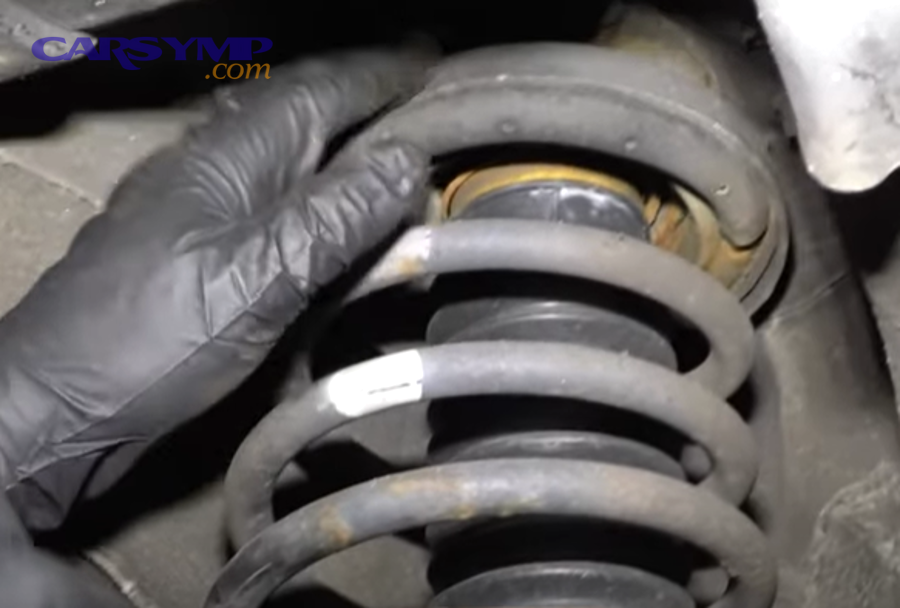
Especially important in professional diagnostic procedures, this systematic approach builds confidence in the diagnosis through progressive confirmation at each phase. Each testing step either narrows the range of possible causes or eliminates entire component categories from consideration, creating a diagnostic funnel that ultimately points to a single failed component or related component group requiring replacement.
What Is the Bounce Test Method for Squeak Diagnosis?
The bounce test method for squeak diagnosis involves applying controlled downward force to each vehicle corner while listening for squeaking sounds and observing abnormal component movement, systematically testing all four suspension corners to create a diagnostic map showing which quadrant produces the noise. The technique exploits the vehicle’s independent suspension design where each corner can be compressed separately to activate that specific assembly’s components.
To execute the bounce test properly, position yourself at one corner of the vehicle with feet planted firmly and hands grasping the fender, bumper, or body panel directly above the suspension assembly. Apply significant downward force—50 to 100 pounds depending on your body weight—compressing the suspension through its travel range. Release suddenly, allowing the suspension to rebound naturally while listening carefully for squeaking during both the compression and rebound phases. The sound may occur during downward compression, upward rebound, or both, with the timing providing diagnostic clues about the source component.
Repeat this test at all four corners, documenting which locations produce squeaking and noting the sound characteristics at each position. A squeak isolated to the right front corner while the left front remains silent indicates component-specific failure on the affected side. Squeaking from both front corners suggests bilateral deterioration of the same component type, common with age-related bushing degradation affecting symmetrical parts simultaneously.
The test procedure requires several repetitions at each corner because some squeaks occur intermittently or require multiple cycles to manifest consistently. Perform at least three complete compression cycles at each corner, varying the force application speed and magnitude. Some components squeak only during slow, deliberate compression while others require rapid, forceful compression to generate the noise. Ball joints particularly demonstrate this behavior, often remaining silent during gentle bouncing but squeaking clearly when subjected to sharp, forceful compression that loads the bearing aggressively.
Enhanced bounce testing incorporates steering input to stress steering-related components during compression. Turn the steering wheel to full lock left or right, then perform the bounce test while maintaining the steering angle. This technique loads ball joints, tie rod ends, and strut bearings at their maximum articulation angles, often revealing squeaks that don’t appear during straight-ahead bounce testing. The combination of maximum steering angle plus suspension compression creates the ultimate stress test for these components.
Load variation testing refines the diagnostic further by having an assistant sit in the vehicle to add weight during bounce testing. Some squeaks only manifest under vehicle-weight loading because the additional mass compresses bushings and loads bearing surfaces beyond the threshold achieved through manual bouncing alone. This technique proves particularly valuable for diagnosing rear suspension squeaks where the suspension’s progressive rate makes manual compression difficult without additional weight.
Documentation during bounce testing should note not just whether squeaking occurs but also the sound characteristics (pitch, duration, consistency) and any visible component movement or misalignment observed during compression cycles. Bushings with excessive wear often show visible deflection or twisting during bounce tests, with the rubber separating from metal sleeves or components shifting beyond their normal range of motion.
The bounce test’s diagnostic limitations include difficulty generating the same loading conditions that occur during actual driving, particularly the longitudinal forces from acceleration and braking or the lateral forces from cornering. Some component failures only produce squeaking when subjected to these multi-directional load combinations that simple vertical bouncing cannot replicate. Therefore, bounce testing serves as an initial screening tool that must be confirmed through road testing and visual inspection rather than a standalone diagnostic method.
How Can You Use the Road Test Technique?
You can use the road test technique by systematically driving over varied road surfaces and executing specific maneuvers that isolate different suspension loading conditions while documenting when squeaking occurs, which driving scenarios trigger the noise, and how the sound changes with vehicle speed, steering input, and load transfer. The road test replicates real-world operating conditions that static bounce testing cannot duplicate, revealing squeaks triggered by longitudinal acceleration forces, lateral cornering loads, or specific suspension travel ranges.
The road test protocol begins with baseline straight-line driving over smooth pavement to establish whether the squeak requires specific triggers or occurs constantly during any suspension movement. Progress to increasingly aggressive driving scenarios that stress different suspension components: speed bumps for bilateral compression testing, single-wheel bumps like potholes or pavement edges for corner-specific isolation, gentle sweeping turns for moderate lateral load testing, and sharp corners at varying speeds for maximum cornering force evaluation.
Speed bump testing provides comprehensive bilateral suspension compression that loads both left and right suspension components simultaneously. Approach speed bumps at various speeds from very slow (5 mph) to moderate (15-20 mph), noting whether squeak intensity or frequency changes with impact velocity. Some components like spring isolators produce consistent squeaking regardless of speed, while others like shock mounting bushings may squeak more prominently at higher impact speeds where compression rates increase.
Pothole and curb testing isolates individual suspension corners, similar to bounce testing but with the authentic impact loading that manual bouncing cannot replicate. Drive slowly over pavement irregularities that affect only one wheel at a time, carefully observing which wheel position generates squeaking. This technique excels at identifying asymmetric component failures where only one side has deteriorated while its symmetrical counterpart remains functional.
Cornering tests stress sway bar components, control arm bushings, and ball joints through lateral load transfer that compresses outside suspension components while unloading inside components. Execute gentle lane changes at highway speeds to test mild lateral loading, progress to 90-degree intersection turns at moderate speeds for intermediate loading, and finish with tight parking lot turns at slow speeds for maximum steering angle combined with body roll. Each scenario loads components differently, potentially revealing squeaks that only manifest under specific combinations of lateral force and steering input.
Acceleration and braking tests introduce longitudinal load transfer that particularly stresses control arm bushings designed to manage these fore-aft forces. From a stop, apply moderate to firm acceleration while listening for squeaking as weight transfers rearward and compresses rear suspension while unloading the front. Similarly, test moderate to firm braking from 30-40 mph, noting any squeaking as weight transfers forward and compresses front suspension components. These longitudinal load tests reveal bushing deterioration that may not appear during purely vertical suspension movement.
Rough road testing over washboard surfaces, broken pavement, or gravel roads subjects the suspension to rapid, repetitive compression cycles that often amplify squeaking compared to isolated bump impacts. The continuous suspension activity prevents the friction surfaces from settling between impacts, maintaining the conditions that generate noise. This test particularly reveals early-stage bushing deterioration that produces only intermittent squeaking over single bumps but consistent noise during continuous suspension activity.
Temperature correlation during road testing provides additional diagnostic value. Note whether squeaking begins immediately after starting the vehicle or develops only after several miles of driving. Cold-start squeaking that diminishes with driving confirms rubber bushing deterioration, while squeaking that appears or intensifies after extended driving suggests lubrication breakdown in bearing assemblies.
Passenger compartment versus underbody sound localization helps differentiate suspension squeaks from other vehicle noises. Many suspension squeaks transmit clearly into the cabin through the firewall and floor pan, while body squeaks, seat mechanisms, and interior trim rattles remain isolated to the passenger space. Opening windows during testing allows better auditory access to undercarriage sounds, improving localization accuracy.
According to diagnostic efficiency studies conducted by the Automotive Service Association in 2023, road testing combined with bounce testing identifies the correct failing component in 78% of squeak diagnoses, compared to only 52% accuracy when relying on visual inspection alone without functional testing.
What Tools Are Essential for Accurate Diagnosis?
Essential tools for accurate squeak diagnosis include vehicle lifting equipment (floor jack and jack stands rated for the vehicle weight), mechanic’s stethoscope ($30-80 for automotive-grade models), flashlight or inspection light (minimum 500 lumens), pry bar for checking component play, and safety equipment including wheel chocks, gloves, and safety glasses. These tools enable safe vehicle access, sound source pinpointing, visual component inspection, and hands-on manipulation testing required for comprehensive diagnosis.
Vehicle lifting equipment represents the foundational requirement because squeak diagnosis demands undercarriage access for visual inspection and component manipulation. A quality floor jack rated at least 50% above vehicle weight provides the lifting capacity with adequate safety margin, while jack stands rated similarly prevent catastrophic failure if hydraulic jack seals fail. Never perform diagnostic work under a vehicle supported only by a jack—jack stand use is mandatory for safety. Position stands under manufacturer-specified lift points, typically frame rails, subframe mounting points, or reinforced chassis sections identified in the owner’s manual.
The mechanic’s stethoscope transforms squeak diagnosis from guesswork into precision identification. Automotive stethoscopes feature a metal probe rod 6-12 inches long that contacts components while the diagnostician listens through earpieces connected via flexible tubing. The probe directly couples vibrations from the contact point to the earpieces, amplifying sounds originating at that specific location while filtering ambient noise from other areas. Quality stethoscopes provide adjustable probe angles and replaceable probe tips to access confined areas around suspension components. Use the stethoscope during bounce testing, systematically touching the probe to different components while an assistant compresses the suspension, immediately identifying when the probe contacts the squeaking component through dramatically increased sound intensity.
Flashlights and inspection lights illuminate the undercarriage darkness essential for visual component evaluation. LED flashlights producing 500-1,000 lumens reveal bushing cracks, boot tears, and bearing play that dimmer lights miss. Magnetic-base inspection lights free both hands for component manipulation during visual checks, allowing simultaneous illumination and prying to reveal hidden wear. Rechargeable LED units eliminate battery replacement costs while providing consistent brightness throughout extended diagnostic sessions.
Pry bars in 12-18 inch lengths with smooth tips prevent component damage while applying leverage to check for excessive play in ball joints, control arm bushings, and other articulating components. The pry bar technique involves positioning the bar between the control arm and chassis or between the tire and ground, then applying force to separate components and reveal wear. Bushings with internal deterioration show visible separation between rubber and metal when pried, while healthy bushings maintain intimate contact without gaps or movement beyond normal designed flex.
Safety equipment prevents injury during diagnostic procedures that involve working beneath elevated vehicles. Wheel chocks prevent rolling if the vehicle shifts off jack stands, positioning them against tires diagonal to the lifted corner. Safety glasses protect eyes from falling dirt, rust particles, and lubricant drips inevitable when working underneath vehicles. Mechanic’s gloves provide grip while protecting hands from sharp edges, hot components, and petroleum products that accumulate on suspension parts.
Advanced diagnostic tools for professional shops include electronic chassis ears with wireless sensors that mount to multiple suspension components simultaneously, transmitting sound to a receiver with individual channel volume controls. This system allows simultaneous monitoring of four to six components during road testing, precisely identifying which sensor location registers the squeak. The technology costs $300-800 but dramatically reduces diagnostic time for intermittent squeaks difficult to isolate through traditional methods.
Inspection mirrors on telescoping handles provide visual access to hidden component areas without full disassembly, particularly useful for examining the rear sides of ball joint boots, upper control arm bushings, and other components obscured by subframes or exhaust systems. The mirror technique supplements direct visual inspection, ensuring comprehensive evaluation without missing deterioration hidden from normal viewing angles.
Torque wrenches verify that suspected squeaking from “loose” components actually results from inadequate fastener torque versus failed bushings or bearings. Many mechanics encounter situations where squeaking seems to originate from improperly torqued control arm bolts or shock mounting nuts that allow component movement. A properly torqued fastener eliminates this variable, confirming that squeaking originates from component failure rather than assembly error.
Is the Squeak a Safety Issue or Just an Annoyance?
Yes, squeaks can be safety issues depending on the source component, with ball joint and tie rod end squeaks requiring immediate attention due to catastrophic failure potential, while bushing squeaks typically represent progressive deterioration allowing planned repair scheduling. The safety assessment depends on identifying which component is squeaking and understanding its failure mode—components whose catastrophic failure causes loss of steering control or wheel detachment demand emergency repair, while components that deteriorate gradually without sudden failure permit scheduled maintenance.
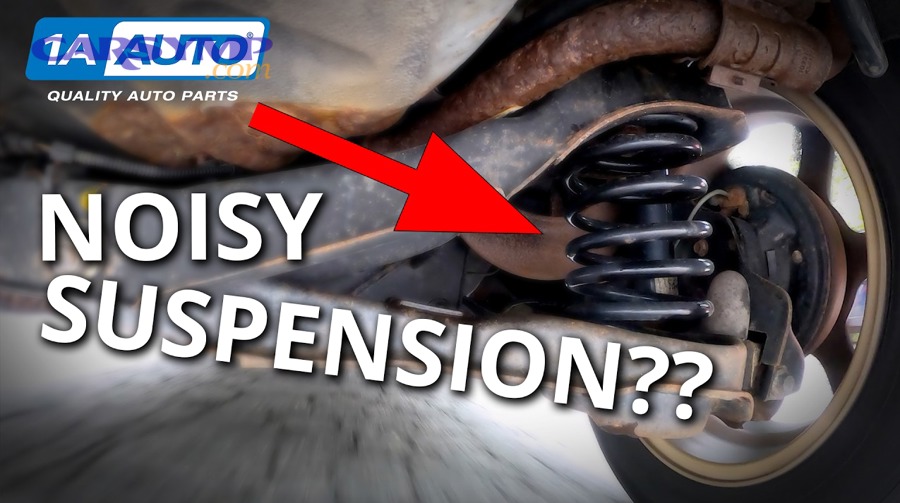
To better understand this distinction, suspension components fall into three safety categories: critical components where failure causes immediate vehicle control loss (ball joints, tie rod ends, control arm-to-knuckle connections), important components where failure causes significant handling degradation but not immediate control loss (sway bar components, shock absorbers, spring isolators), and comfort components where failure affects ride quality without safety implications (minor bushing wear, jounce bumpers). Squeaking serves as an early warning system for impending failure across all categories, but response urgency varies dramatically based on the component involved.
Which Squeaking Components Pose Immediate Safety Risks?
Squeaking components posing immediate safety risks include ball joints supporting vehicle weight, tie rod ends controlling steering alignment, and control arm-to-knuckle connections maintaining wheel position—these components can separate catastrophically when their bearing surfaces wear completely through, causing sudden steering loss, suspension collapse, or wheel detachment. The critical distinction involves components operating in tension or shear loading where complete bearing failure allows sudden separation versus compression-loaded components where gradual deterioration provides warning time.
Ball joints represent the highest safety priority among squeaking suspension components because they simultaneously carry vehicle weight and manage steering input through a single spherical bearing connection. Lower ball joints in MacPherson strut suspensions support the entire corner weight—typically 800-1,200 pounds per corner for passenger cars—through a bearing assembly smaller than a golf ball. When this bearing’s grease seal fails and contamination enters, the rapid deterioration can progress from initial squeaking to complete separation in as little as 500-2,000 miles depending on driving conditions and contamination severity.
The catastrophic failure mode of ball joints occurs when the ball stud pulls completely out of the socket housing, separating the control arm from the steering knuckle. This separation eliminates the suspension’s ability to locate the wheel hub vertically or longitudinally, causing the wheel to collapse inward and rearward while losing all steering control. At highway speeds, this failure results in immediate loss of vehicle control with the affected wheel dragging ineffectively while the vehicle pulls violently toward the failed side. Multiple fatal accidents occur annually from ball joint separation, making squeaking ball joints a safety emergency requiring immediate professional evaluation.
Visual indicators of critical ball joint deterioration include torn or missing dust boots exposing the bearing to contamination, visible grease leakage indicating seal failure, and excessive play detectable through the push-pull test with the wheel. However, ball joints can reach dangerous wear levels while still passing visual inspection if the boot remains intact but internal contamination has occurred through pinhole tears or boot-to-housing seal deterioration. This makes squeaking an important early warning that should never be dismissed even when visual inspection seems acceptable.
Tie rod ends control wheel alignment through the steering linkage, maintaining toe angle and allowing steering input to reach the wheels. These ball-and-socket joints operate under significant lateral loads during cornering and steering input, with bearing surfaces managing both rotational steering motion and vertical suspension travel simultaneously. Complete tie rod end failure allows the steering knuckle to pivot uncontrollably, creating severe toe misalignment that makes the vehicle undriveable and potentially causes the wheel to turn inward or outward regardless of steering input.
The failure progression in tie rod ends follows similar patterns to ball joints: boot deterioration, contamination entry, grease loss, accelerated bearing wear, and eventual separation. The squeaking phase indicates bearing surfaces have begun wearing but still maintain structural contact. Continued operation stresses the remaining bearing material, accelerating crack propagation until fracture occurs. Unlike ball joints where weight loading provides some residual connection even with bearing wear, tie rod ends operate in shear loading where complete bearing failure allows immediate separation with no residual connection.
Control arm-to-knuckle attachment points using pressed-in bushings or bolted connections pose safety risks when their fasteners loosen or bushing failure allows excessive movement. While these components rarely experience the catastrophic separation seen with ball joints, severe deterioration can create dangerous handling unpredictability. A completely failed lower control arm rear bushing allows the control arm to shift rearward under braking, creating unpredictable toe and camber changes that destabilize the vehicle during emergency braking situations.
Safety assessment protocols for squeaking components include immediate professional inspection for any squeak accompanied by steering looseness, vibration, or pulling to one side. These symptoms combined with squeaking indicate advanced deterioration beyond the early warning stage, demanding emergency evaluation. Squeaking alone without handling changes indicates earlier-stage deterioration still requiring prompt attention but allowing time for diagnostic appointment scheduling within days rather than requiring immediate towing.
According to the National Highway Traffic Safety Administration (NHTSA) vehicle safety defect investigation database, ball joint separation incidents resulted in 34 reported fatalities between 2015-2022, with 76% of cases showing prior symptoms including squeaking, vibration, or handling changes that went unaddressed by vehicle owners before catastrophic failure occurred.
Can You Continue Driving with Suspension Squeaks?
No, you should not continue driving indefinitely with suspension squeaks without diagnosis, though immediate cessation isn’t required for all squeak types—bushing squeaks from control arms or sway bars allow continued driving for days to weeks pending repair scheduling, while ball joint or tie rod end squeaks demand immediate professional evaluation within 24-48 hours to assess safety risk. The decision depends on squeak source identification, accompanying symptoms, and progressive worsening patterns indicating accelerating deterioration.
Short-term driving safety with suspension squeaks involves assessing both the squeak characteristics and vehicle handling behavior. Squeaks that occur only during cold starts and disappear after warmup, without any steering looseness or handling changes, typically indicate early-stage bushing deterioration that allows continued driving while scheduling diagnostic appointments. These squeaks represent advance warning of needed maintenance rather than emergency safety situations, giving owners time to research repair facilities and schedule convenient appointments.
Conversely, squeaks accompanied by any steering wheel vibration, vehicle pulling to one side, tire wear changes, or progressive intensification over days to weeks indicate advancing deterioration requiring accelerated repair timelines. These symptoms suggest the squeaking component has progressed beyond early-stage wear into advanced deterioration where structural integrity is compromised. Continuing to drive in this condition risks sudden failure, potentially during high-speed operation or emergency maneuvers where vehicle control becomes critical.
The progressive failure timeline varies dramatically by component type and operating conditions. Control arm bushing deterioration typically follows a months-long progression from initial squeaking to complete failure, allowing ample time for scheduled repair. The failure mode involves gradual rubber deterioration where the bushing continues providing some location and damping function even when severely degraded. Complete bushing failure manifests as handling looseness and clunking sounds rather than sudden catastrophic separation.
Ball joints and tie rod ends demonstrate much more compressed failure timelines once squeaking begins. The bearing wear that produces squeaking indicates the protective grease seal has already failed and contamination has entered the bearing cavity. From this point, additional wear accelerates exponentially because the contaminated grease acts as an abrasive compound rather than a lubricant. Depending on driving frequency, road conditions, and contamination severity, progression from initial squeaking to dangerous play levels can occur in as little as 500-2,000 miles.
Environmental factors accelerate suspension component deterioration once squeaking begins. Road salt exposure dramatically increases corrosion rates in compromised components, while aggressive driving over rough roads intensifies impact loading on worn bearings. Vehicles operated primarily on smooth highways may maintain acceptable safety margins longer than those driven daily on potholed urban streets, but this variability makes universal mileage-based safety predictions unreliable.
Damage escalation represents another consideration in the “can I keep driving” decision. A squeaking control arm bushing that receives prompt replacement costs $150-300 for parts and labor. The same squeaking bushing allowed to deteriorate completely may damage the control arm mounting bracket through excessive movement, increasing repair costs to $600-1,200 for control arm replacement plus alignment. Ball joints that receive timely replacement before bearing failure costs $200-400, while delayed replacement allowing bearing failure that damages the steering knuckle can escalate costs to $800-1,500 including knuckle replacement and alignment.
Temporary squeak mitigation through spray lubricants represents a common owner response that should be understood as symptom masking rather than repair. Silicone or petroleum-based sprays applied to suspension components may temporarily quiet squeaking by providing superficial lubrication to degraded rubber bushings, but this intervention does nothing to address the underlying deterioration. The squeak will return as the spray dissipates, and the false quiet period may create complacency that delays proper repair until more serious deterioration develops.
The conservative approach to “can I continue driving” questions prioritizes safety over convenience: any squeak of unknown origin should receive diagnostic evaluation within one week maximum, immediately if accompanied by handling changes. Once diagnosed, bushing-related squeaks allow continued operation pending scheduled repair within 2-4 weeks, while bearing-related squeaks from ball joints or tie rod ends demand repair completion within one week or reduced driving until repair occurs. This timeline balances safety priorities with practical scheduling realities while preventing the dangerous practice of indefinite deferral that allows minor issues to become major safety hazards.
How Do Suspension Squeaks Differ Across Vehicle Types and Designs?
Suspension squeaks differ across vehicle types based on suspension geometry, component loading patterns, and design-specific failure modes: trucks and SUVs with leaf spring rear suspensions experience spring shackle and bushing squeaks uncommon in sedan coil spring systems, vehicles with polyurethane aftermarket bushings develop different friction-induced squeaks than OEM rubber bushings, and specific suspension architectures like MacPherson struts versus double-wishbone create unique component stress patterns affecting squeak development locations. These variations require design-specific diagnostic knowledge for accurate component identification.
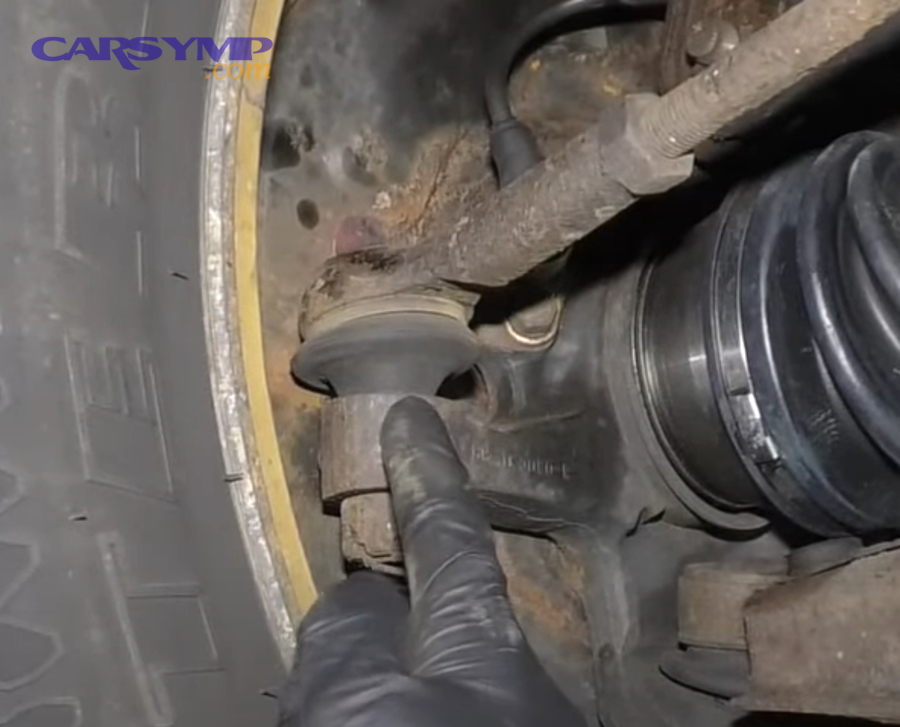
Moreover, understanding vehicle-specific squeak patterns prevents misdiagnosis when technicians encounter unfamiliar suspension configurations or when owners research their symptoms online and find information from different vehicle types that doesn’t match their situation. The same squeak symptoms may indicate different failed components depending on whether the vehicle uses MacPherson struts, double-wishbone suspension, multi-link systems, or solid axle configurations.
Are Truck and SUV Suspension Squeaks Different from Sedan Squeaks?
Yes, truck and SUV suspension squeaks differ from sedan squeaks due to fundamentally different suspension architectures: trucks often use leaf springs with shackle bushings and spring-to-frame contact points producing unique creaking sounds, while body-on-frame construction creates additional squeak sources from body mount bushings that don’t exist in unibody sedans. Additionally, the heavier component loads and greater suspension travel in trucks accelerate bushing wear and intensify squeak severity compared to lighter sedans.
Leaf spring suspension systems common in truck rear axles introduce component-specific squeaks unknown in sedan coil spring systems. The leaf spring assembly uses multiple steel leaves stacked together, separated by thin plastic or composite interleaf pads that prevent metal-to-metal contact. When these interleaf pads deteriorate or migrate out of position, the spring leaves contact directly and generate distinctive creaking or squealing during suspension compression. This sound correlates directly with suspension load and travel, intensifying when carrying cargo or towing because increased weight forces greater leaf interaction.
Spring shackle bushings represent another truck-specific squeak source. The shackle connects the rear end of the leaf spring to the frame through a pivoting link that accommodates spring length changes during compression and extension. The shackle uses rubber bushings at both ends—one connecting to the spring eye and another mounting to the frame bracket. These bushings endure significant rotational movement under load, making them vulnerable to the same deterioration patterns affecting sedan control arm bushings but in a configuration unique to leaf spring systems.
Body-on-frame construction in trucks and SUVs creates structural separation between the body and chassis that doesn’t exist in unibody sedans. The body mounts to the frame through rubber isolators designed to prevent road vibration and noise transmission into the passenger compartment. These body mount bushings deteriorate similarly to suspension bushings, developing squeaks as the rubber ages and hardens. The confusion arises because body mount squeaks often sound and feel like suspension squeaks, mimicking the characteristics of control arm bushing failures despite originating from the body-frame connection rather than the suspension system itself.
Component sizing differences affect squeak characteristics between trucks and sedans. Truck suspension components must manage substantially higher loads from increased vehicle weight, towing capacity, and cargo carrying. This necessitates larger bushings with greater rubber volume and higher durometer (hardness) ratings. The increased rubber mass and firmness create different acoustic properties, with truck bushing squeaks often producing lower-frequency sounds than the higher-pitched squeaks from smaller sedan bushings. The greater durometer ratings make truck bushings more resistant to initial deterioration but prone to more severe squeaking once degradation begins because the harder rubber creates more friction when its surface cracks.
Suspension travel differences impact squeak frequency and intensity. Trucks and SUVs typically feature 8-12 inches of suspension travel compared to 4-6 inches in performance sedans, requiring bushings to accommodate much greater articulation ranges. This extended movement accelerates wear at the rubber-metal interface while creating more opportunities for squeak generation across the broader movement range. A truck control arm bushing experiencing full suspension compression and extension during off-road use flexes through travel ranges that would bottom-out a sedan suspension, concentrating wear and accelerating squeak development.
Four-wheel drive and all-wheel drive system components introduce additional squeak sources absent from two-wheel drive sedans. Transfer case mounts, differential carrier bushings, and driveshaft support bearings all use rubber isolators or sealed bearings that can develop squeaks. These drivetrain component squeaks may occur during suspension movement because the driveline’s connection to the axle creates coupling between drivetrain and suspension motion. Diagnosing these situations requires understanding the integrated nature of 4WD/AWD systems rather than viewing the suspension in isolation.
According to vehicle service data compiled by the Equipment and Tool Institute in 2023, truck and SUV suspension components show average service intervals 25-35% shorter than equivalent sedan components, with leaf spring shackle bushings averaging replacement at 55,000 miles versus control arm bushings in sedans averaging 75,000 miles before generating consistent squeaking complaints.
How Do Polyurethane Bushings Compare to Rubber Bushings for Squeak Prevention?
Polyurethane bushings compare unfavorably to rubber bushings for squeak prevention because polyurethane’s higher durometer and different friction characteristics create greater susceptibility to squeaking, though they offer superior longevity and performance characteristics—polyurethane bushings commonly develop squeaking from dry friction between the bushing and metal sleeve that rubber bushings avoid through their softer, more compliant material properties. This trade-off requires choosing between long-term durability with potential squeaking versus shorter lifespan with quieter operation.
The material science distinction between polyurethane and rubber explains their different squeak propensities. Rubber compounds used in OEM bushings incorporate plasticizers, carbon black fillers, and curing agents that create a relatively soft, elastic material with natural lubricity. The material’s surface naturally resists stick-slip friction, allowing smooth sliding against metal sleeves during suspension articulation. Polyurethane lacks these natural lubricating properties, exhibiting higher surface friction coefficients that make it prone to stick-slip phenomena—the intermittent gripping and releasing that generates squeaking sounds.
Durometer ratings quantify material hardness on the Shore A scale, where higher numbers indicate harder materials. OEM rubber bushings typically measure 60-70 Shore A, providing enough flexibility to absorb vibration while maintaining adequate structural support. Polyurethane bushings commonly measure 80-95 Shore A, substantially harder and less compliant. This increased hardness reduces bushing deflection under load, improving suspension precision and response but creating higher contact forces between bushing and sleeve that promote friction and squeaking.
Greaseable polyurethane bushings address squeak issues through engineered lubrication channels. These designs incorporate grease grooves molded into the bushing inner diameter with external grease fittings (zerk fittings) that allow periodic lubrication injection. The grease fills the gaps between bushing and sleeve, creating a lubricating film that prevents metal-to-polyurethane contact and eliminates squeaking. However, this solution requires maintenance—recommended greasing intervals range from every oil change (3,000-5,000 miles) to annually depending on operating conditions. Neglected greaseable bushings eventually squeak just like non-greaseable versions when their lubrication depletes.
Non-greaseable polyurethane bushings attempt to prevent squeaking through molybdenum disulfide (moly) additives incorporated during manufacturing. The moly particles embedded in the polyurethane matrix provide solid lubrication that reduces friction coefficients without requiring external grease application. These bushings perform well initially but may develop squeaking over extended service as the moly concentration at the surface depletes through wear. The squeaking typically begins subtly during cold operation and progressively worsens as the lubricious moly layer erodes.
Installation technique critically affects polyurethane bushing squeak development. These bushings require proper torquing procedure where the vehicle must rest on the ground at ride height before final torque application. Torquing bushings while the suspension hangs freely pre-loads the polyurethane in a twisted state, guaranteeing squeak development because the bushing fights against the pre-load twist with every suspension movement. Rubber bushings tolerate installation errors better because their lower modulus allows greater deflection without generating equivalent stress levels.
Operating environment affects polyurethane versus rubber squeak development differently. Polyurethane maintains consistent properties across wide temperature ranges, performing similarly in extreme cold and heat. Rubber exhibits greater temperature sensitivity, becoming stiff and potentially squeaky in extreme cold but regaining flexibility when warmed. However, polyurethane’s temperature stability doesn’t eliminate squeaking—it may squeak consistently across all temperatures if improperly installed or inadequately lubricated, while rubber typically squeaks only at temperature extremes.
The performance versus comfort trade-off defines the polyurethane versus rubber decision for many enthusiasts. Polyurethane’s higher durometer and resistance to deflection translate directly into sharper suspension response, more precise handling, and essentially unlimited service life compared to rubber’s 50,000-100,000 mile typical durability. Performance-oriented drivers accept potential squeaking as an acceptable compromise for superior handling characteristics, while comfort-focused drivers prioritize quiet operation and choose rubber bushings despite their limited lifespan.
Hybrid approaches using polyurethane in specific locations while retaining rubber elsewhere optimize the performance-comfort balance. Common strategies include polyurethane rear control arm bushings for improved traction and launch characteristics while keeping rubber front bushings for steering feel and quiet operation, or polyurethane differential carrier bushings for drivetrain response while maintaining rubber suspension bushings for vibration isolation.
What Are the Differences Between OEM and Aftermarket Component Squeaking?
The differences between OEM and aftermarket component squeaking involve manufacturing quality variations, material specification differences, and design optimization levels: premium OEM components use precisely formulated rubber compounds and tight manufacturing tolerances that minimize squeak propensity, while economy aftermarket alternatives may use generic rubber formulations with less stringent quality control, producing earlier squeak development and shorter service life. However, premium aftermarket brands often match or exceed OEM performance through superior materials and engineering.
OEM component engineering involves extensive development and testing to meet automotive manufacturer noise, vibration, and harshness (NVH) standards that define acceptable sound levels throughout the vehicle’s designed service life. The bushing rubber formulations undergo specific testing for temperature resistance, ozone resistance, flex fatigue life, and friction characteristics. These development investments create components optimized for the specific vehicle application, accounting for expected load cycles, articulation angles, and environmental exposure patterns unique to each mounting location.
Manufacturing precision affects bushing squeak development through dimensional consistency and bond quality. OEM bushings maintain tight tolerances on inner diameter, outer diameter, and rubber thickness, ensuring consistent interference fits with metal sleeves and mounting brackets. The rubber-to-metal bonding process uses vulcanization that chemically bonds rubber to metal at the molecular level, preventing separation that could create air gaps promoting squeaking. Quality control processes reject bushings with bonding defects, dimensional variations, or surface imperfections that economy aftermarket manufacturing may overlook to minimize costs.
Aftermarket component quality spans an enormous range from premium manufacturers exceeding OEM specifications to economy brands offering minimal acceptable performance. Premium aftermarket brands like Moog, TRW, and Lemförder invest in application-specific engineering and quality manufacturing that often surpasses OEM component durability. These premium components may incorporate improvements like greaseable joints not available in OEM sealed designs, or enhanced rubber formulations that extend service life beyond original specifications. The premium aftermarket tier typically costs 80-120% of OEM pricing but delivers equivalent or superior performance.
Mid-tier aftermarket components from brands like Monroe, KYB, and Beck/Arnley attempt to balance cost and quality, targeting 70-90% of OEM performance at 50-70% of OEM cost. These components often use standardized rubber formulations rather than application-specific compounds, adequate for general use but potentially compromising NVH performance or service life in demanding applications. Mid-tier bushings may generate squeaking earlier than OEM equivalents, particularly in severe operating environments with extreme temperatures or salt exposure.
Economy aftermarket components prioritize minimum cost over performance optimization, using basic rubber compounds and minimal quality control. These components may meet basic dimensional and load-bearing specifications but often sacrifice NVH characteristics and durability. Economy bushings commonly develop squeaking within 20,000-40,000 miles even under normal operating conditions, compared to OEM bushings averaging 60,000-80,000 miles before squeak development. The initial cost savings—often 30-50% below OEM pricing—disappears when accounting for shortened service life and earlier replacement needs.
Warranty coverage differences reflect manufacturer confidence in component quality. OEM components typically carry warranties matching the vehicle manufacturer’s powertrain coverage, often 3 years/36,000 miles or longer. Premium aftermarket brands offer similar warranties demonstrating equivalent confidence, while economy brands frequently limit coverage to 1 year/12,000 miles, acknowledging their products’ limited durability expectations.
Greaseable versus sealed design represents a fundamental difference between some aftermarket and OEM components. Many aftermarket ball joints and tie rod ends incorporate grease fittings allowing periodic relubrication, while OEM designs typically use sealed bearings relying on factory grease for the component’s designed service life. The greaseable design extends component life and prevents squeak development when maintenance schedules include regular greasing, but neglected greaseable components fail just as readily as sealed designs when lubrication depletes. The sealed OEM approach eliminates maintenance requirements but provides no recourse when seals fail prematurely and contamination enters bearing cavities.
Material substitution in aftermarket components sometimes creates unexpected squeak issues. Some economy manufacturers substitute polyurethane for rubber bushings without engineering the proper lubrication provisions, creating components that squeak almost immediately after installation. Other substitutions like using softer rubber compounds that compress-set rapidly under load can create clearances allowing component movement and squeaking. These material variations often don’t become apparent until after installation and initial break-in period.
Can Non-Suspension Components Mimic Suspension Squeaks Over Bumps?
Yes, non-suspension components can mimic suspension squeaks over bumps, with body mount bushings, exhaust system hangers, and subframe mounting points commonly producing squeaking sounds that occur during suspension movement but originate outside the suspension system itself. These cross-system noise sources complicate diagnosis because they activate during the same bump impacts and suspension compression cycles that stress actual suspension components, making source isolation challenging without systematic testing.
Body mount bushings connect the vehicle body to the frame in body-on-frame construction trucks and SUVs, using rubber isolators at 8-12 mounting points distributed along the frame rails. These bushings deteriorate identically to suspension bushings—rubber hardening, cracking, and surface degradation that creates friction during relative movement between body and frame. When suspension compression occurs, the body shifts slightly on its frame mountings, compressing some body mounts while relaxing others. Deteriorated body mounts squeak during this movement, creating sounds that perfectly synchronize with suspension activity despite originating from the body-frame interface rather than the suspension system.
Diagnosing body mount squeaks requires comparing sound location to suspension component positions. Body mounts typically situate inboard of the suspension assembly, closer to the vehicle centerline, while suspension components locate outboard near the wheel assemblies. Sound emanating from areas between the door sills and center tunnel suggests body mount origins rather than suspension sources. The definitive test involves having an assistant rock the vehicle body side-to-side while it sits stationary on level ground—body mounts will squeak from this body flex movement while suspension components remain silent because suspension isn’t compressing.
Exhaust system hangers use rubber isolators to suspend the exhaust pipes and muffler from the vehicle underbody, allowing thermal expansion while preventing exhaust component contact with the chassis. These rubber hangers deteriorate from exhaust heat exposure, becoming brittle and cracked much faster than suspension bushings protected from direct heat. Deteriorated exhaust hangers allow the exhaust system to shift during suspension movement because the pipes and mufflers possess significant mass that creates inertial forces during bump impacts. As the suspension compresses and the body moves, the exhaust system lags slightly before following, stretching or compressing the rubber hangers and generating squeaking.
Exhaust squeak diagnosis involves visual inspection of hanger condition combined with exhaust system manipulation testing. Push and pull on the exhaust pipes and muffler while listening for squeaking from the rubber hangers—deteriorated hangers squeak readily during manual movement. Additionally, exhaust squeaks often correlate with temperature, intensifying after extended driving when heat has further softened deteriorated rubber or caused thermal expansion that changes clearances between exhaust components and chassis members.
Subframe mounting bushings present particularly confusing diagnostic challenges because the subframe houses many suspension components while mounting to the main chassis through large rubber bushings. Some vehicles use aluminum or steel subframes that support the engine, transmission, and front suspension as a complete assembly, mounting to the chassis at four to six points through substantial rubber bushings. These subframe bushings must isolate drivetrain vibration while managing the forces transmitted through the suspension components they support. When subframe bushings deteriorate, they allow slight movement of the entire subframe relative to the chassis during suspension compression, generating squeaking at the subframe mounting points while the attached suspension components move simultaneously.
Differential mounts in rear-wheel drive and all-wheel drive vehicles use large rubber bushings to support the differential housing while isolating drivetrain vibration. These mounts experience forces during suspension movement because the differential connects to the rear wheels through axle shafts or CV shafts that change angularity as the suspension compresses and extends. Deteriorated differential mounts squeak during this movement, with the sound emanating from the differential area and potentially seeming to originate from nearby rear suspension components.
Heat shields protecting the exhaust system and chassis components from excessive heat use spring clips or tab mounts that can loosen and create squeaking when vibration or thermal expansion causes movement. These thin metal shields often develop squeaks that occur during suspension activity because the vehicle movement and vibration activates the loose mounts. Heat shield squeaks typically demonstrate higher frequency, more metallic sound character than the lower-frequency sounds from rubber component friction.
Door hinges, hood latches, and trunk lid components can generate squeaking during suspension movement if these hinges and latches have deteriorated lubrication. The connection seems illogical until recognizing that body flex during suspension compression creates slight relative movement between body panels, doors, hoods, and trunks. This movement can activate squeaks from dry hinges that would otherwise remain silent during normal door operation. The diagnostic key involves reproducing the squeak while stationary—bounce the suspension while listening carefully to door, hood, and trunk areas to identify if these body components contribute to the noise attributed to suspension sources.
According to diagnostic case studies published in the Automotive Service Excellence (ASE) technical journal in 2022, approximately 18% of vehicle squeak complaints ultimately diagnosed as non-suspension sources were initially misidentified as suspension component failures, with body mount bushings representing 42% of these misdiagnoses, exhaust hangers 31%, and subframe bushings 27%.