Diagnose Squeaking Noise When Driving: 8 Common Causes Car Owners Must Know
Squeaking noise when driving typically originates from eight common mechanical systems: worn brake pads, damaged serpentine belts, deteriorated suspension components, failing wheel bearings, low power steering fluid, tire wear issues, brake dust shields, or belt tensioner problems. These noises signal varying degrees of urgency, from minor maintenance needs to critical safety concerns that require immediate professional attention. Understanding the specific sound characteristics, location, and driving conditions when the squeak occurs enables accurate car noise diagnosis and prevents costly cascade failures.
The safety implications of driving with squeaking noises depend entirely on the source component and severity of wear. Brake-related squeaks from worn pads demand urgent attention as they directly compromise stopping ability, while belt squeals may indicate impending accessory failure that could leave you stranded. Distinguishing between critical and non-critical squeaks requires systematic evaluation of when the noise occurs—during braking, turning, acceleration, or over bumps—combined with visual inspection of accessible components.
Identifying the precise location and conditions of squeaking transforms vague Car Symptoms into actionable diagnostic information. A squeak that appears only when turning left suggests different problems than one occurring at low speeds on smooth roads, and temperature-dependent noises reveal distinct failure patterns in rubber components. This symptom-matching approach connects your observations to specific mechanical systems, guiding both DIY inspections and professional mechanic conversations.
Professional diagnosis remains essential for sounds that persist, worsen, or accompany performance changes like reduced braking effectiveness or steering difficulty. Below, we’ll explore each of the eight common causes in detail, provide Safe-to-drive guidance for squeaking noises, examine repair cost estimates by likely cause, and equip you with a Squeak while driving causes checklist for systematic troubleshooting.
What Causes Squeaking Noise When Driving?
Squeaking noise when driving stems from eight primary mechanical sources: brake pad wear indicators, serpentine belt slippage, suspension bushing deterioration, wheel bearing degradation, power steering fluid deficiency, uneven tire wear, brake dust shield contact, and belt tensioner failure. Understanding these root causes enables car owners to distinguish between minor annoyances and serious safety hazards requiring immediate repair.
To better understand the diagnostic framework, consider that squeaking results from metal-to-metal contact, rubber deterioration, or insufficient lubrication in moving components. Each source produces distinct sound characteristics that correlate with specific driving conditions—speed, turning direction, braking force, or road surface irregularity. This correlation between sound pattern and mechanical condition forms the foundation of effective car noise diagnosis.
How Do Worn Brake Pads Cause Squeaking Sounds?
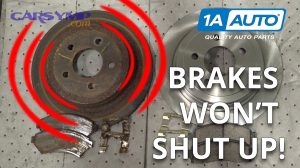
Worn brake pads generate squeaking through built-in metal wear indicators that contact the brake rotor when pad material reaches minimum thickness, typically 3-4mm remaining. This deliberate design creates an unmistakable high-pitched squeal alerting drivers to schedule replacement before metal backing plates grind directly against rotors, causing exponentially more expensive damage.
The Brake squeak vs suspension squeak identification becomes clearer when you understand that brake-related noises intensify with pedal application, while suspension squeaks correlate with road irregularities regardless of braking. Beyond the intentional wear indicator, brake squeaking occurs when pad material hardens from heat exposure, when brake dust accumulates between pad and caliper hardware, or when semi-metallic pad formulations vibrate against rotors during light braking pressure.
Brake dust shields—thin metal plates positioned behind rotors—sometimes bend inward from road debris impact, creating intermittent squeaking as they rub against the spinning rotor. This specific scenario produces noise without braking and often sounds rhythmic, matching wheel rotation speed. Distinguishing this from pad wear requires visual inspection, as the dust shield contact leaves circular wear marks on the shield surface.
New brake pads occasionally squeak during the initial “bedding-in” period as pad material transfers microscopic layers onto the rotor surface, establishing optimal friction contact. This temporary condition typically resolves within 200-300 miles of normal driving and produces a lighter, less urgent sound compared to wear indicator squeals.
Why Does a Loose or Damaged Serpentine Belt Squeak?
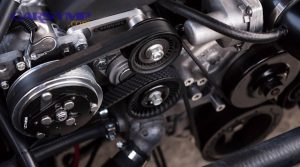
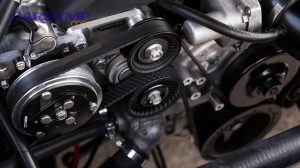
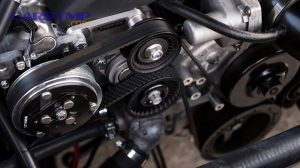
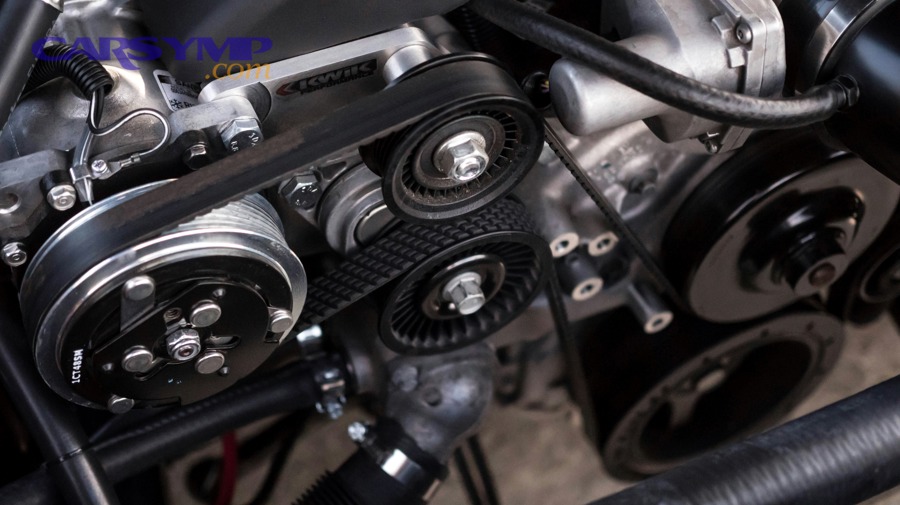
A serpentine belt squeaks when the rubber surface loses grip and slips across metal pulleys, typically caused by belt wear, improper tension, pulley misalignment, or fluid contamination from oil leaks. The Belt squeal vs wheel squeak differences become apparent as belt noises synchronize precisely with engine RPM and intensify during acceleration or when electrical loads activate accessories like air conditioning.
Visual inspection reveals critical belt condition indicators: glazed shiny surfaces from overheating, transverse cracks across ribbed sections, frayed edges from pulley misalignment, or missing rib segments that reduce contact area. These wear patterns progress gradually, with minor surface cracks appearing around 50,000-60,000 miles and severe deterioration risking sudden belt failure that disables power steering, alternator charging, and water pump circulation simultaneously.
Belt tensioners maintain proper pressure through spring-loaded mechanisms that compensate for gradual belt stretch. When tensioner springs weaken or bearings deteriorate, insufficient pressure allows belt slippage that manifests as squealing during cold starts or Wet weather squeak causes when moisture reduces friction coefficients. The tensioner pulley should rotate smoothly without wobble or grinding sensations when manually spun with the engine off.
Contamination from leaking valve cover gaskets, power steering fluid, or coolant destroys the belt’s friction properties by saturating rubber compounds and creating a slippery interface with pulleys. This contamination-induced squealing persists continuously and worsens as the belt temperature rises during operation, distinguishing it from simple tension-related squeaks that may improve after warm-up.
Can Suspension Components Create Squeaking Noises?
Suspension components produce squeaking when rubber bushings dry out and crack, ball joint protective boots tear allowing contamination, or shock absorber seals leak hydraulic fluid, with noises intensifying over bumps and rough road surfaces. This Squeak over bumps diagnosis differs fundamentally from brake or belt squeaks because suspension noises correlate directly with vertical chassis movement rather than wheel rotation or engine speed.
Rubber bushings—cylindrical sleeves that cushion metal suspension arms from the chassis—deteriorate from ozone exposure, temperature cycling, and mechanical flexing. As the rubber hardens and develops surface cracks, the bushing loses its dampening properties and begins binding and releasing during suspension travel, creating characteristic squeaking or creaking sounds. Control arm bushings, sway bar end links, and strut mount bearings represent the most common squeak-producing suspension components.
Ball joints connect steering knuckles to control arms through a ball-and-socket design sealed by rubber boots. When boots tear, road moisture and contaminants infiltrate the joint, washing away protective grease and allowing metal-to-metal contact. The resulting squeak appears during turning maneuvers when steering forces load the compromised joint, providing a clear diagnostic indicator distinguishing ball joint wear from other suspension issues.
Shock absorbers and struts dampen suspension oscillation through hydraulic resistance. External seal wear permits fluid seepage, reducing damping effectiveness and sometimes producing squeaking as internal components operate with insufficient lubrication. Unlike bushing squeaks that occur during initial suspension movement, shock-related noises often manifest as a combination of squeaking and knocking during repetitive bumps when the damaged shock allows excessive suspension travel.
According to data from the Motorist Assurance Program, suspension component wear accelerates significantly in vehicles regularly driven on poorly maintained roads, with bushings and ball joints showing 40% faster deterioration rates compared to highway-driven vehicles.
How Can You Identify Where the Squeaking Noise Is Coming From?
Identifying squeaking noise location requires systematic evaluation combining speed variation testing, turning maneuver observation, brake application analysis, and road surface response, with each test isolating specific mechanical systems. This diagnostic methodology transforms subjective “my car squeaks” complaints into objective symptom patterns that pinpoint component failures.
Professional mechanics employ a methodical approach: first determining whether the noise originates from the engine bay, wheel areas, or undercarriage; then correlating sound occurrence with specific actions like acceleration, braking, or turning; finally using stethoscopes or chassis ears to precisely locate the affected component. Car owners can replicate this diagnostic sequence through careful observation during various driving conditions.
What Does Squeaking When Turning Indicate?
Squeaking when turning indicates power steering fluid deficiency, worn steering column bearings, CV joint deterioration, or front suspension ball joint wear, with directional bias—left versus right turns—revealing which side’s components require attention. This symptom pattern provides exceptionally valuable diagnostic information because turning maneuvers load specific components in predictable ways.
Power steering systems rely on hydraulic pressure to assist steering effort. Low fluid levels caused by leaks from hoses, pump seals, or rack-and-pinion units create insufficient pressure that forces pump components to operate with inadequate lubrication, producing groaning or squeaking sounds that intensify with steering wheel rotation. The fluid reservoir typically includes minimum fill markers; checking levels represents the first diagnostic step when turn-related squeaking appears.
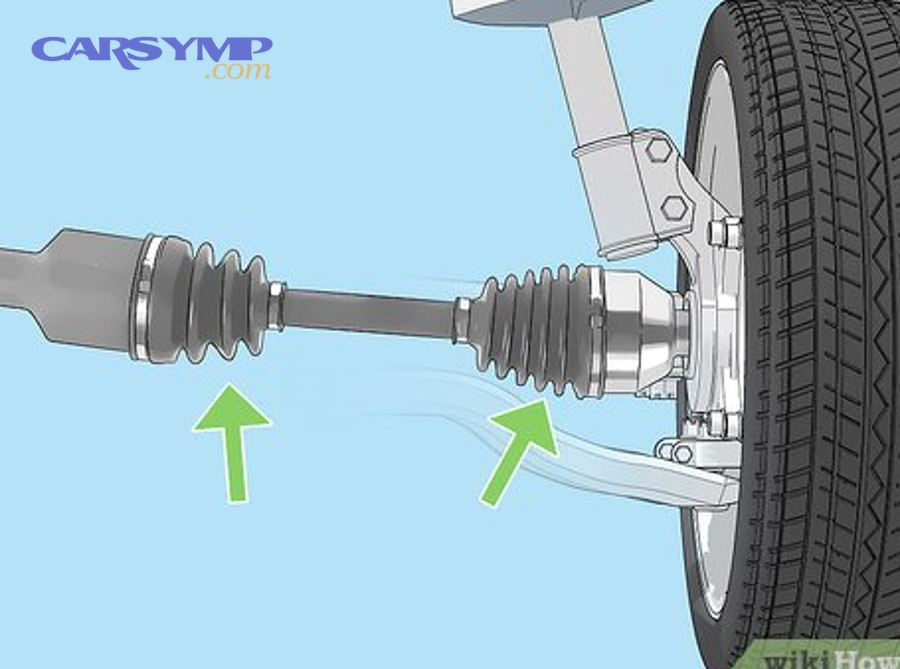
CV (constant velocity) joints transmit power from the transmission to front wheels through flexible articulating assemblies protected by rubber boots. When boots tear, the protective grease escapes and contaminants enter, causing the precision ball bearings inside to wear and produce clicking or squeaking during turns. Front-wheel-drive vehicles with high mileage (100,000+ miles) frequently develop CV joint noise, particularly if boots show visible cracks or grease splatter on wheel wells.
Steering column bearings support the shaft connecting the steering wheel to the rack-and-pinion mechanism. Bearing wear creates squeaking isolated to the steering column area, noticeable through vibrations transmitted directly to the steering wheel during rotation. This specific failure produces sound inside the cabin rather than from the wheel areas, distinguishing it from suspension or CV joint issues.
Why Does My Car Squeak at Low Speeds But Not High Speeds?
Cars squeak at low speeds but not high speeds because brake drag from partially seized calipers, wheel bearing preload issues, or tire tread separation become audible during slower rotation speeds when road and wind noise don’t mask the sounds. This speed-dependent noise pattern provides critical diagnostic clues about component operating characteristics.
Brake calipers contain sliding pins that must move freely to allow pad retraction when the brake pedal releases. Corrosion or dried lubricant on these pins causes incomplete retraction, maintaining light pad-to-rotor contact that creates squeaking at low speeds when the subtle friction produces audible vibration. As speeds increase, the continuous light contact generates sufficient heat to temporarily improve pad-rotor interface smoothness, reducing noise until the brakes cool during the next stop.
Wheel bearings operate with precisely calibrated preload—the tension maintaining bearing contact without excessive friction. Incorrect preload from improper installation or bearing wear causes speed-sensitive noise because the resonant frequency of bearing components matches low-speed rotation rates. Higher speeds shift the vibration frequency beyond audible range or create sufficient centrifugal force to stabilize the bearing assembly temporarily.
Tire tread separation—delamination between rubber layers or steel belt detachment—creates rhythmic squeaking at low speeds as the separated section flexes and releases with each rotation. The noise frequency increases proportionally with speed until reaching velocities where aerodynamic forces press the tread firmly enough to minimize movement, temporarily reducing audible symptoms while the underlying structural failure continues.
How Do Wheel Bearings Cause Squeaking or Grinding?
Wheel bearings cause squeaking when initial wear roughens the precision-ground bearing surfaces, progressing to grinding as deterioration advances and metal-to-metal contact intensifies, with noise volume correlating directly to vehicle speed and steering load. The Wheel bearing noise vs squeak comparison reveals that bearings typically begin with higher-pitched squealing that transitions to lower-frequency rumbling or grinding as damage severity increases.
Bearing assemblies contain steel balls or tapered rollers rotating between precision-machined races, all sealed within housings packed with specialized grease. When seals fail, the grease escapes and water contamination enters, initiating rust formation on bearing surfaces. This early-stage corrosion creates squeaking as rough patches on the races contact bearing elements during rotation, producing sound distinct from smooth, properly lubricated operation.
Bearing noise exhibits characteristic speed correlation: doubling vehicle speed doubles the noise frequency, creating a consistent pitch relationship. This relationship enables diagnostic differentiation from tire noise, which changes with road surface texture, and brake noise, which correlates with brake application rather than constant speed. Additionally, bearing noise often intensifies during turns as lateral forces increase bearing loads, with the failing bearing on the outside of the turn experiencing greater stress.
The progression from squeak to grind represents advancing failure stages. Initial surface roughness creates squeaking through micro-scale vibration, while continued operation expands the damaged area until bearing elements begin skipping across worn sections, producing intermittent grinding. Final-stage failure involves complete bearing disintegration where elements lose proper alignment and contact races randomly, creating dangerously unstable wheel support.
According to research from SKF Group bearing manufacturers, contaminated wheel bearings experience accelerated wear rates 10-15 times faster than properly sealed assemblies, with moisture ingress representing the primary failure mechanism in climates with frequent precipitation.
Is It Safe to Drive With a Squeaking Noise?
Driving with squeaking noise is conditionally safe depending on the source component, with brake-related squeaks requiring immediate attention while some belt or suspension squeaks permit limited driving to reach repair facilities. This safe-to-drive guidance for squeaking noises emphasizes that determining the specific cause takes priority over arbitrary decisions to continue or stop driving.
The safety assessment hinges on understanding which systems directly affect vehicle control and occupant protection versus those affecting convenience or efficiency. Braking systems, steering components, and wheel bearings fall into the critical category where failure creates immediate crash risks, while accessory belt squeaks or minor suspension noises typically degrade performance gradually without sudden control loss.
Which Squeaking Noises Require Immediate Attention?
Squeaking noises requiring immediate attention include brake pad wear indicator sounds, wheel bearing grinding transitions, power steering pump groaning during turns, and any squeak accompanied by vibration, pulling, or reduced performance. These critical symptoms indicate component failure progression toward complete loss of function that jeopardizes vehicle controllability.
Brake wear indicator squeals specifically design to warn drivers before pad material completely wears away. Ignoring these intentional alerts permits metal backing plate contact with rotors, creating brake fade from reduced friction coefficients and potential rotor warping from excessive heat concentration. The Repair cost estimate by likely cause escalates dramatically when ignored brake squeaks damage rotors: a $150 pad replacement becomes a $400-600 repair requiring rotor machining or replacement.
Wheel bearings transitioning from squeak to grind signal imminent bearing cage collapse. This failure mode allows bearing elements to scatter, potentially locking the wheel assembly or causing complete wheel detachment. Any grinding noise from wheel areas demands immediate inspection, as bearing failure at highway speeds creates catastrophic control loss with essentially no warning after the grinding stage begins.
Power steering pump groaning or squealing intensifies with steering effort indicates critically low fluid or pump impeller damage. Complete pump failure eliminates power assist, requiring significantly increased steering effort that may exceed driver capability during emergency maneuvers. While the steering mechanism remains functional without power assist, the sudden transition from assisted to manual steering during crisis situations creates dangerous control difficulties.
Squeaking accompanied by additional symptoms—brake pedal pulsation, steering wheel vibration, vehicle pulling to one side, or reduced braking effectiveness—indicates advanced component deterioration requiring immediate professional evaluation. These compound symptoms suggest structural damage progression beyond the initial squeak source, potentially involving multiple related components.
What Happens If You Ignore Squeaking Noises?
Ignoring squeaking noises leads to cascade failures where initial component wear accelerates damage to related systems, transforming simple repairs into complex, expensive rebuilds involving multiple interconnected parts. This progression follows predictable patterns based on the component system involved and operating stress levels.
Brake pad wear ignored beyond the wear indicator stage permits metal backing plates to grind directly on rotors. The steel-on-steel contact generates extreme heat—exceeding 1000°F in severe cases—that warps rotor surfaces, creates hard spots from localized metallurgical changes, and potentially cracks rotors from thermal stress cycling. The warped rotors then accelerate wear on replacement brake pads, perpetuating the damage cycle until complete rotor replacement becomes necessary.
Serpentine belt squeaking from wear or improper tension, if ignored, leads to belt breakage that simultaneously disables multiple critical systems. The alternator stops charging, depleting the battery within 30-60 minutes; the water pump ceases coolant circulation, causing rapid engine overheating; and power steering assist fails. This cascade transforms a $75 belt replacement into a potential $2000+ repair involving overheated engine damage and dead battery replacement.
Suspension bushing squeaks indicate rubber deterioration that, left unaddressed, permits excessive component movement. The increased play accelerates tire wear through alignment changes, creates stress on adjacent bushings and ball joints, and produces handling deterioration that compromises emergency maneuver capability. A $200 bushing replacement delayed too long can necessitate $800+ in comprehensive suspension restoration including alignment, multiple bushings, and prematurely worn tires.
Wheel bearing squeaks represent early warning of bearing preload loss. Continued operation with degraded bearings generates heat from increased friction, breaking down remaining lubrication and accelerating wear exponentially. The final failure stage involves bearing seizure—where the wheel hub locks—or cage collapse allowing wheel detachment. Either scenario creates immediate crash risks with potential for serious injury.
What Should You Do When Your Car Starts Squeaking?
When your car starts squeaking, immediately note the specific conditions triggering the noise—speed, turning direction, braking, or bumps—then perform visual inspections of accessible components like belts and tires, followed by professional diagnosis if the squeak persists, intensifies, or accompanies performance changes. This systematic response transforms a vague symptom into actionable diagnostic information while prioritizing safety.
The initial response emphasizes observation over panic. Modern vehicles incorporate numerous wear indicators and warning mechanisms designed to alert drivers before critical failures occur. Documenting squeak characteristics—when it started, what makes it better or worse, associated symptoms—provides mechanics with diagnostic starting points that reduce troubleshooting time and costs.
How Can You Perform a Basic Visual Inspection?
A basic visual inspection for squeaking involves checking serpentine belt condition for cracks or glazing, examining tire tread depth and wear patterns, inspecting brake pad thickness through wheel spokes, and looking for fluid leaks under the vehicle that might indicate power steering or shock absorber issues. These DIY inspection points for squeaks require no specialized tools beyond a flashlight and provide valuable preliminary diagnostic information.
Begin with the serpentine belt by opening the hood and visually examining the belt surface. Look for transverse cracks crossing the ribbed inner surface—one or two minor cracks may be acceptable, but extensive crazing indicates replacement urgency. Check for glazed, shiny surfaces suggesting overheating or slippage, and inspect edges for fraying from pulley misalignment. Gently press the belt between pulleys; excessive deflection beyond 1/2 inch suggests tension problems.
Tire inspection focuses on tread depth and wear patterns. Insert a penny into tread grooves with Lincoln’s head inverted; if the top of his head remains visible, tread depth falls below the 2/32-inch legal minimum requiring replacement. Examine wear patterns: center wear indicates over-inflation, edge wear suggests under-inflation, and one-sided wear points to alignment issues. Irregular wear patterns or exposed steel belts create squeaking during low-speed rotation and demand immediate tire replacement.
Brake pad inspection through wheel spokes provides rough thickness assessment without wheel removal. Most wheels include openings allowing visual assessment of the outer brake pad. Look for pad thickness compared to the metal backing plate—minimum safe thickness is 3-4mm (approximately 1/8 inch), and pads thinner than this require immediate replacement. If the metal wear indicator is contacting the rotor, replacement is overdue.
Fluid leak detection involves inspecting the ground under the parked vehicle for fresh fluid spots and examining component areas for wetness or staining. Power steering fluid appears reddish or amber and accumulates near steering rack boots, pump housings, or pressure line connections. Shock absorber leaks create oily wetness on shock bodies, indicating seal failure and reduced damping capability that may contribute to suspension noise.
When Should You Take Your Car to a Mechanic?
You should take your car to a mechanic when squeaking persists after basic inspection, accompanies reduced performance like decreased braking effectiveness, changes pitch or volume indicating progression, or originates from wheel bearing areas with grinding characteristics. Professional diagnosis becomes essential when squeak sources exceed DIY inspection capabilities or when safety-critical systems show degradation symptoms.
Brake-related squeaking demands professional attention regardless of apparent pad thickness if the noise accompanies pedal pulsation, increased pedal travel, or pulling to one side during braking. These compound symptoms indicate rotor warping, caliper malfunction, or hydraulic system issues requiring specialized diagnostic equipment and repair expertise beyond shade-tree mechanic capabilities.
Suspension squeaking that intensifies over time or correlates with handling degradation—increased body roll, nose dive during braking, or floating sensation over bumps—signals advanced wear requiring comprehensive component evaluation. Mechanics use hydraulic lifts to inspect lower components, apply load tests to ball joints, and check bushing condition through movement observation impossible during ground-level DIY inspection.
When visiting a mechanic, provide the detailed observation notes collected during the initial squeak occurrence: specific speed ranges when noise appears, whether temperature affects the sound, if turning direction matters, any recent service or part replacements, and mileage since the squeak began. This information enables mechanics to replicate conditions during test drives and focus diagnostic effort on the most probable component systems.
Expect diagnostic procedures including test drives with the mechanic listening for noise characteristics, wheel removal for direct brake and suspension inspection, belt tension measurements using specialized gauges, and potentially chassis ear installation—electronic stethoscopes placed at suspected noise sources during driving. Reputable facilities provide written estimates detailing identified problems, recommended repairs with part and labor costs, and urgency classifications helping prioritize multi-issue repairs.
According to data from RepairPal, diagnostic fees for squeaking noises average $88-$111 nationally, with most repairs identified during the initial diagnostic inspection. The repair cost estimate by likely cause varies significantly: brake pad replacement averages $150-$300 per axle, serpentine belt replacement runs $75-$200, and suspension component replacement ranges from $200-$1,500 depending on the specific failed part and labor intensity.
How Can You Prevent Squeaking Noises in Your Vehicle?
Preventing squeaking noises requires adherence to manufacturer-recommended maintenance schedules, regular lubrication of suspension and chassis grease points, timely brake system service including fluid flushes, and protection from environmental factors that accelerate rubber component deterioration. This proactive approach addresses wear before it progresses to audible symptoms, extending component life while maintaining vehicle safety and performance.
The prevention philosophy recognizes that squeaking represents advanced wear stages rather than initial degradation. Components deteriorate silently for extended periods before producing noises, meaning squeaks indicate problems already well-developed. Preventing squeaks with maintenance and lubrication intercepted this progression during the silent phase, replacing or servicing components on planned schedules rather than emergency responses to failures.
What Is the Recommended Maintenance Schedule for Brake Systems?
The recommended maintenance schedule for brake systems includes pad and rotor inspection every 12,000 miles, brake fluid flush every 30,000 miles or three years, and caliper service with slide pin lubrication during pad replacement to prevent seizure and uneven wear. These intervals prevent the wear progression that creates brake squeak vs suspension squeak identification challenges.
Brake pad life varies dramatically based on driving patterns: aggressive city driving may wear pads in 25,000-30,000 miles while highway-focused driving extends life to 70,000+ miles. Regular inspection identifies wear rates specific to individual driving habits, enabling predictive replacement before wear indicators contact rotors. Most pads include visual wear slots that disappear when material reaches replacement thickness, providing easy inspection reference points.
Brake fluid absorbs moisture over time, reducing its boiling point and creating internal corrosion that damages caliper pistons, master cylinders, and ABS components. Fluid contamination permits air bubble formation during hard braking when temperatures rise, creating spongy pedal feel and reduced stopping power. The three-year flush interval removes contaminated fluid before corrosion initiates or boiling point degradation compromises emergency braking performance.
Caliper slide pins require specialized high-temperature grease that withstands repeated heating and cooling cycles without breaking down. During pad replacement, mechanics should remove, clean, and re-lubricate these pins, ensuring smooth caliper movement that distributes pad wear evenly across the rotor surface. Dried or contaminated pins cause caliper binding that manifests as squeaking from continuous pad-rotor contact and accelerates inside pad wear while leaving outside pads nearly unused.
| Maintenance Item | Interval | Purpose | Typical Cost |
|---|---|---|---|
| Pad/rotor inspection | Every 12,000 miles | Identify wear before squeak indicators activate | $0-$25 (often free) |
| Brake fluid flush | Every 30,000 miles / 3 years | Prevent moisture contamination and corrosion | $70-$120 |
| Caliper slide pin service | During each pad replacement | Ensure even pad wear and prevent binding | Included in pad replacement |
| Rotor resurfacing/replacement | As needed when thickness below minimum spec | Maintain smooth pad contact surface | $100-$300 per axle |
This maintenance cost table demonstrates that preventive service costs substantially less than repair after noise develops and secondary damage occurs.
How Does Climate Affect Squeaking Noises?
Climate affects squeaking noises through temperature-driven rubber hardening in cold weather, moisture-induced rust formation on brake components, and accelerated bushing deterioration in high-UV environments, with seasonal transitions creating temporary squeaks as materials adjust to temperature changes. Understanding these wet weather squeak causes and temperature effects helps distinguish temporary environmental responses from permanent component failures.
Cold temperatures below 40°F harden rubber compounds in serpentine belts, suspension bushings, and door seals. This temporary hardening increases stiffness, reducing flexibility and creating squeaking during initial movement until component temperatures rise from friction and ambient warming. Cold-start belt squeaks that disappear after 2-3 minutes of operation typically represent this temporary hardening rather than belt wear, though persistent cold squeaking indicates advanced rubber deterioration.
Moisture creates multiple squeak mechanisms: surface rust forms overnight on brake rotors in humid climates, producing temporary squeaking during initial brake applications that clears once rust scrapes away; water films between belt and pulleys reduce friction causing slippage squeaks until evaporation or heat drying restores grip; and wet conditions wash protective lubricants from exposed suspension joints, creating temporary metal-to-metal contact.
High-UV environments like desert climates accelerate rubber degradation through ozone cracking—surface fissures developing from ultraviolet radiation breaking polymer chains. This environmental damage affects all rubber components: belts develop premature cracking, bushings lose elasticity and crack, and tire sidewalls show weather checking. Vehicles in high-UV locations require more frequent rubber component replacement, typically 20-30% shorter service life compared to moderate climates.
Regional salt exposure from coastal environments or winter road treatments creates aggressive corrosion that penetrates bearing seals, attacks caliper slide pins, and corrodes suspension component protective coatings. This accelerated degradation produces squeaking from contaminated bearings, seized caliper hardware, and corroded ball joint boots, requiring annual undercarriage washing and more frequent lubrication service to counter environmental attack.
What Lubrication Points Help Reduce Squeaking?
Lubrication points that reduce squeaking include suspension ball joint grease fittings, sway bar end link bushings, caliper slide pins, door hinges, and hood latch mechanisms, with service intervals varying from annual for chassis points to each brake service for calipers. Proper lubricant selection—high-temperature brake grease for calipers, chassis grease for suspension, silicone spray for rubber seals—ensures compatibility and prevents accelerated wear.
Ball joints on many vehicles include grease fittings (zerks) requiring periodic lubrication to maintain the protective grease envelope surrounding the ball-and-socket interface. A grease gun forces fresh lubricant through the fitting until old grease purges from the boot edge, typically performed annually or every 12,000 miles. Sealed ball joints without fittings cannot accept lubrication and require replacement when wear develops, making grease-able designs more maintenance-intensive but potentially longer-lasting.
Sway bar end links connect the stabilizer bar to suspension arms through ball-and-socket or bushing interfaces. These joints experience constant movement during body roll and suspension travel, wearing the original factory lubrication. While many modern designs use sealed, maintenance-free bushings, older vehicles may include grease fittings requiring annual service to prevent the squeaking characteristic of dry end links during turns and bumpy roads.
Caliper slide pins demand specialized high-temperature synthetic grease that resists the extreme heat cycles of braking—from ambient temperature to 500°F+ during heavy braking. Standard chassis grease liquefies at these temperatures, running out and leaving pins dry. During brake pad replacement, mechanics should completely remove old grease, inspect pins for corrosion pitting, and apply fresh high-temp grease before reinstallation.
Non-suspension lubrication points contribute to overall vehicle noise: door hinges benefit from white lithium grease preventing squeaking during opening/closing; hood latches require light oil preventing stuck mechanisms and squeaky operation; and rubber door seals accept silicone spray that preserves flexibility while preventing squeak-producing binding. These accessibility points allow owner maintenance without specialized tools or safety concerns.
How Do Different Driving Conditions Contribute to Squeaking?
Different driving conditions contribute to squeaking through varied stress patterns: city driving with frequent braking accelerates pad wear and creates brake dust accumulation; highway driving loads wheel bearings continuously at high speeds exposing preload issues; off-road impacts damage suspension bushings and introduce contamination past protective seals. Understanding these condition-specific wear patterns enables targeted prevention strategies.
Stop-and-go city traffic creates the most severe brake system wear through repeated heat cycling that hardens pad compounds, promotes dust buildup between pads and hardware, and thermally stresses rotors through rapid heating and cooling. The frequent low-speed braking also prevents full pad-rotor bedding, creating glazed surfaces that squeak during light brake application. City-focused vehicles may require brake service at half the mileage of highway-driven equivalents.
Highway driving maintains sustained speeds that keep wheel bearings, CV joints, and suspension bushings under constant load and operating temperatures. This steady-state operation exposes bearing preload irregularities through continuous high-frequency vibration, while extended periods at temperature can dry out grease in sealed components faster than intermittent use. Highway vehicles benefit from more frequent bearing inspection despite lower brake system wear.
Aggressive driving with hard acceleration and braking imposes maximum stress on all drivetrain and brake components. Rapid acceleration loads CV joints at extreme angles during tight turns, accelerates serpentine belt wear from high accessory loads, and stresses suspension bushings through weight transfer forces. Hard braking generates extreme pad temperatures that glaze surfaces and potentially boils brake fluid, creating multiple squeak-producing failure modes.
Off-road or unpaved road driving introduces contamination that penetrates protective seals on ball joints, wheel bearings, and CV joints while simultaneously subjecting suspension bushings to impact loading beyond design parameters. The dust, mud, and water ingress accelerates wear exponentially compared to paved road operation, with components requiring inspection and lubrication at half-normal intervals to prevent premature failure and associated squeaking.
According to field research from the University of Michigan Transportation Research Institute, vehicles operated primarily in severe service conditions—frequent short trips, extreme temperatures, dusty or off-road environments—experience component wear rates 1.5 to 2 times faster than vehicles in normal service, justifying the severe service maintenance schedules recommended in owner’s manuals that reduce standard service intervals by 50%.
This comprehensive guide equips car owners with the knowledge to diagnose squeaking noises systematically, assess safety implications accurately, and prevent problems through proactive maintenance. The squeak while driving causes checklist approach—identifying when the noise occurs, where it originates, and what conditions affect it—transforms automotive troubleshooting from guesswork into logical problem-solving. Remember that squeaking represents your vehicle communicating component wear; responding promptly to these signals prevents minor maintenance from escalating into major repairs while ensuring your safety and that of your passengers on every drive.