


Wheel bearing noise differs from squeaking sounds through its characteristic low-frequency growling or humming that intensifies with vehicle speed, while squeaks typically produce high-pitched intermittent sounds often linked to brakes, suspension components, or belt-driven accessories. Car owners can accurately distinguish between these noises by conducting seven systematic diagnostic tests including the speed variation test, swerving test, braking test, visual wheel play test, wheel spin test, sound location test, and tire inspection test. Understanding these differences prevents misdiagnosis and ensures proper repair of the actual problem component.
The ability to differentiate wheel bearing noise from other automotive squeaks saves time and money while preventing unnecessary part replacements. squeaking noise when driving can originate from multiple sources including brake wear indicators, CV joints, suspension bushings, or even serpentine belts, each requiring different repair approaches. Wheel bearings produce distinct acoustic signatures that change proportionally with vehicle speed and respond differently to steering inputs compared to other noise sources. Recognizing these patterns enables car owners to communicate effectively with mechanics and make informed decisions about repairs.
Safety considerations make accurate noise diagnosis critically important, as wheel bearing failures progress through predictable stages from minor humming to catastrophic wheel seizure. A failing wheel bearing creates risks that escalate rapidly, potentially causing loss of vehicle control, brake system damage, or complete wheel detachment during operation. The diagnostic tests presented in this guide help assess both the source and severity of automotive noises, enabling appropriate action based on actual component condition rather than guesswork.
Vehicle maintenance requires understanding the relationship between different noise types and their underlying mechanical causes. Below, we’ll explore the specific characteristics of wheel bearing noise, compare it systematically with squeaking sounds from other components, and provide detailed instructions for the seven diagnostic tests that definitively identify the noise source.
What Does Wheel Bearing Noise Sound Like?
Wheel bearing noise manifests as a cyclic growling, humming, rumbling, or chirping sound that changes proportionally with vehicle speed, typically appearing around 30-40 mph and becoming more pronounced as speed increases. The noise originates from worn steel balls or damaged races within the bearing assembly, creating a continuous low-frequency sound distinct from the higher-pitched squeaks associated with brakes or belts.
To better understand this characteristic sound, consider how the bearing’s rotating elements interact when damaged. A wheel bearing contains steel balls held within a metal ring called a race, and when these components wear unevenly or develop pitting, they generate vibrations that travel through the hub assembly and suspension components. The cyclic nature of the noise reflects the rotation of the wheel itself, with each revolution of the damaged bearing producing a repetitive acoustic pattern. This sound may disappear at certain speeds due to harmonic resonance factors, then reappear as velocity changes, making it sometimes elusive during initial detection.
The pitch of wheel bearing noise varies with vehicle speed, producing lower frequencies at slower speeds and higher frequencies as you accelerate. At highway speeds, the growling typically intensifies into a roaring or howling sound that can become loud enough to interfere with conversation inside the vehicle. Unlike squeaks that often occur intermittently or only under specific conditions, bearing noise maintains consistency once it develops, though it may vary in volume depending on load distribution during turns or weight transfer.
How Does Wheel Bearing Noise Differ from Squeaking Sounds?
Wheel bearing noise differs from squeaking sounds through continuous low-frequency growling versus high-pitched intermittent squeals, with bearings producing a whuh-whuh-whuh pattern while squeaks generate sharp eee-eee-eee sounds that often relate to friction between metal surfaces or worn brake components.
The frequency patterns reveal fundamental differences between these noise types. Bearing noise creates a cyclic, rhythmic sound synchronized with wheel rotation, meaning the frequency directly correlates with how fast the wheel spins. In contrast, Brake squeak vs suspension squeak identification involves recognizing that squeaks often occur at specific moments—when applying brakes, hitting bumps, or during initial movement—rather than continuously throughout driving. Belt squeal vs wheel squeak differences become apparent when you notice that belt-related noises typically originate from the engine compartment and change with engine RPM rather than vehicle speed, while wheel squeaks remain localized to specific corners of the vehicle.
The acoustic characteristics also differ substantially in their response to environmental factors. Wheel bearing growls remain relatively consistent across different road surfaces, maintaining their frequency and volume whether you’re on smooth pavement or rough asphalt. Squeaking sounds, however, often demonstrate sensitivity to environmental conditions—brake squeaks may worsen in wet weather or when cold, suspension squeaks might intensify over bumps, and belt squeals frequently occur during cold starts or when accessories engage. This environmental responsiveness provides another diagnostic clue when differentiating between noise types.
What Causes Wheel Bearing Noise vs What Causes Squeaking?
Wheel bearing noise results from worn steel balls, damaged races, contaminated grease, or improper installation creating metal-on-metal contact within the bearing assembly, while squeaking typically stems from brake wear indicators, glazed rotors, stuck calipers, worn CV joint boots, or dry suspension bushings requiring lubrication.
Understanding the root causes helps predict which noise you’re experiencing. Wheel bearings fail primarily through gradual wear from normal use, accelerated by factors such as water contamination breaking down protective grease seals, impact damage from pothole strikes creating pitting in the races, or incorrect installation torque affecting bearing preload. When the smooth steel surfaces become rough or the lubricant degrades, the bearing components grind against each other during rotation, generating the characteristic growling noise. This wear process progresses predictably, starting with barely audible humming and advancing to loud grinding as damage worsens.
Squeaking sounds originate from different mechanical interactions entirely. Brake systems incorporate wear indicators—small metal tabs designed to contact the rotor when pad material wears thin—creating intentional squealing to alert drivers of needed replacement. Glazed brake rotors develop hard, smooth surfaces that cause pads to vibrate and squeal during application. Suspension components produce squeaks when rubber bushings dry out and allow metal-to-metal contact, or when ball joints lose lubrication. CV joints click and squeak when their protective boots tear, allowing grease to escape and contaminants to enter. Preventing squeaks with maintenance and lubrication often resolves these issues, whereas bearing noise requires component replacement rather than simple maintenance.
The progression timeline also differs significantly between these causes. Bearing wear develops gradually over thousands of miles, giving drivers extended warning before failure, though the final stages can deteriorate rapidly. Squeaks often appear suddenly—a brake wear indicator starts squealing abruptly when pads reach minimum thickness, or a bushing begins squeaking immediately after its rubber deteriorates sufficiently to allow movement.
Is the Noise from My Wheel Bearing or Brakes?
Yes, you can determine whether noise originates from wheel bearings or brakes by analyzing three key characteristics: timing relative to brake application, sound type and frequency pattern, and response to steering inputs during driving. Brake noise typically occurs or changes when you apply the brake pedal, produces higher-pitched squealing or grinding sounds, and remains consistent regardless of steering wheel position, while bearing noise continues regardless of braking, creates lower-frequency growling, and often changes pitch or volume when you turn the steering wheel.
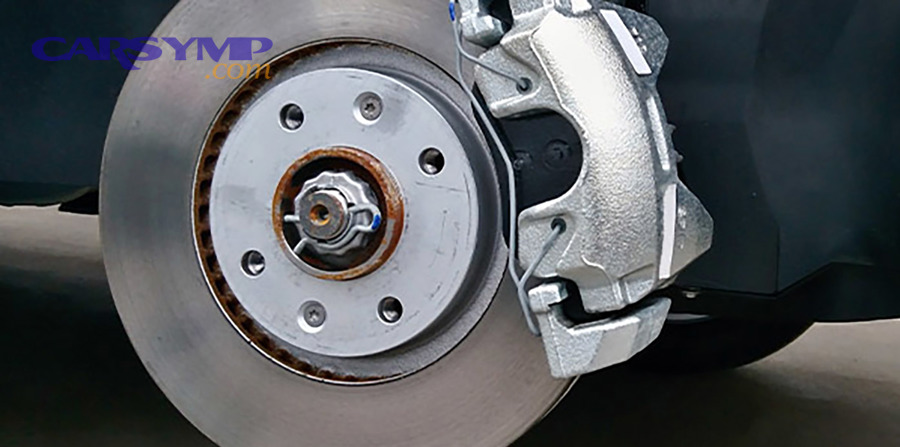
The distinction between these components becomes clearer when you understand their different operational contexts. Brakes generate noise through friction between pads and rotors, meaning their sounds directly relate to brake system engagement. Wheel bearings, conversely, support the vehicle’s weight and allow wheel rotation, meaning their noises relate to speed and load distribution rather than braking action. This fundamental operational difference creates distinct diagnostic signatures that systematic testing can identify.
Does Brake Noise Change When You Apply the Brakes?
Yes, brake noise typically changes or stops when you lightly apply the brakes while driving, whereas wheel bearing noise continues unchanged regardless of brake application, providing a definitive diagnostic distinction between these two noise sources.
This simple test leverages the fundamental difference in how these components function. When you’re driving at a speed where the noise is clearly audible, gently apply the brakes without coming to a complete stop—just enough pressure to engage the pads against the rotors. If the noise disappears, reduces significantly, or changes character, you’ve identified brake-related noise. The brake pads making contact with the rotor either stops the vibration causing the squeal or changes the resonance frequency enough to alter the sound. Conversely, if the noise continues completely unchanged, the issue lies elsewhere, most likely in the wheel bearing.
Brake-specific sounds follow predictable patterns based on their causes. Grinding noises from brakes indicate severe wear where backing plates contact rotors, creating a harsh metallic scraping that intensifies under braking force. Squealing from wear indicators produces a high-pitched continuous sound that may temporarily stop when you apply the brakes, as the pressure changes the pad’s position relative to the rotor. Clattering or pulsing sounds suggest warped rotors creating uneven contact with pads, which becomes immediately apparent as vibration through the brake pedal when you apply pressure.
The caliper condition also influences noise patterns during braking tests. A sticking caliper keeps brake pads pressed against the rotor even when you’re not applying the brakes, creating continuous scraping noise that may lessen slightly when you actively brake because the pad position normalizes. This situation differs from normal brake wear indicators and requires attention to prevent rotor damage and reduced braking efficiency.
Does the Noise Occur Only When Turning?
No, wheel bearing noise typically continues during straight-line driving but changes pitch or volume when turning, while CV joint clicking occurs exclusively during turns and suspension squeaks often intensify when weight transfers during cornering maneuvers.
The turning test reveals crucial information about load distribution effects on different components. When you turn the steering wheel, your vehicle’s weight shifts to the outside wheels—turning left loads the right side, turning right loads the left side. A failing wheel bearing on the loaded side often becomes quieter because the weight compresses the bearing and temporarily reduces internal play, while the unloaded opposite bearing may grow louder as reduced pressure allows more movement within the damaged components. This counterintuitive pattern—noise louder when turning away from the damaged side—helps pinpoint which specific bearing has failed.
CV joint noises present distinctly different characteristics during turning. These joints produce popping or clicking sounds that occur rhythmically with wheel rotation during sharp turns, particularly when making U-turns or navigating tight parking lot maneuvers. The clicks correspond to the CV joint’s articulation angle—the sharper you turn, the more pronounced the clicking becomes. Unlike bearing growls, CV joint sounds are discrete clicks rather than continuous noise, and they correlate directly with steering angle rather than simply appearing during any turning motion.
Weight shift dynamics also affect suspension component noises during turns. Worn ball joints, deteriorated bushings, or failing strut mounts may produce squeaking or clunking sounds as suspension geometry changes during cornering. These noises typically occur at the moment of turn initiation or when straightening out, rather than continuously throughout the turn like bearing noise. The suspension sounds often accompany other symptoms such as wandering steering, excessive body roll, or clunking over bumps, helping differentiate them from bearing-related growling.
What Are the 7 Diagnostic Tests to Identify Wheel Bearing Noise?
The seven diagnostic tests to identify wheel bearing noise include speed variation testing, swerving weight transfer testing, braking comparison, visual wheel play inspection, wheel spin evaluation, sound location identification, and tire condition assessment, collectively providing comprehensive evidence to distinguish bearing failure from other automotive noise sources. These systematic tests progress from simple driving observations to hands-on physical inspection, enabling accurate diagnosis without specialized equipment.
Implementing a methodical testing approach prevents the common mistake of replacing components based on guesswork. Each test examines different aspects of bearing behavior and noise characteristics, building a complete diagnostic picture. Some tests you can perform while driving, while others require safely raising the vehicle and physically manipulating the wheels. The combination of these tests accounts for the various ways bearing damage manifests, from subtle acoustic changes to measurable mechanical play.
Safety remains paramount throughout the diagnostic process. When performing driving tests, choose routes with minimal traffic and avoid highway speeds until you’ve confirmed the noise source poses no immediate danger. For tests requiring vehicle elevation, use proper jack stands rated for your vehicle’s weight, never relying solely on a hydraulic jack. Ensure the transmission is in park (or first gear for manual transmissions), the parking brake is engaged, and wheel chocks prevent any rolling motion before working under or around the vehicle.
Test 1 – The Speed Variation Test
The speed variation test involves driving at progressively increasing speeds from 30 to 60 mph while noting at which velocities the noise appears, intensifies, or disappears, with bearing noise characteristically growing louder and higher in pitch as speed increases, directly proportional to wheel rotation rate.
Executing this test requires finding a safe stretch of road where you can accelerate smoothly through the speed range without interruption. Start at around 20-25 mph and gradually accelerate to 60 mph, paying close attention to when the noise begins, how it changes, and whether it maintains a consistent relationship with speed. True wheel bearing noise will demonstrate a clear correlation—as your speed doubles, the noise frequency doubles, and the volume typically increases as well. Some bearings create noise that peaks at specific speeds, then becomes less noticeable at higher velocities due to harmonic resonance factors, but the fundamental relationship between speed and noise frequency remains constant.
Document your observations specifically: “Noise begins around 35 mph as a faint hum, becomes clearly audible at 45 mph as a growling sound, peaks in volume around 55-60 mph.” This detailed record helps when discussing the issue with mechanics and provides a baseline for monitoring whether the condition worsens. Compare this pattern against other noise sources—tire noise also increases with speed but maintains a more consistent whooshing or whapping character rather than the variable pitch growling of bearings, while brake noise shows no speed correlation unless accompanied by bearing problems.
The test also reveals noise behavior during deceleration. Allow the vehicle to coast down from highway speed without applying brakes, listening for whether the noise diminishes proportionally as you slow. Wheel bearing noise should decrease in pitch and often in volume as speed drops, maintaining the same reverse relationship observed during acceleration. If noise persists at the same frequency regardless of whether you’re accelerating or decelerating, suspect drivetrain components rather than wheel bearings.
Test 2 – The Swerving/Weight Transfer Test
The swerving test requires gently steering left and right at moderate speed (35-45 mph) while listening for noise changes, with louder noise during left turns indicating right-side bearing failure and vice versa, as weight transfer loads the opposite bearing and temporarily reduces internal play in the damaged component.
This counterintuitive diagnostic principle confuses many car owners, so understanding the physics helps. When you turn left, centrifugal force pushes the vehicle’s weight toward the right side, compressing the right suspension and increasing load on the right wheel bearing. A damaged bearing often becomes quieter under load because the increased pressure forces the worn components closer together, temporarily reducing the clearance that allows them to vibrate and create noise. Meanwhile, the left bearing—on the inside of the turn—carries less weight and may rattle more freely if it’s the damaged component. Therefore, noise that intensifies during left turns suggests the left bearing has failed, while noise louder during right turns indicates right bearing damage.
Perform this test on a road with minimal traffic and good visibility, making gentle S-curves rather than sharp turns. The steering movements should be smooth and controlled—aggressive swerving can be dangerous and may damage already-compromised suspension components. Listen carefully to how the noise character changes: does the pitch shift? Does the volume increase noticeably? Does the growling momentarily disappear then return when you straighten the wheel? These variations provide specific clues about which corner of the vehicle harbors the failing bearing.
Front-wheel drive vehicles may show more dramatic changes during this test because the front bearings support more vehicle weight and experience greater lateral loads during turning. Rear-wheel drive vehicles typically demonstrate subtler changes, though the principle remains the same. Note that some severely damaged bearings may not respond clearly to the swerving test because the wear has progressed beyond the point where load changes affect noise production—in such cases, other diagnostic tests become more reliable.
Test 3 – The Braking Test
The braking test involves driving at a speed where noise is clearly audible, then lightly applying the brakes while listening for changes, with wheel bearing noise continuing unchanged during braking while brake-related noises typically stop, reduce, or change character when brake pressure applies.
Execute this test with gentle brake application—enough to engage the pads against the rotors but not enough to slow the vehicle significantly. The goal is to change brake system dynamics without substantially altering wheel speed, which would independently affect bearing noise. When you apply light brake pressure, brake pads make firmer contact with rotors, often eliminating vibrations that cause squealing and changing the resonance characteristics that produce other brake noises. If the noise you’re investigating disappears or changes noticeably, you’ve identified a brake system issue rather than bearing failure.
Pay attention to subtle changes during brake application. Some brake noises don’t completely disappear but shift in frequency or volume, indicating brake components causing the original sound. Conversely, authentic bearing noise maintains exactly the same growling character regardless of brake pedal position because the bearing continues rotating at the same speed and supporting the same loads whether brakes are engaged or not. The bearing components don’t know or care about brake application—they respond only to rotational speed and weight distribution.
This test becomes particularly valuable when combined with the speed variation test. If a noise increases with speed and completely ignores brake application, you have strong evidence pointing to wheel bearings rather than brakes. Additionally, notice whether brake application creates new noises—grinding, pulsing, or squealing that wasn’t present before pressing the pedal—which would indicate brake system problems potentially coexisting with but separate from bearing issues.
Test 4 – The Visual Wheel Play Test
The visual wheel play test requires safely jacking the vehicle to lift a wheel off the ground, then grasping the tire at the 12 and 6 o’clock positions and rocking it vigorously back and forth to detect looseness, with any perceptible movement in sealed bearing assemblies indicating failure requiring immediate replacement.
Proper execution of this test begins with vehicle preparation. Ensure the car is on level ground, engage the parking brake, place the transmission in park, and position jack stands under the manufacturer’s recommended lift points before raising the wheel. Never rely solely on a hydraulic jack for support while performing this inspection. Once the wheel is safely elevated and spinning freely, place your hands at the top and bottom of the tire (12 and 6 o’clock positions) and push-pull firmly with alternating hands, attempting to rock the wheel in and out perpendicular to the ground.
Modern sealed wheel bearing cartridges and hub assemblies should exhibit zero detectable play when new and in good condition. Any movement you can feel indicates bearing wear significant enough to warrant replacement. The tolerance is extremely tight—even a millimeter of movement represents failure in a sealed bearing system. Older vehicles with serviceable bearings may show slight play when new, with manufacturers specifying acceptable ranges typically around 0.005 inches or less, measurable only with a dial indicator for precision. If you can feel the movement without instruments, it exceeds acceptable limits.
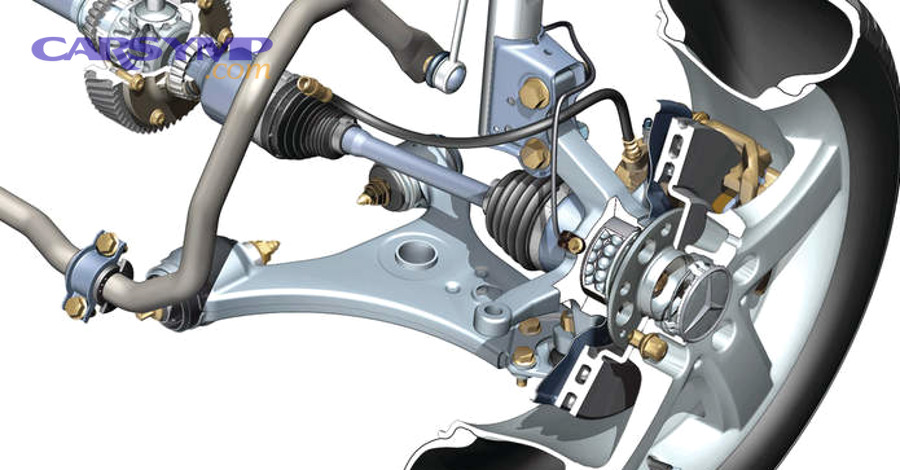
Distinguish between actual bearing play and other movement sources during this test. Lug nuts that weren’t properly torqued can create looseness that mimics bearing play, so verify all fasteners are tight before concluding bearing failure. Additionally, some vehicles have looseness in suspension components—worn ball joints or tie rod ends—that becomes apparent during this test. To isolate bearing play from suspension play, repeat the test with hands at the 3 and 9 o’clock positions (sides of the tire). Suspension component wear typically shows more clearly in the 3-9 position, while bearing wear appears equally in both test positions.
The severity of play you detect correlates with failure urgency. Minimal play that you can barely detect suggests early-stage bearing wear that will worsen but may not pose immediate danger. Substantial play that allows the wheel to visibly rock indicates advanced failure requiring urgent attention—continuing to drive risks wheel seizure, brake damage, or complete loss of control. Document the amount of play for comparison during future inspections, as progressive worsening confirms bearing deterioration.
Test 5 – The Wheel Spin Test
The wheel spin test involves rotating the elevated wheel by hand while listening and feeling for grinding, roughness, or resistance, with failed bearings creating perceptible roughness, metallic scraping sounds, or notchy resistance compared to the smooth, quiet rotation of properly functioning bearings on the opposite side.
With the wheel safely raised off the ground following the same preparation steps as the play test, grasp the tire and rotate it by hand at moderate speed. A healthy wheel bearing allows the wheel to spin freely with minimal resistance, producing only a faint whisper of sound from tire movement and continuing to rotate briefly when you release it due to momentum. Listen carefully during rotation for any grinding, scraping, or growling noises coming from the hub area. Feel through the tire for roughness or resistance that varies as the wheel rotates—a failing bearing often creates a notchy feeling where resistance increases and decreases rhythmically corresponding to the damaged section rotating past the load point.
Compare the suspect wheel directly with the corresponding wheel on the opposite side of the vehicle. Spin both front wheels or both rear wheels and note the differences in sound, resistance, and coasting behavior. This side-to-side comparison often reveals subtle problems that might not be obvious when examining a single wheel in isolation. If one wheel spins freely and quietly for several revolutions after release while the other stops quickly with audible grinding, you’ve identified the failed bearing through direct comparison.
The condition of brake components can interfere with this test’s accuracy. A sticking caliper or parking brake that hasn’t fully released creates resistance and noise that might falsely suggest bearing problems. Before concluding bearing failure from spin test results, verify that brake components are fully disengaged and not creating drag. Some mechanics prefer to temporarily remove the caliper or at least retract the piston to eliminate brake interference, though this requires more advanced skills and tools beyond basic DIY diagnosis.
Advanced practitioners can enhance this test by holding a screwdriver handle against the hub or knuckle while spinning the wheel, using the screwdriver as a makeshift stethoscope to amplify internal bearing sounds. Place the screwdriver tip against the steering knuckle near the bearing and press your ear against the handle end—you’ll hear internal grinding or roughness much more clearly than through airborne sound alone. This technique requires practice but significantly improves diagnostic sensitivity.
Test 6 – The Sound Location Test
The sound location test determines which specific wheel harbors the failing bearing by systematically isolating the noise source through side-to-side comparison, enlisting a helper to listen from outside while you drive, or using an automotive stethoscope attached to each hub during a test drive.
Identifying the exact location of bearing noise proves challenging because sound travels through the drivetrain, chassis, and body structure before reaching your ears. This “grounding effect” causes bearing noise to sometimes appear to originate from a completely different location than the actual failed component. The noise vibrations transmit through the hub assembly into the suspension, then through the frame rails, potentially exiting through transmission mounts or body panels far from the source. This acoustic deception frequently leads to incorrect diagnosis when relying solely on perceived sound location from the driver’s seat.
One effective location technique involves driving with windows down on a quiet road, having a passenger listen carefully to determine if the noise emanates more from the front or rear and from the left or right side. The passenger, being closer to different corners of the vehicle, may perceive the noise source more accurately than the driver. Alternatively, drive slowly in a large empty parking lot while a helper walks alongside listening to each wheel area—this external perspective often pinpoints the source more effectively than listening from inside the vehicle.
Professional mechanics use wireless chassis ear systems consisting of microphones that attach to each wheel’s knuckle or hub area, transmitting sound to headphones the technician wears during a test drive. These systems cost several hundred dollars but eliminate the guessing involved in location diagnosis. For DIY diagnosis, a more affordable automotive stethoscope or even a long screwdriver can serve similar purposes when used during the parking lot slow-speed test, pressing the instrument tip against various suspension components while listening through the handle.
Combine sound location testing with the swerving test for enhanced accuracy. When you determine that noise intensifies during left turns, you’ve narrowed the problem to the left side bearings, then the sound location test confirms whether it’s front left or rear left. This layered diagnostic approach using multiple tests overcomes the limitations of any single test method.
Test 7 – The Tire Inspection Test
The tire inspection test examines tread patterns for cupping, scalloping, or uneven wear that indicates bearing problems while also differentiating tire-generated noise from bearing growling, as failed bearings cause abnormal tire wear patterns and tire noise demonstrates different acoustic characteristics than bearing failure.
Performing a thorough tire inspection requires removing the wheel or at minimum jacking the vehicle to rotate each tire fully while inspecting the entire tread surface. Run your hand around the tire’s circumference, feeling for high and low spots, irregular wear patterns, or rough patches. Cupping appears as scooped-out depressions in the tread, typically occurring every few inches around the tire’s circumference. Scalloping creates a wavelike pattern of high and low tread, while one-sided wear indicates alignment issues that may coexist with or result from bearing problems.
Failed wheel bearings allow excessive play that permits the wheel to assume incorrect angles during rotation, accelerating tire wear in specific patterns. A severely worn bearing may allow the wheel to wobble slightly with each revolution, causing the tire to scrub irregularly against the road surface. This wear pattern appears as cupping or scalloping distinctly different from the smooth, even wear of properly maintained tires on healthy bearings. However, alignment problems, improper tire pressure, worn suspension components, and out-of-balance wheels also cause irregular wear, so tire condition alone doesn’t definitively prove bearing failure—it simply adds supporting evidence when combined with other diagnostic findings.
Tire noise characteristics differ from bearing noise in several important ways. Tires with cupping or irregular wear create a rhythmic humming or rumbling that may sound similar to bearing growl at first, but tire noise typically maintains more consistent pitch across different speeds rather than the continuously rising pitch characteristic of bearing growl. Additionally, tire noise often demonstrates greater sensitivity to road surface texture—getting louder on coarse pavement and quieter on smooth asphalt—while bearing noise remains relatively consistent across surface changes. Testing by rotating tires front to rear can definitively identify tire noise: if the noise moves with the tire, you’ve identified tire issues rather than bearings.
The relationship between tire condition and bearing health flows both directions. Bad bearings accelerate tire wear through irregular tracking and alignment angles, while chronically underinflated tires or those with severe out-of-balance conditions can accelerate bearing wear by creating abnormal side loads and vibrations. Addressing both issues simultaneously often proves necessary for a complete repair, as replacing only the bearing while leaving damaged tires may lead to premature bearing failure again, and replacing tires without fixing failed bearings quickly destroys the new tires.
How Can You Tell If It’s Tire Noise vs Wheel Bearing Noise?
Tire noise differs from wheel bearing noise through its whapping or thumping character versus bearing’s continuous growling, tire noise’s sensitivity to road surface texture, and tire noise’s tendency to remain consistent during turns rather than changing pitch like bearing noise responds to weight transfer during steering inputs.
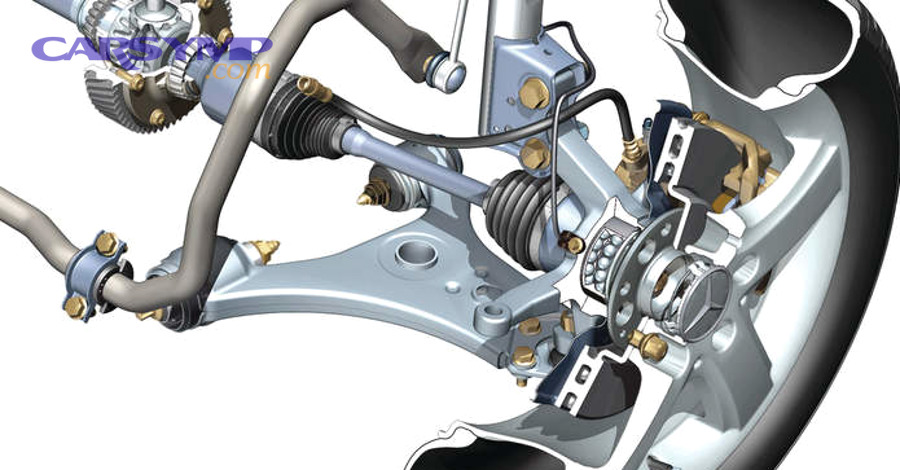
Understanding the acoustic and behavioral differences between these noise sources prevents the costly mistake of replacing bearings when tires need attention or vice versa. Both noises increase with vehicle speed, both emanate from the wheel area, and both can sound concerningly loud at highway speeds, creating legitimate confusion for vehicle owners attempting diagnosis. The key lies in examining the subtle characteristics that distinguish one from the other through systematic observation and testing.
What Does Tire Noise Sound Like Compared to Bearing Noise?
Tire noise produces a rhythmic whap-whap-whap or whooshing sound from tire pressure issues, tread irregularities, or belt separations, while bearing noise creates a continuous whuh-whuh-whuh growling or humming that maintains steady frequency proportional to wheel rotation without the discrete rhythmic interruptions characteristic of tire noise.
The acoustic signature differences become apparent when you listen carefully to the noise pattern. Tire noise caused by low pressure creates a pronounced whapping sound with each tire rotation, as the deflated section of the tire slaps against the road surface. This whapping occurs at a frequency matching the tire’s rotation rate but sounds distinctly different from bearing growl—more like a rubber slapping sound than metallic grinding. Severely underinflated tires create a pronounced flapping that you can often feel through the steering wheel and floor, increasing urgently in volume as pressure drops dangerously low.
Tire noise from tread cupping or irregular wear manifests as a droning or humming sound similar to bearing noise but with important distinctions. The hum from cupped tires tends to occur in a narrower frequency range, sounding like a constant drone rather than the variable-pitch growl of bearings. You might describe cupping noise as “a loud humming” or “road roar” rather than “grinding” or “growling.” This noise shows particular sensitivity to road surface texture—it may become dramatically louder on certain road surfaces with specific textures that resonate with the cup pattern, then quiet significantly on smoother pavement.
Belt separation or shifted tire belts create more alarming symptoms including pronounced vibration and a thumping sound that occurs once per tire revolution. The frequency is lower than bearing noise because it corresponds to the tire’s complete rotation rather than the bearing’s internal component rotation. Severe belt separation may cause visible tire bulging or wobbling that you can observe when watching the tire from outside the vehicle while someone else drives slowly.
Bearing noise maintains remarkable consistency in its growling character across different road surfaces. Whether you’re on smooth asphalt, coarse concrete, or chip-sealed pavement, the bearing growl continues at the same pitch and volume because the road surface doesn’t affect internal bearing component interaction. This consistency distinguishes it from tire noise, which varies noticeably based on what the tire contacts. Testing on different road surfaces provides valuable diagnostic information—if the noise character changes substantially when moving from one surface type to another, suspect tires rather than bearings.
Does Tire Noise Change When You Turn the Steering Wheel?
No, tire noise typically remains consistent during gentle steering inputs and straight-line driving, while wheel bearing noise characteristically changes pitch or volume when you turn the steering wheel due to load transfer effects, providing a clear diagnostic distinction between these two noise sources.
This behavioral difference stems from the mechanical reality of how these components function under different loading conditions. When you turn the steering wheel, the vehicle’s weight shifts laterally, loading one side while unloading the other, directly affecting wheel bearing stress and internal clearances. Damaged bearings respond to this load change by altering their acoustic output—becoming quieter under compression as worn components seat more tightly, or louder when unloaded as internal play increases. Tires, conversely, maintain relatively consistent noise output during normal-speed gentle turns because the tire’s relationship with the road surface doesn’t fundamentally change enough to alter noise characteristics.
The exception occurs during sharp low-speed turns where tires may squeal from sidewall flexing or tread scrubbing, particularly with high-performance tires or in tight parking lot maneuvers. This tire squeal differs obviously from either tire hum or bearing growl, producing a high-pitched screech clearly associated with cornering forces rather than straight-line driving noise. Some vehicles also produce tire rubbing sounds at full steering lock when oversized tires contact wheel wells or suspension components—this presents as a scraping or rubbing distinct from internal bearing sounds.
Testing tire noise response requires the same swerving maneuver used in bearing diagnosis but with attention to different characteristics. Drive at moderate speed where the noise is clearly audible, then gently swerve left and right while listening carefully. Tire-generated hum should continue at approximately the same volume and pitch regardless of steering input. If the noise instead varies noticeably—getting louder during right turns or changing pitch during left turns—you’re hearing bearing noise rather than tire noise, as the load transfer affects bearing behavior but not tire acoustic output.
Combining this steering response test with road surface variation testing creates a two-dimensional diagnostic matrix. Noise that remains consistent during steering inputs AND varies with road surface texture indicates tire problems. Noise that changes during steering inputs AND remains consistent across road surfaces indicates bearing problems. Noise that responds to both factors suggests multiple issues requiring comprehensive inspection.
When Should You Take Action on Wheel Bearing Noise?
You should take immediate action when wheel bearing noise appears or worsens because bearing failure progresses through predictable stages from minor humming to catastrophic wheel seizure, with early intervention preventing more extensive damage to CV joints, brakes, and suspension components while eliminating the significant safety risk of complete wheel detachment during vehicle operation.
The urgency of wheel bearing replacement depends on failure stage, with early detection allowing scheduled repair at your convenience while advanced failure requires urgent attention within days or even immediate service if symptoms include severe vibration, wheel wobbling, or loud grinding. Understanding the progression timeline helps you make informed decisions about repair timing, though the universal recommendation remains: don’t delay bearing replacement once you’ve confirmed the diagnosis.
Is It Safe to Drive with a Bad Wheel Bearing?
No, it is not safe to drive with a bad wheel bearing except for minimal distances at reduced speeds to reach a repair facility, as continued operation risks wheel seizure causing sudden loss of control, complete wheel detachment, brake system damage from hub wobbling, or CV joint failure from abnormal angles imposed by bearing looseness.
The safety risks escalate as bearing condition deteriorates. Early-stage bearing failure with barely audible humming at highway speeds poses relatively low immediate danger, though continued driving accelerates wear and expands damage to adjacent components. At this stage, you can typically drive the vehicle normally while scheduling repair within a week or two. The bearing continues supporting vehicle weight adequately and the wheel tracks properly despite generating noise from internal wear. However, this grace period should not be extended indefinitely—each additional mile of operation worsens the condition and increases eventual repair costs.
Mid-stage bearing failure characterized by loud growling, noticeable vibration through the steering wheel or seat, and noise clearly audible at all speeds above 30 mph represents increased risk requiring prompt attention within a few days. At this stage, the bearing retains some structural integrity but substantial internal damage has occurred. The worn bearing may allow slight wheel wobbling that accelerates tire wear and stresses suspension components. Continuing to drive becomes a calculated risk—the bearing will likely support the vehicle for additional miles but the possibility of rapid failure progression increases daily.
Advanced bearing failure creating loud grinding, severe vibration, visible wheel wobble, or excessive play detected during physical inspection demands immediate cessation of normal driving. The bearing has reached a critical state where catastrophic failure could occur without warning. If you’re already driving when these symptoms develop, reduce speed, avoid hard braking or sharp turns, and proceed directly to the nearest safe location or repair facility at reduced speed with hazard lights active. Do not attempt highway driving or extended trips with severely failed bearings—the risks far outweigh any convenience of delayed repair.
The most dangerous failure mode involves the bearing completely seizing or disintegrating, which causes the wheel to suddenly lock up or separate from the hub. This catastrophic failure typically occurs after extended driving on severely damaged bearings, though it can happen unpredictably once damage reaches critical levels. Modern vehicles with integrated hub assemblies contain the bearing within a sealed unit, providing some protection against complete wheel detachment, though seizure remains possible. Older vehicles with serviceable bearings face higher detachment risk if the bearing cage breaks apart, potentially allowing the wheel to separate from the axle entirely.
What Are the Progressive Stages of Wheel Bearing Failure?
Wheel bearing failure progresses through four identifiable stages: Stage 1 features faint humming at highway speeds above 50 mph; Stage 2 develops noticeable growling at all speeds above 30 mph with mild steering vibration; Stage 3 creates loud grinding, pronounced wheel wobble, and excessive measurable play; Stage 4 represents critical failure with continuous grinding, severe vibration, and imminent seizure risk.
Understanding these stages helps you assess current bearing condition and predict how quickly repair becomes necessary. Bearing wear doesn’t occur linearly—the final stages accelerate dramatically compared to early deterioration, making condition monitoring important once symptoms begin.
Stage 1 – Early Wear (0-20% life remaining): The bearing produces barely audible humming or droning at highway speeds, typically noticeable only on smooth roads with windows up and radio off. The noise may come and go, sometimes disappearing for days before returning. At this stage, the bearing retains most of its load-carrying capacity and the wheel tracks normally. Microscopic pitting has begun on the races or steel balls, creating the acoustic signature without yet compromising structural integrity. You can continue normal driving while scheduling replacement within several weeks, though monitoring for progression is advisable. This stage may persist for thousands of miles in some cases, while in others it advances rapidly depending on driving conditions, load, and contamination factors.
Stage 2 – Moderate Wear (20-50% life remaining): Growling becomes clearly audible at speeds above 30-40 mph, remaining constant on all road surfaces and during all driving conditions. The noise may respond noticeably to the swerving test, getting louder when turning away from the damaged bearing as weight transfer affects internal bearing dynamics. Light vibration may appear through the steering wheel or floorboard, particularly at highway speeds. The bearing still supports the vehicle adequately but wear has progressed significantly, with visible pitting or spalling on internal surfaces if you could inspect them. Repair should occur within a week or two, as the condition will continue worsening with each trip. This stage typically lasts hundreds rather than thousands of miles before progressing to Stage 3.
Stage 3 – Severe Wear (50-80% life remaining): The bearing creates loud grinding audible over road noise, radio, and conversation, occurring at all speeds above 20 mph. Vibration becomes pronounced through the steering wheel and seat, particularly noticeable at highway speeds. Physical inspection reveals measurable play—you can rock the wheel detectably by hand during the 12-6 o’clock test. The spin test shows obvious roughness and resistance. The bearing continues supporting vehicle weight but allows slight wheel wobbling that accelerates tire wear and may affect brake performance as the rotor wobbles slightly relative to the caliper. Repair needs to happen within days—continuing normal driving risks rapid progression to Stage 4. This stage may last only dozens of miles under heavy use or highway speeds before critical failure occurs.
Stage 4 – Critical Failure (80-100% life remaining): The bearing produces continuous loud grinding regardless of speed, even at parking lot velocities. Severe vibration occurs constantly when moving. The wheel visibly wobbles when viewed from outside the vehicle. Excessive play allows the wheel to rock dramatically during physical testing. At this stage, catastrophic failure—seizure or disintegration—could occur at any moment without warning. The bearing can no longer properly support vehicle weight or maintain correct wheel alignment. Driving should cease immediately except to reach the nearest safe location or repair facility at minimal speed. This final stage may last only a few miles before complete failure.
The timeline from Stage 1 to Stage 4 varies dramatically based on multiple factors. Conservative highway driving on well-maintained roads might allow a bearing to persist in Stage 1 for 5,000-10,000 miles, while aggressive driving with heavy loads, frequent pothole impacts, or water contamination might accelerate through all stages in just hundreds of miles. Once symptoms appear, monitoring their progression provides the best guide for repair timing—any noticeable worsening in noise volume, vibration intensity, or symptom frequency indicates accelerating failure requiring prompt attention.
What Other Automotive Noises Are Commonly Confused with Wheel Bearing Failure?
Several automotive components produce noises frequently confused with wheel bearing failure, including CV joints creating popping clicks, transmission output shaft bearings causing drivetrain growl, suspension bushings and strut mounts generating squeaks and clunks, and irregularly worn tires producing humming that mimics bearing growl. Accurately differentiating these sources requires systematic testing examining when noises occur, how they respond to speed and steering inputs, and their acoustic characteristics.
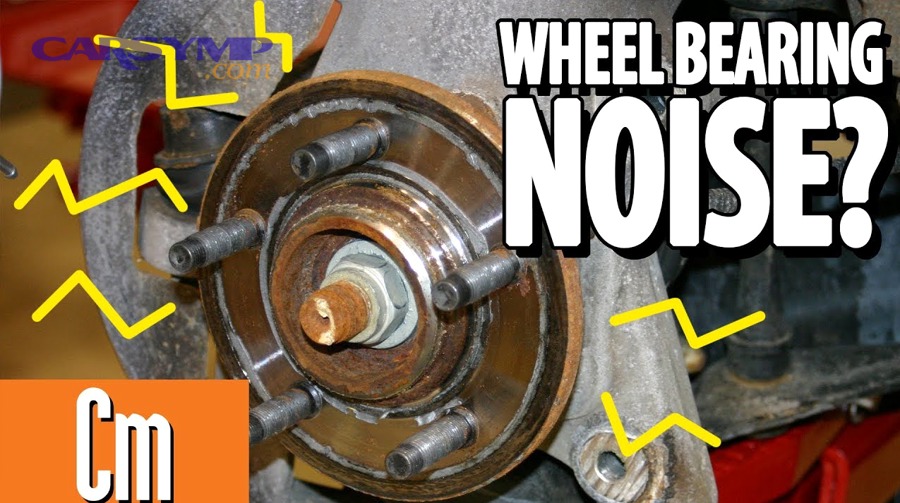
The confusion between bearing noise and other automotive sounds stems from similar frequency ranges and shared transmission paths through the chassis. Many mechanical noises travel through metal components and body structure before reaching your ears, making source identification challenging without methodical diagnosis. Additionally, multiple issues can coexist—you might have both a failing wheel bearing AND a damaged CV joint, requiring comprehensive assessment rather than assuming a single cause.
How Do CV Joint Sounds Differ from Wheel Bearing Noise?
CV joint sounds differ from wheel bearing noise through their discrete clicking or popping character versus bearing’s continuous growling, CV noise occurring exclusively during turns when the joint articulates versus bearing noise present during straight-line driving, and CV clicks corresponding to shaft rotation rather than vehicle speed.
The constant velocity joint connects the transmission to the drive wheels in front-wheel-drive and all-wheel-drive vehicles, allowing power transmission while accommodating suspension travel and steering angle changes. When CV joints wear or lose lubrication due to torn protective boots, they produce distinctive clicking noises as the internal components (balls, cage, and races) fail to maintain smooth engagement during articulation. The clicks occur rhythmically, corresponding to driveshaft rotation, and become more pronounced as steering angle increases because greater articulation forces the worn components into more extreme positions.
Performing a simple parking lot test definitively identifies CV joint noise. Drive slowly in tight circles—both left and right—while listening carefully. Bad outer CV joints produce pronounced clicking that increases in frequency and volume as you tighten the turn radius. The clicking sounds like: “click-click-click-click” with a discrete percussive quality distinct from any growling or humming. This noise occurs identically whether accelerating or coasting, as the clicking stems from geometric issues within the joint rather than torque loading. If you hear these clicks during tight turns but no noise during straight-line driving, you’ve identified CV joint failure rather than bearing problems.
CV boot condition provides visual confirmation of potential joint problems. The rubber boots protecting CV joints from contamination tear commonly from age, road debris impact, or improper installation during previous repairs. Inspecting these boots requires looking inside the wheel area or underneath the vehicle while it’s raised. A torn CV boot shows grease spray patterns around the wheel well and suspension components, with the damaged boot appearing cracked, split, or completely missing sections. Finding a torn boot doesn’t guarantee the joint has failed—early detection allows boot replacement before joint damage occurs—but it strongly suggests joint problems exist or will develop soon.
Some vehicles may exhibit both bearing noise and CV joint clicks simultaneously, as bearing failure can create abnormal alignment angles that accelerate CV joint wear. If you hear continuous growling during straight driving AND clicking during turns, you likely face both issues requiring separate repairs. The comprehensive diagnostic approach examining all symptoms prevents addressing only one problem while overlooking the second.
Can Transmission or Differential Bearings Cause Similar Noise?
Yes, transmission output shaft bearings and differential bearings can produce growling or humming similar to wheel bearing noise, but these drivetrain noises typically demonstrate correlation with gear selection rather than vehicle speed, occur constantly regardless of steering inputs, and often appear as three-times wheel speed frequency indicating rotational differences within the drivetrain.
Distinguishing between wheel bearings and drivetrain bearings requires understanding how each relates to vehicle operation. Wheel bearings rotate at wheel speed—their frequency directly matches tire rotation—while transmission and differential bearings rotate at different speeds based on gear ratios. A transmission output shaft bearing noise might be most noticeable in certain gears where the shaft speed creates resonance with other drivetrain components. Differential bearing noise often maintains relatively constant frequency across different vehicle speeds if it’s related to the pinion bearing, as the pinion rotates at engine/transmission speed rather than wheel speed.
Testing involves driving at constant speed in different gears when possible. If the noise character changes significantly when you shift gears while maintaining the same vehicle speed—for example, comparing noise at 40 mph in third gear versus 40 mph in fourth gear—you’ve identified drivetrain bearing problems rather than wheel bearings. Wheel bearing noise would remain identical at the same vehicle speed regardless of transmission gear, while drivetrain bearing noise changes with the different shaft speeds occurring in different gear ratios.
The grounding effect complicates drivetrain bearing diagnosis because these noises transmit through engine mounts and transmission mounts before radiating into the passenger compartment. Drivetrain noise might seem to originate from a specific corner of the vehicle when it actually comes from the center of the car. Professional diagnosis sometimes requires chassis ears or acoustic equipment to pinpoint the true source. For DIY diagnosis, focusing on the gear correlation test provides the most reliable distinction—noise that behaves differently in different gears at the same vehicle speed indicates drivetrain rather than wheel bearing issues.
What Do Suspension Component Failures Sound Like?
Suspension component failures produce various noises including squeaking from dry bushings, clunking from worn ball joints or tie rod ends, creaking from deteriorated strut mounts, and groaning from failing control arm bushings, all differing from bearing growl through their occurrence over bumps and during suspension articulation rather than continuously during smooth driving.
The suspension system contains numerous components with bearings, bushings, and articulating joints that can generate noise when they wear. Understanding suspension noise patterns helps differentiate them from wheel bearing sounds. Suspension noises typically occur when the suspension compresses or extends—going over bumps, dips, or speed bumps—rather than continuously during smooth highway driving where wheel bearing noise is most apparent. If your noise appears only when traversing irregular pavement but disappears completely on smooth roads, suspect suspension components rather than wheel bearings.
Strut mount bearings deserve particular attention as they’re frequently confused with wheel bearing failure. The strut mount contains a bearing allowing the strut to rotate with steering inputs. When this bearing wears, it produces creaking or clunking noises during turning, particularly noticeable when turning the steering wheel while stationary or moving slowly in parking lots. Unlike wheel bearing growl, strut mount noise has a clicking or creaking quality and occurs specifically during steering wheel rotation rather than continuously during driving. Testing by turning the steering wheel lock-to-lock while stationary reveals strut mount issues through clunking sounds synchronous with steering input.
Ball joints and tie rod ends create knocking or clunking sounds when their internal clearances increase from wear. These noises occur when suspension geometry changes—hitting bumps, cornering, or during acceleration and braking when weight transfer loads different suspension components. The clunking has a definite metallic impact quality, sounding like two metal pieces striking together, distinctly different from the continuous growling or humming of bearing failure. Physical inspection can confirm ball joint and tie rod wear by attempting to move the components by hand—properly functioning joints have no perceptible play, while worn ones allow movement you can see and feel.
Control arm bushings produce groaning, squeaking, or creaking sounds as the rubber deteriorates and allows metal-to-metal contact. These noises often vary with temperature—worse when cold, improving as the vehicle warms and rubber becomes more pliable. Bushing noise typically accompanies visible cracks or deterioration in the rubber components when inspected visually. Lubrication with penetrating oil may temporarily quiet bushing squeaks, while wheel bearing noise never responds to lubrication because the sealed bearing contains its own grease inaccessible from outside.
How Can Uneven Tire Wear Create Bearing-Like Sounds?
Uneven tire wear from cupping, scalloping, or belt shift creates rhythmic humming or droning noise that mimics wheel bearing growl, but tire noise demonstrates greater sensitivity to road surface texture changes, often improves or worsens dramatically on different pavement types, and moves with the tire when you rotate tires front-to-rear or side-to-side.
Tire cupping creates one of the most bearing-like sounds in automotive diagnosis. Cupping appears as wavelike high and low spots around the tire’s circumference, resulting from suspension bounce, imbalance, or misalignment causing the tire to hop slightly with each rotation. The cupped sections create a rhythmic contact pattern with the road surface producing a humming or droning noise that increases with speed similarly to bearing growl. However, cupping noise typically sounds more like a drone or roar than the metallic grinding quality of bearing noise, and it shows dramatic variation based on road surface texture.
Testing for tire-generated noise involves the tire rotation test: if noise moves from rear to front or left to right when you rotate tires, you’ve definitively identified tire problems rather than bearings. This test requires marking tire positions, rotating them to new locations, then test driving to determine if the noise moved with the tires. Bearing noise, anchored to a specific wheel hub location, cannot move when you rotate tires—it always emanates from the same corner of the vehicle regardless of which tire mounts there.
Belt separation or shifted belts within the tire structure create more severe symptoms including pronounced vibration and thumping occurring once per tire revolution. The frequency is lower than typical bearing noise because the entire tire circumference rotates once per revolution, while bearing components rotate multiple times. Belt separation may be visible as a bulge or high spot on the tire when you observe it spinning slowly. This condition creates dangerous handling characteristics and requires immediate tire replacement before catastrophic failure occurs.
Road force imbalance, where the tire isn’t perfectly round or has stiffness variations around its circumference, generates subtle humming that varies with speed similarly to bearing noise. Professional tire shops can measure road force with specialized equipment and correct it through precision mounting or tire replacement. DIY diagnosis can’t measure road force directly, but the tire rotation test remains effective—if noise moves with tire rotation, the tire causes it regardless of the specific mechanism.
Alignment-induced uneven wear creates consistent droning from one edge of the tire wearing faster than the other. This wear pattern produces a continuous humming that may sound bearing-like but typically appears as road roar or tire noise rather than the grinding quality of bearing failure. Checking tread depth across the tire width reveals alignment wear—significantly different depths between inside and outside edges indicate alignment issues causing the noise.
What Advanced Diagnostic Tools Help Confirm Wheel Bearing Problems?
Advanced diagnostic tools including dial indicators measuring bearing play to 0.001-inch precision, wireless chassis ear systems pinpointing noise location through hub-mounted microphones, and thermal imaging cameras detecting heat signatures from failing bearings provide professional-level diagnosis confirming wheel bearing problems beyond basic hand-testing methods. These tools eliminate diagnostic uncertainty, particularly when multiple potential noise sources exist or symptoms remain ambiguous after standard testing.
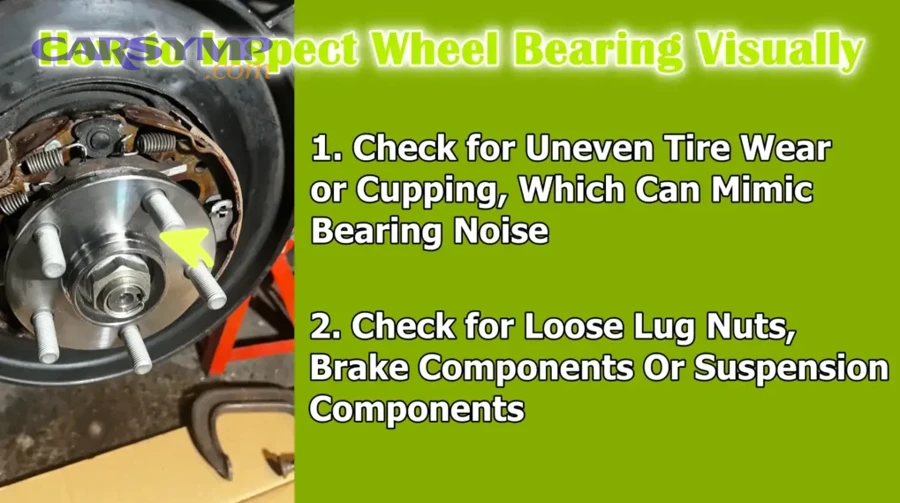
While the seven basic diagnostic tests described earlier suffice for most bearing diagnosis, advanced tools provide definitive confirmation valuable for borderline cases, when repairing costly vehicles where guesswork risks expensive mistakes, or when multiple components show wear making it unclear which to replace first. Understanding these tools and their applications helps you communicate with professional mechanics and evaluate whether shop diagnostic fees provide value for your specific situation.
How Does a Dial Indicator Measure Bearing Play Accurately?
A dial indicator measures wheel bearing play by mounting against the hub or rotor surface with a spring-loaded plunger, displaying axle movement in thousandths of an inch as you rock the wheel in and out, with readings exceeding 0.005 inches indicating bearing wear requiring replacement in most sealed bearing applications.
Proper dial indicator use requires precise mounting and technique for accurate measurement. The indicator’s magnetic base attaches to a stationary component near the hub—the steering knuckle, brake caliper bracket, or control arm—positioning the plunger tip against the hub mounting surface or rotor. With the wheel safely raised and supported, you grasp the tire at 12 and 6 o’clock positions and push-pull firmly while observing the dial indicator needle deflection. The measurement displayed represents actual bearing play converted to linear measurement at the plunger contact point.
Interpreting dial indicator readings requires understanding manufacturer specifications that vary by vehicle and bearing type. As a general rule for modern sealed hub assemblies, any measurable play exceeding 0.005 inches (five thousandths) indicates bearing replacement is necessary. Some specifications are even tighter—premium vehicles or performance applications may specify maximum play of 0.002-0.003 inches. Serviceable bearings on older vehicles typically allow slightly more play when properly adjusted, with specifications ranging from 0.005-0.010 inches depending on the application. Always reference the specific vehicle’s service manual for accurate acceptance limits.
Distinguishing bearing play from other movement sources during dial indicator measurement requires technique. Hub runout—imperfections in the hub or rotor surface—can cause false readings if you’re measuring against an irregular surface. To eliminate runout interference, rotate the wheel while watching the dial indicator; repeatable deflection occurring in the same rotational position indicates runout rather than bearing play, while random deflection unrelated to rotation position confirms actual bearing looseness. Professional technicians often measure at multiple points around the hub circumference, comparing readings to differentiate play from runout.
Temperature affects measurement accuracy because bearing clearances change with thermal expansion. Bearings measured when cold show different play than when hot from highway driving. For consistent results, manufacturers typically specify measuring bearings at room temperature after the vehicle has been stationary long enough for components to cool. Taking measurements immediately after driving may show tighter clearances than actual room-temperature play, potentially masking marginal bearing wear.
Can Acoustic Stethoscopes Pinpoint Bearing Noise Location?
Yes, automotive acoustic stethoscopes and chassis ear systems accurately pinpoint bearing noise location by placing microphones or sensors directly on wheel hubs, suspension components, or bearing assemblies during test drives, eliminating the acoustic confusion from noise traveling through chassis structure and clearly identifying which specific bearing has failed.
Automotive stethoscopes range from simple mechanical designs costing twenty dollars to sophisticated wireless electronic systems costing several hundred or thousand dollars. The basic mechanical stethoscope consists of a metal probe connected via a tube to listening earpieces, functioning like a medical stethoscope but designed for automotive use. You place the probe tip against the bearing housing, hub, or steering knuckle while the vehicle sits stationary with the wheel spinning (jacked up safely), listening through the earpieces for internal bearing sounds amplified by direct mechanical contact.
Wireless chassis ear systems represent the professional standard for ambiguous noise diagnosis. These systems include four to six wireless microphone units with magnetic bases that attach to suspension components near each wheel bearing, a wireless receiver/control unit, and headphones for the technician. Before the test drive, you attach microphones to the steering knuckles or hub areas of each wheel, then drive the vehicle normally while listening through headphones. The system allows you to mute and unmute individual microphones during driving, directly comparing sound from each corner to identify which produces the bearing growl. When you unmute the left front microphone and hear loud grinding that disappears when you mute it, you’ve definitively identified left front bearing failure.
The advantage of acoustic tools over hand-testing becomes apparent in difficult diagnostic scenarios. When a bearing creates noise but hasn’t yet developed measurable play, the acoustic test detects the problem before physical testing reveals anything. When noise seems to come from multiple locations due to the grounding effect, chassis ears pinpoint the true source by direct comparison. When multiple components show wear and you need to prioritize repairs, acoustic testing identifies which component creates the most noise and likely needs immediate attention.
Limitations exist even with advanced acoustic tools. Extreme environmental noise during test drives can interfere with listening, making highway testing challenging despite the fact that bearing noise often peaks at highway speeds. Electronic interference from vehicle systems occasionally affects wireless chassis ear transmissions, though modern systems minimize this through frequency selection and digital transmission. The cost of professional wireless systems may exceed justification for one-time DIY diagnosis, though many tool rental services and automotive tool libraries now stock chassis ears for consumer use.
What Role Does Thermal Imaging Play in Bearing Diagnosis?
Thermal imaging detects failing wheel bearings through their elevated temperature signatures compared to properly functioning bearings, as increased friction from internal wear generates excess heat visible through infrared cameras, with temperature differentials exceeding 20-30°F between left and right bearings indicating significant wear in the hotter unit.
Failing wheel bearings generate heat through increased friction between worn components. As bearing surfaces roughen and grease degrades, the energy normally lost to minimal friction converts instead into thermal energy heating the bearing housing. This temperature increase becomes measurable through thermal imaging before the bearing develops noise or vibration in some cases, allowing very early detection. More commonly, thermal imaging confirms suspected bearing failure when acoustic symptoms exist but physical play hasn’t yet developed.
Conducting thermal imaging diagnosis requires driving the vehicle for 15-30 minutes at varied speeds to bring all bearings to operating temperature, then using an infrared thermometer or thermal camera to measure temperature at each hub shortly after stopping. The key metric is comparative temperature—comparing left to right and front to rear—rather than absolute temperature values that vary based on ambient conditions, driving speed, and braking use. A properly functioning bearing might reach 120-150°F during normal operation, while a failing bearing under identical conditions might show 180-200°F or higher.
Temperature differentials provide diagnostic clarity. If both front bearings measure 140°F while one rear bearing measures 175°F and the other rear measures 145°F, the 175°F bearing shows probable failure. The 30°F differential indicates that bearing experiences significantly more friction than its counterpart, strongly suggesting internal wear. Smaller differentials of 10-15°F may simply reflect normal manufacturing tolerance variations or different load distributions, while differentials exceeding 25-30°F usually indicate genuine problems.
Limitations of thermal diagnosis include the influence of brake heat contaminating bearing temperature readings. Because brake components mount immediately adjacent to wheel bearings, recent brake use elevates hub temperatures unrelated to bearing condition. To minimize this interference, avoid heavy braking during the temperature test drive and allow a few minutes of light driving after any brake application before taking measurements. Additionally, differential readings may prove less reliable immediately after uneven brake use—if you recently descended a hill using brakes heavily, the downhill-side wheels may show elevated temperatures from brake heat rather than bearing problems.
The accessibility of infrared thermometers has made thermal diagnosis practical for DIY mechanics. Basic infrared thermometers cost thirty to sixty dollars and provide adequate accuracy for comparative bearing temperature measurement. Simply point the thermometer at each hub center and record the temperature, ensuring you measure all hubs from similar positions for valid comparison. More expensive thermal imaging cameras create visual heat maps showing temperature distribution across the entire hub area, making hot spots immediately obvious, though the added information rarely justifies the significantly higher cost for bearing diagnosis specifically.
How Does Wheel Bearing Design Affect Noise and Failure Patterns?
Wheel bearing design significantly impacts noise characteristics and failure patterns, with modern sealed hub assemblies exhibiting zero acceptable play and requiring complete unit replacement when worn, while older serviceable bearings allow gradual adjustment and repacking but demonstrate faster failure progression once seal integrity compromises, and design differences between front-wheel-drive and rear-wheel-drive applications creating distinct load patterns affecting wear location and symptom development.
Understanding bearing design helps predict how failures manifest and what repair approaches apply to your specific vehicle. The evolution from serviceable tapered roller bearings to integrated sealed hub assemblies changed maintenance requirements, failure modes, and diagnostic expectations. Additionally, drivetrain configuration influences bearing stress patterns, with front-wheel-drive bearings experiencing combined loads from weight support, steering inputs, and power transmission, while rear-wheel-drive front bearings handle only weight and steering without power transmission torque.
What’s the Difference Between Sealed Hub Assemblies and Serviceable Bearings?
Sealed hub assemblies integrate the bearing, hub, and often ABS sensor into a complete replacement unit requiring no maintenance and showing zero acceptable play when functioning, while serviceable bearings consist of separate inner and outer races with replaceable bearing sets allowing periodic repacking and adjustment but requiring proper torque specifications to maintain correct preload.
Modern vehicles predominantly use sealed hub assemblies offering several advantages over traditional serviceable designs. The sealed unit contains precisely manufactured bearings pre-packed with specialized grease and completely sealed from contamination, eliminating maintenance requirements throughout the bearing’s service life. These units bolt to the steering knuckle and accept the axle through the center, allowing replacement as a complete assembly without bearing packing, race installation, or adjustment procedures. When a sealed hub assembly fails, you replace the entire unit—no repair or adjustment options exist—but the replacement process typically requires less specialized knowledge and tools compared to servicing traditional bearings.
Serviceable wheel bearings, common on vehicles manufactured before the mid-1990s and still used on some trucks and heavy vehicles, consist of inner and outer tapered roller bearings pressed onto separate races. The inner race press-fits onto the axle or spindle, while the outer race press-fits into the hub. During assembly, you pack the bearing cones with high-temperature wheel bearing grease, install them between the races, then adjust the axle nut to achieve proper bearing preload—tight enough to eliminate play but loose enough to allow free rotation. This design requires periodic maintenance including cleaning, inspection, and repacking with fresh grease, typically every 30,000-50,000 miles or when rotating tires.
The maintenance advantage of serviceable bearings allows addressing minor wear before complete failure occurs. If a bearing develops slight roughness but hasn’t suffered race damage, cleaning and repacking may restore smooth operation and extend service life significantly. However, this design’s exposure to contamination during service creates failure risks—improper sealing during reassembly allows water and dirt infiltration that rapidly destroys bearing surfaces. The adjustment requirement also introduces failure modes; insufficient preload allows excessive play and accelerated wear, while excessive preload creates friction and heat shortening bearing life.
Failure patterns differ between designs due to their structural characteristics. Sealed assemblies typically run quietly until significant wear develops, then deteriorate relatively quickly because no maintenance opportunity exists to slow progression. Once growling appears, the sealed bearing will continue worsening until replacement becomes necessary—the timeline from first symptoms to failure might span 5,000-20,000 miles depending on driving conditions. Serviceable bearings may provide earlier warning through gradually increasing play detectable during routine service, allowing intervention before noise develops, though contamination-related failures can progress rapidly if water enters the bearing.
Cost considerations favor serviceable bearings in raw parts cost—a bearing set typically costs $30-60 versus $100-300 for sealed hub assemblies—but labor differences often equalize total expense. Replacing a sealed assembly requires less time and expertise than properly servicing traditional bearings, offsetting the higher parts cost. The DIY mechanic with appropriate tools and knowledge can service traditional bearings at minimal cost, while sealed assemblies offer simpler replacement requiring only basic hand tools for most applications.
How Does Bearing Pre-Load Impact Noise Development?
Bearing preload—the axle nut torque compressing bearing components together—critically affects noise development, with insufficient preload allowing excessive internal clearance causing premature bearing roughness and noise, while excessive preload creates friction and heat accelerating wear, and manufacturer torque specifications typically ranging from 150-250 foot-pounds must be precisely followed during installation to ensure proper bearing life and quiet operation.
Understanding preload helps explain why some new bearing installations fail prematurely. The preload force compresses the bearing’s internal components—balls or rollers against races—creating the correct operating clearance for the bearing assembly. Too little preload leaves gaps allowing the rolling elements to bounce or skid rather than roll smoothly, creating impact loads that quickly damage the precision-machined surfaces. This damage manifests as pitting and spalling, generating the growling noise characteristic of bearing failure sometimes within just thousands of miles of installation.
Excessive preload creates different but equally damaging problems. Over-tightening the axle nut crushes the bearing components together with force exceeding design specifications, dramatically increasing rotational resistance and friction. This friction generates heat that degrades the bearing grease, eventually leading to lubrication failure and metal-to-metal contact. Symptoms of over-tightening may include a brake-dragging sensation, reduced fuel economy from increased rolling resistance, and premature bearing failure accompanied by heat damage visible as bluing on metal components.
Proper torque specification varies by vehicle manufacturer and bearing design. Sealed hub assemblies typically require precise torque values in the range of 150-250 foot-pounds, applied using a calibrated torque wrench and the manufacturer’s specified torque sequence. Some assemblies require multi-stage torque procedures: initial torque to a specific value, backing off the nut, then final torque to specification. Other designs incorporate torque-to-yield axle nuts requiring replacement each time they’re removed because the stretching during installation prevents reuse. Following these procedures exactly ensures correct preload throughout the bearing’s service life.
Serviceable bearing adjustment follows different principles involving rotating the wheel while tightening the nut to seat the bearings, then backing off and retightening to a specific torque, often 12-30 foot-pounds depending on application. After this initial torque, you typically back off the nut one-quarter to one-half turn, then install a new cotter pin to lock the adjustment. This procedure creates slight preload when the vehicle sits stationary, which increases to proper operating preload when driving as centrifugal forces slightly expand the bearing components. Different manufacturers use varying procedures, making reference to the specific vehicle’s service manual critical for correct adjustment.
Checking preload after installation helps verify correct assembly. For serviceable bearings, proper adjustment allows the wheel to rotate freely with minimal drag when hand-spun, while showing zero perceptible play during the 12-6 o’clock rock test. Any detectable looseness indicates insufficient preload requiring adjustment. For sealed assemblies, verifying torque wrench calibration before installation and carefully following torque specifications provides assurance of correct preload since no post-installation adjustment exists.
Why Do Front-Wheel Drive Bearings Fail Differently Than Rear-Wheel Drive?
Front-wheel-drive bearings experience combined loads from vehicle weight support, steering angle changes, and power transmission torque simultaneously, creating more complex stress patterns and typically shorter service life compared to rear-wheel-drive front bearings that handle weight and steering without drivetrain torque, while rear-wheel-drive rear bearings endure power transmission loads but avoid steering-related stresses, creating distinct failure patterns specific to each configuration.
The multi-axis loading of front-wheel-drive bearings explains their generally shorter lifespan despite improved metallurgy and sealing in modern designs. These bearings support the vehicle’s weight vertically, accommodate steering angle changes creating lateral loads, and transmit engine torque from the CV axle through the hub to the wheel. During acceleration while turning—a common maneuver in parking lots and intersections—all three load types peak simultaneously, creating maximum stress. This explains why front-wheel-drive vehicles often require front bearing replacement at 70,000-120,000 miles, while similar vintage rear-wheel-drive vehicles might not need bearing service until 150,000+ miles.
Steering-induced loads particularly stress front-wheel-drive bearings because the bearing assembly rotates with steering inputs while simultaneously transmitting power and supporting weight. Maximum load occurs during sharp turns at moderate speed with acceleration—navigating freeway entrance ramps, for example—where steering angle, lateral cornering force, weight transfer, and power transmission all combine. The bearing’s outer race experiences side loads from cornering while its inner race transmits torque from the CV axle, creating shear stresses that gradually damage the bearing surfaces in predictable patterns. Noise from front-wheel-drive bearing failure often appears first during moderate-speed turns reflecting this load pattern.
Rear-wheel-drive front bearings experience simpler loading primarily from vehicle weight and steering inputs without power transmission torque (except on four-wheel-drive vehicles). This reduced complexity typically extends service life and creates failure patterns more closely related to contamination or impact damage than operational wear. When these bearings fail prematurely, investigation often reveals water intrusion through failed seals or impact damage from pothole strikes rather than gradual wear from normal operation. The noise pattern may develop more gradually, starting as barely audible humming that persists for many thousands of miles before requiring attention.
Rear-wheel-drive rear bearings handle power transmission loads similar to front-wheel-drive front bearings but avoid steering-related stresses since the rear axle doesn’t steer (excluding rare four-wheel-steering vehicles). These bearings experience maximum stress during hard acceleration and when towing or carrying heavy loads that increase weight on the rear axle. The live rear axle design common in rear-wheel-drive vehicles often uses different bearing configurations—either serviceable tapered rollers in the axle housing or sealed units mounted in the axle tubes—each with distinct maintenance requirements and failure characteristics. Failure symptoms typically include noise during acceleration rather than cornering, reflecting the torque-dominant loading pattern.
All-wheel-drive vehicles present the most complex bearing stress patterns because all four corners experience combined loads from weight, power transmission, and (for front wheels) steering inputs. These vehicles often show the shortest bearing service life and may require bearing replacement at all four corners within similar mileage ranges, though the front bearings typically fail first due to added steering loads. Understanding your vehicle’s drivetrain configuration helps predict which bearings face greatest stress and likely require earliest attention.
Can You Prevent Wheel Bearing Noise and Failure?
Yes, you can significantly extend wheel bearing life and prevent premature failure through proper driving habits avoiding pothole impacts and curb strikes, maintaining correct wheel alignment reducing uneven bearing loads, avoiding overloading beyond vehicle capacity, promptly addressing suspension component wear that creates abnormal bearing stresses, and ensuring proper torque during any bearing installation or hub service. While eventual bearing wear remains inevitable with sufficient mileage, preventive measures often double or triple service life compared to neglectful operation.
Understanding bearing failure causes enables targeted prevention strategies. Bearing wear accelerates dramatically under specific conditions including contamination from water or dirt penetrating seals, impact loads from road hazards, misalignment creating uneven load distribution, and improper installation creating insufficient or excessive preload. Addressing these factors proactively maintains bearing integrity throughout the vehicle’s design life and often substantially beyond manufacturer expectations.
What Driving Habits Accelerate Wheel Bearing Wear?
Driving habits that accelerate wheel bearing wear include hitting potholes and road debris at speed creating impact loads exceeding bearing design limits, striking curbs during parking or turning damaging bearing races and seals, sustained high-speed driving maintaining bearings at elevated operating temperatures, overloading vehicles beyond weight capacity increasing static and dynamic bearing loads, aggressive cornering creating excessive lateral forces, and parking on steep grades with vehicle weight concentrated on one corner for extended periods.
Pothole impacts represent one of the most damaging events for wheel bearings. When a wheel drops into a pothole at speed, the bearing experiences a severe shock load potentially thousands of pounds beyond normal operating force concentrated in a fraction of a second. This impact can create immediate damage including pitting in the races, brinelling (permanent indentation), or seal displacement allowing contamination entry. A single severe pothole impact sometimes causes bearing failure within weeks or months, while multiple smaller impacts accumulate damage progressively. Avoiding potholes when possible—or reducing speed when they’re unavoidable—substantially extends bearing life.
Curb strikes during parking occur frequently and create similar damage through lateral impact loads bearings aren’t designed to withstand. Scraping a wheel against a curb while parallel parking or mounting a curb to park on grass transmits impact force directly into the bearing assembly, potentially damaging the races or displacing the seal. The resulting contamination pathway allows moisture and dirt to degrade the bearing grease, initiating progressive wear. Being mindful of curb proximity during parking maneuvers prevents this common cause of premature bearing failure.
Sustained high-speed driving, particularly in hot climates, maintains bearings at elevated operating temperatures for extended periods. While bearings are designed for this use, the heat gradually degrades the protective grease, especially if the bearing approaches its service life. Extended highway trips at 75-80+ mph in summer heat accelerate wear compared to moderate-speed urban driving. This doesn’t mean avoiding highway travel—bearings are designed for it—but combining high-speed use with other risk factors (overloading, worn suspension, aging bearings) compounds wear rates.
Vehicle overloading creates static loads exceeding bearing design specifications and amplifies dynamic loads during turns and over bumps. A bearing designed for a 3,500-pound vehicle experiences different stresses when that vehicle carries 500 extra pounds of cargo plus passengers, particularly when combined with towing. The extra weight compresses the bearing more, increases friction, and generates additional heat. Regular overloading significantly shortens bearing life, sometimes by half or more compared to operation within weight limits.
Aggressive cornering and driving habits create lateral loads stressing bearings beyond normal use. Taking corners at high speed, quick lane changes, and aggressive turning at speed all increase bearing stress. Performance driving or spirited driving on winding roads accelerates bearing wear compared to conservative driving styles, though the effect may not become apparent until higher mileage when normal wear combines with accumulated stress damage.
Parking habits may seem unlikely bearing wear factors, but parking on steep hills or crowned roads with the vehicle’s weight concentrated on one or two wheels for extended periods creates sustained bearing stress. Parking your front-wheel-drive car on a steep driveway with the right side significantly lower than the left for eight hours every night concentrates weight on the right front bearing continuously. Over years, this practice accelerates wear on the loaded bearing compared to its counterpart. While the effect is subtle compared to driving impacts, it accumulates over time, particularly for vehicles parked on grades regularly.
Does Water Contamination Affect Sealed Wheel Bearings?
Yes, water contamination significantly accelerates sealed wheel bearing failure when seals become compromised through age deterioration, impact damage, or improper installation, allowing moisture entry that emulsifies protective grease and promotes corrosion on precision bearing surfaces, with symptoms often appearing rapidly after seal breach particularly following deep water crossings, high-pressure washing near hubs, or sustained driving in wet conditions.
Sealed bearings rely entirely on their protective seals to prevent contamination throughout their service life. These seals consist of synthetic rubber or metal-reinforced rubber components creating a barrier between the bearing’s interior and the external environment. When new and intact, modern seals effectively exclude water, dirt, and road salt indefinitely. However, seals deteriorate over time from heat cycles, ozone exposure, and flexing during operation. A seal that becomes brittle with age may crack, allowing the precise contamination pathway it was designed to prevent.
Water contamination damage progresses rapidly once initiated. The water mixes with bearing grease creating an emulsion with drastically reduced lubricating properties. This degraded lubricant fails to maintain the protective film between bearing surfaces, allowing metal-to-metal contact and rapid wear. Additionally, moisture on steel bearing surfaces initiates corrosion forming rust that roughens the precision-machined surfaces. The combination of poor lubrication and corroded surfaces creates a cascade of accelerating damage—more friction generates more heat, more heat degrades remaining grease, worse lubrication allows more wear and corrosion, and the cycle continues until bearing failure occurs.
Deep water crossings pose particular risks to wheel bearings. Driving through water deep enough to reach the hub area creates pressure differentials as the hot bearing assembly contacts cold water. The temperature differential can draw water past seals through thermal contraction, particularly if the bearing is hot from recent highway driving. Additionally, water resistance against the rotating wheel can create hydraulic forces forcing water past seal lips. If you must cross deep water, proceeding slowly reduces hydraulic pressure, and inspecting bearing condition afterward—listening for noise changes during test drives—provides early warning if contamination occurred.
Pressure washing around wheel hubs similarly risks seal damage and water intrusion. High-pressure spray directed at hub areas can force water past seals not designed to withstand such pressure. When washing vehicles, keep high-pressure wands away from hub areas, or reduce pressure when cleaning wheels. The visible exterior cleanliness gain isn’t worth risking bearing contamination from overly aggressive washing.
Coastal environments and winter salt exposure create corrosive conditions that deteriorate seals and, if they fail, rapidly corrode bearing surfaces. Vehicles operated near oceans or in regions using road salt should receive periodic undercarriage washing to remove corrosive residues before they attack seals and other components. This washing should use moderate water pressure and avoid directing streams at sealed bearing areas.
Recognizing early signs of seal failure allows intervention before severe bearing damage occurs. Finding grease splattered around the wheel well or on suspension components indicates seal failure allowing grease to escape—and if grease can escape, water can enter. Similarly, during tire rotations or brake service, visually inspecting seals for cracks, tears, or displacement identifies problems before contamination causes bearing damage. Some seals can be replaced separately from the bearing if caught early, though many modern sealed assemblies require complete unit replacement once seals fail.
How Often Should Wheel Bearings Be Inspected?
Wheel bearings should receive inspection during routine brake service every 12,000-15,000 miles or annually, during tire rotations every 6,000-8,000 miles for visual seal condition checks, whenever replacing suspension components adjacent to bearings, immediately after significant impact events like pothole strikes or collisions, and when any unusual noise appears during driving, with inspection frequency increasing for high-mileage vehicles exceeding 75,000 miles where bearing wear becomes more probable.
Comprehensive bearing inspection during brake service provides ideal timing because the wheels are already removed for pad replacement or rotor service, allowing visual and tactile assessment without additional labor. The mechanic should grasp each tire at 12 and 6 o’clock positions performing the rock test for play, spin each wheel by hand listening and feeling for roughness, and visually inspect all seal conditions for damage or grease leakage. This multi-point inspection takes only minutes per wheel but identifies developing problems before they create noise or safety concerns.
Tire rotation intervals offer another convenient inspection opportunity, though the assessment typically remains limited to visual seal inspection and basic spin tests unless you specifically request more thorough bearing evaluation. Many tire shops rush through rotations focusing only on swapping tire positions, so requesting bearing inspection ensures it receives appropriate attention. The few extra minutes required for thorough bearing checks during rotation prevent overlooking problems that could progress to expensive failures before the next service.
Impact events warrant immediate inspection regardless of service intervals. After hitting a severe pothole, striking a curb, or being involved in any collision affecting the wheels or suspension, have bearings inspected within a few days. Impact damage may not create immediate symptoms, but progressive wear from damaged seals or races will accelerate bearing failure significantly. Early detection allows addressing seal damage before water contamination destroys the bearing, potentially saving the bearing through timely seal replacement.
Listening for bearing noise during every drive provides ongoing monitoring between formal inspections. Develop awareness of your vehicle’s normal sound characteristics, making new noises immediately obvious. Many drivers discover bearing problems through this ongoing attention, seeking professional inspection when unfamiliar growling appears. The earlier detection allows, the more options you have for convenient repair timing rather than emergency replacement when failure becomes severe.
High-mileage vehicles require increased inspection vigilance. Once a vehicle exceeds 75,000-100,000 miles, bearings approach or enter the typical wear-out period depending on vehicle type, usage, and maintenance history. Requesting bearing inspection at every service visit makes sense for high-mileage vehicles, as the minimal inspection time investment provides valuable reassurance or early problem detection. Vehicles with known demanding bearing applications—front-wheel-drive performance cars, heavy trucks, vehicles frequently operated in harsh conditions—benefit from more frequent inspection throughout their service life.
The relationship between bearing condition and other service needs means bearing inspection naturally accompanies brake, alignment, and suspension work. Whenever mechanics work on components adjacent to bearings, requesting bearing assessment adds minimal cost while providing valuable information about component condition. Alignment shops can assess bearing play during alignment procedures, suspension repairs necessitate bearing evaluation to ensure replacement suspension components aren’t compensating for bearing problems, and comprehensive pre-purchase inspections for used vehicles should always include thorough bearing assessment to identify potential near-term expenses.
Proactive bearing maintenance through regular inspection, combined with protective driving habits and prompt attention to developing symptoms, maximizes bearing service life while minimizing safety risks and preventing the inconvenience of unexpected roadside failures.