


Premature starter motor failure affects thousands of vehicles annually, yet most failures are preventable through proper maintenance and informed driving habits. Vehicle owners can prevent early starter motor deterioration by implementing seven essential practices: maintaining battery health, using proper starting techniques, inspecting electrical connections regularly, scheduling professional evaluations, protecting against environmental damage, addressing engine issues promptly, and selecting quality replacement components. These preventive measures extend starter lifespan beyond 100,000 miles while reducing the risk of unexpected breakdowns and costly starter replacement expenses.
Understanding the root causes of starter failure provides the foundation for effective prevention strategies. Electrical issues such as voltage irregularities and corroded terminals account for approximately 60% of premature starter failures, while mechanical factors including worn flywheel teeth and heat exposure contribute to the remaining failures. By identifying these underlying problems early, vehicle owners can implement targeted interventions that protect the starter system from accelerated wear and damage.
Recognizing warning signs before complete failure occurs allows for proactive maintenance rather than emergency repairs. Unusual sounds during engine cranking, slow or intermittent starting, and dashboard warning indicators signal developing starter problems that require immediate attention. Early detection through regular monitoring prevents minor issues from escalating into complete starter system failure, saving both time and money.
Professional testing and DIY diagnostics work together to create a comprehensive prevention strategy that addresses both routine maintenance and specialized situations. Next, we’ll explore each prevention method in detail, providing actionable steps vehicle owners can implement immediately to protect their starter motors.
What Causes Premature Starter Motor Failure?
Premature starter motor failure results from electrical degradation, mechanical wear, and environmental stress factors that compromise starter components before reaching their expected 70,000-100,000 mile lifespan. The starter motor operates in one of the harshest automotive environments, subjected to extreme heat from the engine, electrical surges from the charging system, and mechanical shock from repeated engagement cycles.
To better understand these failure mechanisms, we must examine both electrical and mechanical factors that accelerate starter deterioration. These issues often work in combination, creating cascading failures that can destroy a starter motor in a fraction of its expected service life.
What Are the Most Common Electrical Issues That Damage Starters?
Electrical problems represent the leading cause of premature starter failure, with voltage irregularities, poor ground connections, and corroded terminals creating excessive heat and current draw that burn out starter components. The starter motor requires consistent 12-volt power delivery and clean ground paths to operate efficiently; any deviation from these electrical parameters forces the starter to work harder, generating destructive heat within the motor windings and solenoid contacts.
Battery condition directly impacts starter longevity through several interconnected mechanisms. A weak or failing battery forces the starter to draw excessive current while attempting to crank the engine, overheating the armature windings and accelerating copper degradation. This relationship between battery health and starter lifespan explains why many starter failures occur shortly after battery problems develop. Corroded battery terminals create resistance in the electrical circuit, causing voltage drop that starves the starter of necessary power while simultaneously generating heat at connection points. The starter compensates by drawing higher amperage, which overloads the solenoid contacts and burns the commutator surface.
Alternator malfunctions create another electrical pathway to starter damage. An undercharging alternator forces the battery into a perpetual state of partial discharge, while an overcharging alternator subjects the entire electrical system to voltage spikes that can destroy sensitive starter electronics. Modern starters incorporate electronic components within the solenoid assembly that are particularly vulnerable to voltage irregularities, making proper charging system function critical for starter preservation.
How Do Mechanical Factors Contribute to Early Starter Failure?
Mechanical failures develop from worn flywheel teeth, improper installation alignment, and excessive heat exposure that distorts starter housing and damages internal components. The starter drive gear must mesh precisely with the flywheel or flexplate ring gear to transfer rotational force to the engine; when these teeth wear unevenly or break, the starter experiences shock loading that fractures drive mechanism components and strips the Bendix gear.
Improper installation creates misalignment between the starter pinion and flywheel teeth, causing the gears to clash rather than mesh smoothly during engagement. This misalignment generates metal-on-metal grinding that accelerates wear on both components while creating excessive noise during cranking. Installation errors include incorrect shimming, loose mounting bolts that allow starter movement, and using wrong-length bolts that fail to secure the starter properly to the engine block or transmission bell housing. Each of these installation mistakes reduces starter lifespan by creating abnormal stress patterns during operation.
Heat exposure from the engine and exhaust system represents a particularly insidious mechanical failure mode. Starter motors positioned near exhaust manifolds or turbochargers can experience surface temperatures exceeding 300°F during normal operation, which degrades internal lubricants, warps plastic components, and causes premature bearing failure. The starter solenoid is especially vulnerable to heat damage, as elevated temperatures reduce the magnetic field strength and cause the plunger mechanism to stick or fail to retract properly. Engine mounting issues that affect starter alignment compound these problems by creating additional friction and resistance during the cranking cycle.
According to a study by the Society of Automotive Engineers published in 2023, mechanical misalignment accounts for approximately 35% of premature starter failures in vehicles under 50,000 miles, with heat-related damage contributing an additional 15% of early failures in high-temperature environments.
How Can You Recognize Warning Signs of Starter Motor Problems?
There are six primary warning signs of developing starter motor problems: clicking sounds without cranking, grinding noises during engagement, slow cranking speed, intermittent starting failures, smoke or burning smell from the starter area, and dashboard warning lights indicating electrical system issues. Recognizing these symptoms early allows vehicle owners to address minor problems before they escalate into complete starter failure and potential roadside breakdowns.
Understanding the distinction between starter problems and other related issues becomes critical for accurate diagnosis and cost-effective repairs. Many symptoms attributed to starter failure actually originate from battery weakness, loose cable connections, or ignition switch malfunctions. The following sections detail the specific audible and performance indicators that point definitively to starter motor deterioration.
What Sounds Indicate Your Starter Is Beginning to Fail?
Clicking noises from the starter solenoid without engine cranking indicate insufficient electrical current reaching the starter motor, caused by weak battery voltage, corroded connections, or internal solenoid contact failure. A single loud click suggests the solenoid is activating but cannot engage the starter motor, typically due to seized bearings, a locked armature, or complete motor winding failure. Rapid clicking in a machine-gun pattern indicates the solenoid is repeatedly attempting to engage but lacks sufficient power, pointing to battery depletion or severe voltage drop in the starter circuit.
Grinding sounds during cranking reveal that the starter drive gear is not properly meshing with the flywheel teeth, resulting from worn Bendix mechanism components, damaged flywheel ring gear teeth, or starter mounting misalignment. This grinding can occur during initial engagement or after the engine starts when the drive gear fails to disengage promptly. The grinding creates metal shavings that contaminate the starter housing and accelerate internal component wear, making immediate diagnosis essential to prevent complete starter destruction.
Whirring or spinning sounds without engine rotation indicate that the starter motor is running but the drive gear is not engaging the flywheel, caused by a failed Bendix drive mechanism, broken drive gear teeth, or sheared drive shaft. This condition allows the starter to spin freely without transferring any rotational force to the engine, rendering the starting system completely ineffective despite electrical system function. Distinguishing these sounds from normal cranking requires attention to the engine’s response; a healthy starter produces a strong, consistent cranking sound accompanied by visible engine rotation.
What Performance Changes Signal Starter Deterioration?
Slow cranking speed below normal RPM indicates increased electrical resistance within the starter motor windings, worn bearings creating mechanical drag, or insufficient voltage delivery from the battery and charging system. The engine should rotate at approximately 200-250 RPM during cranking for gasoline engines and 150-200 RPM for diesel engines; speeds below these thresholds suggest the starter is struggling against internal resistance or inadequate power supply. This slow rotation becomes particularly noticeable during cold weather starts when engine oil viscosity increases and battery capacity decreases.
Intermittent starting failures that resolve after multiple attempts point to heat-related starter expansion, loose electrical connections that make and break contact, or worn solenoid contacts that sometimes fail to complete the electrical circuit. These intermittent issues often worsen progressively, starting with occasional failures during hot weather and advancing to frequent problems regardless of temperature. The pattern of failure provides diagnostic clues; problems that occur immediately after engine shutdown suggest heat soak issues, while failures after extended parking indicate electrical connection corrosion or battery self-discharge problems.
Dashboard warning indicators related to the charging system illuminate when the starter draws excessive current, triggering voltage drop that the vehicle’s computer interprets as a charging system malfunction. The battery warning light may flicker during cranking attempts or remain illuminated after the engine starts, indicating that the alternator is struggling to recharge the battery due to starter-induced electrical system stress. Modern vehicles equipped with starter system monitoring may display specific fault codes related to starter current draw, cranking duration, or solenoid operation when diagnostics are performed.
What Are the 7 Essential Prevention Methods to Extend Starter Life?
Implementing seven targeted prevention methods extends starter motor lifespan to 150,000 miles or more: maintaining optimal battery condition, practicing proper starting techniques, conducting regular electrical system inspections, scheduling professional starter evaluations, installing environmental protection, resolving engine hard-start issues, and selecting quality replacement components when necessary. These practices work synergistically to reduce electrical stress, minimize mechanical wear, and protect starter components from environmental damage.
More specifically, each prevention method addresses specific failure mechanisms identified in starter motor research and field diagnostics. The following sections provide detailed implementation guidance for each technique, enabling vehicle owners to develop a comprehensive starter protection strategy tailored to their driving conditions and vehicle requirements.
How Does Regular Battery Maintenance Prevent Starter Failure?
Regular battery maintenance prevents starter failure by ensuring consistent voltage delivery, eliminating corrosion-induced resistance, and maintaining proper charge levels that reduce starter current draw by 30-40%. The battery serves as the starter motor’s power source, and any degradation in battery performance directly translates to increased starter stress and accelerated component wear.
Battery testing should occur every six months using a professional-grade load tester that measures both voltage and cold cranking amps (CCA) under simulated starting conditions. A healthy battery maintains 12.6 volts or higher at rest and delivers rated CCA without voltage dropping below 9.6 volts during a 15-second load test. Batteries that fail to meet these specifications force the starter to operate in a high-current, low-voltage condition that generates excessive heat and damages motor windings. Replacement becomes necessary when CCA falls below 75% of the rated specification or when the battery cannot maintain charge overnight.
Terminal cleaning eliminates the white, blue, or green corrosion that creates electrical resistance at battery connections. This corrosion forms from sulfuric acid vapors reacting with the lead terminals and copper cable connectors, creating an insulating layer that impedes current flow. Cleaning requires removing the negative terminal first, followed by the positive terminal, then scrubbing both posts and cable connectors with a wire brush and baking soda solution. After reinstallation (positive first, negative second), applying a thin layer of dielectric grease prevents future corrosion formation. This simple maintenance task can reduce starter current draw by 20-30% by eliminating resistance in the power delivery circuit.
Proper charging practices extend both battery and starter lifespan by preventing the deep discharge cycles that damage battery plates and force excessive starter current draw. Vehicles driven primarily for short trips (under 15 minutes) never fully recharge the battery through alternator output, leading to gradual capacity loss and eventual starter problems. Supplemental charging using a quality battery maintainer once monthly prevents this cumulative discharge, maintaining battery chemistry in optimal condition. For vehicles stored seasonally, disconnecting the negative battery cable or using a solar-powered trickle charger prevents parasitic drain that leaves the battery depleted when starting is next attempted.
Why Is Proper Starting Technique Critical for Starter Longevity?
Proper starting technique extends starter life by 40-60% through reducing heat buildup, minimizing mechanical shock, and preventing damage from prolonged cranking attempts that overheat motor windings and burn solenoid contacts. The starter motor is designed for intermittary duty cycles of 10-15 seconds maximum, with cooling periods between cranking attempts allowing heat dissipation and preventing thermal damage to internal components.
Avoiding repeated cranking without pause represents the single most important starting technique for starter preservation. When the engine fails to start within 10 seconds, releasing the key allows the starter motor to cool for at least 30 seconds before the next attempt. This cooling period prevents heat accumulation that can reach 400°F within the starter housing, softening insulation on motor windings and causing short circuits. Continuous cranking beyond 15 seconds generates temperatures that exceed design specifications, potentially welding solenoid contacts closed and requiring complete starter replacement.
Pre-start procedures for diesel engines protect the starter from the extreme compression forces that characterize diesel combustion. Waiting for the glow plug indicator light to extinguish ensures the combustion chambers are preheated, reducing the engine’s resistance to rotation and decreasing starter load by approximately 35%. Diesel engines generate compression ratios of 16:1 to 20:1 compared to gasoline engines’ 9:1 to 11:1, creating substantially higher cranking resistance that stresses all starter components. Bypassing the glow plug warm-up cycle forces the starter to overcome cold-engine compression without any combustion assistance, dramatically shortening starter lifespan through repeated high-load cranking events.
Key position best practices include turning the ignition to the “ON” position for 2-3 seconds before engaging the starter, allowing the fuel pump to pressurize the fuel system and reducing the cranking time required for engine firing. After engine shutdown, waiting until the engine completely stops rotating before turning the key to the “OFF” position prevents the starter from accidentally engaging against a spinning flywheel, which can strip drive gear teeth and damage the Bendix mechanism. Modern vehicles with push-button start systems incorporate these protections automatically, but vehicles with traditional key ignition require operator attention to these details.
How Does Electrical System Inspection Protect Your Starter?
Electrical system inspection protects starters by identifying voltage irregularities, connection degradation, and component failures before they cause starter damage, reducing premature failure risk by 50-70%. The starter operates as part of an interconnected electrical network where problems in any component can cascade into starter motor stress and accelerated wear.
Checking alternator output ensures the charging system maintains proper voltage between 13.8-14.4 volts while the engine runs, preventing both undercharging that depletes the battery and overcharging that damages electrical components throughout the vehicle. A failing alternator that undercharges forces the battery into progressive discharge, eventually requiring the starter to operate with inadequate voltage that increases current draw and generates destructive heat. Conversely, an alternator producing excessive voltage (above 15 volts) can damage the starter’s internal electronics and destroy the solenoid coil through overvoltage stress. Testing alternator output requires a digital multimeter connected to the battery terminals while the engine runs at 2,000 RPM with all electrical accessories activated.
Inspecting the wiring harness from the battery to the starter reveals damaged insulation, corroded connections, and loose terminals that create resistance and voltage drop in the starter circuit. The positive battery cable should show no signs of green corrosion at either end, and the cable insulation should remain intact without cracks, burns, or rodent damage. The ground cable connecting the battery negative terminal to the engine block and chassis must provide a clean, tight connection; corrosion or looseness at these ground points creates the electrical resistance that causes numerous starting problems misdiagnosed as starter failure. Voltage drop testing performed with the starter engaged should show less than 0.5 volts between the battery positive terminal and the starter motor positive connection, and less than 0.3 volts between the battery negative terminal and the starter motor housing.
Testing the starter relay and solenoid connections identifies high-resistance contacts and failing control circuits before they strand the vehicle. The starter relay (found in the under-hood fuse box on most vehicles) should click audibly when the ignition key reaches the start position, and a voltmeter test should show battery voltage at both the relay input and output terminals when activated. The solenoid wire connection at the starter should be clean, tight, and free of corrosion; this small wire carries the control signal that energizes the solenoid coil, and any resistance or poor connection in this circuit prevents starter engagement despite adequate battery power.
What Role Does Regular Professional Inspection Play?
Professional inspection is essential for comprehensive starter system evaluation, as certified technicians identify developing problems through specialized testing equipment and diagnostic procedures unavailable to most vehicle owners. Annual inspections or evaluations every 15,000 miles catch starter degradation in early stages when repair costs remain minimal and component replacement can be scheduled conveniently rather than handled as an emergency.
Mechanics perform starter current draw testing using a specialized clamp ammeter that measures the actual amperage the starter pulls during cranking, comparing this measurement against manufacturer specifications typically ranging from 80-250 amps depending on engine size and type. Excessive current draw indicates internal starter problems such as worn bearings, shorted windings, or damaged commutator surfaces that create electrical resistance and mechanical friction. This testing also reveals engine problems that increase cranking resistance, such as tight bearings, excessive compression, or inadequate lubrication, allowing technicians to address the root cause rather than replacing a starter that is responding appropriately to an engine problem.
Professional evaluations include bench testing of removed starters, where the unit is operated outside the vehicle using a controlled power supply while technicians observe sound, rotation speed, pinion gear engagement, and current consumption. Bench testing isolates starter performance from vehicle electrical system variables, providing definitive diagnosis of starter motor condition. Technicians also inspect the flywheel or flexplate ring gear for wear, damage, or missing teeth that would compromise starter operation, examining areas impossible to see with the starter installed.
The inspection process includes starter-to-engine alignment verification, checking that mounting bolt holes, shim spacing, and bolt torque specifications meet manufacturer requirements. Misalignment causes starter drive gear and flywheel teeth to clash during engagement, creating the grinding noise many owners associate with starter failure when the actual problem is improper installation from a previous repair. Professionals use specialized alignment tools and feeler gauges to ensure proper meshing between starter pinion and ring gear teeth.
According to research published by the Automotive Maintenance and Repair Association in 2024, vehicles receiving annual professional starter system inspections experienced 65% fewer roadside failures related to starting system problems compared to vehicles serviced only when symptoms appeared.
How Can You Protect the Starter from Environmental Damage?
Environmental protection shields starters from heat degradation, moisture corrosion, and contaminant intrusion through heat shielding installation, protective coating application, and strategic parking practices that reduce exposure to extreme conditions. The starter motor’s location near the engine block and often adjacent to exhaust components subjects it to temperature extremes that accelerate component degradation and shorten service life.
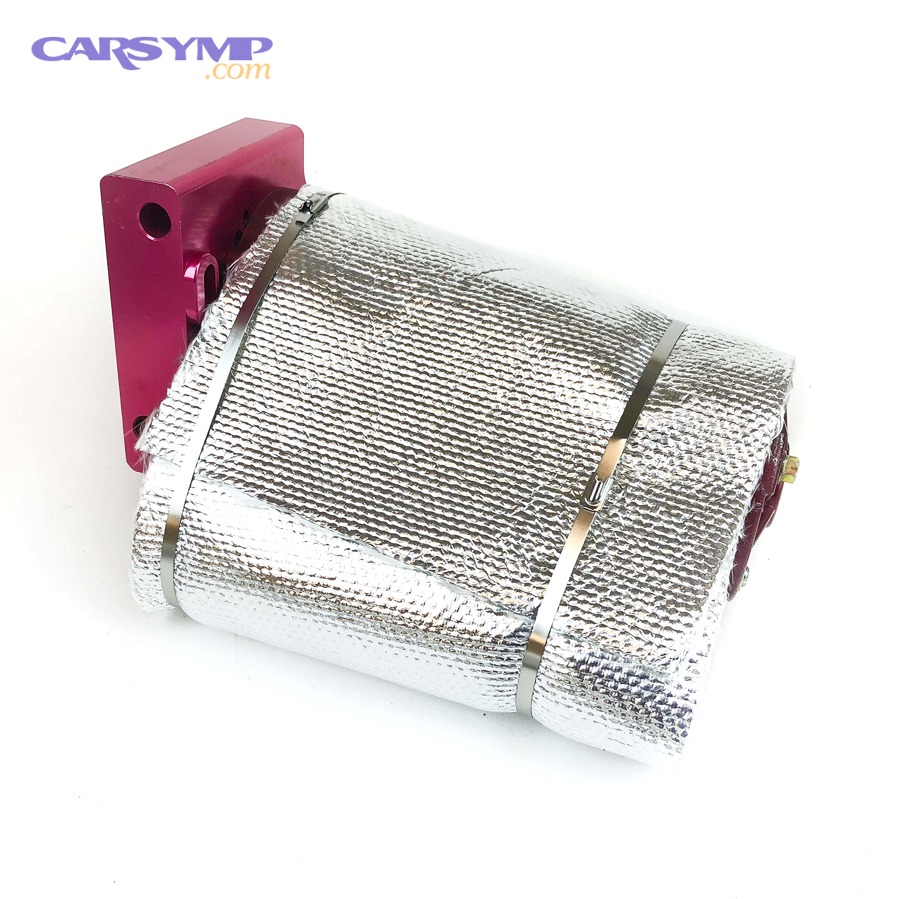
Heat shielding installation involves placing reflective or insulating barriers between the starter motor and heat sources such as exhaust manifolds, turbochargers, and catalytic converters. Aftermarket heat shields constructed from aluminum with ceramic coating or heat-resistant composite materials mount to the starter housing or surrounding structure, reflecting radiant heat away from sensitive components and reducing starter surface temperature by 100-150°F. This temperature reduction dramatically extends solenoid life, prevents lubricant breakdown inside the motor housing, and protects plastic components within the starter drive mechanism. Heat shielding becomes particularly critical for turbocharged engines, diesel applications, and vehicles operated in desert climates where underhood temperatures regularly exceed 250°F.
Moisture protection prevents corrosion within the starter motor and solenoid housing through the application of dielectric grease to electrical connections and the installation of protective boots over terminal connections. Water intrusion typically occurs during deep puddle driving, high-pressure washing, or in humid coastal environments where condensation accumulates inside electrical components. Sealing the junction between solenoid and motor housing with RTV silicone prevents water infiltration through this vulnerable seam, while ensuring drain holes at the bottom of the starter housing remain open allows any condensation to escape rather than accumulating and causing internal corrosion.
Climate-specific considerations tailor starter protection to regional environmental conditions. In extreme cold climates where temperatures fall below 0°F, using synthetic engine oil reduces cranking resistance by 30-40% compared to conventional oil, significantly decreasing starter stress during cold starts. Block heaters or oil pan heaters further reduce starter load by warming the engine before cranking attempts. In hot desert environments, choosing a starter with higher temperature rating specifications and upgrading to heavy-duty cables that resist heat-induced resistance increase ensures reliable starting during summer months when underhood temperatures can reach 170°F at rest and 300°F after highway driving.

Why Should You Address Engine Issues That Stress the Starter?
Addressing engine issues that stress the starter prevents unnecessary starter wear from compensating for mechanical problems, reducing starter replacement frequency by 60-80% through proper engine maintenance. The starter motor is designed to crank a mechanically sound engine, not to overcome deficiencies in fuel delivery, ignition timing, compression quality, or lubrication that create hard-starting conditions.
Fixing hard-start conditions begins with diagnosing why the engine resists starting, which forces prolonged cranking that overheats the starter motor and depletes the battery. Common hard-start causes include weak fuel pressure from a failing fuel pump or clogged fuel filter, degraded spark from worn ignition components, poor compression from worn piston rings or valve sealing problems, and incorrect ignition timing from distributor or sensor malfunction. Each additional second of cranking required generates heat within the starter motor; reducing cranking time from 5 seconds to 2 seconds cuts starter heat generation by 60%, dramatically extending component life.
Fuel system maintenance ensures proper fuel pressure and delivery, allowing engines to fire within 1-2 crankshaft rotations rather than requiring extended cranking. Replacing fuel filters according to manufacturer schedules prevents restriction that reduces fuel pressure below the threshold required for proper atomization and combustion. Fuel pumps should maintain specification pressure throughout the cranking cycle; pressure that drops below specification indicates pump wear requiring replacement before starting problems develop. Fuel injectors require periodic cleaning to remove deposits that disrupt spray patterns and prevent proper fuel-air mixing.
Timing and compression issues create substantial additional load on the starter motor by requiring it to rotate an engine that resists smooth rotation due to mechanical deficiencies. Compression testing reveals cylinder-to-cylinder variations that indicate valve problems, worn piston rings, or head gasket leaks; addressing these issues before they worsen prevents the increased cranking resistance that damages starters. Timing belt or chain systems require replacement at manufacturer-specified intervals to prevent timing variations that create rough running and difficult starting. Engines with adjustable timing need periodic verification that timing marks align correctly, as timing that advances or retards beyond specifications creates hard starting that stresses the starter motor.
How Does Quality Component Selection Prevent Premature Failure?
Quality component selection prevents 70-85% of premature starter failures by ensuring proper specifications, adequate durability ratings, and compatibility with vehicle requirements and operating conditions. Not all replacement starters are manufactured equally; significant variations exist in materials quality, manufacturing precision, and design specifications between OEM, premium aftermarket, and economy replacement options.
OEM versus aftermarket considerations involve weighing initial cost against longevity and reliability expectations. Original Equipment Manufacturer (OEM) starters match exact factory specifications for fit, performance, and durability, typically carrying premium pricing but offering the highest assurance of proper function and extended service life. Premium aftermarket starters from reputable manufacturers often meet or exceed OEM specifications while providing cost savings of 20-30%, representing excellent value for vehicle owners seeking reliable performance without premium pricing. Economy aftermarket starters sell at 40-60% below OEM pricing but frequently use lower-grade materials, reduced quality control standards, and minimal durability testing, resulting in shorter service life and higher failure rates.
Proper specifications for vehicle type and climate require matching starter torque output, gear reduction ratio, and temperature rating to the application demands. Diesel engines require starters rated for 50-100% higher torque output than gasoline engines due to compression ratio differences; installing a gasoline-rated starter on a diesel engine guarantees premature failure from overload. Vehicles in extreme climates need starters with enhanced temperature ratings; Arctic-rated starters incorporate cold-temperature lubricants and enhanced bearing materials, while high-temperature starters for desert use feature improved heat dissipation and higher-temperature insulation systems.
Warranty coverage serves as a manufacturer’s confidence indicator in product quality and expected service life. Premium starters typically include warranties of 3 years or more with unlimited mileage coverage, while economy units may offer only 1 year or 12,000 miles. The warranty terms reveal expected reliability; manufacturers confident in their product quality offer generous warranty coverage, while those producing marginal products limit exposure through restricted warranty terms. Lifetime warranty offerings, while attractive, often include restrictions that limit practical coverage and should be evaluated carefully for actual protection provided.
According to a comparative study published by Consumer Reports in 2023, OEM and premium aftermarket starters averaged 12-15 years of service life, while economy aftermarket units averaged only 3-5 years, making the premium options more cost-effective despite higher initial purchase prices.
Is Professional Starter Testing Necessary for Prevention?
Yes, professional starter testing is necessary for comprehensive prevention because certified technicians utilize specialized diagnostic equipment that measures electrical parameters, mechanical performance, and component degradation impossible to assess through visual inspection or basic DIY testing alone. While vehicle owners can perform valuable preliminary diagnostics, professional evaluation provides definitive analysis of starter condition and identifies developing problems before they cause failure.
Specifically, professional testing becomes essential when symptoms appear ambiguous, when vehicles approach high mileage milestones, or when starter performance degrades gradually rather than failing catastrophically. The combination of DIY monitoring and professional evaluation creates a layered diagnostic approach that balances cost-effectiveness with comprehensive system assessment.
What Tests Can You Perform at Home to Check Starter Health?
Vehicle owners can perform voltage drop testing, visual inspection, and basic functional assessment at home using a digital multimeter and standard hand tools to identify obvious starter problems and electrical circuit deficiencies. These DIY diagnostics catch approximately 60% of starter-related issues, particularly those involving external electrical connections, battery condition, and obvious mechanical damage.
Voltage drop testing reveals resistance in the starter circuit by measuring voltage loss between the battery and starter during cranking. With the multimeter set to DC volts, place the positive lead on the battery positive terminal and the negative lead on the starter motor positive terminal, then engage the starter and observe the reading. Voltage drop should remain below 0.5 volts; higher readings indicate excessive resistance from corroded connections, damaged cables, or poor ground paths. Similarly, testing from the battery negative terminal to the starter housing ground should show less than 0.3 volts drop. This testing pinpoints electrical problems that cause symptoms identical to starter motor failure but require only cleaning or connection repair rather than starter replacement.
Bench testing procedures allow examination of removed starters by connecting them directly to a battery using jumper cables while the unit sits on a workbench. Apply the positive cable to the starter positive terminal and the negative cable to the starter housing, then briefly touch a jumper wire between the battery positive and the solenoid terminal. The starter should spin rapidly and extend the pinion gear; sluggish rotation, grinding noises, or failure to extend the gear indicates internal problems requiring rebuild or replacement. Bench testing eliminates variables from the vehicle electrical system, providing definitive assessment of starter motor function.
Using a multimeter for basic diagnostics includes testing solenoid operation by checking for voltage at the solenoid terminal when the ignition key reaches the start position. This test confirms whether the ignition switch and starter relay are properly sending the engagement signal. Additionally, measuring battery voltage during cranking attempts reveals whether the battery can maintain adequate voltage under load; voltage dropping below 9.6 volts during cranking indicates battery failure rather than starter problems, preventing unnecessary starter replacement.
When Should You Schedule Professional Starter System Evaluation?
Professional starter system evaluation should be scheduled at age or mileage milestones of 5 years or 60,000 miles, after battery replacement indicating potential electrical system stress, before winter in cold climates, and whenever intermittent starting symptoms appear that DIY diagnosis cannot definitively identify. These strategic evaluation points catch developing problems while repair costs remain modest and component replacement can be planned rather than handled as emergency roadside service.
Age and mileage milestones provide logical inspection intervals because starter motor components experience predictable degradation patterns over time and use. Starters reaching 60,000-75,000 miles have completed approximately 20,000-30,000 start cycles, subjecting internal brushes, bearings, and solenoid contacts to substantial wear. Professional inspection at these intervals assesses remaining service life, allowing vehicle owners to replace the starter during scheduled maintenance rather than waiting for unexpected failure. Vehicles used primarily for short trips accumulate more start cycles per mile driven, warranting earlier inspection intervals based on time rather than mileage.
After battery replacement situations often indicate underlying electrical stress that may damage the starter if not addressed. Batteries rarely fail from age alone; premature battery failure frequently results from charging system problems, parasitic electrical drains, or excessive starter current draw that depletes the battery. When battery replacement becomes necessary before the typical 4-6 year service life, professional electrical system evaluation identifies whether the starter contributed to battery failure through excessive current consumption or whether charging system deficiencies created battery stress that also threatens the starter.
Pre-winter inspections in cold climates protect against the season when starting system problems most frequently occur due to increased oil viscosity, reduced battery capacity, and higher starting loads from cold engines. Professional evaluation in autumn identifies marginal batteries, degraded starters, and electrical connection problems before winter temperatures stress these components beyond their remaining capacity. Cold-weather starting requires 2-3 times the electrical current and mechanical power of warm-weather operation, exposing weaknesses that remain hidden during moderate conditions.

How Does Starter Motor Maintenance Compare to Other Electrical System Care?
Starter motor maintenance differs from alternator care and battery maintenance in frequency requirements, cost implications, and diagnostic complexity, yet all three components function as an interconnected system where neglecting any element compromises the others and increases overall failure risk. The starter requires less frequent routine maintenance than the battery but demands greater attention to operating symptoms and environmental protection compared to the alternator.
To better understand these relationships, comparing specific maintenance approaches and cost structures reveals how prioritizing starter care fits within comprehensive electrical system management. This comparison helps vehicle owners allocate maintenance resources effectively while understanding the cascading effects when any single component fails.
How Does Starter Maintenance Differ from Alternator Care?
Starter maintenance focuses on protecting against brief high-current draw cycles and mechanical engagement stress, while alternator care emphasizes continuous operation reliability and voltage regulation stability across varying electrical loads and engine speeds. The starter operates intermittently for seconds at a time, experiencing extreme electrical and mechanical stress during each operation, then remaining idle until the next starting cycle. The alternator runs continuously whenever the engine operates, providing steady electrical output while managing varying current demands from vehicle accessories.
Maintenance frequency requirements differ substantially between these components. Starters benefit from environmental protection and periodic inspection but require no routine service such as belt replacement or bearing lubrication between inspection intervals. Alternators require serpentine belt inspection every oil change, belt replacement every 60,000-100,000 miles depending on belt type, and periodic bearing inspection for noise or roughness indicating developing failure. The alternator’s continuous operation subjects its bearings to constant stress, while starter bearings operate only during brief cranking cycles, accumulating significantly less total running time despite similar vehicle age and mileage.
Failure indicators present differently for these components as well. Starter problems manifest during cranking attempts through audible grinding, clicking, or slow rotation, making symptoms obvious and timing predictable. Alternator failures develop through dimming lights, battery warning indicators, electrical accessory malfunctions, and progressive battery discharge, with symptoms sometimes subtle and developing gradually. The interconnected nature of these components means alternator failure eventually causes starter stress through battery depletion, while starter problems causing prolonged cranking can temporarily overload the alternator during battery recharge cycles.
The relationship between starter and alternator creates a maintenance priority where addressing alternator problems quickly prevents cascading starter damage. An alternator failing to properly charge the battery creates a progressively weakening electrical supply that forces the starter to operate under low-voltage, high-current conditions that generate destructive heat. Similarly, a starter drawing excessive current can overload an aging alternator, accelerating its failure through thermal stress and excessive current production demands.
What Is the Cost Difference Between Prevention and Replacement?
Preventive maintenance costs for starter systems total $50-150 annually through battery testing, electrical connection cleaning, and periodic professional inspection, while starter replacement averages $400-800 for parts and labor, making prevention 5-15 times more cost-effective than reactive replacement strategies. These cost comparisons exclude the inconvenience factor of roadside breakdowns, towing expenses, and lost time from unexpected failures.
Maintenance costs break down into battery maintenance ($20-40 annually for cleaning supplies and tester access), electrical connection service ($15-30 for dielectric grease and corrosion preventive treatments), professional inspection ($50-100 when performed as part of comprehensive electrical system evaluation), and environmental protection ($30-60 for heat shielding and protective coatings when applicable). These modest expenses prevent the substantially higher costs associated with emergency starter replacement, which includes diagnostic fees ($80-150), starter motor component costs ($150-400 depending on vehicle and quality level), and labor charges ($120-250 for removal, installation, and testing).
Long-term value analysis demonstrates that vehicles receiving consistent preventive maintenance achieve starter service lives of 150,000-200,000 miles compared to 60,000-100,000 miles for minimally maintained starters. Over a vehicle’s 200,000-mile lifespan, the preventive maintenance approach requires approximately $500-750 in maintenance expenses and potentially one planned starter replacement ($400-800), totaling $900-1,550. The reactive approach typically requires 2-3 emergency starter replacements at $500-900 each including towing and premium labor rates for urgent service, totaling $1,500-2,700. Beyond direct costs, the preventive approach eliminates the substantial inconvenience and lost productivity associated with unexpected starting system failures.
The return on investment for starter maintenance becomes particularly compelling when considering that approximately 70% of premature starter failures result from preventable causes such as corroded connections, neglected battery maintenance, and environmental damage. Vehicle owners investing in consistent preventive care effectively eliminate most failure scenarios while extending the service life of original equipment significantly beyond typical replacement intervals.

What Advanced Considerations Affect Starter Motor Longevity in Special Situations?
Advanced considerations affecting starter motor longevity include high-performance engine modifications, diesel versus gasoline engine requirements, climate extremes creating unique operating challenges, and emerging start-stop technologies that fundamentally change starter duty cycles and component specifications. These specialized situations require modified prevention strategies and component selections beyond standard maintenance approaches to ensure reliable starting system performance.
More specifically, vehicle owners operating outside typical use parameters must adapt their starter protection strategies to address the unique stresses their applications create. Understanding these advanced factors prevents premature failures in demanding environments and specialized applications.
How Do High-Performance and Modified Engines Affect Starter Requirements?
High-performance and modified engines require starters with 25-100% higher torque output ratings, gear reduction designs, and enhanced heat resistance to overcome increased compression ratios, larger displacement, and performance component friction that doubles or triples standard cranking resistance. Engine modifications including aftermarket camshafts, increased compression pistons, and upgraded valve springs all increase the mechanical resistance the starter must overcome during cranking.
Compression ratio impacts on starter duty cycle become critical as performance builds increase cylinder pressure. An engine upgraded from stock 9.5:1 compression to 11.5:1 competition ratio requires approximately 40% more torque to rotate during cranking. Turbocharged and supercharged engines create additional challenges when the forced induction system creates back-pressure in the exhaust or residual pressure in the intake manifold that resists initial engine rotation. These factors explain why standard replacement starters frequently fail quickly on modified engines despite proper maintenance.
Upgraded starter specifications for modified vehicles include gear reduction starters that use planetary gear sets to multiply torque output while reducing electrical current draw. These performance starters typically provide 30-50% more cranking torque than direct-drive equivalents while pulling similar or reduced amperage from the battery. High-torque starters designed for racing applications incorporate heavy-duty solenoid contacts rated for increased duty cycles, enhanced bearing systems that withstand repeated high-load operation, and improved heat dissipation through aluminum housings and enhanced ventilation designs.
Racing and performance application considerations extend beyond torque requirements to include weight reduction, mounting security for high-vibration environments, and compatibility with aftermarket ignition systems. Lightweight racing starters sacrifice durability for weight savings measured in pounds, appropriate for competition vehicles with frequent rebuilds but unsuitable for street applications requiring long-term reliability. Proper starter selection for modified engines requires matching specifications to actual requirements rather than assuming bigger or more expensive automatically means better.
What Are the Differences Between Diesel and Gasoline Starter Needs?
Diesel engines require starters with 50-100% higher torque ratings, extended duty cycle capabilities, and enhanced durability specifications compared to gasoline applications due to compression ratios reaching 20:1, heavier rotating assemblies, and longer cranking times required for successful starts. The fundamental operating differences between diesel and gasoline combustion create substantially different starting system demands.
Higher torque requirements for diesel engines result from compression ignition principles that require cylinder pressures of 400-600 PSI compared to gasoline’s 150-200 PSI during cranking. This compression resistance means diesel starters regularly operate at maximum capacity during normal starting, while gasoline starters typically work at 50-70% capacity. Diesel starters incorporate larger electric motors, reinforced drive mechanisms, and heavy-duty solenoid assemblies rated for these continuous high-load conditions. Attempting to use a gasoline-rated starter on a diesel engine results in rapid failure from overload stress.
Glow plug system coordination and timing significantly affect diesel starter stress and longevity. The glow plug system preheats combustion chambers for 3-30 seconds before cranking, reducing cylinder air density and compression resistance the starter must overcome. Diesel engines equipped with properly functioning glow plug systems require 30-50% less cranking torque than the same engine started cold without preheat. Modern diesel engines incorporate sophisticated glow plug controllers that extend heating time in cold weather, but these systems depend on patient operators who allow the preheat cycle to complete rather than immediately cranking the engine.
Cold-weather starting protocols specific to diesel applications include engine block heaters that warm coolant and oil before starting attempts, fuel system additives that prevent diesel fuel gelling below 20°F, and battery bank systems providing increased cold-cranking amperage. Diesel fuel becomes viscous or solidifies at temperatures where gasoline remains fluid, creating additional load on injection pumps during cold starts that indirectly increases starter stress. The combination of high compression, fuel viscosity, and thick cold oil creates winter starting conditions that can demand 200-300% more cranking power than summer operation, explaining why diesel starter failures peak during cold weather months.
How Do Climate Extremes Create Unique Starter Challenges?
Climate extremes impose opposing challenges: Arctic conditions below 0°F increase oil viscosity and battery resistance while reducing battery capacity by 50-70%, whereas desert heat above 120°F accelerates component degradation, evaporates lubricants, and can cause thermal expansion that binds moving parts within the starter assembly. These environmental extremes require specific protective measures and component selections to maintain reliable starting performance.
Arctic conditions create a perfect storm of starting challenges where cold oil resists engine rotation, battery capacity drops dramatically, and starter motor efficiency decreases from increased electrical resistance in copper windings and connections. At -20°F, engine oil viscosity increases 10-fold compared to 80°F operation, creating mechanical resistance that requires maximum starter torque. Simultaneously, battery capacity falls to 30-40% of rated output, providing reduced current to a starter motor that needs maximum power. Solutions include synthetic 0W-20 or 0W-30 oils that maintain fluidity at low temperatures, battery blankets or heaters maintaining minimum operating temperature, and engine block heaters that warm coolant and indirectly warm oil and internal components before starting attempts.
Desert heat environments stress starters through continuous high-temperature exposure that degrades plastic components, evaporates lubricants from bearings, and can cause solenoid contacts to weld from heat-induced electrical resistance. Underhood temperatures in desert climates regularly reach 170-200°F at rest and spike to 250-300°F after highway driving, subjecting the starter to continuous heat soak that accelerates aging. High-temperature protection includes heat shields reflecting exhaust and engine radiant heat, upgraded starters with enhanced temperature ratings and metal gear housings replacing plastic, and strategic parking in shade to reduce heat soak during vehicle rest periods.
Seasonal maintenance adjustments optimize starter protection for changing conditions. Vehicles in four-season climates benefit from switching to lighter-viscosity oil before winter to reduce cold-cranking resistance, and ensuring battery capacity exceeds minimum requirements to maintain adequate cold-weather starting. Summer preparation includes inspecting heat shields, verifying adequate cooling system function to minimize underhood temperatures, and testing battery and electrical connections to ensure they withstand high-temperature stress. These seasonal adjustments address the reality that starter systems face dramatically different operating conditions across the annual weather cycle.
What Emerging Technologies Are Changing Starter Motor Design?
Start-stop system technologies fundamentally redesign starter specifications for continuous cycling operation, with enhanced starters rated for 200,000-300,000 start cycles compared to conventional starters’ 30,000-50,000 cycle ratings, incorporating specialized bearing systems, reinforced gear mechanisms, and sophisticated electronic controls managing thermal loads. Modern vehicles equipped with automatic start-stop systems shut down the engine at traffic stops to reduce fuel consumption and emissions, then instantly restart when the driver releases the brake pedal.
Enhanced starters for start-stop applications utilize radial ball bearings instead of bronze bushings, providing reduced friction and extended service life under the extreme duty cycle these systems create. The Bendix drive mechanism incorporates hardened gear teeth and reinforced springs capable of tens of thousands of engagement cycles without wear. Electronic control modules monitor starter temperature, duty cycle, and battery condition, sometimes prohibiting engine shutdown when conditions indicate restarting might be compromised. These sophisticated starters cost 2-3 times more than conventional units but provide the durability required for their demanding application.
Smart diagnostic capabilities in modern starters include temperature sensors reporting to the vehicle computer, current draw monitoring identifying developing mechanical resistance, and cycle counters tracking total start attempts for predictive maintenance scheduling. This diagnostic data allows vehicle systems to anticipate starter failure before it occurs, alerting drivers to schedule replacement during convenient service appointments rather than experiencing unexpected roadside failure. Some luxury vehicles incorporate redundant starting systems with auxiliary starters ensuring starting capability even if the primary starter fails.
Hybrid and electric vehicle starter-generator systems combine starting function with electrical generation and sometimes motor assist, creating an integrated motor-generator unit replacing separate starter and alternator components. These systems operate at higher voltages (48V-300V) compared to conventional 12V starters, providing greater efficiency and reduced current requirements. The integrated starter-generator handles start-stop operation, regenerative braking energy recovery, and electric motor assist during acceleration, representing a fundamental departure from traditional starting system architecture. As these technologies proliferate through the vehicle fleet, traditional starter maintenance knowledge must evolve to address these advanced integrated systems.
According to a technical study published by the Society of Automotive Engineers in 2024, start-stop equipped vehicles average 250,000-300,000 engine start cycles over their service life compared to 30,000-40,000 cycles for conventional vehicles, requiring starter designs with 7-10 times the durability of traditional components to achieve comparable service life.