


Replacing your transmission filter and pan gasket during a scheduled service is one of the most effective ways to protect your vehicle’s drivetrain from premature wear and costly damage. Both components work together to keep transmission fluid clean and properly sealed inside the transmission housing — and when either one fails, the entire system suffers. Understanding how to replace them correctly, in the right sequence and with the right materials, is the foundation of reliable transmission maintenance.
Before you begin this job, knowing what each component actually does gives you the confidence to perform the service correctly. The transmission pan gasket creates a fluid-tight seal between the transmission pan and the housing body, while the transmission filter captures metal particles and contaminants that accumulate in the fluid over thousands of miles. When you understand their individual roles, it becomes clear why replacing both simultaneously — rather than one at a time — is the only logical approach during a full transmission fluid change.
Getting the right tools and parts in hand before you start is just as important as the procedure itself. A mismatched gasket, the wrong fluid type, or a missing torque wrench can turn a straightforward service into an expensive repair. This guide covers exactly what you need, from filter kit selection to whether a preformed gasket or RTV silicone is the better choice for your specific vehicle.
Once the service is complete, knowing how to verify your work through a proper post-service leak check protects everything you just accomplished. Post-service shifting behavior and adaptation — including minor gear hesitation in the first few miles after a fluid change — is normal and resolves as fresh fluid circulates through the system. This guide walks you through every phase of the job, from component identification through final leak verification, so you can complete this service with confidence from start to finish.
What Is a Transmission Filter and Pan Gasket, and Why Do They Need to Be Replaced?
The transmission filter is a fluid-screening component and the pan gasket is a sealing element — together, they maintain clean fluid circulation and prevent leaks inside the automatic transmission system.
To better understand why both parts require periodic replacement, it helps to examine what each one does under real operating conditions and how their failure directly affects shifting performance and long-term drivetrain health.
What Does the Transmission Pan Gasket Do?
The transmission pan gasket is a thin sealing component positioned between the transmission pan and the transmission housing body. Its sole function is to prevent transmission fluid from leaking out of the joint where the pan meets the housing — a joint that is subject to constant thermal expansion, vibration, and pressure cycling every time the vehicle is driven.
Over time, this gasket hardens, compresses, and loses its ability to maintain an effective seal. Common gasket materials include cork, rubber, silicone, and reusable metal-frame composites, each with different durability characteristics. Cork gaskets are lightweight and inexpensive but tend to dry out and crack under heat. Rubber gaskets offer better flexibility and longevity. Silicone and metal-frame gaskets provide the most durable, long-lasting seals and are preferred for high-mileage or performance applications.
When the pan gasket begins to fail, transmission fluid transitions from a slow seep to a visible drip beneath the vehicle. That fluid loss directly lowers the fluid level inside the transmission, which in turn reduces the hydraulic pressure needed to execute smooth gear shifts. Low fluid means inadequate lubrication for internal clutch packs, bands, and planetary gears — and without proper lubrication, those components wear at an accelerated rate. A leaking pan gasket is never just a cosmetic issue; it is a mechanical warning that demands prompt attention.
What Does the Transmission Filter Do?
The transmission filter is a screening component installed inside the transmission, positioned at the fluid intake point between the pan and the valve body. Its job is to capture metal shavings, clutch friction material, and other particulate debris that accumulate in the transmission fluid as internal components wear during normal operation.
Most modern automatic transmissions use a mesh screen-style filter rather than a paper or fiber element. This screen is fine enough to catch particles that could damage sensitive valve body passages and solenoids, but it does not require replacement as frequently as an engine oil filter. However, as the filter screen accumulates debris over tens of thousands of miles, it restricts fluid flow — and restricted flow means reduced hydraulic pressure throughout the transmission.
The practical result of a partially blocked filter is exactly what many drivers describe as transmission Car Symptoms: sluggish upshifts, delayed engagement when moving from park to drive, or a noticeable hesitation under load. Replacing the filter alongside a fresh pan gasket and clean fluid removes that restriction entirely, restoring full hydraulic pressure and smooth gear transitions.
Is It Necessary to Replace the Filter and Pan Gasket Every Time You Service the Transmission?
Yes — replacing the transmission filter and pan gasket every time you service the transmission is the correct approach, because dropping the pan to drain fluid requires gasket removal, making simultaneous filter replacement the most practical and cost-effective decision.
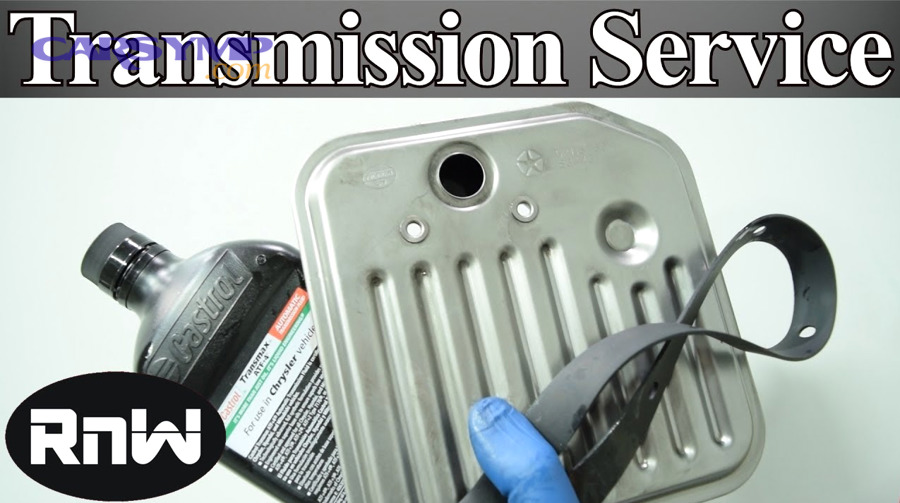
However, this answer depends on the specific service being performed and the service interval recommended for your vehicle, so it is worth examining the reasoning in detail.
When a transmission fluid change involves dropping the pan — which is the standard method for vehicles without a drain plug — the old pan gasket is destroyed in the process of pan removal. A reused gasket cannot form a reliable seal on reinstallation, which means a new gasket is not optional; it is mandatory. Since the filter is located directly above the pan and is fully accessible the moment the pan is removed, replacing it at the same time adds only a few minutes and a modest parts cost to a service that is already underway.
The typical service interval for a transmission filter and pan gasket replacement falls between 30,000 and 60,000 miles, depending on the manufacturer, driving conditions, and fluid type. Vehicles used for towing, frequent stop-and-go driving, or operation in extreme temperatures should be serviced at the shorter end of this range, as heat and stress accelerate fluid breakdown and filter contamination. Some manufacturers advertise “lifetime” transmission fluid, but this label refers to the fluid formulation’s chemical stability — it does not exempt the filter or gasket from periodic replacement.
Modern vehicles equipped with an on-board diagnostic system may display a transmission fluid life indicator or temperature warning when service is approaching. This can serve as a secondary trigger for service, but it should not replace the mileage-based interval as the primary guide. The following table summarizes the key indicators that signal it is time to replace your transmission filter and pan gasket:
| Indicator | What It Means |
|---|---|
| Dark brown or black fluid | Fluid is oxidized and no longer protecting internal components |
| Burnt smell from fluid | Thermal breakdown — filter and fluid both need replacement |
| Rough or delayed gear shifts | Filter restriction reducing hydraulic pressure |
| Visible red fluid under vehicle | Pan gasket leak — immediate service required |
| On-board fluid life warning | Manufacturer threshold reached — schedule service |
| Mileage interval reached (30k–60k mi) | Routine preventive replacement due |
What Tools and Parts Do You Need Before Replacing the Transmission Filter and Pan Gasket?
Replacing the transmission filter and pan gasket requires 2 categories of preparation — a complete parts list and a complete tools list — and having everything ready before you begin prevents mid-job interruptions that can compromise the quality of the seal.
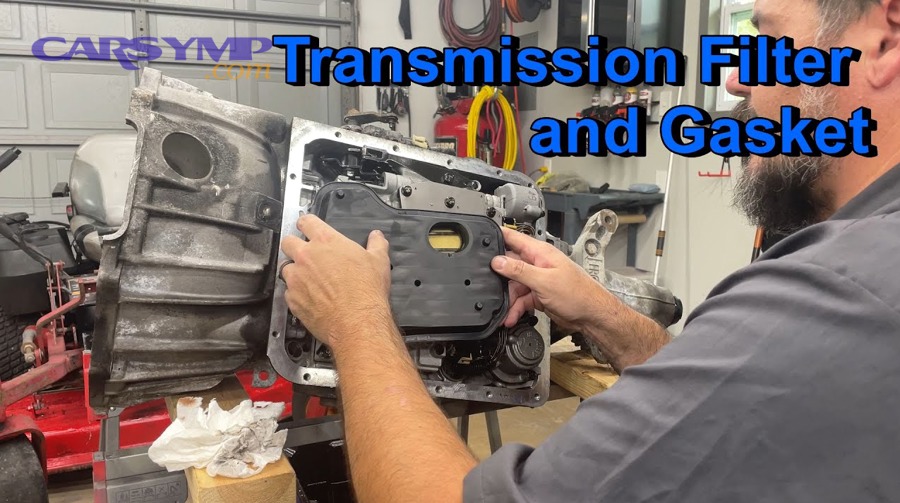
Specifically, the parts required and the tools needed differ slightly by vehicle, so consulting your owner’s manual or a vehicle-specific service guide before purchasing anything is strongly recommended.
How Do You Choose the Right Transmission Filter and Gasket Kit?
Transmission pans are vehicle-specific in both shape and bolt pattern, and they are asymmetrical — meaning a gasket can only be installed in one correct orientation. Purchasing a kit matched to your exact vehicle year, make, model, and transmission type ensures the gasket seats properly and the filter interfaces correctly with the fluid intake port.
Recommended brands for filter and gasket kits include ACDelco, FRAM, Moroso, and Speedmaster, all of which package the gasket, filter, and any necessary hardware together. OEM kits from the vehicle manufacturer are also a reliable choice, particularly for transmissions with tight manufacturing tolerances. Filter kits typically cost between $15 and $30. Always confirm compatibility by your VIN or by cross-referencing the transmission model number on the pan itself.
The correct transmission fluid type is equally critical. Using the wrong ATF specification — for example, substituting Dexron III where Dexron VI is required — can cause seal swelling, pressure irregularities, and premature clutch wear. The required fluid specification is printed in the owner’s manual and often on the transmission dipstick.
RTV Silicone vs. Preformed Gasket — Which Should You Use?
A preformed gasket wins for DIY ease and reinstallation speed, RTV silicone is best for factory-style seals on transmissions originally assembled without a solid gasket, and reusable metal-frame gaskets are optimal for high-mileage vehicles requiring the most durable long-term seal.
Some manufacturers — notably Chrysler and certain General Motors applications — apply RTV silicone directly from the factory rather than using a solid gasket. In these cases, the transmission pan arrives from the assembly line with a bead of RTV forming the pan-to-housing seal. When servicing these transmissions, many technicians and experienced DIYers continue to use RTV on reinstallation, matching the factory approach. The critical requirement with RTV is allowing adequate cure time — typically one to two hours — before filling with fluid and operating the vehicle. Skipping this step and running the transmission before the RTV has set is one of the most common causes of immediate post-service leaks.
For most other applications, a preformed rubber or cork gasket is the simpler and more reliable DIY choice. Reusable metal-frame gaskets with vulcanized rubber bonding are available for many domestic transmissions and represent the premium option — they can be removed and reinstalled multiple times without losing sealing integrity, making them a worthwhile investment for vehicles that will receive regular pan-drop services.
The table below summarizes the comparison to help you decide:
| Gasket Type | Best For | Cure Time Required | Reusable |
|---|---|---|---|
| Cork gasket | Budget DIY, older vehicles | No | No |
| Rubber gasket | Most modern passenger vehicles | No | No |
| RTV silicone | Factory-spec reseal (Chrysler, some GM) | Yes (1–2 hrs) | No |
| Metal-frame gasket | High-mileage, repeat service vehicles | No | Yes (2–3 times) |
How Do You Replace the Transmission Filter and Pan Gasket Step by Step?
Replacing the transmission filter and pan gasket involves 19 sequential steps across four phases — pan removal, pan cleaning, filter swap, and reassembly — with an expected outcome of a fully sealed, leak-free transmission refilled with clean fluid.
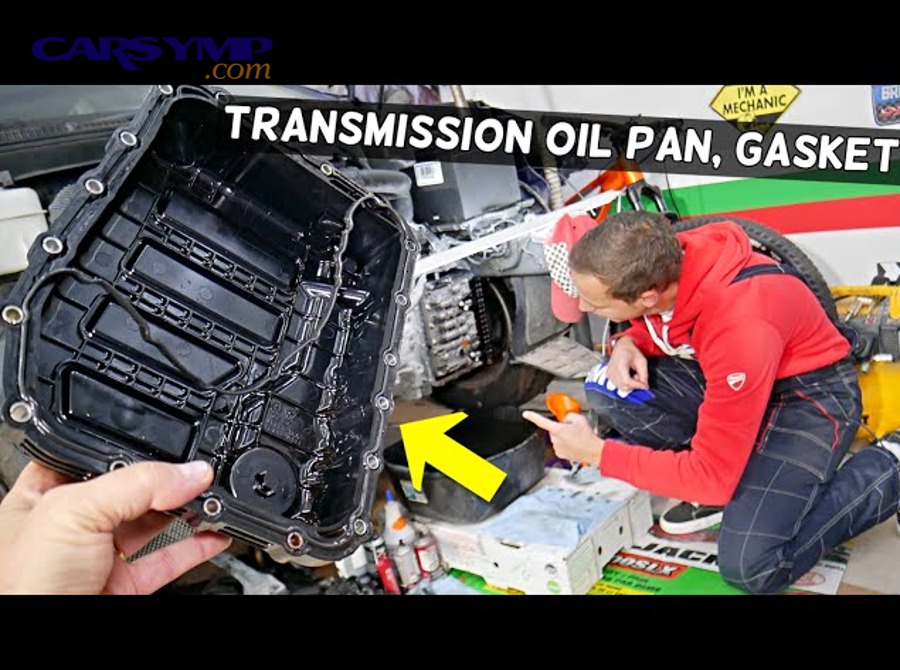
Before beginning, warm the transmission fluid to operating temperature by driving the vehicle for 10 to 15 minutes. Warm ATF drains more completely and more quickly than cold fluid, which reduces the time the job takes and minimizes residual fluid left in the pan. Once the vehicle returns, allow it to cool for 20 to 30 minutes so it is safe to work under, but the fluid remains warm enough to drain well.
How Do You Remove the Transmission Pan and Drain the Fluid?
- Step 1: Raise the vehicle using a floor jack rated for your vehicle’s weight and place jack stands at the manufacturer-specified support points. Leave the floor jack in contact with the vehicle as an additional safety measure.
- Step 2: Position a drain pan with sufficient capacity (at least 8 quarts) directly beneath the transmission pan.
- Step 3: Locate all pan bolts — typically 10mm or 13mm — and begin loosening the corner bolts while leaving the remaining bolts hand-tight. This allows the pan to hang at an angle, directing fluid into the drain pan and preventing a sudden flood of ATF.
- Step 4: Once the initial drain slows, remove all remaining bolts and lower the pan slowly and evenly. Expect residual fluid to spill — this is normal.
- Step 5: Pour the drained fluid into a measured container and note the volume. This figure guides how much fresh ATF you will add during refill. Recording the fluid’s color and smell at this stage also provides valuable diagnostic information about the transmission’s internal health.
How Do You Inspect and Clean the Transmission Pan?
- Step 6: Locate the pan magnet — typically a rectangular or disc-shaped magnet affixed to the pan floor — and inspect it carefully. A thin coating of fine gray metallic paste is normal and expected after normal wear. Large metal flakes, chunks, or an unusually heavy accumulation of metallic debris are warning signs of internal gear damage and warrant a full transmission inspection before proceeding.
- Step 7: Clean the pan interior with brake cleaner solvent and lint-free shop rags. Remove all fluid residue, sludge, and debris. Pay particular attention to the magnet — clean it thoroughly and reinstall it in its original position.
- Step 8: Using a gasket scraper, carefully remove all traces of the old gasket from the pan flange and the transmission housing mating surface. Any remaining gasket material will prevent the new gasket from seating properly and will cause a leak. For stubborn RTV residue, fine steel wool with denatured alcohol is effective.
- Step 9: Inspect the pan itself for warping along the bolt flange, cracks, or corrosion damage. A warped pan cannot be sealed reliably regardless of gasket quality and should be replaced.
How Do You Remove and Install the New Transmission Filter?
- Step 10: Before removing the old filter, note its exact orientation and the direction the inlet neck faces. Most filters are directional and will only function correctly in one position.
- Step 11: Remove the filter — it is typically held by three to four small bolts or press-fits into the valve body with a rubber neck. Remove the old O-ring from the filter inlet port if present; this O-ring is a frequent source of post-service leaks if it is reused or overlooked.
- Step 12: Apply a light film of fresh ATF to the new filter O-ring before installation. This lubrication helps the O-ring seat evenly without rolling or pinching, which would compromise the seal.
- Step 13: Install the new filter in the correct orientation. If the filter uses bolts, torque them to the manufacturer’s specification — typically 6 to 8 ft-lbs. Do not overtighten.
How Do You Reinstall the Pan and Refill the Transmission Fluid?
- Step 14: Position the new gasket on the pan. If using a preformed gasket, note the asymmetrical shape — it aligns with the pan bolt holes in only one correct orientation. If using RTV, apply a continuous, uniform bead approximately 3mm in diameter around the entire pan flange, keeping the bead inside the bolt holes.
- Step 15: Raise the pan into position beneath the transmission and hand-thread all bolts before torquing any of them. This ensures the gasket seats evenly.
- Step 16: Using a torque wrench, tighten all bolts in a criss-cross (star) pattern to the manufacturer’s specified torque value — typically between 10 and 15 ft-lbs for most passenger vehicle transmissions. Overtightening is one of the most common DIY errors; it distorts the pan flange, compresses the gasket unevenly, and can snap pan bolts, particularly on aluminum transmission housings.
- Step 17: If your vehicle uses self-sealing pan bolts — as found on some Nissan and Ford applications — install new bolts rather than reusing the originals. These bolts have a sealing compound on the threads that is single-use.
- Step 18: Lower the vehicle and locate the transmission fluid fill point — typically the dipstick tube or a fill plug on the transmission body. Pour in the volume of fresh ATF you measured during the drain, using the correct fluid specification. Add fluid gradually and check the level using the dipstick after each quart.
- Step 19: Start the engine and, with the parking brake applied, shift through each gear position — P, R, N, D, 2, 1 — pausing two to three seconds in each position to allow fluid to circulate through all hydraulic circuits. Return to Park, recheck the fluid level, and top off as needed to reach the full mark on the dipstick.
How Do You Check for Leaks After Replacing the Transmission Filter and Pan Gasket?
A complete post-service leak check involves 3 phases — an immediate visual inspection, a warm idle inspection, and a post-drive inspection — with the expected result of zero fluid seepage at the pan flange, drain plug, and filter connection.
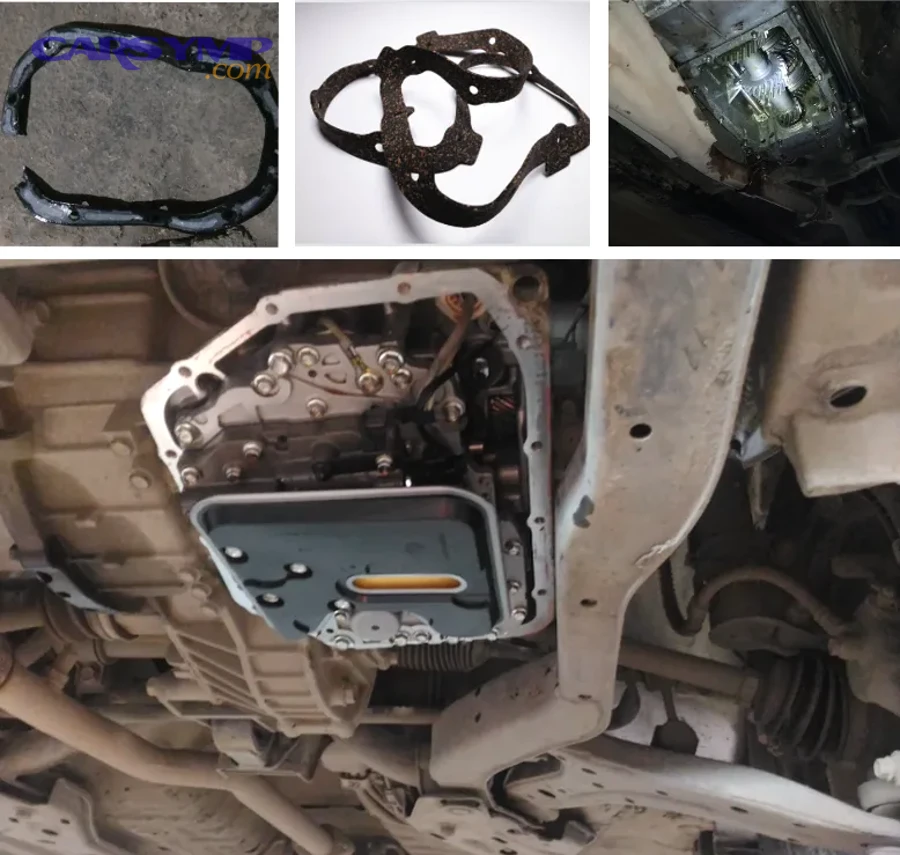
After completing the refill in Step 19, before driving the vehicle, crawl beneath it and inspect the entire perimeter of the transmission pan with a flashlight. Look specifically at the pan flange joint, each bolt location, and the filter inlet connection for any immediate signs of ATF weeping or dripping.
For vehicles sealed with RTV, this immediate post-fill inspection is especially important. If RTV was applied but the vehicle was started before the sealant fully cured — a minimum of one to two hours is required — fluid pressure will push through the uncured bead before it has bonded to the mating surfaces. If this occurs, the pan must be dropped again, all RTV removed, and the application process restarted from scratch.
After the immediate inspection, drive the vehicle for 10 to 15 minutes to bring the transmission to full operating temperature. Post-service shifting behavior and adaptation during this first drive is completely normal — the transmission may shift slightly firmer or hesitate briefly as fresh, clean fluid fills all hydraulic passages and the new filter O-ring fully seats under pressure. This adaptation period typically resolves within the first 20 to 30 miles of driving.
After the vehicle has cooled following the test drive, perform the final inspection. Look for any fluid spotting on the ground beneath the transmission, any wet spots along the pan flange, and any residue around the filter connection. A correctly installed preformed gasket or fully cured RTV bead should show no signs of seepage whatsoever. If a slow seep is visible at a specific bolt location, that bolt may be undertorqued — retorque it to spec and re-inspect after the next drive cycle before considering a full re-do of the gasket.
What Else Should You Know About Transmission Filter and Pan Gasket Service?
Beyond the replacement procedure itself, 3 important considerations affect the real-world outcome of this service: understanding the total cost, knowing when to hand the job to a professional, and recognizing when car symptoms point to problems deeper than a routine gasket and filter swap.
These supplementary factors are what separate a successfully completed service from one that introduces new problems — and they are especially relevant for first-time DIYers and for vehicles with higher mileage.
How Much Does It Cost to Replace a Transmission Filter and Pan Gasket?
A DIY transmission filter and pan gasket replacement costs between $45 and $110 in total parts and fluid. A professional service at an independent shop typically runs $150 to $400 all-in, depending on the vehicle and local labor rates.
Breaking down the DIY cost: a filter and gasket kit ranges from $15 to $30, and transmission fluid typically costs $8 to $15 per quart with most passenger vehicles requiring 4 to 6 quarts to refill after a pan drop. A torque wrench, if not already owned, is an additional one-time purchase of $25 to $60 but is a necessary tool for doing this job correctly. Dealer pricing for this service runs 30 to 50 percent higher than independent shops due to overhead and OEM parts pricing.
The financial case for staying current on this service is compelling: a filter and pan gasket replacement at $200 professionally performed every 40,000 miles is far less expensive than the average automatic transmission rebuild, which runs $1,500 to $3,500 depending on vehicle type and transmission complexity. A DIY transmission fluid change that includes the filter and gasket — rather than just pumping fluid from the dipstick tube — ensures the pan debris, magnet buildup, and saturated filter are addressed at the same time, providing genuine maintenance value rather than a superficial fluid refresh.
When Should You Take Your Vehicle to a Mechanic Instead of DIYing This Job?
Take your vehicle to a qualified transmission specialist instead of performing this service yourself if any of the following conditions apply: the engine or transmission must be partially removed to access the pan, the vehicle is under a powertrain warranty that requires professional service documentation, or you do not have access to a torque wrench.
Overtightening pan bolts is the single most common DIY transmission fluid change risk on this job. On aluminum transmission cases, pan bolts that are tightened beyond specification will strip the threaded boss, requiring a helicoil repair or a new transmission case — a repair that costs many times more than a professional service would have. A torque wrench eliminates this risk entirely and is non-negotiable for this procedure.
Front-wheel-drive vehicles with transaxle-integrated transmissions frequently have the oil pan blocked by exhaust support brackets, A/C bracketry, or axle shafts, adding significant complexity to pan access. If your service manual indicates that engine support is required to access the transmission pan, this job belongs on a lift with a professional who has the correct tooling.
Additionally, if the pan magnet inspection in Step 6 revealed heavy metallic debris — large flakes, chunks of clutch material, or an unusually thick magnetic sludge — do not simply reassemble and continue. These findings indicate that internal components have experienced abnormal wear. Completing the service and returning the vehicle to operation without further investigation can allow that internal damage to progress to a complete transmission failure. In this case, a transmission specialist should inspect the valve body, clutch packs, and planetary gear sets before the vehicle is driven again.
What Are the Signs That Your Pan Gasket or Transmission Filter Has Already Failed?
There are 5 key car symptoms that indicate your transmission pan gasket or filter has already failed and requires immediate service: visible fluid under the vehicle, rough or slipping gear shifts, burnt fluid smell, unexplained fluid level drop, and dashboard warning lights.
Understanding each symptom individually helps narrow down whether the gasket, the filter, or both are the source of the problem:
- Fluid spots under the vehicle: Transmission fluid is typically bright red when fresh and darkens to brown or black with age. Spots appearing beneath the front-center or front-passenger side of the vehicle, depending on the drivetrain layout, generally indicate a pan gasket leak. This is the most visually obvious indicator.
- Rough, delayed, or slipping gear shifts: These are the classic symptoms of a clogged transmission filter reducing hydraulic pressure. If the transmission hesitates when engaging Drive from Park, shifts with a noticeable clunk, or slips between gears under acceleration, the filter and fluid are the first items to address before suspecting more serious internal damage.
- Burnt smell from the fluid: When transmission fluid has degraded to the point of carrying a burnt odor, it has lost its viscosity modifiers and anti-wear additives. Fluid in this condition cannot adequately lubricate or protect internal components, and a filter saturated with degraded fluid cannot meaningfully screen contaminants. Both require immediate replacement.
- Unexplained drop in fluid level: A gradual fluid level decline with no obvious external drip often points to a slow seep from a deteriorating pan gasket. This is particularly dangerous because the loss is subtle enough that many drivers do not notice it until gear shift quality degrades.
- Dashboard warning lights: A transmission temperature warning or a check engine light with transmission-related fault codes (e.g., P0700 series) can be triggered by low fluid pressure from a restricted filter or low fluid volume from a leaking gasket. These codes should be read with a diagnostic scanner before condemning any specific component.
How Is Replacing a Transmission Pan Gasket Different from Replacing an Engine Oil Pan Gasket?
Replacing a transmission pan gasket is more fluid-specification-sensitive and mechanically consequential than replacing an engine oil pan gasket, while an engine oil pan gasket replacement involves higher heat cycling but is typically a more accessible DIY procedure on most vehicles.
Both jobs follow the same fundamental logic — remove the pan, replace the seal, refill with fluid — but the differences in complexity and consequence are meaningful:
The engine oil pan gasket is a component many drivers encounter during a routine oil change if the vehicle develops a slow drip from the pan joint. Engine oil pan gaskets sit at the base of the engine block and are subjected to the highest sustained temperatures in the vehicle’s fluid systems. However, engine oil specifications (e.g., 5W-30, 0W-20) have relatively wide compatibility ranges, and using a slightly different viscosity grade during an oil change carries minimal short-term risk. The same is not true for transmission fluid. ATF specifications — Dexron VI, ATF+4, Mercon V, Toyota Type T-IV, Nissan Matic S — are transmission-specific and chemically distinct. Using an incompatible ATF formulation can cause gasket swelling, solenoid corrosion, and clutch pack degradation within a surprisingly short mileage period.
The transmission pan gasket replacement also carries a unique diagnostic dimension that the engine oil pan gasket does not: the pan magnet inspection. When the transmission pan is dropped, the debris accumulated on the magnet provides a direct window into the internal condition of the transmission. No equivalent inspection opportunity exists when dropping an engine oil pan. This makes the transmission pan service not just a maintenance task but also a diagnostic checkpoint — one that responsible technicians and informed DIYers should never skip.
In short, both gasket replacements protect critical fluid systems from leaks, but the transmission service demands tighter parts compatibility, more careful torque management, and a more thorough post-service inspection to confirm success. Treating them as equivalent in complexity is one of the most common and costly assumptions DIY mechanics make when approaching this job for the first time.
Why viewers still make use of to read news papers when in this technological world the
whole thing is presented on net?
Hi there! This post could not be written any better! Reading this post
reminds me of my old room mate! He always kept talking about this.
I will forward this page to him. Fairly certain he will
have a good read. Many thanks for sharing!
I’m glad it was helpful to you.
WOW just what I was looking for. Came here by searching for
I’m glad it was helpful to you.