Plan a Transmission Service Guide for Drivers: Maintenance vs Repair
Transmission service is the planned maintenance that keeps your vehicle shifting smoothly, running efficiently, and avoiding premature wear—especially when heat, stop-and-go traffic, towing, or hills increase drivetrain stress.
Many drivers also want to know how routine care relates to transmission repair, because the same early warning signs can either be solved with maintenance or signal deeper internal damage.
Another common need is understanding what a complete gearbox service includes (and what it doesn’t), so you can compare shop estimates and avoid paying for the wrong procedure.
Giới thiệu ý mới: Below is a practical, driver-focused roadmap that connects symptoms, service types, costs, and decision points into one clear plan you can act on.
What is transmission service and why does it matter for longevity?
Transmission service is a set of maintenance actions that restore fluid condition, sealing integrity, and shift quality so friction surfaces, hydraulics, and electronics work within design limits. To connect that definition to real life, think of it as “keeping heat and contamination from turning normal wear into a failure.”
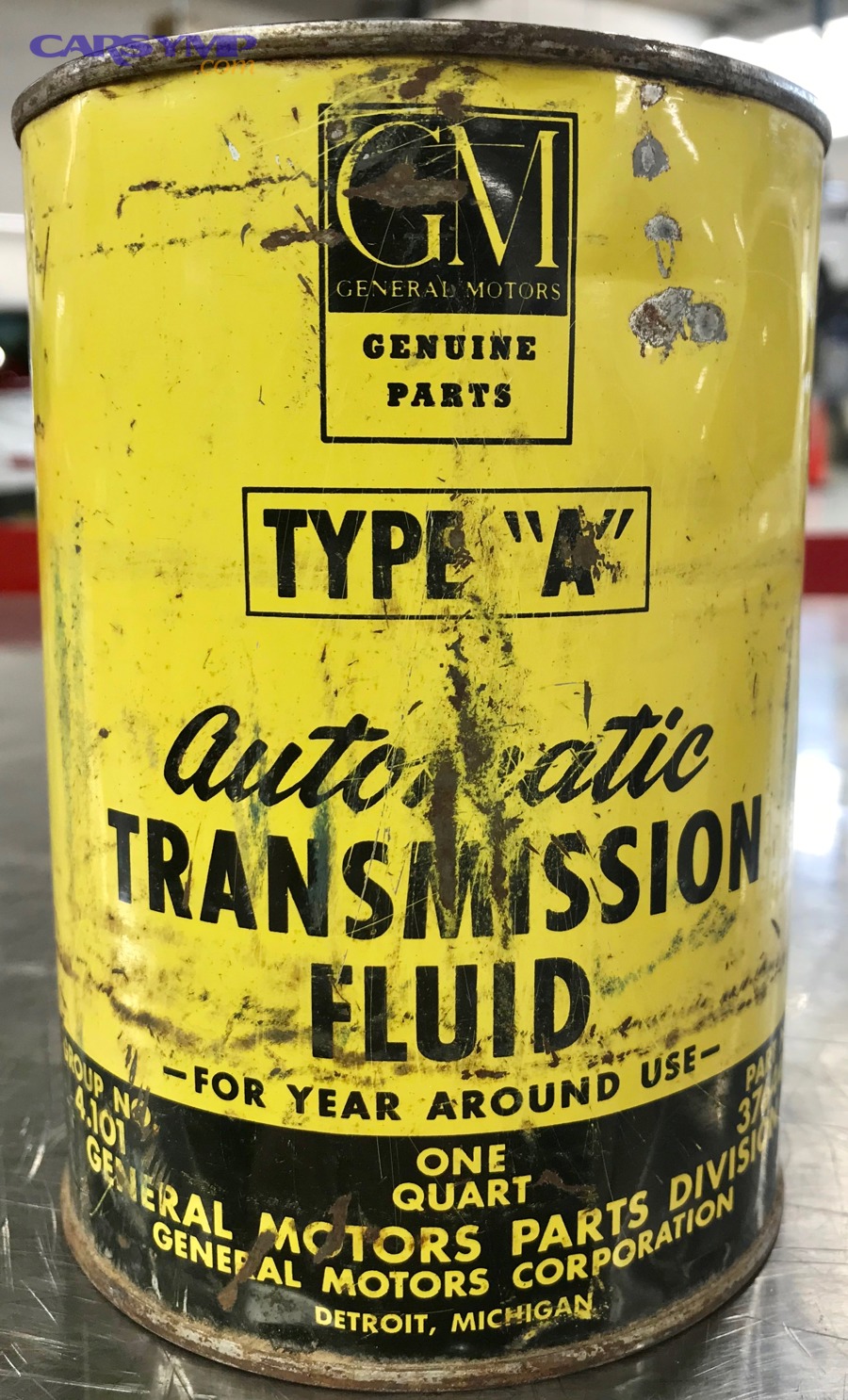
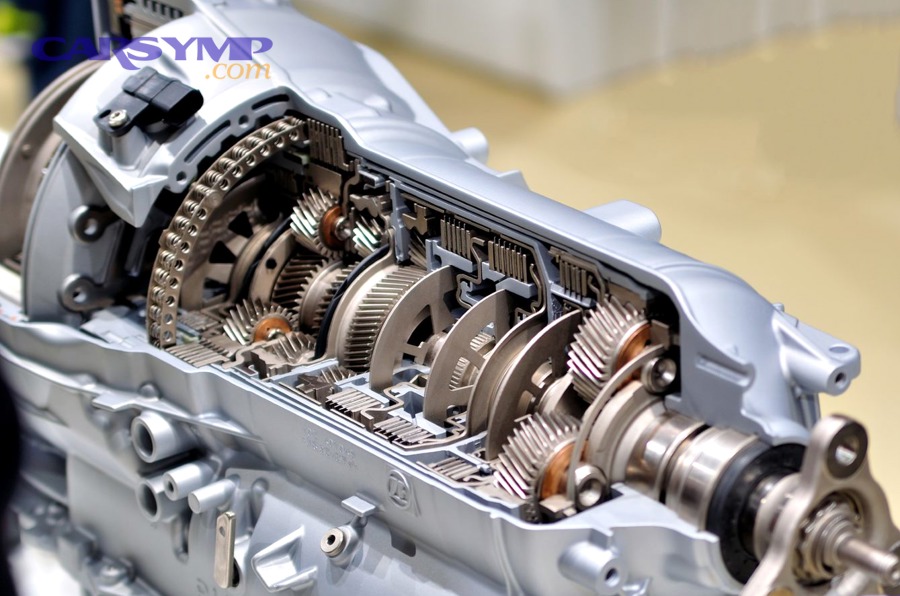
To begin, it helps to understand what the service is protecting. An automatic transmission depends on pressurized fluid to apply clutches and bands, lubricate bearings, and carry heat away. A manual gearbox depends on correct lubricant film strength to protect gears and synchronizers. A CVT depends on specialized fluid friction behavior so the belt/chain and pulleys can transmit torque without slip or chatter. In every case, fluid condition and temperature control are the foundation.
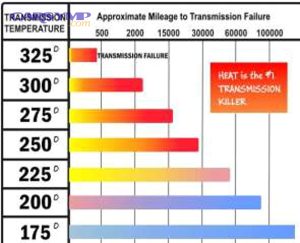
Next, consider the most common “silent killers”: heat, oxidized fluid, and microscopic debris. Heat accelerates fluid breakdown; degraded fluid loses viscosity and additive performance; debris changes how valves, solenoids, and clutch surfaces behave. That’s why preventative care often feels “invisible” until you skip it—then the transmission starts to flare between shifts, hesitate, or feel harsh.
To make this concrete, a well-planned service schedule reduces the chance that minor issues turn into expensive internal damage. It also improves drivability: smoother engagement, more consistent shift timing, and reduced noise or vibration transmitted through mounts and shafts.
When should you schedule transmission service based on mileage and driving conditions?
You should schedule transmission service based on your owner’s manual first, then adjust earlier if you drive in “severe duty” conditions like heavy traffic, high heat, towing, mountain routes, or frequent short trips. To connect the rule to action, treat the manual interval as the baseline and shorten it when heat load is higher.
To start, identify your transmission type and the manufacturer’s fluid spec. This single step prevents the most common mistake: assuming all fluids and intervals are similar. Next, evaluate how you use the vehicle. If you do rideshare, delivery, towing, or frequent stop-and-go, your transmission experiences more heat cycles and more shift events per mile, which can justify earlier service.
After that, use simple triggers that don’t require advanced tools:
- Time-based: If the car sits often, fluid can still degrade through moisture and oxidation over years.
- Heat-based: If you smell “burnt” odor after hard driving, heat control may be insufficient.
- Behavior-based: New hesitation, harsh shifts, or flares deserve attention even if mileage is low.
Beyond mileage, pay attention to patterns. If a vehicle shifts fine cold but becomes inconsistent once warm, that’s a clue that fluid viscosity, valve behavior, or clutch control changes with temperature. In that scenario, a targeted inspection and an appropriate service may prevent escalation.
Finally, plan service proactively around major trips or seasonal extremes. Heat waves and long highway runs can reveal weak points, while cold weather can expose marginal pressure control or slow solenoid response.

What does a full gearbox service include and what it does not?
A full gearbox service typically includes fluid/lubricant renewal, inspection for leaks and wear indicators, and verification of shift operation—while it does not automatically include internal rebuild parts unless a fault is confirmed. To connect expectations to your invoice, separate “maintenance tasks” from “repair tasks.”
To begin, a proper service should start with observation: how the transmission behaves cold vs warm, whether shifts are delayed, whether engagement into Drive/Reverse is immediate, and whether there are vibrations or noises under load. Next comes a visual check for seepage at common points—pan gasket, axle seals, cooler lines, and case interfaces—because small leaks can cause big pressure and heat problems over time.
Then, the shop should perform the correct fluid procedure for your design. In many vehicles that means a controlled transmission fluid change using the proper specification, measured quantity, and correct fill temperature procedure. Some designs also include a filter or screen; others do not. Importantly, a service also includes verifying the fluid level properly (many modern units require specific temperature windows and scan tools).
What it does not include by default: internal clutch packs, hard parts, valve body overhaul, or major electrical component replacement. Those steps become relevant only after diagnosis confirms issues such as persistent slip, pressure loss, or control faults.
To make the scope easy to compare across estimates, this table clarifies what’s usually included and what’s usually separate.
This table shows typical gearbox service scope vs repair scope so you can compare shop quotes.
| Category | Usually Included in Service | Usually Separate (Repair) |
|---|---|---|
| Fluids & Level | Correct fluid, fill procedure, level verification | Fluid contamination root-cause correction |
| Seals & Leaks | Visual inspection, minor reseal recommendations | transmission leak repair requiring parts/labor beyond basic service |
| Shift Quality | Road test, basic adaptation checks where applicable | Valve body repair, solenoid faults, internal clutch damage |
| Hardware | Pan gasket/filter if serviceable | Hard parts, bearings, rebuild kits |
Which transmission service type fits your vehicle: automatic, manual, CVT, dual-clutch?
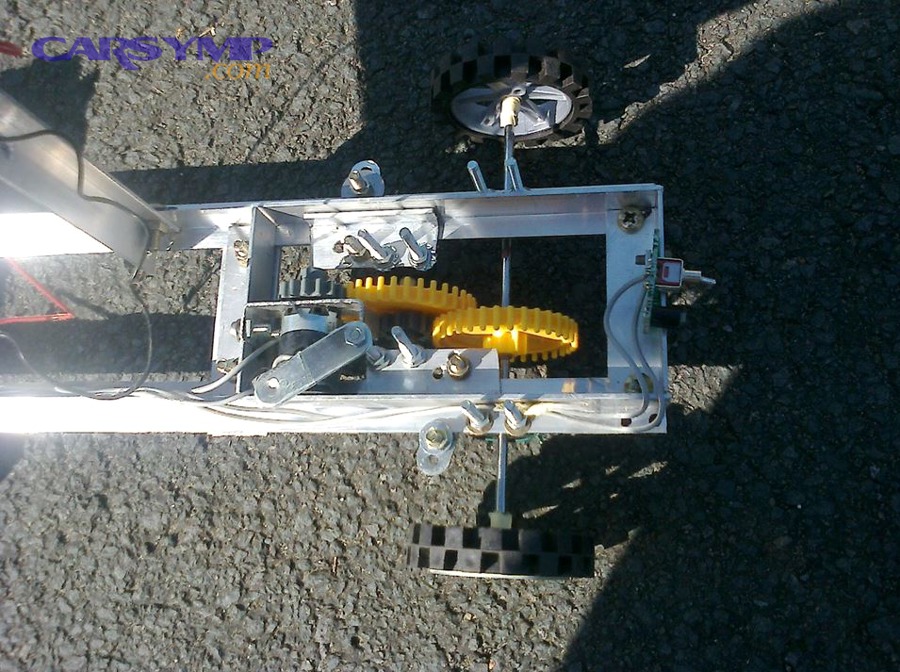
There are four main transmission service “families”—automatic, manual, CVT, and dual-clutch—and the right service depends on how your unit uses fluid for friction control and cooling. To connect that to a decision, match the service method to the transmission’s operating principle, not just to a generic mileage number.
To start, automatic transmissions rely heavily on hydraulic pressure and friction materials. Service focuses on maintaining fluid properties and keeping passages clean so valves and solenoids operate predictably. Next, manual transmissions rely on gear oil film strength and synchronizer friction characteristics; service focuses on the correct viscosity and additive package to protect gears and allow clean engagement.
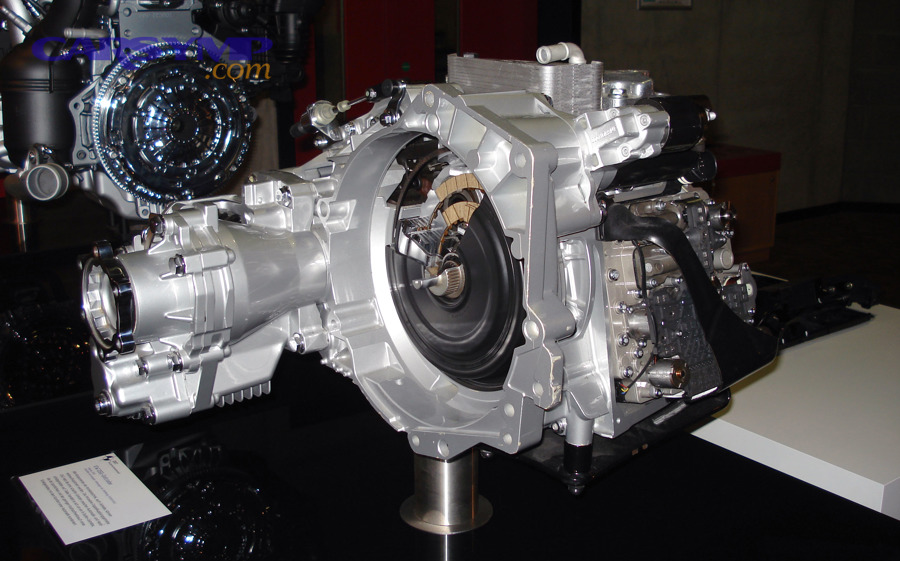
In contrast, CVTs are especially fluid-sensitive because the fluid helps control the traction interface between belt/chain and pulleys. Using the wrong fluid can cause shudder, slip, or accelerated wear. Meanwhile, dual-clutch (DSG/DCT) designs can be wet or dry clutch; wet systems use fluid for clutch control and cooling, making the service interval and fluid spec especially important.
After that baseline, consider what “service” means for each type:
- Automatic: condition-based fluid renewal, filter/pan service where applicable, adaptation checks.
- Manual: gear oil replacement, linkage/shift feel evaluation, seal inspection.
- CVT: exact CVT fluid replacement procedure, level calibration, careful symptom review for judder.
- DCT: fluid/filter service (wet types), mechatronic behavior checks, clutch engagement quality review.
Finally, if you’re unsure which you have, look up your build sheet/owner’s manual or check the transmission code on the door jamb or under-hood labels. This avoids mixing procedures across designs that may look similar but behave very differently.

Can you do transmission service yourself or should you visit a shop?
Yes, you can do some transmission service yourself, but only if you can follow the correct fluid specification, fill-level method, and safety procedures—otherwise a qualified shop is the safer choice. To connect that yes/no to the real decision, assess complexity: “dipstick drain-and-fill” is very different from “temperature-based sealed unit.”
To begin, DIY is most realistic when: the vehicle has accessible drain/fill points, the fill method is straightforward, and you can confirm level without specialized scan tools. Many older automatics and many manuals fit this category. Next, consider what you can verify. If you can’t confirm fluid temperature or level correctly, a simple underfill can cause slip and heat, while overfill can aerate fluid and destabilize pressure control.
In addition, modern transmissions often have tight tolerances and complex control strategies. A shop can verify adaptive shift data, scan for stored faults, and detect early “control” issues that would be invisible during a basic driveway job. That’s especially helpful if you’re dealing with intermittent symptoms like shift flare, delayed engagement, or inconsistent lock-up behavior.
To make the choice practical, DIY is reasonable when you have: correct fluid, a clean fill setup, a level procedure you can perform exactly, and time to do it carefully. A shop is better when the procedure depends on scan tool temperature data, requires underbody shielding removal, or involves calibration/adaptation steps.
Also consider how you’ll respond if you find something abnormal. If fluid is glittery, smells burnt, or contains debris, you’ll want a plan for next-step diagnosis rather than simply refilling and hoping for the best.

What are the signs you need transmission repair instead of maintenance?
Yes—sometimes you need transmission repair, not just service, especially when symptoms indicate pressure loss, friction failure, or mechanical damage rather than fluid aging. To connect this to a clear threshold, look for repeatable symptoms under load, worsening behavior over time, or faults that return quickly after basic maintenance.
To start, watch for these higher-risk patterns: slipping under acceleration, delayed engagement into Drive/Reverse, harsh banging shifts that appear suddenly, or a “neutral-like” flare between gears. These can suggest clutch wear, valve body issues, or control failures rather than routine service needs.
Next, consider auditory and tactile clues. Persistent whining, grinding, or rhythmic clunks can point to bearing wear, gear damage, or driveline issues that a fluid-only service cannot fix. A proper diagnosis may include gearbox noise diagnosis to separate transmission sounds from wheel bearings, differentials, or engine accessories.
Additionally, electronic-control issues can masquerade as “fluid problems.” If the vehicle shows inconsistent shift timing, misses gears, or goes into limp mode, the fix might involve sensor checks or a transmission solenoid replacement rather than (or in addition to) fluid work. Similarly, common complaints like transmission shift problems may be caused by wiring, mechatronic modules, or adaptation drift.
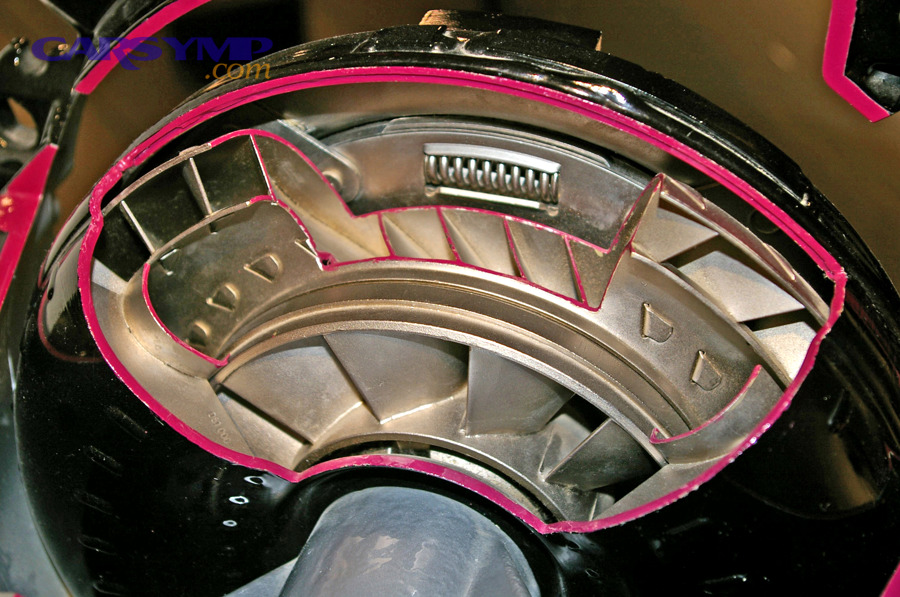
Finally, if symptoms suggest internal hydraulic or torque transfer issues—like shudder, overheating, or lock-up instability—your diagnosis may include evaluating torque converter problems as well as clutch and control operation. If you also drive a manual, a “slip under load” may point toward clutch replacement rather than gearbox lubricant needs.
How is a professional transmission service performed step by step?
A professional transmission service is done through a structured process: verify symptoms, scan for faults, confirm fluid condition/level, perform the correct fluid procedure, and validate results on a road test. To connect this to confidence, each step reduces the chance of “changing fluid blindly” and missing the real cause.
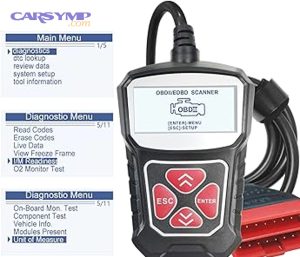
To begin, the shop will road test and document shift behavior: engagement delay, flare, harshness, lock-up feel, and any noise/vibration. Next, they typically scan for diagnostic trouble codes and review data relevant to shift control. Then comes a visual underbody inspection, often including drivetrain inspection to check mounts, shafts, and leaks that can mimic transmission faults.
After that, the core service procedure is performed based on design:
- Confirm specification: choose the exact fluid type for your transmission.
- Drain/replace carefully: control contamination, replace serviceable filters/gaskets if applicable.
- Refill correctly: measure quantity, follow fill temperature windows for sealed units.
- Set level precisely: confirm level using the correct method (overflow plug, dipstick, scan-tool guided).
- Adaptation/validation: reset adaptations only if appropriate, then road test for consistent results.
Next, if the vehicle arrived with slip, the shop may validate that pressure and engagement are stable afterward. If symptoms persist, they may recommend targeted repair such as a transmission slipping fix plan that includes pressure testing, valve body checks, or component-level work. In CVT-equipped vehicles, they may follow CVT-specific procedures and, when necessary, recommend a CVT repair pathway if belt/pulley wear or control faults are suspected.
To help you visualize a reputable process, this short video shows a hands-on fluid service workflow you can compare against what a shop describes.
How much does transmission service cost and what drives the price?
Transmission service cost varies because the price depends on fluid type, labor complexity, access to fill/level points, and whether filters, gaskets, or calibration steps are required. To connect the price to something you can control, focus on scope clarity: “what exactly is included” matters more than the headline number.
To begin, fluid is a major variable. Some transmissions require specialized fluids that cost significantly more than general-purpose oils. Next, labor varies by layout. A vehicle with easy access and a simple fill procedure will be cheaper than a sealed unit requiring temperature-based leveling, underbody panel removal, or diagnostic equipment to verify conditions.
Another cost driver is parts. Some transmissions have serviceable filters and gaskets; others use screens or internal filters that are not replaced during routine service. In those cases, the “service” cost may be mostly labor and fluid, while deeper filtration work becomes a repair-level procedure.
To make comparisons fair, ask shops to itemize: fluid type/quantity, parts included, labor hours, and whether scanning/adaptation checks are included. This table helps you interpret quotes without turning the decision into guesswork.
This table helps you understand what typically increases or decreases transmission service pricing.
| Factor | Tends to Lower Cost | Tends to Raise Cost |
|---|---|---|
| Design | Dipstick serviceable units | Sealed, temperature-based level systems |
| Fluid | Common ATF/gear oil | Specialty CVT/DCT fluids |
| Parts | No filter or external filter | Filter + pan gasket + bolts |
| Diagnosis | Routine maintenance visit | Intermittent symptoms needing testing |
Finally, be cautious about “one-size-fits-all” upsells. The right service is the one that matches your transmission’s needs and your symptoms—not the one with the biggest package label. When symptoms are present, spending a little on proper diagnosis can prevent paying twice.

How do you choose a trustworthy shop and protect your warranty?
You can choose a trustworthy shop by verifying transmission-specific experience, demanding scope clarity, and ensuring the correct fluid specification is used—these steps also help protect your warranty. To connect trust to evidence, look for process transparency rather than marketing promises.
To begin, ask how the shop confirms the correct fluid and procedure for your exact transmission code. A good shop will reference service information, not guess. Next, ask what they’ll check before and after service: scan data, road test notes, fluid level method, and leak inspection. This shows whether they follow a repeatable process or rely on shortcuts.
Then, evaluate how they discuss risk. A reputable shop will explain what happens if fluid is degraded, what symptoms suggest deeper faults, and what outcomes are realistic. They should also document the work performed—fluid brand/spec, quantity, and any parts replaced—so you have records if warranty questions arise.
Additionally, watch for red flags: refusal to itemize, vague “flush cures everything” claims, or unwillingness to discuss what they’ll do if symptoms persist. If you’re already seeing warning signs—slip, harsh shifts, or repeated issues—choose a shop that can diagnose root causes, not just sell a single procedure.
As a practical check, read reviews focusing on consistency: did customers report the same symptoms resolved, did the shop stand behind corrections, and did they communicate clearly? If you track symptoms yourself, a simple log (conditions, temperature, speed, and behavior) can help the shop reproduce the issue faster—an approach many owners associate with better outcomes and fewer surprises, sometimes summarized in forums and communities as part of broader Car Symptoms tracking habits.
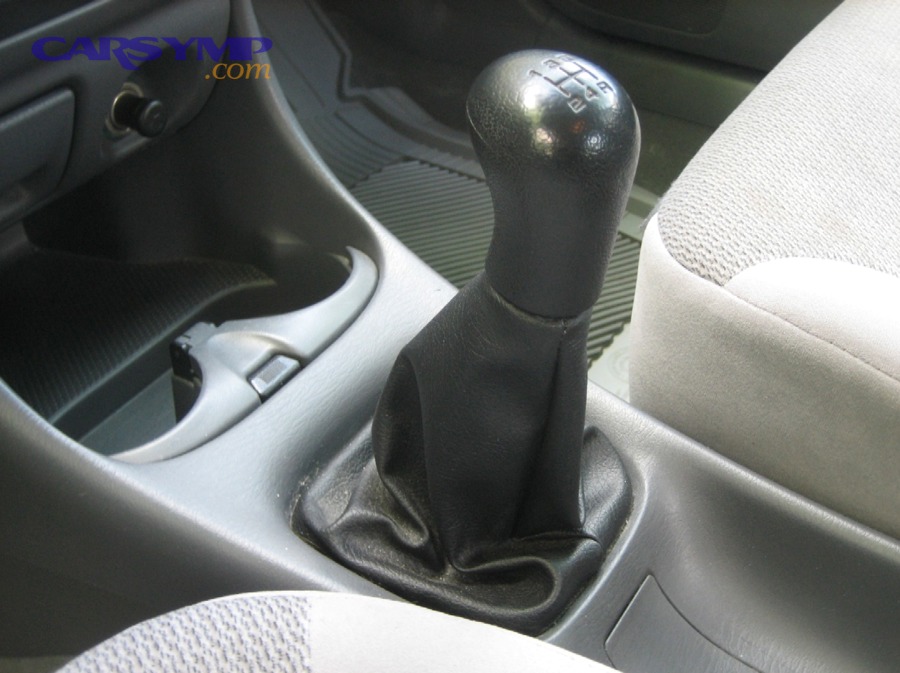
Contextual border: Up to this point, you’ve learned what transmission service is, when to do it, how to choose the right procedure, and when symptoms cross the line into repair. Next, we’ll zoom out into advanced, prevention-first habits that reduce repeat failures and keep shift quality stable over the long term.
Advanced prevention tips that keep shifts smooth long after service
How do heat and driving habits quietly shorten transmission life?
Heat shortens transmission life because it accelerates fluid oxidation and reduces the margin for clutch control, especially under towing, stop-and-go, or steep hills. To connect this to a daily habit, reduce unnecessary heat events: avoid aggressive throttle when fluid is cold, and consider adding cooling support if you tow regularly.
Why does “correct fluid spec” matter more than brand marketing?
Correct fluid spec matters because the transmission is calibrated around friction behavior, viscosity, and additive chemistry—changing those variables can change shift feel and wear rates. To connect this to safe purchasing, match the exact spec and approval, then choose a reputable supplier rather than chasing “universal” claims.
What should you do when a service improves shifting but problems return?
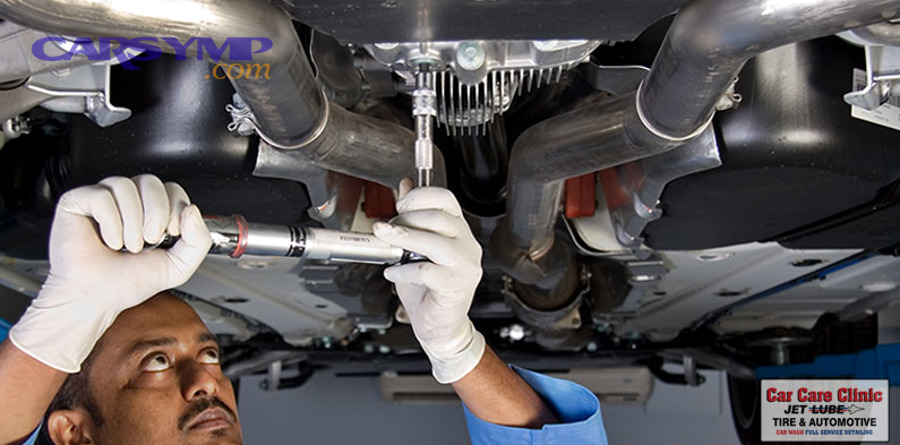
If problems return, treat the temporary improvement as diagnostic information: it suggests the issue may be pressure- or fluid-sensitivity related, but not fully resolved. To connect that clue to action, request targeted testing for control and mechanical causes rather than repeating the same service blindly.
How can you build a simple “early warning” routine in 60 seconds?
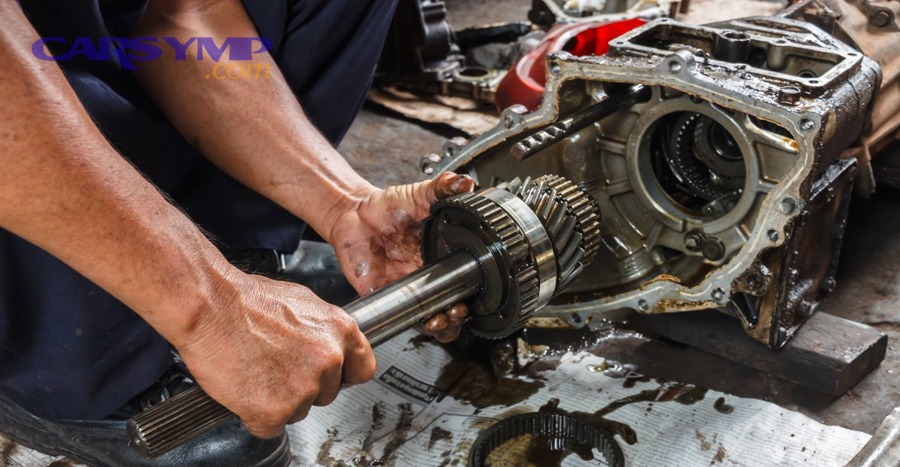
You can build an early warning routine by checking for fresh spots under the car, noting any new shift hesitation, and listening for new noises on the same road each week. To connect this to fewer surprises, write down changes immediately—patterns reveal problems before they become breakdowns.

Frequently asked questions about transmission service
Is a flush always better than a basic service?
No—“better” depends on the transmission design, mileage, fluid condition, and symptoms. In many cases, a controlled drain-and-fill is safer and easier to evaluate, while aggressive flushing on a neglected unit can be inappropriate if debris and wear are already advanced.
Can changing fluid cause a transmission to fail?
Fluid change doesn’t “create” damage, but it can reveal existing wear by removing the temporary masking effects of degraded fluid. If the unit was already slipping due to worn clutches or pressure loss, fresh fluid may not restore the friction capacity needed for reliable operation.
What if my car has “lifetime fluid” claims?
“Lifetime” often means the expected warranty or design life under typical conditions, not that the fluid never degrades. If you drive in heat, traffic, towing, or hilly routes, discussing a conservative service approach with a qualified shop is still reasonable.
How do I describe my symptoms so a shop can diagnose faster?
Describe when it happens (cold/warm), what it feels like (flare, harsh bang, delayed engagement), and under what load (light throttle, uphill, highway). Adding details like RPM behavior and whether it’s consistent in one gear can also help narrow causes quickly.