How to Do a Transmission Fluid Change: Cost, Steps, and When to Replace It
A transmission fluid change is a routine maintenance service that drains old, degraded fluid from your transmission and replaces it with fresh fluid matched to your vehicle’s specifications. This single service protects every moving part inside your transmission — the gears, clutch packs, valve body, and torque converter — by maintaining proper lubrication, cooling, and hydraulic pressure. Without it, heat and friction build up silently until the damage becomes irreversible. For most drivers, a transmission fluid change is one of the highest-return maintenance tasks they can perform, costing a fraction of what a full transmission replacement demands.
Knowing when to schedule this service is just as important as knowing how to do it. Mileage-based intervals are the standard guide — manual transmissions typically need fresh fluid every 30,000 to 60,000 miles, while automatic transmissions can often go 60,000 to 100,000 miles between services — but real-world driving conditions can push that schedule earlier. Towing heavy loads, stop-and-go city driving, and extreme temperature exposure all accelerate fluid degradation. Warning signs like delayed shifting, slipping gears, or a burnt smell from under the hood are your transmission’s way of asking for immediate attention.
For drivers weighing their options, the cost of a transmission fluid change ranges from as little as $50 to $150 for a confident DIYer, all the way up to $150 to $300 at a professional shop — a range that reflects fluid type, transmission design, and whether a filter and pan gasket are included in the service. That investment, however modest, stands between you and a repair bill that can exceed $4,000 for a rebuilt or replaced transmission.
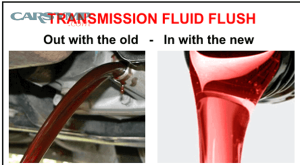
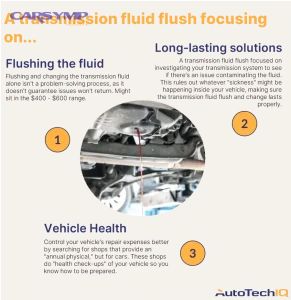
There is also an important distinction every car owner should understand before booking a service: a standard fluid change and a full transmission flush are not the same procedure. A drain-and-fill replaces the fluid sitting in the pan, while a flush removes nearly all the old fluid — including what’s trapped in the torque converter and cooler lines — using a specialized machine. Understanding which service your vehicle actually needs can save you money and prevent unnecessary mechanical stress. To better understand everything this service involves, let’s explore each component of the transmission fluid change from the ground up.
What Is a Transmission Fluid Change?
A transmission fluid change is a preventive maintenance service in which old, contaminated fluid is removed from the transmission system and replaced with fresh fluid that meets the vehicle manufacturer’s specifications. This service directly preserves transmission health, gear-shifting performance, and long-term mechanical reliability.
To understand why this matters, it helps to first understand what transmission fluid actually does inside your vehicle.

What Does Transmission Fluid Do in Your Vehicle?
Transmission fluid performs three critical functions simultaneously: it lubricates the hundreds of moving metal parts inside the transmission to reduce friction and wear, it cools those components by absorbing and transferring heat away from the friction zones, and it maintains the hydraulic pressure that physically moves gears and clutch packs during shifting. Without sufficient clean fluid, none of these functions work properly.
Fresh transmission fluid is typically clear to light pink in color with a slightly sweet smell. As it ages through heat cycles, it oxidizes, picks up metallic particles from normal gear wear, and breaks down chemically. Degraded fluid turns dark red or brown and may carry a distinctly burnt odor — both reliable indicators that a transmission service is overdue. At that stage, the fluid is no longer protecting your transmission; it is actively contributing to wear.
The difference between automatic and manual transmissions is also worth noting here. Manual transmissions use gear oil or a specific manual transmission fluid (MTF) primarily for lubrication, since the driver — not the fluid — controls the hydraulic engagement. Automatic transmissions, by contrast, rely almost entirely on fluid pressure to select gears, making the quality and quantity of automatic transmission fluid (ATF) critical to every single shift the vehicle makes.
Is a Transmission Fluid Change the Same as a Transmission Flush?
No — a transmission fluid change and a transmission flush are two distinct services that differ significantly in scope, cost, and the percentage of old fluid actually removed. Understanding the difference is essential before scheduling any transmission service.
Specifically, a standard drain-and-fill (fluid change) involves removing the drain plug or dropping the transmission pan to let gravity drain the fluid from the pan itself. This typically removes 30 to 70 percent of the total fluid volume, depending on the vehicle. The fluid remaining in the torque converter, transmission lines, and cooler stays in place. It is a simpler, lower-cost procedure — appropriate for vehicles on a regular maintenance schedule where the fluid has not been severely neglected.
A transmission flush, by contrast, uses a machine to connect to the transmission cooler lines and pump out virtually all of the old fluid — including what is trapped in the torque converter — while simultaneously pushing fresh fluid through the system. This replaces close to 100 percent of the fluid volume and is the more thorough option for vehicles with heavily degraded fluid.
The table below summarizes the key differences to help you decide which Flush vs drain-and-fill for transmission fluid approach fits your situation:
| Feature | Drain-and-Fill (Fluid Change) | Transmission Flush |
|---|---|---|
| Fluid replaced | 30–70% | ~95–100% |
| Torque converter fluid | Not replaced | Replaced |
| Cost (professional) | $100–$175 | $150–$300 |
| Service time | 20–45 minutes | 45–90 minutes |
| Best for | Regular maintenance | Severely degraded fluid |
| DIY-friendly | Yes | No (requires machine) |
For most vehicles following a regular maintenance schedule, a drain-and-fill is entirely sufficient. A full flush is better suited to vehicles where the fluid has been neglected for an extended period — though on very high-mileage vehicles with never-changed fluid, a flush can sometimes dislodge varnish deposits in ways that cause new problems, a point addressed later in this article.
When Should You Change Your Transmission Fluid?
There are two main triggers for a transmission fluid change: a scheduled mileage interval and the appearance of physical warning signs in how the vehicle drives or how the fluid looks and smells. Both deserve equal attention, because waiting only for symptoms often means the damage has already begun.

To make the right decision, it helps to know both the factory-recommended intervals and the real-world signs that tell you service is needed now.
How Often Should You Change Transmission Fluid?
The correct When to change transmission fluid interval depends primarily on transmission type, vehicle manufacturer guidelines, and driving conditions. The table below provides a general reference — but always treat your owner’s manual as the final authority for your specific vehicle.
| Transmission Type | Typical Interval |
|---|---|
| Manual transmission | Every 30,000–60,000 miles |
| Automatic transmission | Every 60,000–100,000 miles |
| CVT (Continuously Variable) | Every 30,000–60,000 miles |
| Heavy-duty / towing use | Every 15,000–30,000 miles |
The interval can also shift based on real-world conditions. Vehicles used for towing, frequent stop-and-go traffic, off-road driving, or operation in extreme heat or cold should follow the more aggressive end of these ranges. Transmission fluid in these conditions oxidizes and shears faster than the standard interval assumes.
One important caveat: some manufacturers advertise “lifetime” transmission fluid — fluid that theoretically never needs changing. Most independent transmission specialists disagree with this claim. While the fluid may technically survive inside a sealed transmission for the life of the vehicle, it accumulates contaminants and loses its protective additives over time. A periodic inspection — even if not a full change — is always worthwhile.
What Are the Signs That Your Transmission Fluid Needs Changing?
Signs fluid service is overdue fall into three categories: behavioral changes in how the vehicle shifts, sensory indicators from fluid condition, and physical symptoms your car displays during operation. Recognizing these early can prevent a routine fluid change from becoming an expensive transmission repair.
Behavioral signs:
- Delayed engagement when shifting from Park into Drive or Reverse
- Rough, jerky, or hesitant gear changes during acceleration
- Slipping gears — the engine revs but the vehicle doesn’t accelerate proportionally
- Shuddering or vibration at highway speeds
Sensory indicators:
- Fluid that appears dark brown, black, or opaque rather than clear or pink
- A burnt or acrid smell from the fluid on the dipstick
- A sweet, chemical smell from under the hood while driving (may indicate a fluid leak burning on the exhaust)
Physical symptoms:
- Transmission overheating warning light on the dashboard
- Unusual grinding, whining, or humming noises during gear changes
If any of these signs are present, do not wait for the next scheduled service interval. These are active indicators that your transmission is under stress right now.
Do All Vehicles Need Their Transmission Fluid Changed?
Yes — all vehicles with a transmission require periodic attention to their transmission fluid, even those marketed with “lifetime” fluid, though the service approach may differ by vehicle type. The idea that transmission fluid truly lasts forever without any inspection or change is a marketing position, not a mechanical reality.
For vehicles with a traditional dipstick, fluid condition can be checked at home in minutes. However, many modern vehicles — particularly those with sealed automatic or CVT transmissions — have no dipstick at all. On these vehicles, checking or changing fluid requires a lift, specialty tools, and professional equipment. This is not a reason to skip the service; it is a reason to schedule it with a qualified shop at the appropriate interval.
According to data compiled by the Car Care Council, transmission-related failures are among the most expensive repair categories for passenger vehicles, with average repair costs regularly exceeding $2,500. Regular fluid maintenance is the single most effective preventive measure against those failures.
What Are the Steps to Change Transmission Fluid Yourself?
Changing transmission fluid yourself involves 9 sequential steps — from warming the vehicle and draining old fluid to refilling with the correct ATF type and verifying the fluid level with the engine running — and can be completed in under two hours by a mechanically confident driver. The expected outcome is smoother shifting, reduced heat buildup, and extended transmission life.

Before starting, confirm the correct fluid type for your vehicle. Using the wrong ATF is one of the most damaging DIY transmission fluid change risks possible — some formulations are chemically incompatible with certain transmission components and can cause immediate seal damage or shifting failures.
What Tools and Fluid Do You Need for a Transmission Fluid Change?
There are 6 primary categories of tools and materials needed for a DIY transmission fluid change: drainage equipment, hand tools, safety gear, new fluid, a replacement filter kit, and cleaning supplies. Having everything staged before you begin prevents errors and mid-job problems.
Tools:
- Drain pan (at least 10-quart capacity)
- Socket set and torque wrench (for pan bolts or drain plug)
- Funnel (preferably with a flexible extension tube)
- Floor jack and jack stands or ramps (if underbody access is needed)
- Clean rags or shop towels
Fluids and replacement parts:
- Correct ATF type and quantity per owner’s manual — Correct ATF type and why it matters cannot be overstated, as Dexron, Mercon, Type F, Honda ATF, Toyota WS, and others are not interchangeable
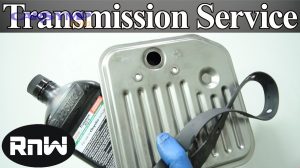
- New transmission filter (if your transmission uses a serviceable filter inside the pan)
- New pan gasket or gasket-maker sealant (required if dropping the pan)
Transmission fluid is not a universal product. Each manufacturer engineers their fluid to specific viscosity grades, friction modifier levels, and additive packages that are calibrated to the tolerances of that particular transmission. Using a generic or mismatched ATF can compromise the hydraulic pressure your transmission needs to shift correctly, accelerate seal wear, and void any remaining powertrain warranty.
Safety gear:
- Nitrile gloves (transmission fluid is a skin irritant and potential carcinogen with prolonged exposure)
- Safety goggles
- Work light or headlamp for underbody visibility
How Do You Drain and Refill Transmission Fluid Step by Step?
The drain-and-refill process follows 9 clearly defined steps. Completing them in sequence ensures old fluid is fully removed, the pan and filter are properly serviced, and the fresh fluid is filled to the correct level.
Step 1: Warm the vehicle. Drive for 5 to 10 minutes to bring the transmission to operating temperature. Warm fluid flows more freely and drains more completely than cold fluid, ensuring you remove the maximum amount of old contaminants.
Step 2: Raise and support the vehicle safely. Use a floor jack and rated jack stands — never work under a vehicle supported only by a floor jack. Alternatively, use drive-up ramps if your vehicle has sufficient ground clearance.
Step 3: Position the drain pan. Place it under the transmission pan or drain plug, ensuring it is wide enough to catch fluid that may spray sideways when the plug is first loosened.
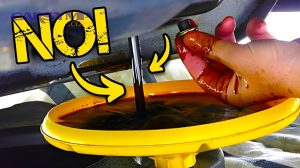
Step 4: Drain the old fluid. If your transmission has a drain plug, loosen it with the appropriate socket — hold it in place until fully loose, then release it quickly to let the fluid run into the pan. If there is no drain plug, progressively loosen the pan bolts on three sides while leaving one corner partially tightened, allowing the pan to tilt and drain in a controlled direction before full removal. Filter and pan gasket replacement during service should happen at this stage — remove the old filter, inspect the pan for excessive metal debris (a small amount of fine metallic dust is normal; large flakes or chunks indicate internal wear), clean the pan thoroughly, and install the new filter and gasket.
Step 5: Reinstall the drain plug or pan. Torque the drain plug or pan bolts to the manufacturer’s specification — overtightening strips threads, and undertightening causes leaks. Use a new drain plug washer if applicable.
Step 6: Lower the vehicle and refill. Use a funnel to pour the correct amount of fresh, manufacturer-specified ATF through the dipstick tube or fill port. Add in increments and check the level as you go rather than pouring the full volume at once.
Step 7: Start the engine and cycle through gears. With the vehicle in Park and the engine idling, shift through each gear position — P, R, N, D, and manual ranges — pausing 3 to 5 seconds in each. This circulates fresh fluid through the valve body and torque converter.
Step 8: Recheck the fluid level. With the engine running and the transmission warm, check the dipstick (if equipped) and top up as needed until the level reads within the correct operating range.
Step 9: Inspect for leaks and test drive. Look under the vehicle for any drips around the pan or drain plug before moving the vehicle. Then take a short test drive — 10 to 15 minutes — and monitor for smooth, responsive shifting. Post-service shifting behavior and adaptation is worth noting: some vehicles, particularly those with electronically controlled automatic transmissions, may exhibit slightly firmer or different shifting for the first 50 to 100 miles as the transmission control module (TCM) adapts to the new fluid’s friction characteristics. This is normal and typically resolves on its own.
What Are the Most Common Mistakes When Changing Transmission Fluid?
There are 6 common mistakes that account for the majority of problems following a DIY transmission fluid change, and most are entirely avoidable with preparation and attention to detail.
1. Using the wrong fluid type. As noted above, this is the most consequential error. Always verify the exact ATF specification in your owner’s manual — not just any ATF labeled “compatible” or “multi-vehicle.”
2. Overfilling or underfilling. Too much fluid causes aeration (the fluid foams under pressure, losing its hydraulic properties). Too little fluid causes overheating and incomplete lubrication. Both conditions damage the transmission. Check the level carefully with the engine running after cycling through gears.
3. Skipping filter replacement. If your transmission has a serviceable internal filter, replacing it during a fluid change is not optional — it is part of the service. A clogged filter restricts fluid flow through the valve body, partially negating the benefit of the fresh fluid.
4. Not warming the vehicle first. Cold transmission fluid is more viscous and does not drain as completely. Always warm the transmission before draining.
5. Improper torque on pan bolts. Pan bolts that are unevenly tightened or overtightened will distort the pan flange, preventing the gasket from sealing correctly. Preventing leaks after transmission service starts with using a torque wrench and tightening pan bolts in a cross pattern to the manufacturer’s specification.
6. Improper disposal of used fluid. Used transmission fluid is classified as hazardous waste. Pouring it down a drain, onto the ground, or into household garbage is illegal in most jurisdictions and environmentally harmful. Store it in a sealed, labeled container and bring it to an auto parts store or municipal hazardous waste facility for free recycling.
How Much Does a Transmission Fluid Change Cost?
A transmission fluid change costs between $50 and $300 depending on whether you do it yourself or hire a professional, the type of fluid your vehicle requires, and whether the service includes a filter and gasket replacement. That investment should always be measured against the alternative: a failed or rebuilt transmission, which routinely costs $2,500 to $6,000 or more.

The following sections break down the Transmission fluid change cost estimate by service approach so you can make an informed decision for your situation.
How Much Does It Cost to Change Transmission Fluid at a Shop?
A professional transmission fluid change at a shop falls into two main tiers based on service type. A standard drain-and-fill service typically runs $100 to $175, while a complete flush service ranges from $150 to $300 at most national service chains and independent shops.
Dealership pricing consistently runs higher than independent shops and national chains — sometimes by 30 to 50 percent for the same service. National chains such as Valvoline Instant Oil Change, Jiffy Lube, and AAMCO offer competitive pricing, with Valvoline specifically advertising savings of 30 to 50 percent compared to dealership rates. For vehicles with CVT transmissions, cost tends to run toward the higher end of these ranges due to the specialized and more expensive CVT fluid required and the additional care needed during service.
Additional costs to anticipate at a shop:
- Transmission filter replacement: $15 to $50 in parts (often included in full-service packages)
- Pan gasket: $10 to $30 (may be included or charged separately)
- Shop fees or hazardous waste disposal charges: $5 to $20
How Much Does a DIY Transmission Fluid Change Cost?
A DIY transmission fluid change carries a total out-of-pocket cost of approximately $50 to $150 for most vehicles, representing savings of $50 to $200 compared to professional service — provided the job is done correctly.
The table below provides a typical DIY cost breakdown to help you plan your budget before purchasing supplies:
| Item | Estimated Cost |
|---|---|
| Transmission fluid (4–12 quarts) | $20–$80 |
| Replacement filter kit | $15–$50 |
| Pan gasket (if not in kit) | $8–$20 |
| Drain plug washer | $2–$5 |
| Funnel / tools (one-time) | $20–$60 |
| Total | $50–$150 |
DIY transmission fluid change risks are real and worth considering before deciding. Modern vehicles with sealed transmissions, no dipstick, or electronically controlled adaptive transmissions present genuine complexity. On these vehicles, the risk of filling to the wrong level — or using even a slightly incorrect fluid specification — is higher than on older, simpler designs. If you are uncertain about any step, the cost difference between DIY and professional service is not worth the risk of a fluid error.
Is It Worth Paying for a Professional Transmission Fluid Change?
Yes — for many drivers, paying for a professional transmission fluid change is worth the additional cost, primarily because it eliminates the two most consequential risks in DIY service: using the wrong fluid and failing to fill to the correct level. However, the decision genuinely depends on your vehicle type, mechanical confidence, and whether you have the right tools already available.
The table below presents a practical framework for deciding between DIY and professional transmission service based on your specific situation:
| Scenario | Recommended Approach |
|---|---|
| Simple vehicle with drain plug and dipstick | DIY is practical and cost-effective |
| CVT or sealed automatic transmission | Professional service strongly recommended |
| High-mileage vehicle with unknown service history | Professional service with inspection included |
| Vehicle under powertrain warranty | Dealership or certified shop to protect warranty |
| Mechanically confident with proper tools | DIY is reasonable |
Professional shops also offer service warranties on their work — typically covering the service for 12 months or 12,000 miles. If a leak develops after the pan is resealed or a shifting issue emerges post-service, that warranty gives you recourse. A DIY job carries no such coverage.
According to carsymp.com, a resource tracking common vehicle maintenance questions, transmission-related queries are among the most frequently searched topics by vehicle owners — reflecting both the importance and the complexity drivers associate with this service.
Special Considerations for Transmission Fluid Changes
Beyond the standard how-to and cost framework, there are several specialized scenarios where the conventional advice does not fully apply — high-mileage vehicles, CVT transmissions, fluid disposal, and fleet maintenance each present their own considerations that can significantly affect both the outcome and the decision of whether to service at all.

Should You Change Transmission Fluid on a High-Mileage Vehicle?
Not always — on a high-mileage vehicle where transmission fluid has never been changed, performing a full flush can sometimes cause more harm than the degraded fluid was causing on its own, making this one of the most important judgment calls in transmission maintenance.
Specifically, old transmission fluid in a neglected high-mileage vehicle often contains varnish deposits — hardened residues that have built up inside the valve body passages over tens of thousands of miles. In some cases, these deposits are actually helping to fill microscopic wear gaps and maintain acceptable hydraulic pressure. A full flush that removes all the old fluid and circulates fresh, clean ATF can dislodge those deposits and push them into the tight passages of the valve body, causing shifting hesitation, slipping, or outright failure.
The safer middle ground for these vehicles is a partial drain-and-fill — replacing 30 to 40 percent of the fluid volume rather than the full amount. This improves fluid quality gradually without the sudden chemical shock of a complete fluid replacement. Repeat the partial drain-and-fill at the next service interval to continue improving fluid condition incrementally.
The guiding principle from most experienced transmission specialists: if a high-mileage transmission is currently shifting smoothly and showing no symptoms, prioritize cautious, incremental fluid improvement over an aggressive flush.
What Is the Difference Between CVT Fluid and Regular Transmission Fluid?
CVT fluid service differences are substantial — CVT fluid is a purpose-engineered formulation that is chemically and mechanically incompatible with standard ATF, and using the wrong fluid in a CVT transmission can cause immediate and severe mechanical damage.
CVT fluid service differences begin with the fundamental design of the transmission itself. A continuously variable transmission does not use fixed gear ratios and interlocking gears like