


A car inspection service is a structured evaluation of your vehicle’s safety, mechanical condition, and (when applicable) compliance items, documented in a report that highlights what’s normal, what needs attention, and what is urgent.
For most drivers, the next goal is clarity: which systems are checked, how findings are graded, and what “pass” or “fail” actually means for repair decisions and budgeting.
Many people also want to avoid surprises, so it helps to understand what inspectors can’t verify in a short visit, what tests require disassembly, and how to prepare your vehicle inspection appointment to get accurate results.
To tie everything together, Giới thiệu ý mới this guide walks through the complete scope, typical process, and how to read outcomes so you can act on the results confidently.
What does a car inspection service include in a standard visit?
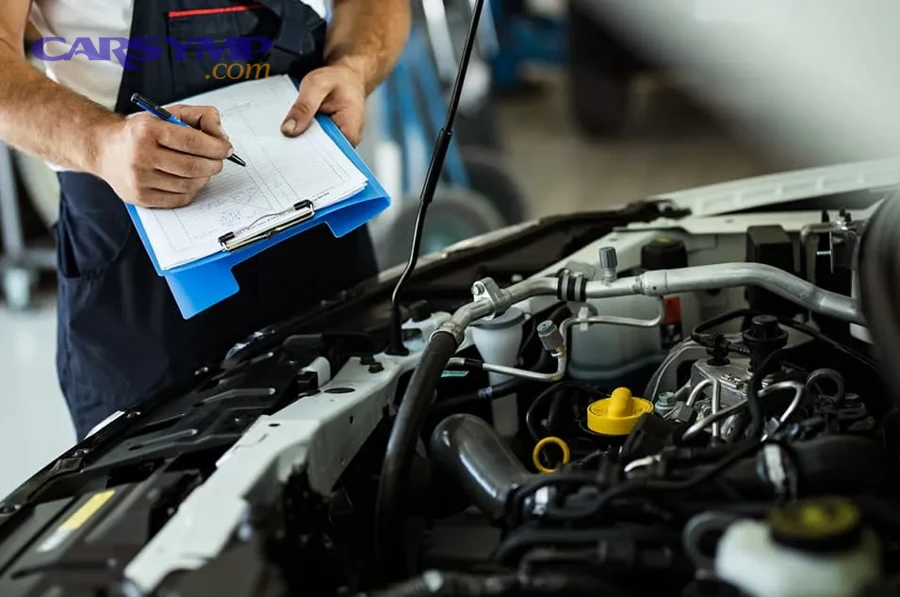
A standard car inspection service includes a methodical check of safety-critical systems, core drivability items, and visible wear/leak conditions, plus a written inspection report with recommended next steps. Next, the easiest way to understand scope is to group checks by system so you can see what is always included versus optional add-ons.

Safety systems and roadworthiness items inspectors look at first
Safety coverage is the baseline: inspectors check components that directly affect stopping, steering, stability, visibility, and occupant protection, because these are the most time-sensitive risk areas. After that, they typically document any defect that could cause a breakdown or create an unsafe condition.
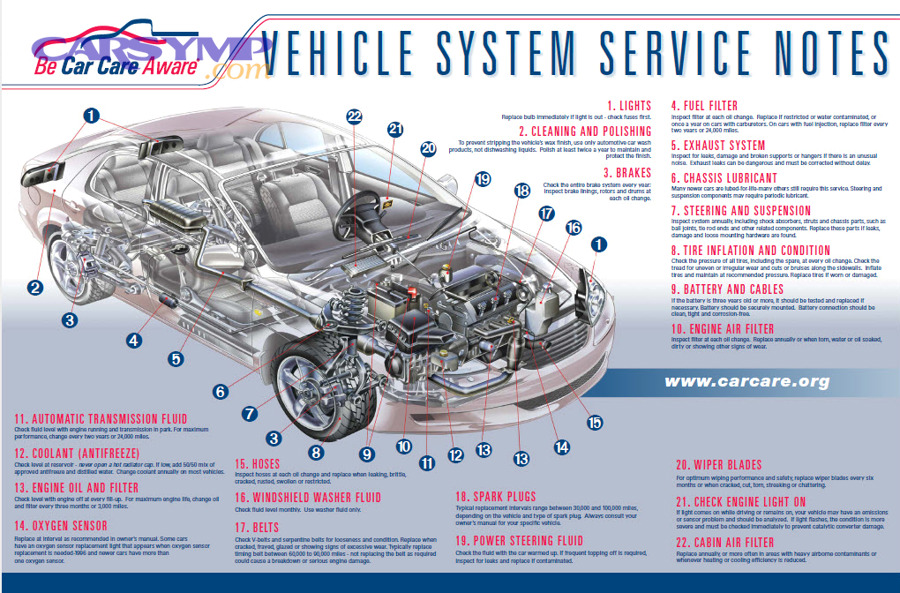
Brakes: pad/shoe thickness estimation (visual where possible), rotor/drum condition, caliper leaks, brake hose cracking, master cylinder reservoir level, ABS warning indicators, and parking brake operation.
Steering and suspension: ball joints and tie-rod end play (as accessible), control arm bushings, struts/shocks leakage, coil spring condition, sway bar links, and general looseness or clunks during movement checks.
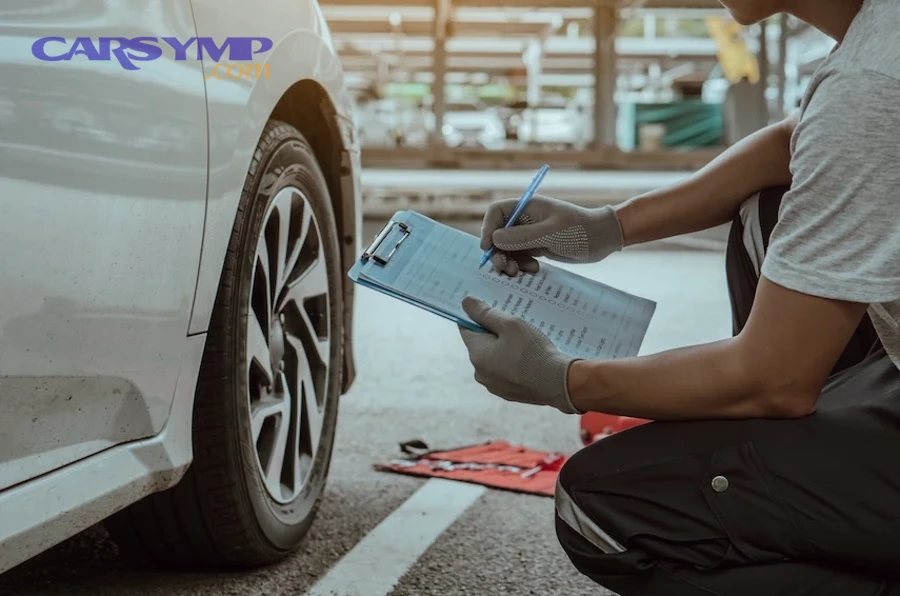
Tires and wheels: tread depth, uneven wear patterns, sidewall damage, date codes when relevant, wheel bearing noise signs, and lug-nut or rim damage indicators.
Lights and visibility: headlights/taillights/brake lights/turn signals, hazard lights, wipers, windshield washer function, and windshield cracks in the driver’s line of sight (depending on local rules).
Seat belts and basic restraints: latch function, webbing condition, retractor performance, and airbag/SRS warning light status.
According to research from the National Highway Traffic Safety Administration (NHTSA), in October 2023, defective vehicle equipment remains a documented factor in some crashes, which is why inspection programs emphasize brakes, tires, and lighting in roadworthiness checks.
Engine bay and drivability checks that support “no surprises” ownership
Drivability checks focus on whether the vehicle is likely to start, idle, accelerate, and cool correctly under normal use, with special attention to leaks, belts, hoses, and warning indicators. To continue, these checks help separate “safe to drive today” from “plan repairs soon.”

Fluids and leaks: engine oil level/condition, coolant level and visible contamination signs, brake fluid level, power steering fluid (if applicable), transmission fluid checks (when accessible), and visible leaks under the vehicle or around seals.
Belts and hoses: serpentine belt cracking/glazing, hose softness/bulging, clamp integrity, and signs of seepage around connections.
Battery and charging clues: visible terminal corrosion, loose connections, battery age stickers, and sometimes a basic battery test if the shop includes it in the package.
Air intake and filters: air filter housing condition, intake duct cracks, and general cleanliness that may hint at maintenance history.
Warning lights: check engine light behavior, battery/charging warning, oil pressure warning, ABS, traction control, and SRS/airbag indicators.
According to research by the University of Michigan Transportation Research Institute (UMTRI) in March 2022, consistent maintenance and early detection of mechanical issues correlate with improved vehicle reliability outcomes, which is why inspections emphasize visible wear and warning indicators even when no immediate failure is present.
Underbody and exhaust checks that reveal hidden wear
Underbody inspection is where many costly problems become obvious: rust, structural damage, fluid leaks, and exhaust faults show up most clearly from below. Next, this is also where inspectors look for safety-related corrosion or damage that isn’t visible from above.
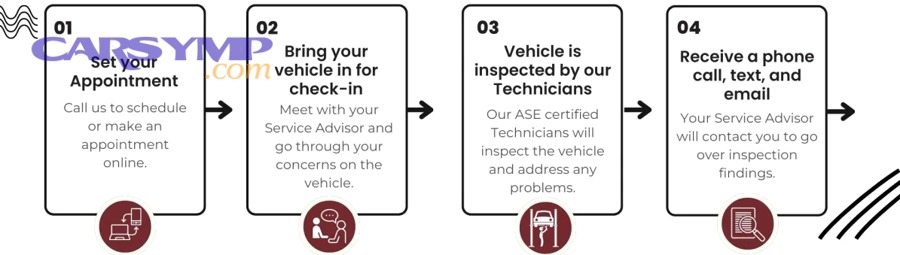
Frame and rust: corrosion at subframes, pinch welds, suspension mounting points, and brake/fuel lines.
Exhaust system: broken hangers, leaks, catalytic converter condition indicators, heat shield rattles, and muffler integrity.
Drivetrain and CV components: CV boot tears/grease sling, driveshaft issues (where applicable), and differential seepage checks.
Fuel system visible items: dampness around fuel lines, canister or EVAP hose damage that may trigger odor or emissions-related codes.
Road test elements included in many inspection packages
A road test is commonly included because it reveals symptoms you can’t see while parked, such as pulling, vibration, shifting behavior, or brake pulsation. After that, technicians often confirm findings by correlating what they felt on the road with what they saw on the lift.

Braking feel: pedal firmness, straight-line braking, noises, ABS activation anomalies.
Steering behavior: wandering, pull, off-center wheel, clunks over bumps.
Transmission performance: harsh shifts, slipping, delayed engagement (automatic), clutch engagement issues (manual).
Engine performance: misfires under load, hesitation, overheating signs, abnormal noises.
How is a vehicle inspection performed step by step?
A typical vehicle inspection follows a repeatable workflow: intake questions, a visual walkaround, an under-hood check, an underbody lift inspection, and a road test if included, ending with a written report. To begin, knowing the sequence helps you anticipate what the shop needs from you and why the process can’t be rushed without losing accuracy.

Intake questions and symptom capture that shape the inspection
The inspection starts with context: the technician or advisor asks about your concerns, driving patterns, and recent repairs because the same symptom can point to different root causes. Next, clear symptom capture prevents “false negatives” where an issue is missed because it didn’t appear during a brief check.

Good details to provide: when the noise happens, speed range, temperature conditions, warning lights, recent tire rotation/alignment, and any dashboard messages.
What this improves: targeted checks (for example, looking for heat shield rattle after a specific RPM note) rather than only generic visuals.
Walkaround and documentation: why photos and notes matter
During the walkaround, the shop notes exterior condition and safety basics like lights, tires, and obvious leaks, often with photos for transparency. After that, documentation helps you compare “before vs after” and reduces misunderstandings about pre-existing issues.
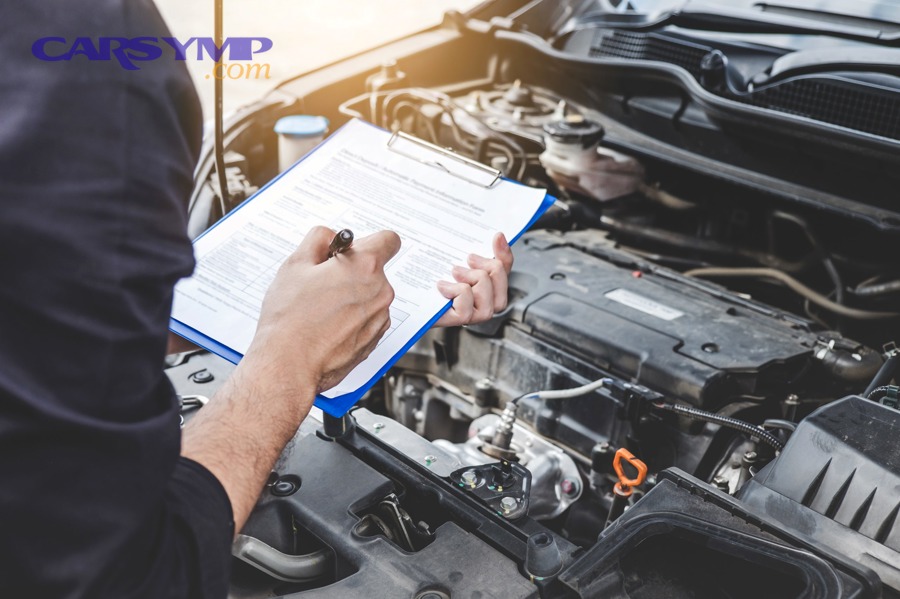
Common documented items: tire tread depth, cracked lenses, windshield chips, fluid spots under the car, and uneven tire wear.
Why it helps you: photos provide evidence for prioritizing repairs and monitoring whether a leak or wear pattern is getting worse.
Lift inspection: what is checked once the vehicle is raised?
Once on a lift, technicians can verify suspension play, brake condition, underbody rust, exhaust integrity, and fluid leaks far more accurately than from a driveway glance. To continue, this stage is where many “unknown unknowns” are found, especially for used vehicles.
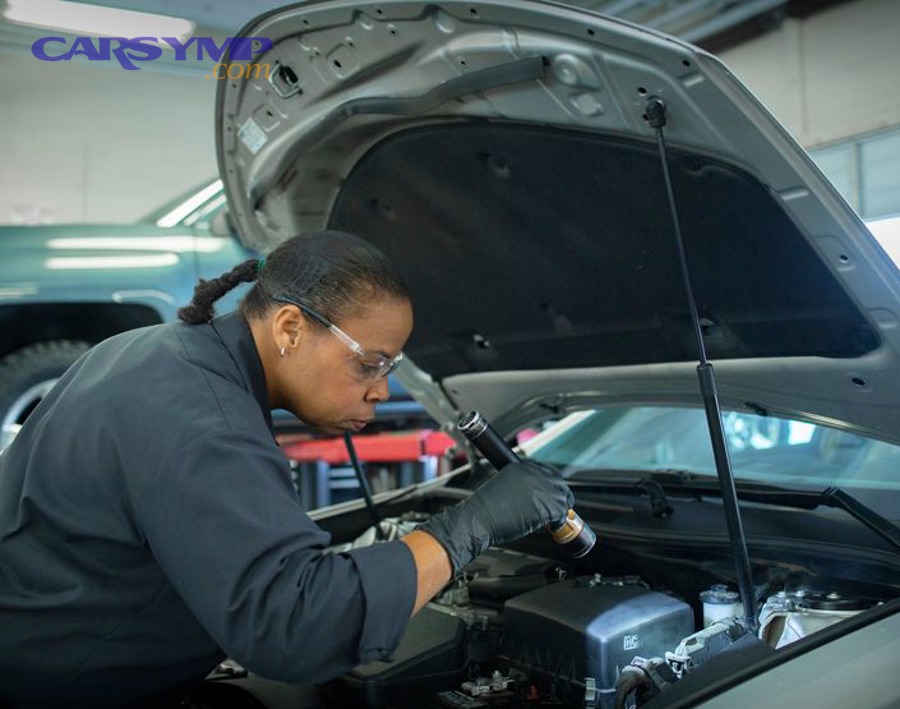
Brake visibility improves: caliper seepage, rotor scoring, and pad thickness estimates are easier to confirm.
Suspension confirmation improves: bushings, ball joints, and sway links can be loaded and checked for play or torn boots.
Leak tracing improves: oil pan edges, valve cover seepage lines, and transmission/differential dampness are easier to classify as seep vs active leak.
Optional diagnostics: when scanning or measurements are included
Some inspections include basic diagnostic steps like OBD-II scanning, battery/charging tests, or brake measurements, while others price these separately. Next, it’s important to ask what’s included because “inspection” can mean a visual check or a deeper test package.
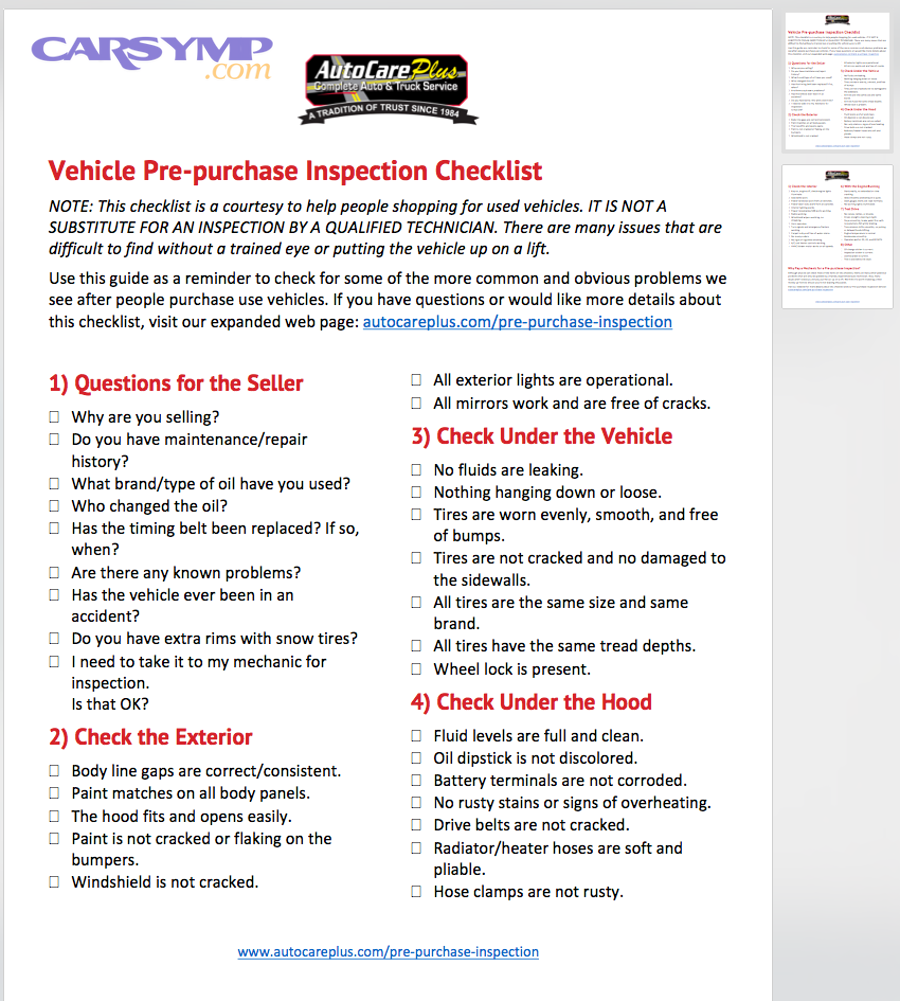
OBD-II scan: reveals stored and pending codes, freeze frame snapshots, and readiness monitors.
Battery test: checks battery health and cranking capacity; charging test checks alternator output trends.
Tire and brake measurement: more precise tread depth and brake material thickness reporting.
Which inspection items are “standard,” and which are add-ons?
Most inspections include visible safety and condition checks, while add-ons include deeper tests that require special tools, longer time, or partial disassembly. After that, the fastest way to compare packages is to look at whether the shop is offering a visual checklist, a measurement-based inspection, or a diagnostic-inclusive inspection.
Standard checklist items you should expect almost everywhere
Standard items are the fundamentals that can be checked quickly and safely: tires, lights, brakes (visual), suspension (basic play), fluids (levels/visible condition), and obvious leaks. Next, these create a baseline snapshot you can use for maintenance planning.
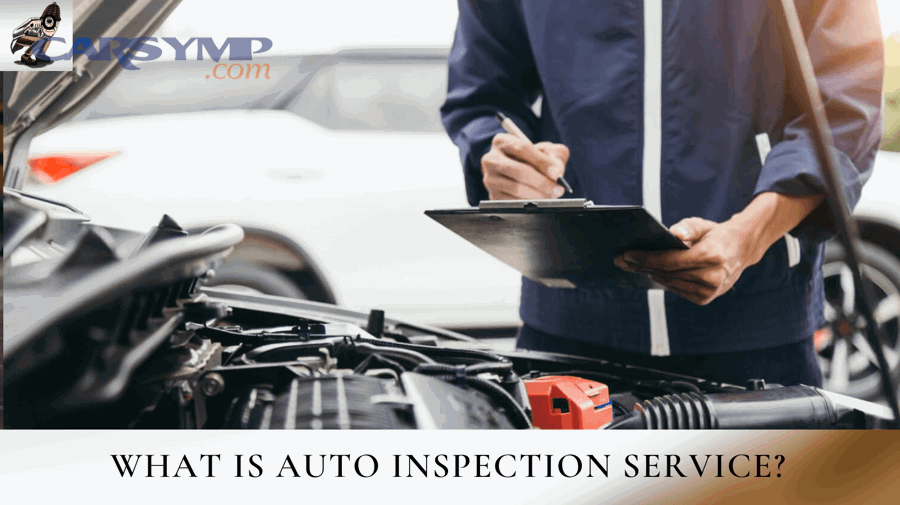
- Exterior lighting and signals
- Tire tread depth estimate and obvious damage
- Brake pad/shoe visual estimate and leak check
- Fluid levels and visible contamination clues
- Basic suspension/steering visual and play checks
- Battery terminal condition and obvious corrosion
- Underbody visual scan for leaks, rust, and exhaust issues
Common add-ons that change the value of the inspection
Add-ons add precision: scanning, measurements, pressure tests, alignment checks, or pre-purchase compression/leak-down testing. To continue, these options matter most when you’re buying used, chasing a recurring symptom, or preparing for a long trip.
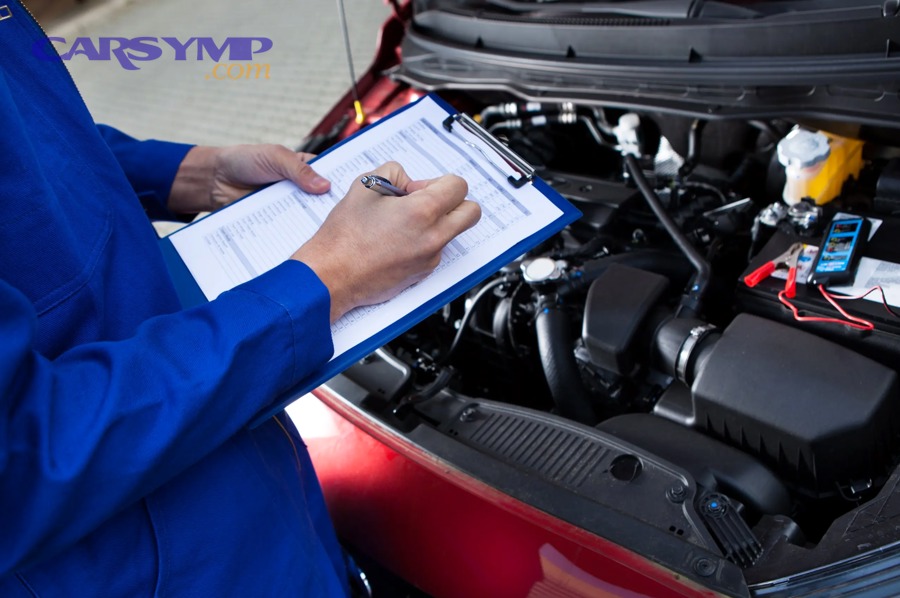
- OBD-II scan with readiness and freeze frame details
- Battery and alternator load/charging tests
- Brake thickness measurements and rotor runout checks
- Cooling system pressure test
- Alignment check and tire wear diagnosis
- Pre-purchase deeper engine/drivetrain diagnostics
What a quick inspection cannot reliably confirm
A short inspection cannot guarantee future reliability or identify every intermittent issue, because many faults require time, data logging, or disassembly to verify. Next, treat the report as a risk snapshot, not a promise that “nothing will break.”

Examples: intermittent electrical faults, internal engine wear without symptoms, transmission internal wear without drivability signs, and small leaks that only appear when hot.
Why this matters: it prevents disappointment and helps you decide when to upgrade from “inspection” to “diagnosis.”
How to read an inspection report and prioritize repairs?
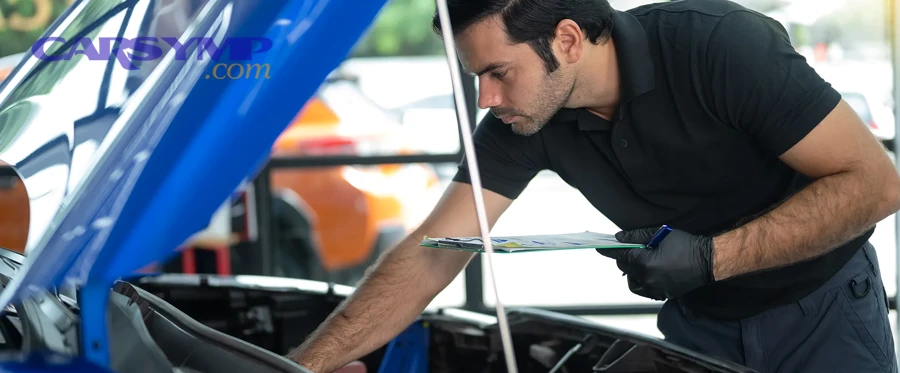
An inspection report should separate items into severity tiers (urgent safety, soon, monitor) and explain the evidence behind each finding. After that, your job is to prioritize repairs that reduce immediate risk first, then address items that prevent bigger future costs.
How severity categories typically map to action
Severity tiers help translate technical findings into decisions: “urgent” means unsafe or likely to fail soon, “soon” means plan within weeks/months, and “monitor” means track changes. Next, always ask what happens if you delay each item so you understand real-world consequences.

Urgent examples: cord-exposed tires, brake fluid leaks, severe ball joint play, major coolant leaks, or a charging failure warning.
Soon examples: worn brake pads near limit, seepage that is not dripping, weak battery test results, or uneven tire wear suggesting alignment need.
Monitor examples: light surface rust, minor bushing wear without play, or small stains that aren’t active leaks.
Inspection report red flags to watch and what they usually mean
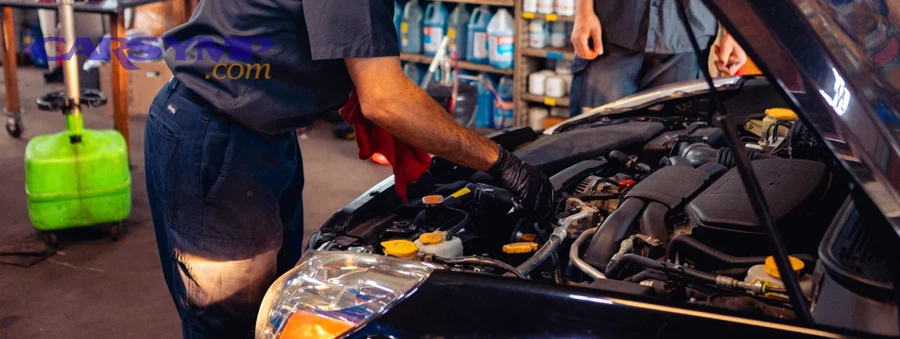
Red flags are patterns in the report that signal either a genuine high-risk problem or an inspection that lacks clarity; you should request evidence, measurements, and photos. To continue, focus on whether the report explains “what was observed” instead of only “what to replace.”
- Vague language: “needs attention” without measurements, photos, or location details.
- Bundled recommendations: multiple parts replaced without explaining the root cause.
- No differentiation: everything listed as urgent, with no prioritization.
- No verification notes: the report doesn’t state whether a symptom was reproduced.
- Missing basics: no tire tread numbers, no brake condition notes, no leak severity classification.
According to research from the U.S. Government Accountability Office (GAO) in June 2021, consumer transparency improves outcomes when service providers provide clearer documentation and rationale for recommendations, reinforcing why evidence-based inspection notes matter.
Before-and-after comparisons: the simplest way to protect your budget
Comparing current findings to your last inspection or service record helps you see what’s changing and what’s stable, preventing unnecessary early replacements. Next, ask for baseline measurements (tread depth, brake thickness) so you can track wear predictably.

If you don’t have past records, start now: keep the report and photos, and note mileage and date so the next inspection can quantify progression.
Safety inspection vs emissions inspection differences: what each one covers?
Safety inspections focus on roadworthiness (brakes, tires, lights, steering, suspension), while emissions inspections focus on pollution control compliance (OBD readiness, tailpipe tests in some areas, and EVAP-related checks). After that, the key difference is intent: safety aims to reduce crash risk, emissions aims to meet air-quality regulations.
What a safety inspection typically checks and why it can fail you
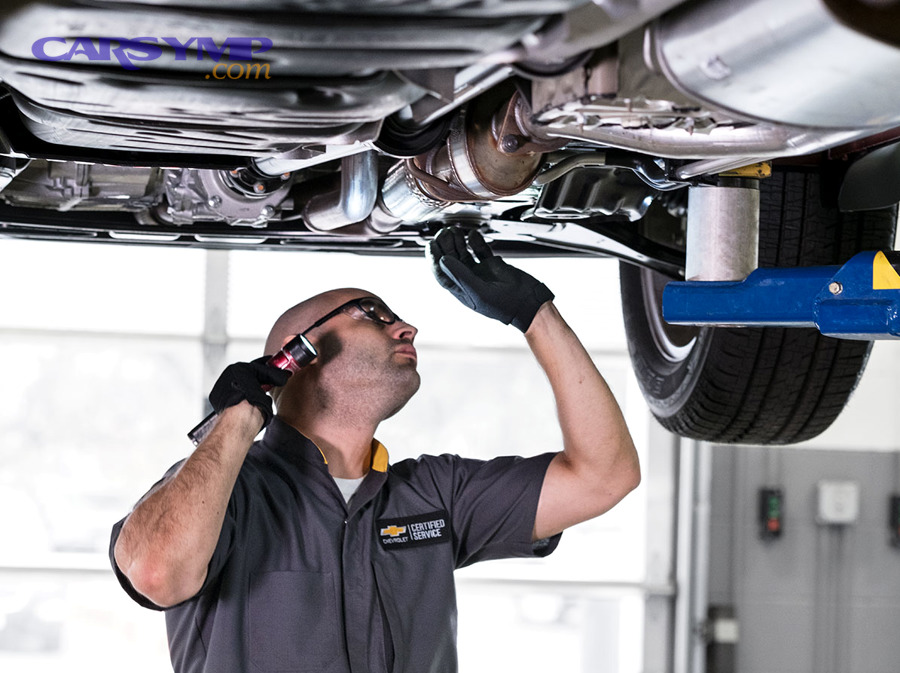
A safety inspection checks components that must function correctly for legal road use and basic crash prevention. Next, failure usually happens when a safety item is below minimum condition or not functioning, such as brakes, tires, or required lighting.

Common fail reasons: bald tires, brake defects, inoperative lights, excessive suspension play, windshield or wiper defects (jurisdiction-dependent).
What you receive: pass/fail outcome and a list of defects to correct before re-inspection (where required).
What an emissions inspection checks and what “readiness” means
An emissions inspection usually checks onboard emissions monitors (readiness), stored trouble codes, and in some places tailpipe emissions; it verifies that emission control systems are working as designed. To continue, readiness monitors often become “not ready” after battery disconnects or code clears, which can cause a fail even if the car seems to run fine.

Typical fail reasons: active check-engine light, stored emissions-related codes, too many “not ready” monitors, or failed tailpipe limits where applicable.
According to research by the U.S. Environmental Protection Agency (EPA) from the Office of Transportation and Air Quality in May 2020, OBD-based inspection programs rely heavily on monitor readiness and diagnostic trouble codes to identify malfunctioning emissions controls.
When you need both, and how to avoid re-test headaches
Some states require both safety and emissions checks depending on county and vehicle type, while others require only one or neither. Next, avoid re-test issues by not clearing codes right before an emissions test and by ensuring you have enough drive cycles for monitors to set.

If you recently replaced a battery or repaired a fault, ask the shop whether readiness monitors are set before you schedule the official emissions test.
What should a “pre-purchase” inspection include beyond a basic service inspection?
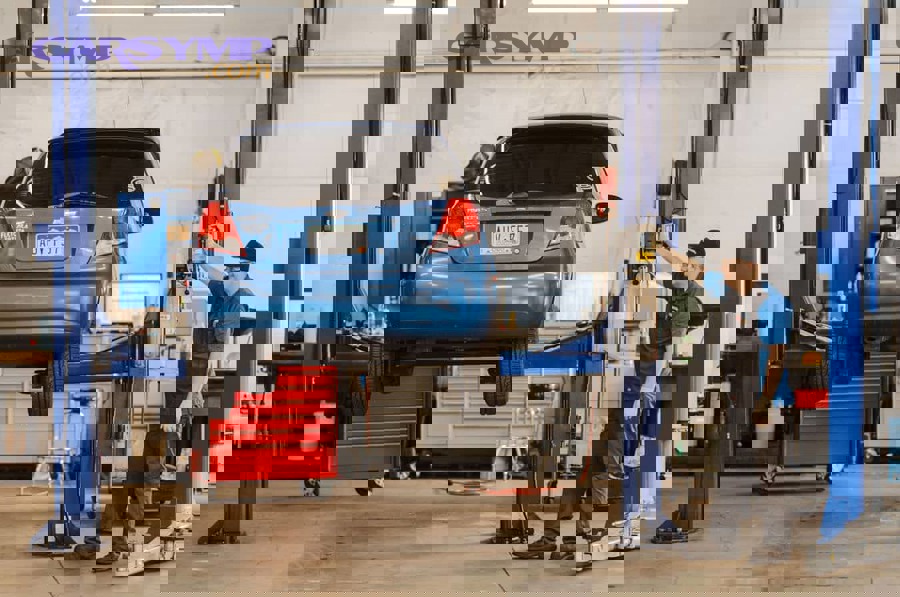
A pre-purchase inspection includes everything in a standard inspection plus extra scrutiny of hidden damage, maintenance history clues, and higher-cost components like drivetrain, cooling, and electronics. After that, the goal is to convert uncertainty into manageable risk before you commit to the vehicle.
Ownership risk checks: accident signs, corrosion, and past repairs
Risk checks look for mismatch paint, panel gaps, overspray, weld marks, and structural rust that can indicate past collisions or severe corrosion exposure. Next, these indicators matter because they can affect safety and resale value even if the car drives acceptably today.

Examples: uneven panel gaps, different shades of paint, new undercoating only in one area, and corrosion near suspension mounts.
Drivetrain and thermal checks that catch expensive problems early
Pre-purchase inspections often add deeper checks on transmission behavior, differential noise, cooling system integrity, and overheating risk indicators. To continue, these tests matter because drivetrain repairs can exceed the cost of many used-car price differences.
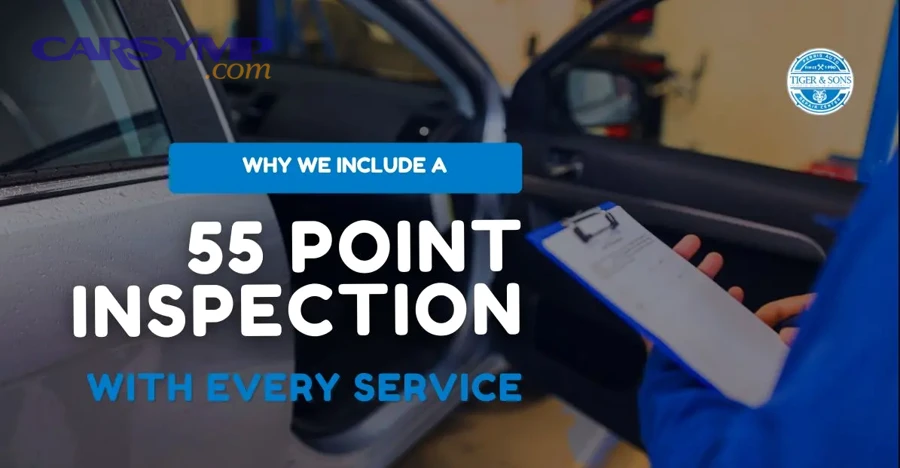
High-value add-ons: cooling system pressure test, scan for misfire history, check for transmission fluid contamination (when accessible), and verify fan operation.
Electronics and scan-based checks: why “no warning lights” isn’t enough
A scan can reveal pending codes and history that hasn’t triggered the dashboard light yet, plus readiness status that indicates recent code clearing. Next, this is a common “seller trick” risk: clearing codes makes the light off temporarily while the underlying issue remains.

Ask for the scan printout and confirm whether monitors are ready; suspiciously incomplete readiness can be a clue the vehicle was recently reset.
How long does an inspection take, and what affects cost and depth?
Inspection time and cost depend on depth: a quick safety check is faster than a measurement-based or diagnostic-inclusive inspection. After that, the biggest drivers are vehicle complexity, rust level, symptom complexity, and whether the shop performs scans or tests.

Time ranges by inspection type and what they imply
Time is a proxy for thoroughness: faster inspections are mostly visual, while longer ones include measurements and deeper verification. Next, use the time estimate as a clue for what you will actually receive.

Below is a table that helps you match inspection duration to the likely level of detail so you can pick the right service for your goal.
| Inspection Type | Typical Duration | What You Usually Get | Best For |
|---|---|---|---|
| Basic visual safety/condition check | 20–45 minutes | Checklist findings, obvious wear/leaks | Routine maintenance baseline |
| Measurement-based inspection | 45–90 minutes | Tread/brake measurements, more detailed notes | Planning repairs and budgets |
| Pre-purchase inspection | 60–120 minutes | Deeper risk checks + scan in many shops | Buying a used car |
| Inspection + diagnostics | 90+ minutes | Testing, scanning, symptom verification | Intermittent or complex issues |
What you can do to make the inspection more accurate
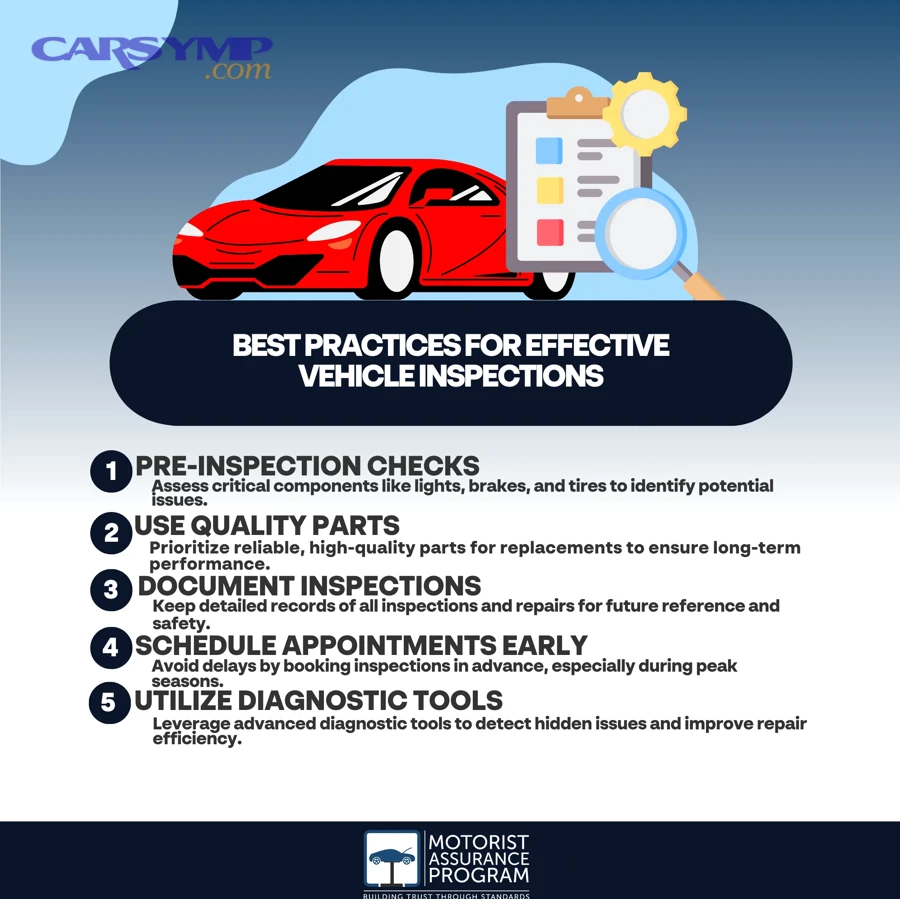
You can improve accuracy by arriving with clear symptom notes, not clearing warning codes beforehand, and ensuring the car is accessible for lift checks (remove clutter, unlock wheel locks). To continue, a well-prepared visit reduces “we couldn’t reproduce it” outcomes.

- Write down when the issue happens (speed, temperature, turning, braking).
- Bring maintenance records or recent repair receipts.
- Don’t wash away evidence of leaks right before the visit.
- Tell the shop about aftermarket mods (lift kits, non-stock tires).
What “free inspection” usually means and how to evaluate it
“Free inspection” often means a limited visual check used to create an estimate, not a full measurement-based report. Next, you can still benefit from it by asking what is included, requesting photos, and confirming severity ranking rather than accepting a long parts list.
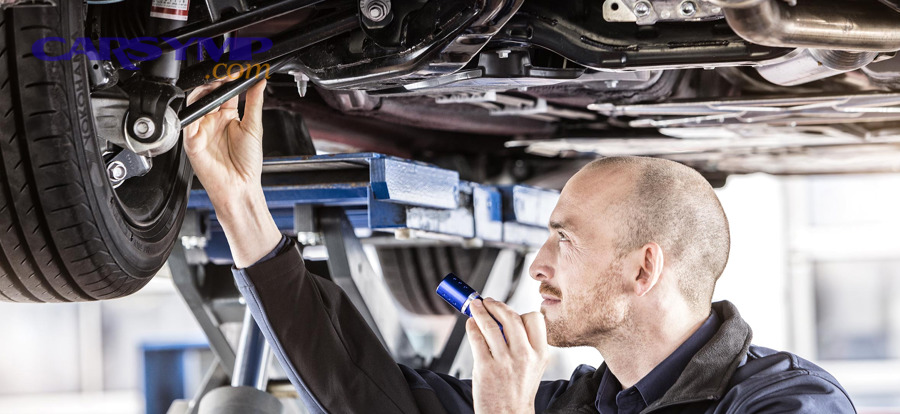
If you want a true baseline report, ask whether they provide tread/brake measurements and whether a road test and scan are included.
──────── Contextual Border ────────
Vehicle inspection terms, report language, and scope synonyms drivers should recognize
This supplementary section connects the language you’ll see on a vehicle inspection report with the practical meaning behind it, using synonyms and closely related terms so you can interpret notes accurately. Next, these micro-details help you avoid misreading severity and missing the difference between “observed” and “assumed.”

“Inspect” vs “diagnose” vs “test”: near-synonyms that change expectations
“Inspect” is a visual or basic functional check, “diagnose” is root-cause investigation, and “test” is a measurable verification using tools or procedures; they are related but not interchangeable. After that, asking which one you’re paying for prevents disappointment when a visual inspection can’t prove an internal fault.

Practical takeaway: if you need certainty, request a test (measurement) or diagnosis (root cause), not only an inspection.
“Seep” vs “leak”: a meronym-style detail that changes urgency
A “seep” typically means dampness without dripping, while a “leak” implies active dripping or loss; both relate to the same system but signal different urgency. Next, this small wording difference can determine whether you monitor the issue or repair immediately.
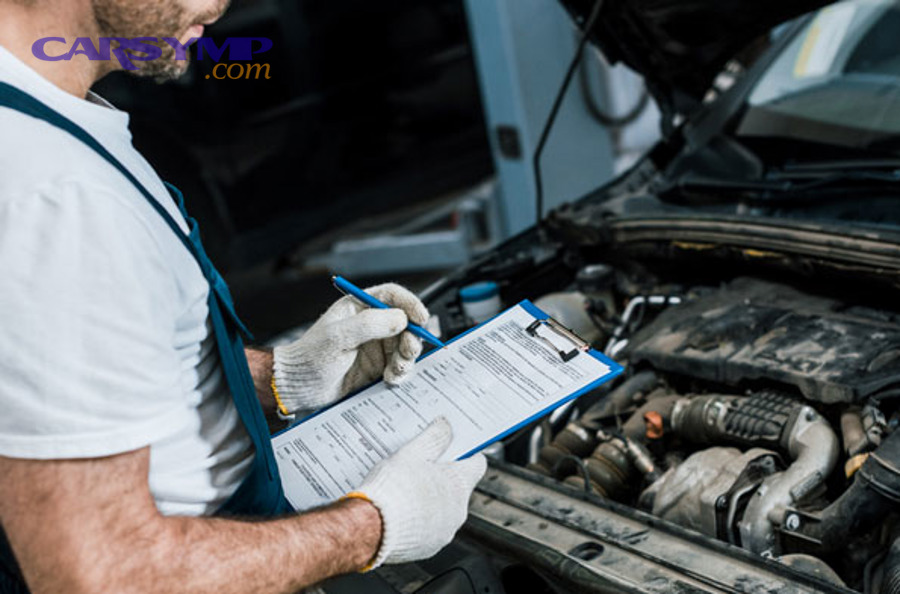
What to ask: is it actively dripping, how fast is fluid dropping, and what surface is wet (gasket edge, seal, line)?
“Wear pattern” synonyms that point to alignment, suspension, or tire issues
Terms like “cupping,” “feathering,” “inner-edge wear,” and “scalloping” are wear-pattern synonyms that often indicate alignment drift, weak dampers, or worn suspension joints. To continue, pairing the term with location (front-left vs rear-right) improves the accuracy of the repair plan.
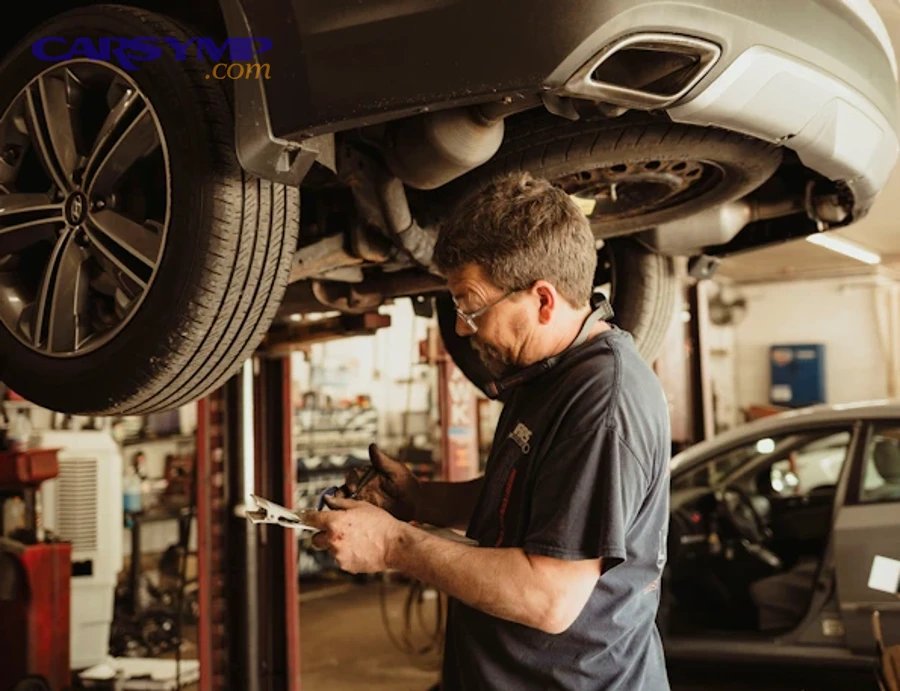
Fast interpretation: feathering often suggests toe issues; cupping can suggest shock/strut weakness; inner-edge wear may suggest camber/toe drift or bushing play.
“Pass/Fail/Advisory”: how to interpret the report’s decision language
“Pass” means minimum criteria met, “fail” means criteria not met, and “advisory” means non-failing issues worth planning; these labels describe compliance status, not the full story of long-term reliability. Next, treat advisory notes as your maintenance roadmap rather than ignoring them until a breakdown happens.

Best practice: ask which advisories become urgent first and what mileage/time horizon the shop recommends for each.
FAQ
Is a vehicle inspection the same as a maintenance service?
No—an inspection documents condition, while maintenance replaces fluids/filters or performs scheduled tasks; they are complementary. Next, many shops bundle them, but the deliverable is different: a report versus completed service items.
Should I get a car inspection service before a road trip?
Yes, especially if your tires, brakes, battery, cooling system, or lights haven’t been checked recently, because those failures are the most disruptive and risky on long drives. After that, ask for tread depth, brake thickness, and a cooling/charging check if your trip includes extreme weather or mountains.

Will an inspection guarantee the car won’t break down?
No—an inspection reduces risk by identifying visible and testable problems, but it cannot predict every intermittent or internal failure. Next, if you need higher confidence, request additional tests (scan, pressure test, measurements) based on the vehicle’s age and symptoms.

Do I need an inspection if there are no warning lights?
Yes—many safety and wear issues (tires, brakes, suspension play, rust, fluid seepage) don’t trigger warning lights until late. To continue, inspections catch gradual wear early and help you plan maintenance instead of reacting to failures.
Where can I keep and compare my inspection reports over time?
Save digital copies (PDF/photos) and track date and mileage so you can compare changes across visits; this turns inspection notes into a maintenance timeline. Next, you can also store photos and summaries in your own records system so patterns like leaks or uneven wear are easier to spot later.
car inspection service, carsymp.com