


Inspectors look for one thing first: whether your brakes and tires can stop, steer, and stabilize the car predictably in real traffic—not just whether they “still work.” That means they evaluate wear, damage, and measurable limits that signal loss of friction, loss of grip, or a high risk of sudden failure.
They also use brake-and-tire findings as a shortcut to the car’s overall care history: uneven wear, heat marks, fluid seepage, or mixed tire types often point to neglected maintenance, alignment issues, or prior repairs that weren’t done correctly.
And beyond the parts themselves, inspectors consider how brakes and tires behave together: the best pads in the world won’t save a car on worn tread in the rain, and strong tires can’t compensate for a brake system that’s fading, leaking, or pulling.
To begin, the best way to understand inspection outcomes is to follow the same sequence an inspector uses—Giới thiệu ý mới—so you can predict what will be flagged and what will be recommended before you ever roll into the bay.
What do inspectors evaluate first on brakes and tires?
Inspectors start by confirming that both systems can deliver safe, repeatable control: brakes must create smooth deceleration without instability, and tires must maintain traction, load capacity, and structural integrity under normal driving. Next, they move from “can it function?” to “is it within limits?”
After that quick safety framing, the inspection usually splits into three parallel checks that connect tightly to pass/fail outcomes.
Do the tires look structurally sound at a glance?
Yes/no decisions often begin with obvious hazards: bulges, exposed cords, deep cuts, or severe cracking are treated as safety defects because they can lead to sudden air loss or a blowout. Next, inspectors scan for mismatched sizes, damaged sidewalls, and signs the tire has been driven flat.
Cụ thể, a “bubble” on the sidewall typically indicates a broken internal cord or impact damage, which is risky even if the tread looks decent. That’s why visible sidewall deformation is often handled more strictly than cosmetic tread wear.
Do the brakes show signs of leakage, overheating, or missing hardware?
Yes/no checks focus on red flags that can’t be “adjusted away”: brake fluid leaks, severely corroded lines, missing clips, loose caliper hardware, or rotors showing heavy heat spotting can indicate the system won’t remain safe under repeated stops. Next, inspectors verify the pedal feel and look for warning lights that signal electronic faults.
Để minh họa, a wet caliper area, shiny fluid on the inside of a wheel, or soaked backing plates suggests a leak that can reduce hydraulic pressure—so even if braking feels “okay” once, it may degrade quickly.
Are there warning indicators that point to immediate risk?
Yes: dashboard warnings related to brake hydraulics or stability control can influence inspection results, especially if paired with physical defects. Next, inspectors interpret whether a warning indicates a simple sensor issue or a safety-relevant fault like low fluid, ABS malfunction, or uneven braking behavior.
The logic is straightforward: modern braking is a system—mechanical friction plus hydraulics plus control electronics—and inspectors look for failures in any link that would reduce stopping consistency.
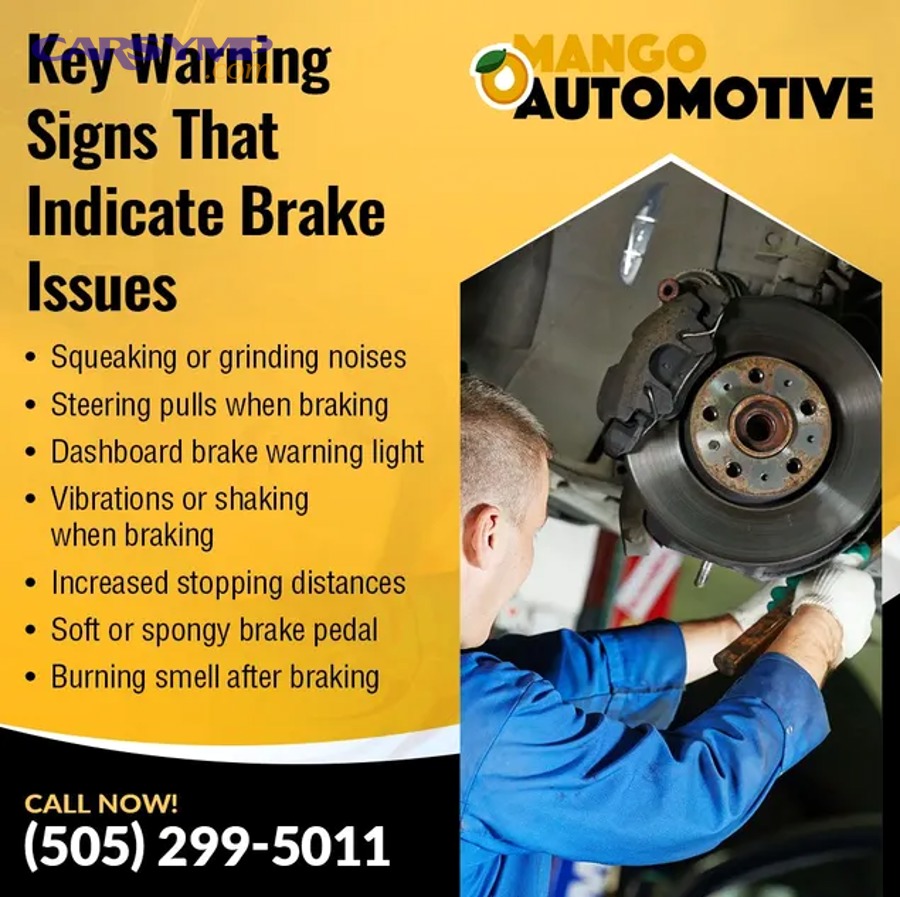
The phrase Car Symptoms matters here because inspectors don’t just note parts; they correlate parts with symptoms such as pulling, pulsation, squeal, grinding, vibration, or delayed ABS engagement.
According to the U.S. Department of Transportation’s National Highway Traffic Safety Administration (NHTSA) from its vehicle-safety tires guidance, in 2025, tires are not safe and should be replaced when tread is worn to 2/32 of an inch.
How do inspectors measure brake pad, rotor, and drum wear without guessing?
Inspectors measure brake wear by checking pad/lining thickness, rotor/drum condition, and hardware operation using visual access points, gauges, and manufacturer specifications rather than “feel” alone. Next, they compare what they see to minimums and patterns that predict failure.
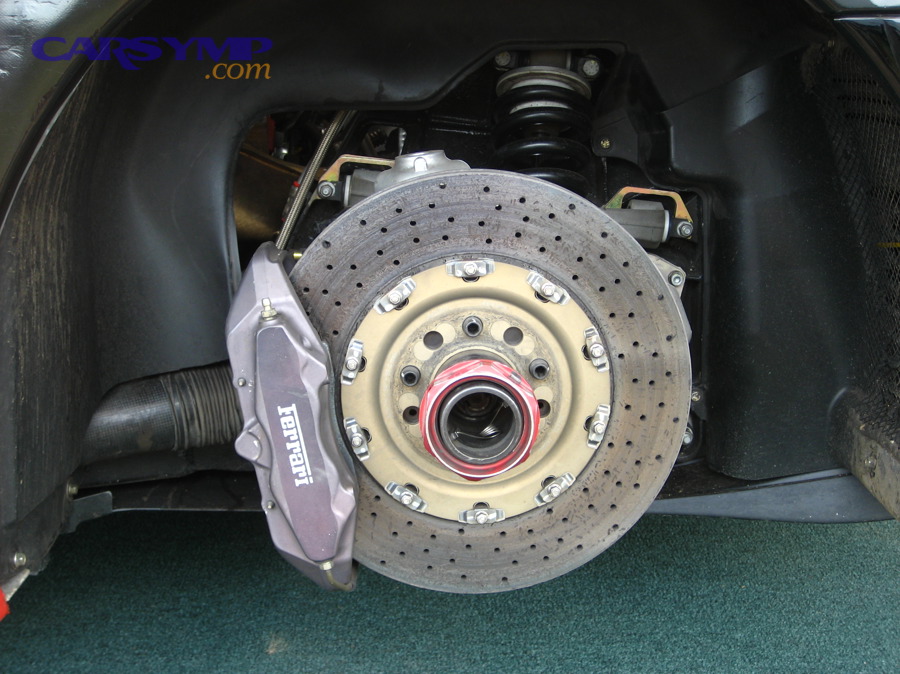
To understand their process, think in meronymy: pads/linings, rotors/drums, calipers/slides, hoses/lines, and fluid all contribute to braking quality. Inspectors work from the easiest-to-confirm wear indicators to the deeper, more diagnostic ones.
What pad or lining thickness is considered “too thin”?
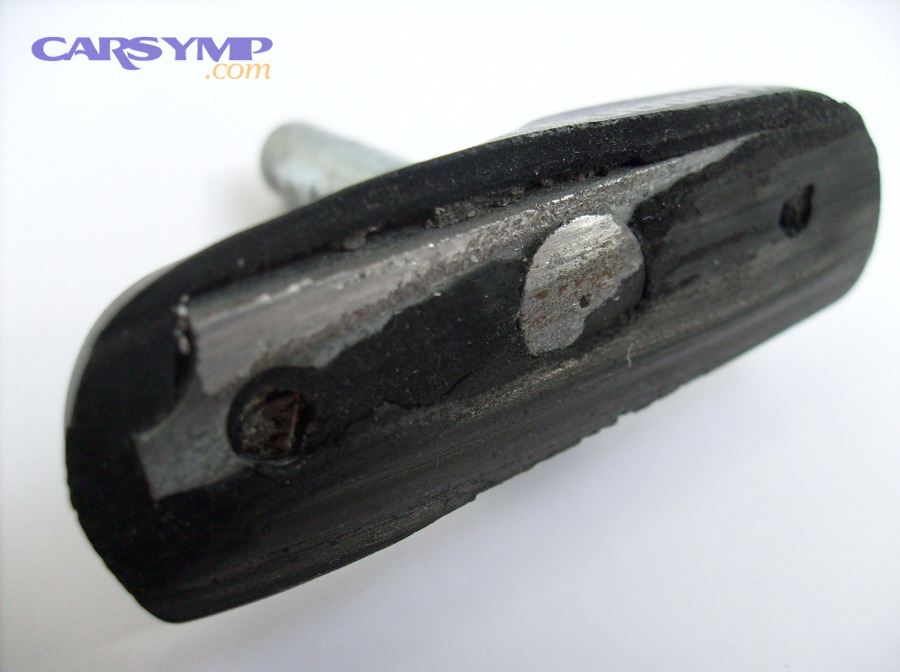
Yes/no: if friction material is near the wear indicator, unevenly worn, contaminated, or separating from its backing plate, it’s typically treated as needing replacement. Next, inspectors consider whether the wear is symmetric (both sides of an axle) and whether the inner pad is wearing faster than the outer pad.
Cụ thể hơn, “inner pad thinner than outer pad” often points to seized caliper slides or piston issues—so it’s not just a parts cost; it’s a clue about why the wear happened and whether it will repeat quickly.
For commercial vehicles, U.S. federal rules specify minimum lining/pad thickness thresholds by brake type and axle position, illustrating how inspections anchor decisions in measurable limits rather than subjective impressions.
What rotor or drum conditions draw attention even if thickness is unknown?
Inspectors watch for deep scoring, cracking, heavy rust scaling on friction surfaces, pronounced lips, blue heat spots, or severe thickness variation that can cause pulsation. Next, they check whether a rotor surface suggests overheating from dragging brakes or an overworked system.
Ví dụ, heat discoloration can signal sustained high temperatures. That often pairs with complaints like fade (longer pedal travel or reduced bite) after downhill braking, which inspectors treat as a stability and safety risk, not merely a comfort issue.
How do they judge caliper/slide health and “hidden” wear?
Inspectors look for uneven pad wear, torn dust boots, seized slide pins, and signs of binding, because these issues create drag, overheating, and rapid wear. Next, they test for smooth wheel rotation (when lifted) and consistent braking response during a controlled stop.
When an inspector notes one wheel getting hotter than the others after a short drive, that’s a strong clue of dragging brakes or a sticking parking brake mechanism.
Which brake warning signs fail an inspection even if the car still stops?
Several brake problems can fail inspection because they predict sudden loss of braking or loss of control, even when the vehicle can still stop in a gentle parking-lot test. Next, inspectors categorize them into hydraulic, mechanical friction, and control-system faults.
This is where inspectors think like risk managers: they prioritize defects that can escalate quickly—leaks, overheating, and instability—over issues that are merely noisy or slightly worn.
Does any brake fluid leak or low-fluid condition matter?
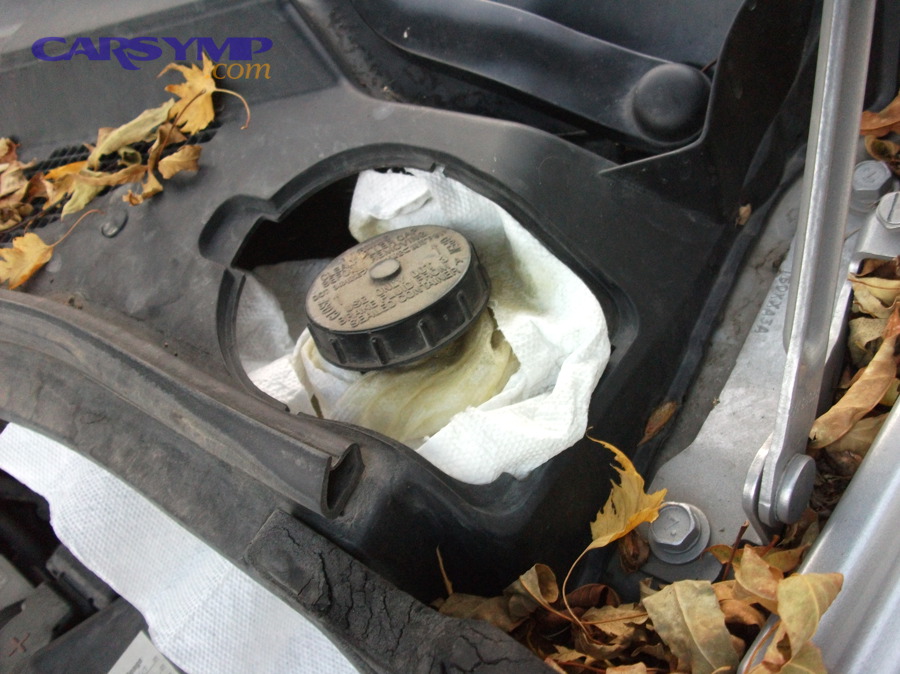
Yes: leaks and low fluid are treated as high risk because hydraulic brakes depend on sealed pressure. Next, inspectors check lines, hoses, calipers, and master cylinder areas for wetness, dripping, or fluid residue on wheels and suspension parts.
Để hiểu rõ hơn, even a slow seep can become a sudden failure under repeated braking because heat expands fluid and rubber, changing the leak rate and the pedal feel.
Is grinding or metal-on-metal contact treated differently than squeal?
Yes: grinding suggests friction material is gone and metal is contacting rotor/drum, which can rapidly damage the braking surface and reduce stopping reliability. Next, inspectors confirm by checking pad thickness, rotor scoring, and whether the wear indicator has been exceeded.
In practice, squeal may be an early warning, but grinding is a late-stage condition that often implies additional repair scope.
What about ABS, stability control, or brake warning lights?
It depends, but warning lights combined with braking instability can be treated as safety defects because modern systems manage wheel slip and steerability during hard stops. Next, inspectors look for corroborating signs—uneven braking, pulling, wheel-speed sensor damage, or abnormal ABS activation.
Ngược lại, a single sensor fault on some vehicles may not change base hydraulic braking, but it can reduce stability on wet roads, gravel, or emergency maneuvers—so inspectors often treat it as more than “just a light.”
What tire conditions make a vehicle unsafe or non-compliant?
Tires fail inspection when tread is below safe limits, the casing is damaged, or the tire is not appropriate for the vehicle’s load and use, because traction and structure are the tire’s primary job. Next, inspectors verify tread depth, damage, and wear patterns.

Inspectors typically treat tires as the “contact patch” system: a small area of rubber transfers all braking, steering, and acceleration forces, so small defects can have outsized consequences.
Is tread depth alone enough to pass?
No: adequate tread depth is necessary but not sufficient, because sidewall condition, punctures, and uneven wear can still make a tire unsafe. Next, inspectors measure tread in multiple grooves and multiple points around the tire to catch localized wear.
According to NHTSA’s tire safety guidance, tires are not safe and should be replaced when tread is worn down to 2/32 of an inch.
Do wear bars and tread indicators matter more than the “penny test”?
Yes: built-in wear indicators provide an objective reference, and inspectors often trust them more than a quick coin check. Next, they compare the tread surface to these raised bars to see whether the grooves have worn down to the indicator level.
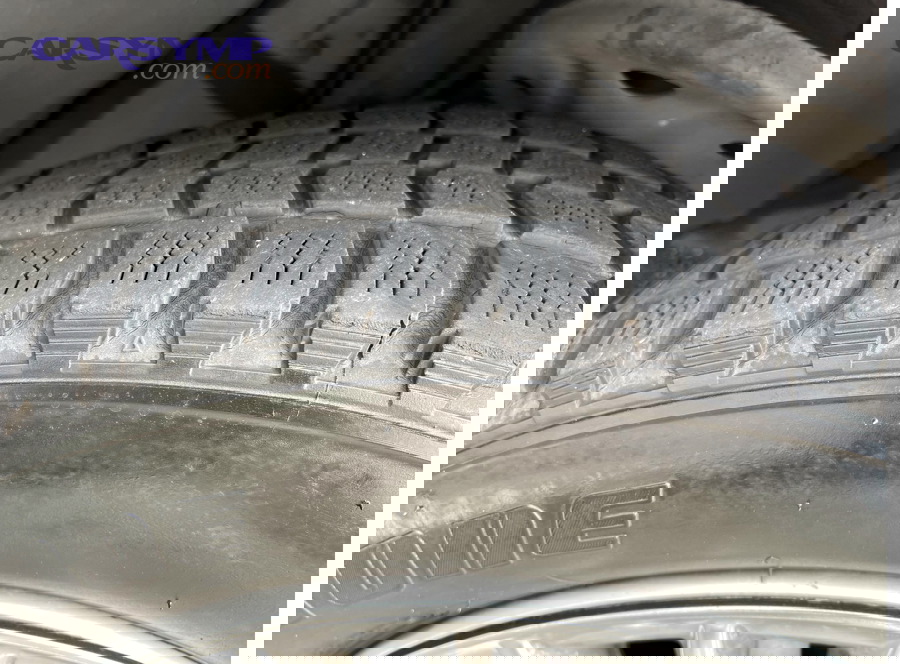
To make this visual, notice how the wear bar becomes level with the tread when the tire is worn; at that point, water evacuation and wet traction degrade sharply.
Which kinds of damage are treated as “replace now” issues?
Yes/no: bulges, exposed cords, deep sidewall cuts, and severe cracking typically trigger replacement because they imply internal structure damage. Next, inspectors look for punctures near the shoulder/sidewall area where repairs are often unsafe.

According to NHTSA’s winter driving tips, in 2025, inspectors and drivers should check tread and sidewalls for cuts, punctures, bulges, scrapes, cracks, or bumps, and maintain at least 2/32 inch of tread on all tires.
How do inspectors interpret uneven tire wear patterns and what they imply?
Uneven wear is inspected as a symptom, not just a tire problem: it can indicate alignment, suspension, inflation, or braking issues that will keep destroying tires and reduce control. Next, inspectors map the wear location to the most likely cause.
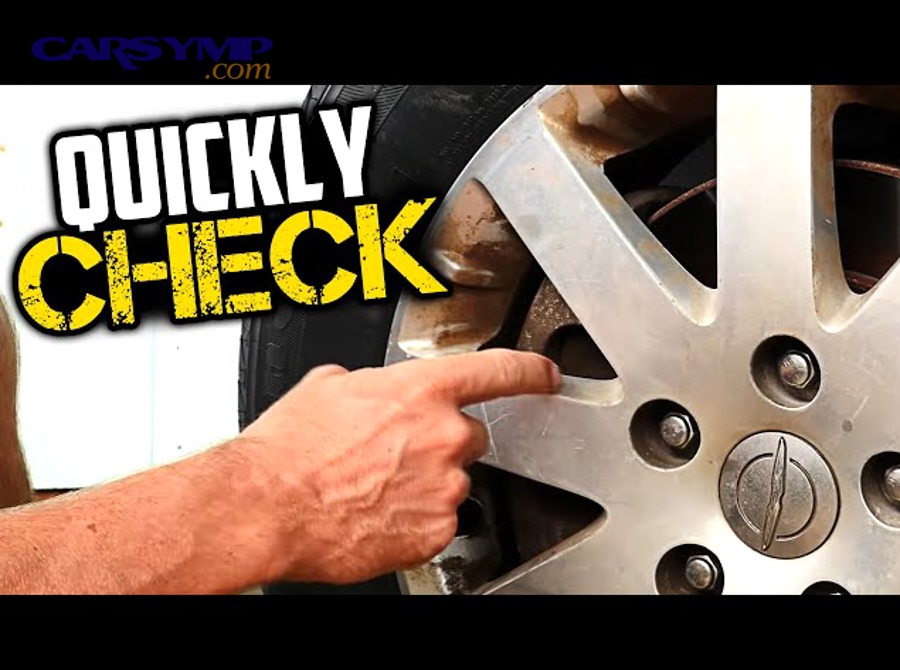
This is where “móc xích” matters: tire wear patterns connect to brake behavior (pulling, dragging), steering geometry, and how the vehicle loads the contact patch.
What does center wear vs shoulder wear usually suggest?
Comparison: center wear is more consistent with overinflation, shoulder wear aligns more with underinflation or aggressive cornering, and feathering/cupping suggests alignment or suspension damping issues. Next, inspectors check whether the wear is uniform across the axle or isolated to one corner.
Cụ thể, if only one front tire is worn on the inside edge, inspectors often suspect toe or camber misalignment—or a worn suspension component—because the tire is being scrubbed sideways as it rolls.
Why do inspectors care about mixed tire types or sizes?
Because mismatched tires can change braking balance, handling response, and stability control behavior, especially in rain or emergency maneuvers. Next, inspectors confirm that tire sizes match vehicle requirements and that tread depths are reasonably balanced across an axle.
In practical terms, even if each tire individually looks “okay,” a mismatch can make one wheel lose traction earlier, causing ABS to intervene sooner and increasing overall stopping distance.
How does uneven tire wear connect back to brakes?
Uneven tire wear can be linked to dragging brakes or a pulling condition that keeps one side working harder, which accelerates wear and heats the tire. Next, inspectors correlate tire wear with rotor heat marks, pad wear imbalance, and driver-reported pulling or vibration.
According to AAA’s director of Automotive Engineering and the Automobile Club of Southern California’s Automotive Research Center, in June 2018, testing found that relatively worn tires (4/32”) in wet conditions increased average stopping distance by about 43%, roughly 87 feet, compared to new tires.
What do brake and tire findings reveal during a short road test?
A brief road test helps inspectors confirm whether observed wear translates into real control problems like pulling, pulsation, noise, ABS anomalies, or reduced grip. Next, they use low-risk maneuvers—light braking, moderate braking, and steady cruising—to check for consistency.
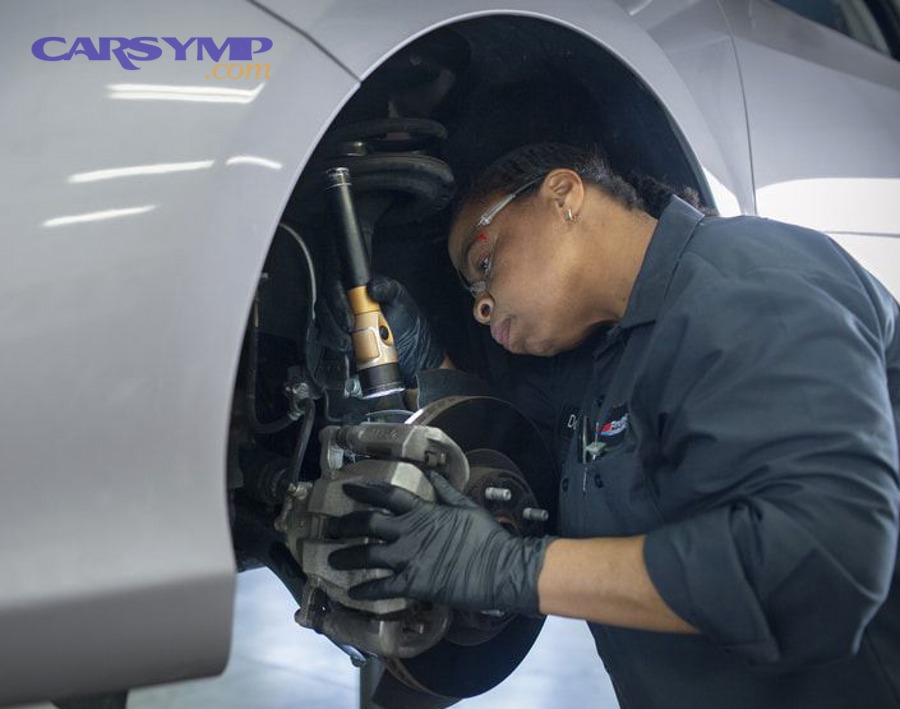
Road testing is not a racetrack exam; it’s a validation step that links physical findings to behavior, so the final recommendations are defensible and actionable.
What does pulling under braking usually indicate?
Pulling often indicates uneven braking force left-to-right, which can come from a sticking caliper, contaminated pads, uneven rotor condition, or tire traction differences. Next, inspectors compare the pull direction to tire wear patterns and rotor/pad condition at each corner.
Để bắt đầu troubleshooting, they may also note whether the vehicle drifts even without braking, which points more toward alignment or tire conicity than brake imbalance.
What does pedal pulsation suggest?
Pedal pulsation commonly suggests rotor thickness variation or runout, though ABS activation on slippery surfaces can feel similar. Next, inspectors check whether pulsation appears during gentle braking on dry pavement, which is more consistent with rotor issues than ABS behavior.
If the pulsation is paired with steering wheel shake, the front brakes/tires are often the primary suspects; if it’s felt in the seat, rear components may be involved.
How do they interpret traction loss or early ABS intervention?
Early ABS intervention can indicate low-grip tires, uneven tread depths, or a wheel-speed sensor issue that confuses the system. Next, inspectors look for mismatched tires, worn tread, and signs of sensor damage or rusted tone rings.
This is where the phrase Safety inspection vs emissions inspection differences becomes important in real-world expectations: emissions testing is about engine output and compliance, while safety outcomes are driven by control systems like tires and brakes that prevent collisions.
How can you prepare so brakes and tires pass the first time?
You can improve pass odds by addressing measurable limits (tread depth, pad thickness), correcting root causes (alignment, seized slides), and ensuring consistent tire matching and inflation. Next, focus on the few fixes that prevent repeat failures.
If you’re using a car inspection service, ask for the exact measurements they will record (tread depth by groove and location, pad thickness inner/outer, rotor condition notes) rather than a vague “looks fine” summary.
What are the highest-leverage tire steps before inspection?
HOW-TO: verify tread depth in several spots, set pressure to the door-jamb specification, check for sidewall damage, and match tires across each axle for size and type. Next, rotate or align if you see uneven wear so you’re not “chasing” the problem with new rubber.
To make tread checking practical, here is a simple reference video you can use at home:
According to NHTSA’s guidance, in 2025, you can use built-in treadwear indicators or a penny test to determine when it’s time to replace tires, with 2/32 inch as the minimum safety threshold.
What are the highest-leverage brake steps before inspection?
HOW-TO: inspect pad thickness (inner and outer), check for fluid leaks, confirm smooth caliper slide movement, and address noise or grinding immediately. Next, replace parts as a set per axle to keep braking balanced and predictable.
Đặc biệt, if one pad is wearing faster than the others, replacing pads alone may be a short-term fix; the inspector’s real concern is whether a sticking caliper will overheat the system again and compromise control.
How should you document findings before buying a used car?
HOW-TO: request measurements, photos, and a clear risk summary (pass now vs needs soon vs unsafe now), then compare that against your budget and driving needs. Next, treat the brake-and-tire section as a cost-and-safety anchor in any Pre-purchase inspection checklist, because these items are both safety-critical and commonly negotiable in price.
For buyers, the key is not just “will it pass today,” but “will it remain safe through the next season,” especially if you drive in heavy rain, snow, hills, or high-speed traffic.
Contextual Border: Up to this point, you’ve seen the standard safety-focused inspection logic. Next, we cross into deeper, “borderline case” checks that explain why two cars with similar tread and pad thickness can still receive different recommendations.
What deeper checks clarify borderline brake-and-tire inspection results?
When results are borderline, deeper checks focus on consistency, root causes, and hidden damage—because those factors determine whether a “pass today” becomes a “problem next week.” Next, inspectors use more specific tests and observations to reduce uncertainty.
How do they verify tread depth isn’t hiding localized wear?
They measure multiple grooves and multiple circumferential points because tires can wear unevenly from alignment, rotation habits, or suspension play. Next, they look for “one-spot bald” wear that can be missed by a single quick measurement.
According to AAA research released in June 2018, worn tread in wet conditions can meaningfully increase stopping distances, which is why borderline tread readings deserve extra scrutiny rather than a single pass/fail glance.
What separates “normal rotor surface” from a stability problem?
Inspectors distinguish light cosmetic marks from deep grooves, cracks, or heat checking by correlating the surface with pulsation, noise, and pad wear patterns. Next, they look for causes like sticking slides or repeated overheating that will keep warping or damaging braking surfaces.
How do they decide whether tire wear is an alignment issue or a component issue?
They compare wear shape (feathering, inside-edge wear, cupping) with steering feel, suspension movement, and whether the wear repeats after rotation. Next, they recommend alignment when geometry is the likely cause, or suspension diagnosis when looseness or damping failure is suspected.
When do electronics become part of the brake-and-tire decision?
Electronics matter when ABS or stability control faults change how the car behaves in emergency braking or low-traction conditions. Next, inspectors check for sensor damage, tone-ring corrosion, or inconsistent wheel-speed data that can trigger early ABS cycling and longer stops.
FAQ: Common questions about brake and tire inspections
These answers target the most common pass/fail uncertainties drivers have when an inspection report mentions brakes and tires. Next, use the question that matches your situation to decide whether you need measurement, repair, or simply monitoring.

Can tires pass at 2/32 tread depth?
Yes in many jurisdictions, but safety margin is low: 2/32 is a minimum threshold, not a performance target, and wet traction declines sharply as tread approaches that limit. Next, consider replacement earlier if you drive frequently in rain or at highway speeds.
Why would inspectors recommend tires at 4/32 even if 2/32 is “legal”?
Because real-world wet stopping distance and handling degrade before the legal minimum. Next, use this as a risk-based decision: AAA’s June 2018 testing highlighted large wet stopping distance increases at relatively worn tread, supporting earlier replacement for safety.
Do new brake pads always mean the brakes are “good”?
No: pads are only one part of the system, and seized slides, damaged rotors, leaking hydraulics, or contaminated friction surfaces can still compromise braking. Next, ensure the underlying cause of prior wear (dragging, pulling, overheating) has been fixed.
What’s the most common reason an otherwise “nice” used car fails safety-related checks?
Often it’s basics: worn tires, uneven wear from alignment issues, or brakes near the wear limit. Next, that’s why a buyer-focused inspection should prioritize measurable items and documented patterns, not just a clean exterior.