Schedule a Car Inspection Service for Drivers: Checkup vs DIY
A car inspection service is a structured, documented evaluation of your vehicle’s safety, roadworthiness, and wear items—meant to catch problems early and reduce surprise breakdowns. If you want clear answers fast, an inspection turns “something feels off” into a prioritized plan.
Most drivers book inspections for three practical reasons: to confirm the car is safe to drive, to understand upcoming maintenance before it becomes expensive, and to decide what can wait versus what needs attention now.
Beyond routine care, inspections also help when you’re buying or selling, preparing for a long trip, or noticing changes in braking, steering, vibrations, or warning lights—because a standardized checklist reduces guesswork.
To begin, the sections below walk through what a car inspection service covers, how to prepare, how long it takes, what it can cost, and how to read the report so you can act with confidence.
What is a car inspection service, and what problem does it solve?
A car inspection service is a professional, systematic check of key systems—safety, mechanical condition, and basic electronics—so you can identify risks, predict near-term repairs, and plan maintenance with fewer surprises. Next, let’s connect that definition to the exact areas most inspections evaluate.
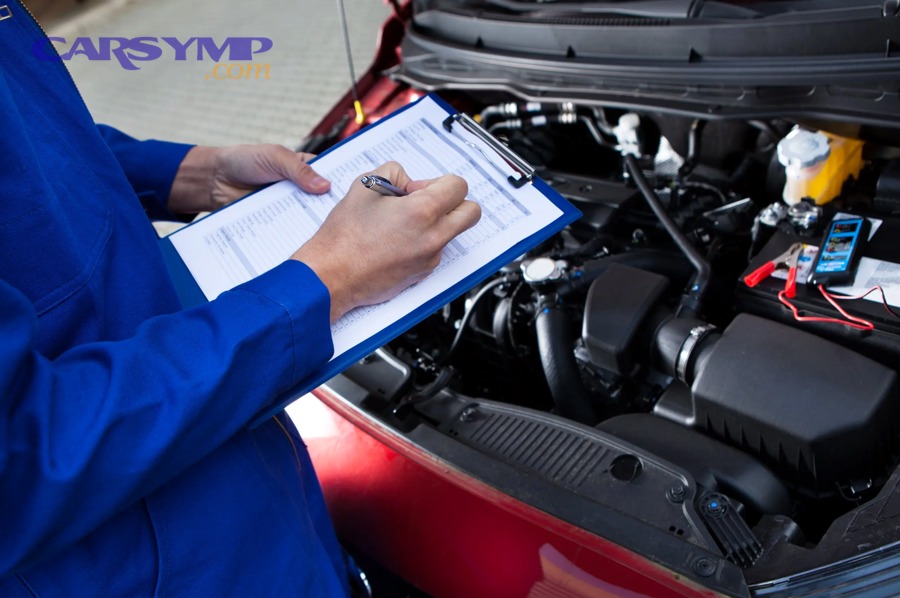
In practical terms, an inspection is not the same thing as “a quick look.” It is a repeatable process with a written output. That output matters because it transforms observations into decisions: what is urgent, what is recommended, and what is merely noted.
To keep expectations aligned, a typical inspection balances three goals:
- Safety screening: braking, tires, steering, suspension, lights, and visible leaks.
- Condition mapping: wear patterns, fluid condition, battery/charging signals, and drivetrain clues.
- Action planning: clear priorities, estimates of severity, and suggested next steps.
Because inspections are standardized, they also help you compare results over time. That’s especially useful if you’re tracking aging components like tires, brake pads, and suspension bushings—items that degrade gradually and can be missed day-to-day.
To make the process even more useful, many drivers choose an inspection at the same place they handle repairs; in that context, the phrase auto repair shop often implies access to lifts, brake measurements, and diagnostic tools that go beyond a driveway check.
What does a thorough inspection usually cover from top to bottom?
A thorough car inspection service typically covers safety-critical systems first, then reliability items, then comfort and convenience checks, so you get a risk-first view instead of a random list. After that, we’ll break down how each major area is evaluated and why it matters.
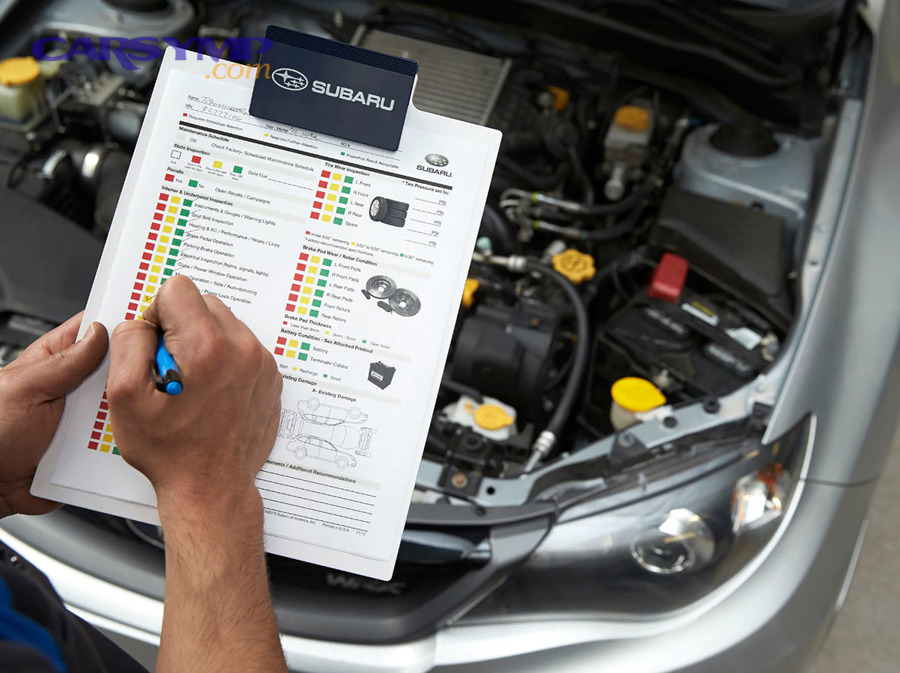
Many drivers ask for a simple explanation of What a car inspection service includes. A strong inspection commonly bundles the following categories:
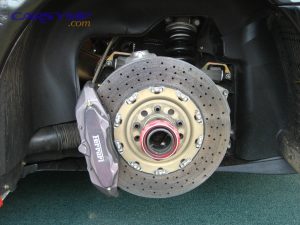
- Brakes: pad/shoe thickness, rotor/drum condition, caliper function, brake fluid state, and road-test feel.
- Tires and wheels: tread depth, uneven wear, age clues, pressure, sidewall condition, and wheel/bolt integrity.
- Steering and suspension: looseness, torn boots, leaking dampers, worn joints, alignment clues.
- Fluids and leaks: engine oil, coolant, brake fluid, power steering (if applicable), transmission/axle leaks.
- Battery and charging: voltage behavior, terminal condition, charging performance indicators.
- Lights and visibility: headlights, brake lights, signals, wipers, washers, windshield condition.
- Underbody: rust, exhaust integrity, hangers, shields, and impact damage.
- OBD scan and basic electronics: stored codes, readiness state (when relevant), and warning-light context.
Cụ thể hơn, the inspection becomes more valuable when it includes measured data—tread depth numbers, pad thickness readings, battery voltage under load, and notes about leaks. Measurements reduce debate and help you plan by timeline rather than emotion.
To connect this to your daily driving, the most important principle is prioritization: the same report can list ten items, but only a few are truly urgent. That’s why it helps to ask for severity labels such as “safety now,” “soon,” and “monitor.”
How do technicians evaluate brakes and tires in real-world terms?
Technicians evaluate brakes and tires by combining measurements (thickness, tread depth) with functional checks (feel, noise, pull, heat signs) so they can judge safety margins and wear rate. Next, we’ll map the exact signs they use and what those signs imply.

Drivers often wonder about What inspectors look for in brakes and tires because those parts carry the highest safety consequences. A quality brake evaluation usually includes:
- Pad/shoe thickness and wear evenness side-to-side.
- Rotor/drum condition: scoring, cracking, heat spots, or thickness variation clues.
- Caliper/slide function: sticky slides can mimic “bad pads” by causing taper wear.
- Brake fluid condition: contamination and moisture risk that can reduce performance.
- Road-test behavior: vibration, pulling, fade, or abnormal pedal travel.
For tires, the inspection typically focuses on the tread and the structure:
- Tread depth across the width to detect alignment or suspension issues.
- Uneven wear patterns (inside edge, cupping, feathering) that signal root causes.
- Sidewall integrity: cracks, bulges, impact damage, or cord exposure.
- Age and heat history: dry rot and hardening can reduce grip even with “good tread.”
Để minh họa, an inspector may note that a tire with uneven inner-edge wear is not just “a tire problem,” but a meronymy-style clue: the tire is a visible part that reveals the condition of the alignment and suspension system as a whole.
Tóm lại, good inspection notes don’t only say “replace,” they explain why—because the “why” is what prevents the same failure from returning.
How can you prepare your vehicle so the inspection is faster and more accurate?
You can prepare for a car inspection service by gathering key information, clearing access points, and documenting symptoms so the technician spends time diagnosing—not searching. Next, we’ll turn that into a simple pre-visit routine you can follow in minutes.
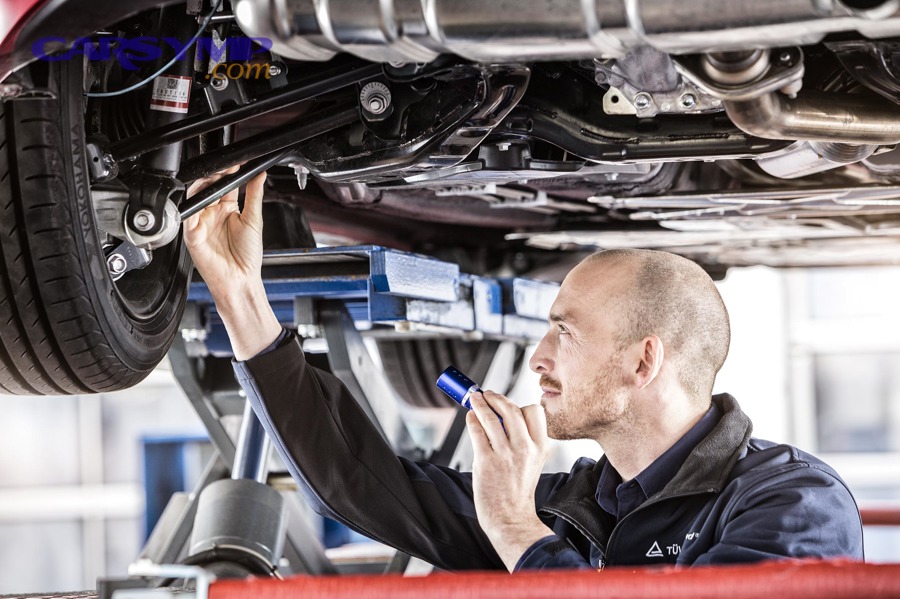
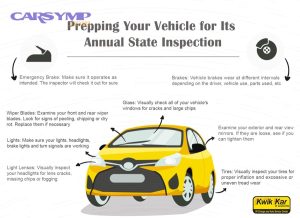
Many owners ask about Preparing your car for inspection, and the goal is straightforward: reduce friction and increase clarity. Here are high-impact steps:
- Write down symptoms: when it happens, speed, temperature, braking/turning triggers, and how long it lasts.
- Bring service history: recent repairs, tire rotations, fluid changes, and any warning light events.
- Empty the trunk if spare tire access is needed, and clear the cabin if the technician must reach filters or fuse panels.
- Check basics the day before: ensure wheel locks are in the car, and locate the locking lug key if applicable.
- Don’t reset codes right before you go; data helps diagnosis more than a “clean slate.”
Tiếp theo, if you have a recurring noise or vibration, record a short video clip (sound included). It’s not a replacement for inspection, but it anchors communication and prevents “could not duplicate” confusion.
Quan trọng hơn, be honest about recent events: pothole impacts, overheats, jump starts, or a long period of sitting. Those details are rare attributes that can change the inspection path dramatically.
Which types of inspections exist, and how do you choose the right one?
There are several common inspection types—routine preventive, safety-focused, emissions/diagnostic-related, and pre-purchase—so you should choose based on your goal: safety assurance, compliance, diagnosis, or buying confidence. Next, we’ll compare these options by purpose and deliverables.
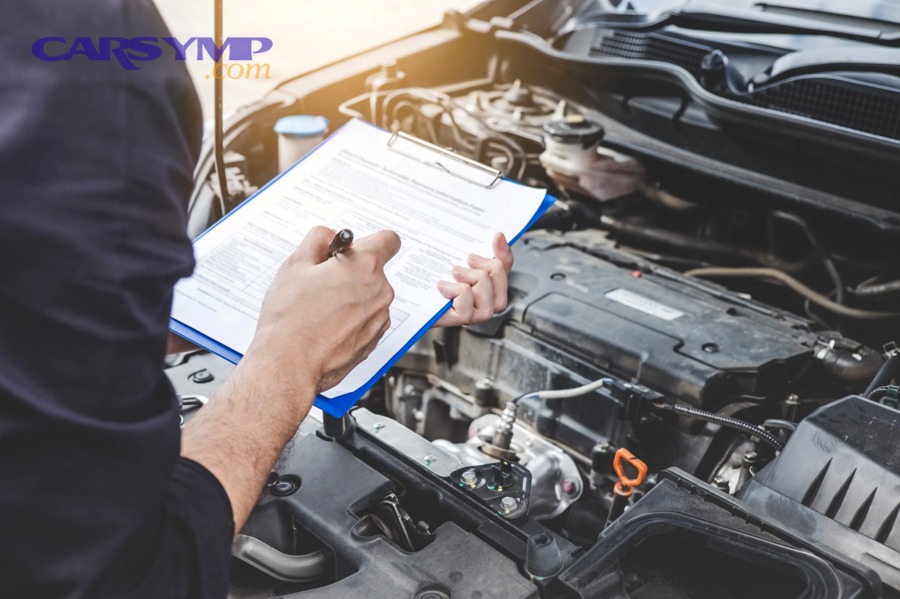
Most drivers benefit from understanding how inspection “categories” change the checklist and the report. The phrase Safety inspection vs emissions inspection differences matters because these two often get mixed up:
- Safety-focused inspection: emphasizes brakes, tires, steering, suspension, lights, and visible mechanical risks.
- Emissions/OBD-focused inspection: emphasizes readiness states, fault codes, and systems that affect emissions compliance.
Tuy nhiên, many real-world appointments blend both. A shop may include an OBD scan and readiness check even in a safety-first inspection because it can reveal misfires, sensor faults, or catalyst efficiency issues that indirectly affect drivability.
Beyond those, there are two high-value formats:
- Preventive inspection: done on a schedule to catch wear early; best for long-term cost control.
- Pre-purchase inspection: done before buying; best for reducing financial risk and negotiation uncertainty.
To choose well, match the inspection to your decision. If you’re deciding whether to buy, you need a report that flags structural, drivetrain, and maintenance backlog issues clearly. If you’re deciding whether it’s safe to drive today, you need safety-critical findings front and center.
How long does an inspection usually take, and what affects the timeline?
A typical car inspection service can take from about 30 minutes to a couple of hours depending on depth, vehicle condition, and whether the inspection includes a road test and scanning. Next, we’ll break down the biggest time drivers so you can plan your day realistically.

Owners often ask How long an inspection takes because they’re coordinating work and family schedules. The biggest factors include:
- Inspection depth: quick safety check versus multi-point with measurements and scan data.
- Access: underbody checks are faster with a lift; tight packaging can slow some checks.
- Vehicle condition: heavy rust, missing fasteners, or aftermarket modifications can add time.
- Road test need: many issues only reveal themselves under load, braking, or turning.
Dưới đây is a simple planning table to set expectations. This table contains typical time ranges by inspection purpose and helps you choose the right appointment length.
| Inspection purpose | Typical time range | Why it takes that long |
|---|---|---|
| Basic safety screening | 30–60 minutes | Focus on visible safety items and quick measurements |
| Multi-point preventive inspection | 60–120 minutes | Includes fluids, underbody, road test, and documentation |
| Pre-purchase evaluation | 90–180 minutes | Deeper checks, test drive, and negotiation-grade reporting |
Đặc biệt, documentation takes time when done well. A report with photos, measurements, and clear prioritization is more useful than a fast verbal summary—because you can act on it later without relying on memory.
Tổng kết lại, if you’re aiming for maximum value, choose a time slot that includes a road test and a written report; those two elements often make the difference between “information” and “action.”
How much can an inspection cost, and what drives the price up or down?
Inspection cost depends on depth, location, vehicle type, and whether the service includes scanning, road testing, and photo documentation, so the best “deal” is the one that matches your decision needs. Next, we’ll map common pricing structures and how to evaluate value.
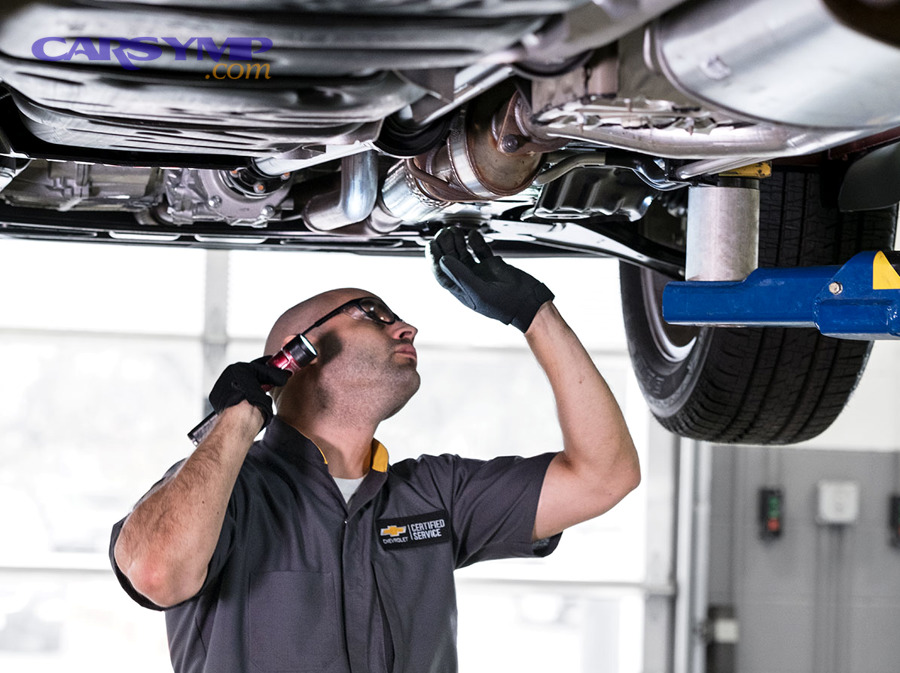
People frequently search for How much a car inspection costs because prices can vary widely. The biggest price drivers are:
- Scope: a basic safety check is less than a comprehensive diagnostic-style inspection.
- Reporting quality: photos, measurements, and severity ranking add value and time.
- Vehicle complexity: performance cars, hybrids, or heavy trucks can require more time and specialized checks.
- Local labor rates: regional cost differences are real and often dominate the final number.
Cụ thể, a common structure is either a flat inspection fee or a fee that can be credited toward repairs. That credit model can be useful if you already trust the provider, but it can also create pressure to “find something.” The best safeguard is a clear report that separates required for safety from recommended and monitor.
To help you compare apples to apples, ask for these items before you book:
- Does the price include a road test?
- Will you receive measurements (tread depth, brake pad thickness) and photos?
- Is an OBD scan included, and will codes be interpreted in context?
- Will the report prioritize issues by severity and time horizon?
Như vậy, the “cheapest inspection” can be expensive if it misses a safety issue or fails to identify the root cause of a symptom. Value is not just cost—it’s decision clarity.
How often should you schedule inspections to prevent surprises?
You should schedule a car inspection service on a preventive cadence that matches your driving intensity and vehicle age, because early detection reduces cascading failures and keeps maintenance predictable. Next, we’ll convert that idea into practical schedules for different driver profiles.

Drivers commonly ask How often to schedule preventive inspections, and the most useful answer is based on risk and usage:
- High-mileage or harsh conditions (rough roads, extreme heat/cold): more frequent inspections make sense.
- Older vehicles: rubber, seals, and suspension parts age even when miles are low.
- New-to-you vehicles: an early baseline inspection establishes what “normal” looks like.
Để bắt đầu, here are practical schedules many owners follow:
- Every 6 months: if you drive a lot, carry loads, do ride-share, or have an older vehicle.
- Once a year: if your driving is moderate and the car is in stable condition.
- Before long trips: a targeted safety and tire/brake check is high ROI.
Hơn nữa, you can also trigger inspections based on change, not time. If you notice new noises, pulling under braking, vibration at highway speeds, or fluid spots on the driveway, that symptom-based trigger is often more important than the calendar.
In symptom-driven cases, it can help to label what you notice under a “Car Symptoms” lens—what you feel, when you feel it, and what makes it better or worse—because symptom patterns are diagnostic shortcuts.
How do you read an inspection report and spot the red flags?
You read an inspection report best by focusing on safety-first priorities, evidence (measurements and photos), and root-cause notes—because those elements separate real risks from vague recommendations. Next, we’ll outline the most common report patterns and how to respond to each.
A common search topic is Inspection report red flags to watch, and it’s worth treating it like a decision checklist. Look for these warning signs:
- Vague language without evidence: “needs attention” with no measurements, photos, or explanation.
- No prioritization: a list of 12 items with no severity ranking forces you to guess.
- Parts-only recommendations: “replace pads” without explaining why they wore unevenly.
- Inconsistent findings: a tire is called “good” but tread depth is low, or “brakes fine” but rotor damage is obvious.
Bên cạnh đó, strong reports usually include a structure such as:
- Safety now: issues that could cause loss of control, poor stopping, or a breakdown risk.
- Soon: problems that will worsen quickly or cause expensive secondary damage.
- Monitor: early wear or minor seepage with a defined recheck plan.
Để hiểu rõ hơn, ask for the “why” behind each recommendation. If the report says “replace tires,” the why could be dry rot, uneven wear, or insufficient tread—each implies a different root cause and a different prevention strategy.
Tóm lại, the best report is not the one that lists the most items; it’s the one that makes your next decision obvious.
What is a pre-purchase inspection, and how is it different from routine checks?
A pre-purchase inspection is a deeper car inspection service designed to reduce buying risk by uncovering hidden damage, deferred maintenance, and negotiation-grade issues before money changes hands. Next, we’ll translate that into a practical approach you can use on any used car.
Many buyers request a Pre-purchase inspection checklist because emotions can override judgment. A smart pre-purchase inspection usually goes beyond a quick safety scan and emphasizes:
- Structural and collision clues: mismatched paint, uneven panel gaps, underbody damage.
- Drivetrain condition: transmission behavior, engine leaks, mounts, axle/CV health.
- Maintenance backlog: overdue fluids, worn tires/brakes, aging belts, neglected filters.
- Electronics and warning lights: scan results, readiness state context, and intermittent faults.
- Test drive findings: shifting quality, braking feel, vibration, steering centering, and noise.
Ngược lại, routine inspections prioritize ongoing ownership decisions and may focus more on wear items and maintenance planning. Pre-purchase inspections prioritize “unknown unknowns” and often include more investigative notes.
To maximize value, align the inspection with your buying decision: tell the inspector what worries you most (rust, overheating history, accident history, or particular noises). That transparency shapes the checklist and the time spent on your highest-risk areas.
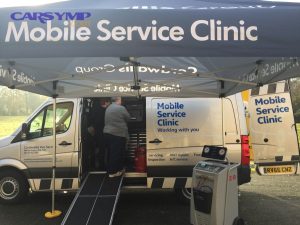
Mobile inspection or shop-based inspection: which is better for your situation?
Mobile inspections are convenient and can be excellent for initial screening, while shop-based inspections often deliver deeper underbody access and more precise measurements—so the “better” choice depends on your goal and constraints. Next, we’ll compare the tradeoffs you can’t see at a glance.
People often weigh a Mobile inspection vs shop inspection comparison when time is tight. Here’s a practical way to decide:
- Choose mobile if you need quick screening at home, the vehicle can’t be driven safely, or you want a first-pass pre-purchase check on location.
- Choose a shop if you want lift-based underbody checks, detailed brake/suspension inspection, and the deepest documentation.
Trong khi đó, the limitation of many mobile setups is physical access. Without a lift, underbody visibility and some suspension checks can be constrained. That doesn’t mean mobile is “worse”—it means it is better suited to certain goals.
To ensure quality in either format, look for these signals:
- Clear scope: a written list of what will be checked and what will not.
- Evidence: photos, measurements, and time-stamped notes.
- Communication: you can ask questions, and answers are specific, not generic.
Hơn nữa, a hybrid approach is sometimes best: start mobile for convenience, then follow up with a shop-based inspection for lift access if red flags appear.
When should you book an inspection at a shop instead of relying on quick DIY checks?
You should book a car inspection service at a shop when safety is uncertain, symptoms are inconsistent, or you need measurements and underbody access—because those needs exceed what a quick driveway check can confirm. Next, we’ll list the clearest triggers that justify professional inspection.

DIY checks are useful for basics—tire pressure, fluid levels, and obvious damage—but professional inspection becomes the better choice when you need certainty. Strong triggers include:
- Brake feel changes: pulling, vibration, grinding, or a pedal that feels “different.”
- Steering changes: drifting, looseness, or new clunks over bumps.
- Highway vibration: can be tire balance, wheel damage, alignment, or suspension wear.
- Warning lights that return or appear intermittently.
- Fluid spots under the car or repeated low fluid levels.
Đặc biệt, professional inspection can prevent costly misdiagnosis. For example, a vibration might tempt you to buy new tires, but a deeper inspection might reveal a bent wheel or worn suspension component that will ruin the new tires quickly.
And if you’re deciding where to go, it’s helpful to remember that the goal is not just “finding problems,” but mapping priorities and causes. That’s where a structured inspection workflow shines.
What should you expect during the appointment and in the final deliverables?
You should expect a clear scope, a set of measured findings, a road test when appropriate, and a written report that ranks issues by urgency—because those deliverables are what make an inspection actionable. Next, we’ll walk through the appointment flow so you know what “good” looks like.

A well-run inspection typically follows a predictable sequence:
- Check-in and symptom review: you describe what you notice and what you want to decide.
- Visual and measurement checks: tires, brakes, fluids, battery/terminals, visible leaks.
- Underbody review when available: suspension, steering joints, exhaust, rust, impact damage.
- Road test if safe and relevant: braking feel, alignment pull, vibration, shifting behavior.
- Scan and interpretation: codes are read and explained with context, not fear.
- Report delivery: priorities, evidence, and next-step recommendations.
To make the content more concrete, here is a short video that shows how multi-point inspections are commonly performed in modern service bays.
Tiếp theo, pay attention to whether the report includes context for each finding. “Front tires low” is less useful than “front tires low with inside-edge wear; recommend alignment check and inspect front suspension for play.” That second version points toward root causes and protects your budget.
Như vậy, the deliverable is not just information—it’s a decision tool. If the report doesn’t help you decide, it isn’t finished yet.
Contextual Border: Up to this point, the focus has been on the core inspection intent—what it is, what it covers, how to prepare, cost/time expectations, and how to act on the report. Next, we’ll expand into specialized cases and rare attributes that can change inspection strategy.
Advanced inspection insights for long-term ownership decisions
How do hybrids and EVs change what gets inspected?
Hybrids and EVs still need brakes, tires, steering, suspension, and underbody checks, but they add high-voltage safety considerations and different wear patterns—especially regenerative braking effects. Next, we’ll connect these differences to practical ownership choices.
Cụ thể, EV and hybrid inspections may emphasize:
- Cooling systems for batteries and power electronics (where applicable).
- 12V battery health because it still powers controls and can strand the vehicle.
- Brake hardware condition since low-use friction brakes can corrode or stick.
Quan trọng hơn, these vehicles can hide issues behind normal-looking drivability, so a structured report with measurements remains valuable.
What inspection clues suggest alignment or suspension issues before tires are ruined?
Uneven wear patterns, steering pull, and feathering often indicate alignment or worn suspension parts, so catching these clues early can save tires and improve safety. Next, we’ll translate wear patterns into likely root causes.

Ví dụ, inside-edge wear can point to alignment settings or worn components; cupping can point to dampers or balance problems; and feathering can point to toe issues. When a report links wear patterns to causes, it becomes a prevention plan instead of a shopping list.
How do you avoid overpaying for “recommended” items on the report?
You avoid overpaying by separating safety-critical findings from maintenance optimization, asking for evidence, and confirming root causes before replacing parts. Next, we’ll outline the simplest questions that keep decisions grounded.
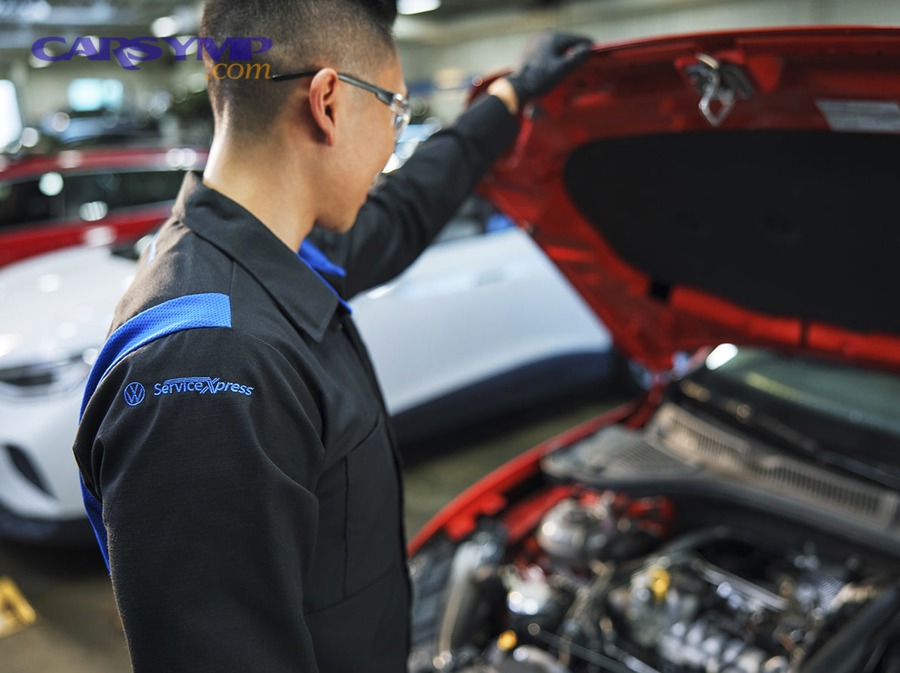
Dưới đây are three questions that instantly improve clarity:
- What measurement supports this? (pad thickness, tread depth, leak severity)
- What happens if I wait? (risk, damage progression, safety impact)
- What caused it? (prevention and avoiding repeat failures)
Tóm lại, evidence plus prioritization protects you from paying for “nice-to-have” items when you only need “must-fix-now.”
When should you re-inspect after repairs or after a major event?
You should re-inspect after repairs that affect alignment, steering, braking, or safety systems, and after major impacts like potholes or curb strikes—because new parts can settle and hidden damage can emerge. Next, we’ll connect rechecks to common scenarios.
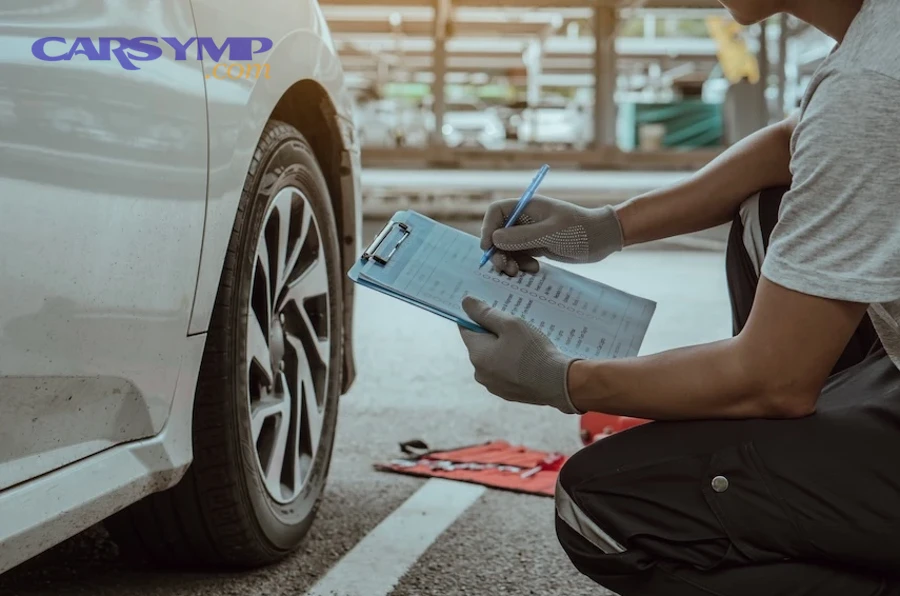
Hơn nữa, a re-inspection is especially smart if the original report included “monitor” items. A quick follow-up confirms whether those items stayed stable or progressed, turning your maintenance plan into a living timeline.
FAQ
Is an inspection the same as routine maintenance?
No. Routine maintenance replaces or services items on a schedule, while a car inspection service evaluates condition to determine what is actually needed now versus later. Tiếp theo, using both together is how you minimize breakdown risk and avoid unnecessary work.
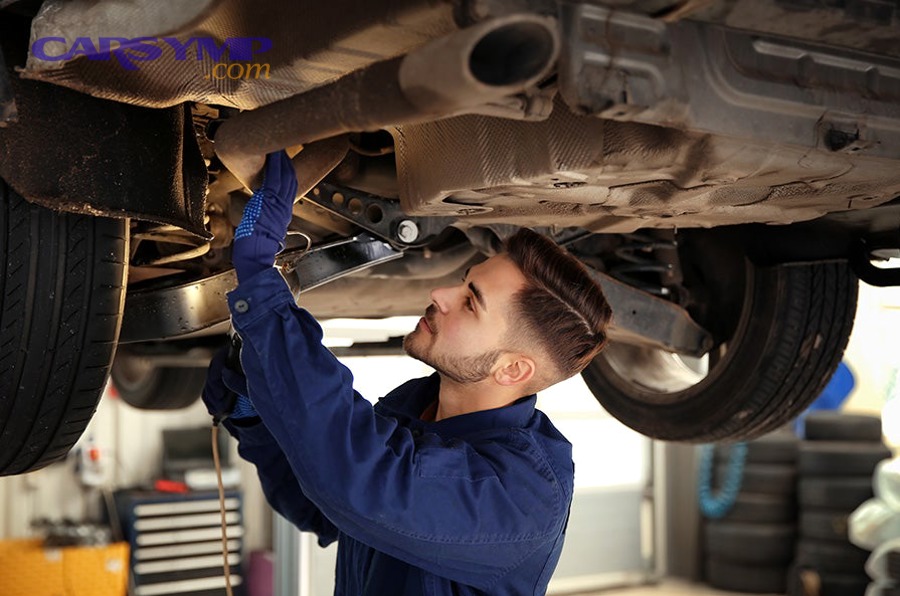
Can I request photos and measurements in the report?
Yes. Ask for tread depth numbers, brake pad thickness readings, and photos of leaks or damaged components. Cụ thể hơn, those details make it easier to compare results over time and to prioritize repairs realistically.

What should I do if the report lists many items?
Start with safety-critical issues, then “soon,” then “monitor.” Ngược lại, don’t treat all items as equal; ask what would cause immediate risk or secondary damage. A good inspector can explain the timeline and the root cause behind each recommendation.
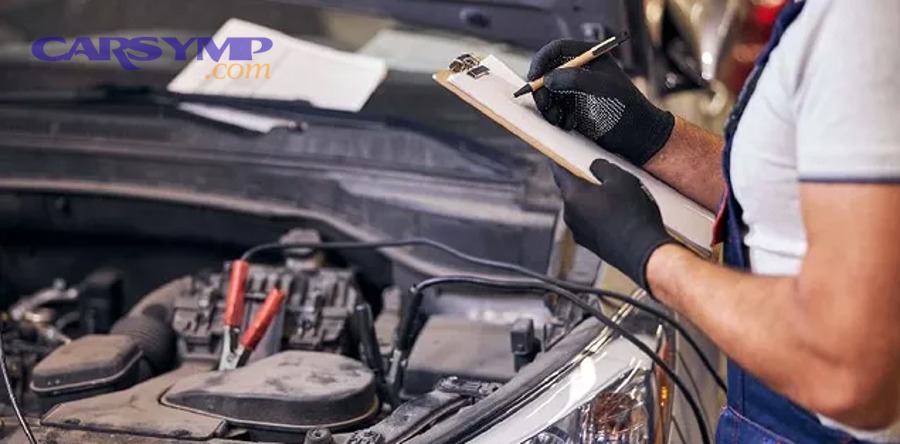
Should I get an inspection even if the car seems fine?
Often yes—especially for older vehicles or before long trips—because gradual wear can be invisible until it becomes urgent. Tóm lại, a preventive inspection is a low-friction way to confirm safety and predict upcoming costs instead of reacting to emergencies.