When it comes to vehicle repairs, one of the most critical aspects to understand as a car owner is how dealerships handle warranty and recall work. Warranty and recall services at dealerships are designed to ensure that vehicle defects, safety issues, and manufacturer errors are addressed and corrected without cost to the vehicle owner. This process not only ensures safety and proper vehicle performance but also plays a crucial role in maintaining the integrity of the car’s value. As a car owner, understanding how dealerships handle these services can help you make informed decisions when it comes to addressing warranty issues and responding to recall notices.
Additionally, it’s important to know the financial and legal aspects of these services. Dealerships are often reimbursed by manufacturers for warranty and recall repairs, but this process is not always as straightforward as it may seem. Delays, issues with parts, and customer service challenges may arise. Understanding these processes allows you to advocate for yourself effectively when dealing with dealership service centers.
In this guide, we will cover the essential steps and procedures involved in warranty and recall work at dealerships, how dealerships get reimbursed for their services, and why some vehicle owners may opt for alternative service centers. We will also explore customer rights and legal protections in the context of warranty and recall services.
What is Warranty and Recall Work at Dealerships?
Warranty and recall work are two essential categories of vehicle repairs that are usually free of charge to the car owner, as they are the responsibility of the manufacturer.
Warranty Work is typically performed to address defects in the car that are covered under the vehicle’s manufacturer warranty. This can include issues with engine performance, electrical systems, and transmission problems that are identified within the warranty period. Recall Work, on the other hand, is initiated when a vehicle manufacturer identifies a safety issue or defect that could affect multiple vehicles, and is required by law to notify car owners and fix the problem at no charge.
Dealerships play a central role in both types of work as they are usually authorized by the manufacturer to perform repairs covered under warranty or recall. This ensures that repairs are performed to the manufacturer’s specifications, often using Original Equipment Manufacturer (OEM) parts.
What Does the Warranty Process at Dealerships Involve?
The warranty repair process at dealerships involves the car owner bringing their vehicle in for diagnosis and repair. The dealership service center will verify whether the issue is covered under the manufacturer’s warranty. If so, the dealership will make the necessary repairs, often without charge to the owner. It is essential that the dealership follows the manufacturer’s guidelines to ensure the repair is completed correctly.
What Happens When a Recall is Issued and Managed by Dealerships?
When a recall is issued, dealerships are responsible for contacting car owners, scheduling appointments, and performing the required repairs or replacements. The repairs are typically performed at no cost to the vehicle owner. Dealerships must ensure they are using the appropriate parts to fix the issue identified in the recall, which could range from safety equipment malfunctions to critical vehicle systems.
How Do Dealerships Get Reimbursed for Warranty and Recall Work?
Dealerships are reimbursed by manufacturers for warranty and recall work, but the reimbursement process can be quite complex. Typically, the manufacturer covers the cost of parts, labor, and any additional associated costs. However, dealerships often face challenges related to delayed reimbursements, disputes about labor rates, or disagreements about which parts to use.
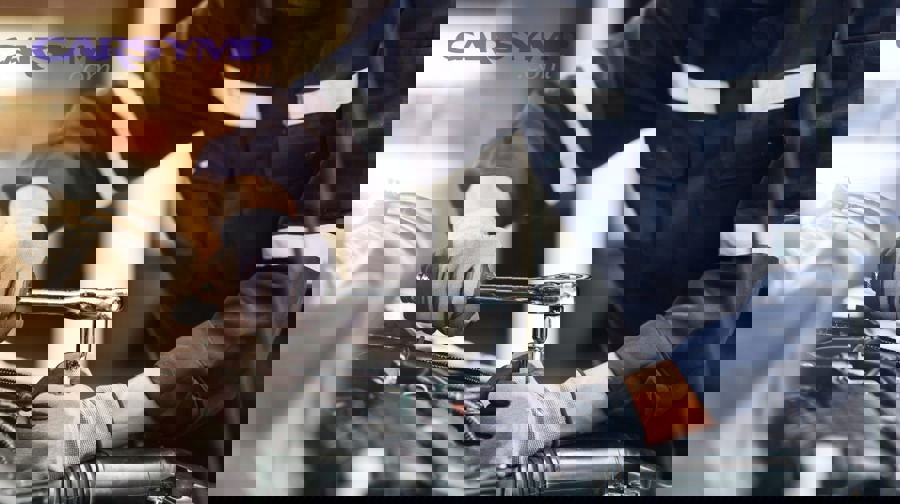
Reimbursement rates are usually set by the manufacturer, which may include a fixed price for the type of repair or a labor rate. While manufacturers aim to standardize the reimbursement process, discrepancies in pricing, delayed payments, and documentation issues may occasionally arise. Dealerships must stay on top of the claims process to ensure they receive the appropriate payment for the work completed.
How Are Dealerships Compensated for Warranty and Recall Repairs?
The compensation for warranty and recall repairs varies based on the complexity of the work performed. Simple repairs like replacing faulty parts may have a fixed reimbursement rate, while more extensive work could involve negotiations over the labor costs. Many dealerships rely on volume repairs, meaning they may complete numerous warranty and recall jobs, but they need to ensure the costs of parts and labor are covered.
Are Dealerships Ever Reimbursed for Customer Inconvenience in Warranty or Recall Work?
In some cases, dealerships may offer customers compensation for inconvenience, such as providing rental vehicles or offering discounts on future services. However, this is not standard practice, and reimbursement for inconvenience often depends on the severity of the issue and the dealership’s customer service policies.
Why Do Some Vehicle Owners Avoid Dealerships for Warranty and Recall Work?
While dealerships are authorized and equipped to perform warranty and recall work, many vehicle owners choose to avoid them for these services. One of the most significant reasons is cost. Dealerships often have higher labor rates compared to independent mechanics or third-party auto repair shops, which can lead some owners to seek alternative service centers.

Additionally, some vehicle owners believe that independent shops may provide quicker turnaround times and more personalized customer service. Dealerships, being large operations, sometimes struggle with long wait times and impersonal service, which can deter customers from using their services.
What Are the Disadvantages of Handling Warranty and Recall Work at Dealerships?
The primary disadvantage of choosing a dealership for warranty or recall work is the potential for higher service costs, particularly if the issue is related to non-warranty repairs or diagnostics. Dealerships often charge more for labor and parts compared to independent repair shops, and some vehicle owners may prefer the flexibility and lower prices offered by non-dealer mechanics.
How Can Dealerships Address Customer Concerns About Warranty and Recall Repairs?
Dealerships can enhance customer satisfaction by providing transparent pricing, quicker service turnaround, and offering amenities like loaner vehicles during longer repairs. By improving customer relations and streamlining the repair process, dealerships can make their services more appealing to vehicle owners.
What Are Vehicle Owner’s Rights During Warranty and Recall Work at Dealerships?
Vehicle owners have specific legal rights when it comes to warranty and recall repairs, particularly regarding the cost of repairs and the timelines for service. In many cases, the manufacturer is required by law to cover the cost of the necessary repairs. However, some states may have additional laws that protect consumers, ensuring that recalls and warranties are handled in a timely and efficient manner.
Can Dealerships Charge for Warranty or Recall Repairs?
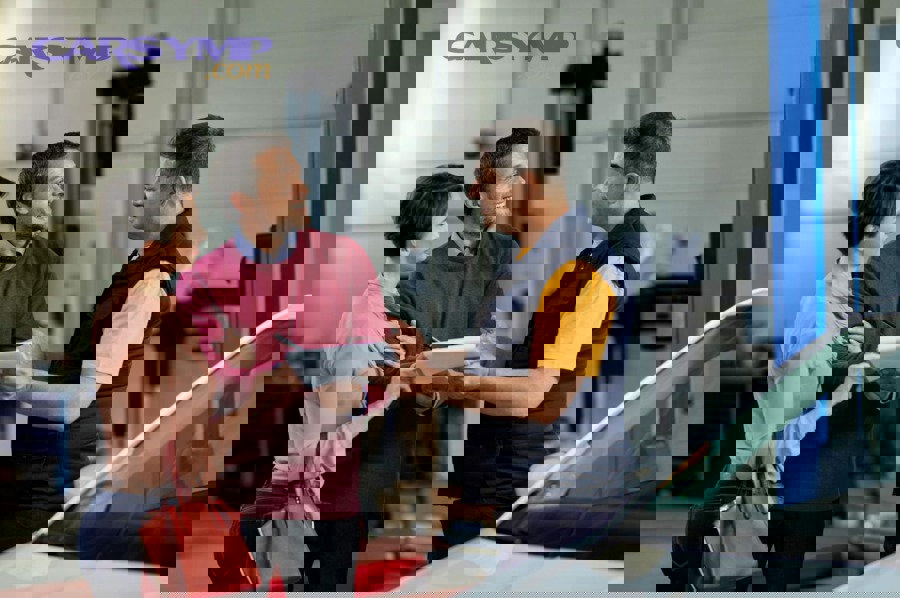
In general, dealerships cannot charge customers for warranty or recall repairs, as the manufacturer is responsible for these costs. However, if the warranty has expired, or if the recall is deemed ineligible, vehicle owners may be responsible for paying for the repair costs. It is important for vehicle owners to clarify the status of their warranty or recall before proceeding with repairs.
What Should Vehicle Owners Do if They Experience Issues After Warranty or Recall Work?
If issues persist after warranty or recall work has been completed, vehicle owners should contact the dealership where the work was done. Many dealerships offer guarantees on their repair work, and they may be required to fix the issue at no extra cost if it is related to the original defect.
How Do Laws in Different States Affect Warranty and Recall Work?
The laws surrounding warranties and recalls can vary by state, especially in terms of what is covered, how quickly repairs must be completed, and what happens when a recall affects a vehicle. Vehicle owners should familiarize themselves with the laws in their state to ensure they are fully aware of their rights and protections.
Conclusion
Understanding how dealerships manage warranty and recall work is essential for vehicle owners who wish to make informed decisions about their car repairs. By knowing the processes, reimbursement structures, and legal protections, owners can better navigate these services and ensure that their vehicles remain in top condition, free of manufacturer defects or safety issues.