


Grinding vs squealing vs clicking diagnosis is mainly about matching the sound to the friction event—and then deciding whether you can keep driving or must stop immediately.
Many drivers also want to know what the noise says about wear progression: whether it’s early warning (often squealing), mid-stage interference (often clicking), or late-stage metal-to-metal risk (often grinding).
Another common goal is pinpointing which corner of the car is talking—front vs rear, left vs right—so you don’t replace good parts while the real cause stays untouched.
To connect those goals, Giới thiệu ý mới: the sections below walk you from “what the sound means” to “how to reproduce it,” then into quick checks, safe inspection steps, and clear stop-driving rules.
What does grinding vs squealing vs clicking diagnosis tell you right now?
Grinding usually signals hard contact or severe wear, squealing is often a warning or vibration-induced friction noise, and clicking typically points to a loose/shifted component that moves under braking load. Tiếp theo, use the “when it happens” pattern to narrow the source fast.
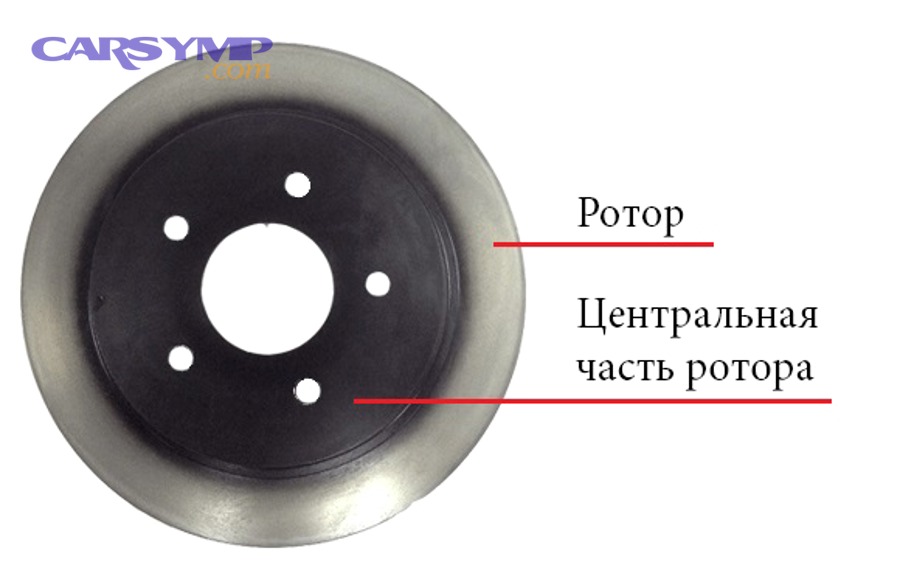
Think of the brake corner as a system of interacting surfaces and constraints: pad friction material, pad backing plate, rotor face, caliper body, sliding pins, bracket contact points, and the wheel/hub assembly that must run true. When the friction interface is stable, you hear little. When the interface is unstable, contaminated, misaligned, or physically worn through, the sound becomes a clue.
Grinding is the most urgent in this trio because it often means you’ve lost the soft friction layer that should “sacrifice” itself. If metal meets metal, heat rises quickly, the rotor can be scored, and stopping distances can change. Grinding can also come from a foreign object trapped between pad and rotor, but the risk is similar: hard material cutting a rotating surface.
Squealing is commonly high-pitched because it’s tied to vibration modes of the pad/rotor/caliper system rather than gross contact. It can be a designed warning (wear indicator), a bedding/temperature issue, or a resonance triggered by light brake pressure. That’s why squeal can appear “random” to drivers even when the brakes still stop well.
Clicking often comes from something that shifts position: a pad that isn’t seated, a clip that’s missing or bent, a caliper that rocks due to loose hardware, or even a wheel-related issue that becomes noticeable during the weight transfer of braking. Clicking is frequently most obvious at low speed or during the first brake application after reversing direction.
The most useful mental model is: sound + timing + direction + pedal feel. If the noise only happens on first application, think movement. If it scales with speed and becomes continuous, think contact. If it changes with light vs hard braking, think vibration vs wear state.
Is it safe to drive when the noise is grinding, squealing, or clicking?
No for persistent grinding, maybe for mild squealing with normal braking feel, and “it depends” for clicking—because clicking can be benign or the first sign of hardware failure. Để bắt đầu, decide safety using three factors: pedal feel, stopping performance, and whether the sound is continuous.
Stop driving immediately if you have grinding that is constant during braking, any grinding paired with a pulsating pedal that suddenly started, or grinding combined with a burning smell and smoke. Those combinations imply heat, severe friction loss, or a rotor being aggressively damaged.
Be cautious if squealing is new but braking still feels normal. Squeal can be a wear indicator or a harmless vibration at light pedal pressure. However, squeal that turns into a scraping or grinding tone is a warning that the friction layer may be nearly gone.
Investigate quickly if clicking is rhythmic and tied to wheel speed while braking, or if it happens when changing direction (reverse to drive) and you feel a small knock in the pedal. Clicking can be a pad shifting, but it can also indicate loose fasteners, missing anti-rattle clips, or caliper movement that could worsen.
Use a simple rule: if the noise is accompanied by a change in pedal travel, the car pulling to one side, or a reduction in braking confidence, treat it as unsafe. These are “system signals,” not just “sound signals.”
Also pay attention to where the sound occurs. A sound that appears only after multiple stops in traffic can indicate heat-related expansion or a component sticking. A sound that appears after rain can indicate surface rust on rotors or moisture-related friction behavior—often temporary, but still worth verifying.
How do you reproduce the sound to pinpoint the corner?
Reproduce the noise by controlling speed, brake pressure, and direction, then confirm the corner by isolating left/right and front/rear using safe, repeatable tests in a quiet area. Dưới đây is a quick routine that turns vague noise into a reliable symptom.
Step 1: Control speed. Start at 10–15 mph and do light braking, then moderate braking. If squeal appears only under light braking, it points toward vibration/resonance or a wear indicator. If grinding appears under any pressure, assume contact/wear.
Step 2: Change direction. Do a gentle stop in reverse (in a safe, empty lot). Clicking that appears only when reversing or only on the first stop after reversing suggests pad shift, clip movement, or a component settling into a new load direction.
Step 3: Isolate left/right. At very low speed, do a gentle stop while steering slightly left, then slightly right (still in a safe environment). If the noise changes with steering, it can reflect load transfer onto one side. This is not perfect, but it helps you choose which wheel to inspect first.
Step 4: Note wheel-speed relationship. Clicking that speeds up as the car rolls and slows down as the car slows often implicates a rotating component or a repeating interference point. Grinding that changes with wheel speed can indicate rotor contact or debris.
Step 5: Smell and heat check (without touching). After a short drive with a few stops, park safely and cautiously feel for unusual heat radiating from one wheel area (do not touch the rotor). One corner significantly hotter can indicate dragging brakes or a sticking component.
Once you have a repeatable pattern, you’ve done the hardest part. Everything that follows becomes a targeted inspection instead of guesswork.
What are the most common grinding causes, and how do you confirm them?
Most grinding comes from worn pads contacting the rotor, debris trapped in the brake assembly, or a rotor surface that’s been deeply scored or compromised. Cụ thể, confirmation is about spotting metal contact marks and verifying pad thickness and rotor condition.
Cause A: Pad worn to backing plate. When the friction material is gone, the steel backing plate scrapes the rotor. The noise is often a harsh, low-frequency grind that gets louder with brake pressure. Confirmation is visual: extremely thin pad material or none at all, and a rotor face with heavy scoring.
Cause B: Foreign object or embedded grit. Small stones, rust flakes, or debris can lodge between pad and rotor or in a shielded area and then grind as the rotor turns. This sometimes creates a grinding that can appear even without braking, but it usually changes when you apply brakes. Confirmation: localized groove marks, a single “track” on the rotor, or debris visible in the assembly.
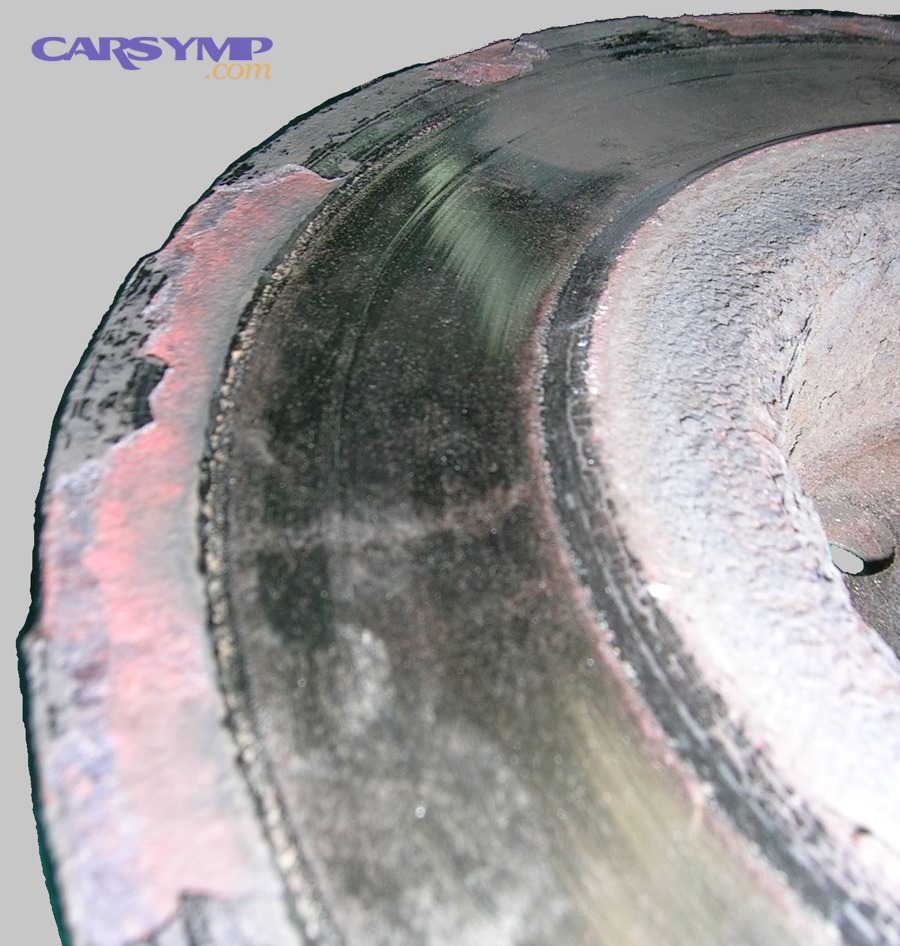
Cause C: Severe rotor damage or corrosion lip contact. A rotor with deep grooves, cracks, or a heavy outer rust lip can create grinding-like scraping when the pad edge rides that lip. Confirmation: a pronounced ridge at the rotor edge or uneven rotor face contact.
Cause D: Component-to-rotor interference. A thin metal backing plate behind the rotor can get bent and rub the rotor, producing a scraping/grinding tone that can be mistaken for pad wear. The giveaway is that it may occur while rolling with minimal brake input, then change when braking. Confirmation: shiny rub marks on the plate and rotor edge.
Before you replace parts, ask: is grinding present only when braking, or also when coasting? Grinding only under brake application pushes you toward pad/rotor contact. Grinding while coasting pushes you toward interference or a trapped object.
What are the most common squealing causes, and when is it normal vs a warning?
Squealing often comes from a designed wear indicator, pad/rotor vibration, or friction surface conditions like glazing or light corrosion; it’s “normal” when braking is strong and the squeal is brief, but a warning when it persists or escalates. Hơn nữa, pitch and timing help separate benign squeal from urgent wear.
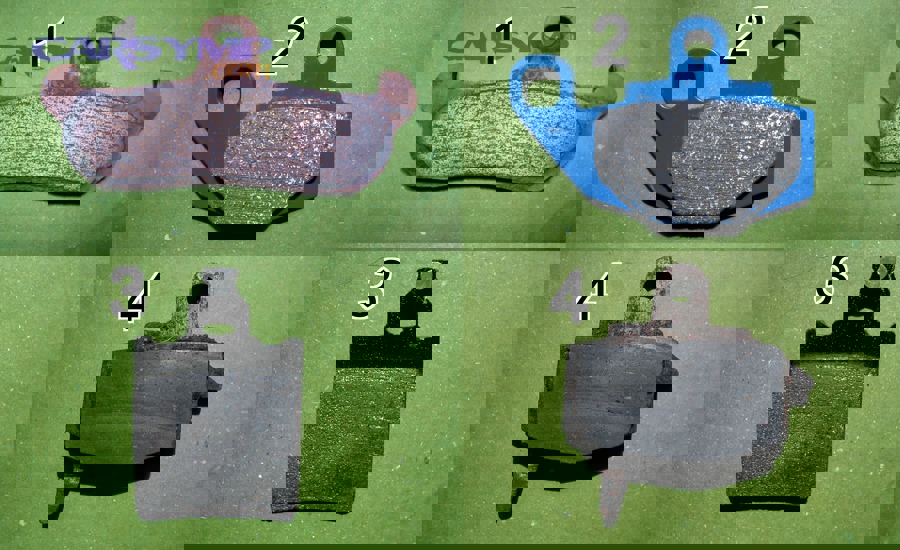
Cause A: Wear indicator (“squealer”). Many pads include a metal tab that contacts the rotor when pad material is low, producing a consistent high-pitched squeal during braking. This is a built-in message: “plan service soon.” If ignored, it can progress to scraping and then grinding as the pad wears through.
Cause B: Vibration/resonance at light brake pressure. Squeal can be a friction-induced vibration where the pad and rotor excite a high-frequency mode. It may happen more during light braking, at certain speeds, or when the brakes are cold. It can also vary by pad compound.
Cause C: Glazing or uneven transfer layer. Pads and rotors develop a transfer layer; if it’s uneven (from overheating or improper bedding), the interface can squeal. You may also feel minor vibration or inconsistent bite. This is more likely if squeal appears after hard stops or mountain driving.
Cause D: Moisture, light rust, or contamination. After rain or sitting overnight, rotors can develop a thin surface film that squeals briefly on first stop. If it disappears after a few normal stops and braking feel stays consistent, it’s often not urgent.
The key difference: warning squeal is consistent and repeatable (often every brake application), while benign squeal is situational (only cold, only light pressure, only after sitting). If the sound becomes louder, lower-pitched, or starts to include scraping, treat it as a warning.
The science behind squeal frequency is well-documented. Theo nghiên cứu của SAE International từ Technical Papers, vào 01/1999, brake squeal thường nằm trong dải tần 1–16 kHz.
What are the most common clicking causes, and how do you separate brake vs non-brake sources?
Clicking is commonly caused by pad movement, loose mounting points, or a component that shifts under torque; separate brake vs non-brake by checking whether the click happens only with pedal input and whether it changes with direction changes. Quan trọng hơn, a brake click is usually tied to the first moments of application or release.
Brake-related clicking patterns typically show up as a single “tick” when you first press the brake or first release it, especially after switching from reverse to drive. That’s the moment the pad and caliper bracket shift to take up clearance. A repeated click that continues through the stop can indicate loose hardware or an interference that repeats each rotor rotation.
Non-brake clicking patterns often correlate more with steering angle, bumps, or acceleration rather than the pedal. For example, a clicking that occurs during turns but not during straight-line braking may be wheel-end or axle related. A clicking that occurs over bumps with no brake input may be suspension.
Quick separation test: At low speed on a smooth surface, coast with no brake input—listen. Then apply light brake pressure—listen. If clicking appears only with brake input, focus on pad seating and caliper movement. If it appears both coasting and braking and scales with speed, consider interference or a rotating component contact.
Also note that clicking can be “intermittent” if the moving part only shifts under certain load directions. That’s why direction changes (reverse/drive) are powerful clues: they reverse the load and often reveal clearance issues.
Which quick checks can you do without removing the wheel?
You can narrow grinding vs squealing vs clicking diagnosis quickly by checking brake pedal feel, wheel heat differences, visible rotor scoring through the wheel, and whether the noise changes with light vs firm braking. Ngoài ra, these checks reduce the chance of driving further with a damaging condition.
Check 1: Pedal feel and travel. A normal, firm pedal suggests the hydraulic system is likely intact. A sudden soft pedal, sinking pedal, or pedal that needs pumping indicates a separate safety issue that should override noise diagnosis.
Check 2: Visual rotor inspection through the wheel. Many wheels allow you to see part of the rotor face. Look for heavy grooves, discoloration from overheating, or a thick rust ridge at the outer edge. Severe scoring supports grinding causes.
Check 3: Heat comparison after a short drive. Without touching metal, compare radiant heat near each wheel. One corner noticeably hotter can indicate dragging pads, a sticking caliper, or a parking brake issue (rear). Heat can amplify squeal and can also create clicking as parts expand.
Check 4: Sound on first application vs continuous. A single click at the start of braking suggests movement. Continuous clicking suggests something repeatedly contacting or a loose part oscillating. Continuous grinding is a stop-driving signal.
Check 5: Dust and debris signs. Excessive brake dust on one wheel or shiny metal flakes can point to abnormal wear. Uneven dust alone isn’t proof, but it’s a direction to investigate.
Once these checks point you to a corner, you’re ready for a safe wheel-off inspection that confirms the exact mechanism.
How do you inspect safely with the wheel off to confirm the noise source?
Jack safely, remove the wheel, inspect pad thickness and rotor face, and then verify the caliper moves smoothly and parts are seated; this confirms whether the noise is wear, interference, or vibration. Để hiểu rõ hơn, follow a structured inspection so you don’t miss small hardware issues that create big sounds.
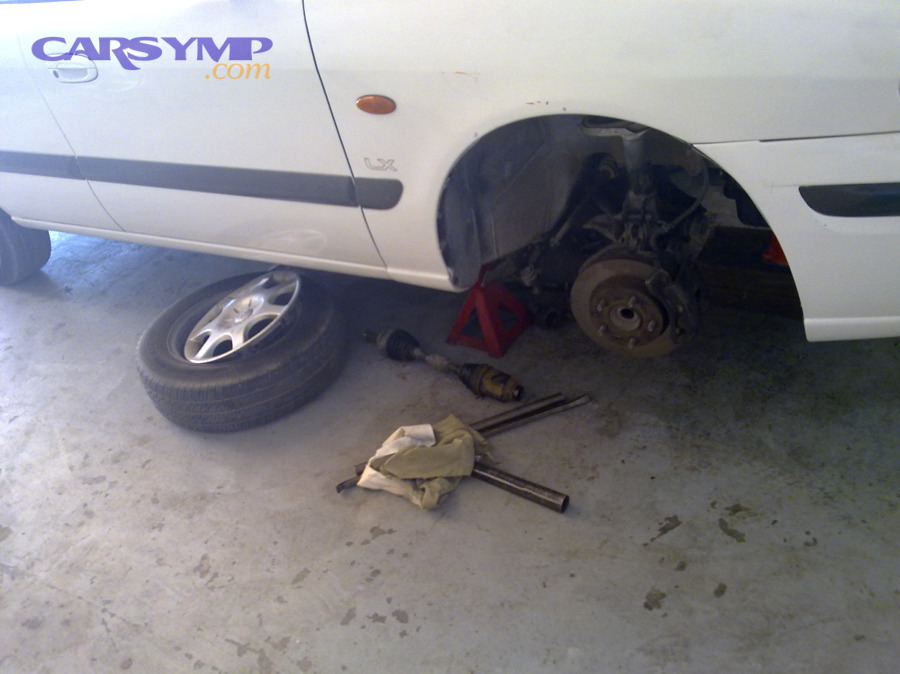
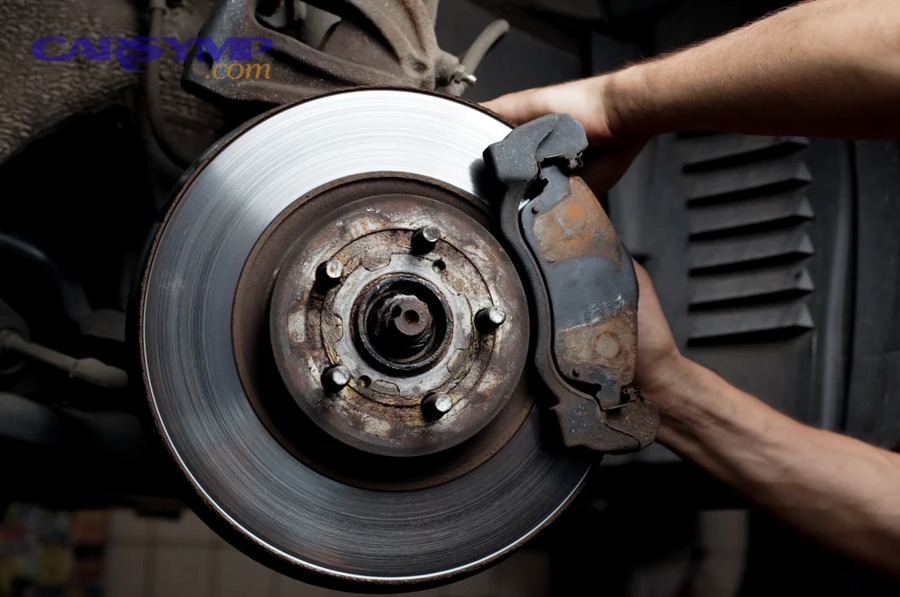
Safety first: Park on level ground, use wheel chocks, and support the vehicle with jack stands. Never rely on a jack alone. Keep hands clear of pinch points.
Step 1: Confirm pad thickness and wear pattern. Compare inner and outer pad thickness. Uneven wear suggests a sticking slide pin or caliper issue. If the friction material is near the minimum or the wear indicator is contacting, squeal is likely “designed warning.”
Step 2: Inspect the rotor face. Look for deep grooves, hot spots, cracks, or a rough ridge at the edge. A rotor with heavy scoring aligns with grinding. A rotor with light surface marks but no deep grooves can still squeal due to vibration or surface conditions.
Step 3: Look for contact marks on nearby shields and plates. Shiny scraped areas on thin plates or shields indicate interference. If you find a consistent rub track, you’ve likely found the source of a scraping/grinding sound that can mimic severe pad wear.
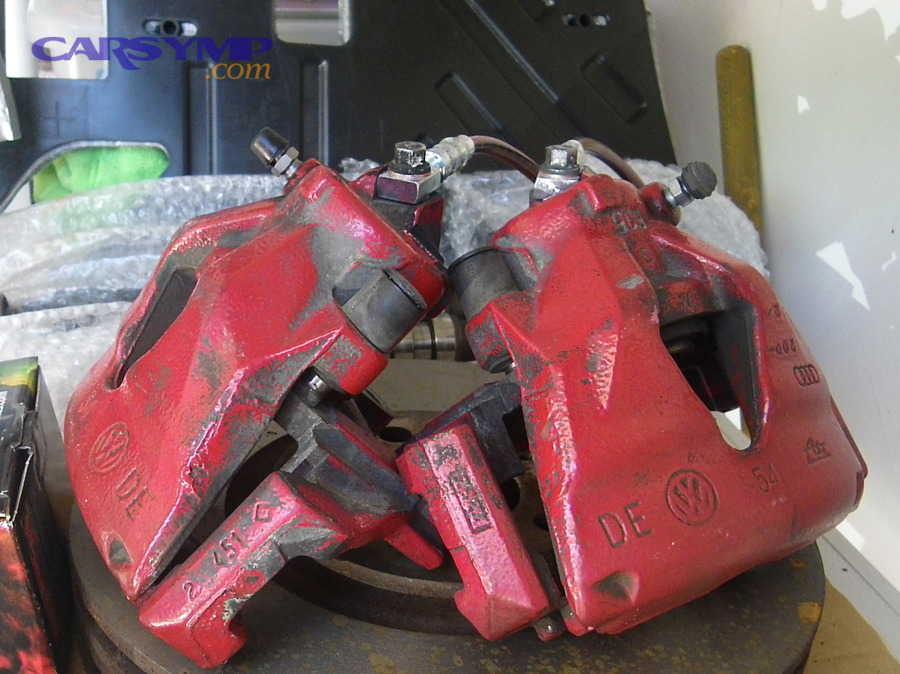
Step 4: Check for free movement and seating. Pads should sit squarely in the bracket and move with controlled clearance, not rattle loosely. If a pad can shift dramatically, clicking is likely. If the caliper rocks or hardware is loose, clicking can be strong and repeatable.
Step 5: Listen while rotating by hand (with caution). If you can rotate the hub/rotor assembly (where applicable) without the engine running, listen for scraping without brake input. A scrape without brake input supports interference or trapped debris. A scrape only when the pads clamp supports friction-interface causes.
At this point, you can confidently label the noise: wear contact (grinding), vibration/resonance or wear indicator (squealing), or movement/looseness (clicking). Now you can map that label to actions and urgency.
How can a single table speed up grinding vs squealing vs clicking diagnosis?
This table summarizes what each sound usually means, when it appears, and what to check first so you can choose the right inspection path and urgency level. Tuy nhiên, treat it as a guide—your exact pattern still matters.
| Sound | Most common meaning | When it happens | First confirmation check | Urgency |
|---|---|---|---|---|
| Grinding | Hard contact (pad backing plate / debris / severe rotor damage) | During braking; sometimes while rolling if interference | Pad thickness + rotor scoring + debris/contact marks | High (often stop-driving) |
| Squealing | Wear indicator or friction vibration/resonance | Often light braking; sometimes cold/wet conditions | Look for wear indicator contact + pad condition + rotor surface | Medium (schedule soon; sooner if persistent) |
| Clicking | Movement (pad shift, loose hardware, clips, caliper/bracket play) | First apply/release; reverse-to-drive transitions; low speed | Check pad seating + hardware tightness + repeating contact points | Medium–High (depends on repeatability) |
Note: If the noise is paired with poor braking feel, pulling, or warning lights, urgency increases regardless of which sound category it fits.
When should you stop and get professional diagnosis immediately?
You should stop and seek professional help if grinding is persistent, if squealing becomes scraping or grinding, if clicking is accompanied by a knock or instability, or if braking performance changes suddenly. Tóm lại, prioritize safety signals over curiosity.
Immediate stop-driving triggers: continuous grinding, smoke or burning smell, severe vibration paired with noise, pedal sinking, or the car pulling strongly under braking. These are high-risk combinations that can lead to rotor destruction or brake failure.
Same-day inspection triggers: squealing that is constant every stop, clicking that repeats continuously through braking, or any noise that starts suddenly after recent brake work (because incorrect installation or missing hardware can cause fast damage).
Near-term scheduling triggers: mild squeal that appears mostly under light braking but brakes feel strong, or a single click when first braking that doesn’t worsen. Even then, the best practice is to verify pad life and hardware seating before it becomes a bigger repair.
In a shop visit, you can ask for the diagnosis narrative: which corner, which component, and what visual evidence they found. That helps you confirm the mechanism instead of accepting a parts list blindly.
When you want the visit to be efficient, tell the shop: the speed range, whether it’s first-apply or continuous, whether it changes in reverse, and whether it changes with light vs firm braking. That symptom pattern is the fastest path to the right root cause.
Contextual Border: Up to this point, you’ve used sound patterns and basic inspection logic to identify the likely mechanism. Next, we expand into advanced clues that separate similar-sounding issues and help you prevent repeat noises after repair.
Advanced clues that separate similar brake sounds
How does pitch and frequency help distinguish squeal from scraping?
Squeal is typically higher-pitched and “cleaner,” while scraping/grinding sounds lower and rougher because it involves harder, larger-scale contact. Cụ thể hơn, high-frequency squeal often shows up with light braking and may fade with firmer pedal pressure.
High-frequency squeal is commonly tied to vibration modes in the pad/rotor/caliper system. When the interface becomes unstable, the system can “sing.” Scraping and grinding are more “mechanical,” reflecting physical interference and abrasion.
If you hear a sound that starts as squeal and then turns into a harsher scrape, that progression often mirrors pad wear: from wear indicator contact to friction material loss to backing plate contact. The “tone shift” is a practical indicator of worsening wear.
Why do temperature and moisture change the noise category?
Moisture can create brief squeal from surface film, and heat can trigger squeal by changing friction behavior or expanding components into light contact; both can also worsen dragging that leads to scraping. Bên cạnh đó, a heat pattern that stays localized points to a sticking part.
After rain, a thin rotor film or light rust can squeal on the first couple of stops, then disappear. That’s often not a true mechanical fault. Heat, however, can reveal faults: if a slide pin is binding, heat builds on one corner and the noise becomes more consistent.
If the noise appears only after multiple stops, suspect heat expansion, pad glazing, or a caliper that doesn’t retract properly. If it appears only cold and fades quickly, suspect surface conditions or light vibration rather than hard contact.
How do directional clues—reverse, turning, or first-stop—tighten diagnosis?
Clicks tied to the first stop or to reverse-to-drive transitions often indicate pad shift or hardware movement, while noises that change on turns can reflect load transfer that amplifies a marginal contact point. Đặc biệt, direction-dependent noise is your best clue for “movement problems.”
If you get one click when braking after reversing, that’s frequently the pad settling into the bracket under a new load direction. If you get a series of clicks that match wheel rotation, look for a repeating interference point: a bent plate, a clip touching the rotor, or debris.
If the noise changes when turning left vs right during light braking, prioritize inspecting the loaded side first. Load transfer can change clearances just enough to make an intermittent rub become audible.
How do you prevent the same noise after repair?
Prevent repeat squeal and clicks by ensuring correct pad seating, clean and lubricated contact points (where specified), proper torque, and correct bedding-in, while preventing grinding by replacing worn components before metal contact occurs. Tổng kết lại, prevention is about stability and clearance control.
After replacing pads or rotors, bedding-in is essential for a stable transfer layer. Poor bedding can leave uneven deposits that trigger squeal. If hardware is reused incorrectly or clips are missing, clicking can persist even with brand-new pads.
Also remember that noise “masks” can happen: a new pad can silence squeal temporarily while a bent plate continues to scrape. That’s why confirming physical rub marks and correct assembly matters as much as replacing friction parts.
When documenting your repair, note which corner was noisy, what the pad thickness was, and what contact marks existed. This creates a feedback loop that makes future diagnosis faster and reduces unnecessary part swaps.
FAQ
Can a wear indicator cause both squealing and grinding?
Yes—first it often squeals as an early warning, then it can progress to scraping and grinding if pad material keeps wearing down and metal contact increases. Vì dụ, a consistent high-pitched squeal that later becomes a harsh rasp is a classic progression.
Why do I hear clicking only at very low speed?
Low speed emphasizes clearance take-up events: pads shift, clips settle, and calipers load/unload more noticeably, producing discrete clicks rather than a blended sound. Ngược lại, at higher speed the same movement can blend into road noise.
Why did the noise appear right after brake work?
A new noise after service often points to seating/hardware issues: mispositioned pads, missing clips, incorrect torque, or a plate/shield bent during installation. Hơn nữa, fresh parts can change clearances and reveal an interference that was previously quiet.
What video can help me understand scraping sounds and quick isolation steps?
In practice, grinding vs squealing vs clicking diagnosis becomes reliable when you combine sound category with repeatable conditions: pressure level, speed, direction, and whether the noise is continuous. Once those are clear, your inspection becomes targeted—and your decisions about safety become confident.