


Identifying whether a squeaking noise when driving comes from your brakes or suspension requires understanding the distinct sound characteristics and occurrence patterns of each system. Brake squeaks typically produce high-pitched metallic squeals during braking, while suspension squeaks create creaking or groaning sounds over bumps and uneven surfaces. The difference matters because brake issues directly affect stopping power and safety, whereas suspension problems impact handling and ride comfort, with each requiring different repair approaches and urgency levels.
Understanding what brake squeaks and suspension squeaks sound like forms the foundation for accurate diagnosis. Brake squeaks originate from the friction between pads and rotors, occurring primarily when you apply pressure to the brake pedal, though worn pad indicators may squeal constantly when not braking. Suspension squeaks come from worn bushings, degraded mounting points, or dry ball joints that protest when your vehicle’s weight shifts or the chassis flexes over road imperfections.
The five key diagnostic tests covered in this guide provide a systematic approach to pinpointing squeak sources without professional equipment. These tests include the brake application test, road surface test, stationary bounce test, steering and turning test, and speed variation test, each designed to isolate specific components and eliminate ambiguity. By performing these tests in sequence, you can determine whether the noise originates from your braking system or suspension components with reasonable accuracy.
Safe-to-drive guidance for squeaking noises depends entirely on the source and severity of the sound. Some squeaks represent normal wear patterns or environmental factors like morning moisture, while others signal imminent component failure requiring immediate attention. To better understand how to distinguish between benign and dangerous squeaks, let’s explore the fundamental differences between these two common automotive noise sources.
What Is the Difference Between Brake Squeak and Suspension Squeak?
Brake squeak is a high-pitched noise from braking system components including pads, rotors, and calipers, while suspension squeak is a creaking or groaning sound from chassis components like bushings, struts, and springs. The fundamental difference lies in when and how these noises occur: brake squeaks typically manifest during braking actions, whereas suspension squeaks emerge during weight transfer, road impacts, or chassis articulation.
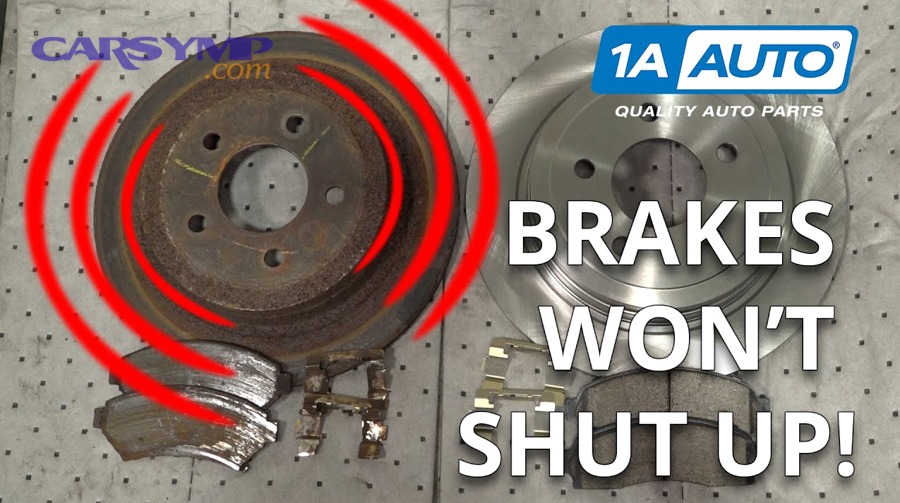
Understanding this distinction is critical because misidentifying the source leads to unnecessary repairs and continued safety risks. Brake squeaks signal friction-related issues within the braking system that directly impact your vehicle’s stopping ability. These sounds result from metal-to-metal contact, worn friction materials, or vibration between brake components. The braking system operates under extreme pressure and heat, creating conditions where even minor wear produces audible warnings.
Suspension squeaks indicate wear or deterioration in the components that absorb road shocks and maintain tire contact with the pavement. The suspension system contains numerous rubber bushings, ball joints, and mounting points that cushion movement and reduce vibration transfer to the cabin. When these components dry out, crack, or wear beyond tolerances, they lose their ability to dampen movement silently, resulting in squeaks that correlate with chassis flex and road conditions rather than brake application.
The sound frequency provides another distinguishing factor. Brake squeaks often occur in the 1,000 to 16,000 Hz range, creating that characteristic high-pitched squeal that penetrates cabin noise and catches attention immediately. Suspension squeaks typically register in lower frequency ranges, producing sounds described as creaking, groaning, or rubbing rather than squealing.
What Does a Brake Squeak Sound Like?
A brake squeak sounds like a high-pitched metallic squeal or screech that occurs primarily when applying the brake pedal, though worn pad indicators create constant squealing when not braking. The pitch typically ranges from a sharp whistle to a loud screech, depending on the cause and severity of the underlying issue.
The frequency and intensity of brake squeaks vary based on several factors. Light brake application often produces quieter, higher-pitched squeals, while aggressive braking may create louder, more urgent screeching sounds. Semi-metallic brake pads generate more noise than ceramic alternatives due to their harder composition and metal content, creating a distinctive metallic quality to the sound.
Brake squeaks manifest in specific patterns that aid identification:
- Morning or first-use squeaks: Brief, high-pitched sounds during the first few stops that disappear as brakes warm up, typically caused by surface rust or moisture on rotors
- Constant wear indicator squeaks: Persistent high-pitched squealing when not braking that stops when you apply the brake pedal, signaling critically worn pads
- Brake application squeaks: Squealing that occurs only during braking, indicating pad vibration, glazing, or hardware issues
- Low-speed squeaks: Sounds most prominent when braking at speeds below 15 mph or coming to a complete stop, often related to pad material transfer or edge contact
The metallic quality distinguishes brake squeaks from other automotive noises. This characteristic stems from the brake system’s metal components: steel rotors, metal-backed pads, cast iron calipers, and hardened steel wear indicators. When these components vibrate at specific frequencies or contact each other improperly, they create the distinctive squealing sound that most drivers immediately associate with brake issues.
Environmental conditions affect brake squeak characteristics. Cold temperatures increase squeak likelihood as brake materials harden and lose flexibility. Wet conditions create temporary surface rust that produces grinding or squealing until friction wears away the oxidation layer. Dusty or dirty environments allow brake dust accumulation that changes friction characteristics and promotes squeaking.
What Does a Suspension Squeak Sound Like?
A suspension squeak sounds like a creaking, groaning, or rubbing noise that occurs when driving over bumps, making turns, or during weight shifts rather than during braking. The sound typically registers in lower frequencies than brake squeaks, resembling an old door hinge, a mattress spring, or wood flexing under load.
The characteristics of suspension squeaks reflect the movement and stress patterns in chassis components. Unlike the sharp, attention-grabbing nature of brake squeals, suspension squeaks often develop gradually and may be intermittent, occurring only under specific conditions like cold weather, full passenger loads, or particular road surfaces.
Common suspension squeak descriptors include:
- Creaking: A slow, rhythmic sound that mirrors the suspension’s compression and rebound cycles
- Groaning: A lower-pitched complaint heard during turns or weight transfer
- Rubbing: A friction-based sound suggesting component contact without proper lubrication
- Clunking: A more pronounced impact sound when worn components have excessive play
Temperature significantly affects suspension squeak behavior. Cold weather hardens rubber bushings, reducing their flexibility and increasing noise production. Many drivers notice suspension squeaks primarily during winter months or on cold mornings, with sounds diminishing or disappearing as components warm and expand during driving.
The location correlation helps distinguish suspension from brake squeaks. Suspension noises often correlate precisely with road surface changes: a squeak over each bump, a groan during each turn, or a creak when accelerating from a stop. This pattern reflects the suspension’s job of managing dynamic forces and maintaining tire contact during varied driving conditions.
Suspension squeaks may seem directional, appearing to come from specific corners of the vehicle. A worn front control arm bushing creates noise from that corner during turns in a particular direction. Rear leaf spring squeaks originate from the rear axle area and intensify when the bed carries weight or the vehicle traverses uneven terrain. This localization, combined with the correlation to suspension movement rather than brake application, provides strong diagnostic clues.
How Can You Tell If the Squeak Is Coming from Your Brakes?
You can tell if the squeak is coming from your brakes by testing whether the noise occurs during brake pedal application, changes with braking pressure, or manifests primarily at low speeds during stopping. Brake squeaks correlate directly with braking actions rather than road surface conditions, providing a clear diagnostic pattern.
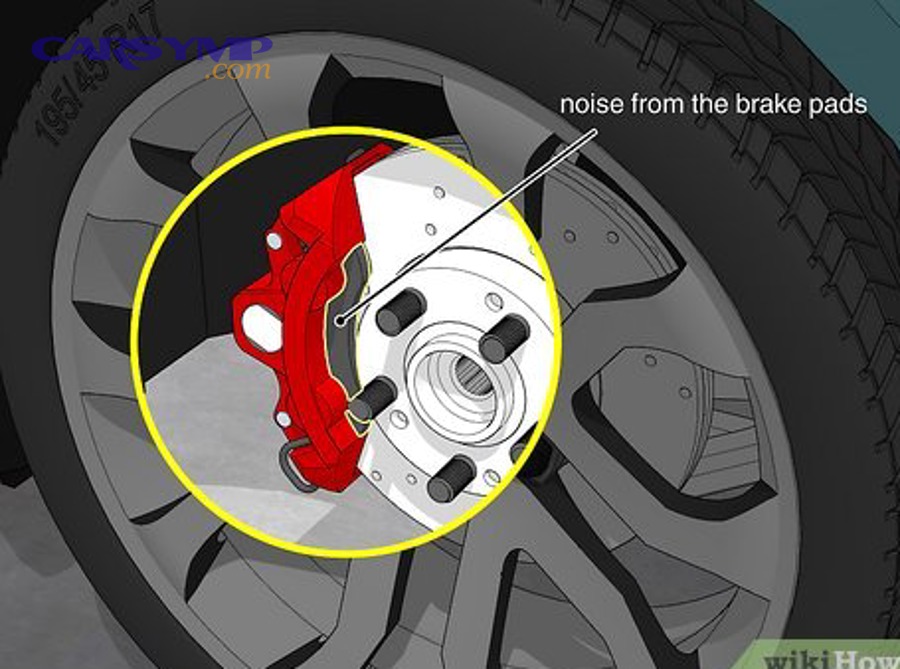
To accurately identify brake squeaks, you must isolate the noise from other vehicle sounds by systematically testing under controlled conditions. This approach eliminates variables and reveals the characteristic brake-specific patterns that distinguish braking system noises from suspension or other component squeaks.
Does the Squeak Occur Only When You Apply the Brakes?
The squeak occurs only when you apply the brakes if it manifests during brake pedal depression and stops when you release the pedal, indicating pad vibration, glazing, or hardware issues within the braking system. This pattern represents the most definitive brake squeak indicator because it establishes a direct cause-and-effect relationship between braking action and noise production.
However, brake squeaks don’t always follow this simple pattern. Worn brake pad wear indicators create an inverted pattern: they squeal constantly when not braking and stop when you apply the brake pedal. This counterintuitive behavior confuses many drivers who expect brake noises to occur during braking rather than while coasting.
The wear indicator mechanism explains this inverse pattern. Modern brake pads incorporate small metal tabs positioned at specific depths within the friction material. When pad wear reaches approximately 3-4mm of remaining material, these hardened steel tabs contact the rotor surface during normal wheel rotation. The resulting high-pitched squeal serves as an audible warning that pad replacement is necessary. When you press the brake pedal, the pad compresses slightly, lifting the wear indicator tab away from the rotor surface and silencing the squeal temporarily.
Testing for brake application correlation requires attention to timing and conditions:
- Drive at moderate speed on a smooth road with windows down to hear sounds clearly
- Apply brakes gently without ABS activation
- Note whether squeak begins simultaneously with pedal pressure
- Release brakes completely and listen for sound continuation
- Repeat at various speeds and pressure levels to confirm pattern
Moisture-related brake squeaks present another common scenario. Overnight condensation or rain creates a thin rust layer on rotor surfaces, particularly on vehicles parked outdoors. The first several brake applications scrape away this oxidation, producing temporary squeaking or light grinding sounds. These moisture squeaks typically disappear within the first few stops and don’t return until the vehicle sits idle again for several hours.
New brake pad break-in squeaks occur during the initial 200-300 miles after installation. Fresh pads must transfer a microscopic layer of friction material onto the rotor surface to achieve optimal performance. During this bedding process, excess vibration may create temporary squeaking that resolves as the pad conforms to the rotor surface profile and establishes proper contact patterns.
Does the Squeak Change with Brake Pedal Pressure?
The squeak changes with brake pedal pressure if it varies in pitch, volume, or character when you modulate braking force, indicating pressure-sensitive issues like pad vibration, caliper binding, or improper hardware installation. This pressure correlation reveals dynamic problems within the braking system that manifest differently under varying load conditions.
Light brake pedal pressure often produces different sounds than heavy braking because the pad-to-rotor contact force and heat generation change dramatically. Gentle braking may allow pads to vibrate or chatter against rotors, creating higher-frequency squeals. Aggressive braking increases contact force, reducing vibration but potentially introducing other noises if components are glazed or contaminated.
Glazed brake pads demonstrate clear pressure-related squeak patterns. Glazing occurs when excessive heat hardens the pad’s friction material surface, creating a smooth, glass-like finish that reduces friction coefficient. Glazed pads often squeak during light to moderate braking when contact pressure doesn’t generate sufficient force to break through the hardened layer. Heavy braking may temporarily reduce or eliminate the squeak as increased pressure and heat partially restore surface texture, though this improvement doesn’t last.
Caliper slide pin issues create pressure-dependent squeaking because binding pins prevent even pad release and application. When you apply light brake pressure, one pad may contact the rotor while the other remains slightly lifted, causing uneven friction and squeaking. Increased pedal pressure forces the binding caliper to overcome resistance and apply both pads more evenly, potentially changing or silencing the squeak.
The pressure modulation test procedure reveals these patterns:
- Start with very gentle brake application, barely slowing the vehicle
- Gradually increase pedal pressure while listening for sound changes
- Note at what pressure level squeak begins, changes character, or stops
- Test both gradual deceleration and sudden hard braking
- Compare results across multiple stops to identify consistent patterns
Brake pad backing plate contact points influence pressure-related squeaking. Pads incorporate metal backing plates that fit against caliper pistons and slide mechanisms. Without proper lubrication or with missing anti-rattle shims, these contact points allow vibration that creates squeaking. Light braking may permit vibration, while firm pedal pressure compresses components more tightly, damping vibration and reducing noise.
Temperature affects pressure-related squeak behavior because brake materials change properties as they heat. Cold brakes often squeak more readily during light application because materials are harder and less flexible. As braking generates heat, materials soften slightly, conforming better to rotor surfaces and reducing vibration tendencies. This explains why some vehicles squeak during the first few stops but quiet down during extended driving.
Is the Squeak Louder at Low Speeds or When Coming to a Complete Stop?
The squeak is louder at low speeds or when coming to a complete stop if pad material properties, edge contact, or debris accumulation cause increased vibration during reduced rotor rotation speeds. This pattern indicates specific brake conditions that manifest most prominently during final stopping phases rather than high-speed braking.
Low-speed brake squeaking occurs primarily below 15 mph and intensifies as the vehicle approaches zero speed. This behavior stems from several interrelated factors involving brake pad composition, rotor surface condition, and vibration dynamics. Semi-metallic brake pads particularly demonstrate this characteristic because their harder composition and metal particle content create resonance frequencies that become more pronounced at lower speeds.
The physics of low-speed squeaking involves vibration frequency relationships. As rotor rotation slows, the frequency of pad-to-rotor contact variations decreases, potentially matching natural resonance frequencies of brake components. This resonance amplification creates louder, more noticeable squeaking during final stopping moments. High-speed braking typically exceeds these resonance frequencies, reducing squeak intensity despite higher friction forces.
Pad edge contact contributes significantly to low-speed squeaking. Brake pads wear unevenly, sometimes developing slightly beveled edges or uneven contact surfaces. During light, low-speed braking, these edges may contact the rotor first, creating conditions for vibration and squeaking. As braking pressure increases or speed drops further, the entire pad surface makes contact, potentially reducing or eliminating the edge-related squeak.
Paint transfer from friction material edges represents a specific low-speed squeak mechanism. Brake pad friction material pucks have edges that may retain paint or coating applied during manufacturing. At low speeds during light braking, this paint can transfer onto rotor surfaces, creating a thin layer that promotes pad chatter and squealing. The paint burns off during harder braking or higher speeds, but low-speed applications allow accumulation that perpetuates squeaking.
Environmental debris accumulation affects low-speed braking noise. Brake dust, road grime, and fine particles accumulate on rotor surfaces and between pad edges and caliper brackets. Low-speed, light-pressure braking doesn’t generate sufficient force to dislodge these contaminants, allowing them to remain between friction surfaces and create squeaking. Aggressive braking or highway-speed stops clear many contaminants, temporarily reducing noise.
The low-speed squeak test reveals brake-specific patterns:
- Approach a stop sign or traffic light at normal speed
- Begin gentle braking at approximately 30 mph
- Maintain consistent, light pedal pressure throughout deceleration
- Listen specifically during the final 15 mph to full stop
- Note whether squeak begins, intensifies, or reaches maximum volume during final stopping phase
- Compare to squeaking behavior during higher-speed braking events
Drum brake systems demonstrate particularly pronounced low-speed squeaking because their enclosed design retains more dust and moisture. The brake shoes expanding against drum surfaces create different vibration patterns than disc brakes, often manifesting as groaning or squealing during final stopping moments. Drum brakes in rear axle positions contribute to confusion about noise sources because drivers may perceive rear drum squeaks as suspension noises.
According to brake system research conducted by the Society of Automotive Engineers, low-speed brake noise correlates strongly with semi-metallic pad formulations, with approximately 65% of low-speed squeak complaints involving semi-metallic rather than ceramic or organic pad materials.
How Can You Tell If the Squeak Is Coming from Your Suspension?
You can tell if the squeak is coming from your suspension by testing whether the noise occurs when driving over bumps, during turns, or when bouncing the stationary vehicle, all without brake application. Suspension squeaks correlate with chassis movement and weight transfer rather than braking actions, providing distinct diagnostic patterns.
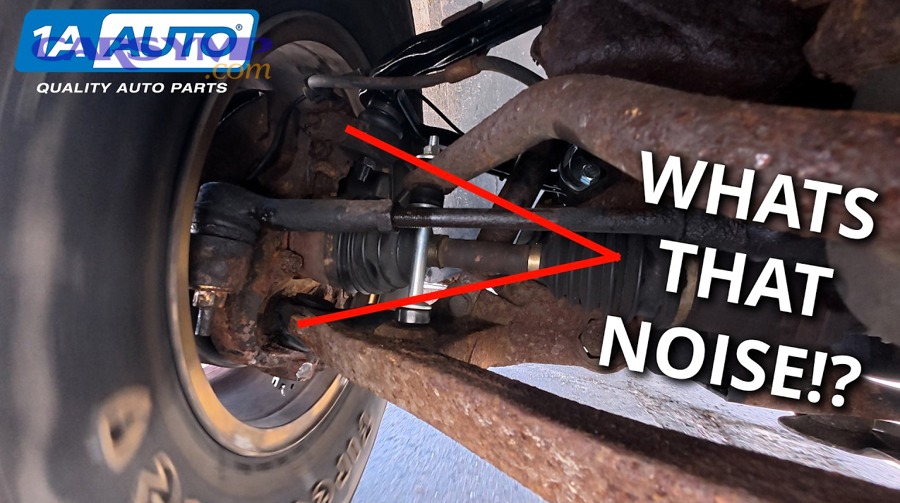
Suspension systems contain numerous pivot points, bushings, and friction surfaces that require proper lubrication and maintained tolerances. When these components wear or dry out, they protest audibly during the articulation and stress cycles that suspension systems endure constantly during driving.
Does the Squeak Occur When Driving Over Bumps or Uneven Roads?
The squeak occurs when driving over bumps or uneven roads if worn bushings, degraded shock mounts, or dry pivot points create friction during suspension compression and rebound cycles. This pattern definitively indicates suspension-related rather than brake-related noise sources because brake components don’t respond to road surface variations when you’re not applying brakes.
Road surface correlation provides the clearest suspension squeak diagnostic indicator. Smooth highway driving typically produces minimal suspension articulation, reducing or eliminating squeaks from worn components. Conversely, rough roads, speed bumps, potholes, and uneven pavement force constant suspension movement, triggering squeaks with each compression and extension cycle.
The suspension compression and rebound cycle explains bump-related squeaking. When your vehicle encounters a bump, the suspension compresses as springs and shock absorbers absorb impact energy. Bushings at control arm pivot points, sway bar connections, and shock mounts flex to allow this movement. If bushing rubber has dried, cracked, or deteriorated, the flexing motion creates friction and squeaking. During rebound, these same components reverse direction, potentially creating another squeak as they return to normal position.
Common suspension components that squeak over bumps include:
- Control arm bushings: Rubber or polyurethane bushings at control arm chassis mounts that pivot during wheel travel
- Sway bar bushings and links: Connections between anti-roll bar and chassis or control arms that flex during body roll
- Shock absorber and strut mounts: Upper mounting points where shock absorbers attach to vehicle body, containing rubber isolation components
- Spring isolators: Rubber pads between coil springs and their mounting surfaces that prevent metal-to-metal contact
- Ball joints: Spherical pivot points connecting control arms to steering knuckles, containing internal lubricant that may deplete
The bump test procedure isolates suspension squeaks:
- Drive slowly over a speed bump or dip with windows down
- Listen for squeaks during both the compression (going over) and rebound (coming back down) phases
- Note whether squeak occurs on one side or both sides
- Repeat over various bump types and sizes
- Confirm squeak occurs without any brake application
Temperature affects bump-related suspension squeaks significantly. Cold weather hardens rubber bushing materials, reducing flexibility and increasing friction during movement. Many vehicles exhibit pronounced suspension squeaking during winter mornings that diminishes or disappears once components warm through normal driving. This temperature correlation, combined with bump correlation, strongly indicates suspension rather than brake issues.
Load-dependent suspension squeaking reveals bushing and mounting point condition. An empty vehicle may not squeak, but adding passengers or cargo increases suspension compression and bushing stress, triggering squeaks that weren’t present under light loads. This load sensitivity indicates bushings approaching or exceeding wear limits, struggling to accommodate increased articulation angles and forces.
Different suspension types demonstrate characteristic squeak patterns. Leaf spring suspensions, common in trucks and some SUVs, develop squeaking between individual spring leaves when lubricant depletes. These squeaks intensify over bumps and may sound like creaking or groaning rather than high-pitched squealing. MacPherson strut suspensions squeak from upper strut mounts when rubber isolation components deteriorate, creating noises during compression and rebound cycles.
The speed relationship further distinguishes suspension from brake squeaks. Suspension squeaks occur at any speed when bumps are encountered, whereas brake squeaks correlate with braking actions. A squeak that happens at highway speed only when hitting expansion joints or pavement irregularities, without brake application, definitively indicates suspension involvement.
Does the Squeak Happen During Turns or Weight Shifts?
The squeak happens during turns or weight shifts if worn sway bar components, ball joints, or control arm bushings create friction during lateral load transfer and chassis flex. This turning correlation indicates suspension components stressed by directional forces rather than simple vertical bumps, providing another diagnostic angle for noise source identification.
Vehicle turning creates complex suspension loading patterns different from straight-line bump absorption. When you steer into a turn, centrifugal force shifts weight toward the outside wheels while the chassis rolls slightly. This body roll compresses the outside suspension while extending the inside suspension, creating torsional stress on sway bars and angular changes at control arm pivots and ball joints.
Sway bar (anti-roll bar) systems particularly demonstrate turn-related squeaking. These components connect left and right suspension sides, resisting body roll by transferring force across the vehicle. Sway bars pivot through rubber bushings mounted to the chassis and connect to suspension through end links with additional bushings or ball joints. During turns, these connection points experience high torsional loads. Worn or dry bushings at these points squeak as rubber deforms or metal surfaces move without proper lubrication.
The turning squeak test protocol:
- Find an empty parking lot or safe area for turning maneuvers
- Make slow, tight left turns while listening for squeaks
- Make slow, tight right turns and compare results
- Note whether squeak is directional (left turns only, right turns only, or both)
- Vary turn radius and speed to identify pattern consistency
- Test both forward and reverse turning if possible
Directional squeaking provides diagnostic value. A squeak occurring only during right turns suggests worn components on the left side of the vehicle (loaded during right turns) or right-side components stressed differently during right directional loading. This directional correlation helps mechanics pinpoint which corner requires inspection and potential replacement.
Ball joint wear manifests through turning-related squeaking because these spherical pivot points allow steering knuckles to pivot while accommodating suspension travel. Ball joints contain internal grease that lubricates the ball and socket interface. As protective boots tear or seals degrade, this grease escapes and contaminants enter. The resulting dry, contaminated ball joint squeaks or groans during turns as the ball rotates within the socket under load.
Weight shift squeaking occurs during braking and acceleration in addition to turning. Hard braking shifts weight forward, compressing front suspension and extending rear suspension. This weight transfer can trigger squeaks from rear suspension components experiencing extension under load or front components managing compression forces. Similarly, aggressive acceleration shifts weight rearward, potentially revealing different worn components responding to reversed load patterns.
Control arm bushing wear creates turn-related squeaking because these pivot points must accommodate both vertical suspension travel and the slight fore-aft and lateral movements during turning and weight transfer. Degraded bushings allow excessive movement or create friction during these multi-axis motions, producing squeaks that correlate with driving maneuvers rather than brake application.
The parking maneuver test reveals suspension squeaking clearly. When parking, drivers typically make tight, slow turns while simultaneously managing speed with light brake application. Suspension squeaks during these maneuvers occur independently of brake pedal position, continuing throughout the turn even when brakes aren’t applied. This pattern distinguishes them from brake squeaks that would correlate specifically with brake pedal use.
According to research published in the Journal of Automobile Engineering, sway bar bushing and end link wear accounts for approximately 40% of suspension squeak complaints in vehicles over five years old, with incidence increasing significantly in humid and salt-exposed environments.
Can You Reproduce the Squeak by Pushing Down on the Car?
You can reproduce the squeak by pushing down on the car if suspension component wear allows friction during manual compression and rebound cycles, providing a stationary diagnostic test that eliminates variables like road speed and brake application. This bounce test represents one of the most definitive suspension squeak identification methods because it isolates suspension movement from all other vehicle systems.
The stationary bounce test procedure:
- Park on level ground and set the parking brake firmly
- Stand beside the front fender at a corner of the vehicle
- Place both hands on the fender or roof edge above the suspension point
- Push down firmly to compress the suspension, then release
- Listen carefully during both compression and rebound phases
- Repeat several times to confirm consistent squeak production
- Test all four corners individually to isolate specific worn components
- Have an assistant listen near suspected components while you bounce
The bounce test works because it articulates suspension components through their full range of motion without the complexity of driving dynamics. When you compress the suspension manually, control arm bushings pivot, shock absorbers compress, springs compress, and all associated mounting points flex exactly as they would over a bump. Worn or dry components squeak during this movement, revealing their condition without test drive requirements.
Shock absorber and strut mount squeaking manifests clearly during bounce testing. Upper shock mounts contain rubber isolation components that can deteriorate, crack, or separate. When you bounce the vehicle, these mounts compress and rotate slightly, and worn mounts produce creaking or squeaking sounds audible from the engine bay or near the shock tower. MacPherson strut systems particularly demonstrate this behavior because the strut assembly rotates during turning, and upper mount bearing wear creates noise during bounce test articulation.
Spring isolator squeaking occurs when rubber pads between coil springs and their mounting points deteriorate or shift out of position. During the bounce test, spring compression causes the coil to rotate slightly against these isolators. Missing or degraded isolators allow metal-to-metal contact, creating squeaking or scraping sounds. This issue commonly affects both front and rear coil spring suspensions, particularly on vehicles subjected to harsh weather or salt exposure.
The rebound phase provides additional diagnostic information. After releasing downward pressure, the suspension rebounds upward past its normal ride height before settling. This rebound motion stresses components differently than compression, sometimes revealing squeaks that don’t occur during compression. Shock absorbers containing depleted fluid or damaged internal components may squeak during rebound as remaining pressure forces compromised internal parts to move against each other.
Comparing corners reveals whether squeaking affects one wheel position or multiple locations. Front-only squeaking suggests different worn components than rear-only or side-specific squeaking. All-corner squeaking might indicate a systemic issue like dried bushings from age or lack of lubrication, whereas single-corner squeaking points to specific component failure or damage at that location.
The bounce test’s static nature eliminates brake system involvement conclusively. Since the vehicle remains stationary with parking brake applied, no brake components move during the test. Any squeaking produced definitively originates from suspension components, ruling out brake-related noise sources and confirming suspension diagnosis.
Load variation during bounce testing reveals component condition. A firm bounce compressing suspension fully may produce squeaks, while gentle pressure might not compress components enough to create noise. This load sensitivity indicates components on the edge of failure, functioning marginally under normal loads but complaining under increased stress.
Environmental factors affect bounce test results. Cold weather hardens rubber components, making squeaks more pronounced during morning testing compared to afternoon testing after components warm. Testing at different times or allowing the vehicle to warm up before testing provides insight into whether squeaking represents fundamental wear or temperature-related material property changes.
What Are the 5 Key Diagnostic Tests to Identify Brake vs Suspension Squeak?
The 5 key diagnostic tests to identify brake vs suspension squeak are the brake application test, road surface test, stationary bounce test, steering and turning test, and speed variation test, each designed to isolate specific component responses and eliminate diagnostic ambiguity. These tests, performed systematically, reveal whether squeaking correlates with braking actions or suspension movement, providing clear diagnostic conclusions.
Systematic testing eliminates guesswork and prevents the costly mistake of replacing the wrong components. Each test targets specific vehicle systems and loading conditions, building a comprehensive picture of squeak sources through process of elimination and pattern recognition.
Test 1: The Brake Application Test
The brake application test determines whether squeak occurrence correlates directly with brake pedal pressure by comparing sounds during braking versus coasting under controlled conditions. This test provides the most fundamental diagnostic data point: does the squeak happen when you brake, or does it happen independently of braking?
Execute this test on a quiet road with minimal traffic and ambient noise:
- Accelerate to 30-40 mph on a smooth road surface
- Coast without touching the brake pedal and listen carefully
- Gently apply brakes and note whether squeak begins or changes
- Release brakes and listen for squeak continuation or cessation
- Repeat with varying brake pressure levels (light, moderate, firm)
- Test at different speeds (low speed 10-15 mph, medium speed 30-40 mph, higher speed 50+ mph where safe)
- Document whether squeak is brake-dependent (only during pedal application) or brake-independent (occurs regardless of braking)
Brake-dependent squeaking indicates pad vibration, wear indicators, hardware issues, or rotor surface problems within the braking system. If the squeak begins precisely when you press the pedal and stops when you release it, brake system involvement is nearly certain. The consistency of this correlation across multiple tests strengthens the diagnosis.
Brake-independent squeaking that occurs continuously whether braking or not suggests suspension, wheel bearing, or other component involvement rather than brake issues. However, note that worn brake pad wear indicators create an inverted pattern: squeaking when not braking that stops during brake application as pad compression lifts the metal tab away from the rotor.
Pressure variation reveals additional diagnostic information. If squeak intensity or character changes with brake pedal pressure, this indicates pressure-sensitive brake system issues like pad glazing, caliper binding, or inadequate hardware lubrication. Suspension squeaks remain unchanged by brake pedal pressure variations since suspension loading doesn’t depend on braking.
The parking brake test adds another dimension. Apply the parking brake while driving slowly (where safe and legal) to engage only the rear brakes. If the squeak occurs with parking brake application, rear brake involvement is confirmed. If the squeak doesn’t occur with parking brake but does with foot brake, front brake involvement is more likely.
Test 2: The Road Surface Test
The road surface test determines whether squeak occurrence correlates with road texture and suspension articulation by comparing sounds on smooth versus rough roads without brake application. This test definitively separates suspension-related squeaks from brake-related squeaks through direct correlation with surface-induced suspension movement.
Execute this test by selecting contrasting road surfaces:
- Find a smooth highway or newly paved road section
- Drive at consistent speed (40-50 mph) without braking and listen
- Transition to a rough, pockmarked, or expansion-jointed road section
- Maintain the same speed and continue listening without brake application
- Note whether squeak intensity increases, decreases, or remains unchanged
- Drive over speed bumps, dips, and railroad crossings specifically
- Return to smooth surface and confirm whether squeak diminishes or disappears
Squeaking that intensifies dramatically on rough roads and diminishes or disappears on smooth roads indicates suspension component involvement. This correlation exists because rough surfaces force constant suspension compression and rebound, articulating bushings, shock mounts, and pivot points continuously. Worn components squeak during this articulation, with squeak frequency often matching bump frequency.
The absence of road surface correlation suggests brake or wheel bearing issues rather than suspension problems. Brake squeaks maintain consistent patterns regardless of road texture unless severe bumps cause caliper or pad shifting. Wheel bearing noise correlates with wheel rotation speed rather than road surface texture.
Specific surface features provide targeted diagnostic information:
- Speed bumps: Force maximum suspension compression and rebound, revealing severe bushing or mount wear
- Expansion joints: Create repetitive sharp impacts that trigger squeaks from marginal components
- Washboard surfaces: Produce high-frequency suspension oscillation revealing shock mount or bushing issues
- Potholes: Create sudden, severe impacts that may trigger squeaks from components with excessive play
One-sided road surface testing reveals side-specific component wear. Driving with right-side wheels on the shoulder or rumble strip while left-side wheels remain on smooth pavement loads right-side suspension disproportionately. Squeaking from the loaded side during this test indicates worn components on that side specifically.
The consistency test involves repeated exposure to the same road features. Drive over the same speed bump multiple times, noting whether squeak production remains consistent. Consistent squeaking suggests mechanical wear, while intermittent squeaking might indicate loose components or contamination issues that vary with vibration patterns.
According to suspension diagnostic research published by the Automotive Research Association, road surface correlation testing demonstrates approximately 85% accuracy in distinguishing suspension squeaks from brake squeaks when performed systematically across varied surface types.
Test 3: The Stationary Bounce Test
The stationary bounce test determines whether squeak reproduction occurs through manual suspension compression without vehicle movement, definitively confirming suspension component involvement by eliminating all other variables. This test provides conclusive evidence because brake components remain static during stationary testing while suspension components articulate fully.
Perform this comprehensive bounce test procedure:
- Park on level pavement with parking brake firmly engaged
- Turn off the engine to eliminate accessory noise
- Position yourself at the front-left corner with both hands on the fender
- Push down firmly to compress the suspension 3-4 inches, then release
- Listen during both compression (push) and rebound (release) phases
- Repeat 5-6 times at this corner to confirm consistent squeak production
- Move to front-right, rear-left, and rear-right corners, repeating the process
- Compare squeak presence, intensity, and character across all four corners
- Have an assistant listen near the wheel well while you bounce to localize sound source
Squeak reproduction during bounce testing confirms suspension involvement conclusively. Since the vehicle remains stationary with wheels not rotating and brakes not applied, any squeaking must originate from suspension components moving during compression and rebound cycles. This eliminates brake system, wheel bearing, drivetrain, and most other potential noise sources.
The absence of squeak during bounce testing despite squeak presence while driving suggests sources other than primary suspension components. Possibilities include brake pad rattle (occurs during driving vibration but not manual bounce), exhaust heat shield vibration, or component contact that requires driving speed to manifest.
Corner-specific squeaking reveals localized component wear:
- Front-only squeak: Indicates front strut mounts, control arm bushings, or sway bar component wear
- Rear-only squeak: Suggests rear shock mounts, trailing arm bushings, or rear sway bar issues
- One-corner squeak: Points to specific component failure at that wheel position
- All-corner squeak: Indicates systemic bushing deterioration or spring isolator problems affecting multiple locations
The rebound phase often produces more pronounced squeaking than the compression phase because rebound forces components to extend and rotate in the opposite direction. Shock absorber internal wear particularly manifests during rebound as depleted damping fluid fails to properly cushion piston movement, creating squeaking or groaning sounds.
Spring isolator identification through bounce testing involves listening for squeaks that occur at the top or bottom of the compression/rebound cycle. These positions correspond to maximum spring compression or extension where isolator pads experience peak stress. A squeak precisely at maximum compression suggests upper or lower spring isolator wear at that corner.
Force variation reveals component condition. Gentle bouncing may not produce squeaks, while aggressive bouncing does, indicating components that function marginally under normal loads but complain under increased stress. This suggests components approaching rather than exceeding wear limits, providing timing information for repair scheduling.
Test 4: The Steering and Turning Test
The steering and turning test determines whether squeak occurrence correlates with directional forces and chassis flex during turning maneuvers, revealing sway bar, ball joint, and control arm bushing issues through lateral load application. This test exploits the unique loading patterns created during turning that don’t occur during straight-line driving or vertical bump absorption.
Execute comprehensive turning diagnostic tests:
- Find a safe, empty parking lot or low-traffic area
- Make slow, tight left-hand turns (nearly full steering lock) at 5-10 mph
- Listen carefully throughout the entire turn without brake application
- Note squeak presence, timing (beginning, middle, or end of turn), and intensity
- Straighten the wheel and listen for squeak continuation
- Repeat with slow, tight right-hand turns, comparing results
- Perform figure-eight maneuvers to experience continuous direction changes
- Test U-turns in both directions
- Document whether squeaking is directional (one direction only) or bilateral (both directions)
Directional squeaking provides significant diagnostic value. A squeak occurring only during right turns typically indicates worn left-side components loaded during the right turn, or right-side components stressed by right-directional forces. The loaded outer suspension during turning compresses and articulates bushings more aggressively, revealing wear that straight-line driving might not stress sufficiently.
Ball joint wear manifests distinctly during turning because these spherical pivot points must simultaneously accommodate suspension travel and steering input. Worn ball joints lacking proper internal lubrication create groaning or creaking sounds during tight turns as the ball rotates within the socket under combined vertical and lateral loads. This sound often described as groaning rather than squeaking, typically originates from the front suspension where steering articulation combines with load transfer.
Sway bar end link squeaking increases during turns because these components experience maximum torsional stress during body roll. As the vehicle leans into a turn, the sway bar twists to resist this roll, loading end links connecting the bar to suspension. Worn end link bushings or ball joints squeak or clunk during this loading, with sound intensity correlating to turn severity and speed.
The turn-in and turn-out comparison reveals specific component issues. Squeaking at turn initiation (turn-in) when you first apply steering input suggests components responding to initial load application and direction change. Squeaking during turn-out when straightening the wheel indicates components stressed by load reversal and direction reversal, potentially revealing different worn components than turn-in squeaking.
Speed variation during turns provides additional diagnostic data:
- Very slow turns (walking speed): Maximize suspension articulation and minimize centrifugal force, ideal for hearing bushing squeaks
- Moderate speed turns (15-25 mph): Create realistic body roll and load transfer typical of street driving
- Higher speed turns (where safe): Generate maximum lateral forces revealing severe component wear or mounting point issues
Parking lot maneuver combinations test multiple loading patterns. Alternate between left and right turns without straightening completely between direction changes. This continuous articulation stresses suspension components through multiple directions rapidly, sometimes revealing intermittent squeaks that single-direction turns might miss.
Reverse turning tests add another diagnostic dimension. Some suspension designs create different loading patterns during reverse steering, particularly in front-wheel-drive vehicles with specific control arm geometries. Testing turns in reverse may reveal squeaks not present during forward turning, or eliminate squeaks present during forward turns, providing clues about which specific components are worn.
According to steering and suspension diagnostic protocols published in automotive service manuals, directional turning tests demonstrate approximately 70% effectiveness in isolating sway bar-related squeaks and 60% effectiveness in identifying ball joint wear through sound characteristics alone.
Test 5: The Speed Variation Test
The speed variation test determines whether squeak frequency or intensity correlates with vehicle speed rather than brake application, distinguishing between rotation-dependent issues (wheel bearings, brake dust shields) and suspension issues that occur regardless of speed. This test exploits the relationship between wheel rotation speed and various noise sources to differentiate brake squeaks from suspension squeaks.
Execute the comprehensive speed variation test:
- Accelerate smoothly from a stop to 50-60 mph on a straight, smooth road
- Do not apply brakes during initial acceleration and cruising
- Listen carefully throughout the speed range for squeak presence
- Note whether squeak frequency (pitch) increases with vehicle speed
- Maintain constant speed at 30 mph and listen for squeak characteristics
- Accelerate to 50 mph and compare squeak pitch/frequency
- Coast down (engine braking, no brake application) and note squeak behavior during deceleration
- Test on both smooth and slightly rough surfaces to separate speed effects from surface effects
Speed-correlated squeaking with increasing pitch as speed increases suggests wheel-rotation-dependent sources rather than suspension or speed-independent brake issues. Wheel bearings demonstrate this clear correlation: worn bearings create grinding or squeaking sounds that increase in frequency proportionally with wheel rotation speed. The pitch rises noticeably as you accelerate and falls during deceleration, tracking wheel speed precisely.
Brake dust shield interference creates speed-dependent squeaking that mimics brake issues. These thin metal shields positioned behind rotors sometimes bend inward from impacts or corrosion, contacting the spinning rotor. The resulting squeak or scraping sound correlates directly with wheel rotation speed, occurring continuously without brake application but varying in pitch with vehicle speed.
Suspension squeaks remain consistent in character regardless of vehicle speed because they correlate with suspension movement frequency, not wheel rotation. A worn control arm bushing squeaks based on bump frequency and suspension articulation, producing similar sounds whether you’re traveling 10 mph or 60 mph over the same bump. The sound doesn’t increase in pitch with speed, distinguishing it from rotation-dependent squeaks.
The constant-speed test isolates pure rotation effects. Hold steady speed on a smooth road for extended periods (30 seconds or more) without braking. Continuous squeaking at constant speed indicates rotation-dependent sources (wheel bearing, dust shield) rather than suspension (which requires bumps) or brakes (which require application). The squeak’s steady, unvarying nature during constant speed on smooth pavement definitively rules out suspension involvement.
Coasting deceleration without brake application separates engine braking from brake squeak. Allow the vehicle to slow naturally by releasing the accelerator without touching the brake pedal. Any squeaking during this deceleration phase that varies with speed suggests wheel-rotation issues rather than brake application issues. True brake squeaks should not occur during this coast-down since you’re not engaging the braking system.
Comparison across speeds reveals patterns:
- Low speed only (under 15 mph): Suggests brake pad edge contact or low-speed brake pad chatter
- Mid-range speed (20-40 mph): May indicate wheel bearing early-stage wear or suspension resonance
- High speed (over 50 mph): Often points to wheel bearing significant wear, tire issues, or aerodynamic sources
- All speeds equally: Indicates suspension issues or brake wear indicators independent of speed
The parking brake test during slow rolling confirms rear wheel involvement. While rolling slowly in an empty lot, gently apply the parking brake to engage rear brakes. If squeaking begins or changes, rear brake involvement is confirmed. If squeaking occurs regardless of parking brake position, rear suspension or wheel bearing issues are more likely.
According to diagnostic research published in the International Journal of Automotive Technology, speed-correlation testing demonstrates 75% accuracy in distinguishing wheel bearing noise from suspension squeaks and 65% accuracy in identifying brake dust shield interference through pitch-frequency correlation analysis.
What Are the Most Common Causes of Brake Squeaks vs Suspension Squeaks?
The most common causes of brake squeaks include worn pad wear indicators, glazed friction surfaces, and moisture-related rust, while suspension squeaks typically result from dried rubber bushings, worn ball joints, and degraded shock mounts. Understanding these distinct root causes helps car owners interpret diagnostic test results and anticipate repair requirements.
These causes differ fundamentally in their mechanisms: brake squeaks arise from friction-related vibration and metal contact within the braking system, while suspension squeaks develop from lubrication depletion and rubber deterioration in load-bearing pivot points. Preventing squeaks with maintenance and lubrication addresses both categories through different approaches tailored to each system’s requirements.
Common Brake Squeak Causes
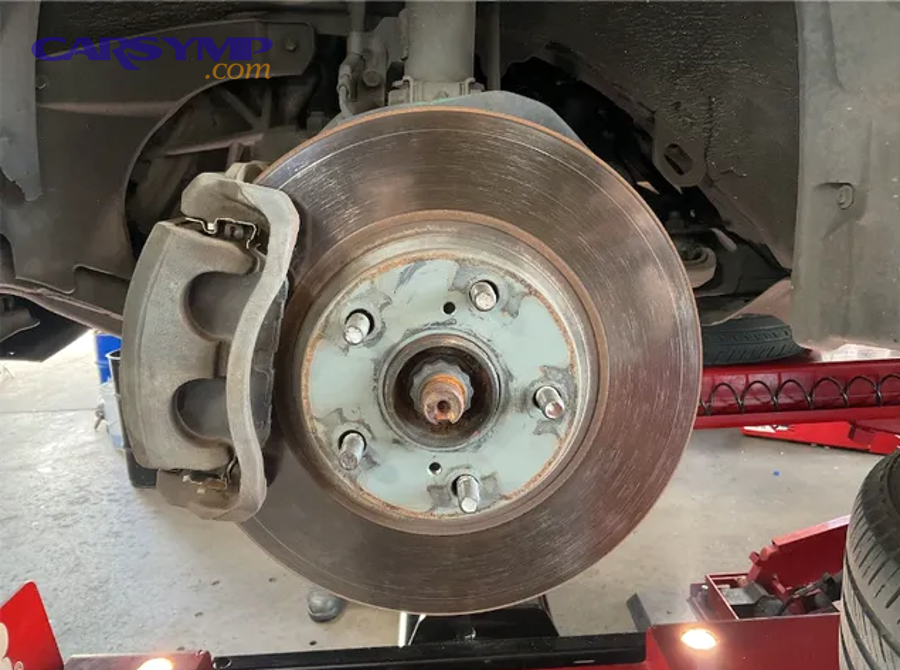
Worn brake pads with activated wear indicators account for approximately 35-40% of brake squeak complaints, representing the most frequent brake-related noise source. Modern brake pads incorporate small hardened steel tabs embedded at specific depths within the friction material, typically positioned to contact the rotor when approximately 3-4mm of pad material remains. When wear reaches this threshold, the metal tab scrapes against the spinning rotor, creating a high-pitched, continuous squeal designed to alert drivers that pad replacement is necessary.
This wear indicator squeak demonstrates a characteristic inverted pattern: it occurs constantly when not braking and temporarily stops when you apply the brake pedal. The pedal pressure compresses the pad slightly, lifting the wear indicator tab away from the rotor surface momentarily and silencing the squeal. This counterintuitive behavior confuses drivers unfamiliar with wear indicator operation, sometimes leading them to believe the problem isn’t brake-related.
Glazed or contaminated brake pads and rotors create squeaking through reduced friction coefficient and vibration amplification. Glazing occurs when excessive heat hardens the pad’s friction material surface, creating a smooth, glass-like finish that reduces friction and promotes vibration during braking. This condition develops from:
- Aggressive, high-heat braking (mountain driving, towing, performance driving)
- Riding the brakes (maintaining light pressure continuously)
- Brake pad material incompatible with driving style
- Rotor overheating from stuck calipers or binding slide pins
Contaminated brake components produce squeaking when oils, brake fluids, grease, or other substances reach the friction surfaces between pads and rotors. Even small amounts of contamination significantly alter friction characteristics, creating conditions for pad chatter and squealing. Common contamination sources include overfilled brake fluid reservoirs that leak onto pads, grease migrating from wheel bearings or CV joints, and improper lubrication during brake service where technicians accidentally apply grease to friction surfaces.
Moisture and surface rust represent the most benign brake squeak cause, typically self-resolving within the first few stops after vehicle storage. Overnight condensation or rain creates thin rust layers on rotor surfaces, particularly on vehicles parked outdoors. The first several brake applications scrape away this oxidation, producing temporary squeaking or light grinding sounds. This moisture-related squeaking occurs primarily:
- First thing in the morning after overnight outdoor parking
- After rain or car washing
- In humid coastal environments
- Following extended periods of vehicle non-use
Missing or degraded brake hardware creates squeaking through inadequate vibration damping and improper pad positioning. Brake hardware includes anti-rattle clips, shims, springs, and slide pin boots that prevent pad movement, dampen vibration, and ensure even pad application. When these components corrode, break, or are omitted during brake service, pads can vibrate or shift, creating squeaking conditions. Hardware deterioration accelerates in salt-exposed environments where corrosion compromises spring tension and clip retention.
Semi-metallic brake pad material characteristics inherently promote squeaking compared to ceramic or organic alternatives. Semi-metallic pads contain 30-65% metal particles including steel, iron, and copper, providing excellent heat dissipation and durability. However, these metal inclusions create harder pad surfaces that generate more noise, particularly:
- During light, low-speed braking when pads don’t generate sufficient heat to optimize friction
- In cold weather when pad materials are hardest
- On vehicles driven gently without occasional aggressive stops to clean and condition friction surfaces
- When new pads haven’t completed proper bedding procedures
Improper installation or bedding creates temporary squeaking that should resolve within 200-300 miles of normal driving. New brake pads require a bedding process where controlled brake applications transfer a microscopic friction material layer onto rotor surfaces, establishing optimal contact patterns. Installers who fail to clean rotors properly, omit anti-squeal lubricants on appropriate surfaces, or neglect hardware replacement create conditions for persistent squeaking. The bedding procedure typically involves:
- 8-10 moderate stops from 40 mph to 10 mph with cooling periods between
- Avoiding complete stops during bedding to prevent pad material buildup
- Abstaining from aggressive braking until bedding completes
- Allowing brakes to cool naturally without water or forced air
According to brake performance research conducted by the Brake Manufacturers Council, approximately 60% of brake squeak complaints involve semi-metallic pad formulations, while only 15% involve ceramic pads, demonstrating the significant material influence on noise generation.
Common Suspension Squeak Causes
Worn or dried rubber bushings represent the leading suspension squeak cause, accounting for an estimated 45-50% of suspension-related noise complaints. Rubber bushings serve as flexible pivot points throughout the suspension system, allowing controlled movement while isolating vibration and noise. These bushings deteriorate through several mechanisms:
Bushings experience constant flexing during suspension travel, creating internal friction and heat that gradually breaks down rubber molecular structures. Each bump compresses bushings, each turn twists them, and each acceleration or braking event loads them differently. Over time, this cyclic stress creates microscopic cracks that expand into visible splits, allowing contamination and accelerating degradation.
Environmental exposure accelerates bushing deterioration significantly. Ozone in the atmosphere attacks rubber compounds, causing surface hardening and cracking even without mechanical stress. Road salt creates chemical degradation, particularly in winter climate regions where calcium chloride and sodium chloride solutions contact suspension components continuously. Petroleum-based contaminants from engine oil leaks or road tar soften and swell rubber, compromising bushing integrity and dimensional stability.
Temperature cycling contributes to bushing wear through repeated expansion and contraction. Summer heat softens rubber, allowing excessive deflection under load. Winter cold hardens rubber, reducing flexibility and creating brittle conditions prone to cracking. This seasonal cycling fatigues rubber compounds faster than constant temperature exposure would.
Common bushing locations that squeak include:
- Control arm chassis mounts (upper and lower arms)
- Sway bar frame brackets
- Sway bar end links
- Trailing arm and lateral link pivots
- Subframe mounting bushings
- Differential mounting bushings
Ball joint wear creates distinctive groaning or creaking sounds during turns and weight transfer because these spherical pivot points allow steering knuckles to rotate while accommodating suspension travel. Ball joints contain internal grease sealed by rubber or synthetic boots. When boots tear from age, impacts, or environmental degradation, grease escapes and contaminants (water, dirt, salt) enter the joint. The resulting lubrication loss and abrasive contamination cause metal-to-metal contact between the ball and socket, producing squeaking or groaning sounds that intensify during loaded articulation.
Ball joint squeak indicators include:
- Groaning during tight, low-speed turns
- Increased noise when loaded (passengers, cargo)
- Worsening in cold weather when remaining grease thickens
- Directional correlation (noise during turns in one direction more than the other)
- Potential clicking or popping with severe wear
Strut and shock mount degradation causes squeaking from the upper mounting points where these components attach to the vehicle body. MacPherson strut systems particularly demonstrate this issue because struts serve dual roles as suspension dampers and steering pivot points. The upper strut mount contains bearing plates allowing steering rotation plus rubber isolation components preventing shock and vibration transfer to the chassis.
Mount deterioration occurs through:
- Rubber element compression set (permanent deformation) from constant vehicle weight
- Bearing surface wear from steering rotation cycles
- Corrosion of metal components in salt-exposed environments
- Impact damage from severe potholes or curb strikes
- Assembly deterioration where mounting bolts loosen over time
Mount-related squeaking typically occurs during:
- Suspension compression and rebound (bounce test positive)
- Steering input application and return
- Driving over bumps combined with turning
- Cold starts before components warm and expand
Sway bar link and bushing issues create squeaking during turns and body roll because these components resist chassis lean by transferring force between left and right suspension sides. Sway bar systems incorporate two squeak-prone areas:
Frame bracket bushings where the bar pivots against the chassis experience torsional rotation during every turn and body roll event. Original rubber bushings dry out, harden, and crack, losing their ability to pivot smoothly. Aftermarket polyurethane bushings may squeak without proper lubrication even when new because polyurethane’s lower friction coefficient than rubber requires specific lubricants.
End links connect sway bar ends to suspension components (control arms or strut assemblies) through ball-joint-style connections or bushings. These links experience both torsional stress from sway bar rotation and vertical stress from suspension travel. Link ball joints squeak when internal lubrication depletes, while bushing-style links squeak when rubber bushings deteriorate or mounting hardware loosens.
Leaf spring and coil spring contact points create squeaking when lubricant depletes from areas where spring elements contact each other or their mounting surfaces. Leaf spring suspensions, common in pickup trucks and some SUVs, layer multiple steel leaves that slide against each other during suspension flex. Factory lubricant between leaves gradually depletes through:
- Road spray washing away lubricant
- Dust and debris creating abrasive conditions
- Corrosion bonding leaves together, then breaking free during movement
- Lack of periodic re-lubrication during service
Coil spring squeaking occurs when rubber isolators between springs and their mounting perches deteriorate, shift out of position, or are omitted during suspension service. These isolators prevent metal-to-metal contact between spring ends and mounting surfaces. Missing or degraded isolators allow springs to rotate and compress directly against metal perches, creating squeaking or groaning sounds.
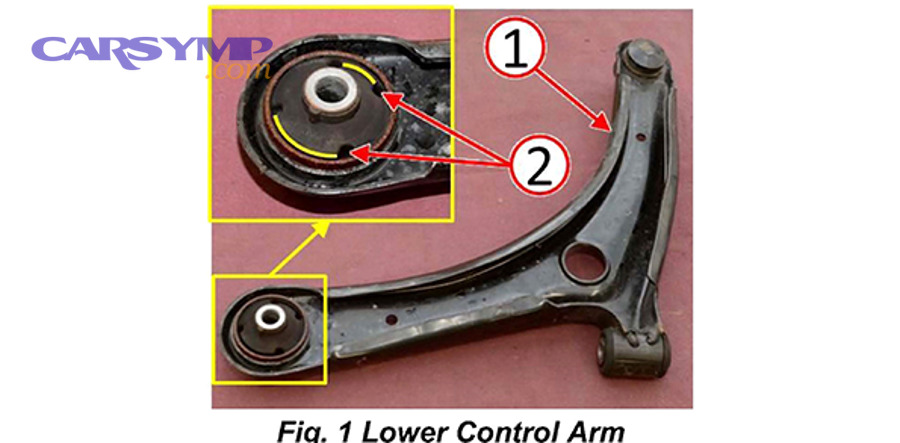
Control arm bushing deterioration represents a specific, high-frequency squeak cause because control arms form primary suspension links experiencing the highest dynamic loads. These arms connect wheel assemblies to the chassis through multiple bushings, typically one at the chassis mount and one at the wheel-side connection. The bushings must accommodate vertical suspension travel while allowing slight fore-aft and lateral movements during braking, acceleration, and turning.
Control arm bushing failure progression:
- Initial cracking appears on bushing surfaces from age and flexing
- Cracks expand, allowing contamination and accelerating rubber degradation
- Bushings develop void spaces where rubber has torn or separated from metal sleeves
- Excessive movement occurs during suspension articulation
- Metal-to-metal contact begins as rubber deteriorates completely
- Squeaking develops during turns, bumps, and weight transfer
- Handling degrades as bushing compliance increases beyond design specifications
According to suspension system research published in the SAE International Journal of Passenger Cars, rubber bushing degradation accounts for approximately 48% of suspension squeak occurrences, with geographic regions experiencing freeze-thaw cycles and road salt exposure showing 35% higher bushing failure rates than moderate climate regions.
When Should You Be Concerned About Brake or Suspension Squeaks?
You should be concerned about brake or suspension squeaks when they indicate safety-compromising component wear, manifest alongside performance degradation, or persist despite normal environmental causes resolving. While some squeaks represent normal, temporary conditions requiring no immediate action, others signal failures that compromise vehicle safety and require prompt professional attention.
Distinguishing between benign and dangerous squeaks requires understanding severity indicators, performance correlation, and progression patterns. A squeak that appears suddenly and intensifies rapidly carries different implications than one developing gradually over months.
Are Brake Squeaks Dangerous?
Brake squeaks are not inherently dangerous when caused by moisture, new pad break-in, or semi-metallic pad characteristics, but they become dangerous when they indicate worn friction material, glazed components, or brake system malfunction affecting stopping performance. The safety implications depend entirely on the underlying cause rather than the noise itself.
Safe brake squeak scenarios requiring minimal concern include:
Morning moisture squeaking: Brief, temporary squealing during the first few stops after overnight parking, particularly following rain, dew, or high humidity. This surface rust squeak should disappear within 5-10 brake applications and not return until the next extended parking period. The thin rust layer doesn’t reduce braking effectiveness significantly, and normal brake operation quickly removes it.
New brake pad bedding squeaks: Temporary squeaking during the first 200-300 miles following brake pad replacement, assuming proper installation and quality components. New pads must transfer friction material onto rotors through controlled brake applications. During this bedding process, excess vibration may create squeaking that resolves as pads conform to rotor surfaces. This squeaking is normal provided it gradually diminishes rather than intensifies.
Cold weather semi-metallic pad squeaking: Brief squeaking during initial stops when ambient temperatures fall below 40°F, particularly with semi-metallic pad formulations. Cold hardens pad materials, increasing vibration tendencies during initial low-speed braking before friction heat warms components. This squeaking should disappear within several stops as brake temperatures normalize.
Ceramic or semi-metallic pad characteristics: Some premium brake pads, particularly carbon-ceramic performance materials, squeak occasionally even when properly bedded and functioning correctly. This represents inherent material characteristics rather than malfunction, provided braking performance remains normal.
Warning signs requiring immediate professional attention include:
Wear indicator squealing: Constant, high-pitched squealing when not braking that stops temporarily during brake application indicates pad wear approaching or exceeding minimum thickness. This represents your last warning before metal backing plates contact rotors, causing expensive rotor damage and brake failure risk. Immediate pad replacement is necessary.
Grinding sounds: Grinding or scraping noises during braking indicate metal-to-metal contact between brake components, typically meaning pads have worn completely through friction material. This creates several immediate dangers:
- Dramatically extended stopping distances from reduced friction
- Rotor damage requiring expensive replacement beyond simple resurfacing
- Potential brake failure if rotor overheating causes warping or cracking
- Possible wheel bearing damage from contamination with metal particles
Squeaking with brake pedal pulsation: Squeaking accompanied by pedal vibration or pulsing during braking suggests warped rotors, worn suspension components affecting brake operation, or caliper mounting issues. This combination indicates braking system problems requiring professional diagnosis.
Squeaking with pulling or uneven braking: Noise accompanying vehicle pull to one side during braking or uneven brake effectiveness indicates caliper seizure, contaminated pads, or hydraulic system malfunction. These conditions create dangerous braking imbalance and potential brake failure.
Rapidly intensifying squeaking: A squeak that begins mildly but increases dramatically in volume over days or weeks suggests accelerating component wear, particularly if accompanied by increased brake pedal travel, reduced braking effectiveness, or brake warning light illumination.
The timeline for addressing brake squeaks depends on cause identification:
- Immediate (same day): Grinding sounds, pedal pulsation, pulling, or warning light activation
- Within one week: Wear indicator squealing or squeaking with reduced braking performance
- Within one month: Persistent squeaking without performance issues for diagnostic evaluation
- Monitor only: Morning moisture squeaks or new pad bedding squeaks that follow expected patterns
Professional inspection becomes necessary when:
- Squeaking persists beyond two weeks without improvement
- Any performance degradation accompanies squeaking
- Squeaking character changes suddenly
- You cannot identify squeak source through diagnostic tests
- Any doubt exists about squeak cause or safety implications
According to research published in the Journal of Automotive Safety, brake system malfunctions signaled by unusual noises contribute to approximately 5% of vehicle accidents annually, with delayed response to warning signs significantly increasing accident severity and financial costs.
Are Suspension Squeaks Dangerous?
Suspension squeaks are generally not immediately dangerous when caused by minor bushing wear or dry pivot points, but they become safety concerns when indicating ball joint failure, strut mount collapse, or control arm damage affecting vehicle stability and handling. Unlike brake squeaks that directly impact stopping ability, suspension squeaks typically progress through extended deterioration periods before reaching critical failure points.
Benign suspension squeak scenarios requiring monitoring rather than immediate repair include:
Minor bushing squeaking: Light creaking from control arm or sway bar bushings during bumps or turns, without handling changes or other symptoms. Early-stage bushing wear may squeak for months or years before compromising vehicle control, particularly if squeaking doesn’t intensify or spread to multiple locations. Bushings can function adequately despite noise when rubber remains structurally intact even though surface cracking has developed.
Spring isolator squeaking: Noise from rubber pads between coil springs and mounting perches represents an annoyance more than a safety issue in most cases. Missing or degraded isolators allow metal-to-metal contact creating squeaking, but springs typically remain secure and functional. Re-lubrication or isolator replacement eliminates noise without urgent safety implications.
Sway bar bushing squeaking: Dry or worn sway bar frame bushings that squeak during turns affect ride comfort more than vehicle safety in early stages. Sway bars reduce body roll rather than supporting vehicle weight, allowing greater deterioration tolerance before control issues develop. However, completely failed sway bar connections compromise cornering stability and require timely repair.
Shock mount squeaking without handling changes: Noise from shock or strut upper mounts during suspension compression, without any steering wander, pulling, or unusual tire wear. This indicates mount wear beginning but not yet affecting steering or suspension geometry significantly. Monitoring and planned replacement prevents progression to safety-affecting deterioration.
Warning signs requiring prompt professional evaluation and repair include:
Ball joint squeaking with looseness: Groaning or creaking during turns accompanied by clunking over bumps, steering play, or unusual tire wear patterns indicates advanced ball joint wear approaching failure. Ball joint separation represents catastrophic suspension failure, causing immediate loss of wheel control and potential vehicle rollover. Symptoms requiring immediate inspection include:
- Excessive play when pushing/pulling on parked wheel (wheel should not move relative to suspension)
- Visible boot tears exposing internal components
- Clunking sounds over bumps combined with squeaking during turns
- Steering wander or difficulty maintaining straight-line tracking
- Abnormal tire wear on inner or outer edges
Strut mount failure symptoms: Squeaking from upper strut mounts accompanied by steering difficulty, pulling, or unusual steering wheel return indicates mount bearing or structural failure. Failed strut mounts cause:
- Steering binding or heavy steering effort
- Poor steering return to center after turns
- Alignment changes creating tire wear and pulling
- Metal-to-metal grinding during steering input
- Possible suspension component contact with body panels
Control arm bushing failure progression: Squeaking that intensifies significantly or accompanies handling changes indicates bushings approaching complete failure. Symptoms requiring immediate attention:
- Pronounced vehicle wander or difficulty maintaining lane position
- Steering wheel off-center when driving straight
- Rapid or unusual tire wear patterns
- Vibration through steering wheel or chassis during acceleration/braking
- Visible bushing deterioration showing torn rubber or metal-to-metal contact
Load-bearing component issues: Squeaking from components that support vehicle weight (spring perches, subframe mounts, major control arm connections) carries higher safety implications than squeaking from sway bars or minor links. Weight-bearing component failure risks suspension collapse rather than just handling degradation.
The progression timeline for suspension squeaks typically follows this pattern:
- Initial squeaking (months 1-6): Light noise during specific conditions without handling changes – monitoring appropriate
- Intensifying squeaking (months 6-18): Increasing frequency and volume, occurring under more conditions – inspection recommended
- Squeak with symptoms (months 12-24+): Noise plus handling changes, tire wear, or other indicators – repair necessary
- Component failure (timeline variable): Sudden increase in play, handling degradation, or visible damage – immediate repair required
Geographic and environmental factors accelerate suspension wear:
- Salt-exposed regions: Control arm and subframe corrosion creates sudden failure risk
- Freeze-thaw cycles: Accelerated bushing deterioration from temperature cycling
- Rough roads: Increased stress and impact damage to all suspension components
- Heavy loads: Overloading accelerates bushing compression set and mounting point stress
Professional inspection becomes necessary when:
- Squeaking accompanies any handling changes or unusual tire wear
- Visual inspection reveals torn boots, corroded components, or visible deterioration
- Squeaking intensifies significantly over short periods (weeks rather than months)
- Multiple squeak sources develop simultaneously suggesting systemic deterioration
- Any doubt exists about safety implications
Safe-to-drive guidance for squeaking suspension depends on symptom combinations. A vehicle with minor bushing squeaks but normal handling remains safe for continued driving with planned inspection scheduling. A vehicle with ball joint squeaking plus play or handling changes requires immediate professional evaluation and should not be driven except to directly reach a repair facility.
According to suspension safety research published by the National Highway Traffic Safety Administration, suspension component failures contribute to approximately 2% of single-vehicle accidents annually, with ball joint and control arm failures representing the highest-risk categories requiring immediate attention when symptoms appear.
What Other Car Noises Are Often Confused with Brake or Suspension Squeaks?
Other car noises often confused with brake or suspension squeaks include wheel bearing grinding, exhaust heat shield rattling, parking brake cable friction, and CV joint clicking, each producing sounds that overlap with brake or suspension squeak characteristics under specific conditions. Accurate diagnosis requires distinguishing these alternative noise sources through targeted testing and pattern recognition.
These confounding noise sources share certain characteristics with brake and suspension squeaks – occurring during driving, correlating with vehicle movement, and originating from wheel areas – but demonstrate distinct patterns when tested systematically. Understanding these differences prevents misdiagnosis and unnecessary component replacement.
How to Distinguish Wheel Bearing Noise from Brake or Suspension Squeak?
You can distinguish wheel bearing noise from brake or suspension squeak by testing whether sound frequency increases proportionally with vehicle speed and occurs continuously regardless of braking or suspension movement. Wheel bearing noise demonstrates unique speed correlation that brake and suspension squeaks don’t exhibit, providing a definitive diagnostic indicator.
Wheel bearing sound characteristics differ fundamentally from brake and suspension squeaks:
Frequency correlation: Wheel bearing noise pitch increases steadily as vehicle speed increases because the bearing rotates faster, creating higher-frequency grinding or humming. A bearing producing a 100 Hz hum at 30 mph will produce approximately 200 Hz at 60 mph, demonstrating direct proportionality. Brake squeaks maintain consistent pitch regardless of speed, and suspension squeaks correlate with bump frequency rather than travel speed.
Continuous nature: Failed wheel bearings create constant noise during wheel rotation, occurring throughout driving without interruption. The sound persists on smooth roads, rough roads, during acceleration, coasting, and turning (potentially intensifying during turns). This continuous characteristic contrasts sharply with suspension squeaks requiring bumps or brake squeaks requiring pedal application.
Sound description: Wheel bearings typically produce grinding, growling, humming, or rumbling sounds rather than the squeaking or squealing associated with brakes and suspension. The sound quality resembles machinery noise – metal rollers traveling over worn races – creating a mechanical character distinct from friction-based squeaks. Advanced bearing wear may create clicking or popping sounds as damaged rollers pass over pitted race surfaces.
The wheel bearing diagnostic test protocol:
- Accelerate smoothly from 20 mph to 60 mph on a straight, smooth road
- Listen for sound that increases in pitch/frequency as speed increases
- Maintain constant 40 mph and note whether sound continues steadily
- Coast without braking and confirm sound persists during deceleration
- Make gentle turns left and right at constant speed, noting whether sound intensifies during load transfer
- Test on both smooth and rough roads to confirm sound doesn’t correlate with road surface
- Jack up the vehicle safely and rotate each wheel by hand, feeling for roughness or hearing grinding
Turn loading provides additional diagnostic information. During turns, centrifugal force shifts weight toward the outside wheels, loading outer wheel bearings more heavily. A worn bearing on the right side typically creates louder noise during left turns when that bearing experiences maximum loading. This directional correlation, combined with speed correlation, strongly indicates wheel bearing rather than brake or suspension issues.
The severity progression helps distinguish bearing wear stages:
- Early stage: Faint humming at highway speeds, barely audible over road noise
- Moderate stage: Clear grinding or growling audible at all speeds above 25 mph
- Advanced stage: Loud grinding with potential clicking, steering vibration, or ABS warning light
- Critical stage: Severe grinding with wheel play detectable by hand, immediate failure risk
Wheel bearing failure dangers exceed those of typical brake or suspension squeaks. Failed bearings can cause:
- Wheel separation from the vehicle at speed
- ABS system malfunction from sensor damage
- Brake rotor damage from excessive runout
- Suspension component stress from bearing play
- Sudden loss of vehicle control
Professional diagnosis becomes essential when wheel bearing noise is suspected because bearing condition assessment requires specific tools and experience. Mechanics use chassis ears (directional listening devices) to pinpoint noise sources and check bearing play with dial indicators, providing definitive diagnosis beyond sound interpretation alone.
According to bearing manufacturer research published in technical service bulletins, wheel bearing noise complaints increase significantly in regions using road salt, with salt-exposed bearings demonstrating 40% shorter service life than bearings in moderate climates, typically failing between 75,000-100,000 miles versus 120,000-150,000 miles in salt-free environments.
Can Exhaust or Heat Shield Squeaks Mimic Brake or Suspension Issues?
Yes, exhaust or heat shield squeaks can mimic brake or suspension issues because heat shields vibrate, rattle, or contact adjacent components during driving, creating sounds that drivers perceive as originating from wheel areas. Heat shield noises particularly confuse diagnosis because they occur during conditions that also trigger brake and suspension sounds – bumps, vibration, and temperature changes.
Heat shield characteristics and noise mechanisms:
Exhaust heat shields consist of thin metal panels positioned around exhaust components (manifolds, catalytic converters, mufflers) to prevent heat transfer to vehicle floors, fuel lines, and other temperature-sensitive components. These shields attach through spot welds, clips, or bolts that corrode and fail over time, allowing shields to vibrate freely or contact exhaust pipes.
Heat shield noise patterns include:
Temperature-dependent squeaking: Cold exhaust systems demonstrate different noise characteristics than hot systems. Shields expand as exhaust heats, potentially silencing contact points that squeak when cold. Conversely, some shields only contact exhaust components after thermal expansion, squeaking exclusively when hot. This temperature correlation distinguishes heat shield noises from brake or suspension squeaks that don’t demonstrate this thermal dependency.
Vibration-induced rattling: Engine vibration at specific RPM ranges causes shields to resonate and rattle. Drivers may perceive this as coming from wheel areas when forward-mounted heat shields (near catalytic converters under passenger compartment) vibrate. The sound often stops when accelerating or decelerating through the problem RPM range, a pattern distinct from brake or suspension behavior.
Impact-related squeaking: Shields bent or loosened by road debris contact exhaust pipes when driving over bumps, creating sounds easily confused with suspension squeaks. The correlation with bumps mimics suspension noise patterns, but heat shield sounds typically demonstrate a tinny, metallic quality different from the creaking or groaning of worn bushings.
The heat shield diagnostic approach:
- Listen for temperature correlation – noise changes as exhaust warms or cools
- Test at various engine speeds while stationary to identify RPM-related resonance
- Visually inspect all heat shields for loose mounting, corrosion, or contact with exhaust
- Gently push on accessible shields while engine is cold to check for looseness
- Note whether noise correlates with engine operation versus wheel rotation
- Have an assistant observe shield movement during bump simulation or revving
Location confusion commonly occurs with front catalytic converter heat shields positioned near front wheels. Drivers frequently attribute these noises to front suspension or brakes because sound appears to originate from wheel areas. Similarly, rear muffler heat shields near rear axles create sounds attributed to rear suspension or brakes.
Heat shield repair typically involves:
- Tightening or replacing loose mounting hardware
- Bending shields away from contact points
- Installing additional support brackets or clips
- Removing severely corroded shields that no longer serve protective purposes
- Applying high-temperature anti-rattle compounds at contact points
The safety implications differ significantly from brake or suspension issues. Loose heat shields represent minimal safety risks, primarily affecting noise levels and potential minor fire risks if shields contact flammable materials. This contrasts with brake or suspension failures that directly compromise vehicle control and stopping ability.
According to automotive service data, heat shield complaints represent approximately 8-12% of noise-related service visits, with mechanics frequently finding heat shield issues during diagnosis of reported brake or suspension squeaks, particularly in vehicles over seven years old experiencing corrosion-related mounting failures.
How Do Parking Brake Cable Squeaks Differ from Regular Brake or Suspension Squeaks?
Parking brake cable squeaks differ from regular brake or suspension squeaks by occurring during suspension articulation rather than brake application while originating from cable routing contact points along the frame or underbody. This represents a hybrid noise source where brake system components create sounds resembling suspension squeaks through mechanisms unrelated to service brake operation.
Parking brake cable squeak mechanisms:
Modern parking brake cables route from the hand lever or foot pedal through the vehicle underbody to rear brakes, following paths alongside or across frame rails, suspension components, and exhaust systems. Cable assemblies incorporate:
- Inner steel cable that actuates brake mechanisms
- Outer cable housing that guides and protects the inner cable
- Rubber or plastic guides that route cables along frames and axles
- Adjustment mechanisms allowing cable tension modification
Cable squeak development:
Frame contact friction: Cable housing rubber deteriorates from age, heat, and environmental exposure, hardening and cracking. When suspension articulates during bumps or turns, chassis flex causes hardened cable housing to rub against frame rails. The resulting friction creates squeaking sounds that correlate perfectly with suspension movement, mimicking bushing squeaks despite originating from brake system components.
Guide bracket wear: Plastic or rubber guide brackets that position cables along their routing paths deteriorate, allowing cables to shift and contact metal surfaces. Suspension movement vibrates cables within loose guides, creating intermittent squeaking that intensifies over bumps and diminishes on smooth roads – a perfect suspension squeak imitation.
Resonance transmission: Frame rails and structural members transmit and amplify cable squeak sounds, making precise location identification difficult. A cable squeaking against the frame near the rear axle may sound like it’s coming from multiple locations as the frame resonates, further confusing diagnosis.
Diagnostic indicators distinguishing parking brake cable from suspension squeaks:
Parking brake application test: Engage the parking brake while driving slowly in an empty lot (where legal and safe). If squeaking changes or stops with parking brake application, cable involvement is confirmed. Alternatively, release the parking brake lever or pedal slightly while stationary and observe whether cable tension changes affect noise when bouncing the vehicle.
Cable routing inspection: Visually inspect cable routing along frame rails and underbody. Look for worn paint, shiny metal indicating rubbing contact, or cables positioned against hard surfaces without proper isolation. Cables should maintain separation from frame members through guides and isolators.
Suspension articulation without movement: Manually bounce the vehicle while stationary (bounce test) and listen specifically near cable routing areas. Have an assistant listen alongside the vehicle underbody while you bounce each corner, isolating whether sounds originate from suspension components or cable contact points.
Geographic and climate correlation: Cable squeaks intensify in salt-exposed regions where cable housing deteriorates faster and frame contact points corrode. Vehicles in northern climates often develop cable squeaks after 5-7 years, while moderate climate vehicles may never experience this issue.
The confusion factor:
Parking brake cable squeaks particularly confound diagnosis because they:
- Occur during suspension movement (bumps, turns, weight shifts)
- Don’t occur during service brake application
- Correlate with road surface conditions
- Disappear on smooth roads
- May be directional (one side only) depending on which cable contacts frame
All these characteristics match suspension squeak patterns perfectly, leading drivers and even some mechanics to replace suspension components unnecessarily before discovering cable contact as the actual cause.
Repair approaches:
- Cable repositioning: Bend cable routing brackets or install additional guides to separate cables from contact points
- Lubrication: Apply lithium grease or silicone spray to cable housing at contact areas (temporary fix)
- Isolation installation: Add rubber or plastic isolation materials between cables and frame contact points
- Cable replacement: Install new cable assemblies when housing deterioration is severe
- Zip-tie routing: Secure cables to alternate positions using cable ties or custom brackets
According to technical service bulletins from several automotive manufacturers, parking brake cable squeaks represent a known issue in specific vehicle models using particular cable routing designs, with GM truck platforms, certain Volvo models, and some Toyota SUVs specifically documented as experiencing cable-related squeaking mimicking suspension wear.
What About CV Joint or Driveline Squeaks vs Suspension Squeaks?
CV joint or driveline squeaks differ from suspension squeaks by correlating with power application and wheel rotation rather than vertical suspension movement, though they may intensify during turns when CV joints articulate through maximum angles. CV joints create distinctive clicking or popping sounds rather than continuous squeaking, but early-stage wear sometimes produces sounds confusable with suspension squeaks.
CV joint (constant velocity joint) function and failure:
Front-wheel-drive and all-wheel-drive vehicles use CV joints to transfer power from transmission to wheels while accommodating suspension travel and steering input. Each front axle shaft incorporates two CV joints:
- Inner CV joint: Connects to transmission, accommodates primarily axle plunge (length changes) during suspension travel
- Outer CV joint: Connects to wheel hub, accommodates primarily angular changes during steering
These joints contain steel balls rolling in precision-ground races, packed with special grease and sealed by rubber boots. Joint failure occurs when boots tear, allowing grease loss and contamination entry.
CV joint noise characteristics:
Classic clicking: Failed outer CV joints create rhythmic clicking during turns, with click frequency matching wheel rotation speed. The clicking intensifies during tight turns when joints articulate through maximum angles, stressing damaged components most severely. Right turns load left-side joints and vice versa, creating directional correlation.
Early-stage squeaking: Before reaching the clicking stage, marginally worn CV joints may produce squeaking during turns as contaminated grease fails to properly lubricate joint components. This squeaking correlates with both turning (like suspension) and power application (distinguishing feature), creating diagnostic confusion.
Power-dependent correlation: CV joint noises intensify under power application (acceleration) and may diminish or disappear when coasting. This power correlation distinguishes driveline from suspension squeaks, which occur based on chassis movement regardless of drivetrain load.
Diagnostic tests differentiating CV from suspension squeaks:
Turning test with power variation:
- Make slow, tight turns while accelerating gently
- Note whether clicking or squeaking correlates with wheel rotation
- Make the same turn while coasting without power
- Compare noise levels between powered and unpowered turning
- Test both left and right turns to identify directional patterns
Straight-line power application:
- Drive straight on smooth road while accelerating moderately
- Listen for clicking or squeaking correlating with wheel rotation speed
- Coast without power and note whether noise disappears
- Accelerate again to confirm noise return with power application
Visual boot inspection: Inspect CV joint boots for tears, grease leakage, or damage. Torn boots indicate CV joint contamination and imminent failure even if noise isn’t yet severe. Fresh grease splattered around wheel wells confirms boot failure and grease loss.
The confusion scenarios:
Sway bar end link wear creates sounds similar to CV joint clicking, occurring during turns and bump articulation. However, end link noise doesn’t correlate with power application – it occurs equally during powered acceleration and unpowered coasting turns, distinguishing it from CV joint issues.
Inner CV joint wear produces sounds less obviously correlated with steering input than outer joint failure. Inner joints experience different loading patterns, sometimes creating groaning or clunking during acceleration from a stop or during moderate turns rather than the characteristic outer joint clicking during tight turns.
Driveline universal joints (in rear-wheel-drive and four-wheel-drive vehicles) create clicking or clunking that mimics CV joint sounds. These joints connect driveshafts between transmission and differential, experiencing different loading than CV joints but producing similar failure sounds. U-joint noise typically occurs during acceleration from a stop or during load reversals (acceleration to deceleration transitions) rather than correlating primarily with steering input.
Safety implications:
CV joint failure progression moves from squeaking to clicking to catastrophic separation. A completely failed outer CV joint can separate, causing sudden loss of power to that wheel and potential loss of vehicle control. Failed joints may also damage ABS sensors, brake lines, or suspension components through vibration and excessive movement.
Repair requirements:
- Early stage (minor boot tear, no noise): Boot replacement may preserve joint
- Moderate stage (squeaking or light clicking): Axle shaft or CV joint replacement typically necessary
- Advanced stage (loud clicking): Immediate replacement required before joint separation
- Complete failure: Axle shaft replacement plus inspection of potentially damaged adjacent components
According to drivetrain component research published in automotive engineering journals, CV joint failures demonstrate strong correlation with torn boots, with approximately 85% of failed CV joints showing evidence of boot deterioration allowing grease loss and contamination, typically occurring between 100,000-150,000 miles in normal use or sooner in vehicles frequently driven on rough roads or in deep water.