


If you’re comparing a dealership to an independent shop, the simplest truth is this: dealership labor rates are often higher, but the “better deal” depends on the job, the billed hours, and what’s bundled into the estimate. The real comparison isn’t just the posted rate—it’s the total cost and the risk you’re trying to avoid.
Next, you can make this comparison fair by standardizing the quote: same repair scope, same billed hours, same parts tier, and the same warranty terms. When you do that, you’ll see whether the rate difference is real—or whether it’s coming from time, parts, or fees.
Then, you can decide when paying more is rational. Some repairs genuinely favor dealership capability (software updates, certain diagnostics, warranty work), while others are routinely handled well by an experienced independent shop with the right equipment.
Introduce a new idea: once you understand the rate gap, the biggest savings often come from how labor is billed and which add-ons show up on the final invoice, so the main content below focuses on comparing rates correctly—and not getting surprised.
What is the difference between a dealership labor rate and an independent shop labor rate?
A dealership labor rate and an independent shop labor rate are both hourly “shop rates” used to price labor, but they differ in overhead structure, factory support costs, and how consistently the posted rate matches what you actually pay.
To better understand the difference, you need to separate the rate from the hours billed and from the line-item charges that often ride along with labor.
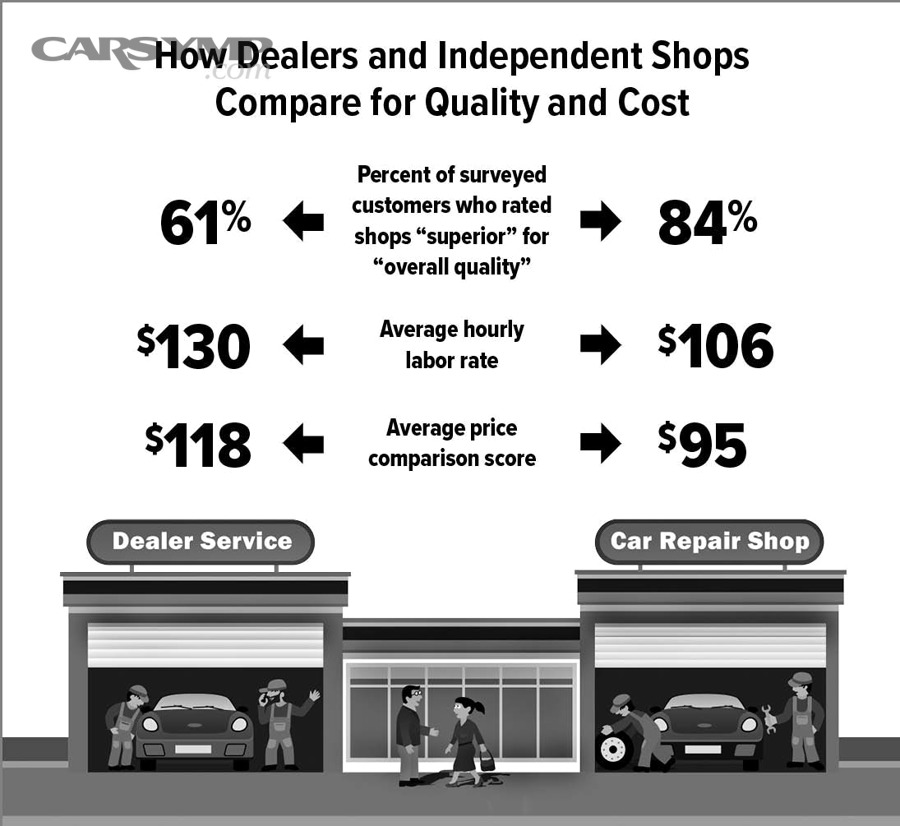
At a high level, both shop types calculate labor using one of two models:
- Hourly billing: you pay for time spent (often rounded and documented).
- Flat-rate billing: you pay a set number of “book hours” for a job, regardless of how long it takes in real time.
Those models exist at dealers and independents, but dealerships more often standardize labor operations around factory procedures, warranty documentation, and OEM tool subscriptions. Independents vary more—from small owner-operators to high-end specialty shops that can match (or exceed) dealer capability.
What does “hourly labor rate” (shop rate) actually include—and what does it not include?
An hourly labor rate is the shop’s price for one hour of billed labor that typically covers technician time, shop overhead, tools, utilities, insurance, and administration—but it usually does not include parts, taxes, or every add-on fee.
More specifically, the rate is designed to keep the business running, not just pay the technician.
What the shop rate commonly includes:
- Technician labor cost and benefits (directly or indirectly)
- Service advisor/administrative support
- Facility costs (rent, utilities, equipment)
- Professional tools, software subscriptions, scan tools
- Insurance and compliance costs
- Training and productivity management
What the shop rate commonly does not include:
- Parts and fluids (these are separate line items)
- Taxes (varies by state and what’s taxable)
- Sublet services (alignment, glass, machine work)
- Environmental/disposal charges
- Some “shop supplies” charges (often small but frequent)
This is why two shops can advertise the same posted rate but deliver different totals: one quote may include diagnostic time, shop supplies, and a higher parts margin, while another quote keeps those items separate.
Is dealership labor always higher than independent labor—yes or no?
No—dealership labor is not always higher than independent labor because market competition, specialization, and regional costs can make some independents equal to or higher than dealers, even though dealers often trend higher overall.
However, the reason this feels confusing is that drivers compare a single number (the rate) instead of the full pricing structure.
Here are three common reasons an independent can meet or exceed dealership pricing:
- Specialty positioning (European, diesel, performance, EV/hybrid): specialized tools and scarce expertise can raise rates.
- High-cost geography: rent and technician demand can push any shop’s pricing upward.
- Service model: some independents are “dealer-alternative” boutiques with premium amenities and extended warranties.
That said, many consumers still observe a dealer premium on the same category of work. Edmunds notes that dealer overhead often translates into a higher per-hour labor rate—sometimes “a $30 difference or more per hour” compared with an independent shop. (edmunds.com)
How do posted rates differ from the “effective rate” you really pay?
Your effective rate is what you truly paid per billed hour after discounts, bundled services, diagnostic fees, and add-ons—so it can be higher or lower than the posted rate.
For example, a shop may post $150/hour, but after a package discount and credited diagnostic, your labor total divided by billed hours may land closer to $135/hour.
This gap happens because labor is often priced as a system, not a single knob:
- Flat-rate time may be billed based on guides even if the real clock time is less.
- Minimum labor charges (e.g., 1 hour minimum) can raise the effective rate for small jobs.
- Bundled services can reduce effective rate when multiple tasks share teardown time.
- “Shop supplies” percentages can act like a hidden labor surcharge.
If you want to compare apples-to-apples, always compute:
Effective labor rate = Total labor dollars ÷ billed labor hours
How much more do dealerships charge per hour than independent mechanics?
Dealers are often higher by a noticeable margin in many markets, but the difference varies widely by location, brand, and job type—so the only reliable comparison is a same-job quote with the same billed hours and parts tier.
Specifically, your local cost-of-living and technician supply matter as much as the badge on the building.
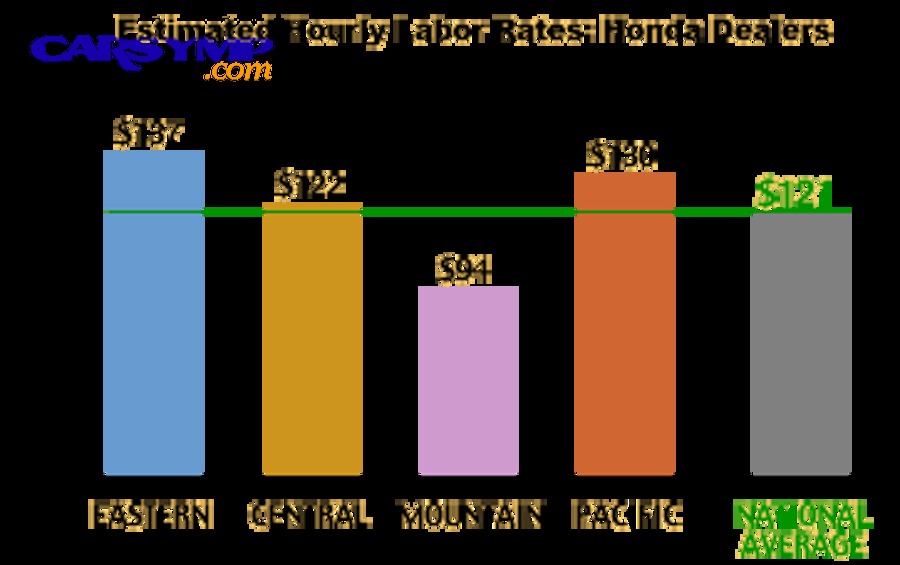
AAA’s guidance for U.S. drivers highlights how broad labor pricing can be: one AAA article notes most mechanics charge between $120 and $159 per hour, while another AAA page explains rates can range much wider across the country (with low-to-high extremes). (aaa.com)
That range alone tells you something important: the dealer vs independent question is less about a universal number and more about your local market.
What are typical hourly labor rate ranges for dealers vs independents?
There are 3 practical “bands” of dealership vs independent labor rate per hour—low, typical, and premium—based on local costs and vehicle complexity.
To better understand, treat these as planning ranges rather than guarantees:
- Lower-cost markets / non-specialty work
- Independents often cluster near the lower-middle of local market rates.
- Dealers often sit above that due to higher overhead and standardized processes.
- Typical metro markets
- Independents frequently price competitively but may be close to dealer rates for diagnostics-heavy work.
- Dealers often command a premium when OEM procedures, documentation, or software tools are involved.
- Premium markets / luxury brands / specialty categories
- High-end independents can match or exceed dealer rates.
- Dealers may still be the top tier, but the spread can tighten.
The key is not memorizing a national average—because even the same city can contain wildly different labor pricing between a general repair shop, a transmission specialist, and a European performance shop.
Which factors most strongly push labor rates up or down?
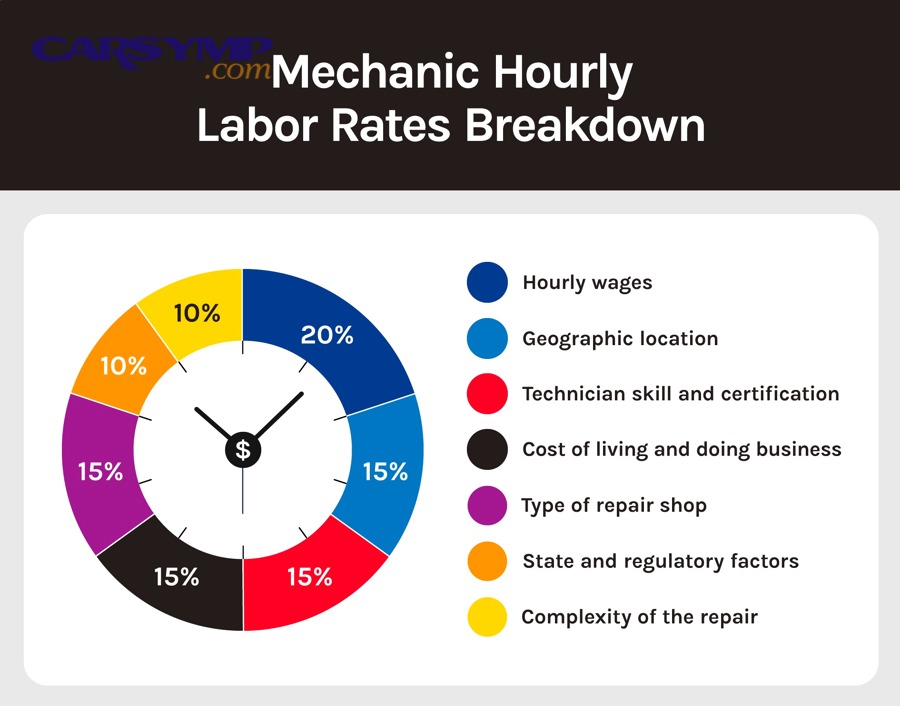
There are 7 major factors that move labor rates up or down: geography, shop overhead, technician scarcity, vehicle complexity, tooling/software costs, warranty requirements, and shop positioning.
Meanwhile, these factors interact, which is why the exact same job can price differently at two shops across the street.
- Geography / cost of living: higher rent and wages generally raise rates.
- Technician scarcity: when skilled labor is scarce, rates rise.
- Vehicle complexity: ADAS, hybrids/EVs, turbo systems, and advanced electronics take more time and specialized tools.
- Tooling and software: OEM scan tools, subscriptions, and programming access cost real money.
- Overhead model: large facilities and service staff structures often cost more.
- Warranty and compliance: documentation and factory procedures can extend billed operations.
- Positioning: “budget” vs “premium service” changes pricing strategy.
This is why you should compare quotes by job scope + billed time + parts tier, not by labor rate alone.
Why are dealership labor rates often higher?
Dealership labor rates are often higher because dealerships carry larger fixed overhead, maintain OEM tooling and training pipelines, and operate a service process designed around factory standards and warranty administration.
Especially, those costs don’t vanish when the shop is slow—so they’re built into the labor structure.
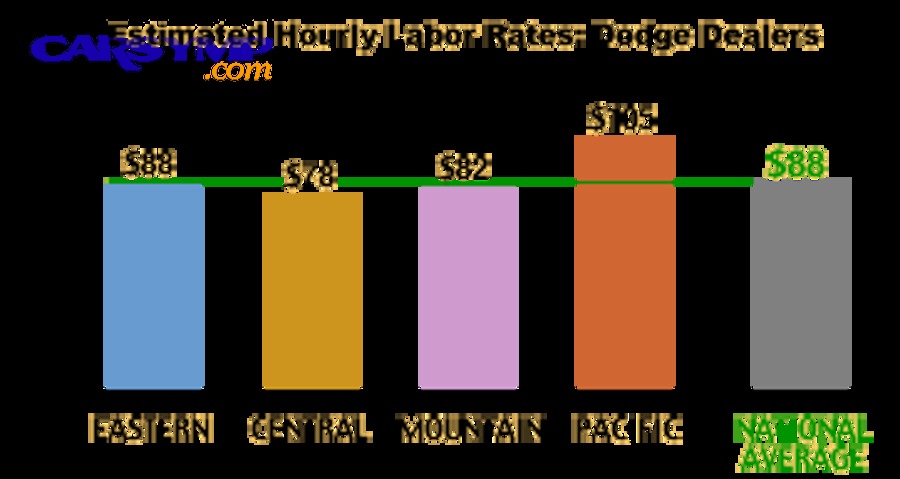
Edmunds explicitly points to dealership overhead translating into higher per-hour labor rates compared with independents. (edmunds.com)
Do dealer overhead and OEM requirements explain most of the price gap?
Yes—dealer overhead and OEM requirements explain most of the price gap because dealerships must fund factory tooling/subscriptions, training, brand-level facility standards, and larger service staffing structures.
However, overhead is not just “nice buildings”—it’s the operational cost of being a factory-aligned repair channel.
Three concrete overhead drivers:
- OEM tool stacks and subscriptions: factory scan tools, programming access, security credentialing.
- Staffing model: service advisors, dispatchers, porters, warranty administrators.
- Facility and process standards: equipment, bays, and compliance expectations tied to the brand.
This doesn’t automatically mean “dealers overcharge.” It means they operate under a cost structure that often pushes the posted shop rate higher.
Does dealership technician training and specialization justify the higher labor rate?
Dealerships win on factory-specific specialization, while independents are often best for broad, flexible repairs—so whether the higher labor rate is justified depends on the job’s need for OEM procedures, programming, or brand-specific expertise.
On the other hand, it’s a mistake to assume dealer techs are always better; many independents employ master-level technicians, including former dealer specialists.
A useful way to decide is to ask:
- Does this repair require OEM programming, immobilizer/key functions, or factory calibrations?
- Is this a known brand-specific issue with a factory technical service process?
- Is the vehicle under warranty or recall coverage?
If “yes,” the dealer premium can buy reduced risk and faster access to the correct workflow. If “no,” the independent may deliver equal quality at a lower total cost.
How can you compare dealer vs independent quotes fairly (apples-to-apples)?
You can compare quotes fairly by standardizing 5 variables—job scope, billed labor hours, parts tier, diagnostic policy, and fees—so you’re measuring the same repair with the same assumptions.
Next, you’ll stop the most common consumer mistake: comparing a single labor rate per hour while the quotes hide differences elsewhere.
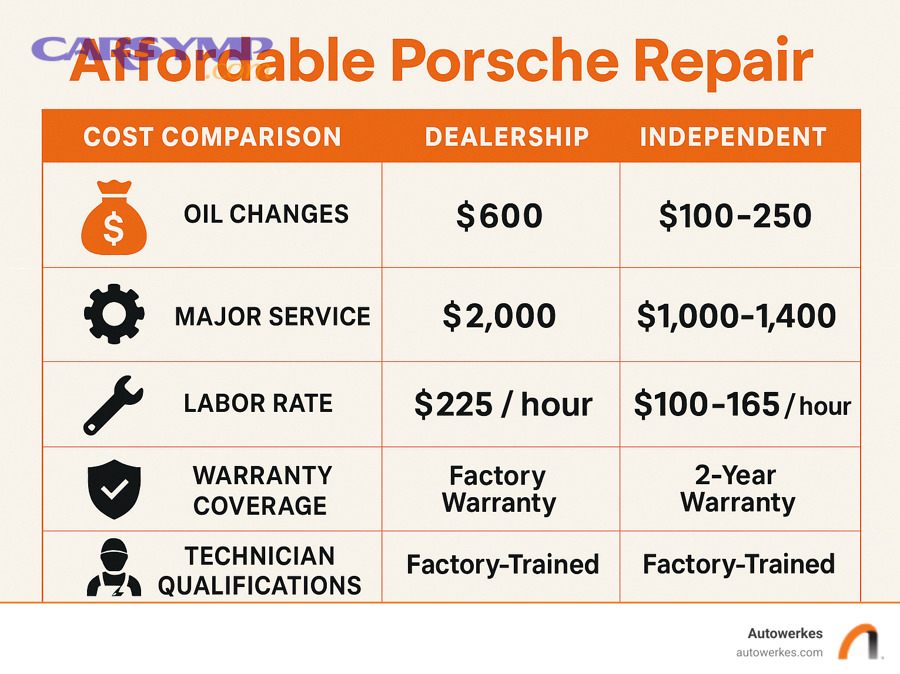
Use this simple “quote normalization” checklist:
- Same job scope (what exactly is being replaced/repaired?)
- Same billed labor hours
- Same parts tier (OEM vs aftermarket vs remanufactured)
- Same diagnostic approach (is diag included/credited?)
- Same fee structure (shop supplies, disposal, sublet)
This is also the moment to ask for Flat-rate vs hourly billing explained in plain language: “Are these labor hours book time, or are you billing actual time? If flat-rate, which labor guide time are you using?”
Are the labor hours the same—and are they based on the same labor guide?
No—labor hours are not always the same because shops can use different labor guide times, add diagnostic steps, or include related operations, which changes billed hours even if the repair sounds identical.
However, you can make this transparent with one direct question: “How many labor hours are you billing, and what operations are included in those hours?”
What to look for:
- A clear labor line: “X.X hours @ $___/hr”
- A list of operations (remove/replace, diagnosis, calibrations)
- Whether the quote includes “while-you’re-in-there” extras
If one shop quotes 2.0 hours and another quotes 3.2 hours for the same job, the rate comparison becomes meaningless until you understand why the time differs.
Are you comparing OEM parts, aftermarket parts, or remanufactured parts?
There are 3 main parts tiers—OEM, aftermarket, and remanufactured—based on who makes the part and how it’s sourced, and the parts tier can change the total far more than labor rate differences.
To better understand, treat parts choice as a quality-and-risk lever:
- OEM (Original Equipment Manufacturer): typically the dealer default; consistent fit and known performance.
- Aftermarket: can range from excellent to risky; offers cost control and options.
- Remanufactured: common for alternators, starters, transmissions; can be cost-effective with reputable suppliers.
A fair comparison means both quotes use the same tier—or you adjust expectations accordingly. Independents often offer more flexibility here, while dealers more often stick with OEM parts pricing structures.
What fees and add-ons should you check before deciding (shop supplies, diagnostics, disposal)?
There are 5 common add-ons that can change the final bill—diagnostic charges, shop supplies, disposal/environmental fees, sublet services, and taxes—so you should verify each one before choosing a shop.
Especially, these are the Hidden fees to watch for because they’re easy to miss in a quick verbal quote.
Here’s what to check:
- Diagnostic fee: Is it separate? Is it credited toward the repair if you proceed?
- Shop supplies: Flat amount or percentage of labor/parts?
- Disposal/environmental fees: Fluids, tires, hazardous waste.
- Sublet charges: Alignment, machine shop work, glass, programming by third parties.
- Taxes: What is taxed in your state (parts, labor, fees)?
A “cheaper” labor rate can lose its advantage if the quote stacks add-ons that the other shop includes or waives.
Evidence: According to a study by Northwestern University from the Kellogg School of Management, in 2013, requesting a price concession based on an expected market price produced an average 13% reduction relative to the initial quote—showing that price structure and negotiation points can materially change what consumers pay. (nber.org)
When is paying dealership labor rates worth it for car owners?
Paying dealership labor rates is worth it when the job depends on OEM software, security access, warranty/recall coverage, or brand-specific diagnostics—because the dealer can reduce risk and rework on tasks that require factory alignment.
More importantly, “worth it” should be defined as total cost + probability of a correct fix, not just the lowest invoice today.
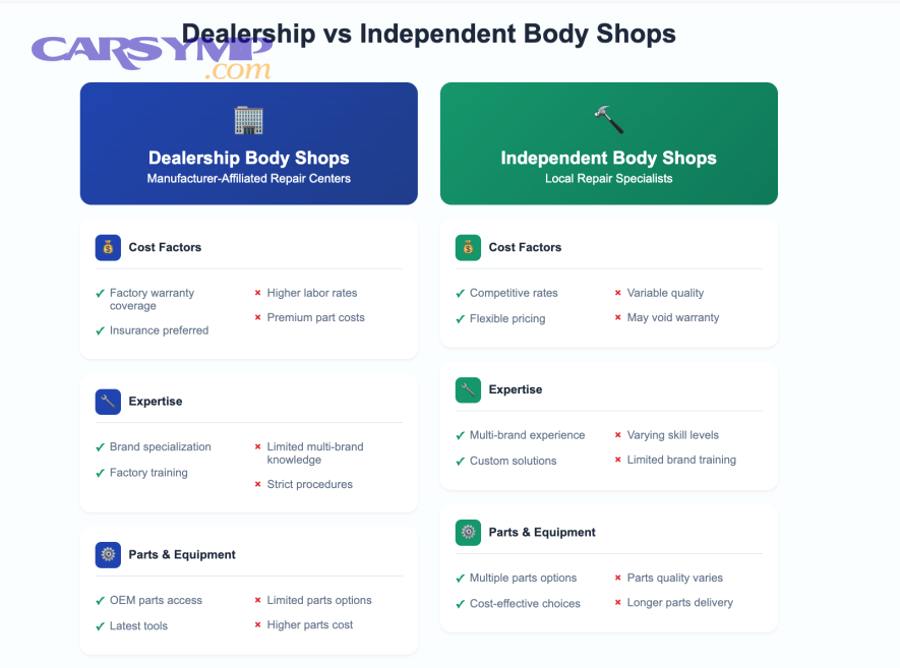
Think of dealership value as capability density:
- Factory scan tools and programming
- Factory repair procedures and service bulletins
- Warranty pathways and documentation
- Brand-specific training and repeat exposure to the same models
For many routine repairs, a well-equipped independent can match results. For certain modern-vehicle operations, the dealer’s access and standardization can be the difference between “fixed” and “chasing the issue.”
Should you go to the dealer for warranty, recalls, and software updates—yes or no?
Yes—you should generally go to the dealer for warranty work, recalls, and software updates because the dealer is the authorized channel for covered repairs, factory campaigns, and many OEM update procedures.
However, you can still choose an independent for non-covered maintenance if it meets warranty requirements and you keep documentation.
Three reasons the dealer is usually the best fit here:
- Coverage and authorization: warranty/recall work is typically processed through the dealer.
- OEM system access: updates and campaigns often require factory tools and credentials.
- Paper trail: consistent records can matter for warranty disputes.
This doesn’t mean “dealer for everything.” It means “dealer when factory policy or factory systems are part of the job.”
Which repairs tend to favor the dealer vs the independent?
Dealers win for OEM-dependent operations, independents win for cost-effective routine mechanical work, and specialists win for niche complexity—so the best shop depends on the repair category.
On the other hand, capability varies by shop, so treat the list below as a starting framework.
Dealer-leaning repairs (often):
- Software updates, module programming, immobilizer/key coding
- Complex drivability diagnostics on late-model vehicles
- Brand-specific issues with established OEM procedures
- Some ADAS-related operations depending on equipment and policy
Independent-leaning repairs (often):
- Brakes, suspension, steering components
- Fluids, belts, maintenance services
- Exhaust work, many cooling system repairs
- General mechanical repairs when parts options and cost control matter
Specialist-leaning repairs (often):
- Transmission rebuilds (dedicated transmission shops)
- Collision/paint (body shops)
- Alignments/calibrations (well-equipped alignment/ADAS centers)
The practical takeaway: if your repair requires factory software access, that’s a dealer advantage. If it’s a standard mechanical repair with clear procedures, a strong independent can be the better value.
How do warranties and guarantees compare between dealers and independents?
Dealers often provide factory-aligned parts and labor coverage pathways, while independents often compete with strong shop warranties and relationship-based accountability—so you should compare warranty length, coverage scope, and claim convenience.
Meanwhile, what matters most is not the number of months on paper, but whether the warranty is easy to use.
Compare these points:
- Warranty duration: parts and labor coverage length.
- Scope: what’s excluded (wear items, diagnostics, consequential damage).
- Convenience: can the warranty be honored elsewhere (networked coverage) or only at that shop?
- Documentation: itemized invoice clarity and repair order notes.
A slightly higher rate can be rational if it buys lower rework risk and stronger after-service support.
How can you lower your total repair cost without sacrificing quality?
You can lower total repair cost by reducing wasted labor time, avoiding duplicated diagnostics, choosing the right parts tier, and bundling related work—without cutting corners that increase failure risk.
In addition, your biggest savings typically come from controlling hours billed and preventing “surprise additions,” not from chasing the lowest posted shop rate.
Here are practical levers that protect quality:
- Diagnose once, fix once
- Bring clear symptoms, timelines, and prior work history.
- Authorize diagnostic steps with a cap when appropriate.
- Choose parts strategically
- Use OEM where it matters (critical sensors, fit-sensitive components).
- Use reputable aftermarket where the risk is low and value is strong.
- Bundle smartly
- Combine overlapping labor (shared teardown, shared alignment).
- Do “while you’re in there” only when it’s truly preventive and cost-effective.
- Compare the estimate structure
- Labor hours, labor rate, and add-ons should be explicit.
- Ask the shop to walk you through assumptions.
This is where your understanding of Flat-rate vs hourly billing explained becomes a savings tool: if a job is flat-rate, bundling related operations can reduce duplicate billed time; if it’s hourly, bundling can reduce repeated setup and diagnosis.
Can bundling related repairs reduce billed labor hours—yes or no?
Yes—bundling can reduce billed labor hours because related repairs can share teardown, setup, diagnostics, and reassembly steps, which lowers duplicated labor operations.
However, bundling only saves money when the tasks truly overlap and the shop is willing to price it as combined work.
Three reasons bundling often works:
- Shared access labor: the same components must be removed to reach multiple parts.
- Single diagnostic pathway: one diagnostic process supports multiple fixes.
- One-time calibration/alignment: you avoid paying twice for the same finishing step.
Examples where bundling can help:
- Struts + control arms + alignment
- Water pump + thermostat (depending on vehicle design)
- Brake job + brake fluid service (depending on shop process)
Bundling is also a way to reduce the chance of “paying twice” for a teardown that should have been one operation.
What questions should you ask any shop to protect yourself from overpaying?
There are 7 key questions you should ask to protect yourself from overpaying: hours billed, rate, parts tier, diagnostic policy, fees, warranty, and what triggers estimate changes.
To better understand, treat these questions as your consumer “script” to keep the quote comparable and the invoice predictable.
Ask these in order:
- “How many labor hours are you billing for this repair?”
- “What is your labor rate per hour for this category of work?”
- “Is that time flat-rate book time or actual time?”
- “What parts tier is included—OEM, aftermarket, or reman?”
- “Is the diagnostic fee separate, and is it credited if I approve the repair?”
- “What fees should I expect—shop supplies, disposal, sublet?” (Hidden fees to watch for)
- “What warranty covers parts and labor, and what would void it?”
When a shop answers these clearly, you don’t just get a better price—you get a lower chance of surprise costs and miscommunication.
What hidden pricing mechanics can change the “real” labor rate you pay?
Hidden pricing mechanics can change the real labor rate you pay by altering how labor is categorized, credited, bundled, or marked up—so two quotes with the same posted rate can still produce different totals.
Next, you’ll see why “shop rate” and “effective rate” can diverge sharply even in honest, reputable shops.
This section expands the micro-semantics behind pricing—so you can read invoices like a pro.
What is a labor matrix, and how can it raise or lower prices by job type?
A labor matrix is a pricing structure that applies different labor rates to different job categories—so the same shop can charge one rate for maintenance and a higher rate for diagnostics or complex repairs.
However, many consumers never see it because it’s not always printed as “matrix” on the estimate.
Why shops use labor matrices:
- Maintenance work can be price-competitive (lower rate) to attract customers.
- Diagnostics and complex electrical work consume time and require expensive tools (higher rate).
- Heavy repairs may involve higher risk and longer bay occupancy (higher rate).
How to spot it:
- You see different labor rates on different line items in the same estimate.
- The advisor says “our diagnostic rate is different” or “that’s a specialty rate.”
A labor matrix isn’t automatically bad—it’s only a problem when it’s undisclosed or when the quote is compared unfairly against another shop using a single blended rate.
How do diagnostic fees work—and are they credited toward the repair?
Diagnostic fees pay for structured troubleshooting time, and whether they’re credited depends on the shop’s policy—some credit diagnostics toward the repair if you approve, while others keep it separate.
More specifically, diagnostics are not the same as a quick code scan; real diagnostics often involve test steps and verification.
Best practice for consumers:
- Ask what the diagnostic fee covers (time cap, tests, scan data, road test).
- Ask whether the fee is credited if you proceed with the repair.
- Ask what you receive in return (documented findings, recommended fix, verification plan).
This is where misunderstanding creates frustration: a customer expects “free diagnosis,” while the shop is doing skilled investigative work that can’t be funded reliably by labor alone.
What is sublet labor, and why might it appear on your invoice at either shop type?
Sublet labor is work outsourced to a third party—like alignments, glass, machining, or specialized calibration—so it can appear on invoices from both dealers and independent shops.
On the other hand, sublet isn’t inherently negative; it can be the right way to get specialist-grade results.
Common sublet items:
- Wheel alignment (if the shop doesn’t have an in-house rack)
- Machine shop services (head resurfacing, pressing bearings)
- Glass replacement
- Certain programming/calibration services (depending on equipment)
What to ask:
- Who performs the sublet work?
- What warranty covers it?
- Is there a markup (and is it disclosed)?
Clear disclosure matters because sublet charges can feel like surprises when they show up late in the process.
How do discounts, packages, and menu pricing affect the effective hourly rate?
Discounts, packages, and menu pricing affect your effective hourly rate by bundling labor into a fixed price that may be cheaper (or sometimes pricier) than calculating hours × posted rate.
Especially, loss-leader services (like discounted maintenance) can lower effective labor cost while the shop earns margin elsewhere (parts, add-ons, future work).
Two ways this plays out:
- Consumer-friendly: bundled services reduce your cost and simplify decisions.
- Confusing: bundled pricing hides the true labor breakdown, making comparisons harder.
If you want clarity, ask for the itemized breakdown—then compute your effective rate using total labor ÷ billed hours.
Evidence: According to a study by Northwestern University from the Kellogg School of Management, in 2013, repair shops changed price outcomes based on how informed callers appeared, and requesting a concession produced an average 13% reduction relative to the initial quote—highlighting how quote structure and negotiation points shift the final price beyond the posted rate. (nber.org)
Evidence (additional credible reference points)
AAA reports that typical mechanic labor pricing clusters in a broad band and emphasizes that labor rates vary widely by region and other factors. (aaa.com)
Edmunds notes dealer overhead often translates into a higher per-hour labor rate compared with an independent shop and highlights how parts pricing differences can also influence totals. (edmunds.com)