


Hidden fees are easiest to avoid when you treat every purchase like a “total price” problem: you don’t decide based on the advertised price—you decide based on the out-the-door total that includes every mandatory charge. That single habit helps you spot “surprise charges” before they land on your receipt.
Next, you’ll learn where hidden fees show up most often—online checkout, subscriptions, travel, and service quotes—so you can recognize the patterns quickly instead of getting trapped by unfamiliar wording.
Then, you’ll get a practical, repeatable method for reading quotes and terms, including the exact red flags and questions that force clarity before you commit.
Introduce a new idea: once you know how hidden fees work, you can also handle the rare scenario where you’re charged anyway—by documenting the mismatch, negotiating confidently, and disputing correctly when needed.
What are “hidden fees” (surprise charges), and why do they happen?
Hidden fees are mandatory charges added to a purchase that aren’t obvious from the headline price, often revealed late in checkout, inside fine print, or buried in vague invoice line items. More specifically, they happen because pricing is complex—and because some sellers benefit when you compare based on a low “base” price instead of the real total.
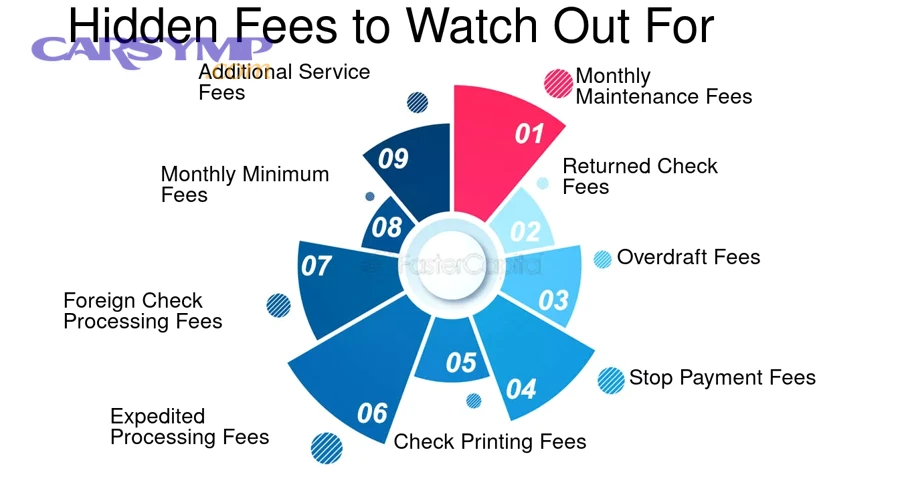
To avoid confusion, it helps to separate three concepts:
- The advertised price (base price): the number meant to grab attention and win comparisons.
- The all-in price (out-the-door total): the number that matters, including every mandatory fee, tax, and required add-on.
- Optional add-ons: things you can truly decline without losing access to the core product/service.
Hidden fees usually thrive in the gap between the base price and the all-in price. Sellers may justify them as “cost recovery” (payment processing, compliance, staffing, delivery logistics), but for you as the buyer, the reason matters less than the timing and transparency of disclosure. If you only see the real price after you’ve invested time (or emotional commitment), you’re more likely to proceed—even if you feel annoyed—because starting over feels costly.
That’s why the best consumer mindset is simple: assume the base price is incomplete until proven otherwise. When you approach every transaction with that assumption, hidden fees stop being “surprises” and become predictable signals to verify.
Are hidden fees illegal or just annoying?
It depends: hidden fees are sometimes legal, sometimes deceptive, and often just poorly disclosed—but they’re always expensive in practice because they inflate your real price. However, the fastest way to judge a fee is to ask three questions: was it mandatory, was it disclosed clearly before you committed, and could a reasonable buyer have understood it?
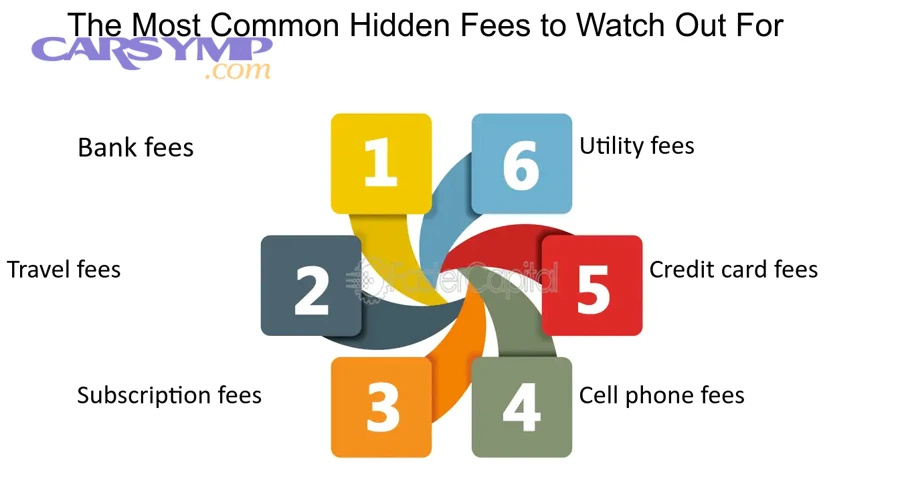
To make this practical, use a “disclosure test”:
- Mandatory vs optional: If you can’t complete the purchase without paying it, it’s mandatory.
- Early vs late disclosure: If it appears only at the final step (or after service begins), it’s late.
- Clear vs vague labeling: “Government tax” is clearer than “admin fee” or “misc.”
Besides those three tests, a fourth test matters in the real world: comparability. If the seller’s pricing structure prevents you from comparing apples-to-apples with competitors, it increases the chance that the fee is being used as a competitive trick rather than a straightforward cost.
From an “avoidance” standpoint, you don’t need to litigate whether every fee is illegal. You need to protect your buying decision by requiring an all-in total upfront, in writing, whenever possible.
According to a rule announcement by the U.S. Federal Trade Commission in 2024, a federal “junk fees” rule for ticketing and short-term lodging was estimated to save consumers up to 53 million hours per year spent searching for total prices, highlighting the scale of time wasted when fees aren’t shown upfront.
Which hidden fees should you watch for most often in everyday purchases?
There are four main types of hidden fees you should watch for—checkout fees, subscription fees, travel/hospitality fees, and service-quote add-ons—based on where they appear in the buying journey (checkout, renewal, booking, or invoicing). More importantly, each type has predictable labels and triggers.
A useful way to think about this section: hidden fees aren’t random; they cluster around moments when you’re least likely to restart your search—right before payment, after a deadline, or after work has already begun.
What checkout fees show up online (service, convenience, processing, “handling”)?
Online checkout hidden fees usually appear as service fees, convenience fees, processing fees, platform fees, handling fees, or “order fees.” Specifically, they show up when the seller can add a mandatory charge without changing the advertised product price.
Common triggers and patterns:
- Payment method trigger: some sellers add a fee for credit cards or certain wallets.
- Delivery/fulfillment trigger: “handling” becomes a catch-all that’s hard to audit.
- Marketplace trigger: platforms may add a fee because they intermediate the sale.
Practical avoidance moves:
- Find the order summary early. If the site hides the final breakdown until the last screen, treat it as a risk signal.
- Change the quantity/location as a test. If fees jump unpredictably, you’re likely dealing with opaque pricing.
- Compare “all-in” totals, not base prices. Two sellers can show the same base price and wildly different totals.
If you’re buying something frequently (tickets, delivery, online services), the best long-term strategy is to maintain a shortlist of sellers who consistently show the full price early, because you’ll save time and avoid repeat surprises.
What subscription and membership fees surprise people later (trial-to-paid, auto-renewal, cancellation)?
Subscription hidden fees are rarely called “fees” upfront. They often appear as automatic renewal charges, early termination charges, cancellation penalties, reactivation fees, or “minimum term” obligations—and they become visible only when you try to leave.
Common traps:
- Free trial conversions: you “pay later,” but the later arrives quickly.
- Auto-renew with short cancellation windows: you miss the window and pay another cycle.
- Tier confusion: the “starter” price is advertised, but the product you need requires an upgrade.
- Bundled add-ons: extras default on, and removing them is buried.
Practical avoidance moves:
- Screenshot the plan details and cancellation terms. This creates proof if the charge doesn’t match what you saw.
- Set a calendar reminder for trial end dates. Even 24–48 hours before matters.
- Look for the words “non-refundable,” “minimum,” and “auto-renew.” Those words predict where surprise charges happen.
Subscription pricing becomes fair when you can see: total per billing period, total per year, how to cancel, and what happens if you cancel mid-cycle—without hunting for it.
What travel and hospitality fees inflate the nightly rate (resort, destination, baggage, parking)?
Travel hidden fees are typically mandatory add-ons attached to a “good deal” base rate, especially in lodging and airfare. Specifically, lodging may add resort or destination fees, while airlines can add fees tied to baggage, seat selection, and changes.
Common travel fee labels:
- Resort fee / destination fee: often per night, mandatory, and not included in the advertised room rate.
- Parking fee / facility fee: sometimes unavoidable depending on location.
- Baggage fees / seat fees: vary by fare type; can be higher at the airport.
Practical avoidance moves:
- Force an “all-in per-night” calculation. Multiply nightly base + mandatory nightly fees + taxes, then compare.
- Verify what’s included. “Free Wi-Fi” is meaningless if you must pay a resort fee to access it.
- Check “pay at hotel” language. That can signal fees and deposits collected later.
According to an economic analysis published by the U.S. Federal Trade Commission in 2017 on hotel resort fees, separating mandatory resort fees from room rates without upfront total disclosure is likely to harm consumers by making offers look cheaper than they really are.
What home services and repairs add-ons appear after the quote (diagnostic, disposal, supplies)?
Service quotes are one of the most common places for hidden fees because real work has uncertainty—and because vague line items are easy to inflate. Specifically, you’ll see add-ons such as diagnostic fees, trip fees, shop supplies, disposal/environmental fees, minimum labor charges, and after-hours charges.
Common “quote shock” line items:
- Trip/diagnostic fee: sometimes waived if you approve the repair; sometimes not.
- Shop supplies: a catch-all; ask what it covers and whether it’s a percentage.
- Disposal/environmental: legitimate in some contexts, but often unitemized.
- Minimum labor: especially common for small jobs.
This is also where car owners feel fee pain. A repair estimate can look reasonable until you understand the labor rate per hour and how many billed hours are being applied. If you’ve ever wondered about the Average mechanic labor rate by region, it matters because a fair price in one city can look overpriced in another. And if you’re comparing a dealership quote to an independent shop, the key isn’t just the rate—it’s How to read a labor estimate line-by-line so you know whether you’re paying for required tasks, duplicated tasks, or padded “shop supplies.” In some cases, When higher labor rates are worth it is when you’re paying for specialized diagnostics, OEM procedures, or a warranty-backed repair—but only if the estimate is transparent and the scope is clear.
Practical avoidance moves:
- Ask for an itemized estimate before work begins.
- Ask what triggers extra charges (access issues, parts delays, additional damage).
- Require approval before exceeding a written cap.
How can you spot hidden fees before you pay?
You can spot hidden fees by using an all-in price method with five steps—check the full breakdown early, scan for vague line items, test the totals with small changes, confirm cancellation/return rules, and get the total in writing—so you commit only when the real price is clear. Then, you turn “watch for hidden fees” into a repeatable habit instead of a guessing game.

The core mindset is simple: you don’t buy the product; you buy the invoice. So your process should focus on the invoice before it exists.
Here’s a buyer-friendly checklist that works across categories:
- Find the total price early (or treat it as a red flag).
- Open every dropdown and tooltip in the order summary.
- Scan for vague fees and demand definitions.
- Confirm the policy that creates future fees (returns, cancellations, renewals).
- Document what you saw (screenshots, emailed quote, saved terms).
What words and line items are red flags in estimates and invoices?
Red-flag line items are words that hide the “why” and “how much” behind ambiguity. Specifically, watch for:
- “Admin fee”
- “Service fee” (when it’s unclear what service)
- “Processing fee”
- “Convenience fee”
- “Miscellaneous”
- “Shop supplies”
- “Facility fee”
- “Recovery fee”
- “Market adjustment”
- “Required add-on” (without explanation)
How to respond in the moment:
- Ask: “What exactly is included in this fee?”
- Ask: “Is it mandatory? Can you remove it?”
- Ask: “Is it a flat fee or a percentage?”
- Ask: “Show me where it’s disclosed in the terms/estimate.”
If the seller can’t explain it in one sentence, it’s either poorly designed pricing—or intentionally confusing.
Where do hidden fees hide in the fine print (terms, policies, footnotes)?
Hidden fees often hide where you don’t expect price to live: cancellation rules, renewal rules, return policies, and “limitations” sections. More specifically, look for:
- Auto-renew clauses and required notice periods
- Non-refundable language
- Restocking fee disclosures
- Minimum spend / minimum term
- Dynamic pricing disclaimers
- Deposits and holds that convert into charges
The fastest strategy is to search within the page (Ctrl+F) for:
- “fee”
- “renew”
- “cancel”
- “refund”
- “non-refundable”
- “restocking”
- “minimum”
- “hold”
- “deposit”
This is boring work—but it’s the difference between a good deal and a fake deal.
What questions should you ask before agreeing to a quote or booking?
There are seven questions that force clarity, based on the most common hidden-fee triggers. Specifically, ask:
- “What is the out-the-door total, including all mandatory fees and taxes?”
- “What fees apply to my payment method?”
- “What would make the total increase after I agree?”
- “Which fees are optional, and which are required?”
- “Can you itemize this in writing?”
- “What is your cancellation/return policy, and what fees apply?”
- “If there’s a dispute, what’s your resolution process?”
If the answers sound evasive, treat that as information. Transparency is part of the product.
How do you compare quotes correctly using an “all-in price” method?
You compare quotes correctly by normalizing them into one all-in total and one scenario-based total (e.g., “cancel,” “return,” “change”) so you can see which seller is truly cheaper under real-life conditions. However, many people compare the wrong numbers and accidentally reward hidden-fee pricing.
A simple comparison table helps. Below is what you’re trying to build for any two competing offers:
- Base price
- Mandatory fees
- Taxes
- Optional add-ons you actually want
- “Exit costs” (cancellation, return shipping, restocking)
Once you translate every quote into the same structure, hidden fees lose their power because you’ve removed the ambiguity they rely on.
According to a study by the University of Pennsylvania from the Wharton School’s Marketing Department, in 2020, drip pricing (revealing surcharges later) changes consumer choices and satisfaction because the initial base price strongly influences decisions even when total prices are shown before final purchase.
What’s the difference between legitimate fees and truly hidden fees?
Legitimate fees are mandatory or optional charges that are disclosed clearly and early, while truly hidden fees are charges that are revealed late, labeled vaguely, or structured to mislead comparisons—even if they appear somewhere in the fine print. However, the easiest way to tell the difference is to ask whether you could have reasonably understood the all-in price before committing.

To keep it simple, use this decision framework:
- Legitimate: clear name + clear amount + shown early + tied to a real service + easy to compare.
- Hidden: vague name + unclear calculation + revealed late + hard to compare + feels “unavoidable.”
Are taxes and government charges “hidden fees”?
No—taxes and government charges are not hidden fees, because they’re statutory charges that vary by jurisdiction and are generally expected to appear as separate line items, and because sellers usually can’t remove them. However, taxes become confusing when sellers blur the line between “government” and “service.”
What to do:
- Look for labels like “sales tax,” “occupancy tax,” “VAT,” or “government fee.”
- Be cautious with labels like “regulatory recovery” unless you can verify what it is.
Taxes can still be annoying—but they’re usually not the “gotcha” hiding behind pricing tricks.
Are “service fees” the same as tips/gratuities?
A service fee is not always the same as a tip: a tip is typically discretionary (or at least socially discretionary), while a service fee is often mandatory and may not go directly to staff. Specifically, some businesses use “service fee” language to imply it benefits workers, even when it functions like a general surcharge.
What to do:
- Ask: “Does this service fee go to staff, and is it in addition to tips?”
- Ask for the policy in writing if it matters to your decision.
When a fee is unclear, clarity is the ethical minimum.
Is flat-rate pricing safer than itemized pricing?
Flat-rate pricing is safer for avoiding surprise totals, while itemized pricing is better for auditing and negotiating—so the “winner” depends on whether the seller is transparent. Meanwhile, flat rates can hide markups, and itemization can hide padding, so you still need an all-in comparison.
A practical rule:
- Prefer flat rate when it includes everything you need and the scope is clear.
- Prefer itemized when scope can change and you want control over optional add-ons.
In both cases, what you’re really buying is clarity: scope, total, and approval process.
If you get charged hidden fees anyway, what should you do?
If you get charged hidden fees, you should challenge the charge immediately, document the mismatch, and escalate through the seller and your payment method because fast action increases your chance of a refund and reduces the chance the seller claims the fee was “disclosed.” In addition, a calm, structured approach tends to outperform anger because it keeps the conversation focused on facts.
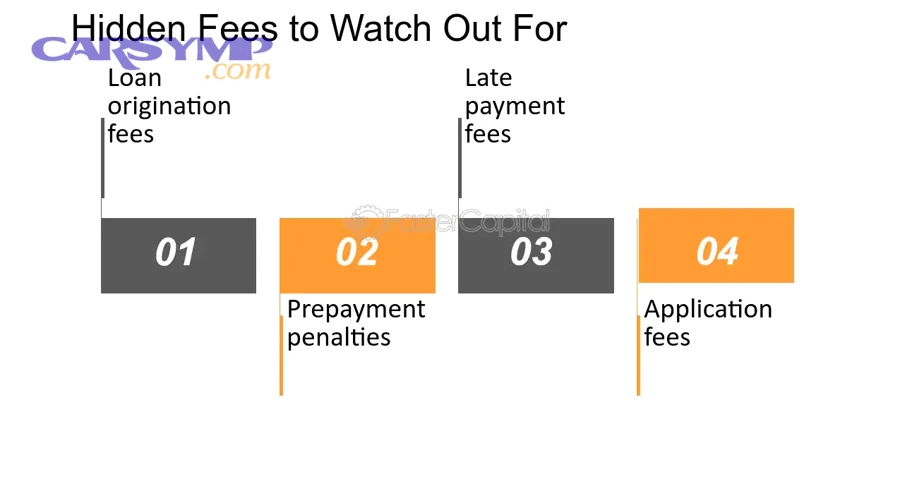
Here’s the action plan that works most often:
- Ask for an itemized receipt or invoice and identify the specific fee line item.
- Compare it to what was shown (screenshots, emails, quote).
- State the mismatch clearly (“This fee wasn’t disclosed before purchase.”).
- Request a specific resolution (remove the fee, refund the difference).
- Escalate if needed (supervisor, corporate support, dispute).
How do you negotiate or get fees waived (scripts + leverage points)?
You negotiate hidden fees by anchoring on the promised all-in price, asking for a written explanation, and offering an easy off-ramp for the seller (a waiver) instead of a fight, because many fees are discretionary when challenged professionally. More specifically, you win by making it simpler to waive the fee than to argue.
Use scripts like:
- Mismatch script: “I’m seeing a fee that wasn’t disclosed when I agreed to the purchase. Can you remove it so the total matches what was shown?”
- Clarity script: “Can you explain what this fee covers and where it was disclosed before payment?”
- Fairness script: “I’m happy to complete the transaction at the out-the-door price we discussed. If the fee can’t be removed, I’ll need to cancel.”
Leverage points that help:
- You have documentation (screenshots, emailed quote).
- You acted quickly (same day is best).
- You can switch to a competitor (real alternatives matter).
Even when a seller won’t fully remove a fee, partial credits are common when you demonstrate the disclosure gap.
When should you dispute a charge (and which method works best)?
You should dispute a hidden fee when the seller refuses to resolve a clear disclosure mismatch, the fee is mandatory, and the documentation supports your claim, and the best method depends on how you paid. However, you should always try the merchant first unless the merchant is unreachable or acting in bad faith.
General comparison:
- Merchant resolution: fastest, least friction, best first step.
- Credit card dispute/chargeback: stronger leverage, requires documentation, may be slower.
- Bank transfer/ACH disputes: often harder than card disputes, so prevention matters even more.
Disputes are most successful when your proof shows: (1) what you expected to pay, (2) what you were charged, (3) why the fee wasn’t reasonably disclosed.
What documentation should you keep to protect yourself?
You should keep five types of documentation—screenshots of totals, written quotes, terms/policies at purchase time, receipts/invoices, and cancellation confirmations—because hidden-fee disputes are won with specifics, not opinions. Besides, documentation also helps you negotiate politely but firmly.
- A screenshot of the checkout total and fee breakdown
- The emailed confirmation or invoice
- The relevant policy page (refund/cancellation/fees)
- A timeline of communications (chat logs, emails)
- Any reference numbers from support interactions
If you can’t prove what you saw, the seller’s terms will usually win by default—so your habit should be: capture the total before you pay.
According to a massive field experiment described by the University of California, Berkeley from the Haas School of Business in 2021, hiding mandatory fees through drip pricing can increase purchases and distort consumer choices compared with showing total prices upfront.
How do “drip pricing” and dark patterns create surprise charges ?
Drip pricing and dark patterns create surprise charges by revealing mandatory costs late and using design tricks that reduce your likelihood of backing out, which makes the base price feel like the “real” price even when it isn’t. Especially online, the combination of timing (late) and friction (hard to undo) is what makes fees feel unavoidable.

The good news is that you can counter these tactics with two habits: (1) find the all-in price early, and (2) treat late fees as a reason to restart your comparison, not as a reason to surrender.
What is drip pricing ?
Drip pricing is the practice of showing a low base price first and adding mandatory fees later, while transparent all-in pricing shows the total price early so you can compare fairly. However, even small mandatory add-ons can change which option is truly cheapest.
Counter moves:
- Use an “all-in” filter when available.
- Compare two sellers only after you can see total price for both.
- Treat late-stage mandatory fees as a signal to keep shopping.
Which UX tricks hide fees at checkout (prechecked boxes, urgency, bundled add-ons)?
Common UX tricks that amplify hidden fees include:
- Prechecked add-ons (insurance, protection plans, upgrades)
- Urgency cues (“Only 2 left!” “Sale ends in 5 minutes!”)
- Bundled defaults (the “recommended” option quietly includes paid extras)
- Hard-to-find removal controls (tiny “x,” hidden in menus)
What to do:
- Slow down at the final step and expand every dropdown.
- Look for toggles, checkboxes, and “details” links.
- If removal is difficult, assume the pricing is designed to confuse.
What rare fee stacks affect businesses (PCI, gateway, interchange tiers)?
Business-facing fee stacks can be “hidden” when processors advertise one rate but deliver many layered charges—PCI compliance fees, gateway fees, statement fees, monthly minimums, and tiered interchange markups. More specifically, the “gotcha” is that a seemingly small difference in fee structure can compound across thousands of transactions.
Counter moves for businesses:
- Demand a full fee schedule in writing.
- Compare using the effective rate (total fees ÷ total processed volume).
- Ask which fees are fixed vs volume-based, and which are waived at scale.
What are the “opposites” of hidden fees—signals of fair pricing?
The opposites of hidden fees are signals of transparent pricing: out-the-door totals shown early, clearly labeled line items, no mandatory add-ons added late, and a straightforward cancellation/refund policy. In short, fair pricing makes comparison easy—even if the price is higher.
Strong “fair pricing” signals:
- “Total price includes all mandatory fees”
- Itemized quotes with clear scope
- Written approval required for cost increases
- Easy-to-find cancellation terms without penalties
- No-surprise guarantees
According to a bipartisan rule announcement by the U.S. Federal Trade Commission in 2024 regarding ticketing and short-term lodging fees, showing total prices upfront was projected to save substantial consumer time otherwise spent hunting for the real price—an outcome consistent with the benefits of transparent all-in pricing.