


Yes, starter motor replacement is typically covered under factory warranty when the failure results from manufacturing defects or material issues, but coverage depends on whether your vehicle is still within the warranty period and the specific type of warranty you have. Most manufacturer warranties classify starters under either powertrain or basic coverage, with typical durations ranging from 3 years/36,000 miles for basic warranties to 5 years/60,000 miles or more for powertrain warranties, though starters may fall under electrical system coverage rather than powertrain at some manufacturers.
Understanding the difference between factory and extended warranty coverage for starters becomes critical when facing potential repair bills that can range from $400 to $1,500 or more. Factory warranties automatically come with your vehicle purchase and cover defects in materials and workmanship, while extended warranties are purchased separately and can extend protection beyond the original coverage period, often including additional benefits like roadside assistance and rental car reimbursement.
The conditions, exclusions, and limitations that apply to starter warranty coverage significantly impact whether your claim will be approved or denied. Warranties typically exclude failures caused by normal wear and tear, accidents, environmental damage, improper maintenance, or modifications to the vehicle’s electrical system, meaning that even if you’re within the warranty period, coverage isn’t guaranteed for every starter failure.
Evaluating whether an extended warranty is worth purchasing for starter protection requires analyzing factors like your vehicle’s age, mileage, reliability history, and your financial situation. Below, we’ll examine exactly what factory and extended warranties cover for starter motors, how to navigate the claim process, and what scenarios can void your coverage.
Is Starter Motor Replacement Covered Under Factory Warranty?
Yes, starter motor replacement is covered under factory warranty when the failure stems from defects in materials or workmanship, and the vehicle remains within the warranty coverage period. Most manufacturers classify starters under either basic “bumper-to-bumper” coverage or electrical system components, though some brands include starters in powertrain warranties depending on how they define powertrain components.
To better understand this coverage, it’s important to recognize that not all starter failures qualify for warranty protection. Factory warranties are specifically designed to protect against manufacturing defects rather than normal deterioration over time. This means the starter must fail due to a fault that existed when the vehicle was manufactured or assembled, not because of external factors or the natural aging process.
What Does a Factory Powertrain Warranty Cover for Starters?
A factory powertrain warranty typically covers the engine, transmission, and drivetrain components, but starter motor coverage varies by manufacturer based on how they classify the starting system. Some manufacturers like Ford, General Motors, and Stellantis (Chrysler, Dodge, Jeep, Ram) include starters under powertrain coverage because they consider the starter essential to engine operation, while others classify it strictly as an electrical component under basic warranty.
The typical coverage framework includes:
- Manufacturing defects: Internal component failures such as damaged armatures, faulty solenoids, defective starter drives (Bendix), or electrical winding issues that originated during production
- Material failures: Premature wear of internal gears, bearings, or bushings due to substandard materials used in manufacturing
- Workmanship issues: Assembly errors that cause the starter to malfunction, such as improper alignment, loose connections, or inadequate lubrication from the factory
Most factory powertrain warranties extend for 5 years/60,000 miles for domestic manufacturers, though some offer longer coverage—Ram trucks, for example, provide 5 years/100,000 miles for diesel powertrains. Import manufacturers like Toyota and Honda typically offer 5 years/60,000 miles for powertrain coverage, while luxury brands like BMW and Mercedes-Benz may provide 4 years/50,000 miles.
The distinction between powertrain and basic warranty matters significantly for starter coverage timing. If your manufacturer includes starters under basic warranty (typically 3 years/36,000 miles), your coverage window is shorter than if it’s classified under powertrain warranty. Always verify your specific coverage by checking your warranty booklet or contacting your manufacturer’s customer service with your VIN number.
What Starter Failures Are Excluded From Factory Warranty?
Factory warranties exclude starter failures caused by wear and tear, external damage, improper maintenance, modifications, and environmental factors beyond normal operating conditions. These exclusions exist because warranties are designed to cover manufacturing defects, not the natural deterioration that occurs through regular vehicle use or damage from outside sources.
Common exclusion categories include:
Wear and Tear: Progressive degradation of starter components from repeated use over thousands of engine starts is considered normal and expected. This includes worn starter drive gears, deteriorated brushes in the starter motor, fatigued springs in the solenoid, and bearing wear from accumulated operating hours. Manufacturers typically classify these as consumable components similar to brake pads or wiper blades.
Accident and Collision Damage: Physical damage to the starter from vehicle accidents, including bent mounting flanges, cracked housings, severed electrical connections, or damage from impact with road debris, falls outside warranty coverage. Insurance claims rather than warranty claims address these situations.
Modification-Related Failures: Alterations to the vehicle’s electrical system, including installation of aftermarket remote starters, performance electrical upgrades, amplifier installations that tax the electrical system, or non-OEM battery replacements can void starter coverage. The manufacturer must prove the modification directly caused the starter failure, but this burden often isn’t difficult to meet with electrical system modifications.
Environmental and Exposure Damage: Damage from water intrusion during deep water crossings, salt corrosion from repeated exposure to road salt without proper undercarriage washing, damage from extreme off-roading that exceeds normal use parameters, or failure resulting from prolonged exposure to extreme temperatures beyond design specifications are excluded.
Improper Maintenance: Failures resulting from neglected maintenance such as corroded battery terminals that cause excessive voltage drop, weak batteries that force the starter to work harder than designed, loose mounting bolts that cause misalignment, or accumulated dirt and debris blocking cooling vents are not covered.
According to data from the National Highway Traffic Safety Administration’s vehicle complaint database, approximately 35% of starter warranty claims are denied due to exclusions related to maintenance neglect or modifications, with corrosion from environmental exposure being the most common denial reason.
How Does Extended Warranty Coverage for Starters Differ from Factory Warranty?
Extended warranty coverage for starters differs from factory warranty by offering protection beyond the original manufacturer coverage period, typically with different deductible structures, claim processes, and coverage terms. While factory warranties are included with vehicle purchase and administered directly by the manufacturer, extended warranties are purchased separately from either the manufacturer or third-party providers and involve additional costs, deductibles, and varying levels of coverage comprehensiveness.
The fundamental differences create distinct advantages and disadvantages for vehicle owners. Extended warranties function more like insurance policies, where you pay premiums for protection against future repair costs, while factory warranties represent the manufacturer’s guarantee of quality for a limited period.
What Types of Extended Warranties Cover Starter Motors?
There are four main types of extended warranties that cover starter motors: manufacturer extended warranties, third-party comprehensive plans, powertrain-plus packages, and stated-component coverage plans, each offering different coverage breadths, price points, and claim procedures. Understanding these distinctions helps vehicle owners select appropriate coverage based on their needs and budget.
Manufacturer Extended Warranties: These are offered directly by vehicle manufacturers and provide the most seamless coverage experience. Examples include Mopar Maximum Care for Chrysler/Dodge/Jeep/Ram vehicles, Ford Extended Service Plans, and Toyota Extra Care. These plans typically extend your existing factory warranty and use the same authorized dealer network for repairs. Costs range from $1,500 to $4,000 depending on coverage term and deductible selection, with starter motors covered under most comprehensive plans. The primary advantage is dealer familiarity and manufacturer backing, while disadvantages include higher costs and limitation to manufacturer dealerships.
Third-Party Comprehensive Plans: Companies like Endurance, CarShield, and CARCHEX offer exclusionary coverage that protects nearly all vehicle components including starters. These plans cost between $1,200 and $3,500 depending on coverage term, vehicle age, and mileage. They allow repairs at both dealerships and independent mechanics, providing flexibility. However, claim approval processes may involve more scrutiny, and some plans require pre-authorization before repairs begin.
Powertrain-Plus Packages: Mid-tier plans like Endurance Secure Plus and Olive Powertrain Plus specifically cover powertrain components plus additional systems including electrical components and starters. These represent the sweet spot for starter protection without paying for top-tier exclusionary coverage, with costs typically ranging from $800 to $2,000. The coverage scope includes starter replacement cost along with alternators, batteries, and electrical wiring, making them ideal for owners primarily concerned with major mechanical and electrical failures.
Stated-Component Plans: These basic plans list specific covered components, which may or may not include starters. They’re the most affordable option at $500 to $1,200 but require careful review to confirm starter inclusion. Many basic plans only cover engine and transmission, excluding electrical system components entirely.
The table below compares key features across extended warranty types:
| Warranty Type | Typical Cost | Starter Coverage | Repair Location Flexibility | Claim Process |
|---|---|---|---|---|
| Manufacturer Extended | $1,500-$4,000 | Included in comprehensive plans | Dealer network only | Streamlined, direct approval |
| Third-Party Comprehensive | $1,200-$3,500 | Usually included | Dealers and independents | May require pre-authorization |
| Powertrain-Plus | $800-$2,000 | Specifically included | Typically flexible | Moderate documentation needed |
| Stated-Component | $500-$1,200 | Check policy details | Varies by provider | Basic claim submission |
This comparison demonstrates why carefully reviewing what’s actually covered matters more than simply purchasing “an extended warranty.”
Are Extended Warranties Worth It for Starter Protection?
Extended warranties are worth purchasing for starter protection when your vehicle has reliability concerns, you plan to keep it beyond factory warranty expiration, and the total warranty cost is less than potential repair expenses during the coverage period. The cost-benefit calculation depends on starter replacement cost, warranty pricing, your vehicle’s failure probability, and your financial capacity to handle unexpected repairs.
To make this determination effectively, consider these analytical factors. The average starter replacement cost ranges from $400 for accessible starters on common vehicles to $1,500 or more for luxury vehicles or models with difficult starter access requiring extensive labor. According to consumer automotive research from RepairPal, the national average for starter replacement including parts and labor is approximately $550, with parts accounting for $250-$400 and labor adding $150-$300 depending on vehicle complexity.
Extended warranty costs must be weighed against this potential expense. If you purchase a powertrain-plus extended warranty for $1,200 covering 4 years/48,000 miles, and that warranty also covers other electrical components, transmission issues, and engine problems beyond just the starter, the value proposition improves significantly. However, if you purchase coverage solely for starter protection, the mathematics rarely favor warranty purchase since a single starter replacement costs less than most extended warranty premiums.
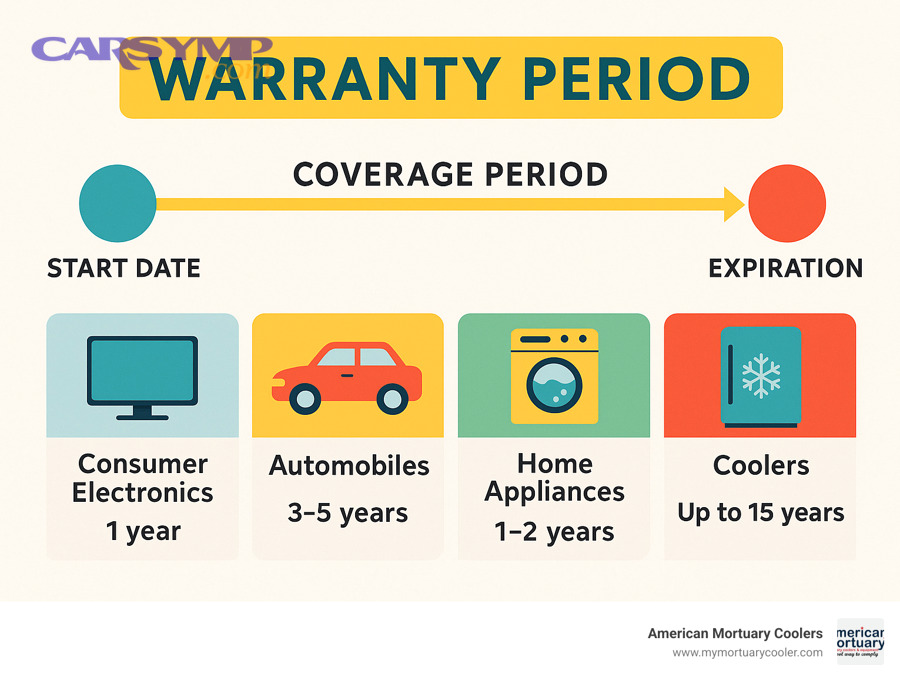
Pre-existing condition limitations significantly impact warranty value. Most extended warranties exclude coverage for conditions that existed before policy purchase, meaning if your starter already shows symptoms of failure, you cannot purchase an extended warranty and immediately file a claim. Waiting periods of 30-60 days or 1,000 miles are common before coverage becomes active, preventing this type of adverse selection.
The decision factors that favor extended warranty purchase include:
- High-mileage vehicles: If your vehicle approaches 75,000-100,000 miles where starter failure rates increase, extended coverage provides greater value
- Reliability history: Vehicles with documented starter problems or electrical system issues benefit more from coverage
- Financial situation: If a $1,000 unexpected repair would create financial hardship, the peace of mind from warranty coverage justifies the cost
- Vehicle value: For vehicles worth $15,000 or more, protecting against major component failures makes more economic sense
- Comprehensive needs: If you need coverage for multiple systems beyond just starters, extended warranties offer better value
Conversely, extended warranties may not be worthwhile if your vehicle has excellent reliability ratings, you maintain a repair fund with adequate reserves, the vehicle is near end-of-life where total repair costs may exceed vehicle value, or the warranty cost approaches or exceeds the vehicle’s depreciation during the coverage period.
According to a Consumer Reports analysis of extended warranty value, approximately 55% of vehicle owners who purchase extended warranties never file claims that exceed their warranty cost, suggesting warranties often benefit providers more than consumers for low-failure-rate components like starters.
What Conditions Must Be Met for Warranty Coverage of Starter Replacement?
Warranty coverage of starter replacement requires proof of ownership, adherence to manufacturer maintenance schedules, failure due to covered defects rather than exclusions, and repairs performed at authorized facilities using approved procedures. These conditions ensure warranties function as intended—protecting against manufacturing defects while preventing abuse of coverage for normal wear or improper vehicle care.
Meeting these requirements involves documentation, proper vehicle maintenance, and understanding your specific warranty terms. Many warranty claims are denied not because the failure isn’t legitimate, but because owners cannot provide required documentation or inadvertently violated warranty terms without realizing it.
The primary conditions include maintaining complete service records showing all required maintenance was performed at recommended intervals, using the vehicle within normal operating parameters as defined in the owner’s manual, keeping the vehicle’s registration current and matching warranty documentation, and reporting failures promptly without attempting unauthorized repairs that could worsen the problem or eliminate diagnostic evidence.
Authorized facilities matter because warranties typically require repairs at dealerships or certified service centers for the manufacturer to validate the claim and ensure proper diagnostic procedures were followed. Some extended warranties allow independent mechanic repairs, but pre-authorization is usually required where the warranty company approves the repair facility and estimated costs before work begins.
Does Using OEM vs. Aftermarket Parts Affect Starter Warranty Coverage?
Using OEM (Original Equipment Manufacturer) parts maintains full warranty coverage, while aftermarket parts may void warranty coverage only for failures that the manufacturer can prove were directly caused by the aftermarket part, according to the Magnuson-Moss Warranty Act federal consumer protection law. This means dealerships and manufacturers cannot automatically deny all warranty claims simply because you used an aftermarket starter or other non-OEM parts, but they can deny specific claims where they demonstrate causation.
The legal framework protecting consumers comes from the Magnuson-Moss Warranty Act of 1975, which prohibits warranty providers from requiring specific brands of parts or service providers as a condition of warranty coverage unless those parts or services are provided free of charge. This means if a manufacturer wants to mandate OEM parts, they must supply them at no cost; otherwise, consumers have the right to choose aftermarket alternatives.
However, this protection has practical limitations. If you install an aftermarket starter and subsequently your engine fails, the manufacturer must prove the aftermarket starter caused the engine failure to deny the engine warranty claim. But if the aftermarket starter itself fails, that component obviously isn’t covered by your vehicle’s factory warranty—it would be covered only by the aftermarket part’s own warranty.
OEM Parts Considerations: Original equipment manufacturer parts identical to those installed during vehicle production ensure perfect compatibility, come with manufacturer warranty coverage, and maintain all existing vehicle warranties without question. The primary disadvantages are higher costs (typically 30-50% more than aftermarket alternatives) and availability only through dealership parts departments or authorized distributors.
Aftermarket Parts Considerations: Aftermarket starters from reputable manufacturers like Bosch, Denso, or Remy offer substantial cost savings, often provide longer warranties than OEM parts (some offer lifetime warranties), and may incorporate design improvements that address known OEM weaknesses. Quality varies significantly between manufacturers, with premium aftermarket parts matching or exceeding OEM quality while economy options may be inferior.
Remanufactured Parts: Remanufactured starters represent a middle ground, using original cores with replaced wear components. These typically cost 40-60% less than new OEM parts while maintaining good quality, and many come with warranties comparable to new aftermarket parts. The concern is core quality variation and potential for reduced longevity compared to completely new units.
When dealerships can legitimately deny claims based on aftermarket parts usage, they must document and prove causation. For example, if an aftermarket starter draws excessive current due to poor manufacturing quality and damages the vehicle’s electrical system, the manufacturer can rightfully deny warranty coverage for the electrical system damage. The burden of proof rests with the manufacturer, but they have diagnostic tools and technical expertise that most consumers lack, creating an unequal playing field.
Quality standards and compatibility requirements mean that even when choosing aftermarket parts, selecting reputable manufacturers who meet or exceed OEM specifications protects both your vehicle and warranty coverage. Parts meeting SAE (Society of Automotive Engineers) standards and those certified by organizations like CAPA (Certified Automotive Parts Association) provide quality assurance and reduce the likelihood of warranty complications.
Can Independent Mechanics Perform Warranty-Covered Starter Replacement?
Yes, independent mechanics can legally perform warranty-covered starter replacement under the Magnuson-Moss Warranty Act, but practical limitations often make dealership repairs more straightforward for warranty claims. The law prevents manufacturers from requiring dealership-only service as a warranty condition, yet the claim documentation, parts sourcing, and reimbursement processes typically favor dealership repairs.
Understanding your legal rights versus practical realities helps navigate this situation effectively. While federal law protects your right to use independent mechanics without automatic warranty voidance, the specific warranty terms, documentation requirements, and claim approval processes influence whether independent repair is genuinely feasible for warranty-covered work.
Legal Rights: The Magnuson-Moss Warranty Act explicitly states that warranties cannot require branded parts or specific service providers unless provided free of charge. This means manufacturers cannot mandate dealership-only service while charging for warranty coverage. You have the right to maintain your vehicle at independent facilities using quality aftermarket parts without voiding your warranty, provided the service meets manufacturer specifications.
Documentation Requirements: For independent mechanics to perform warranty-covered repairs, you must provide documentation that the failure qualifies under warranty terms, obtain pre-authorization from the warranty provider (required by most extended warranties), ensure the independent shop uses parts that meet OEM specifications, and maintain detailed records of the diagnostic process and repair procedures. Many independent shops lack the manufacturer-specific diagnostic software needed to properly document failures in ways warranty administrators accept.
When to Choose Dealership Service: Warranty repairs are typically better handled at dealerships when the vehicle remains under factory warranty (minimizing claim complications), the failure is ambiguous and requires manufacturer-specific diagnostic equipment, you want to avoid potential claim denial battles, or the dealership offers equivalent or better pricing due to warranty labor rates. Dealerships have direct access to warranty claim systems and can process approvals in real-time, while independent shops often face multi-day approval waits.
When Independent Mechanics Make Sense: Independent repair becomes advantageous for extended warranty claims from third-party providers that explicitly allow shop choice, when independent shops offer significantly lower labor rates than warranty deductible amounts, for straightforward failures with obvious causes requiring minimal diagnostic work, or when you have an established relationship with a trusted mechanic who understands warranty documentation requirements.
The claim process differs significantly between dealerships and independent shops. Dealerships submit warranty claims directly through manufacturer systems with established protocols and immediate access to technical support and parts. Independent shops must contact warranty administrators by phone or online portal, receive approval codes before beginning work, purchase parts through specified channels or get reimbursed later, and submit detailed documentation justifying every repair step.
According to automotive service industry data, approximately 73% of factory warranty repairs occur at dealerships versus 27% at independent facilities, but for extended warranty claims, the ratio shifts to approximately 55% dealership and 45% independent, reflecting the greater flexibility third-party warranty providers offer.
How Do I File a Warranty Claim for Starter Motor Replacement?
Filing a warranty claim for starter motor replacement requires contacting your warranty provider with your VIN and symptom description, obtaining diagnostic verification from an authorized facility, receiving claim pre-approval before repairs begin, and submitting required documentation after repair completion. The specific process varies between factory warranties (typically handled entirely through dealerships) and extended warranties (which may require multiple approval steps), but following proper procedures prevents claim denials and payment delays.
The claim process timeline typically spans 2-5 business days from initial contact to repair completion for factory warranties, while extended warranty claims may require 3-10 business days depending on approval processes and parts availability. Understanding each step prevents frustration and ensures smooth claim resolution.
Step 1 – Initial Contact and Symptom Reporting: Contact your warranty provider immediately when you notice starter problems such as clicking sounds without engine cranking, slow cranking that fails to start the engine, intermittent starting where sometimes it works and sometimes it doesn’t, or complete failure with no response when turning the key. For factory warranties, contact your nearest dealership service department; for extended warranties, call the provider’s claims hotline (available 24/7 with most major providers).
Step 2 – Diagnostic Verification: Transport or tow your vehicle to an authorized service facility for professional diagnosis. Many warranties include complimentary towing to the nearest authorized dealer, so ask about this benefit before arranging private towing. The facility will perform diagnostic testing using manufacturer-specific scan tools and starter bench testing, document the failure mode and probable cause, verify that the failure qualifies under warranty terms rather than exclusions, and provide a written estimate including parts, labor, and any additional recommended repairs.
Step 3 – Claim Submission and Pre-Approval: The service facility (dealership or independent shop) submits the claim to the warranty administrator including your VIN, current mileage, diagnostic findings and trouble codes, estimated repair costs broken down by parts and labor, and any supporting photos or test results. Factory warranty claims are often auto-approved within hours based on diagnostic codes and repair history. Extended warranty claims require manual review and may take 24-72 hours for approval.
Step 4 – Repair Authorization and Completion: Once approved, authorize the repair to begin. The facility will install the replacement starter using approved parts (OEM for factory warranties, meeting specifications for extended warranties), perform post-repair testing to verify proper operation, update warranty records in the manufacturer system, and complete any additional recommended maintenance you’ve authorized.
Step 5 – Payment and Documentation: With factory warranties, you typically pay nothing except any applicable deductible (rare for factory coverage). Extended warranties require you to pay the policy deductible (commonly $50-$200) plus any non-covered items. Obtain copies of the final invoice showing warranty claim number, parts installed with part numbers, labor hours and rates, and total costs covered versus your responsibility. Keep these records permanently as part of your vehicle maintenance history.
What Information Do I Need to Submit a Starter Warranty Claim?
You need your vehicle identification number (VIN), current mileage, warranty documentation, complete service history, symptom description and failure timeline, and diagnostic results to submit a starter warranty claim. Having this information organized and readily available accelerates the claim process and reduces the likelihood of denial due to incomplete documentation.
VIN and Warranty Documentation: Your 17-character VIN serves as the primary identifier for your vehicle and its warranty status. Warranty administrators use the VIN to verify coverage dates, remaining coverage periods, claim history, and recall status. Have your warranty booklet or extended warranty contract available showing policy number, coverage effective dates, deductible amounts, and specific inclusions and exclusions. If you’ve lost these documents, dealerships can pull up factory warranty information using your VIN, but extended warranty information requires contacting the provider directly.
Service Records and Maintenance Proof: Comprehensive maintenance documentation proves you’ve maintained the vehicle according to manufacturer requirements, a key criterion for warranty claim approval. Required records include oil change receipts showing dates and mileage, scheduled maintenance completion records from your owner’s manual, any previous electrical system repairs, battery replacement history, and documentation of any warranty repairs performed previously. Digital photos of maintenance receipts stored on your phone provide convenient backup if you don’t have organized paper files.
Symptom Description and Failure Timeline: Detailed failure descriptions help technicians diagnose the problem efficiently and provide warranty administrators with evidence that the failure occurred suddenly rather than through gradual wear. Document when you first noticed symptoms, whether the failure was sudden or gradual, any unusual sounds or behaviors you observed (clicking, grinding, slow cranking), environmental conditions when problems occur (cold weather, after sitting overnight, after short trips), and any recent events that might be related (battery replacement, electrical work, accident).
Diagnostic Results: Professional diagnostic testing provides objective evidence of starter failure and distinguishes starter problems from battery, alternator, or other electrical issues. Key diagnostic information includes battery voltage testing results showing adequate charge (12.4-12.7 volts for a healthy battery), starter current draw measurement identifying excessive amperage, voltage drop testing across starter connections and cables, and starter bench testing results if the unit was removed. These tests eliminate alternative causes and demonstrate that starter replacement is necessary rather than merely convenient.
According to warranty industry data, claims with complete documentation submitted at initial contact have approval rates exceeding 85%, while claims missing key documentation face approval rates below 60%, with multiple rounds of additional information requests delaying approval by an average of 4-7 business days.
Why Would a Starter Warranty Claim Be Denied?
Starter warranty claims are denied when maintenance records are incomplete or missing, the failure resulted from modifications or improper use, diagnostic evidence shows wear and tear rather than defects, or the vehicle exceeds warranty time or mileage limits. Understanding common denial reasons helps you avoid situations that jeopardize coverage and prepares you to appeal improper denials.
Lack of Maintenance Records: Missing or incomplete service documentation represents the most common denial reason, accounting for approximately 28% of starter warranty claim rejections according to automotive warranty industry reports. Warranty administrators interpret missing records as evidence of neglected maintenance, even if you actually performed the work but didn’t keep receipts. Without proof of regular oil changes, battery maintenance, and scheduled service, administrators assume you didn’t maintain the vehicle properly, and attribute starter failure to maintenance neglect rather than manufacturing defects.
Modifications That Void Coverage: Electrical system modifications create high-risk scenarios for warranty denial because they directly impact starter operation and electrical load. Denied claims frequently involve aftermarket remote starter installations that bypass factory wiring, high-output audio systems that strain the electrical system and battery, performance modifications that increase starter demands, non-OEM battery installations using incorrect specifications, and any wiring alterations near the starter or ignition system. Manufacturers can rightfully deny claims when they demonstrate that modifications contributed to or caused the starter failure.
Misdiagnosis or Unrelated Failures: Approximately 15-20% of starter warranty claims involve misdiagnosed problems where the actual issue is a weak battery, corroded connections, faulty ignition switch, or other electrical problems rather than starter failure. When the warranty administrator’s inspector or dealership technician tests the starter and finds it functional, the claim is denied because no covered failure exists. This highlights the importance of thorough professional diagnosis before initiating warranty claims.
Out-of-Warranty Timeframe: Simple time and mileage limit exceedances account for about 12% of denial cases. Vehicle owners sometimes forget their exact warranty expiration dates or believe they have more coverage than actually exists. Always verify current warranty status using your VIN before towing the vehicle to a dealer for warranty work, as diagnostic fees and towing costs become your responsibility if coverage has expired.
Wear and Tear Determination: The subjective judgment of whether a failure constitutes a manufacturing defect versus normal wear generates disputes and denials. Starters showing worn brushes, deteriorated bearings, or gear wear after 80,000-100,000 miles are often classified as normal wear even if they fail within the warranty period. Manufacturers argue that high mileage accumulation represents intensive use that exceeds normal expectations, while consumers argue that warranty periods should cover the stated timeframe regardless of mileage accumulation rate. These disputes frequently require escalation and appeals.
Environmental and Exposure Issues: Damage from external factors like water intrusion from driving through deep water (even if a single event), accelerated corrosion from coastal environments with salt air exposure, physical impact damage from road debris, or accumulation of dirt and debris that blocks cooling vents may be denied as environmental factors beyond the manufacturer’s control. These denials often feel unfair to consumers who drove normally but encountered unavoidable road conditions.
Successful appeals of denied claims typically involve submitting additional documentation, obtaining independent diagnostic opinions, citing the Magnuson-Moss Warranty Act when modifications weren’t the proven cause, escalating through manufacturer customer service hierarchy, or seeking intervention from state consumer protection offices for questionable denials.
How Can Modifications and Aftermarket Installations Affect Starter Warranty?
Modifications and aftermarket installations affect starter warranty by creating potential grounds for claim denial if manufacturers prove the modifications caused or contributed to the starter failure, though the Magnuson-Moss Warranty Act requires manufacturers to demonstrate this causal connection rather than automatically voiding all coverage. The relationship between modifications and warranty coverage operates on a case-by-case causation basis rather than blanket voidance, but certain modifications create higher denial risks than others.
Understanding this nuanced relationship prevents inadvertent warranty voidance while allowing beneficial vehicle improvements. The key principle is that modifications void warranty coverage only for systems they directly affect and only when causation can be proven, not for unrelated vehicle systems.
For instance, installing aftermarket wheels and tires doesn’t void your starter warranty because no reasonable causal connection exists between wheels and starter operation. Conversely, installing a high-powered aftermarket audio system with multiple amplifiers that draws significant electrical current could potentially void starter coverage if the manufacturer proves the increased electrical load contributed to starter failure by causing excessive cycling or electrical system stress.
The burden of proof rests with the manufacturer, but their technical resources and expertise generally give them advantages in these disputes. Manufacturers employ engineers who can analyze failed components, review electrical system modifications, and present technical arguments about causation that most consumers cannot effectively counter without their own expert assistance.
Does Installing an Aftermarket Remote Starter Void My Warranty?
Installing an aftermarket remote starter does not automatically void your entire vehicle warranty, but it can void coverage for electrical system components including the starter motor if the manufacturer proves the remote starter installation caused the failure. The Magnuson-Moss Warranty Act protects consumers from blanket warranty voidance based solely on aftermarket part installation, requiring manufacturers to demonstrate causation between the modification and the claimed failure.
The practical reality is that remote starter installations create significant warranty risk for electrical components because they directly integrate with the vehicle’s ignition system, starter circuit, and electrical architecture. Professional installation using proper integration harnesses and bypass modules minimizes risk, while amateur installations using basic wiring taps substantially increase both failure probability and warranty denial likelihood.
How Remote Starters Interact With Factory Systems: Aftermarket remote start systems must interface with multiple vehicle systems including the ignition switch circuit (to simulate key-in-ignition status), the starter solenoid trigger circuit (to activate the starter remotely), the fuel pump relay (to enable fuel delivery), security and immobilizer systems (to bypass anti-theft protections), and automatic transmission safety interlocks (to verify park/neutral position). Each connection point represents a potential failure location and warranty complication.
Quality installations use vehicle-specific integration modules (like iDatalink Maestro or Fortin EVO-ALL) that connect to factory data networks using manufacturer-approved protocols. These modules communicate with vehicle computers properly and don’t create electrical stresses that could damage components. Economy installations that tap directly into wiring harnesses create voltage drops, improper current paths, and potential short circuits that can damage starters, ignition modules, and electrical control units.
Burden of Proof Requirements: When a starter fails on a vehicle with an aftermarket remote starter, the dealership will document the remote starter presence in the warranty claim. The manufacturer then must demonstrate that the remote starter caused the failure to deny the claim. Common proof includes evidence of improper wiring that created electrical shorts, voltage drop measurements showing inadequate current delivery to the starter, burn marks or heat damage at connection points indicating poor connections, or diagnostic data showing starter over-cycling from remote start use. Without such evidence, the manufacturer cannot legally deny the claim.
Protecting Warranty Coverage With Remote Starter Installation: If you want remote start functionality while preserving warranty coverage, consider these approaches: purchase and install the system at the dealership using their approved remote start kit (typically adds $400-$800 but preserves all warranty coverage), use highly-rated professional installers who specialize in remote start and provide written warranties on their work, select remote start systems specifically designed for your vehicle make and model, require the installer to use integration modules rather than direct wiring taps, and maintain documentation of professional installation with detailed photos of the installation.
According to data from major automotive warranty administrators, approximately 8-12% of electrical system warranty claims on vehicles with aftermarket remote starters result in denial based on proven causation from the remote start system, while another 15-20% result in extended disputes and delays while causation is investigated.
What Modifications Automatically Void Starter Warranty Coverage?
No modifications automatically void starter warranty coverage under federal law, but electrical system modifications including amplifier installations, voltage modification devices, amateur wiring work, and improper battery replacements create extremely high denial risk when manufacturers can show electrical stress or improper current flow contributed to starter failure. The distinction between “automatic voidance” and “high-probability denial based on proven causation” matters legally but provides limited practical protection for consumers.
High-Risk Electrical Modifications: Certain modifications affect electrical systems so directly that proving causation becomes trivial for manufacturers, resulting in nearly certain claim denial despite the legal requirement to demonstrate causation. These include multiple high-wattage amplifier installations that exceed alternator output capacity, causing battery depletion and excessive starter cycling; voltage boosting or modification devices that alter electrical system voltage from factory specifications; direct wiring taps into starter circuits, ignition systems, or computer-controlled circuits using methods like scotch-locks or wire piercing connectors; and installation of electrical accessories that bypass fuses or circuit protection devices.
Performance Modifications With Electrical Impact: Engine performance modifications that increase starter demands or alter electrical characteristics create warranty vulnerability. Turbocharger or supercharger installations that increase compression ratios make engines harder to crank, increasing starter loads beyond design parameters. High-performance ignition systems that draw more current or racing batteries with different voltage characteristics can affect starter operation and warranty coverage.
Improper Repair or Maintenance Work: DIY electrical work or repairs by non-qualified individuals frequently void warranty coverage not because they constitute “modifications” but because they introduce faults. Examples include using incorrect wire gauge for battery cable replacement, installing incorrect amperage batteries (too small for vehicle requirements), leaving battery terminals corroded or poorly connected, and attempting starter repairs or removal without proper tools or knowledge.
How Does the Magnuson-Moss Warranty Act Protect Vehicle Owners?
The Magnuson-Moss Warranty Act protects vehicle owners by prohibiting warranty providers from denying claims based solely on the use of aftermarket parts or non-dealer service unless the provider can prove those parts or services caused the specific failure being claimed. This federal consumer protection law, enacted in 1975, prevents manufacturers from requiring consumers to use dealer-only service and branded parts as a condition of warranty coverage unless those services and parts are provided free of charge.
The Act’s key provisions establish that warranty language cannot require specific brands of replacement parts as a condition of coverage, warranties cannot mandate dealer-only service unless the manufacturer provides that service at no cost, the burden of proof for causation rests with the warranty provider when denying claims related to aftermarket parts or independent service, and warranty providers must clearly disclose coverage terms in plain language rather than deceptive or confusing terminology.
How the Act Applies to Starter Warranty Situations: When your vehicle’s starter fails and you’ve previously installed an aftermarket starter, aftermarket battery, or had the electrical system serviced by an independent mechanic, the manufacturer cannot automatically deny your warranty claim. They must specifically prove that the aftermarket starter caused the current failure, or that the independent mechanic’s work directly resulted in the problem. If they cannot make this causal connection, they must honor the warranty claim.
For example, if you had an independent shop replace your battery with an aftermarket battery, and six months later your starter fails due to a manufacturing defect in the starter solenoid, the manufacturer cannot deny the claim simply because you didn’t use a dealer and OEM battery. They would need to prove the aftermarket battery somehow caused the starter solenoid defect, which would be nearly impossible since quality aftermarket batteries function identically to OEM batteries.
Consumer Rights Under the Act: You have the right to choose your repair facilities for maintenance and non-warranty repairs without voiding warranty coverage, use aftermarket parts that meet OEM specifications without automatic warranty forfeiture, request written explanation of claim denials including specific evidence of how aftermarket parts or services caused the failure, and file complaints with the Federal Trade Commission if manufacturers violate the Act’s provisions.
Limitations and Practical Considerations: While the Act provides important protections, it doesn’t prevent all warranty disputes. Manufacturers still deny claims when they can demonstrate causation, and consumers must often fight these denials even when they’re improper. The Act also doesn’t cover the aftermarket parts themselves—if an aftermarket starter fails, your vehicle warranty doesn’t cover it; only the aftermarket part’s own warranty applies. Additionally, the Act applies only to written warranties, and some legal disputes arise over what constitutes adequate proof of causation.
According to Federal Trade Commission enforcement data, vehicle manufacturers settle approximately 65% of Magnuson-Moss Act complaints filed by consumers regarding improper warranty denials, with most settlements occurring after the manufacturer’s legal team reviews the complaint and determines the denial doesn’t meet the Act’s causation requirements.
What Are the Differences Between Starter Warranty Coverage Across Major Manufacturers?
Starter warranty coverage differs across major manufacturers in warranty duration, powertrain classification definitions, coverage generosity, and claim approval procedures, with domestic manufacturers generally providing longer coverage periods while import manufacturers typically offer more stringent adherence to warranty terms. Understanding these manufacturer-specific differences helps vehicle owners know exactly what coverage their specific vehicle carries and what to expect during the claim process.
Domestic Manufacturers (Ford, General Motors, Stellantis): American automakers typically offer 3 years/36,000 miles for basic warranty covering starters as electrical components, and 5 years/60,000 miles for powertrain coverage, though starter classification varies. Ford generally includes starters under basic warranty, meaning coverage ends at 3 years/36,000 miles unless extended warranty is purchased. General Motors (Chevrolet, GMC, Buick, Cadillac) similarly covers starters under basic warranty with the same 3 year/36,000 mile limitation. Stellantis brands (Chrysler, Dodge, Jeep, Ram) offer particularly generous coverage with 5 years/60,000 miles basic warranty for most models and 5 years/100,000 miles for diesel powertrains, with starters typically covered under basic warranty for the full 5 year period, giving Stellantis owners the longest standard starter coverage among major manufacturers.
Japanese Manufacturers (Toyota, Honda, Nissan): Japanese brands emphasize reliability and have confidence in their component longevity, reflected in their warranty structures. Toyota provides 3 years/36,000 miles basic warranty covering starters, plus 5 years/60,000 miles powertrain warranty that doesn’t typically include starters. Honda mirrors this structure with 3 years/36,000 miles basic coverage. Nissan offers 3 years/36,000 miles basic warranty with starters covered under this term. These manufacturers have reputations for strict adherence to warranty terms with less flexibility in borderline cases, but their components typically experience lower failure rates, making warranty claims less frequently necessary.
European Luxury Manufacturers (BMW, Mercedes-Benz, Audi): European luxury brands offer shorter warranty periods but may include complimentary maintenance that addresses starter-related issues proactively. BMW provides 4 years/50,000 miles basic warranty covering starters, with complimentary scheduled maintenance often included that can identify starter issues before failure. Mercedes-Benz offers 4 years/50,000 miles coverage with similar complimentary maintenance programs. Audi provides 4 years/50,000 miles basic warranty coverage. These manufacturers often have higher starter replacement cost due to premium parts pricing and complex vehicle architectures that increase labor time.
Korean Manufacturers (Hyundai, Kia): Korean brands offer the most comprehensive warranty packages in the industry, though some terms apply only to original owners. Hyundai provides 5 years/60,000 miles basic warranty and an exceptional 10 years/100,000 miles powertrain warranty, with starters typically covered under the 5 year basic warranty. Kia offers identical coverage. However, the 10 year powertrain coverage often transfers only for 5 years/60,000 miles to subsequent owners, reducing resale warranty value.
The table below summarizes key differences:
| Manufacturer | Basic Warranty (Starter Coverage) | Powertrain Warranty | Starter Classification | Claim Flexibility |
|---|---|---|---|---|
| Ford | 3 years/36,000 mi | 5 years/60,000 mi | Basic/Electrical | Moderate |
| GM | 3 years/36,000 mi | 5 years/60,000 mi | Basic/Electrical | Moderate |
| Stellantis | 5 years/60,000 mi | 5 years/60,000-100,000 mi | Basic/Electrical | Above average |
| Toyota | 3 years/36,000 mi | 5 years/60,000 mi | Basic/Electrical | Strict but fair |
| Honda | 3 years/36,000 mi | 5 years/60,000 mi | Basic/Electrical | Strict but fair |
| Hyundai/Kia | 5 years/60,000 mi | 10 years/100,000 mi* | Basic/Electrical | Generous |
| BMW | 4 years/50,000 mi | 4 years/50,000 mi | Basic/Electrical | Moderate |
| Mercedes-Benz | 4 years/50,000 mi | 4 years/50,000 mi | Basic/Electrical | Moderate |
*10-year powertrain coverage for original owner only; 5 years/60,000 mi for subsequent owners
Claim Approval Procedures: Manufacturer approaches to warranty claims vary in approval speed and flexibility. Domestic manufacturers typically process straightforward starter claims within 24-48 hours with moderate flexibility on borderline cases. Japanese manufacturers emphasize technical accuracy in diagnosis with strict adherence to warranty terms but fair treatment when failures clearly result from defects. Korean manufacturers demonstrate generous interpretation of warranty terms with higher approval rates for marginal cases. European luxury brands require extensive documentation but typically approve legitimate claims efficiently due to higher part costs making proper diagnosis economically important.
Understanding your specific manufacturer’s approach to starter warranty coverage, typical claim duration, and flexibility in borderline cases helps set appropriate expectations and prepare necessary documentation for smooth claim processing.
This comprehensive guide provides vehicle owners with the knowledge needed to navigate starter motor warranty coverage effectively, from understanding initial factory coverage through evaluating extended warranty value, managing the claim process, and protecting coverage rights when using aftermarket parts or services. By recognizing manufacturer-specific differences, documentation requirements, and legal protections under the Magnuson-Moss Warranty Act, consumers can maximize their warranty benefits and make informed decisions about starter replacement cost management through appropriate coverage selection.