Identify Dead (and Dying) Car Battery Symptoms for Drivers: Slow Crank, Clicking, Dim Lights & Electrical Issues
A dead or dying battery usually announces itself before it strands you: the engine cranks slower, you hear clicking, lights look weaker, and the car becomes increasingly inconsistent about starting. This guide helps you identify dead battery symptoms quickly and confidently—using what you can see, hear, and measure.
Next, we’ll connect those symptoms to the real-world “why,” so you can tell whether the problem is simply a weak battery, a bad connection, or a charging issue that will keep coming back even after a jump.
Then, you’ll learn the fastest at-home checks—terminal inspection, jump-start behavior, and basic voltage tests—so you can verify the battery is the root cause before you buy parts or book service.
Introduce a new idea: once you understand the core signs, you can also spot the less obvious cases—like drains that kill a healthy battery overnight and jump-start patterns that hint at alternator trouble—so the fix matches the actual failure.
What does a “dead” vs “dying” car battery mean for drivers?
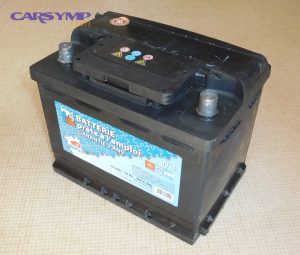
A dead car battery is a 12V starter battery that cannot supply enough current to crank the engine, while a dying battery still starts the car sometimes but shows worsening performance due to reduced capacity, higher internal resistance, or poor connections. To better understand why this matters, you need to link what you feel at the key to what the battery is doing under load.

In practical terms, “dead” is usually an immediate no-start event: the engine won’t turn over, or it turns so weakly it never catches. “Dying” is more dangerous because it creates false confidence—your car starts today, struggles tomorrow, and fails completely when conditions get harder (cold morning, short trip, headlights on, etc.). Drivers experience this as unstable Car Symptoms that seem random, but the pattern becomes obvious when you know what to watch.
A modern vehicle is also more sensitive to voltage drops than older cars. When voltage dips during cranking, control modules may reset, sensor readings can glitch, and you might see a cascade of warnings that look unrelated. That’s why diagnosing battery health is not just about “will it start,” but “how cleanly does it start, and what else misbehaves when voltage sags.”
Is a battery “dead” if the lights still turn on?
No, a battery is not automatically “alive” just because the lights turn on, because headlights and cabin electronics can draw far less current than the starter motor. Next, this is where many drivers get misled—especially when the car won’t start but the dashboard still lights up.
When you switch on headlights, you’re usually drawing a modest load compared to cranking. Starting demands a burst of high current, and a battery can fail that test even if it can still power low-current accessories. This is why Headlights dim and electrical signs are helpful clues, but they aren’t the final verdict by themselves.
What you should notice:
- Bright dash + no crank can still be a weak battery, especially if the lights dim dramatically when you try to start.
- Normal lights + rapid clicking often means voltage collapses the moment the starter solenoid engages.
- Normal lights + single click may point to a connection issue or a starter problem (we’ll compare that later).
What’s the fastest way to tell “weak battery” vs “no fuel/spark” start issues?
A weak battery usually produces slow cranking, clicking, or no cranking, while fuel/spark issues typically produce a normal crank that simply never fires. Then, once you separate “crank problem” from “run problem,” you stop chasing the wrong fix.
A simple rule:
- If the engine cranks strongly but won’t fire, you’re likely outside the battery-symptom zone (fuel, ignition, immobilizer, etc.).
- If the engine cranks slowly, intermittently, or not at all, you’re inside the battery/starting/connection zone.
This matters because many people replace sensors or fuel parts when the real issue is a battery that can’t maintain voltage during cranking—especially after repeated short trips.
What are the most common dead (or dying) battery symptoms?
There are 6 main types of dead battery symptoms—cranking behavior, clicking patterns, lighting changes, accessory weakness, warning indicators, and intermittent starting—based on how the battery performs under increasing electrical load. Specifically, the goal is to map each symptom to a likely cause so you can act instead of guessing.

What does slow cranking (rrr-rrr) usually indicate?
Slow cranking usually indicates the battery is delivering reduced current due to low state of charge, aging-related capacity loss, increased internal resistance, or resistance in cables/terminals. More specifically, slow crank is the classic “dying battery” signal because it often appears days or weeks before a complete failure.
What slow crank commonly means in real life:
- Battery charge is low (short trips, long parking, accessories used with engine off).
- Battery capacity is reduced (age, heat damage, sulfation).
- Resistance is high (corrosion, loose terminals, damaged cable).
Drivers often notice slow crank first on cold mornings because chemical reactions slow down, and the engine requires more effort to turn. This is why Cold weather dead battery behavior is so predictable: the battery’s ability to deliver current drops at the same time the engine needs more of it.
What does rapid clicking mean when you turn the key?
Rapid clicking usually means the starter solenoid is trying to engage but voltage drops too low to keep it engaged, creating a repeating on-off cycle. Next, this connects directly to Clicking vs no sound diagnosis, because the sound pattern is your fastest clue.
Rapid clicking is commonly battery-related, but it can also be caused by:
- Corroded terminals and loose cable symptoms (high resistance creates the same voltage drop effect).
- A weak ground connection.
- A failing battery with a bad cell.
If the clicking speeds up or changes when you turn on headlights or try again, that often supports a low-voltage cause. If you get clicking plus strong, consistent lights that barely dim, you should broaden the diagnosis toward starter/connection issues.
Are dim headlights and flickering interior lights reliable battery symptoms?
Yes, dim or flickering lights are reliable battery symptoms when they change noticeably during starting attempts, because a weak battery cannot maintain voltage under load. However, lights can also dim from charging system problems, so you still need a confirmation step.
Here’s how to interpret lighting:
- Lights dim sharply when you crank → battery voltage collapses under load (battery weak or connections resistive).
- Lights dim while driving, especially at idle with accessories on → alternator/charging suspicion increases.
- Lights brighten with RPM → charging output may be inconsistent.
This is where “symptom stacking” helps: dim lights plus slow crank is more battery-weighted than dim lights alone.
What “weird electrical” symptoms can low voltage cause?
Low voltage can cause 4 common “weird electrical” groups: resets, false warnings, sluggish actuators, and sensor-like glitches—because modules and motors behave badly when voltage drops below operating thresholds. Moreover, these symptoms often show up together, which is why they’re easy to misread as multiple unrelated problems.
Examples drivers report:
- Radio/infotainment rebooting, clock resetting, screens flickering
- Multiple warning lights appearing at once after a hard start
- Power windows moving slower than normal
- Door locks acting inconsistently
- Backup camera or parking sensors intermittently failing
These are classic low-voltage Car Symptoms that often disappear after the battery is charged—until the next voltage dip.
Evidence: According to a study by Technische Universität Berlin from Electrical Energy Storage Technology, in 2023, lead–acid starter batteries tested at −18 °C delivered only about 51–61% of their usable energy compared to 25 °C, showing how cold amplifies weak-battery symptoms.
How do you confirm it’s the battery with quick at-home checks?
Confirming a battery problem is a short sequence of simple checks—visual inspection, connection checks, jump-start behavior, and basic voltage measurements—that tells you whether the battery is weak, the connection is resistive, or the charging system is failing. Then, once you have confirmation, you stop wasting money on the wrong part.

A safe baseline approach:
- Look at terminals and cables (fastest high-probability fix).
- Observe what happens with a jump-start.
- If you have a multimeter, check resting/cranking/running voltage.
- Factor in age and driving pattern.
Can a jump-start confirm the battery is the problem?
Yes, a jump-start can strongly suggest a battery problem because it temporarily supplies the missing current, but you must read the outcome pattern to avoid missing alternator issues. Next, the key is to watch what happens after the engine starts, because Jump-start outcomes that point to alternator issues can look like “just a dead battery” at first.
Interpret common outcomes:
- Starts with jump, then restarts fine later → battery was likely discharged, but may still be healthy.
- Starts with jump, then struggles again soon → battery may be failing to hold charge (capacity loss) or there’s a drain.
- Starts with jump, then dies while running or shortly after disconnecting → charging system suspicion rises (alternator/drive belt/connection).
- Needs frequent jump-starts → battery aging, parasitic drain, or charging fault.
So yes, jump-starting is useful—but only if you treat it as a diagnostic observation, not “problem solved.”
What should you look for at the battery terminals and cables?
You should look for corrosion, looseness, damaged insulation, and weak grounds, because connection resistance can mimic every major dead-battery symptom and can prevent a good battery from doing its job. More specifically, Corroded terminals and loose cable symptoms often include clicking, intermittent starts, and dramatic voltage drops under load.

Quick checks that matter:
- Terminal clamps: should not rotate by hand.
- Corrosion: white/blue/green buildup increases resistance; clean and retighten.
- Ground strap: a poor ground can cause slow crank and electrical glitches.
- Cable condition: swollen insulation, heat damage, fraying near the terminal.
A practical tip: if you see corrosion, treat it as both a symptom and a cause. Corrosion can indicate acid vapor, overcharging, or age, and it can also be the direct reason the starter isn’t getting enough current.
What voltage readings suggest a weak battery vs a charging issue?
Weak batteries tend to show low resting voltage and a big cranking drop, while charging issues show low running voltage (or unstable running voltage) even after the engine is started. However, exact thresholds vary by vehicle and battery type, so treat this as pattern-based triage, not a courtroom verdict.
Use this quick interpretation for Battery voltage readings and what they mean:
- Resting (engine off, after sitting):
- ~12.6V-ish: typically healthy/fully charged (varies by chemistry)
- Low 12s: partially charged
- ~12.0V or below: very low charge or failing battery
- Cranking (while starting):
- A big drop that coincides with slow crank/clicking suggests weakness or resistance.
- Running (engine on):
- Many vehicles charge in the 13–14.5V range; consistently below typical charging range can signal alternator/charging faults.
If you see normal resting voltage but a severe drop during crank, think: internal resistance, connection resistance, or a weak cell. If you see low running voltage after a successful start, think: charging system.
How old is “too old” for a car battery?
A battery is “too old” when its remaining capacity no longer supports reliable starting under your conditions, and for many drivers that risk rises sharply after several years—especially in heat-heavy climates or frequent short-trip driving. In addition, age alone isn’t enough; you want Battery age and capacity test basics to guide your decision.
What age correlates with:
- Heat accelerates aging: under-hood heat drives faster degradation.
- Short trips: less time to recharge after each start.
- Accessory loads: dashcams, alarms, and infotainment standby draw.
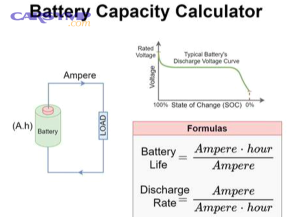
A capacity test (often done at parts stores or shops) matters because a battery can show decent voltage but still have poor capacity. Voltage is like “water pressure,” capacity is like “tank size.” You need both to be strong for consistent starts.
Is it the battery, alternator, or starter—how do you tell?
The battery wins as the likely cause when cranking is weak, the alternator is most likely when the car dies while driving or won’t recharge, and the starter becomes most likely when you have good power but no crank with consistent electrical behavior. Meanwhile, the easiest way to decide is to compare symptom patterns across these three systems.
Before the details, here’s what the table below contains: a quick pattern map that links what you observe (sound, cranking, driving behavior, warning lights) to the most likely culprit so you can narrow diagnosis fast.
| What you observe | Battery more likely | Alternator more likely | Starter more likely |
|---|---|---|---|
| Slow crank / rrr-rrr | ✅ | ⚠️ | ❌ |
| Rapid clicking | ✅ | ⚠️ | ⚠️ |
| Starts with jump, then dies soon | ⚠️ | ✅ | ❌ |
| Battery/charge warning while driving | ⚠️ | ✅ | ❌ |
| Lights bright, single click, no crank | ⚠️ | ❌ | ✅ |
| Repeated dead battery after sitting | ✅ | ❌ | ❌ |
This comparison is important because the wrong replacement is expensive—and frustrating.
If the battery light is on, does that mean the battery is bad?
No, the battery light does not automatically mean the battery is bad; it often indicates a charging system problem, meaning the alternator may not be supplying proper voltage or the charging circuit has a fault. However, a weak battery can also trigger charging-related warnings after hard starts, so you still verify with testing.
Many drivers see the battery icon and assume “replace the battery.” But the light is commonly about the system that charges the battery. If the alternator output is low, the car runs on the battery until it can’t—then it stalls. That’s why a battery light combined with dimming while driving is a higher-risk pattern.
What symptoms point more to the alternator than the battery?
There are 4 symptom groups that point more to alternator trouble: dying while driving, persistent low charging voltage, increasing electrical failures under load, and battery light behavior that appears during driving rather than only at start. More importantly, these are the patterns behind Jump-start outcomes that point to alternator issues.
Alternator-weighted clues:
- The engine stalls while driving, then won’t restart without a jump.
- The car starts after a jump, but the battery keeps going flat even after longer drives.
- Electronics behave worse as you add load (blower motor, headlights, rear defrost).
- Charging voltage stays abnormally low or fluctuates (when measured).
Firestone notes alternators typically operate around 13–14.5 volts, and deviations can accompany warning lights and driveability issues.
What symptoms point more to the starter than the battery?
There are 3 symptom groups that point more to the starter: a single loud click with strong electrical power, intermittent no-crank with normal battery behavior, and no response from the starter circuit despite stable voltage. On the other hand, you need to keep Dead battery vs bad starter symptoms distinct because the sound patterns can overlap.
Starter-weighted clues:
- One solid click (not rapid clicking) and the engine doesn’t turn, while lights stay bright.
- Battery tests good and voltage holds, but the starter intermittently fails to engage.
- You hear nothing and get no crank, but the rest of the car behaves normally—suggesting an ignition switch/relay/starter control issue (vehicle-dependent).
If you’re stuck in Clicking vs no sound diagnosis, remember: rapid clicking usually points to voltage collapse (battery/connection), while a single click with steady lights can point to the starter or a stuck solenoid.
What should you do next if you have dead battery symptoms?
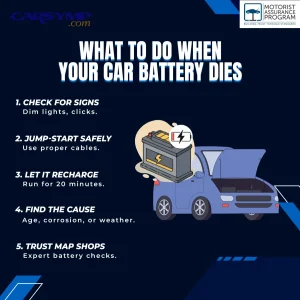
If you have dead battery symptoms, the best next move is to stabilize the situation (start safely), confirm the cause (battery vs connection vs charging), and choose the lowest-risk fix (clean/repair/test/replace)—so you don’t repeat the failure tomorrow. Thus, the right response depends on how severe and how repeatable the symptoms are.

This is where many drivers benefit from thinking in tiers:
- Tier 1 (simple): discharged battery from leaving lights on or short trips.
- Tier 2 (common): aging battery or corroded/loose terminals.
- Tier 3 (serious): alternator/charging system fault or repeated parasitic drain.
Should you keep driving if you suspect a failing battery?
No, you should not keep driving on a clearly failing battery when symptoms include repeated no-starts, major electrical glitches, or any sign of charging failure, because you risk getting stranded and you can stress the charging system and electronics. Next, this decision becomes clearer when you separate “weak battery” from “charging failure.”
When it’s usually okay to drive short-term:
- The car starts normally after charging and you have no battery light, no dimming while driving, and no repeat failures.
When you should stop and diagnose immediately:
- Battery light comes on during driving.
- Dimming gets worse as you drive.
- The car stalls, or you need jumps repeatedly.
When is replacement the smarter move than repeated jump-starts?
Replacement is the smarter move when the battery fails capacity testing, is beyond its reliable service window for your conditions, shows recurring low-voltage events, or cannot hold charge after proper charging—because repeated jump-starts treat the symptom, not the cause. In short, “it starts with a jump” is not the same as “it’s healthy.”
A practical replacement decision rule:
- If you’ve had multiple dead events in a short period and you’ve already addressed terminal corrosion and confirmed charging voltage, replacement often saves time and risk.
- If the battery is older and you’re seeing slow crank plus electrical instability, replacement is typically more rational than repeated rescues.
This also ties into What to do after a dead battery event: once you’re running again, your goal is to prevent the next failure, not just get home.
What mistakes can damage the car during jump-starting?
Jump-start mistakes can damage the car because reverse polarity, poor connection order, and sparks near the battery can cause electrical spikes, blown fuses, or battery venting. Especially, safety and procedure matter more than speed.
Avoid these common errors:
- Connecting cables to the wrong polarity.
- Making the final connection directly on the battery near potential venting gas (use a recommended ground point when possible).
- Revving aggressively immediately after starting instead of letting the system stabilize.
- Disconnecting cables carelessly while the vehicles are still under load.
If the vehicle starts but runs rough, throws warnings, or dies shortly after, do not assume it’s “just the battery.” That pattern belongs in your alternator/charging checks.
Now that you can recognize the core symptoms and confirm whether the battery is at fault, the next section expands into less common (but important) scenarios—like drains that kill a healthy battery overnight and safety warning signs that many symptom lists miss.
What uncommon battery-related issues can mimic or worsen dead battery symptoms?
There are 4 uncommon but high-impact issues that can mimic or worsen dead battery symptoms—parasitic drain, temperature-driven performance collapse, battery safety failures, and battery-type/system mismatches—based on whether the battery is being drained, limited, or physically compromised. Moreover, these are the reasons people say, “I replaced the battery and the problem came back.”

Can a parasitic drain cause “dead battery symptoms” overnight?
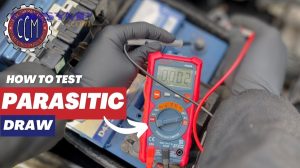
Yes, a parasitic drain can cause dead battery symptoms overnight because an abnormal key-off current draw slowly discharges the battery while the vehicle sits, often making a healthy battery appear “bad.” Next, this is exactly When a dead battery indicates parasitic drain—when the failure pattern depends on sitting time, not driving time.
Common parasitic drain patterns:
- Battery is fine after a long drive, but dead the next morning.
- Battery dies faster when certain accessories are used (aftermarket stereo, dashcam).
- The problem disappears briefly after replacing the battery, then returns.
Normal vehicles do have key-off draw (memory, alarm, modules). But when draw is excessive, the battery never gets back to full charge between drives.
How do hot and cold temperatures change battery symptoms?
Cold temperatures mainly reduce available starting power and increase cranking demand, while hot temperatures mainly accelerate battery aging and can reduce long-term capacity—so cold triggers failure events and heat “sets up” earlier failure. To illustrate, temperature effects explain why symptoms seem seasonal.
Cold-weather symptom amplification:
- Slow crank appears sooner.
- Clicking becomes more common.
- A marginal battery fails completely.
Heat-weather long-term damage:
- Battery ages faster.
- Capacity declines sooner over its lifespan.
- Failures can show up later when cold returns.
This is why drivers often replace batteries in winter even though the damage was “done” during summer.
What are the danger signs (swollen case or sulfur smell) and what should you do?
Swollen battery cases or a sulfur/“rotten egg” smell are danger signs because they can indicate overheating, overcharging, internal failure, or venting gas—conditions that require immediate caution and professional handling. More importantly, these are not “drive it and see” symptoms.
What to do:
- Stop handling the battery if you see severe swelling or smell strong sulfur.
- Ventilate the area and avoid sparks.
- Arrange inspection/service rather than repeated jump-start attempts.
These situations are rare, but they’re high-risk—and they’re frequently missed in short symptom lists.
Do AGM or start-stop vehicles show different low-voltage symptoms?
Yes, AGM and start-stop vehicles can show different low-voltage symptoms because they are more sensitive to battery condition and often require the correct battery type and registration procedures; the wrong replacement can cause persistent low-voltage behavior. However, the core symptom categories stay similar—starting weakness plus electrical instability.
If your vehicle is designed for AGM or enhanced flooded batteries (EFB), installing the wrong type can lead to:
- Shorter battery life
- Start-stop malfunctions
- More frequent low-voltage warnings
- Poor recharge behavior
So if symptoms persist after replacement, confirm the battery type matches the vehicle requirements before assuming the alternator is failing.
Evidence (if any)
According to a study by Technische Universität Berlin from Electrical Energy Storage Technology, in 2023, lead–acid starter batteries tested at −18 °C delivered only about 51–61% of their usable energy compared to 25 °C, demonstrating how cold can magnify dead battery symptoms like slow crank and clicking.