


Dim headlights plus other electrical oddities usually mean your car’s electrical system is struggling to maintain stable voltage, and that can quickly turn from “annoying” into “unsafe.” In most cases, the smartest move is to reduce electrical load, avoid night driving, and confirm whether the battery, alternator, or main connections are failing before you get stranded.
Next, it helps to translate the symptoms into plain terms: dimming lights often point to low system voltage or high resistance somewhere in the charging path—not just “old bulbs.” That distinction matters because low voltage affects everything from ignition to fuel delivery to control modules.
Then, you can narrow down likely causes by grouping them: battery weakness, alternator undercharging/overcharging, corroded terminals or bad grounds, and (less often) wiring/fuse/relay or module issues. Each one produces a slightly different pattern of electrical signs if you know what to look for.
Introduce a new idea: you don’t need a full shop setup to diagnose this—just a clear symptom checklist, a basic multimeter, and a simple testing order that prevents guesswork.
Is it safe to drive when your headlights are dim and you’re seeing other electrical warning signs?
No—dim headlights with electrical warning signs is not safe to keep driving because visibility drops, the vehicle may stall if voltage collapses, and overheated connections can create sudden failures or smoke in severe cases.
Next, the safest approach is to treat this like a “charging system instability” problem until proven otherwise.
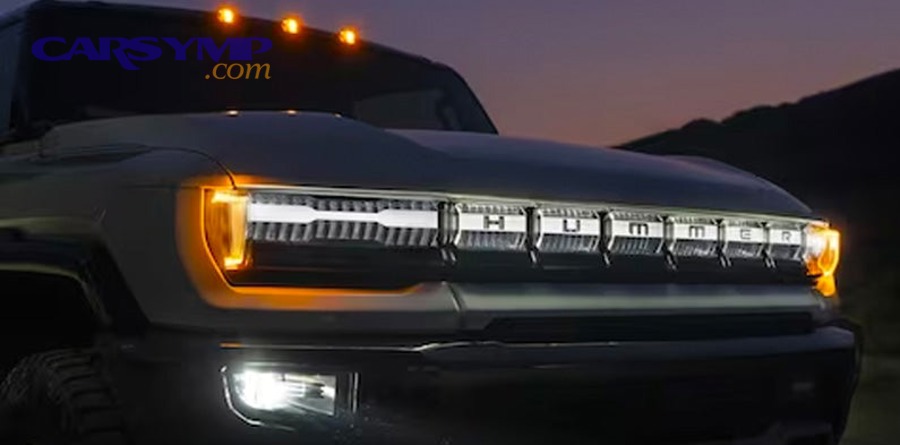
Should you stop driving immediately when dim headlights appear with other electrical warnings?
Yes—if the headlights noticeably fade, multiple dash lights flicker, or power steering/brake assist behavior changes, you should get off the road as soon as it’s safe. A charging failure can drop voltage fast, and modern cars can start shutting down non-essential systems to survive. If you’re already at night or in bad weather, dim lights become a direct safety hazard.
Is it safe to drive to a shop if the car still starts and runs normally?
Sometimes—but only short, low-risk driving is reasonable if symptoms are mild and stable: for example, the car starts normally, lights are only slightly dim at idle, and the battery/charging warning isn’t on. Keep speed low, avoid highways, and avoid night driving. If the battery light is on, assume you’re running on borrowed time.
Can dim headlights and electrical signs lead to a sudden stall?
Yes. When voltage falls below what ignition, fuel pump control, and key modules need, the engine can stall—especially at idle or when you add load (blower motor, rear defrost, heated seats). A failing alternator or slipping belt can make voltage dip intermittently, which is why some drivers report “it comes and goes.”
What quick safety steps should you take right now?
To reduce risk immediately:
- Turn off non-essential loads (heated seats, rear defrost, high fan speed, extra chargers)
- Switch to the nearest safe, well-lit route (or stop if visibility is compromised)
- If you must move, keep RPM modestly above idle (some alternators charge better off-idle)
- Plan for the possibility of a no-restart scenario
What does “dim headlights + electrical symptoms” usually mean in plain terms?
Dim headlights plus electrical symptoms usually means the electrical system can’t maintain stable voltage under load, either because voltage supply is low (charging/battery) or because resistance is high (bad connections/grounds).
To begin, think of your car like a voltage network: headlights are “honest” because they visibly show voltage drops.
What electrical systems are usually involved when headlights dim?
Most often, the systems involved are:
- Battery (stores energy, supports cranking, buffers voltage dips)
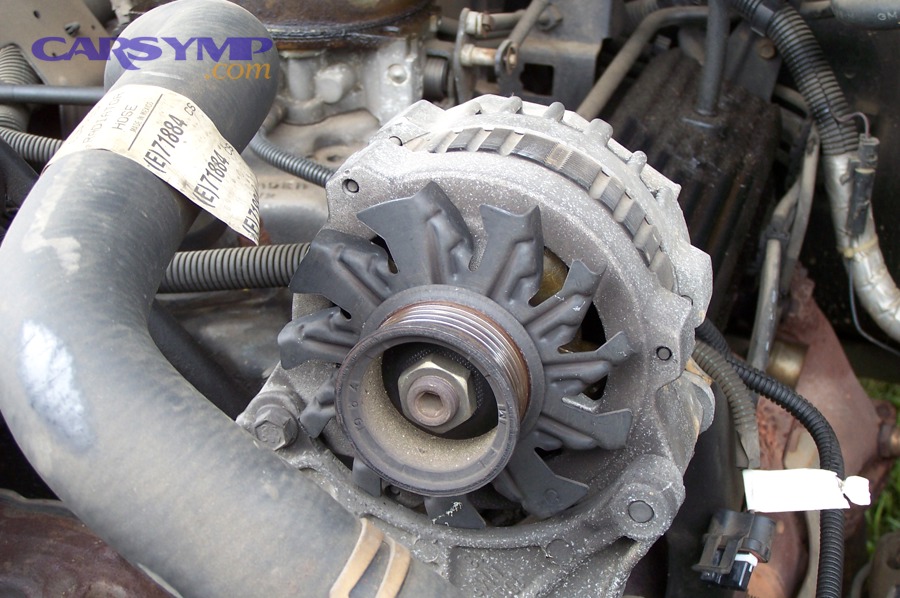
- Alternator + regulator (creates power while running and controls system voltage)
- Main power/ground paths (battery terminals, chassis grounds, engine grounds, main cables)
- Headlight circuit (relay, fuses, wiring, connectors, sometimes BCM-controlled)
When any of these can’t deliver clean voltage, headlights dim—especially at idle or when you add load.
What’s the difference between “dim headlights from bulb wear” and “dim headlights from low system voltage”?
Bulb wear tends to be steady and predictable (always dim, no flicker pattern, no other electrical signs).
Low system voltage tends to be system-wide and dynamic (dimming changes with RPM, flickers with loads, dash lights may pulse, windows slow down, infotainment resets).
A simple clue: if the cabin lights and dash brightness change at the same time as the headlights, think voltage, not bulbs.
Which symptoms count as electrical warning signs?
Common electrical warning signs include:
- Battery/charging light on or flickering
- Dash lights pulsing with engine speed
- Power windows moving slowly
- Blower motor changing speed by itself
- Random warning lights, module resets, radio rebooting
- Intermittent “low voltage” codes
What are the most common causes of dim headlights with electrical warning signs?
There are 5 main causes of dim headlights with electrical warning signs—battery weakness, alternator/regulator faults, high-resistance connections/grounds, belt drive issues, and headlight circuit faults—based on whether the problem is supply-related or resistance-related.
Specifically, you’re trying to decide: “Is the car not making enough power or losing power through bad paths?”
Which battery problems cause dim headlights and other electrical signs?
Battery-related patterns often include:
- Hard starting after sitting
- Voltage sag during cranking
- Symptoms worsen with accessories
- “dead battery symptoms” like slow crank, clicking, or needing frequent jumps
A weak battery can mask an alternator issue because it can’t buffer voltage dips, so everything looks worse at idle.
Which alternator problems cause dim headlights and electrical signs?
Alternator/regulator issues typically show:
- Headlights brighten when revved, dim at idle
- Battery light on (not always—some cars delay it)
- Voltage is too low (undercharging) or too high (overcharging)
- Electrical noise, flicker, or instability under load
Alternator faults can be intermittent: heat, vibration, or internal diode issues can make lights pulse.
How do loose grounds and corroded connections cause voltage loss?
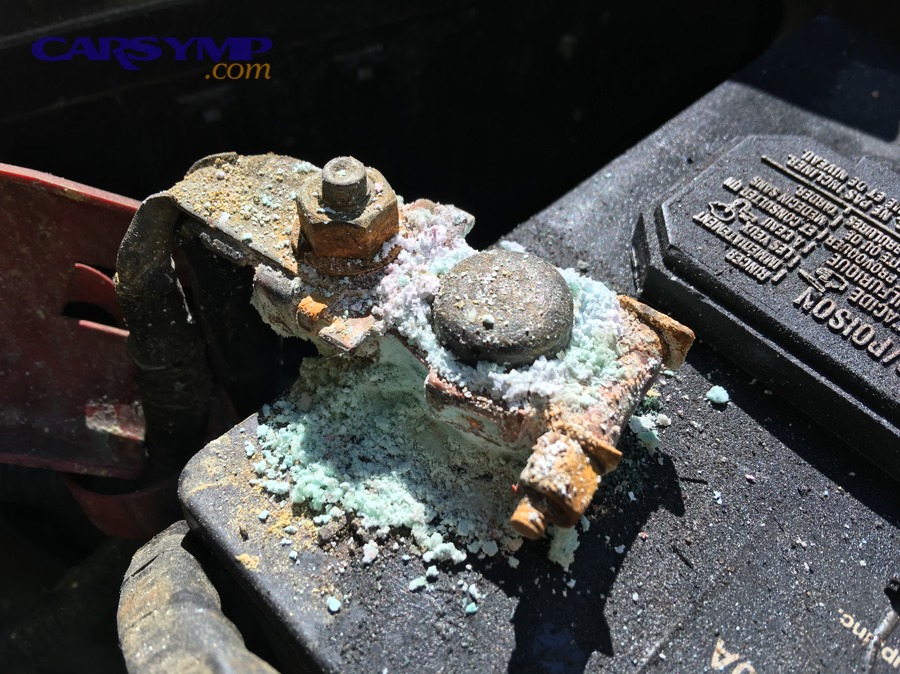
High resistance at a terminal or ground acts like a bottleneck. The alternator may be “fine,” but voltage can’t travel efficiently to loads. Classic signs:
- Dimming when you hit bumps
- Hot or crusty terminals
- Random electronics behavior
- Large differences between voltage at the alternator and voltage at the battery
Can wiring damage or blown fuses cause headlights to dim?
Yes, but it’s usually localized: one headlight dimmer than the other, or a specific beam mode (high/low) acting up. Look for:
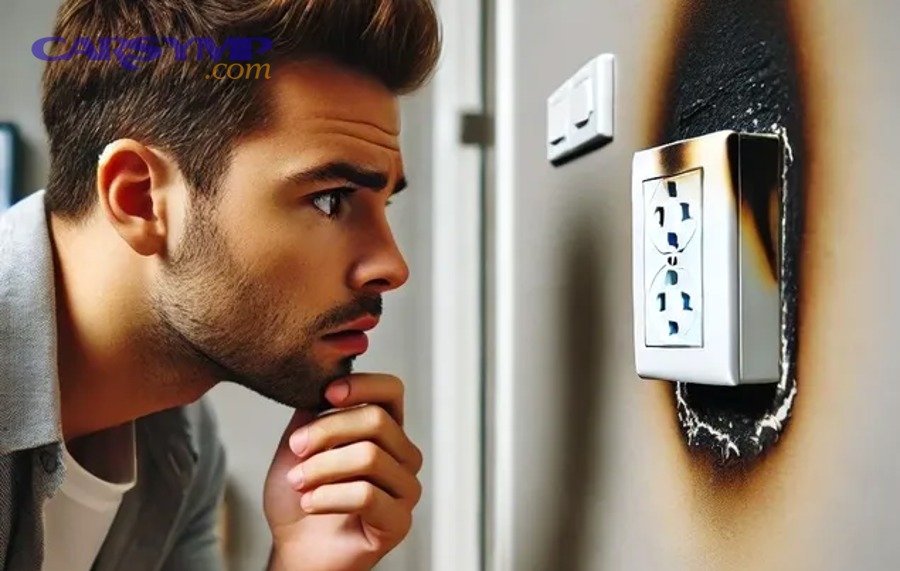
- Melted connectors
- Heat discoloration
- Repeated fuse failure (which signals an underlying fault)
Can modern car electronics (ECU, BCM, CAN) create dim-headlight symptoms?
They can—especially in vehicles with smart charging or BCM-controlled lighting. A module may reduce alternator output for fuel economy, or limit lighting output if it detects overheating. However, when the symptom includes broad electrical instability, start with fundamentals (battery/alternator/grounds) before blaming modules.
How can drivers diagnose the problem step-by-step with minimal tools?
A simple diagnosis uses 4 steps—check battery condition, verify charging voltage, test for voltage drops, and confirm load behavior—so you can identify whether the issue is supply failure or resistance loss.
Then, follow a consistent order so you don’t “replace parts at random.”
What tools do you need to diagnose dim headlights and electrical signs?
Minimum toolkit:
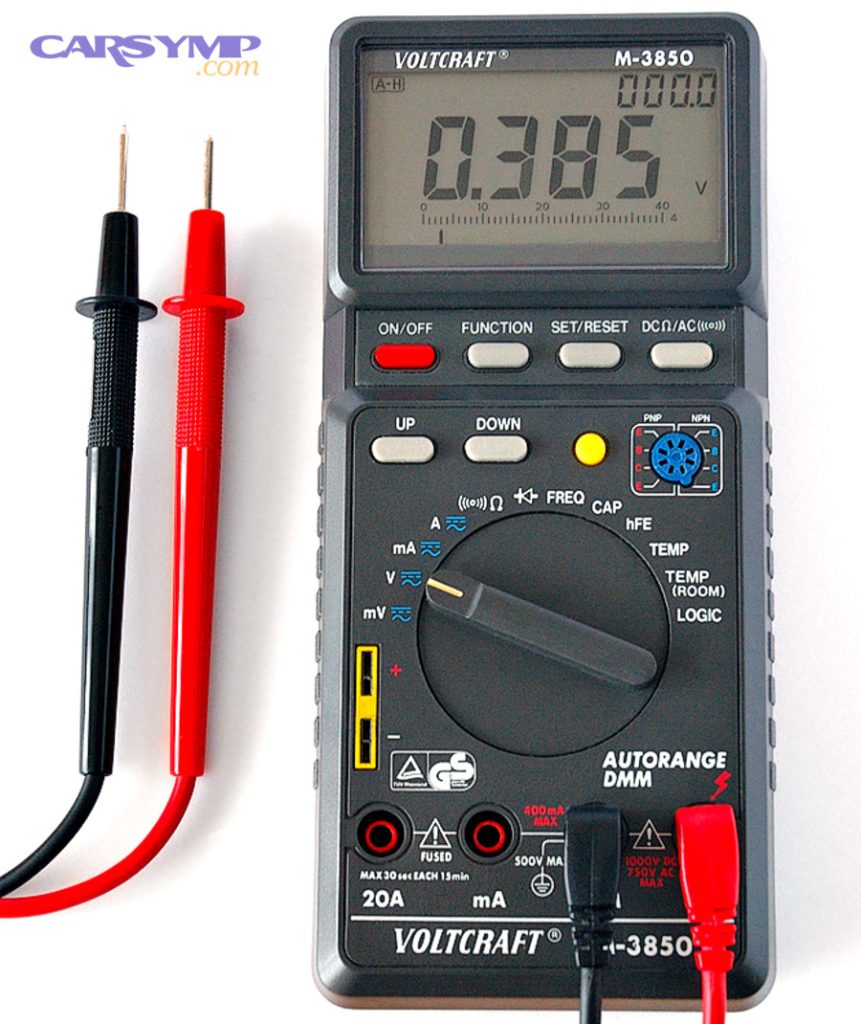
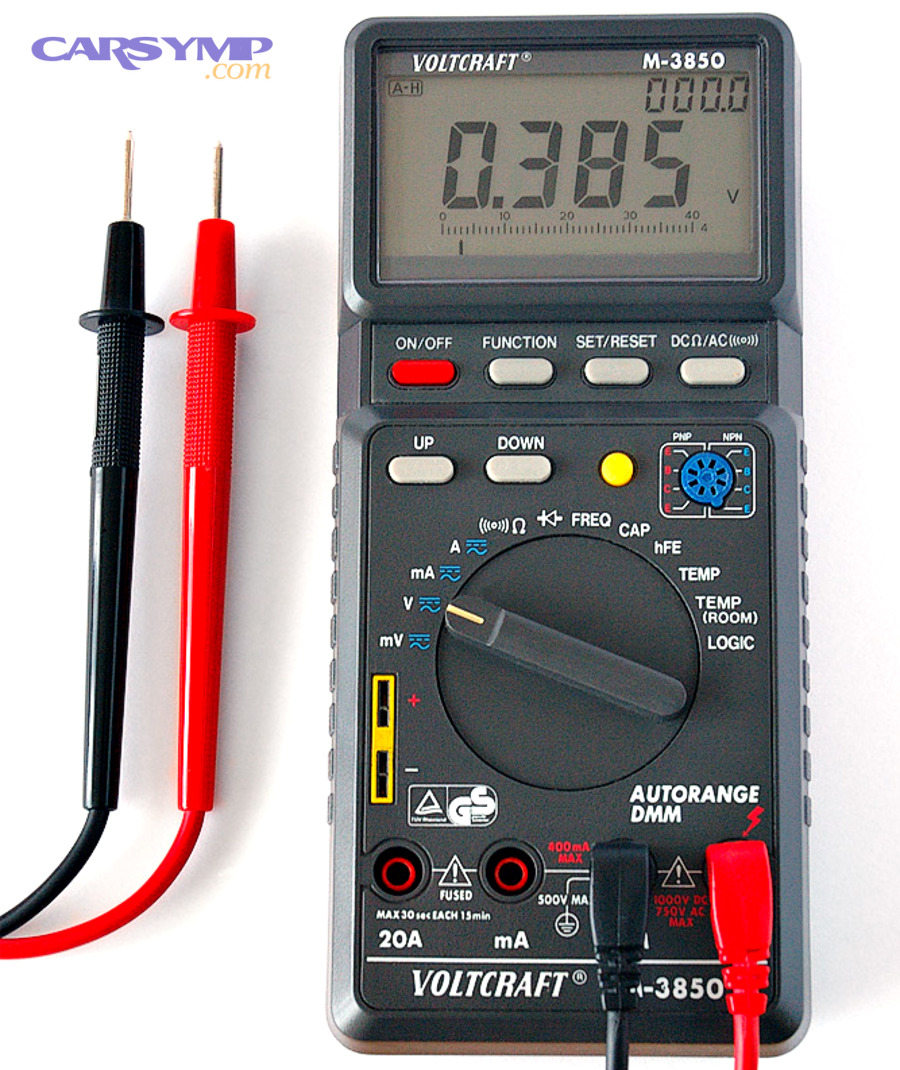
- Digital multimeter
- Basic hand tools (10mm/12mm for terminals)
- Flashlight
- Gloves/eye protection
Optional but useful:
- OBD2 scanner (for voltage/charging codes and live data)
How do you check the battery, alternator, and grounds with a multimeter?
Use a simple baseline approach:
- Engine off (rested): check battery voltage and compare to expected ranges
- Engine running (idle): check charging voltage at the battery
- Engine running (2,000 RPM + loads): watch if voltage stays stable under load
- Compare points: battery posts vs clamps vs alternator output (differences suggest resistance)
This is where Battery voltage readings and what they mean becomes practical: you’re not chasing an “exact number,” you’re looking for a voltage story that matches the symptoms.
How do you read OBD2 codes related to charging and voltage?
If you have a scanner, look for:
- Charging system performance codes
- “System voltage low/high” codes
- Communication faults that cluster with low voltage events
Also check live data for system voltage while turning loads on/off. If voltage collapses when you switch on headlights + blower, the system is failing under demand.
What symptom order helps you narrow down the cause fastest?
A quick narrowing order:
- Does brightness change with RPM? (alternator/regulator/belt suspicion)
- Do you have starting issues? (battery/connection suspicion)
- Is it system-wide or one side only? (system vs headlight circuit)
- Does it change with bumps/steering movement? (loose connection/ground)
Here’s a quick table of what you’re trying to match.
| Symptom pattern | Most likely direction | Quick check |
|---|---|---|
| Dim at idle, brighter when revved | Undercharging / belt slip | Running voltage at idle vs 2,000 RPM |
| Random flicker + electronics reset | Connection/ground or alternator diode noise | Voltage stability + ripple symptoms |
| One headlight dimmer | Local wiring/connector/bulb | Swap bulbs, inspect connector heat |
| Slow crank + dim lights | Battery weak or high resistance | Resting voltage + cranking voltage drop |
How do you diagnose voltage drops in grounds and wiring that cause dim headlights?
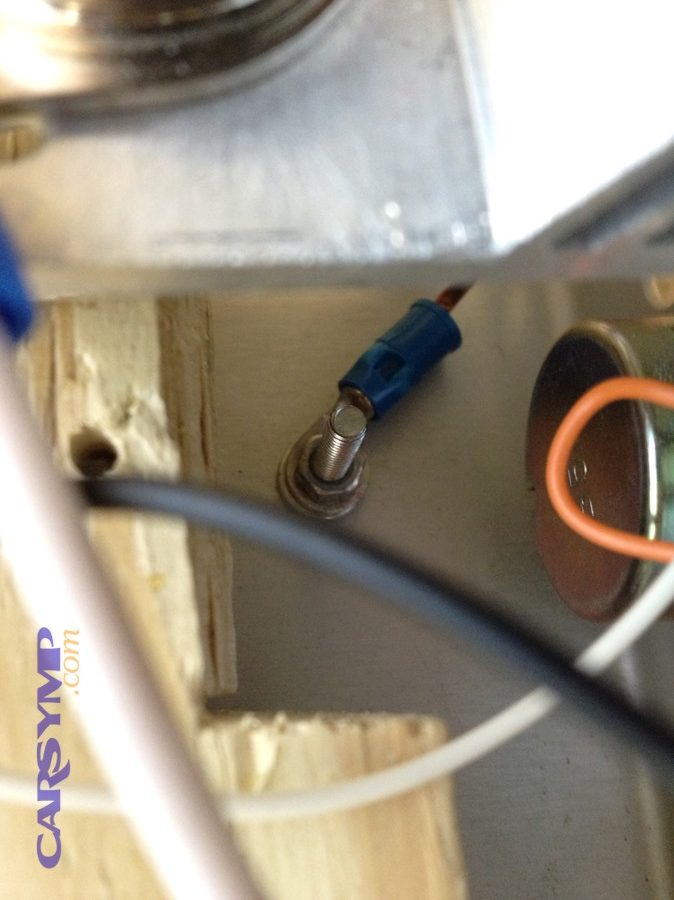
A voltage drop test finds hidden resistance by measuring the voltage “lost” across a cable or connection while current is flowing, which is exactly what causes dim headlights and weird electrical behavior.
More specifically, it’s the fastest way to catch “looks fine but performs badly” connections.
What is a voltage drop test, and why does it find issues a simple voltage check misses?
A normal voltage check can show “12.6V” at the battery and still miss that the headlight circuit only gets “10.9V” under load. Voltage drop testing measures the loss across:
- Battery clamp connection
- Main ground cable
- Positive feed cable
- Headlight relay/connector
This matters because a small resistance becomes a big problem when current rises.
Where should you test for voltage drops in a headlight circuit?
Test under load (headlights ON):
- Battery positive post → headlight positive feed (or fuse output)
- Battery negative post → headlight ground point
- Battery post → battery clamp (to catch terminal corrosion)
- Engine block → chassis ground (to catch ground strap issues)
What voltage drop numbers are “normal” vs “too high”?
As a practical guideline:
- 0.00–0.20V across a connection under load is usually fine
- 0.20–0.50V is suspicious depending on circuit
- >0.50V across a single connection/cable segment is often a problem worth fixing
If you see large drops, that’s your dimming mechanism in real time.
How do you fix a high voltage drop once you find it?
Fix the cause, not the reading:
- Remove corrosion and clean contact surfaces to bare metal
- Tighten to proper clamping force
- Replace damaged cables, overheated connectors, or brittle grounds
- Add dielectric grease only after the metal-to-metal contact is clean and tight
If your car sometimes gives a Clicking vs no sound diagnosis when starting, that’s often the same story: voltage is getting lost before it reaches the starter solenoid, and the headlights dim dramatically because the circuit can’t carry current.
Evidence: According to a study by Stanford University from the Department of Energy Resources Engineering, in 2008, an alternator open diode fault was associated with increased ripple amplitude and changed ripple behavior in the alternator’s DC output, which can contribute to unstable vehicle voltage and flicker-like symptoms.
How do you tell whether it’s the battery or alternator (or both)?
The alternator wins as the likely cause when running voltage is low or unstable, the battery wins when resting/cranking voltage collapses, and “both” is common when a weak battery has been stressed by an undercharging alternator.
However, you want measurements—because symptoms overlap.
What battery voltage readings indicate a weak or failing battery?
For conventional vehicles, a weak-battery pattern often looks like:
- Resting voltage that’s consistently low after sitting
- Big voltage drop during crank
- Needs jump starts, especially in cold weather
- Repeated “dead battery symptoms” even after a verified good charge
The key is not just one reading—it’s how fast voltage falls under load and how slowly it recovers.
What alternator voltage readings indicate undercharging or overcharging?
Alternator/regulator patterns often show:
- Low charging voltage at idle and only modest improvement with RPM (undercharging)
- Voltage that spikes unusually high (overcharging), often with bulb failures or hot battery smell
- Voltage that fluctuates strongly with loads (regulation instability)
How do you load-test the battery and verify alternator output?
Practical at-home approach:
- Turn headlights + blower on while idling and watch voltage
- Rev to ~2,000 RPM and watch if voltage stabilizes
- If voltage falls steadily with the engine running, the alternator isn’t keeping up
- If voltage is okay running but collapses during starting, suspect battery or high resistance
What does it mean when both the battery and alternator test “OK” but headlights are still dim?
Then suspect:
- Voltage drop in wiring/grounds (system voltage is fine, delivery is not)
- Headlight circuit limitation (relay, connector, BCM control)
- Optical issues (clouded lenses, wrong bulbs) mimicking electrical dimming
Evidence: According to a study by the University of Leeds from the School of Mechanical Engineering, in an IEEE Transactions on Vehicular Technology paper, battery state estimation depends on the open-circuit-voltage relationship and can vary with conditions and aging—highlighting why “one voltage snapshot” can be misleading without load context.
What fixes usually solve the issue—and what should you avoid doing?
There are 6 fixes that solve most dim-headlights-with-electrical-signs problems—repair connections, restore grounds, replace failing battery, replace failing alternator/regulator, correct belt issues, and repair overheated wiring—based on whether the root cause is resistance, storage, or generation.
Besides, the biggest mistake is using “temporary hacks” that hide the fault until you’re stranded.
What are the most effective fixes for dim headlights caused by low voltage?
Most effective fixes, in order of “cheap-to-serious”:
- Clean and tighten battery terminals and main grounds
- Repair/replace any heat-damaged connectors in the headlight/charging path
- Replace an aged or load-failing battery
- Replace alternator/regulator if charging is low/unstable
- Fix belt slip/tensioner issues
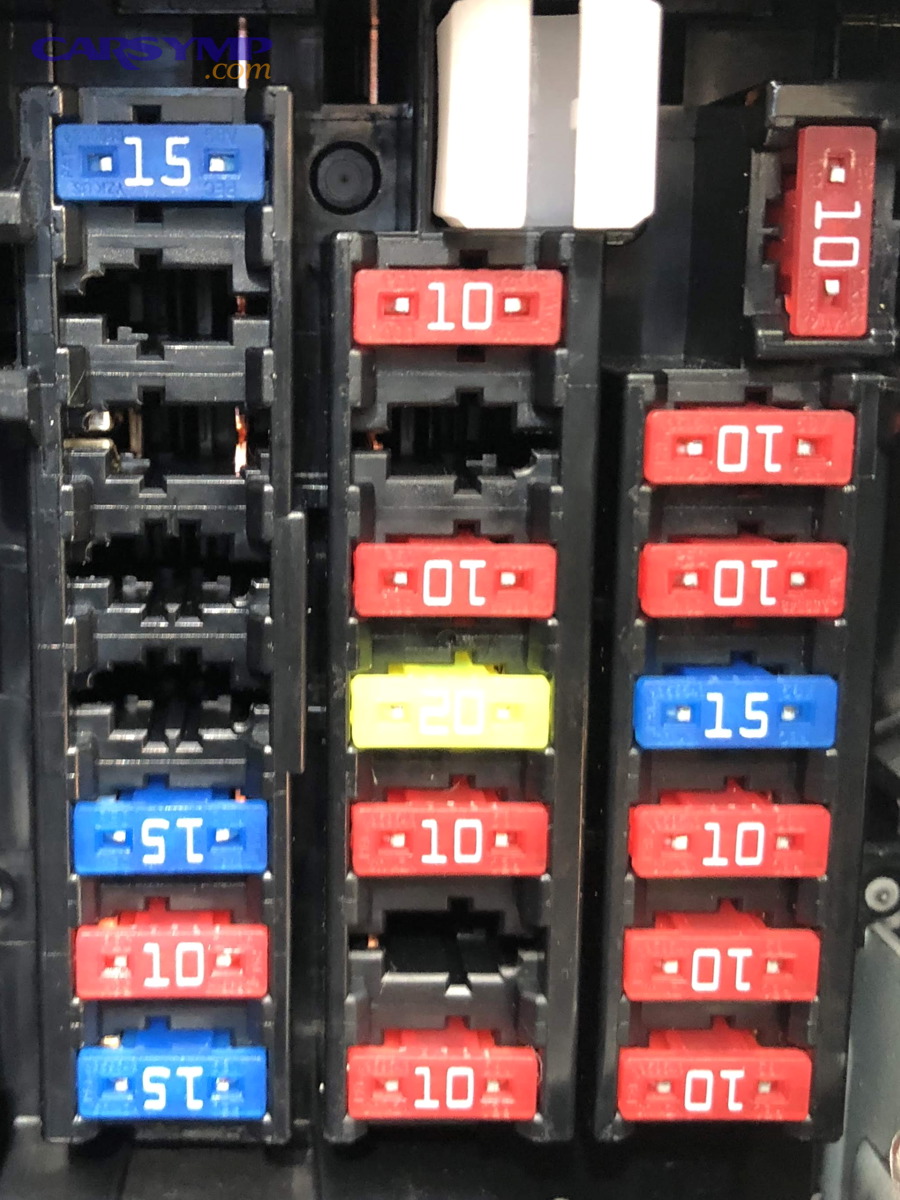
- Repair wiring/fuse/relay problems that limit current delivery
How do you clean and tighten battery terminals and grounds correctly?
Do it like a reliability repair, not a quick wipe:
- Disconnect negative first, then positive
- Clean posts and clamps to bright metal
- Inspect for swollen cables or brittle insulation
- Reinstall positive first, then negative
- Confirm clamps do not rotate by hand after tightening
When should you replace the battery vs the alternator?
Replace the battery when it can’t hold charge, fails load behavior, or repeatedly shows starting sag even after a verified good charge.
Replace the alternator when running voltage is low/unstable or the car loses voltage as loads turn on.
Replace both when the alternator issue has repeatedly depleted/overheated the battery (common in real life).
What DIY “quick fixes” should you avoid?
Avoid:
- “Bigger fuse” swaps (can cause wiring damage or fire risk)
- Bypassing relays without understanding circuit load
- Random “ground strap kits” without confirming the actual drop point
- Ignoring heat at terminals (heat is a warning, not a side effect)
Contextual Border: At this point, you should be able to identify and fix the dominant cause in the majority of cases (battery, alternator, grounds, or a major connection). Next, we’ll expand into less-common scenarios that can mimic the same symptom pattern or behave differently depending on vehicle type and modifications.
What less-common scenarios can cause dim headlights and electrical signs, and how are they different?
There are 4 less-common scenarios—starter overdraw, aftermarket accessory load, optical headlight issues, and hybrid/EV architecture differences—based on whether the dimming is electrical load-driven, delivery-driven, or purely optical.
More importantly, these are the “gotchas” that cause people to replace the alternator when the real issue is elsewhere.
Can a failing starter draw down voltage and make headlights appear dim?
Yes—especially during crank or hot-soak restarts. A dragging starter can pull huge current, making lights dip hard, and sometimes you’ll see classic Clicking vs no sound diagnosis symptoms depending on how voltage collapses and recovers. The difference is that dimming often happens most dramatically during starting rather than continuously while driving.
Can aftermarket accessories cause dim headlights and electrical noise?
Yes. High-draw amps, light bars, inverters, and poorly grounded chargers can:
- Add continuous load beyond alternator capacity at idle
- Introduce bad grounds that create voltage drop and flicker
- Cause unstable voltage if wired incorrectly
A key clue: symptoms began soon after an accessory install, and dimming correlates with accessory use.
Can headlight lens oxidation or bulb mismatch mimic electrical dimming?
Absolutely. Clouded lenses can reduce usable light output even when voltage is fine, and the driver experiences it as “dim.” The difference is that system voltage tests normal, but nighttime visibility still feels poor. Headlight lens weathering and restoration are well documented as visibility-impacting issues.
How do EVs and hybrids differ when headlights dim?
Hybrids and EVs often use different architectures (DC-DC converters, different charging logic, different battery types), so “alternator failure” may not exist in the same way. You still troubleshoot voltage stability and grounds, but you may be looking at converter output, control strategy, or high-voltage-to-12V supply behavior instead of a belt-driven alternator.