


Bleeding order by vehicle type is the fastest way to get a firm pedal without guessing, because different drivetrains and hydraulic “split” designs move trapped air to different places. The correct order removes air efficiently while protecting the master cylinder from over-travel and keeping the ABS system happy.
After that, you’ll learn how to recognize the brake circuit layout (diagonal split vs front/rear split), then match it to a wheel-by-wheel sequence that fits your car, truck, SUV, or performance setup.
Next, you’ll see how to pick a method that matches your tools and risk tolerance—so you don’t create new bubbles while trying to remove old ones.
Finally, Giới thiệu ý mới: we’ll connect vehicle-type order to real-world steps—setup, bleeding technique, and post-checks—so you finish with a consistent pedal and predictable braking.
What does “bleeding order by vehicle type” actually control in the brake system?
It controls where you start and how you progress so air is pushed out of the longest, most bubble-prone paths first, instead of bouncing bubbles around the system. After that, the sequence keeps each circuit stable as you move to the next wheel.
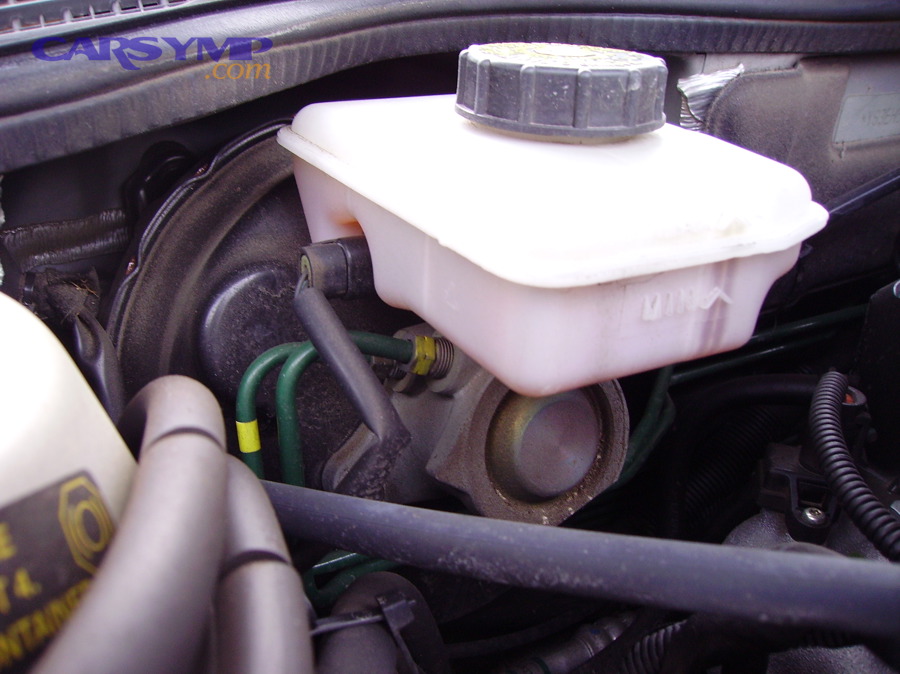
To begin, think of the brake system as two hydraulic circuits leaving the master cylinder, sometimes crossing the car diagonally, sometimes split front-to-rear. Specifically, the “right order” is the one that clears the circuit with the most line length, the most elevation changes, and the most opportunities for air to trap at junctions.
As a practical rule, you’re not only removing air—you’re also controlling fluid direction, pressure spikes, and reservoir level. That’s why many manuals emphasize a particular wheel order even when the car “seems” symmetric.
Next, once you know what the order is protecting, it becomes easier to choose the correct wheel sequence for your exact vehicle layout.
Which wheel do you bleed first on most vehicles, and why is “farthest” sometimes misleading?
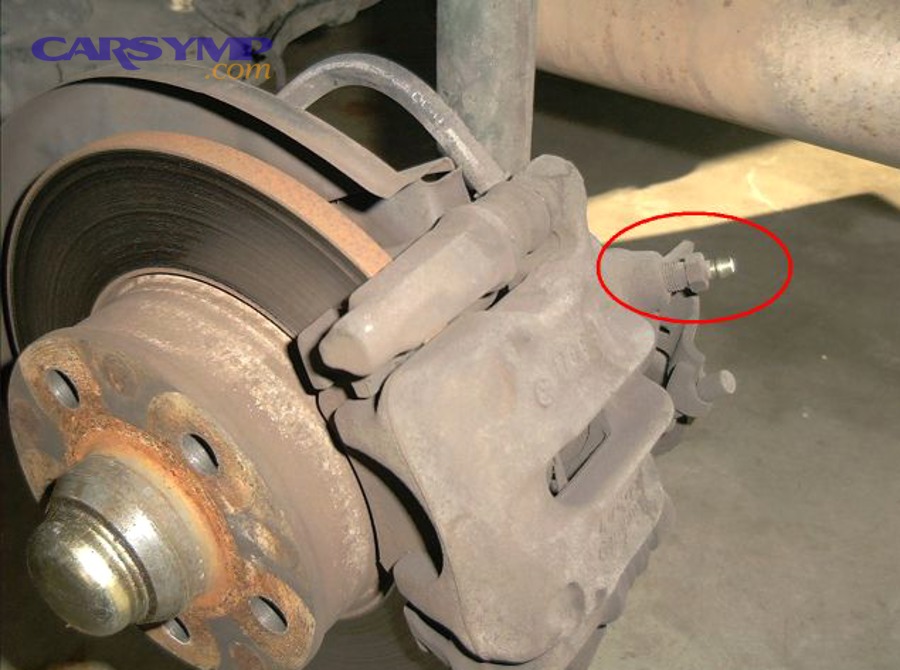
On many vehicles you start with the wheel that is hydraulically farthest in the same circuit, but “farthest” is about brake-line routing and circuit split, not simply the wheel that looks farthest away. After that, you finish the remaining wheel in that circuit before switching circuits.
To begin, remember that brake lines don’t always take the shortest physical route. For example, some cars route lines across the firewall or through a combination valve, then down the body, then back across a rear axle. So the “farthest” corner can be a surprise.
Specifically, you want to reduce the chance that bleeding one wheel draws air from another branch. That’s why many manufacturers prefer you complete one circuit end-to-end, then move to the other circuit.
For DIY work, keep this guiding mindset: bleed brakes in a way that steadily shortens the bubble path, rather than restarting bubble travel every time you switch corners.
Next, the quickest way to avoid mistakes is to identify whether your vehicle is diagonal split (common) or front/rear split (common on some trucks and older designs).
How do you choose an order for front-wheel-drive cars with a diagonal split brake system?
For many front-wheel-drive cars with a diagonal split, you bleed one rear corner and the opposite front corner as a pair, then repeat on the remaining diagonal pair. After that, you recheck pedal feel and do a short second pass if needed.
To begin, diagonal split usually means: one circuit feeds left front + right rear, and the other feeds right front + left rear. That design helps maintain directional stability if one circuit fails, but it also means the “farthest wheel” concept must be applied within each diagonal circuit.
Here’s a reliable DIY sequence approach for diagonal split when you don’t have the exact service manual:
- Option A (circuit-pair approach): Right rear → Left front → Left rear → Right front.
- Option B (rear-first bias): Right rear → Left rear → Left front → Right front (only if you confirm front/rear split—not diagonal).
Specifically, the safest default for diagonal split is rear corner first on the diagonal you start with, because rear lines often have longer routing and more elevation changes. Then you move to the paired front corner on that same circuit to finish it cleanly.
Next, once you understand diagonal split, you can adapt the same logic to rear-wheel-drive platforms where line routing and rear axle hardware change the “bubble traps.”
What bleeding order works best for rear-wheel-drive trucks and body-on-frame vehicles?
For many rear-wheel-drive trucks and body-on-frame SUVs, a common best-practice order is right rear → left rear → right front → left front, because the rear circuit often has the longest runs and additional junctions. After that, a quick second pass on the rears can stabilize pedal feel.
To begin, trucks frequently have longer rear lines (frame rail routing), more fittings, and sometimes a load-sensing valve or proportioning hardware that can hold tiny bubbles. Those features make the rear axle a frequent “last bubble” location.
Specifically, if your truck has rear drum brakes, the wheel cylinders and the adjuster condition can influence pedal feel. A perfectly bled system can still feel soft if the rear shoes are out of adjustment, so pair bleeding with a basic rear adjustment check where applicable.
Also, if you replaced a rear caliper or opened the rear line, consider doing an extra mini-cycle on the rears at the end: a few short bleeds to confirm no microbubbles are still collecting at the high points.
Next, when AWD and stability-control systems are added, the hardware and control logic can change what “complete bleeding” really means.
How does all-wheel-drive and stability control change the bleeding strategy?
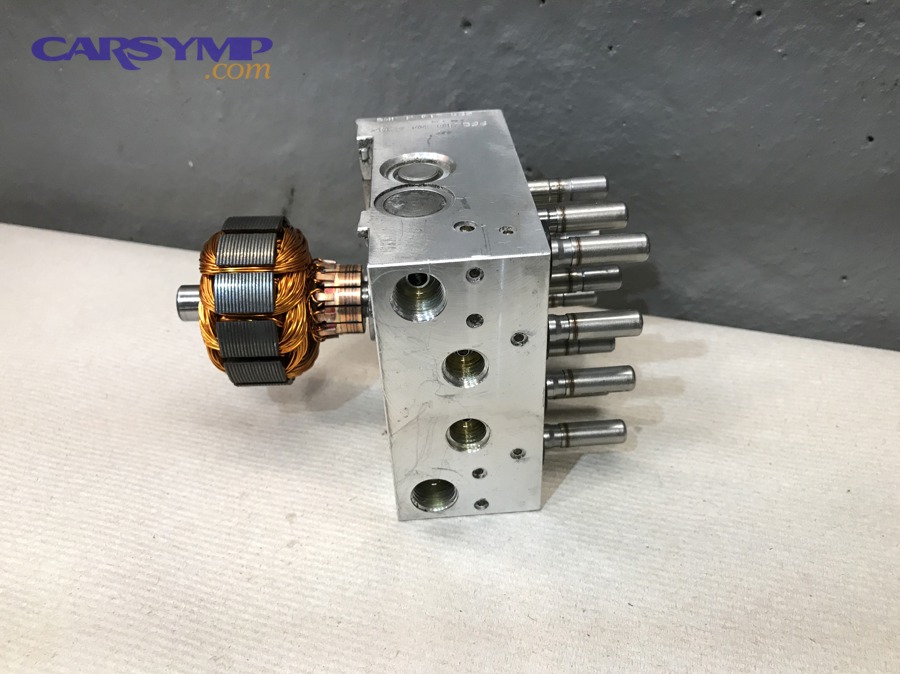
AWD itself doesn’t change hydraulics, but AWD vehicles commonly include stability control and traction features that share an ABS hydraulic unit, which can trap air in internal passages. After that, you may need a procedure that cycles valves to fully clear the system.
To begin, treat “AWD with stability control” as a hint that the brake system may have more internal volume and more valve chambers than a basic setup. That increases the chance that a normal wheel-by-wheel bleed clears the calipers but leaves small bubbles inside the hydraulic control unit.
Specifically, if you did a simple pad or rotor job and never opened the hydraulic system, you often don’t need a special process. But if you replaced a master cylinder, ABS unit, brake lines, or ran the reservoir dry, you should assume bubbles may be sitting upstream of the wheels.
In real-world terms, you can still start with your correct vehicle-type wheel order, but keep a plan for a second stage if the pedal remains inconsistent after you’ve bled all four corners properly.
Next, that second stage is where many DIY jobs succeed or fail—because ABS can require a different step than “just keep bleeding.”
When do ABS-equipped vehicles need a scan tool or special sequence to bleed correctly?
You usually need a special ABS cycling step when air entered the ABS hydraulic unit—such as after replacing the master cylinder, ABS unit, or letting the reservoir run dry. After that, normal corner bleeding is repeated to push the released air out through the calipers.
To begin, understand the phrase ABS brake bleeding requirements as a threshold question: did air get into the modulator/valve block, or is it only in the lines/calipers? If the air is only at the corners, a standard bleed order often fixes it. If air is in the ABS unit, you may need an automated bleed function or a manual cycling procedure specified by the manufacturer.
Specifically, signs you may need ABS cycling include: a stubborn spongy pedal after multiple correct bleed passes, pedal feel that improves then regresses, or a job history that involved opening lines near the ABS unit. Some vehicles also require ignition-on steps, specific valve commands, or a scan-tool “auto bleed” routine.
If you have access to the correct tool, the workflow is typically:
- Bleed all four corners in the correct order for your vehicle type.
- Run the ABS bleed/cycle routine (or the manufacturer’s valve-cycling step).
- Bleed all four corners again, same order, until fluid is bubble-free.
Next, once you know whether ABS cycling is needed, you can choose the best bleeding method so you don’t create foam or pull air past threads.
How do you pick the right bleeding technique without introducing new air?
The best technique is the one that moves steady fluid with minimal turbulence, seals well at the bleeder, and matches your vehicle’s sensitivity to air—especially if ABS is involved. After that, you use consistent strokes/pressure rather than “random pumping.”
To begin, think of this as Brake bleeding methods compared in terms of control:
- Two-person pedal bleeding: Simple and effective, but risks master-cylinder over-travel and can aerate fluid if rushed.
- Vacuum bleeding: Convenient solo method, but can pull air around bleeder threads, creating “false bubbles.”
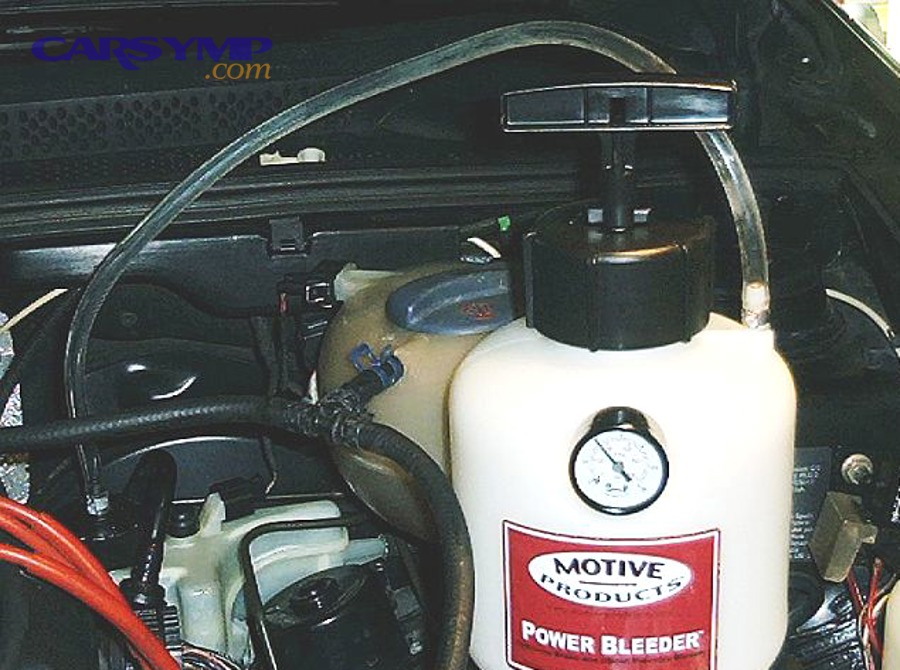
- Pressure bleeding: Often the most consistent for full flushes, especially when you want smooth, continuous flow.
- Gravity bleeding: Low-risk and gentle, but slow and sometimes insufficient if air pockets are stubborn.
Specifically, pressure bleeding tends to shine when you’re flushing old fluid or when you need stable flow through complex lines. Vacuum bleeding is great for quick corner work, but you must seal bleeder threads (or interpret bubbles carefully) so you don’t chase bubbles that are actually coming from thread leakage.
For many DIY drivers, a safe hybrid strategy is: gravity “pre-flow” to start, then pressure or controlled pedal bleeding to finish each corner cleanly.
Next, watching a complete procedure end-to-end helps you keep the flow steady and the reservoir protected.
What step-by-step process prevents air from re-entering while you bleed?
A reliable process is: secure the vehicle, protect the reservoir level, bleed in the correct order, and keep each bleeder cycle consistent. After that, you finish with a pedal check, a leak check, and a short re-bleed if pedal feel is inconsistent.
To begin, set up like a pro so you don’t rush later:
- Use the correct brake fluid spec (DOT rating) and enough quantity for a full bleed/flush.
- Stabilize the vehicle on level ground with jack stands; keep wheels accessible.
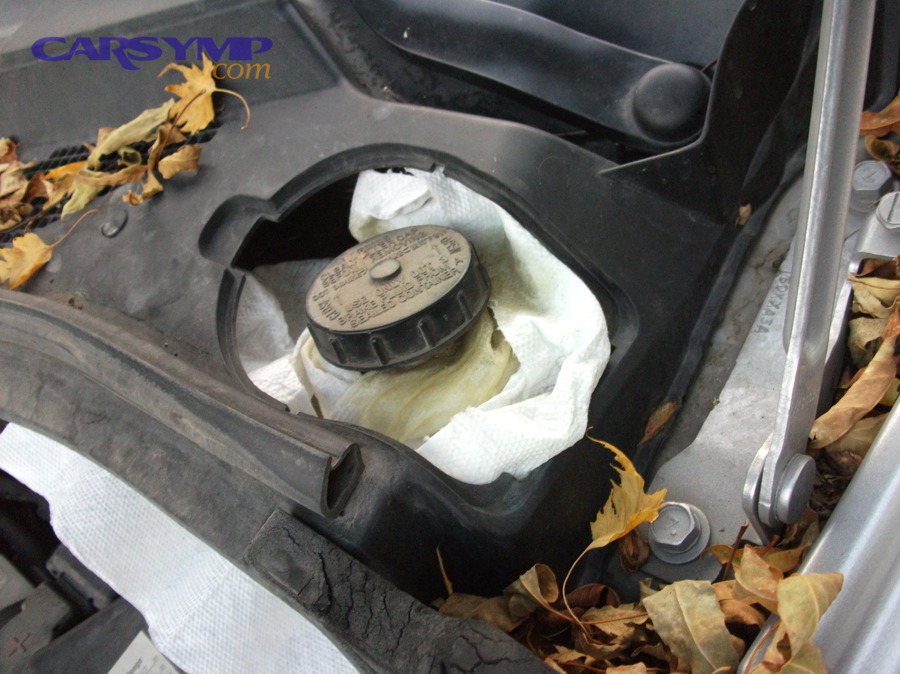
- Clean the reservoir cap area to prevent dirt from entering the system.
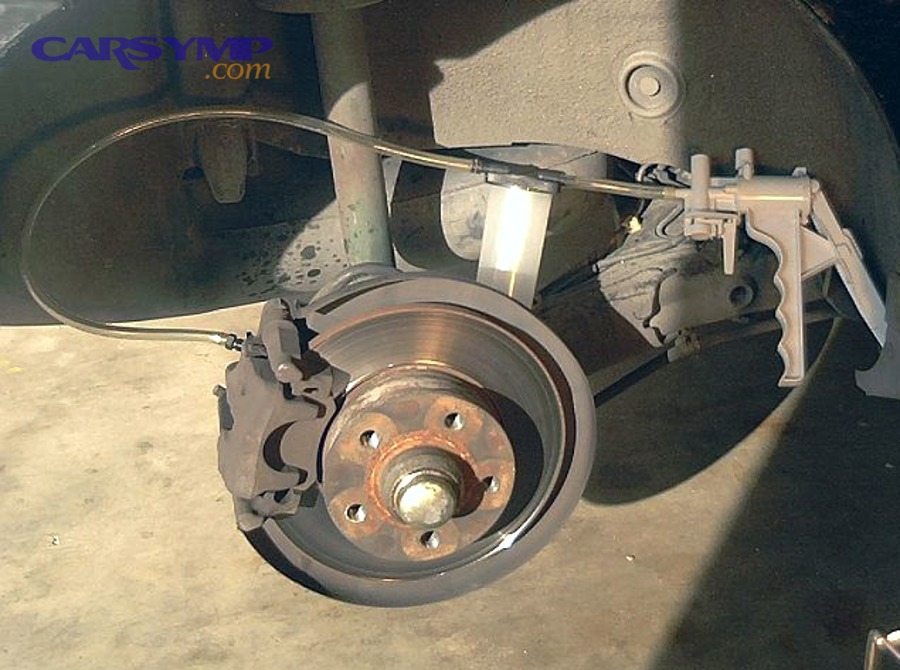
- Use a clear hose and catch bottle to see bubbles and protect the environment.
Specifically, the biggest DIY mistake is letting the reservoir drop low, which pulls air into the master cylinder and potentially into the ABS unit. Keep the fluid level above the minimum line at all times, and top off frequently—small, consistent top-offs beat “one big refill” after you’ve already sucked air.
Then use a consistent bleed cycle per wheel:
- Crack the bleeder slightly, attach the hose, and ensure the hose end is submerged in a little fluid in the bottle.
- Apply pressure (pedal/pressure bleeder) and open the bleeder just enough for smooth flow.
- Close the bleeder before releasing pressure (or before the pedal returns) to avoid backflow.
- Repeat until you see clear fluid and no bubbles for multiple cycles.
Next, even with perfect technique, some pedals stay soft because the problem isn’t “air at the caliper” anymore—so you need a targeted diagnostic approach.
How do you verify the pedal is truly firm, and what do you troubleshoot if it stays spongy?
You verify success by checking for consistent pedal height, minimal pedal travel, and stable feel under steady pressure. After that, if the pedal is still spongy, you isolate whether the issue is air, flex, adjustment, or a component fault.
To begin, use a simple verification routine:
- Engine off: Pump the pedal a few times; it should firm up and stop rising after a couple pumps.
- Steady hold: Press firmly and hold; it should not slowly sink (sinking can indicate a leak or master-cylinder bypass).
- Engine on: The pedal will drop slightly due to brake booster assist, then should feel solid and controllable.
Specifically, if the pedal improves after pumping, that often points to rear drum adjustment or pad knock-back rather than trapped air. If the pedal is consistently soft but not improving, suspect air in a high point, a caliper installed on the wrong side (bleeder not at the highest point), or a bleeding method that’s pulling air around threads.
If you suspect “false bubbles” during vacuum bleeding, try switching to pressure bleeding or pedal bleeding on the same corner to confirm whether bubbles persist. Also confirm each bleeder screw is clean, seats properly, and is not damaged.
Next, once you’ve verified pedal feel, you can add a safety margin by doing a short final pass in the correct order—especially after any ABS cycling step.
What is a safe “final pass” routine that locks in results after a full bleed?
A safe final pass is a short, controlled re-bleed of each wheel in the same vehicle-type order, focused on microbubbles and consistency rather than volume. After that, you do a quick road test in a low-risk area and recheck for seepage.
To begin, do one brief cycle per wheel—just enough to confirm bubble-free flow—while watching the reservoir level closely. This approach catches tiny bubbles that can migrate upward during the first round, especially if the vehicle sat between steps.
Specifically, keep your technique identical on each wheel: same open angle on the bleeder, same pressure level, same number of seconds flowing. Consistency is what turns “pretty good” into “factory-feel.”
Finish with a clean-up routine: wipe bleeders, confirm caps are installed, rinse any spilled fluid with appropriate cleaner (brake fluid damages paint), and torque wheels correctly.
Contextual border: At this point you can bleed most vehicles confidently; next we’ll cover the rare layouts and modern features that can break the usual rules.
Edge cases that can change the “correct” order even within the same vehicle type
How do electronic parking brakes and rear-motor calipers affect bleeding?
They can affect bleeding because some rear calipers must be placed in a service mode or retracted correctly, and a mispositioned piston can mimic a soft pedal. After that, the wheel order remains similar, but your rear-corner preparation becomes more important.
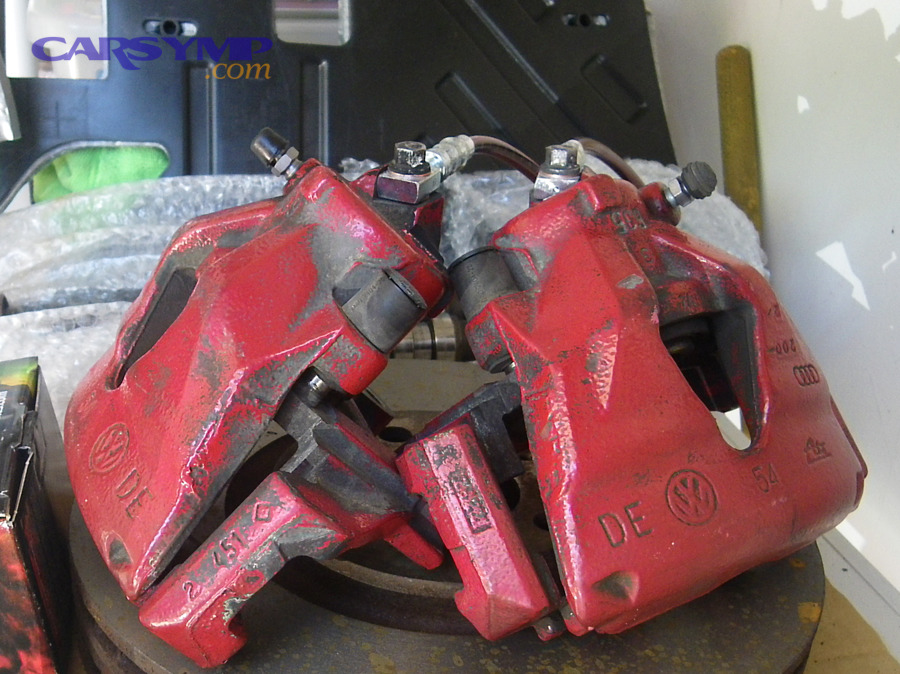
Specifically, if the rear caliper’s bleeder isn’t the highest point due to bracket orientation or caliper design, air can remain trapped even after long bleeding. The fix is correct caliper orientation and proper piston reset, not endless bleeding.
What about motorcycles or linked braking systems?
Linked systems can require a manufacturer-specific sequence because one control can drive multiple calipers or circuits. After that, the “farthest wheel” rule is replaced by the system’s hydraulic map.
Specifically, some linked setups route pressure through proportioning or delay valves that hold air differently than a car. If you treat it like a normal two-circuit car, you may leave air in a valve body even though the caliper looks bubble-free.
How do heavy-duty vehicles with hydroboost or long frame rails change your approach?
They change it by adding more line volume and more junction points, which increases the value of steady-flow methods like pressure bleeding. After that, a longer, calmer bleed often beats aggressive pedal pumping.
Specifically, long frame routing can hide bubbles at high points and clips, so take your time at the rear axle and consider a brief settling period between passes to let bubbles rise and collect.
Is a full fluid flush different from bleeding one corner after a repair?
Yes: a full flush prioritizes continuous clean flow through the entire system, while a corner bleed focuses on removing localized air where the system was opened. After that, your method choice (pressure vs pedal vs vacuum) matters more than your speed.
Specifically, flushing often benefits from pressure bleeding to keep the flow smooth, while a single-corner repair can be handled with careful pedal bleeding—provided you never let the reservoir run low.
Frequently asked questions
Do I always bleed right rear first?
No. Right-rear-first is common on many vehicles, but diagonal-split systems and some manufacturer routings can make a different start point more correct. The safest approach is to match the order to your circuit split and line routing rather than rely on a universal rule.
Why do I still see bubbles with a vacuum bleeder?
Vacuum bleeding can pull air around bleeder threads, creating bubbles that look like trapped system air. If the pedal improves but bubbles persist visually, switch to pressure or pedal bleeding for confirmation, or seal the bleeder threads appropriately so you can interpret bubbles correctly.
How can I tell if my caliper is trapping air because it’s on the wrong side?
If the bleeder screw is not at the highest point of the caliper, air can remain trapped above it. A quick check is visual: the bleeder should sit higher than the brake hose connection when the caliper is installed.
What’s the biggest mistake that makes bleeding take forever?
Letting the reservoir drop low and introducing new air is the most common time-waster. The second biggest mistake is using inconsistent technique—random pumping, opening the bleeder too far, or releasing the pedal with the bleeder open—because it can move bubbles backward.
Should I do a second pass after the first full bleed?
Often yes. A short final pass in the same vehicle-type order is a low-effort way to catch microbubbles and confirm consistency, especially if the system was fully opened or ABS cycling was performed.