


A small EVAP leak and a large (gross) EVAP leak require different diagnostic thinking: large leaks are usually found with fast “obvious opening” checks, while small leaks demand controlled testing and patience so you can pinpoint tiny vapor escapes instead of guessing.
Next, you’ll learn what P0442, P0456, and P0455 actually mean in plain English, how to interpret them like a technician, and how to keep “EVAP leak symptoms and codes explained” tied to what you see in real life—often a check engine light with few other clues.
Then, you’ll follow a step-by-step lane system—one lane for large/gross leaks and one lane for small leaks—so your time goes into the highest-probability checks first, and you only escalate to smoke testing or scan-tool command tests when it makes sense.
Introduce a new idea: the most reliable way to stop repeat codes is to treat diagnosis and confirmation as one workflow, including After repair: clearing codes and monitor readiness, not as a separate “hope it’s fixed” step.
What is an EVAP leak and what do “small,” “large,” and “gross” mean?
An EVAP leak is an unintended opening in the fuel-vapor containment system that lets gasoline vapors escape; “small” and “large/gross” describe leak size severity and how easily the system fails self-tests, not how loud or dramatic it feels.
Next, the key is to connect those words to the physical EVAP layout on your car, because once you know what’s sealed and when it’s supposed to vent, you can predict where leaks hide.
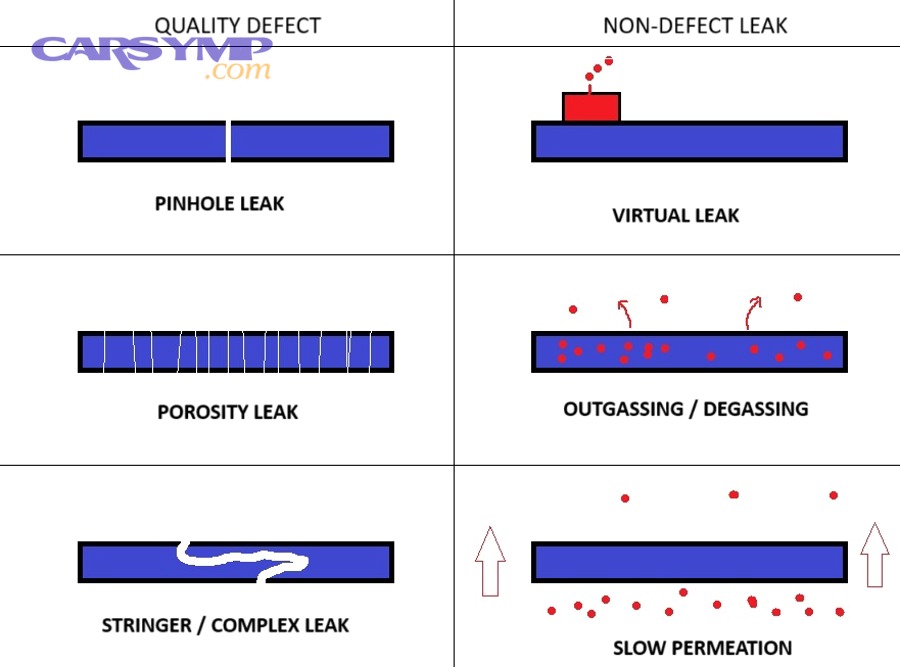
What components make up the EVAP system and where do leaks usually occur?
An EVAP system routes fuel vapors from the tank to a charcoal canister, then purges them into the engine under the right conditions; it also uses valves and sensors to seal and test itself.
To better understand where leaks occur, picture the system in three zones that fail for different reasons:
- Fuel tank & filler zone (most common “human factor” leaks)
- Gas cap seal or cap not tightened
- Capless filler door seal issues
- Filler neck corrosion or damaged mating surface
- Vapor line & connection zone (most common “age factor” leaks)
- Cracked rubber hoses
- Plastic lines with hairline splits near bends
- Loose clamps, missing clips, or rubbed-through spots
- Canister & valve zone (most common “dirt/water factor” leaks)
- Charcoal canister housing cracks
- Vent valve contamination (dust, mud, road salt)
- Purge valve that doesn’t seal when commanded closed
A large/gross leak often comes from an obvious open path (like a disconnected hose). A small leak often comes from a seal that looks fine—until you test it under the same low pressure/vacuum the vehicle uses.
How does a small leak differ from a large/gross leak in detection difficulty and failure patterns?
Small leaks are harder because the opening can be microscopic, intermittent, or located in a place that only leaks under certain temperatures or tank pressures, while large/gross leaks tend to be constant and easier to find with basic inspection.
However, the practical difference isn’t just “hole size”—it’s the probability distribution of causes:
- Large/gross leak pattern
- High likelihood of: loose/missing cap, disconnected line, broken port, vent valve stuck open
- Detection style: visual inspection + quick isolation
- Small leak pattern
- High likelihood of: aging seal, micro-crack, canister seam seep, intermittent hose split
- Detection style: controlled smoke/pressure testing + isolation + re-test
In short, “small” usually means “you must prove it,” not “you must guess harder.”
What do P0442, P0456, and P0455 mean and how should you interpret them?
P0442 and P0456 point to a small leak trend, while P0455 points to a large/gross leak trend; you should interpret them as a direction for your first diagnostic steps, not a guarantee of one specific broken part.
Next, connect each code to the way EVAP monitors work: the car seals the system (closing vent), controls purge flow, and measures whether pressure/vacuum holds within expected limits.
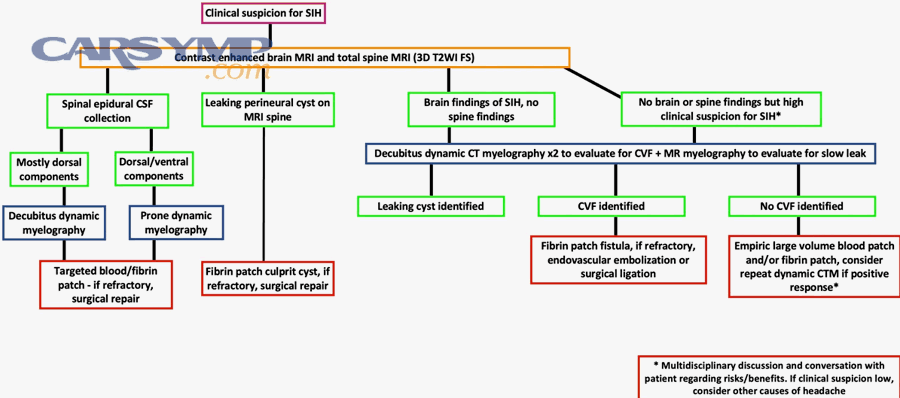
Is a small/large EVAP leak code usually a drivability problem or mainly an emissions problem?
No, an EVAP leak code is usually not a drivability problem, mainly because (1) EVAP is a vapor containment system, (2) many leaks don’t change how the engine runs, and (3) the issue is typically emissions compliance rather than fuel delivery.
However, there are important exceptions you should recognize:
- Fuel vapor smell or refueling issues
- A stuck vent valve or saturated canister can make refueling slow or trigger strong vapor odors.
- Purge valve stuck open
- This can create hard starts after fueling, rough idle, or rich/lean swings because raw vapor is pulled into the intake at the wrong time.
- Secondary symptoms from repeat clearing
- Constantly clearing codes without fixing the leak can mask related faults and delay readiness completion.
So if you have “only a check engine light,” it can still matter—especially if your area requires emissions readiness for inspection.
Which code most often points to an obvious open path like a loose cap or disconnected hose?
There are 3 common “obvious opening” code patterns based on how often they correlate with easy-to-spot faults: P0455 (large/gross leak), then P0442 (small leak), then P0456 (very small leak), with P0455 most frequently linked to missing caps, disconnected lines, or stuck-open vent valves.
Meanwhile, you should treat this as a starting probability, not a rule. A badly cracked hose can trigger P0455, but a marginal gas cap seal might also trigger P0455 if it fails badly on a given test cycle.
To stay efficient, you’ll use the next section to split diagnosis into two lanes—large/gross lane and small lane—so you stop chasing parts.
What is the fastest step-by-step diagnosis approach for small vs large EVAP leaks?
The fastest method is a two-lane workflow with 6 steps—(1) scan and freeze-frame review, (2) cap/filler checks, (3) visual line inspection, (4) valve sealing checks, (5) isolate and smoke-test as needed, (6) confirm monitor readiness—so you find the leak with minimal rework.
Next, you’ll apply that workflow differently depending on whether you’re starting with a large/gross leak code (P0455) or a small leak code (P0442/P0456).
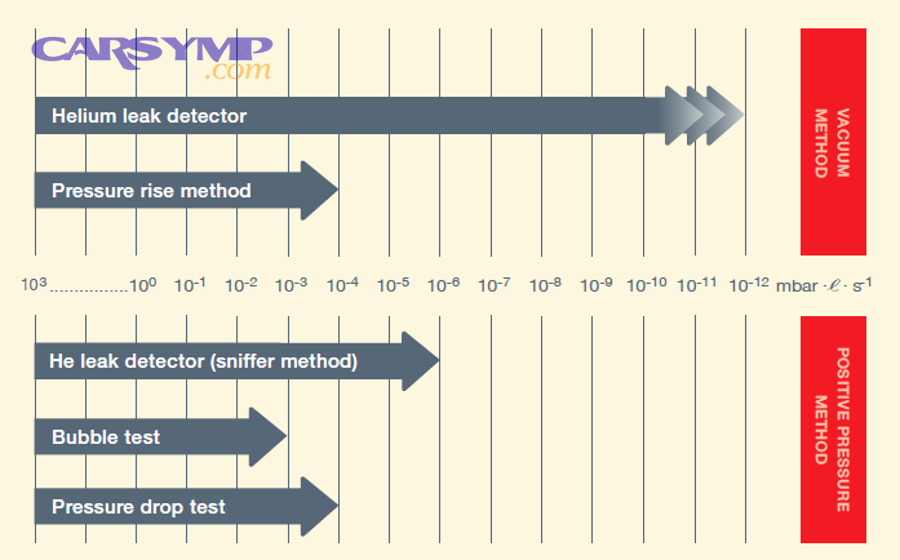
Should you start with the gas cap and filler neck checks before any advanced testing?
Yes, you should start with gas cap and filler neck checks because (1) they are the most common and fastest-to-fix leak points, (2) they require no tools, and (3) they prevent false conclusions before you spend time smoke testing.
Then, do the cap/filler check in a way that actually proves something:
- Inspect the seal surface
- Look for cracks, flattening, swelling, or hardening on the rubber.
- Check the mating surface
- Dirt, rust, dents, or paint damage on the filler neck can prevent sealing.
- Confirm cap behavior
- Tighten until it clicks (if it’s that style).
- If capless: inspect the capless door seal area and ensure no debris prevents closure.
- Avoid “parts cannon” logic
- Don’t replace a cap just because you have an EVAP code; replace it because it fails inspection or testing.
If your large leak code disappears after a proper cap fix, you just saved yourself the entire rest of the workflow.
What is the large/gross leak workflow from visual checks to isolating the leak location?
There are 4 main stages to diagnose a large/gross EVAP leak: obvious opening checks, line integrity inspection, vent sealing confirmation, and quick isolation—because large leaks usually reveal themselves when you look for open paths first.
To better understand the “large/gross lane,” follow this order:
- Obvious opening checks (2–5 minutes)
- Verify cap installed and sealing area intact
- Look for hoses disconnected near the intake, purge valve, or canister
- Check for broken EVAP ports (snapped plastic nipples)
- Line integrity inspection (5–10 minutes)
- Follow vapor lines from tank area forward
- Look for rubbed-through spots near brackets or heat shields
- Vent sealing confirmation (5 minutes)
- A vent valve stuck open prevents sealing for the test and mimics a gross leak
- Dirt/mud intrusion near the canister vent is common on some vehicles
- Quick isolation (as needed)
- If you have access to smoke, large leaks show quickly
- If not, isolate sections with pinch-off tools (carefully) and re-check
A good rule: if your eyes and hands can’t find it, the vent valve and its hoses become prime suspects in the “large leak” lane.
What is the small leak workflow when nothing obvious is visible?
There are 5 main steps to diagnose a small EVAP leak: confirm the code trend, check seal surfaces, verify valve sealing, smoke test under low pressure, and re-test after isolating sections, because tiny leaks require proof, not assumptions.
Specifically, the “small leak lane” looks like this:
- Confirm it’s consistently small
- If you see a flip-flop between P0456 and P0455, you may have an intermittent large opening.
- Re-check cap and filler neck with more rigor
- A seal that “looks okay” can still leak under test conditions.
- Verify purge valve sealing
- A purge valve that doesn’t fully close can mimic a leak by letting vacuum/pressure bleed through the intake path.
- Smoke test correctly
- Use regulated low pressure and allow time for smoke to travel.
- Isolate sections
- Separate tank/canister side from engine bay lines to narrow the leak zone.
This is where most DIY attempts fail—not because smoke testing is impossible, but because the testing discipline is wrong (too much pressure, poor sealing, no isolation).
Which tests and tools are best for finding small EVAP leaks vs large/gross leaks?
There are 6 practical EVAP diagnostic tools—scan tool, visual inspection, smoke machine, hand vacuum pump, pressure/vacuum gauge, and isolation pinch tools—chosen based on whether you’re proving a tiny leak (small) or quickly locating an obvious opening (large/gross).
Next, the goal is to match tool capability to leak behavior, so you don’t do expensive steps too early or cheap steps too late.
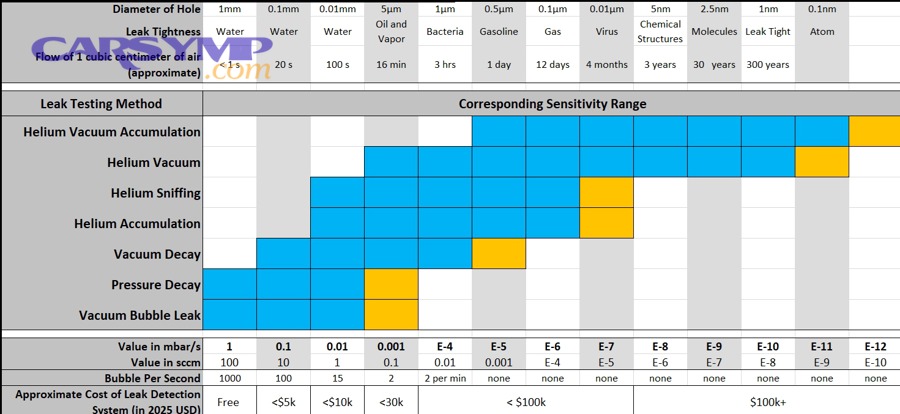
Before the details, here’s a quick comparison table that shows what each tool is best at and what it cannot prove.
| Tool/Test | Best for | Weak at | Small leak value | Large/gross leak value |
|---|---|---|---|---|
| Scan tool (codes + data) | Confirming trend, readiness, command tests | Pinpointing exact leak point | Medium–High | Medium |
| Visual inspection | Finding obvious disconnections/cracks | Micro-leaks | Low–Medium | High |
| Smoke machine (regulated) | Pinpointing leak location | Misused pressure can mislead | High | High |
| Hand vacuum pump | Testing purge/vent sealing | Finding line micro-cracks | Medium | Medium |
| Pressure/vacuum gauge | Confirming system holds | Telling “where” it leaks | Medium | Medium |
| Isolation pinch tools | Narrowing leak zone | Risk of damaging brittle hoses | High | High |
Do you need a smoke machine to diagnose a small EVAP leak reliably?
Yes, you usually need a smoke machine for a small EVAP leak because (1) it provides visual proof of tiny leaks, (2) it allows zone isolation with controlled pressure, and (3) it reduces repeated guess-and-replace cycles that waste time and money.
However, there are two realistic DIY alternatives when smoke isn’t available:
- Cap/valve testing first
- If the purge valve fails a sealing test, fixing it may solve the “small leak” behavior without smoke.
- Professional smoke test as a one-time service
- Paying for one diagnostic smoke test can be cheaper than replacing multiple parts incorrectly.
The key is that a small leak demands location, not just suspicion.
How do you use a smoke test correctly without damaging the system or missing micro-leaks?
A correct smoke test uses regulated low pressure, a fully sealed test setup, and enough time for smoke to reach the leak, because EVAP systems are designed for very low test pressures and micro-leaks can take minutes to reveal themselves.
Then follow these discipline rules:
- Use the correct test port or adapter
- Poor adapters create “new leaks” that are just your tool setup.
- Keep pressure low
- High pressure can unseat hoses or create misleading leak paths.
- Seal the system
- If the vent valve is open, you’ll vent smoke instead of building test pressure.
- Work from big to small
- First confirm smoke is contained, then hunt for faint wisps at seams, caps, and hose ends.
- Isolate sections
- If you smoke the entire system at once, you may not know where to focus.
If smoke pours out of the vent filter area, your vent valve or vent path may be stuck open—solve sealing first before hunting micro-leaks.
According to a study by University of Tennessee, Knoxville from the Department of Civil and Environmental Engineering, in 2018, modeling work highlighted how ambient conditions and fuel system vapor behavior strongly influence evaporative vapor emissions dynamics, reinforcing why consistent test conditions matter when diagnosing small leaks.
How can a scan tool and purge/vent command tests narrow down the fault before smoke testing?
Scan-tool command tests narrow the fault by verifying whether the purge valve seals, whether the vent valve closes, and whether the system can hold pressure/vacuum, because a system that cannot seal will never produce a meaningful small-leak test result.
More specifically, use this decision logic:
- If vent commanded closed but system won’t seal
- Suspect vent valve stuck open, vent hose disconnected, canister housing crack.
- If purge commanded closed but system still bleeds
- Suspect purge valve leaking through to intake, or a line path allowing bleed-down.
- If system seals but fails small-leak holding
- Suspect cap seal, filler neck surface, micro-crack in line, canister seam, or sensor grommet seep.
This is the “diagnose before you smoke” step that prevents you from smoke-testing a system that isn’t even sealed.
What are the most common causes of small leaks vs large/gross leaks?
There are 2 main cause groups—seal/opening faults and component/line faults—and small leaks usually come from aging seals and micro-cracks, while large/gross leaks usually come from open paths like disconnected hoses, missing caps, or stuck-open vent valves.
Next, you’ll use “most likely first” ordering so your EVAP system repair starts with the simplest high-probability items, then escalates to the harder low-probability ones.
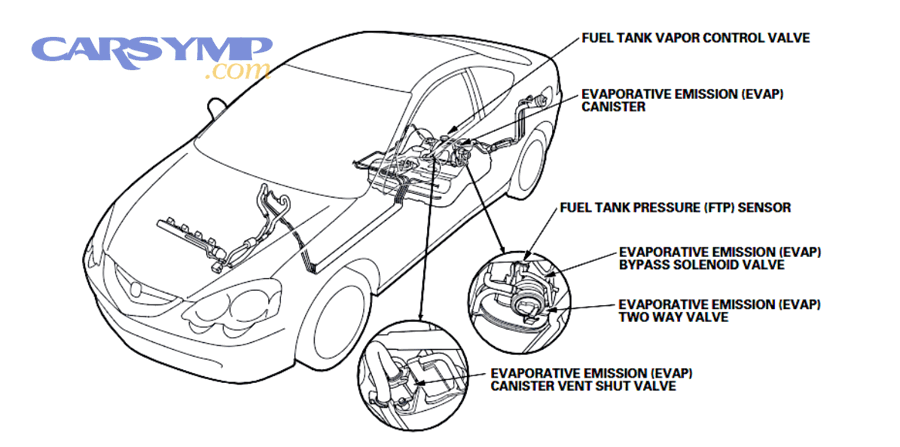
Which causes most often trigger small leak codes (P0442/P0456) versus large/gross leak codes (P0455)?
Small leak codes (P0442/P0456) are most often triggered by marginal sealing or micro-leaks, while large/gross leak codes (P0455) are most often triggered by obvious openings or failed sealing control.
However, a realistic “cause probability” view helps you diagnose faster:
Most common small leak triggers
- Slightly worn gas cap seal that passes casual inspection
- Filler neck surface imperfections (rust ring, debris, minor dent)
- Hairline crack near a hose end or plastic line bend
- Canister seam seep or grommet seep
- Purge valve not sealing fully (bleed-through)
Most common large/gross leak triggers
- Loose/missing cap or cap not tightened until it clicks
- Disconnected vapor line (often near engine bay service area)
- Broken EVAP port or snapped plastic nipple
- Vent valve stuck open or vent hose disconnected at canister
- Major split hose near tank/canister area
On the other hand, intermittent faults can blur the line. A hose that opens under heat can look like a “small leak” one day and a “gross leak” the next.
What quick checks can confirm a purge valve or vent valve issue without replacing parts blindly?
Yes, you can confirm purge/vent valve issues quickly without blind replacement because (1) both valves have clear “seal vs not seal” behavior, (2) basic tools can verify that behavior, and (3) test results directly explain why the system cannot pass its self-test.
Then run quick checks that actually prove function:
- Purge valve quick checks
- With valve commanded closed, it should not allow flow through the intake side.
- A hand vacuum test can reveal bleed-down that shouldn’t occur.
- If you get refueling-related hard starts or rich fuel smell, purge leakage becomes more likely.
- Vent valve quick checks
- A vent valve should close to seal the system during EVAP tests.
- Dirt/water intrusion near the canister vent can prevent closure.
- If you see smoke exiting the vent path immediately during a smoke test, sealing control is suspect.
In short, you’re trying to answer one question: “Can the system seal when the car wants it sealed?” If the answer is no, you fix sealing control before chasing micro-leaks.
How do you confirm the repair and prevent the code from coming back?
You confirm an EVAP fix by verifying the system seals, re-testing under controlled conditions, and ensuring the EVAP readiness monitor completes, because the real goal is not “no light today,” but “no failure on the next self-test.”
Next, treat confirmation as part of the repair workflow—especially After repair: clearing codes and monitor readiness—so you don’t mistake a temporary reset for a real fix.

Should you clear the code immediately after repair or verify the leak first?
No, you should not clear the code immediately in every case because (1) stored freeze-frame data can guide your verification, (2) clearing resets readiness monitors, and (3) a quick re-test before clearing can prove the repair without forcing a long drive cycle.
However, there are smart times to clear:
- Clear after you’ve proven sealing
- If smoke testing shows no leaks and valve sealing is confirmed, clearing makes sense.
- Clear when you need a clean “return test”
- If you’re tracking whether the fault returns under specific conditions, clearing can be useful—once you’ve documented codes and data.
A practical approach is:
- Record codes + freeze-frame.
- Perform the repair.
- Re-test sealing (smoke/pressure/command test).
- Clear codes.
- Confirm readiness completes.
That keeps your diagnosis and confirmation tied together.
How do you know the EVAP monitor has run and the fix is confirmed?
You know the fix is confirmed when the EVAP monitor shows ready/complete, the system passes sealing verification, and the code does not return after normal driving and test conditions are met, because EVAP codes are triggered by monitor outcomes, not by your memory of a repair.
Specifically, confirm in three layers:
- Layer 1: Immediate proof
- Smoke test shows no leaks.
- Purge and vent sealing behave correctly.
- Layer 2: Scan tool confirmation
- EVAP monitor transitions from “not ready” to “ready.”
- No pending EVAP codes appear after several trips.
- Layer 3: Real-world confidence
- No fuel smell.
- Normal refueling behavior.
- No reappearance after conditions that previously triggered the code.
According to a study by University of Tennessee, Knoxville from the Department of Civil and Environmental Engineering, in 2018, researchers reported that evaporative vapor behavior varies with environmental and operating conditions, supporting the practice of confirming repairs under representative conditions rather than relying on a single short test.
Why can EVAP leak diagnosis be inconsistent and what special cases cause false readings?
EVAP diagnosis can be inconsistent because monitor enabling conditions, intermittent sealing behavior, and test setup errors can change whether the system even runs its self-test, making a real leak appear “gone” or a marginal seal appear “worse” depending on conditions.
Next, you’ll focus on special cases that commonly mislead DIY diagnostics so you can stop chasing phantom leaks and complete a durable EVAP system repair.
How do fuel level and ambient temperature affect whether the EVAP monitor runs?
Fuel level and ambient temperature affect EVAP readiness because the monitor often requires a specific range of tank fill and stable temperature conditions to produce a meaningful pressure/vacuum test, so the car may postpone the test until conditions match its strategy.
Then apply this practical mindset:
- If the EVAP monitor won’t run, don’t assume the repair failed.
- Use a scan tool to check readiness status and pending codes instead of guessing.
- Drive normally across a few trips with stable conditions so the system can attempt its test.
This is why a car can “seem fixed” right after clearing codes—because the EVAP test simply hasn’t happened yet.
Can capless systems or aftermarket gas caps create recurring small leak codes even when nothing is broken?
Yes, capless systems or aftermarket gas caps can create recurring small leak codes because (1) seal geometry may not match OEM tolerances, (2) materials can harden or deform differently, and (3) debris or slight misalignment can prevent repeatable sealing during self-tests.
Then verify these items before replacing bigger parts:
- Ensure the capless door and sealing area are clean and not damaged.
- If you use a cap, confirm it is correct for your exact model and engine family.
- Compare seal feel and closing behavior to an OEM cap if possible.
A “perfectly fine” aftermarket cap can still be a “slightly wrong” cap for small-leak thresholds.
What causes intermittent small leaks that only appear after heat soak or on cold mornings?
There are 4 common causes of intermittent small leaks: thermal expansion gaps, micro-cracks that open under vibration, seal shrink/hardening, and pressure behavior changes after heat soak, because plastics and rubbers change shape and sealing force with temperature.
To illustrate how these show up:
- A hose end may seal when warm but loosen when cold.
- A plastic line may open a hairline split only after vibration.
- A grommet may seep only when tank pressure rises after parking.
If your code appears “random,” it often isn’t random—it’s conditional.
What smoke-test mistakes most often lead to missed small leaks or wrong conclusions?
There are 4 common smoke-test mistakes: using excessive pressure, failing to seal the vent path, not isolating sections, and not waiting long enough for smoke to reveal micro-leaks, because EVAP smoke diagnostics depend on controlled flow and time.
More importantly, avoid these habits:
- Rushing
- Micro-leaks can be slow; give smoke time to travel.
- Testing a system that isn’t sealed
- If the vent valve is open, you’re just venting smoke.
- Skipping isolation
- Isolating tank/canister vs engine bay lines saves time and makes results actionable.
In short, the smoke machine doesn’t “find the leak” by itself—your setup and isolation strategy do.
Evidence (summary, if any):
According to a study by University of Tennessee, Knoxville from the Department of Civil and Environmental Engineering, in 2018, researchers emphasized that evaporative vapor emissions behavior changes with conditions, supporting best practices that verify EVAP repairs with controlled testing and readiness completion rather than a single quick reset.