


When facing a steering rack seal leak, car owners should repair the seal if the leak is minor, accessible, and costs between $120-$400, but should replace the entire rack when dealing with severe internal seal failure, multiple leak points, or rack bar damage, with replacement costs ranging from $500-$2,500 depending on the vehicle. The decision between these two options fundamentally depends on leak severity, location accessibility, vehicle age, and long-term reliability needs, with seal repair offering immediate cost savings but rack replacement providing extended warranty protection and comprehensive system renewal.
The cost difference between steering rack seal repair and complete rack replacement represents one of the most significant decision factors for vehicle owners. Seal repair typically involves parts costs of $20-$50 plus labor charges of $100-$300, totaling $120-$400 for most vehicles, while complete rack replacement requires new or remanufactured rack assemblies ($250-$1,500), labor ($150-$700), wheel alignment ($50-$150), and power steering fluid ($10-$30), bringing total costs to $500-$2,500 or higher for luxury vehicles. Understanding these financial implications helps owners make informed decisions that balance immediate budget constraints against long-term vehicle reliability.
Technical difficulty and DIY feasibility create another critical distinction between repair and replacement approaches. Steering rack seal replacement can sometimes be accomplished without removing the rack—particularly for pinion input shaft seals accessible through the firewall—requiring 2-4 hours and basic tools like snap ring pliers and seal extraction implements, making it viable for mechanically-inclined owners. Complete rack replacement, however, demands professional-grade equipment including hydraulic lifts, subframe support tools, and alignment machinery, typically requiring 3-6 hours for experienced mechanics or 6-12 hours for DIY attempts, pushing most owners toward professional service despite higher costs.
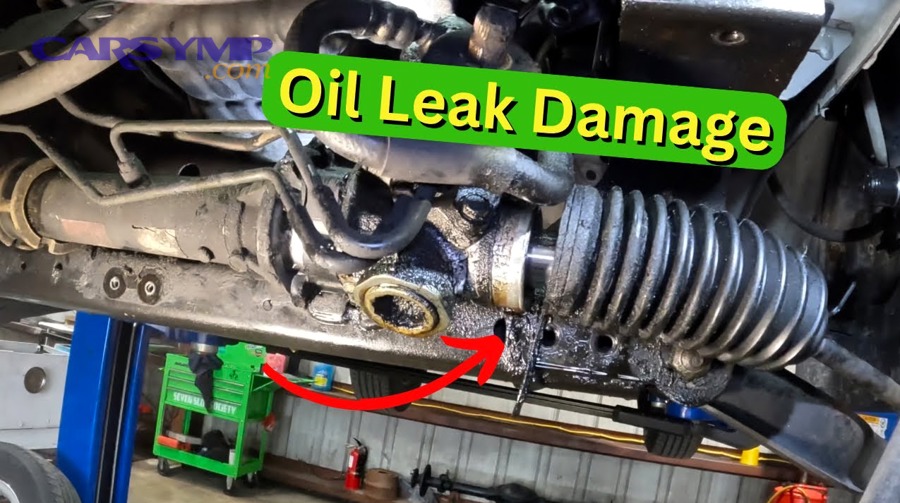
Different types of steering rack seal leaks—including end seal leaks visible in protective boots, pinion shaft seal leaks near the steering column, and internal control valve seal leaks causing “morning sickness” symptoms—require distinct diagnostic and repair approaches that directly influence the repair versus replacement decision. Below, we’ll explore the comprehensive decision framework that helps car owners navigate this critical automotive maintenance choice.
Should You Repair or Replace a Leaking Steering Rack Seal?
Yes, you should repair a leaking steering rack seal when the leak is minor (slow dripping rather than streaming), originates from an accessible seal location like the pinion shaft or end seals, shows no evidence of rack bar scoring or corrosion, and repair costs remain significantly below replacement costs—but you should replace the entire steering rack when experiencing severe internal seal failure, multiple simultaneous leaks, rack bar damage, or when vehicle value and safety requirements justify the higher investment in a comprehensive solution with warranty coverage.
To make this critical decision, car owners must evaluate several interconnected factors that determine whether repair represents a viable long-term solution or merely postpones inevitable replacement. Let’s explore the specific scenarios that favor each approach.
When Is Seal Repair the Right Choice?
Seal repair becomes the optimal choice when dealing with early-stage seal failure that manifests as minor fluid seepage or occasional dripping, particularly when the leak originates from externally accessible seals like the pinion input shaft seal or outer end seals. These repairs work best on vehicles where the rack bar surface remains smooth and undamaged, as even minor scoring or corrosion will quickly destroy new seals and negate the repair investment. Vehicle age plays a significant role in this calculation—older vehicles with 150,000+ miles and limited remaining service life often benefit more from targeted seal repairs that extend functionality for several additional years rather than expensive complete replacements that exceed the vehicle’s remaining value.
The accessibility of the leaking seal dramatically influences repair viability and cost-effectiveness. Pinion shaft seals, located where the steering column enters the rack assembly, can frequently be replaced through firewall access points without removing the entire rack from the vehicle, requiring only 2-4 hours of labor and basic mechanical tools. This accessibility makes DIY repair feasible for mechanically competent owners who can follow detailed service procedures, potentially saving $200-$500 in professional labor costs. End seals, protected by rubber boots on either side of the rack, also offer reasonable accessibility once tie rod ends are disconnected, though this repair requires subsequent wheel alignment to maintain proper steering geometry.
Cost-benefit analysis favors seal repair most strongly for mid-value vehicles in the $5,000-$15,000 range where repair costs represent 3-8% of vehicle value compared to replacement costs of 10-15% or higher. For these vehicles, successful seal repair providing 2-5 years of additional service delivers superior return on investment compared to rack replacement, especially when combined with other necessary maintenance like power steering fluid flush and system cleaning. DIY skill level also determines repair viability—owners comfortable with moderate automotive repairs who can source correct seals and follow step-by-step procedures achieve success rates above 70% for accessible seal replacements, while those lacking tools, workspace, or mechanical confidence should consider professional service or replacement alternatives.
power steering leak repair through seal replacement proves most effective when owners can verify that only a single seal has failed and that the leak rate remains manageable with periodic fluid top-offs. Adding power steering leak repair additives like AT-205 or Lucas Stop Leak before attempting mechanical repair can help diagnose whether seal conditioning will resolve minor leaks, potentially avoiding mechanical intervention entirely. However, these additives serve only as temporary measures for leaks that will inevitably worsen without proper seal replacement, making them diagnostic tools rather than permanent solutions.
When Should You Replace the Entire Steering Rack?
Complete steering rack replacement becomes necessary when internal control valve seals fail, creating the characteristic “morning sickness” condition where steering feels stiff and unresponsive during cold starts but improves as the vehicle warms and seals expand. This internal seal failure cannot be repaired without complete rack disassembly and specialized equipment, as the failed seals have typically worn grooves into aluminum control valve housings that cannot be restored through simple seal replacement. Internal leaks also rarely present visible external symptoms, making them difficult to diagnose until steering performance degradation becomes pronounced and dangerous.
Multiple simultaneous seal failures indicate systemic rack deterioration that makes targeted repair economically impractical and technically unreliable. When end seals, pinion seals, and internal seals all show evidence of failure—manifested through fluid accumulation in both protective boots, dripping near the steering column, and steering stiffness—the underlying rack bar likely exhibits surface corrosion or wear that will rapidly destroy any replacement seals. In these scenarios, replacement with a remanufactured or new rack assembly provides the only reliable long-term solution, as attempting multiple seal repairs on a deteriorated rack typically results in recurring leaks within months and cumulative costs exceeding replacement.
Rack bar damage, including corrosion pitting, scoring, or mechanical wear grooves, absolutely mandates replacement rather than seal repair. Even minor surface imperfections on the rack bar—the polished metal shaft that slides back and forth through the seals—create leak paths that no seal can effectively contain. Attempting to sand or polish rack bar damage only creates low spots that exacerbate leaking, while the specialized chrome restoration required to properly repair rack bars costs more than replacement with a quality remanufactured unit. Vehicle owners can sometimes detect rack bar condition by removing protective boots and visually inspecting the visible portions of the shaft for rust, pitting, or visible wear patterns.
Long-term reliability requirements favor rack replacement for newer vehicles (less than 5 years old) and high-value vehicles where steering system dependability directly impacts safety and resale value. Quality remanufactured racks include comprehensive warranty coverage—typically 1-3 years or 12,000-36,000 miles—that protects against defects and premature failure, while seal repairs carry no warranty beyond the installer’s workmanship guarantee. For vehicles serving as primary family transportation or those regularly traveling long distances, the additional reliability and peace of mind from warranted rack replacement justifies the higher upfront cost by eliminating the risk of inconvenient or dangerous roadside steering failure.
Safety considerations ultimately override cost concerns when steering rack damage reaches severity levels that compromise vehicle control. Severe internal seal leakage can lead to sudden power steering loss, requiring significantly greater steering effort that may exceed driver strength, particularly during emergency maneuvers at highway speeds. This safety risk makes rack replacement mandatory regardless of vehicle value or owner budget constraints, as the catastrophic consequences of steering failure far outweigh the financial burden of proper repair.
What Are the Cost Differences Between Seal Repair and Rack Replacement?
Seal repair costs $120-$400 including parts ($20-$50) and labor ($100-$300), while complete rack replacement costs $500-$2,500 including the rack assembly ($250-$1,500), labor ($150-$700), alignment ($50-$150), and fluids ($10-$30), creating a cost differential of $380-$2,100 that varies based on vehicle make, model complexity, labor rates, and whether owners choose new, remanufactured, or DIY installation approaches.
Understanding the detailed cost breakdown for each option helps car owners accurately budget for repairs and evaluate whether lower-cost seal repair truly delivers value or merely postpones more expensive inevitable replacement. Below, we examine the specific cost components for both approaches.
Steering Rack Seal Repair Costs Breakdown
Steering rack seal parts typically cost $20-$50 for quality OEM or equivalent aftermarket seals, with individual pinion shaft seals at the lower end ($15-$25) and complete seal kit sets including multiple o-rings, backup rings, and end seals at the upper range ($40-$60). Vehicle-specific factors influence parts pricing significantly—luxury vehicles from European manufacturers often require specialized seals costing $60-$100, while common domestic and Japanese vehicles use standardized seals available through multiple suppliers at competitive prices. Parts quality matters substantially, as bargain-priced seals lacking proper material specifications or manufacturing tolerances fail prematurely, converting apparent savings into costly do-over repairs within months.
Labor costs for professional seal replacement range from $100-$300 depending on seal accessibility and regional labor rates, with pinion shaft seals requiring 1.5-2.5 hours and end seals demanding 2-4 hours including tie rod disconnection and reconnection. Metropolitan areas with labor rates of $100-$150 per hour generate total labor charges of $150-$375 for typical seal repairs, while rural areas with $60-$80 hourly rates reduce labor costs to $90-$200 for the same work. These labor estimates assume the seal can be replaced without complete rack removal—if removal becomes necessary due to access limitations, labor time increases to 3-5 hours and eliminates most cost advantages over complete replacement.
Special tool rental or purchase adds $10-$50 to DIY repair costs, covering snap ring pliers ($8-$15), seal removal hooks or picks ($5-$12), and potentially specialized seal drivers or installation tools ($15-$35). Some vehicles require proprietary tools for seal extraction that cost $30-$75 to purchase but can be fabricated from hardware store components by resourceful DIYers, while rental from automotive tool lending programs provides these specialized tools at $0-$10 per day. The total investment in tools becomes negligible when spread across multiple vehicles or future repairs, making tool purchase economically viable for owners maintaining vehicles long-term.
Total seal repair costs spanning parts, labor, and incidentals typically range from $120-$400, with DIY repairs at the lower end ($30-$100 for parts and tools only) and professional service on complex vehicles at the upper range ($350-$400). Vehicle owners capable of performing their own repairs achieve savings of $100-$300 compared to professional service, though they assume responsibility for proper diagnosis, correct parts procurement, and installation quality. Professional seal repair on common vehicles like Honda Civic, Toyota Camry, or Ford F-150 models typically falls in the $180-$250 range, representing reasonable value when successful but potentially wasted expenditure if underlying rack damage causes rapid seal re-failure.
The following table illustrates typical seal repair costs across different repair scenarios:
| Repair Scenario | Parts Cost | Labor Cost | Tools/Misc | Total Cost | Time Required |
|---|---|---|---|---|---|
| DIY Pinion Seal | $20-$30 | $0 | $15-$25 | $35-$55 | 2-3 hours |
| DIY End Seal Kit | $40-$60 | $0 | $20-$40 | $60-$100 | 3-5 hours |
| Professional Pinion Seal | $25-$40 | $120-$200 | $0 | $145-$240 | 1.5-2.5 hours |
| Professional End Seals | $45-$65 | $150-$300 | $0 | $195-$365 | 2-4 hours |
| Luxury Vehicle Professional | $60-$100 | $200-$350 | $0 | $260-$450 | 2.5-4 hours |
Complete Rack Replacement Costs Breakdown
Complete steering rack assemblies vary dramatically in cost based on whether owners select new OEM units ($800-$1,500+), new aftermarket units ($400-$900), or remanufactured assemblies ($250-$700), with vehicle make and model creating the largest pricing variations. New OEM racks for common vehicles like Honda Accord or Toyota RAV4 typically cost $600-$900, while luxury vehicles from BMW, Mercedes-Benz, or Audi demand $1,200-$2,500 for equivalent OEM units. Remanufactured racks offer substantial savings—typically 40-60% below new OEM pricing—while providing equivalent performance and warranty coverage, making them the preferred choice for most repair scenarios outside warranty coverage situations or vehicles with specialized performance requirements.
Aftermarket rack manufacturers including Cardone, BBB Industries, and A1 Cardone produce remanufactured units that undergo complete disassembly, cleaning, seal replacement, pressure testing, and quality verification before sale. These units include core charge deposits of $100-$400 that are refunded when owners return their failed original rack, effectively reducing net cost by this deposit amount. Quality remanufactured racks from established suppliers deliver reliability comparable to new units at significantly reduced cost, while no-name bargain racks from unknown manufacturers frequently fail prematurely and should be avoided despite attractive pricing.
Labor costs for complete rack replacement range from $150-$700 depending on vehicle design complexity and whether subframe removal is required for access. Simple front-wheel-drive vehicles with straightforward rack mounting typically require 2-4 hours of professional labor, generating charges of $200-$400 at standard shop rates. Complex vehicles requiring subframe support and removal—including many BMW, Audi, and Subaru models—demand 4-7 hours of labor and create labor bills of $400-$700 or higher. Four-wheel-drive and all-wheel-drive systems often present additional complexity through transfer case and drivetrain component interference, extending labor time and cost accordingly.
Wheel alignment becomes mandatory after rack replacement because the procedure alters front suspension geometry and steering component positions, requiring professional four-wheel alignment costing $75-$150 at dedicated alignment shops or $100-$200 at dealerships. Skipping alignment after rack replacement causes rapid tire wear, pulling to one side, and steering wheel off-center positioning that creates ongoing safety and cost concerns. Some full-service shops include alignment in their rack replacement labor quotes, while others charge it separately—owners should clarify whether alignment is included to avoid surprise charges.
Power steering fluid replacement adds $10-$30 to total costs, as new racks arrive empty and the entire system requires fresh fluid after installation. Most vehicles hold 0.75-1.5 quarts of power steering fluid costing $8-$12 per quart for conventional fluids or $15-$25 for synthetic formulations, while bleeding the system to remove air pockets requires additional fluid to account for spillage and purging. Some modern vehicles use automatic transmission fluid (ATF) in power steering systems, potentially reducing fluid costs to $6-$10 for bulk ATF, though owners must verify correct fluid specifications to avoid seal damage and system contamination.
Total rack replacement costs typically range from $500-$2,500 when combining all components:
| Cost Component | Economy Option | Mid-Range Option | Premium Option |
|---|---|---|---|
| Rack Assembly | $250 (Reman) | $600 (Reman/New) | $1,200 (OEM New) |
| Core Deposit | -$150 (Refunded) | -$200 (Refunded) | -$300 (Refunded) |
| Labor | $200 (3 hours) | $350 (4 hours) | $600 (6 hours) |
| Alignment | $75 | $100 | $150 |
| Fluid & Misc | $15 | $25 | $35 |
| Total Cost | $390 | $875 | $1,685 |
| After Core Return | $540 | $1,075 | $1,985 |
These costs represent typical scenarios for common vehicles—luxury and performance vehicles frequently exceed these ranges while economy vehicles may fall below them.
Long-Term Cost Comparison: 1-Year, 3-Year, and 5-Year Outlook
The true cost comparison between seal repair and rack replacement emerges only when examining multi-year ownership periods that account for repair durability, potential re-failure, and warranty coverage differences. Over a 1-year period, successful seal repair costing $150-$300 delivers clear financial advantage over rack replacement costing $700-$1,500, saving owners $550-$1,200 immediately. However, seal repair failure rates of 25-40% within the first year—particularly when underlying rack damage exists—mean that many owners face additional repair costs of $400-$1,000 to ultimately replace the rack anyway, erasing initial savings and creating total expenditures of $550-$1,300 compared to the single replacement cost.
Over a 3-year period, rack replacement with 3-year warranty coverage provides superior value for newer vehicles and those serving as primary transportation. The warranty protects against defects and premature failure, eliminating risk of additional repair costs during this period beyond routine power steering fluid maintenance costing $30-$60 every 30,000 miles. Seal repairs rarely last 3 years on vehicles with significant mileage or those showing evidence of rack bar wear, with median seal repair lifespan of 18-24 months before re-leaking occurs and forces rack replacement. The cumulative cost of initial seal repair ($250) plus eventual rack replacement ($900) totals $1,150, exceeding the cost of immediate replacement ($900) while providing inferior reliability during the intervening period.
Over a 5-year outlook, rack replacement delivers consistently better value except for vehicles approaching end-of-life where neither repair justifies the investment. Quality remanufactured racks frequently provide 5-10 years of trouble-free service when properly maintained, while seal repairs on aging racks rarely exceed 3 years before systemic rack deterioration mandates replacement. The break-even analysis becomes clear: seal repair only provides superior total cost of ownership when the vehicle will be sold, scrapped, or otherwise disposed of within 2-3 years of the repair, making the limited durability irrelevant to the current owner.
Vehicle value relative to repair cost creates another critical comparison factor. For vehicles worth less than $3,000, rack replacement costing $800-$1,200 represents 27-40% of vehicle value—an economically unjustifiable investment that often makes seal repair or even temporary stop-leak solutions more rational choices despite limited durability. For vehicles worth $10,000-$20,000, rack replacement at 4-8% of vehicle value represents reasonable maintenance investment that preserves vehicle reliability and resale value. For newer vehicles worth $25,000+, rack replacement at 2-4% of vehicle value becomes routine maintenance easily justified by safety and reliability benefits.
According to data from RepairPal covering over 500,000 rack and pinion repairs nationwide in 2024-2025, rack replacement provides average service life of 7-12 years or 100,000-150,000 miles, while seal repairs average 2-4 years or 30,000-60,000 miles before requiring follow-up work. These statistics demonstrate that rack replacement delivers 3-4 times the service life at 2-3 times the cost, providing superior cost-per-mile value for vehicles remaining in service medium to long-term.
How Difficult Is It to Repair Steering Rack Seals vs. Replace the Rack?
Steering rack seal repair presents moderate difficulty requiring 2-4 hours and basic mechanical tools for accessible seals, while complete rack replacement demands advanced mechanical skills, professional equipment including hydraulic lifts and subframe supports, and 3-6 hours for experienced technicians or 6-12 hours for DIY attempts, making seal repair viable for mechanically competent owners but pushing rack replacement toward professional service for most car owners.
The technical complexity difference between these repairs stems primarily from component accessibility, specialized tool requirements, and safety considerations that make rack replacement significantly more demanding than targeted seal replacement. Let’s examine the specific requirements for each approach.
Can You Replace Steering Rack Seals Without Removing the Rack?
Yes, you can replace certain steering rack seals—particularly pinion input shaft seals and sometimes end seals—without removing the rack from the vehicle, though feasibility depends heavily on vehicle-specific design, seal location, and access pathways through the firewall or wheel wells that vary dramatically across different makes and models.
Pinion input shaft seal replacement represents the most commonly successful without-removal repair, as this seal sits where the steering shaft enters the rack housing near the firewall. Many vehicles provide sufficient access to this seal by removing the lower dash panel and working through the firewall opening, allowing owners to disconnect the steering shaft universal joint, remove the dust boot, extract the snap ring, and pull the old seal without disturbing rack mounting bolts or hydraulic connections. This approach requires 2-4 hours for first-time DIYers and 1-2 hours for experienced mechanics, using common tools including snap ring pliers ($8-$15), seal picks ($5-$10), and potentially a small pry bar for seal extraction.
Vehicle-specific access limitations determine whether this approach succeeds or fails. Toyota RAV4, Honda Element, and Honda Odyssey models feature relatively open firewall areas that accommodate seal replacement with modest disassembly, while vehicles with complex dashboard designs, extensive sound insulation, or tightly packaged engine bays may require dash removal that negates time and cost savings. Online forums and vehicle-specific repair communities provide valuable real-world reports of access feasibility for particular models, helping owners assess whether attempted seal replacement makes sense before purchasing parts and investing time.
End seal replacement without rack removal proves more challenging but remains possible on some vehicles where tie rod removal provides sufficient access to the seal housing. This procedure requires disconnecting the outer tie rod end from the steering knuckle (necessitating subsequent wheel alignment), removing the protective boot clamp, sliding the boot outward along the tie rod, and accessing the seal retention clip or snap ring. The seal itself typically presses into the rack housing and can be extracted using seal picks, small pry bars, or the “self-tapping screw method” where a small pilot hole is drilled into the old seal, a self-tapping screw is threaded into the hole, and the seal is pulled out using vise-grip pliers attached to the screw.
Common challenges during without-removal seal replacement include:
- Seal extraction difficulty: Old seals often corrode or bond to the housing, requiring patient work with multiple tools and techniques to avoid damaging the housing bore that seats the new seal
- Snap ring access: Tight clearances may make snap ring pliers difficult to position and operate, particularly in recessed seal housings
- Fluid drainage: Removing seals releases power steering fluid that must be contained with absorbent materials and drain pans, while maintaining reservoir level prevents air entry into the system
- New seal installation: Seals must be pressed squarely into their housing without cocking or damage, often requiring improvised seal drivers fashioned from sockets, PVC pipe, or wooden blocks
- Dust boot condition: Old boots frequently tear during removal or show age-related cracking that makes reuse inadvisable, adding $15-$35 in boot replacement costs
Time estimates for without-removal seal replacement range from 2-4 hours for moderately experienced DIYers on vehicles with good access, extending to 4-6 hours when access proves difficult or unexpected complications arise. Professional mechanics familiar with the specific vehicle model complete the same work in 1.5-3 hours, though many shops prefer rack removal to ensure complete access and work quality, negating the time savings that makes this approach attractive.
DIY repair pitfalls and safety concerns that owners must address include proper seal orientation (many seals have directional installation requirements), seal surface cleanliness (contamination prevents proper sealing), adequate seal seating depth (improperly seated seals leak immediately), and power steering system air purging after reassembly (trapped air causes noise and poor steering feel). Vehicle owners lacking mechanical confidence or appropriate workspace should consider professional service even for accessible seals, as botched repairs require complete restart and potentially professional intervention to correct.
What’s Involved in Complete Rack Replacement?
Complete rack replacement requires removing the old rack assembly from the vehicle, installing a new or remanufactured unit, reconnecting hydraulic lines and electrical connections, filling and bleeding the power steering system, and performing four-wheel alignment to restore proper steering geometry—a comprehensive procedure demanding 3-6 hours of professional labor or 6-12 hours for first-time DIY attempts with appropriate equipment and technical documentation.
The rack removal procedure begins with disconnecting the battery, raising and supporting the vehicle on jack stands or a lift, and removing both front wheels to access suspension components. Next, technicians disconnect the outer tie rod ends from steering knuckles using pickle forks or tie rod separators, mark the inner tie rod position on the rack for approximate alignment during installation, and disconnect the steering shaft universal joint from the pinion input shaft. This stage requires careful attention to avoid damaging rubber boots, thread counts, and relative positions that affect final alignment.
Hydraulic line disconnection follows, requiring catch pans to capture power steering fluid while loosening high-pressure and low-pressure line fittings at the rack. These fittings frequently corrode or freeze from years of exposure to road salt and moisture, requiring penetrating oil application, careful application of properly-sized line wrenches to avoid rounding fitting edges, and sometimes heat application to break corrosion bonds. Rushing this stage commonly results in stripped fittings, damaged hydraulic lines requiring replacement, or broken line connections that escalate repair costs and complexity.
Subframe support and potential removal represents the most technically demanding phase on many modern vehicles where rack assemblies mount to a front subframe rather than directly to the chassis. This procedure requires supporting the engine from above using a support bar that spans the engine bay, positioning hydraulic jacks or stands under the subframe at designated lift points, removing subframe mounting bolts, and carefully lowering the subframe while monitoring interference with exhaust systems, brake lines, and wiring harnesses. Incorrect subframe support causes engine damage, while failure to track and organize subframe bolts—which often include different lengths and thread pitches—creates reassembly challenges.
Professional lift necessity becomes apparent during subframe work, as safely supporting both the vehicle chassis and the subframe simultaneously while providing adequate working clearance underneath exceeds the capability of floor jacks and jack stands available to most DIY mechanics. Professional lifts provide stable four-post support with adjustable-height auxiliary jacks for subframe manipulation, along with adequate working height that eliminates the ergonomic challenges of prolonged work while lying under a low-clearance vehicle. Attempting complex rack replacement without proper lifting equipment not only creates safety risks but extends work time dramatically through awkward positioning and repeated vehicle lowering/raising cycles.
Time estimates for professional rack replacement vary by vehicle complexity:
- Simple vehicles (front-wheel drive, direct chassis mount): 2-4 hours
- Moderate vehicles (all-wheel drive, basic subframe): 4-5 hours
- Complex vehicles (luxury brands, full subframe removal): 5-7 hours
- Exceptional cases (extensive disassembly required): 8+ hours
DIY time typically doubles these estimates for first-time attempts and runs 1.5x professional time for experienced shade-tree mechanics with proper tools. This time differential reflects professionals’ familiarity with common problem areas, access to vehicle-specific service information, and availability of specialized tools that simplify specific tasks.
Safety considerations during rack replacement include:
- Vehicle support stability: Rack removal shifts vehicle weight distribution, requiring verified jack stand positioning and wheel chocks
- Power steering fluid exposure: Hot fluid causes burns, while skin contact causes irritation and requires immediate washing
- Subframe drop risks: Unsupported subframes weigh 100-200+ pounds and can cause severe injury if support fails
- Steering shaft separation: Improper universal joint disconnection can damage the steering column and clockspring assembly
- Hydraulic line pressure: Even with the engine off, residual system pressure can spray fluid when lines are disconnected
The Electric power steering vs hydraulic differences impact replacement procedures significantly, as electric power steering systems eliminate hydraulic lines and fluid handling but introduce electrical connector complexity and system programming requirements that demand professional scan tools. Modern electric power steering racks often require dealer-level software to complete installation and recalibration, making DIY replacement impractical despite simpler mechanical installation.
What Are the Different Types of Steering Rack Seal Leaks?
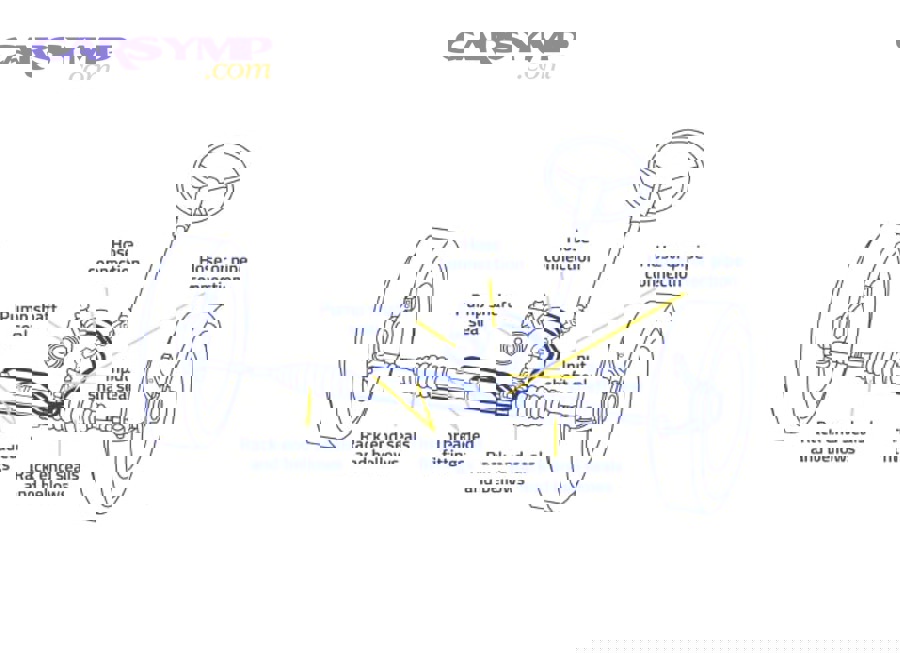
There are three main types of steering rack seal leaks: end seal leaks occurring at the outer edges where tie rods connect, pinion input shaft seal leaks where the steering column enters the rack, and internal control valve seal leaks within the rack housing—each presenting distinct symptoms, repair complexity levels, and cost implications based on seal accessibility and the extent of rack disassembly required for replacement.
Identifying the specific leak type determines appropriate repair strategy and provides realistic cost and difficulty expectations. Below, we examine each leak type’s characteristics and repair considerations.
End Seal Leaks (Outer Seals)
End seal leaks develop at the outer edges of the rack housing where the rack bar exits to connect with inner tie rods, protected by rubber accordion-style boots (also called bellows) that prevent dirt and moisture entry while containing leaked power steering fluid until boot capacity is exceeded. These seals withstand constant back-and-forth motion as the rack bar slides through them during steering inputs, creating wear patterns that eventually allow pressurized fluid to bypass the seal and accumulate inside the protective boot.
Visual identification of end seal leaks involves inspecting the protective boots for fluid accumulation, swelling from fluid pressure, or visible dripping from torn boot areas. Normal boots appear dry, flexible, and properly collapsed against the rack housing and tie rod, while boots containing leaked fluid appear swollen, firm to the touch, and may display fluid stains on the surrounding suspension components. Removing the boot clamps and sliding boots outward along the tie rod reveals accumulated fluid that confirms end seal failure, though owners should first verify the fluid originates from the rack rather than dripping from leaking hoses or pump connections above the rack.
Repair accessibility for end seal leaks rates as moderate, requiring tie rod disconnection to provide adequate boot and seal access but often allowing seal replacement without complete rack removal from the vehicle. The procedure involves supporting the vehicle, removing the wheel, disconnecting the outer tie rod end, removing boot clamps, sliding the boot outward, removing the seal retaining clip or snap ring, extracting the old seal, cleaning the seal bore, installing the new seal with proper orientation and seating depth, reinstalling the retaining clip, replacing the boot (if damaged), and reconnecting components. This work requires subsequent wheel alignment because tie rod disconnection alters toe settings, adding $75-$150 to total repair costs.
Common causes of end seal failure include normal age-related rubber deterioration after 7-12 years of service, contamination from dirt and moisture entering through torn boots that introduces abrasive particles between the seal and rack bar, and rack bar surface corrosion or pitting that creates leak paths the seal cannot effectively close. Preventive measures include periodic boot inspection during routine maintenance, immediate boot replacement when tears or cracks appear, and power steering fluid changes every 30,000-50,000 miles to remove contamination before it damages seals.
Pinion Input Shaft Seal Leaks
Pinion input shaft seal leaks occur where the steering column’s input shaft enters the rack housing, creating a high-pressure seal point that must accommodate rotational motion while preventing fluid escape. This seal location makes leaks particularly visible as fluid drips down the steering shaft toward the firewall, often accumulating on the driver’s side floor area or creating visible stains on the firewall surface that aid diagnosis.
Diagnostic signs of pinion shaft seal leaks include power steering fluid accumulation on the firewall near the steering column entry point, fluid dripping onto the driver’s side floor mat or brake pedal assembly area, and fluid odor (power steering fluid has a distinctive petroleum smell) inside the vehicle cabin when the heater is operating. Owners can verify the leak source by thoroughly cleaning the suspect area, adding UV dye to the power steering reservoir, and operating the vehicle for 50-100 miles before re-inspecting with a UV light that makes leaked fluid glow brightly against clean surrounding surfaces.
Moderate repair accessibility characterizes pinion shaft seal replacement, as this seal can often be accessed through the firewall without complete rack removal on vehicles with adequate interior dash clearance. The repair procedure requires removing lower dash panels or insulation, disconnecting the steering shaft universal joint from the pinion shaft, removing the dust boot, extracting the snap ring that retains the seal, pulling the old seal using seal picks or the self-tapping screw extraction method, cleaning the seal bore, pressing in the new seal, reinstalling the retaining snap ring and dust boot, reconnecting the steering shaft, and refilling power steering fluid while bleeding trapped air from the system.
Stop-leak additive effectiveness reaches highest levels for pinion shaft seal leaks, as products like AT-205 Re-Seal or Lucas Power Steering Conditioner can rejuvenate moderately aged seals and stop minor leaks for 1-3 years or longer. These products work by conditioning seal materials to restore flexibility and swelling that improves sealing contact, rather than by introducing particulate matter that clogs leak paths. However, stop-leak additives provide only temporary relief for severely worn seals or those affected by rack bar surface damage, making them diagnostic tools for assessing whether mechanical seal replacement is necessary or whether seal conditioning provides adequate leak control.
Internal Control Valve Seal Leaks
Internal control valve seal leaks represent the most serious seal failure type, occurring within the rack housing where the rotary control valve directs power steering fluid to provide steering assistance. These internal seals separate high-pressure and low-pressure fluid chambers while accommodating valve rotation, with seal failure allowing pressure equalization that reduces or eliminates power steering assist and creates the characteristic “morning sickness” condition where steering feels heavy and unresponsive during cold starts but improves after engine warmup expands the seals.
Difficult diagnosis characterizes internal control valve seal leaks because they rarely produce visible external fluid loss—instead, leaked fluid remains contained within the rack housing where it circulates ineffectively without providing steering assist. Symptoms include progressively worsening cold-start steering stiffness, groaning or moaning noises during low-speed turns particularly when cold, increased steering effort required for parking maneuvers, and occasional complete power steering loss that returns after brief driving as components warm. These symptoms often develop gradually over months, making owners attribute them to normal aging rather than recognizing them as internal seal failure requiring attention.
Why internal seals can’t be easily repaired stems from their location deep within the rack assembly and the specialized equipment required for access. Internal seal replacement requires complete rack disassembly using hydraulic fixtures, careful component documentation to ensure proper reassembly, precision measurement of seal bore dimensions and rack bar surfaces, and pressure testing to verify leak-free operation before reinstallation. The failed internal seals have typically worn grooves into aluminum control valve housings—grooves that cannot be removed without sleeving or replacing the entire control valve body—making simple seal replacement ineffective even when access is achieved.
This complexity explains why manufacturers and repair facilities universally recommend complete rack replacement rather than internal seal service when morning sickness symptoms appear. Quality remanufactured racks undergo complete internal seal replacement along with control valve housing sleeving or replacement during remanufacturing, addressing the root cause of internal seal failure while providing warranty-backed reliability that individual seal replacement cannot match. The cost of professional rack disassembly, seal replacement, and reassembly—when available at all—typically exceeds remanufactured rack costs while providing inferior outcomes and no warranty protection.
According to research from the Automotive Maintenance and Repair Association in 2024, internal control valve seal failures account for approximately 35% of all rack replacement procedures, while end seal failures represent 45% and pinion seal failures make up 20% of leak-related rack repairs nationwide.
How Do You Decide Between Repair and Replacement for Your Specific Situation?
The repair versus replacement decision requires evaluating four primary factors—vehicle age and value, leak severity and location, your mechanical skill level and tool access, and driving needs and safety requirements—with repair favoring older vehicles with accessible minor leaks and DIY capability, while replacement suits newer vehicles with severe leaks, professional service requirements, and high safety standards.
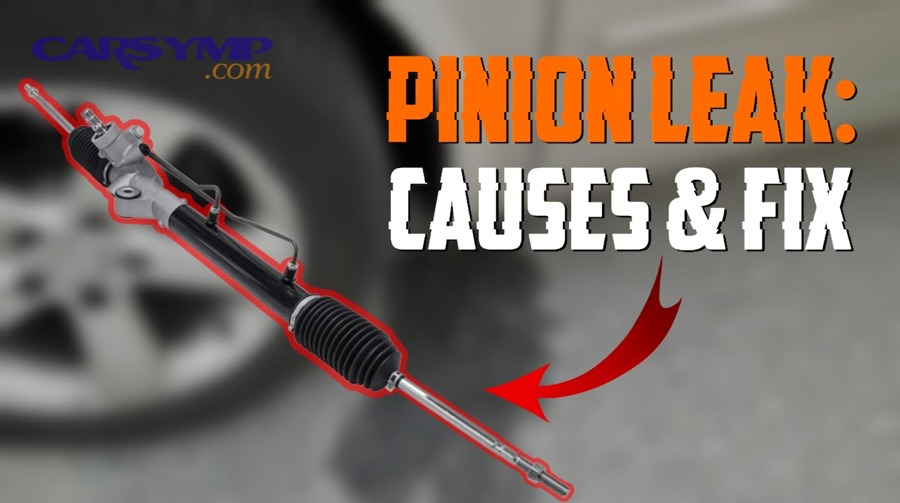
Making this critical decision demands honest assessment of both vehicle conditions and owner capabilities, as overestimating DIY skills or underestimating leak severity commonly leads to failed repairs and higher ultimate costs. Let’s examine each decision factor systematically.
Decision Factor 1: Vehicle Age and Value
Vehicle age and value create the foundational decision framework, as repair investment must align rationally with remaining vehicle service life and economic worth. High-value newer vehicles under 5 years old with values exceeding $15,000 justify rack replacement costing $800-$1,500 because this investment represents 5-10% of vehicle value, preserves warranty coverage on other components that rack failure might damage, maintains resale value that depreciates with known mechanical issues, and provides reliability appropriate for vehicles likely to remain in service for 5-10+ additional years.
Mid-value vehicles aged 5-10 years with values between $5,000-$15,000 require case-by-case assessment balancing remaining service life expectations against repair costs. A well-maintained 7-year-old vehicle with 90,000 miles and expected service continuation to 200,000 miles justifies rack replacement because the remaining service life (110,000 miles) will almost certainly exceed seal repair durability while the owner retains sufficient vehicle value to warrant proper maintenance investment. Conversely, the same-age vehicle showing evidence of deferred maintenance, major component issues, or approaching end-of-life makes seal repair more rational as a temporary measure allowing continued use until the vehicle is sold or retired.
Older vehicles exceeding 10 years with values under $5,000 favor seal repair or even temporary stop-leak solutions unless the owner commits to long-term ownership extending 3-5+ additional years. The economic reality of rack replacement costing $700-$1,500 on vehicles worth $2,000-$4,000 makes this investment difficult to justify except when the vehicle holds non-economic value (family connection, sentimental significance, or known reliable history despite age) that motivates maintenance investment beyond rational financial calculation. For these older vehicles, seal repair costing $150-$300 provides proportionate investment to remaining value while extending service life sufficiently for most owners’ needs.
Total vehicle condition modifies these age-based guidelines substantially. An older vehicle maintained meticulously with recent major service investments (engine rebuild, transmission replacement, suspension restoration) might justify rack replacement to protect these investments and continue long-term ownership. Alternatively, a newer vehicle showing multiple deferred maintenance issues, collision damage, or looming major repairs makes rack replacement economically questionable regardless of age, as the cumulative repair costs may exceed vehicle value and make replacement or disposal more rational choices.
Decision Factor 2: Leak Severity and Location
Leak severity measured by fluid loss rate provides critical decision input, with severity classifications helping owners assess urgency and appropriate response. Seeping leaks producing occasional drips (1-5 drops after overnight parking) indicate early-stage seal deterioration that responds well to stop-leak additives or can be monitored with periodic fluid level checks while owners save for more comprehensive repairs. Dripping leaks producing continuous slow drips (5-20 drops per hour while parked) require attention within weeks to months, making seal repair or rack replacement decisions based on other factors like accessibility and vehicle value.
Streaming leaks producing visible fluid streams while steering or rapid puddle formation after short drives demand immediate attention for safety reasons, as rapid fluid loss can cause sudden power steering failure during operation. These severe leaks almost always indicate multiple seal failures or rack bar damage that makes seal repair impractical and demands rack replacement or temporary vehicle retirement until proper repairs can be completed. Operating vehicles with severe leaks creates safety risks during emergency maneuvers requiring maximum steering input and potentially damages the power steering pump through fluid starvation that introduces air and causes overheating.
Single seal failures at accessible locations (pinion shaft seals, outer end seals) favor targeted seal repair that addresses the specific failed component at minimal cost, particularly when the vehicle shows no evidence of additional seal deterioration or rack bar damage. Multiple simultaneous seal failures suggest systemic rack deterioration from age, contamination, or rack bar surface damage that makes targeted seal repair futile, as replacing one failed seal while others remain marginal leads to recurring leaks within months and cumulative costs exceeding rack replacement.
Leak location accessibility ratings help owners understand repair difficulty:
- High accessibility: Pinion shaft seals reachable through firewall, end seals on open suspension designs
- Moderate accessibility: End seals requiring substantial suspension disassembly, seals on vehicles with complex underhood packaging
- Low accessibility: Any seals requiring rack removal for access, internal control valve seals
- No accessibility: Internal seals, seals on vehicles where manufacturer prohibits service
Decision Factor 3: Your Mechanical Skill Level and Tool Access
DIY capability assessment requires honest evaluation of mechanical experience, tool availability, and workspace adequacy to avoid undertaking repairs beyond your actual skill level that waste time and money while potentially damaging vehicle components. The following skill level framework helps owners categorize their capabilities:
Novice (oil changes, air filter replacement): Seal repair not recommended; rack replacement definitely requires professional service. These owners should obtain multiple professional quotes and select reputable shops rather than attempting DIY work.
Intermediate (brake pad replacement, suspension components): Pinion shaft seal repair feasible with detailed instructions and proper tools; end seal repair possible on accessible vehicles; rack replacement requires professional service. These owners can successfully complete accessible seal repairs but should recognize rack replacement limitations.
Advanced (engine removal, transmission service): All seal repairs feasible; rack replacement possible with proper equipment, documentation, and time allocation. These owners possess skills for comprehensive repairs but must honestly assess whether tool access and workspace support complex procedures.
Professional mechanic access and local labor rates significantly influence the DIY versus professional decision. Owners in metropolitan areas with competitive shop environments and labor rates of $80-$120/hour often find that professional seal repair costing $200-$300 provides better value than DIY attempts requiring tool purchase, extended time investment, and risks of improper installation. Rural owners facing limited shop choices and labor rates of $120-$150/hour gain more from DIY capabilities that let them perform $300-$400 repairs for $50-$100 in parts and tools.
Tool investment versus labor savings calculation determines DIY economic viability. Seal repair requiring $40 in specialty tools (snap ring pliers, seal picks, seal drivers) makes economic sense when saving $150-$250 in labor costs, particularly when these tools serve multiple future applications. Rack replacement requiring $200-$500 in specialized tools (hydraulic floor jacks, additional jack stands, subframe support equipment, alignment equipment) rarely makes DIY economic sense for one-time repairs but becomes viable for automotive enthusiasts performing regular maintenance across multiple vehicles.
Workspace adequacy encompasses:
- Solid, level surface: Prevents jack stands from sinking or tipping
- Adequate lighting: Essential for seeing tight clearances and small components
- Weather protection: Outdoor work in rain, snow, or extreme temperatures creates safety issues and component damage risks
- Parts storage: Organizing removed components prevents loss and simplifies reassembly
- Cleanup facilities: Power steering fluid spills require proper containment and disposal
Decision Factor 4: Driving Needs and Safety Requirements
Daily commute reliability requirements create strong bias toward rack replacement for vehicles serving as sole transportation, as seal repair failures can strand owners and create costly towing, rental car, and missed work expenses that exceed the cost differential between repair and replacement. Vehicles used for occasional errands with backup transportation available tolerate seal repair’s higher failure risk because owners can manage temporary unavailability without major lifestyle disruption or financial penalty.
Highway versus city driving patterns affect safety priority levels, with frequent highway driving at 65-75 mph demanding absolute steering reliability to handle emergency avoidance maneuvers safely. Sudden power steering loss at highway speeds—a real possibility with severe rack leaks—requires immediate strong steering input that may exceed driver strength and cause loss of vehicle control with potentially catastrophic consequences. City driving at 25-45 mph provides more reaction time and lower-speed consequences that reduce (but don’t eliminate) the safety imperative for comprehensive repairs.
Family vehicle safety priorities justify rack replacement regardless of other factors when the vehicle regularly transports children, elderly family members, or others dependent on the driver for safe transportation. The additional cost of rack replacement over seal repair—typically $400-$800—represents reasonable insurance premium for avoiding dangerous steering failure that could injure vulnerable passengers during normal operation or emergency situations.
Time constraints for repair completion influence DIY feasibility and professional service choice. Owners with flexible schedules and backup transportation can attempt DIY seal repairs accepting that difficulties might extend the project across multiple weekends, while those requiring reliable transportation Monday morning must use professional service providing guaranteed completion timelines. Similarly, owners facing immediate safety needs (dangerous leak severity) must prioritize rapid professional service over economizing through DIY attempts or delayed repairs.
The following decision matrix helps owners synthesize these factors into actionable conclusions:
| Vehicle Profile | Leak Severity | DIY Capability | Recommended Action | Cost Range |
|---|---|---|---|---|
| New/High-value | Severe leak | Low skill | Replace professionally | $900-$1,800 |
| New/High-value | Minor leak | High skill | Repair DIY or Replace professionally | $50-$1,200 |
| Mid-value | Accessible minor leak | Moderate skill | Repair DIY | $80-$200 |
| Mid-value | Severe/internal leak | Any skill | Replace professionally | $700-$1,400 |
| Old/Low-value | Any leak | High skill | Repair DIY or Stop-leak | $30-$200 |
| Old/Low-value | Severe leak | Low skill | Replace budget option or retire vehicle | $400-$900 |
How Can You Prevent Steering Rack Seal Leaks?
You can prevent steering rack seal leaks through regular power steering fluid maintenance every 30,000-50,000 miles to remove contamination, using quality fluids meeting manufacturer specifications, avoiding rough driving conditions that stress rack components, inspecting boots and connections during routine service, and addressing early warning signs like minor leaks or steering noise before they escalate into major failures requiring expensive repairs.
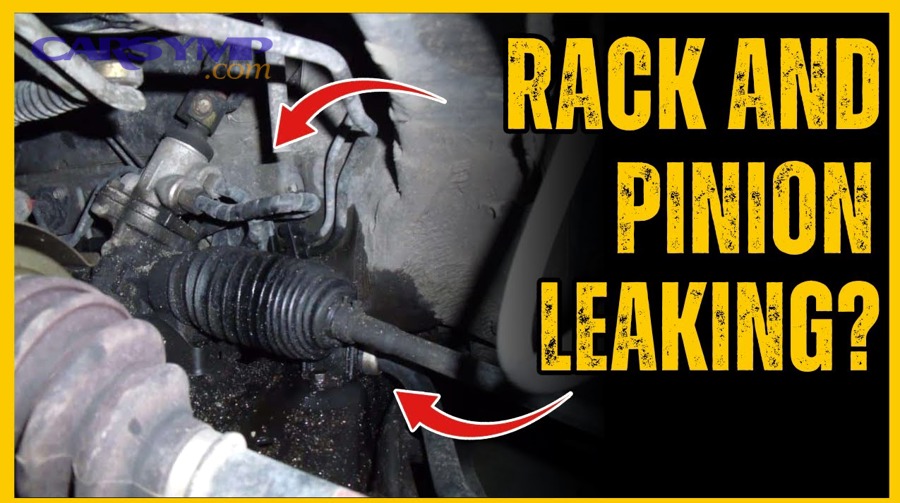
Proactive maintenance costs $50-$150 every 2-3 years but extends rack service life from typical 8-10 years to 12-15+ years, saving $500-$1,500 in premature replacement costs while improving steering reliability and safety. Below, we explore specific preventive strategies that protect steering rack seals.
What Power Steering Fluid Maintenance Prevents Seal Damage?
Power steering fluid change intervals of 30,000-50,000 miles remove contamination that accumulates from pump wear, hose degradation, and environmental exposure, preventing abrasive particles from circulating through the system where they score rack bars and damage seal surfaces. Contaminated fluid appears brown or black rather than the correct red, pink, or amber color, while metal particles make fluid feel gritty when rubbed between fingers—both signs demanding immediate fluid replacement before damage occurs.
Correct fluid type importance cannot be overstated, as modern power steering systems specify particular fluids (conventional, synthetic, ATF-compatible, or proprietary formulations) with additive packages engineered for seal compatibility, operating temperatures, and hydraulic characteristics. Using incorrect fluid—even “universal” power steering fluids that claim compatibility with all systems—can cause seal swelling, shrinkage, or chemical degradation that leads to premature leaks. Vehicle owner’s manuals specify correct fluid types, while cap markings on power steering reservoirs often indicate proper fluid selection for systems with unique requirements.
Flush procedures to extend seal life involve completely draining old fluid rather than simply topping off low levels, as partial fluid changes leave contamination circulating to continue causing damage. Complete flush requires disconnecting the return line from the power steering reservoir, catching old fluid in a drain pan while an assistant adds fresh fluid to the reservoir and operates the steering lock-to-lock to pump fluid through the system. This procedure continues until discharged fluid runs clean and clear, typically requiring 2-3 quarts total fluid volume compared to the 1-1.5 quart system capacity.
Professional power steering flush services cost $75-$150 and include system inspection, pressure testing to identify marginal hoses or connections before they fail, and proper fluid disposal in compliance with environmental regulations. DIY flush costs $20-$40 in fluid plus 45-90 minutes of work, providing substantial savings for mechanically capable owners with appropriate workspace for capturing and disposing of used fluid.
Do Power Steering Stop-Leak Additives Really Work?
Power steering stop-leak additives work effectively for minor seal leaks by conditioning seal materials to restore flexibility and sealing contact, with products like AT-205 Re-Seal and Lucas Power Steering Conditioner demonstrating success rates of 60-75% for stopping or significantly reducing accessible seal leaks, while thickening-type stop-leaks like BlueDevil deliver lower success rates of 40-50% but provide more immediate results that make them useful for temporary leak control.
Lucas versus AT-205 versus BlueDevil comparison reveals important distinctions in how these products work and their appropriate applications. AT-205 uses seal conditioning chemistry that softens and swells aged seals over 150-300 miles of driving, providing gradual leak reduction that becomes maximum effective after 500-1,000 miles and can last 1-5 years depending on underlying seal condition. Lucas Power Steering Conditioner combines seal conditioning with modest fluid thickening to improve seal contact while maintaining proper hydraulic function, working faster than AT-205 (improvement within 50-100 miles) while still providing multi-year effectiveness for appropriate leak types.
BlueDevil and similar thick stop-leak products work primarily through fluid viscosity increase that helps worn seals maintain contact, providing rapid leak reduction (within 10-50 miles) but potentially degrading over time as the thickening agents break down under system heat and pressure. These products prove most valuable for temporary leak control when owners need a quick solution to stop fluid loss while saving for permanent repairs, but they risk clogging fine passages in power steering pumps and control valves if used in excess of recommended dosages.
Effectiveness for different seal types varies significantly:
- Pinion shaft seals: 70-85% success rate with AT-205 or Lucas
- End seals: 50-65% success rate, lower if boots are torn
- Internal control valve seals: 30-40% success rate, temporary improvement only
- Leaks from rack bar damage: 10-20% success rate, ineffective for damaged surfaces
Temporary versus permanent solutions—stop-leak additives rarely provide truly permanent leak elimination, with most successful applications delivering 1-3 years of leak control before seal deterioration progresses beyond additive ability to compensate. They serve best as diagnostic tools (if additive stops the leak, seal condition remains salvageable and mechanical repair will succeed) or as temporary measures buying time to save for proper repairs rather than as permanent alternatives to seal replacement or rack replacement.
Potential side effects and risks include system clogging if products are overused, reduced power steering pump efficiency from increased fluid viscosity, and seal damage from improper product chemistry in systems requiring specific fluid types. Owners should never exceed recommended additive dosages (typically 10-15% of system capacity), should avoid products incompatible with their fluid type (synthetic vs. conventional), and should monitor system performance for increased steering effort or noise that might indicate adverse effects.
How Do Driving Conditions Affect Steering Rack Seal Longevity?
Rough road impact on rack components accelerates seal wear through shock loads that force the rack bar against seals with abnormal pressures, while potholes and large bumps create lateral forces that stress tie rods and transmit violent movements through the entire rack assembly. Drivers navigating consistently rough roads experience rack seal lifespans of 6-9 years compared to 10-14 years for those on well-maintained pavement, with the difference attributable to accumulated mechanical stress from thousands of impacts over the vehicle’s service life.
Temperature extremes and seal degradation follow predictable patterns, with very cold temperatures (below 20°F) causing seal shrinkage and temporary leaks until warmth restores seal dimensions, while extreme heat (above 200°F under-hood temperatures in summer) accelerates chemical breakdown of seal materials and reduces seal lifespan by 20-30%. Vehicles operating in severe climate extremes—both Arctic cold and desert heat—require more frequent fluid changes and earlier seal replacement than those in moderate temperature zones.
Proper tire inflation to reduce system stress deserves more attention than most owners provide, as underinflated tires increase steering effort by 15-25% and force the power steering system to generate higher pressures that accelerate seal wear. Maintaining tire pressures at manufacturer recommendations (typically 30-36 PSI for passenger vehicles) protects not only tires but the entire steering system including rack seals, pumps, and hoses from unnecessary stress that shortens service life.
Avoiding full-lock steering holds—such as holding steering wheel turned completely against the stop for extended periods while parallel parking—protects rack seals and the power steering pump by preventing pressure relief valve actuation that generates maximum system pressure of 1,200-1,800 PSI. While systems are designed to handle these pressures briefly, repeated or prolonged exposure accelerates seal wear and can cause pump damage from overheating.
What Are the Warning Signs of Impending Seal Failure?
Early detection opportunities significantly improve outcomes by allowing planned repairs before catastrophic failure creates safety risks or causes secondary damage to power steering pumps and other components. Owners should watch for these warning indicators during normal vehicle operation and routine maintenance:
Whining or groaning noises during turns, particularly during low-speed parking maneuvers, indicate either low fluid levels from slow leaks or pump cavitation from air entry through failed seals. These noises deserve immediate investigation through fluid level checks and visual seal inspection before progressing to steering failure.
Increased steering effort when cold, improving after warmup, suggests early internal control valve seal deterioration allowing pressure bleeding between high and low pressure chambers. This “morning sickness” symptom will worsen progressively until rack replacement becomes necessary, making early detection valuable for budgeting and scheduling repairs before complete failure.
Fluid level drops over time, requiring top-offs every few months, indicate seal leakage even when no visible drips appear under the vehicle. Owners should track fluid consumption rates—normal systems require no fluid additions between service intervals, while consumption of 1-2 ounces per month suggests minor leaks deserving investigation, and consumption above 4 ounces monthly demands immediate repair to prevent pump damage and steering loss.
Visual inspection schedule integrated with every oil change (every 3,000-7,500 miles depending on service) allows early leak detection through examination of rack boots for swelling or fluid accumulation, power steering hose connections for wetness, and the rack housing for fluid residue indicating seal weepage. Finding these issues early allows planned repairs on owner schedules rather than emergency interventions dictated by sudden failures.
According to data from the National Highway Traffic Safety Administration’s vehicle complaint database analyzed in 2024, vehicles receiving regular power steering maintenance and early leak intervention experience rack failures at average mileages of 145,000 miles, while vehicles with deferred maintenance and ignored warning signs average only 92,000 miles before rack replacement becomes necessary—a difference of 53,000 miles attributable primarily to preventive care and timely minor repairs.
This comprehensive guide provides car owners with the detailed information needed to make informed decisions about steering rack seal leak repair versus replacement. By carefully evaluating vehicle age and value, leak severity and location, personal mechanical capabilities, and driving safety requirements—while understanding the specific costs, technical requirements, and success probabilities for each approach—owners can select the repair strategy that best balances immediate costs, long-term reliability, and safety priorities for their specific situations.