


When it comes to protecting your transmission, a drain and fill wins for routine maintenance on well-kept vehicles, while a transmission flush is better suited for high-mileage or neglected systems — but choosing the wrong method for your situation can cause more harm than good. The difference is not simply about how much old fluid gets removed. It is about matching the right level of intervention to the current condition of your transmission. Making the correct call between these two services is one of the most consequential decisions in preventive vehicle maintenance.
Understanding how each method works is the first step toward making that decision confidently. A transmission flush uses a machine to push nearly 100% of the old automatic transmission fluid out of the system, including the torque converter and cooler lines. A drain and fill, by contrast, is a manual process that removes the pan or drain plug and lets gravity drain roughly 30 to 50% of the fluid before fresh ATF is added back in. Each method has a distinct mechanism, and those differences carry real implications for your transmission’s health.
The risk question is what makes this comparison genuinely important. Many drivers assume that more complete fluid replacement is always better — but a flush on a transmission that has been running on degraded fluid for years can actually dislodge built-up deposits, pushing debris into valve body passages and triggering failures. A drain and fill avoids that pressure-driven agitation entirely, making it the gentler and often safer option for older vehicles or those with an inconsistent service history.
Cost is another dimension that separates the two services in practical terms. A transmission drain and fill typically runs between $80 and $150, while a full flush can reach $150 to $400 depending on the shop, fluid type, and labor involved. Beyond cost alone, knowing when to choose one over the other — based on mileage, fluid condition, and driving habits — is the real key to long-term transmission protection. Below, this guide covers every factor you need to make the right choice.
What Is the Difference Between a Transmission Flush and a Drain and Fill?
A transmission flush is a machine-driven fluid replacement process that removes nearly all old ATF from the entire transmission system, while a drain and fill is a manual service that replaces only 30 to 50% of the fluid by draining the pan and refilling with fresh fluid.
To better understand why that distinction matters, it helps to look at each procedure in detail — because the gap between them is not just about volume, but about method, equipment, and what happens inside the transmission during each service.
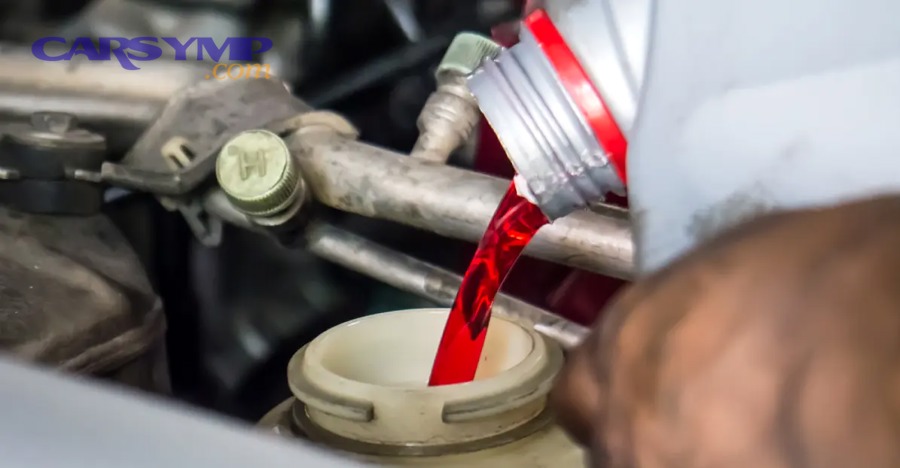
One of the most persistent sources of confusion around this topic is terminology. The terms “fluid exchange,” “fluid change,” and “transmission flush” are frequently used interchangeably at shops and in online forums — but they describe meaningfully different services. A fluid exchange is most accurately synonymous with a flush (complete machine-driven replacement), while a fluid change typically refers to a drain and fill. Before authorizing any transmission fluid change service, confirming exactly which procedure the shop intends to perform prevents misunderstandings and potential damage.
How Does a Transmission Flush Work?
A transmission flush works by connecting a commercial flushing machine or pump inlet to the transmission’s cooler lines, then simultaneously pumping out old fluid while introducing new fluid — cycling through the entire system until nearly 100% of the old ATF has been replaced.
Here is what the process involves step by step:
- Connection: The flush machine is connected in-line with the transmission cooler lines, usually at the return line running from the cooler back to the transmission.
- Simultaneous exchange: As new fluid is pumped in, old fluid is pushed out into the machine’s collection reservoir — maintaining fluid level in the pan throughout the process.
- Complete system coverage: Because the machine circulates fluid through the cooler lines and torque converter circuit, virtually all transmission fluid — including the portion locked in the torque converter — is replaced.
- Filter replacement: Depending on the shop and the vehicle’s design, a filter may or may not be replaced during a flush. This varies widely and should be confirmed in advance.
- Time required: A proper transmission flush typically takes between 3 and 4 hours to complete.
The thoroughness of a flush is its primary advantage. However, that same thoroughness — specifically the pressure and volume of fluid movement — is what creates risk in transmissions that already have accumulated sludge or varnish deposits lining their internal passages.
How Does a Transmission Drain and Fill Work?
A drain and fill works by removing the transmission pan or drain plug to release old fluid by gravity, then cleaning the pan, replacing the filter if applicable, and refilling the system with fresh ATF — without the use of any specialized machine.
The step-by-step process is straightforward:
- Drain: The drain plug is removed, or the transmission pan is unbolted. Fluid drains by gravity into a catch pan below the vehicle.
- Inspection: With the pan removed, a technician or DIYer can visually inspect the pan floor for metallic debris, clutch material, or other signs of internal wear. The magnetic drain plug or pan magnet is cleaned of metal particles.
- Filter service: If the vehicle has a serviceable transmission filter, it is replaced at this stage. A new gasket is installed before the pan is reattached.
- Refill: Fresh ATF is added to the correct level, matching the volume that was drained.
- Fluid volume replaced: Because the torque converter and cooler lines retain fluid throughout this process, only 30 to 50% of the total ATF volume is replaced in a single drain and fill.
- Time required: The entire service takes approximately 30 minutes.
The drain and fill’s biggest practical advantage — beyond cost and simplicity — is that pan removal provides a window into the transmission’s condition. The debris pattern on the pan magnet tells an experienced technician a great deal about internal wear that no flush procedure can replicate.
Which Is Better for Your Transmission — Flush or Drain and Fill?
A drain and fill is better for most vehicles undergoing routine maintenance, while a flush is better suited for high-mileage or fluid-neglected transmissions — but the right answer depends on your vehicle’s specific condition, mileage, and service history rather than a single universal rule.
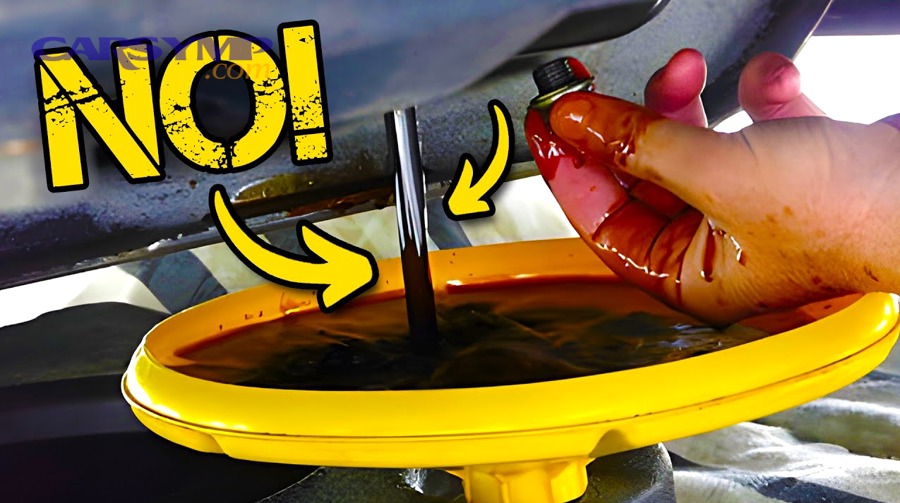
However, this comparison only becomes actionable when broken down by the specific scenarios where each method clearly outperforms the other. Let’s explore those scenarios directly.
Is a Transmission Flush Better Than a Drain and Fill for High-Mileage Vehicles?
No — a transmission flush is not automatically better for high-mileage vehicles, and in many cases it carries significant risk. For vehicles that have accumulated miles without consistent fluid service, a flush can dislodge varnish deposits and sludge that have built up along internal passages, pushing that debris into the valve body and potentially triggering shifting failures or transmission damage.
Specifically, the risk profile for a flush increases substantially under the following conditions:
- Over 60,000–100,000 miles without prior ATF service
- No record of filter replacement
- Existing symptoms of transmission wear (slipping, delayed engagement, unusual noise)
- ATF that is dark brown, black, or has a burnt smell — indicating severely degraded fluid
In these cases, the aggressive fluid movement of a flush acts like a power wash inside a system that relied on those deposits for sealing worn components. Most transmission specialists and enthusiast communities — including long-running discussions on BobIsTheOilGuy and Toyota and Honda owner forums — consistently warn against flushing transmissions in this condition. The recommended approach for high-mileage neglected transmissions is a conservative single drain and fill first, followed by reassessment of the fluid before any further service.
That said, for a high-mileage vehicle that has been consistently serviced with regular drain-and-fill intervals, a flush is not inherently dangerous — the transmission has not had the opportunity to accumulate the kind of debris that creates risk.
Is a Drain and Fill Enough for Regular Transmission Maintenance?
Yes — a drain and fill is entirely sufficient for regular transmission maintenance on vehicles with a consistent service history, and it is the method most explicitly recommended by major OEMs including Honda, Toyota, and Hyundai for standard maintenance schedules.
The key reasons a drain and fill holds up as the standard maintenance choice are:
- OEM alignment: Honda’s service documentation, Toyota’s owner manuals, and Hyundai’s service guidelines for most models specify drain-and-fill procedures — not machine flushing — as the approved fluid replacement method.
- Lower disruption: Because the drain and fill does not force fluid through the system under pressure, it avoids any risk of dislodging accumulated material in a transmission that is otherwise functioning normally.
- Pan inspection benefit: Dropping the pan provides diagnostic value that a flush does not — the condition of the magnetic drain plug and the floor of the pan reveals the rate of internal wear.
- Cost-effective frequency: At $80–$150 per service, a drain and fill is affordable enough to perform at the recommended 30,000–50,000-mile intervals, which is critical because consistent frequency matters more than the volume of fluid replaced in any single service.
The practical implication is this: a transmission that receives a drain and fill every 30,000 to 40,000 miles will always contain a high proportion of clean, fresh fluid — because each service dilutes and partially replaces what remains, creating a rolling improvement in fluid quality over time.
What Are the Pros and Cons of a Transmission Flush vs. Drain and Fill?
A transmission flush wins in complete fluid replacement and deep cleaning effectiveness, while a drain and fill is best for routine maintenance cost, safety, and OEM compatibility — and the choice between them depends on which of those factors matters most for your vehicle right now.
The following table summarizes the key differences across the most important decision criteria to help you evaluate both options side by side:
| Criterion | Transmission Flush | Drain and Fill |
|---|---|---|
| Fluid volume replaced | ~95–100% | 30–50% |
| Includes torque converter | Yes | No |
| Equipment required | Flush machine (shop only) | Basic tools (DIY-friendly) |
| Average cost | $150–$400 | $80–$150 |
| Time required | 3–4 hours | ~30 minutes |
| Filter replacement | Optional / varies by shop | Standard when pan is dropped |
| Pan inspection | No | Yes |
| Risk for neglected transmissions | High (debris dislodgement) | Low |
| OEM recommended | Rarely | Commonly |
| Best for | High-mileage, towing, neglected ATF | Routine maintenance, newer vehicles |
Beyond the data points above, the pan inspection advantage of a drain and fill is often underweighted. Finding heavy metallic debris during a drain and fill can alert you to an impending failure — a piece of diagnostic information you simply do not get from a flush.
When Should You Choose a Transmission Flush Over a Drain and Fill?
There are 4 primary situations where a transmission flush is the more appropriate choice: severe fluid degradation visible in the ATF color or smell, a documented history of missed service intervals, heavy-duty use including towing, and a vehicle that is being prepared for extended continued use despite high mileage.
Understanding these scenarios more specifically helps you avoid both under-servicing a transmission that needs deeper intervention and over-servicing one that does not.
What Are the Signs That Your Transmission Needs a Flush Instead of a Drain and Fill?
There are 5 key signs that point toward a flush rather than a standard drain and fill: severely darkened ATF, a burnt odor from the fluid, active shifting symptoms, extended mileage without service, and heavy-duty driving demands.
More specifically, each of these indicators signals a level of contamination or thermal degradation that a partial fluid replacement is unlikely to adequately address:
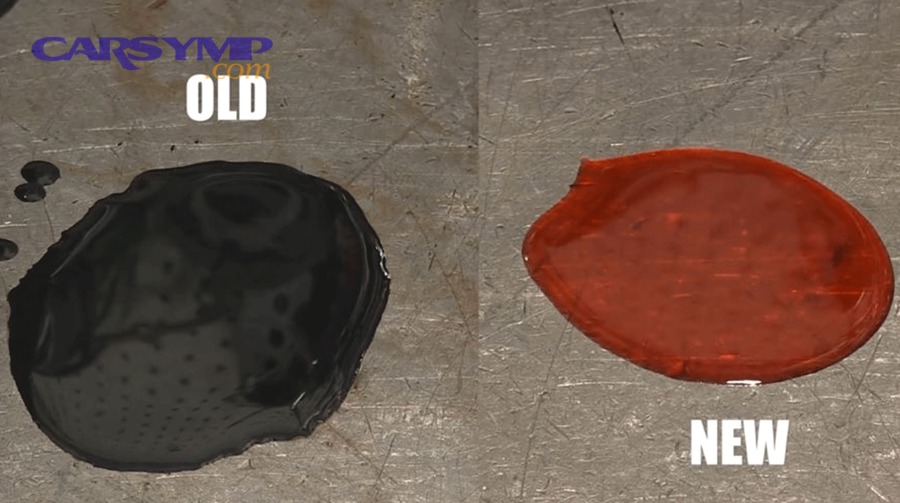
- Dark brown or black ATF: Healthy transmission fluid is translucent and cherry red or light pink. Brown fluid indicates oxidation; black fluid indicates severe thermal breakdown and varnish formation. A drain and fill that replaces only 40% of this fluid leaves a majority of the contamination in place.
- Burnt smell: A burnt odor indicates that the ATF has been overheated and has broken down chemically. Continuing to run the transmission on even partially degraded fluid accelerates wear on clutch packs, bearings, and gear surfaces.
- Slipping gears or delayed engagement: These are symptoms of a transmission already struggling — often due to varnished valve body passages or depleted friction modifier additives in the ATF. A complete fluid replacement may help restore hydraulic response.
- No service record in 60,000+ miles: If the vehicle has never had a transmission fluid change or has a gap of more than 60,000 miles between services, a single drain and fill may not provide enough fresh fluid to meaningfully dilute the accumulated contamination.
- Towing or severe use history: Vehicles used regularly for towing, hauling, or repeated stop-and-go driving generate more heat in the transmission, accelerating fluid breakdown. These applications benefit from more complete fluid renewal.
Note: Even when these signs are present, a conservative first step — a single drain and fill to assess what comes out — is often advisable before committing to a full flush on an unknown transmission.
How Often Should You Do a Drain and Fill vs. a Flush?
A drain and fill should be performed every 30,000 to 50,000 miles as part of standard transmission maintenance, while a transmission flush is typically a corrective or infrequent service rather than a routine interval-based procedure.
The maintenance frequency question is where many drivers get confused — because shops often present flushes as a superior routine replacement for drain-and-fill services. That framing, while commercially convenient, does not align with OEM guidance for most vehicles.
A smarter and increasingly popular alternative to a single flush is performing 3 to 4 sequential drain-and-fills over short intervals. Here is why this approach works:
- The first drain and fill removes 40–50% of the old fluid. Running the vehicle for a few hundred miles allows the new and old fluid to mix fully.
- The second drain and fill removes 40–50% of the already-diluted mixture, effectively replacing 65–70% of the original degraded fluid.
- By the third or fourth drain and fill, the effective total fluid renewal approaches 85–90% — comparable to a flush in terms of volume replaced.
- This method achieves near-complete fluid renewal without the pressure-driven agitation that makes a single flush risky for older transmissions.
This multi-stage drain-and-fill approach is widely endorsed in transmission specialist communities as the safest way to renew severely degraded ATF in vehicles where a flush is considered risky. Always defer to the vehicle manufacturer’s owner manual for the official recommended service interval, as this varies meaningfully by make, model, driving conditions, and whether the vehicle is used under normal or severe duty classifications.
How Much Does a Transmission Flush Cost Compared to a Drain and Fill?
A transmission flush costs significantly more than a drain and fill — typically $150 to $400 versus $80 to $150 — due to the specialized equipment, higher fluid volume, and additional labor involved in a complete flush service.
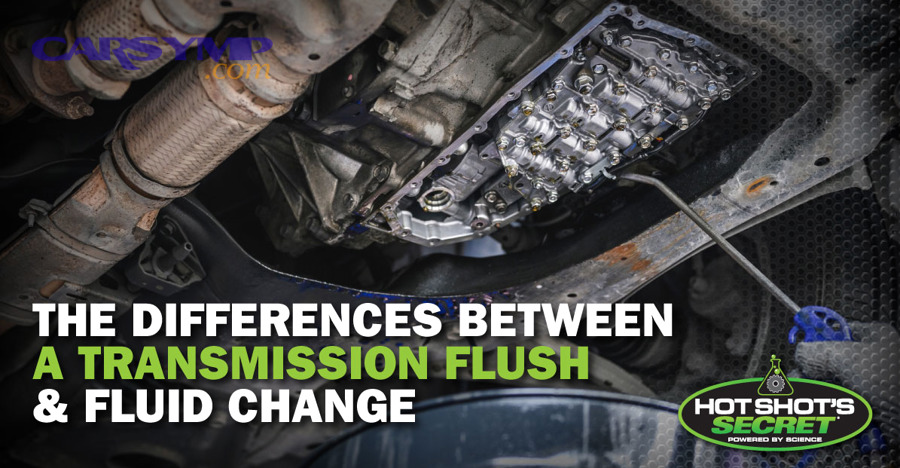
This cost difference becomes more meaningful when evaluated in the context of service frequency. Because a drain and fill should be performed every 30,000 to 50,000 miles as part of regular transmission maintenance, the cumulative cost of consistent drain-and-fill services is still far less than a single flush combined with irregular servicing.
The following table illustrates the cost landscape across service types so you can compare the financial impact of each option over time:
| Service Type | Typical Cost Range | DIY Feasibility | Fluid Volume Used |
|---|---|---|---|
| Drain and fill (shop) | $80–$150 | Yes | 4–6 quarts |
| Transmission flush (shop) | $150–$400 | No | 10–14 quarts |
| DIY drain and fill | $25–$60 (fluid + filter) | Yes | 4–6 quarts |
| Multi-stage drain and fill (3x) | $240–$450 total | Yes | 12–18 quarts total |
This cost breakdown puts each option in context: a three-stage DIY drain-and-fill series costs less than a professional flush while delivering comparable fluid renewal. For car owners who are budget-conscious or mechanically inclined, the multi-stage drain-and-fill approach offers the best balance of cost, safety, and effectiveness.
The most important cost perspective, however, is relative: a transmission replacement or rebuild costs between $1,500 and $4,000 or more depending on the vehicle. Against that benchmark, even the higher cost of a professional flush is a fraction of the expense of ignoring transmission service entirely. Consistent maintenance — regardless of which method — is always the most cost-effective long-term strategy.
Are There Situations Where Neither a Standard Flush Nor a Drain and Fill Is the Right Choice?
Yes — there are specific vehicle types and high-mileage scenarios where neither a standard flush nor a conventional drain and fill is the ideal approach, and these edge cases require more tailored service protocols to avoid transmission damage.
These situations sit at the boundaries of the standard comparison and are where the most costly mistakes tend to occur — particularly for CVT owners, drivers with sealed transmissions, and those dealing with severely neglected high-mileage vehicles. Post-service shifting behavior and adaptation is also an important factor in these edge cases, as some transmissions require a relearn period after fluid changes that standard service guides do not address.
Can You Flush a CVT Transmission the Same Way as an Automatic?
No — a CVT transmission cannot and should not be flushed the same way as a conventional automatic transmission. CVT fluid service differences are significant: CVT fluid is a chemically distinct formulation engineered for the variator belt or chain system, and using the wrong fluid type or applying the pressure-driven flush method can damage the CVT’s most sensitive internal components.
Here is what makes CVT fluid service categorically different:
- Fluid specificity: CVT fluid (such as Honda HCF-2, Nissan NS-3, or Toyota TC) is not interchangeable with standard ATF. Each formulation is optimized for the friction requirements of that manufacturer’s belt-and-pulley or chain-and-pulley system. Using a flush machine that introduces generic ATF rather than the correct CVT fluid can cause immediate and irreversible damage.
- Pressure sensitivity: The variator belt and pulley system in a CVT operates under precise hydraulic pressure. The aggressive fluid movement of a machine flush can disrupt the calibrated pressure balance in ways that a drain and fill does not.
- OEM guidance: Honda, Nissan (Xtronic CVT), and Toyota (e-CVT and traditional CVT) all specify drain-and-fill procedures in their service documentation — not pressure flushing. Confirming OEM-approved procedures before any CVT fluid service is not optional; it is essential.
- Sealed system complications: Many CVTs are partially or fully sealed, meaning there is no dipstick and fluid level is set through a specific thermostatic drain procedure. A standard flush machine cannot accommodate this protocol correctly.
For CVT owners, the correct approach is always a manufacturer-specified drain and fill using the exact OEM-approved fluid, performed at the recommended interval — typically every 30,000 to 60,000 miles depending on the manufacturer and driving conditions.
Is Doing Multiple Drain and Fills Better Than a Single Transmission Flush?
Yes — performing 3 to 4 sequential drain-and-fills over short intervals is often better than a single transmission flush, particularly for vehicles where a flush carries dislodgement risk, because it achieves near-equivalent total fluid renewal without the pressure-driven agitation of a machine flush.
This approach works because of simple dilution math:
- First drain and fill: Removes approximately 40–50% of the degraded ATF volume. New fluid mixes with the remaining old fluid.
- Second drain and fill (after 200–500 miles): Removes 40–50% of the already-diluted mixture. Cumulative renewal reaches approximately 65–70% of the original volume.
- Third drain and fill: Pushes cumulative renewal to approximately 80–85%.
- Fourth drain and fill (if needed): Achieves 88–92% fluid renewal — effectively equivalent to a machine flush in terms of volume, but accomplished entirely through gravity drain and gravity refill.
The transmission specialist community has long favored this method for vehicles with uncertain service histories. Post-service shifting behavior and adaptation following a multi-stage service is also generally smoother than after a single flush, because the gradual fluid transition avoids the sudden shift in fluid chemistry that a complete flush produces.
Does a Transmission Flush Void Your Warranty?
Yes — a transmission flush can void your warranty in specific circumstances, particularly when the OEM service documentation specifies only a drain-and-fill procedure and a shop performs a machine flush that falls outside those manufacturer-approved guidelines.
The warranty risk is most acute in these situations:
- New or CPO vehicles under powertrain warranty: If the owner’s manual specifies a drain-and-fill procedure and a dealership or independent shop performs an unauthorized flush, any subsequent transmission failure could be attributed to that non-approved service — potentially providing grounds for a warranty claim denial.
- Sealed transmissions with thermostatic level-check procedures: Some manufacturers (including BMW and certain Hyundai and Kia models) have explicit service procedures tied to transmission temperature. A machine flush that bypasses this thermostatic protocol may not set the fluid level correctly, creating operational problems that fall outside warranty coverage.
- Franchise dealership upsells: Multiple owner community forums document cases where dealerships offer flush services that are not aligned with the service manual’s drain-and-fill specification, yet market them as the preferred service. Owners should request the specific service procedure in writing before authorizing any transmission fluid service on a vehicle under warranty.
The practical rule: always check the vehicle’s owner manual or OEM service documentation before authorizing a flush — and if the manual says drain and fill, that is the only warranty-safe option.
What Should You Do If Your Transmission Was Never Serviced at High Mileage?
If your transmission has never been serviced at high mileage, the safest approach is to perform a single cautious drain and fill first, evaluate the fluid and pan debris, and then decide on next steps — rather than immediately proceeding with a flush.
This scenario — the never-changed high-mileage dilemma — is one of the most debated topics in transmission maintenance, and for good reason:
- The risk of intervention: A transmission that has been running on the same fluid for 100,000+ miles has likely developed varnish and sludge deposits along its internal passages. These deposits, while undesirable, may actually be providing a sealing function over worn surfaces. A flush that aggressively displaces this material can trigger failures that the transmission was managing well enough to avoid before the service.
- The risk of inaction: Continuing to run severely degraded ATF leads to accelerated wear on clutch packs, overheating, and eventual failure. Complete inaction is not a sustainable strategy.
- The conservative middle path: Perform one drain and fill. Inspect what comes out. If the fluid is dark but the pan shows minimal metallic debris, proceed with a second drain and fill after a few hundred miles. Repeat until the fluid draining out approaches the color and consistency of the fresh fluid being added.
- When to leave it alone: If the transmission shows no shifting symptoms and no signs of fluid failure, and the vehicle has very high mileage (150,000+), some experienced transmission specialists recommend leaving the system undisturbed — on the principle that the risk of destabilizing a functioning system outweighs the marginal benefit of fresher fluid.
In short, high-mileage vehicles with no service history require the most careful, individualized approach of any transmission maintenance scenario. A single drain and fill with pan inspection is the universally agreed-upon safe starting point — and the data from that first service should drive every subsequent decision.