


ABS bleeding procedure after repair is a step-by-step way to purge air from the hydraulic system so the pedal is firm and the ABS modulator can meter pressure correctly under hard braking.
To make an ABS brake bleed reliable, you also need to choose the right method (pedal, pressure, vacuum, or scan-tool) based on what was opened during the repair—calipers, hoses, master cylinder, or the hydraulic control unit.
Beyond technique, success depends on preparation: clean fluid, correct reservoir management, safe wheel order, and a verification routine that catches hidden air before you drive.
Tiếp theo, Giới thiệu ý mới: we’ll move from “when bleeding is required” into a practical workflow you can follow, then finish with deeper ABS-specific pitfalls that appear only after certain hydraulic work.
Do you always need to bleed ABS after a repair?
No—you need to bleed only if air could have entered the hydraulic circuit, which typically happens when a line, hose, caliper, wheel cylinder, master cylinder port, or ABS modulator connection was opened; otherwise, a firm pedal and stable fluid level usually mean bleeding is unnecessary.
To make that “yes/no” decision quickly, use these three checks:
- Hydraulic opening check: If you disconnected a brake line or allowed a caliper to hang with the hose stressed, assume air entered and plan to bleed.
- Pedal feel check: A pedal that is soft, sinks slowly, or feels springy usually indicates compressible air in the system (or a leak).
- System behavior check: If ABS activates unexpectedly, traction control feels erratic, or warning lights appear after hydraulic work, you may need an automated bleed cycle to purge the modulator passages.
Bên cạnh đó, the “ABS part” matters because modern modulators contain valves and pump channels that can trap air differently than plain lines, so a normal wheel bleed may not be enough when the modulator or its lines were opened.
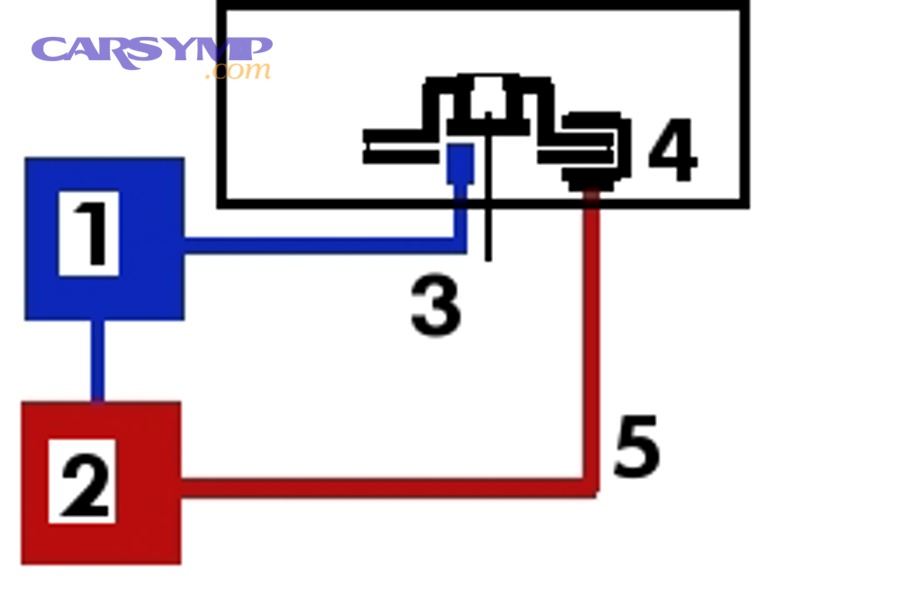
What do you need before starting an ABS brake bleed?
You need fresh brake fluid, the right bleeding tool, and a clean setup so you can push air out without pulling new air in through fittings or an empty reservoir.
Để bắt đầu, gather the essentials below:
Fluids and consumables
- Correct brake fluid spec: Use the DOT rating stated on the reservoir cap or service info; don’t mix unknown fluids.
- Enough volume: Plan extra if you are flushing—air removal goes faster when the fluid stays bubble-free.
- Catch bottle + clear hose: Clear hose lets you see bubbles, foam, and color change.
- Brake cleaner + rags: Brake fluid damages paint and attracts moisture; clean spills immediately.
Tools (choose one primary method)
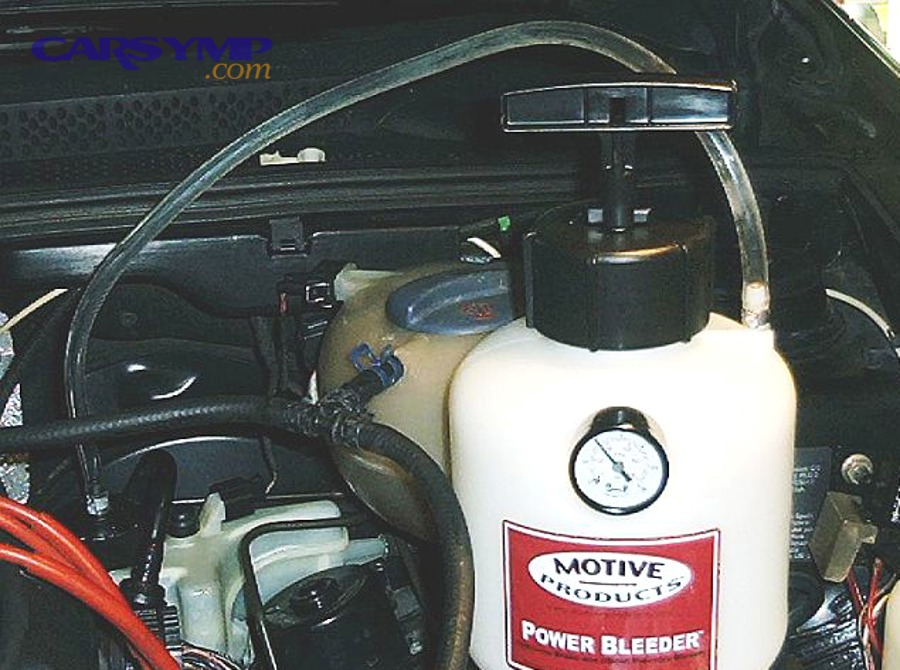
- Pressure bleeder (best for consistent flow and speed).
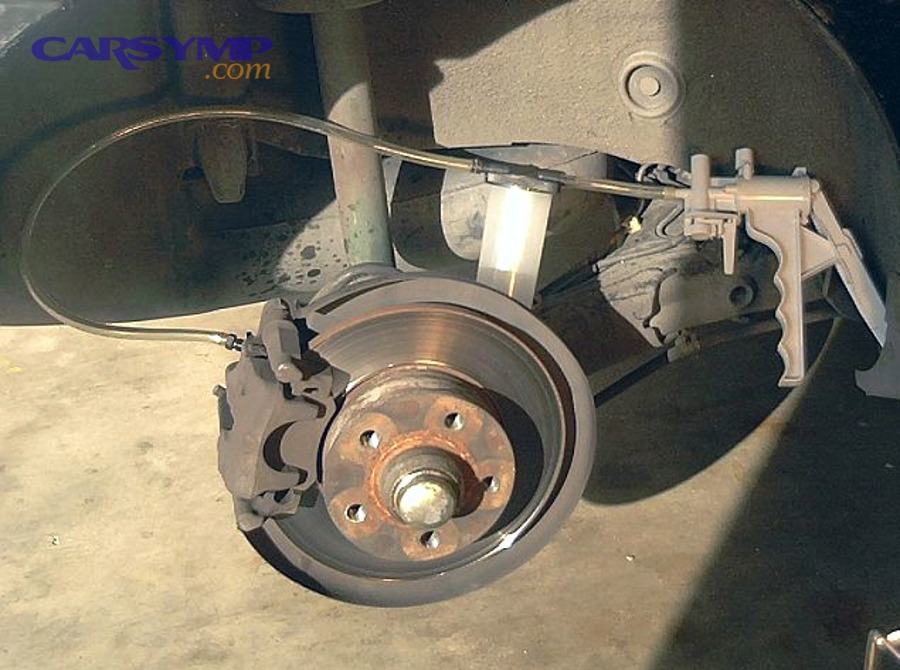
- Vacuum bleeder (useful when you can’t pump the pedal, but needs sealing discipline).
- Pedal “pump-and-hold” (works, but can be slower and easier to do incorrectly).
- Scan tool with automated bleed function (often required if the modulator was opened or replaced).
Safety and setup items
- Jack stands (never rely on a jack alone).
- Wheel chocks and gloves/eye protection.
- Wrench for bleeder screws (line wrench helps avoid rounding).
Quan trọng hơn, the common failure point is not the tool—it’s reservoir control: if the level drops and sucks air, you restart the job.
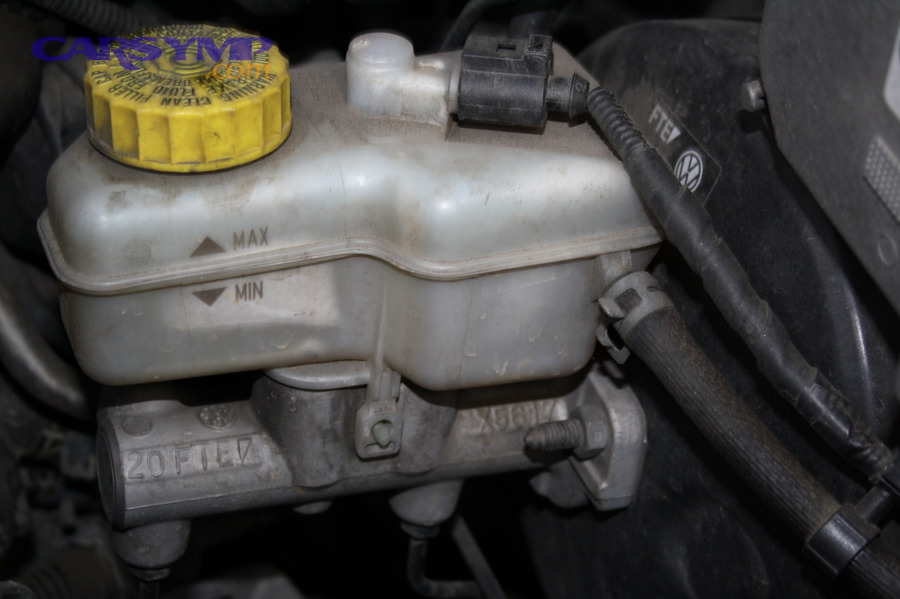
How do you prepare the master cylinder and reservoir to prevent reintroducing air?
Prepare by stabilizing the reservoir, cleaning the cap area, and ensuring the master cylinder never runs low, because a single gulp of air at the top can spread bubbles through the lines and into the ABS valve block.
Cụ thể, follow this pre-bleed routine:
- Clean first: Wipe dirt away from the reservoir cap and surrounding area so contamination can’t fall into the fluid.
- Top off correctly: Fill to the MAX line (or just below) with the correct fluid spec.
- Set a “level discipline” rule: Check and top off after every wheel, and again after any automated ABS cycle.
- Bench-bleed if the master cylinder was replaced: If you installed a new master cylinder, bench bleeding removes trapped air inside the master before it enters the vehicle lines.
Ngoài ra, if you’re using a pressure bleeder, confirm the adapter seal is perfect; leaks here can introduce aeration and create “endless bubbles” that never fully clear.
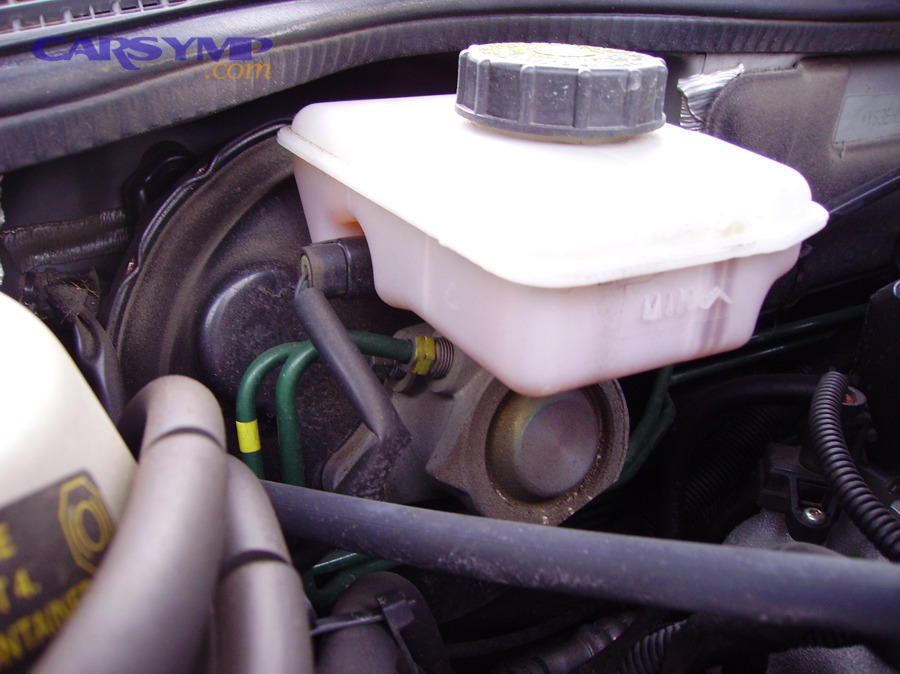
What wheel order should you use for bleeding ABS-equipped vehicles?
Use the manufacturer-recommended order; if you don’t have it, the common fallback is bleeding from the wheel farthest from the master cylinder to the closest, because it tends to push air out of the longest runs first.
Để hiểu rõ hơn, order matters because air bubbles can migrate and split in junctions, and different plumbing layouts (diagonal split, front/rear split, or multi-channel ABS) change the “farthest” logic in practice.
If you must use the general fallback, do this safely:
- Identify the split: Look for diagonal vs front/rear circuits in service info or diagrams.
- Stay consistent: Finish one wheel completely (clear fluid, no bubbles) before moving on.
- Recheck after ABS cycling: Automated bleed can move trapped air into the lines, so repeat the wheel sequence once more.
Đặc biệt, don’t assume “one universal sequence” exists—ABS hardware and line routing vary widely, so the safest rule is to follow the vehicle-specific procedure whenever available.
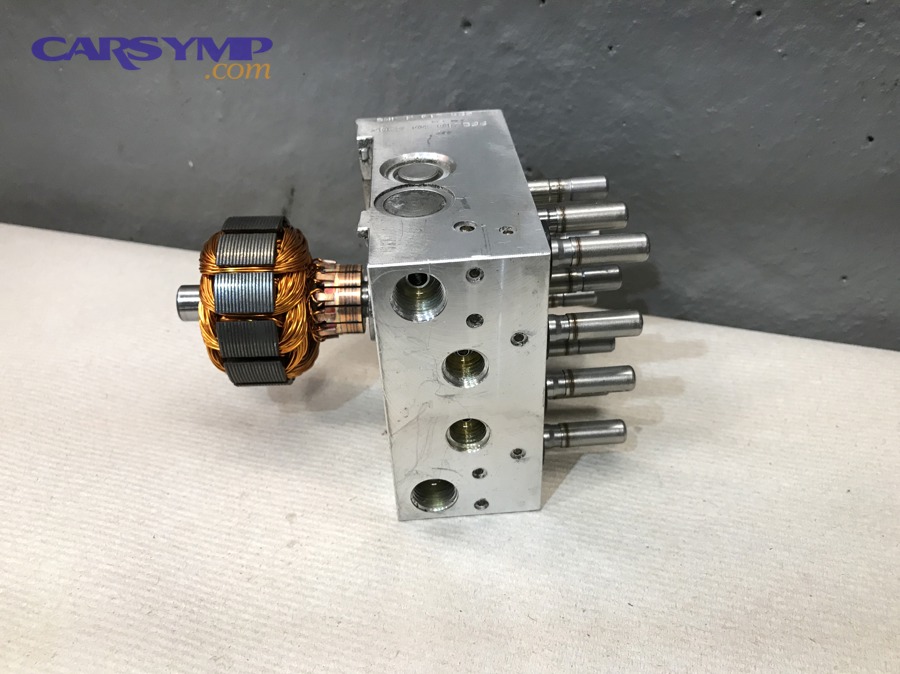
How do you perform the pedal pump-and-hold method without hurting the ABS modulator?
Use short, controlled strokes and a strict open/close rhythm so air leaves through the bleeder screw instead of being drawn back through the threads, and avoid flooring the pedal aggressively on older systems that may have corrosion in unused master-cylinder travel.
Dưới đây is a dependable pump-and-hold workflow (one wheel at a time):
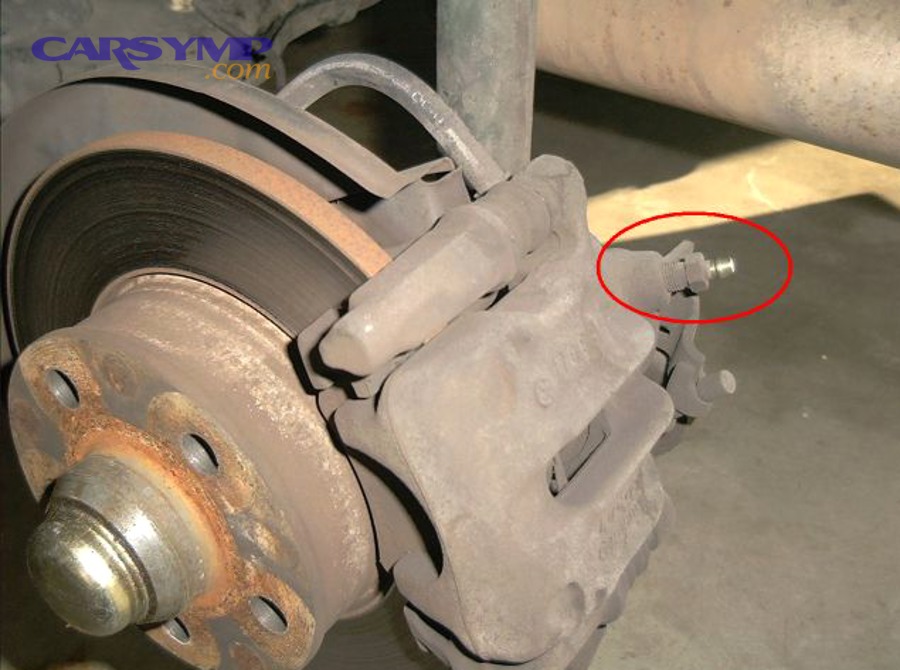
- Attach hose to the bleeder and place the other end in a catch bottle partially filled with clean fluid (prevents back-suck).
- Press and hold: Helper presses the pedal smoothly and holds steady.
- Open the bleeder briefly: Crack the screw, let fluid/air flow, then close the bleeder before the pedal reaches the floor.
- Release slowly: Helper releases pedal slowly after the bleeder is closed.
- Repeat until clear: Continue until you see no bubbles and fluid runs clean.
- Top off reservoir immediately before moving to the next wheel.
Tuy nhiên, if the pedal never firms up after multiple cycles, don’t keep pumping forever—switch to pressure bleeding or run an automated ABS routine, because some modulators trap air that pedal bleeding won’t dislodge.
Pressure vs vacuum bleeding: which is better for ABS systems?
Pressure bleeding is usually faster and more consistent, while vacuum bleeding is convenient but more sensitive to small leaks and thread seepage that can mimic bubbles; both can work well if your connections are airtight and the reservoir is managed carefully.
Để minh họa the differences, this table helps you pick the method that matches your repair scenario and tool access.
This table compares pressure vs vacuum vs pedal methods for ABS bleeding after common repairs, so you can select the approach that clears air with the least rework.
| Method | Best use | Main advantage | Common pitfall |
|---|---|---|---|
| Pressure bleeding | Full flush, multi-wheel air removal, consistent flow | Stable flow; less pedal pumping | Adapter leaks can aerate fluid |
| Vacuum bleeding | Single-person bleeding; quick caliper work | Easy setup at the wheel | Air can sneak past threads and look like “system bubbles” |
| Pedal pump-and-hold | No special tools available | Works on many basic cases | Timing errors pull air back; can be slow |
Hơn nữa, many DIYers get better results combining methods: pressure bleed to move bulk air out, then a short pedal bleed for final firmness, then an ABS automated cycle if required by the vehicle.
How do you run an automated ABS bleed procedure after repair?
Run an automated routine by using a scan tool to command the ABS pump and valves, then re-bleeding the wheels, because the cycling moves trapped air from inside the modulator into the brake lines where it can finally be purged.
Để bắt đầu, understand what the automated routine is doing: it opens and closes isolation/dump valves and runs the pump motor, which is hard to replicate reliably with pedal pumping alone on many modern vehicles.
Typical automated bleed flow (vehicle-specific steps vary)
- Bleed all four wheels first using pressure/vacuum/pedal until bubbles are minimal.
- Connect scan tool and select the ABS “Automated Bleed” or “Service Bleed” function.
- Follow prompts exactly (some procedures require key-on engine-off; some require pedal holds).
- Cycle completes (you may hear the pump and feel pedal movement).
- Bleed wheels again in the recommended order to remove air pushed out of the modulator.
- Recheck pedal feel and fluid level; repeat only if the procedure and symptoms indicate it.
Cụ thể hơn, one example service procedure instructs technicians to bleed the base brakes, then use a scan tool to run an automated ABS bleed that includes pedal-hold prompts and repeated cycles, followed by another wheel bleed.
Watch a practical walkthrough
Quan trọng hơn, if your scan tool can’t access the ABS bleed function for your make/model, you may need a more capable tool or OEM-level software—guessing here can leave air trapped in the HCU even when the wheels look clear.
How do you verify a successful bleed and perform a safe road test?
Verify success by confirming a firm pedal, stable fluid level, and leak-free fittings, then performing a controlled road test that checks normal braking first and ABS activation only in a safe, legal environment.
Sau đây is a verification checklist that catches most “it felt fine in the garage” failures:
Static checks (engine off, then engine on)
- Pedal firmness (engine off): The pedal should get firm after a few presses and hold without sinking.
- Boosted feel (engine on): The pedal may drop slightly when the booster assists, but should still feel solid—not spongy.
- Reservoir stability: Fluid should stay between MIN and MAX after the test presses.
- Leak inspection: Check bleeder screws, banjo bolts, flare fittings, and ABS line unions for wetness.
Controlled road test sequence
- Low-speed stops: 5–15 mph gentle stops to confirm straight braking and pedal consistency.
- Moderate stops: 25–35 mph medium stops to confirm no pull, no fade, and predictable response.
- ABS activation (only if safe): On a closed course or suitable low-traction surface, trigger ABS once to confirm normal pulsing behavior.
Tóm lại, the road test is not about “how hard can I brake,” but about consistency: if the pedal changes after a few stops, air may still be migrating from the modulator or a small leak may be pulling air back in.
Why is the pedal still spongy after bleeding?
A spongy pedal usually means remaining air, fluid aeration, flexible hardware, or a sealing problem; the fix is to identify which category you’re in, then apply the matching correction instead of repeating the same bleed endlessly.
Dưới đây are the most common causes after an ABS-related bleed:
1) Air trapped in the ABS modulator
If the ABS hydraulic unit or its lines were opened, base bleeding may not clear internal channels; run the scan-tool automated cycle, then bleed again.
2) Micro-bubbles from loose fittings or bleeder threads
Vacuum bleeding can pull air around threads and look like “continuous bubbles”; switch to pressure bleeding or apply thread-seal discipline while keeping the bleeder seat clean.
3) Reservoir ran low at some point
Even a momentary drop can inject air into the master cylinder and re-seed bubbles downstream, so log your top-offs and restart with a stable supply if unsure.
4) Caliper orientation or hardware issues
If a caliper is mounted incorrectly or swapped side-to-side, the bleeder may not be at the high point, trapping air permanently; confirm bleeder position and slide hardware integrity.
5) Hidden leaks or hose expansion
A tiny seep can pull air back in between drives, and a deteriorated hose can expand under pressure, both mimicking “air” symptoms—inspect and correct before re-bleeding.
Như vậy, the fastest path is a structured diagnostic: confirm no leaks, use pressure bleeding, run automated ABS bleeding if applicable, then re-check firmness after a short drive.
Contextual border: Up to this point, you’ve followed a practical bleeding workflow; next we’ll zoom in on the rare ABS-specific issues that appear only after deeper hydraulic work, contamination, or heat-related fluid breakdown.
Beyond bleeding: what rare ABS-specific issues show up after hydraulic work?
Rare issues usually involve air trapped in internal passages, valve behavior, contamination, or degraded fluid performance, and they can masquerade as “bad bleeding” even when wheel circuits look perfect.
Air pockets inside HCU channels that only appear after cycling
After an ABS repair where the hydraulic control unit was disturbed, air can remain in pockets until the pump/valves cycle; that’s why a scan-tool routine followed by a second wheel bleed often succeeds when repeated manual bleeding does not.
Valve sticking or contamination that mimics trapped air
Dirty fluid, moisture, or debris can affect valve response and create inconsistent pedal feel; the practical fix is often a full flush with correct fluid and a careful re-bleed rather than aggressive repeated pedal pumping.
The chemistry matters because many automotive brake fluids are hygroscopic; for example, a technical study on the hydrophilic nature of brake fluid discusses how water absorption changes fluid behavior, which is one reason routine flushing is recommended in many maintenance schedules.
What to expect after an ABS pump replacement overview
In an ABS pump replacement overview scenario, plan for more than a simple wheel bleed: you often need base bleeding, an automated cycle, then another wheel bleed, plus careful checks for line sealing and correct torque at the HCU ports.
Heat, moisture, and “soft pedal after a few stops” behavior
If the pedal feels fine initially but softens after repeated braking, fluid condition can be a factor; a transportation report on brake fluid noted that vehicles can have lowered boiling performance when fluid is compromised, which can contribute to fade-like symptoms under heat.
In an ABS repair cost estimate conversation, it’s worth separating “parts cost” from “hydraulic labor”: the time is often driven by bleeding complexity (especially scan-tool cycling and re-bleeding), not just component installation.
FAQs about ABS bleeding procedure after repair
These FAQs answer quick, high-frequency questions so you can avoid common mistakes and decide when to escalate to scan-tool cycling or professional service.
Can I do an ABS brake bleed without a scan tool?
Yes for many simple repairs (like a single caliper swap) if the ABS modulator wasn’t opened, but if air entered the HCU or the procedure requires automated cycling, a scan tool (or OEM procedure) is often necessary for a fully firm pedal.
Is pressure bleeding safer than pumping the pedal?
Pressure bleeding is often safer and more consistent because it avoids rapid pedal strokes and maintains steady flow, but it still requires a perfect reservoir adapter seal and careful fluid-level discipline.
How long should I bleed each wheel?
Bleed until you see no bubbles and the fluid stream is clear and consistent; time varies widely, so rely on visual confirmation and pedal feel rather than a fixed minute count.
What if the ABS light turns on after bleeding?
First check fluid level and connector seating near the HCU and wheel sensors, then scan for codes; some vehicles log faults if the key was cycled during low fluid or if electrical connectors were disturbed during the repair.
Should I reuse old brake fluid if it looks clean?
No—use fresh, sealed fluid because brake fluid absorbs moisture over time, and contamination can reduce performance and complicate bleeding stability.