


If you’re searching for A/C condenser labor time, the practical answer is: most straightforward jobs land in a few hours, but packaging, rust, and extra steps can stretch it. This guide explains what a realistic clock looks like from pull-in to cold air again, so you can plan your day and your budget without guessing.
To make the estimate usable, we’ll break down the job into the same chunks a shop does—front-end access, refrigerant handling, parts transfer, and validation. That lets you predict whether you’re in the “quick swap” lane or the “half-day” lane before anyone touches a bolt.
We’ll also cover what commonly inflates time—hidden fasteners, stacked radiators, sensor brackets, and leak-check procedures—so you can recognize when a quote is reasonable and when it needs clarification.
Giới thiệu ý mới: below you’ll see time ranges, the variables that move them, and a simple way to sanity-check an estimate using your vehicle’s layout and the steps the technician must complete.
How long is typical A/C condenser labor time on most cars?
Most jobs fall into about 1.5–3.0 hours of hands-on work when the condenser is easy to access and no extra front-end teardown is required; however, some vehicles push past that when the bumper reinforcement, active grille shutters, or stacked cooling modules complicate removal. To begin, treat “labor time” as the technician’s clock for removal, installation, and required A/C service steps—not the time your car is physically in the bay.
Next, separate the timeline into three chunks: (1) gaining access (bumper cover, splash shields, undertrays), (2) condenser R&R (disconnect lines, remove mounts, swap seals), and (3) system service (evacuate/vacuum, leak check, and recharge). That breakdown is the fastest way to see why two vehicles that “both have a condenser up front” can differ by hours.
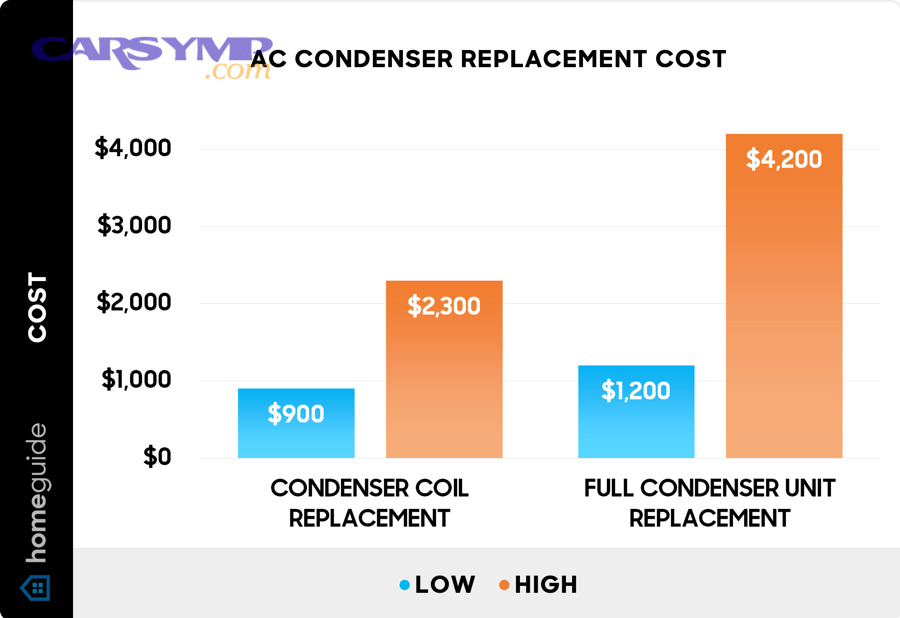
According to a RepairPal estimator update in October 2025, labor costs for a condenser job are commonly quoted in the $272–$400 range, implying a multi-hour procedure once shop rates and required A/C service steps are factored into the estimate.
Why “book time” and real-world time are not always identical
Book time is a standardized guide number, while real-world time reflects corrosion, prior repairs, missing fasteners, and how tightly the front clip is packaged. For example, a car that needs only an upper radiator support loosening can move quickly, while a model that requires bumper cover removal, headlamp loosening, and sensor calibration checks can slow the process.
To understand the gap, look for “stacked work” tasks: removing the grille shutter assembly, unbolting the bumper beam, dropping the radiator/condenser pack, or transferring brackets and air guides. After that, add the non-negotiables—vacuum time and leak verification—because those are procedural steps, not optional minutes.
Where the clock usually goes first
On most modern cars, the first time sink is access: undertrays, plastic clips, and bumper cover fasteners. After that, line connections can be slow if fittings are seized or if the vehicle uses tight clearances around the receiver/drier area. Finally, the evacuation and recharge process adds a predictable block of time that can’t be skipped if you want reliable cooling.
To keep expectations realistic, plan for scheduling overhead too: shops often queue A/C work behind other jobs, so your “labor time” can be three hours even if your vehicle is at the shop for half a day.
What adds minutes—or full hours—to the labor time estimate?
The biggest drivers are access complexity, corrosion, and required verification steps like vacuum holds and dye or electronic leak checks. After that, “add-on” tasks—replacing seals, transferring brackets, repairing bent fins, or addressing contaminated refrigerant—can widen the window quickly. To understand why, you need to see the condenser as part of a front-end system, not an isolated part.
Next, think in categories: items that slow removal, items that slow installation, and items that slow validation. That mindset helps you ask better questions when you get a quote—because you’re asking about the driver of time, not only the number.
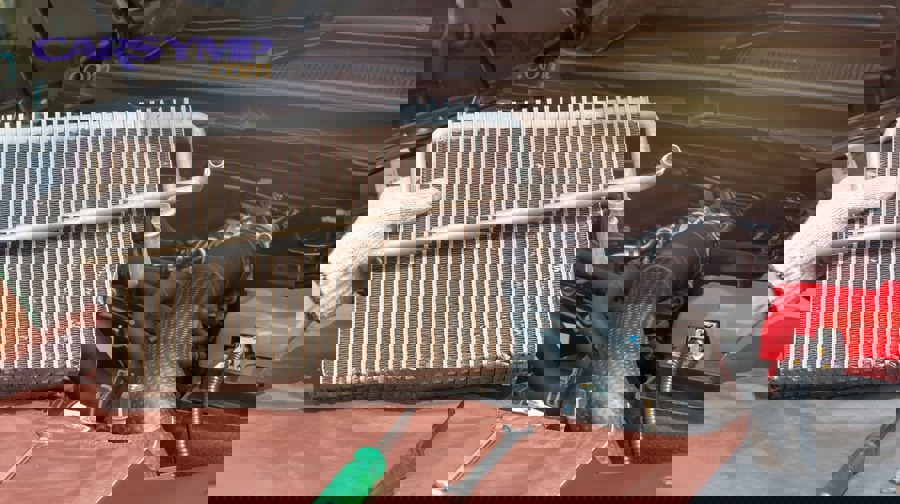
According to research by the General Motors–IIT Kharagpur Collaborative Research Laboratory published in International Journal of Heat and Mass Transfer in July 2016, airflow maldistribution and blockage in front of automotive heat exchangers can reduce thermal performance of compact heat exchangers by up to about 10% in typical cases—one reason technicians spend time restoring airflow paths and inspecting surrounding components when a condenser is serviced.
Access and packaging: bumper-off vs. “top access” designs
Some vehicles let you remove the condenser with minimal front-end disassembly, while others require bumper cover removal, grille removal, and even headlamp loosening. This is the single most common reason labor time varies by model.
To estimate your case, look at the condenser’s location: if it’s tightly sandwiched between the radiator and front reinforcement, expect extra time for careful separation, alignment, and reassembly without damaging fins or adjacent lines.
Corrosion, road salt, and seized fasteners
Rust doesn’t just slow bolts—it increases the odds of broken clips, stripped fasteners, and damaged line fittings. That can turn a clean disconnect into a slow, careful extraction and re-sealing job.
Next, consider line fittings: if the A/C line joint is stubborn, a technician may need heat management, special wrenches, or additional time to avoid rounding the fitting—because replacing a damaged line can cost far more than the time saved by forcing it.
Hidden “while you’re there” work that changes the clock
This is where quotes diverge. Some jobs include only the condenser R&R, while others bundle: new O-rings, receiver/drier service if integrated, a deeper leak diagnosis, and a longer vacuum hold. If you’re reading about AC condenser leak symptoms, that usually means a shop will spend extra time verifying the leak source before and after the swap—especially if prior recharge attempts were made.
In addition, if the shop notes Debris and road damage causes—like rock strikes, bent fins, or blocked airflow—expect extra minutes for cleaning, straightening, and ensuring the fan shroud and air guides are intact. Those steps don’t sound dramatic, but they protect cooling performance and reduce comebacks.
How can you estimate labor time from your vehicle’s layout before you book?
You can estimate time by checking front-end removal complexity, cooling stack design, and line access. A simple rule: if the bumper cover must come off and the condenser is buried behind active shutters or multiple brackets, you’re likely in the longer range. To begin, use visible clues—undertray size, grille shutter presence, and sensor density—because those correlate strongly with disassembly time.
Next, translate those clues into steps: every extra layer (shutters, sensors, braces) adds both removal time and reassembly verification time. That is why two “similar size” cars can have very different labor ranges even with the same part type.
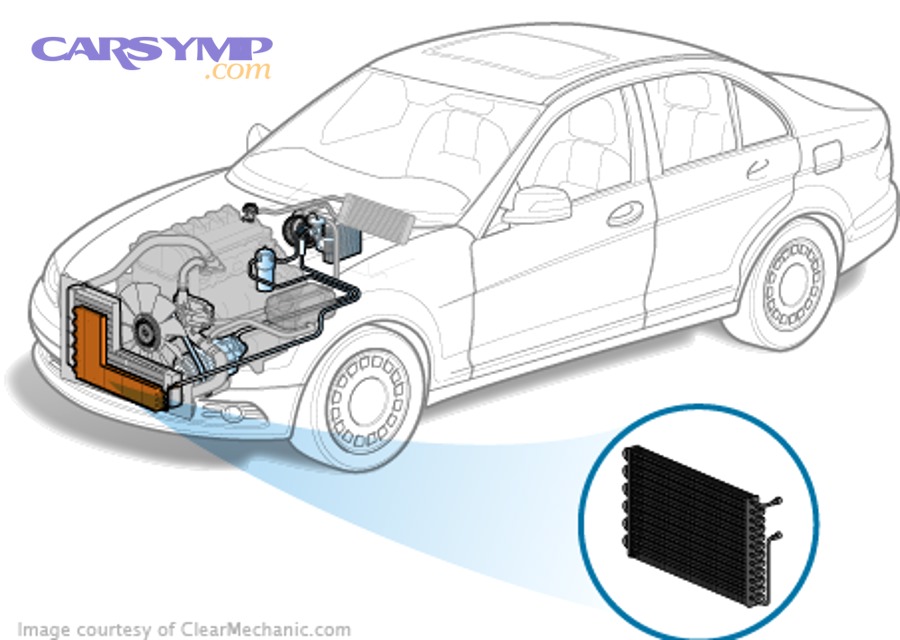
According to an automotive expert estimate published on JustAnswer in April 2025, condenser replacement commonly runs about 1.5 to 3 hours plus A/C service steps, with variation driven by access and the need to evacuate and recharge properly.
Quick self-check: five questions that predict your labor bracket
- Do you have active grille shutters or lots of ADAS sensors in the grille area?
- Is the condenser sandwiched tightly between radiator and fan module, or does it slide out?
- Are the A/C line fittings visible and reachable, or hidden behind brackets?
- Is the vehicle from a rust-belt area with likely seized fasteners?
- Is the job bundled with diagnosis (confirming the leak) and post-repair verification?
If you answer “yes” to two or more, plan for the longer end of the range and ask the shop what is included: leak diagnosis, vacuum duration, and recharge accuracy.
What “extra time” usually means in a professional quote
Extra time often includes: carefully transferring rubber isolators and brackets, replacing O-rings, cleaning mating surfaces, inspecting for line chafing, and verifying fan operation. It can also include the technician’s time to set up recovery equipment and confirm the system holds vacuum.
To keep the estimate honest, ask for a step-based explanation: “Is bumper removal included?” “How long is the planned vacuum?” “Is leak checking included or billed separately?” Those are concrete drivers, not vague add-ons.
What does the shop workflow look like from pull-in to cold air again?
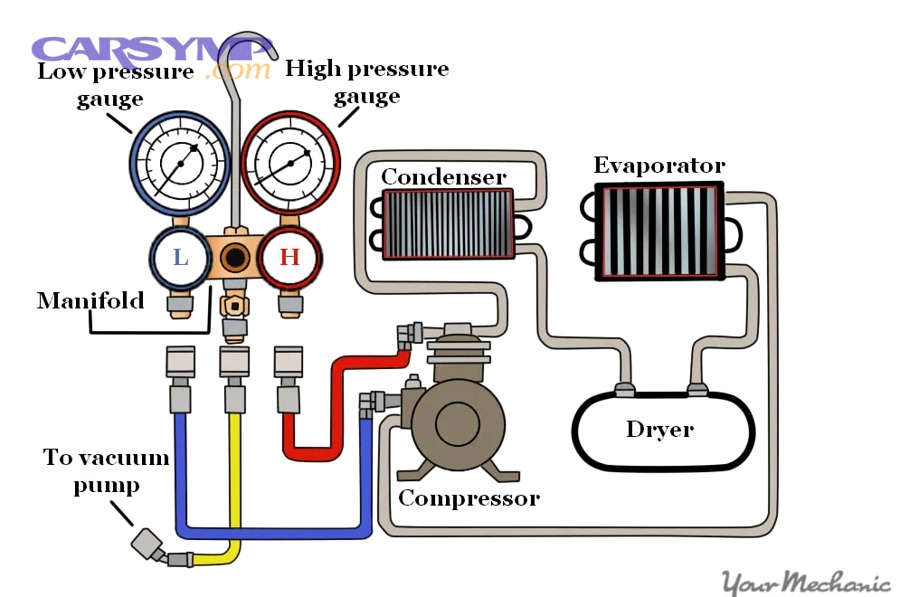
A standard workflow is: recover refrigerant → disassemble front access → remove and install condenser → replace seals and torque fittings → evacuate/vacuum → leak check → recharge by weight → verify pressures and vent temperature. To begin, notice that several steps are procedural and cannot be rushed if you want reliable cooling and low risk of moisture contamination.
Next, understand that the evacuation/vacuum segment is often the most misunderstood “invisible time.” Even if bolts are done quickly, the system service steps still take a predictable block of minutes because they’re about moisture removal and verification, not turning wrenches.
According to guidance from the U.S. Environmental Protection Agency (Motor Vehicle Air Conditioning program) updated in October 2025, technicians servicing vehicle A/C systems for compensation must be properly trained and certified—one reason professional workflows include formal recovery and recharge procedures instead of quick vent-and-fill shortcuts.
Step-by-step: where accuracy matters more than speed
Recover/reclaim: A professional recovery step protects the environment and prevents air from entering the system during component removal. It also creates a clean starting point for a leak-tight reassembly.
Seal integrity: New O-rings must match material and size, be lightly lubricated appropriately, and be seated without twisting. Rushing here can create slow leaks that only appear days later.
Recharge by weight: Correct refrigerant mass is essential; too little reduces cooling, and too much can elevate pressures. This is why “it blew cold for a day” stories often trace back to inaccurate recharge or unresolved leaks.
Where the “AC condenser replacement” phrase fits in real service language
In estimates and invoices, you’ll often see the exact phrase AC condenser replacement used as the line item, with separate sub-lines for recovery, evacuation, recharge, and sometimes leak testing. The important detail is whether those sub-lines are included or billed separately, because that is where labor time can legitimately grow.
To avoid surprises, ask for a breakdown: “Condenser R&R time,” “A/C service time,” and “diagnosis/leak-check time.” The same total can be fair or inflated depending on what’s actually included.
Is it safe to drive while waiting—and when is the situation urgent?
Sometimes yes, sometimes no: you can often drive with a non-functional A/C condenser if the issue is only loss of cooling, but it is not safe to ignore if the condenser is physically damaged, leaking oil/refrigerant, or restricting airflow to the radiator. To begin, treat any visible oily residue, hissing, or sudden loss of cooling after a front-end impact as a reason to reduce driving and schedule service promptly.
Next, understand why urgency isn’t just about cabin comfort. A damaged condenser can sit directly in the airflow path to the radiator; if it’s crushed or packed with debris, the engine cooling system can struggle, especially in heat and traffic. That’s when “A/C only” becomes a broader reliability risk.
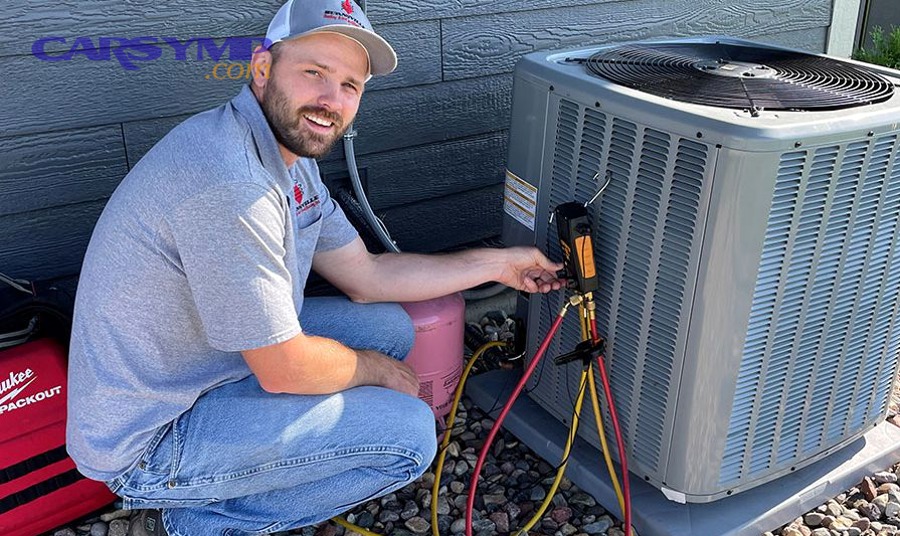
According to the U.S. EPA technician certification requirements updated in December 2025, proper handling of refrigerants is regulated and technicians must meet certification requirements for relevant equipment categories—an important reminder that leaking refrigerant is not a “drive it until later” scenario you should casually ignore.
Three signs you should treat it as urgent
- Visible oily film on the condenser face or around line connections (often indicates refrigerant oil leakage).
- Front-end damage (rock strike, minor collision) paired with immediate A/C performance loss.
- Engine temperature creeping in traffic, especially if the condenser is bent and blocking airflow.
After that, if you notice overheating, stop and address the cooling airflow issue first. A/C repairs are not worth an engine overheating event.
When it’s usually “okay to schedule” instead of “stop now”
If the only symptom is weak cooling with no visible damage, no odors, and stable engine temperature, you can often schedule the repair. Still, confirm the system isn’t leaking heavily—because refrigerant loss can be fast once a leak opens up, and the compressor’s lubrication depends on refrigerant oil circulation.
In addition, if your quote includes a deeper diagnosis step, it’s because A/C symptoms can overlap; a good shop verifies the root cause before replacing parts.
How do shops quote labor time—and how can you sanity-check an estimate?
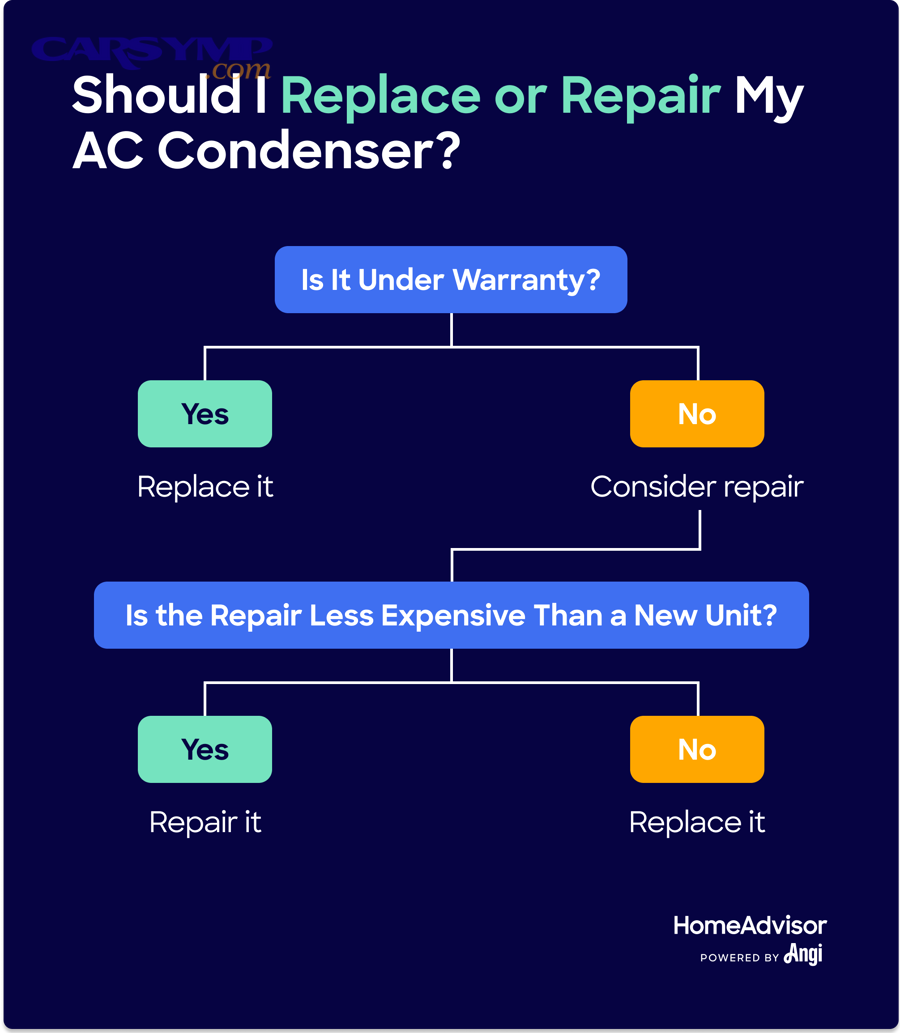
Shops quote labor using a blend of labor guides, experience, and what’s included (diagnosis, recovery, vacuum hold, recharge, leak test). To begin, your best sanity-check is to compare the quote against the step list: if the shop is including full A/C service and leak verification, a longer estimate can be justified; if they’re quoting long time without describing steps, ask for clarity.
Next, anchor the quote to your vehicle’s “access tier.” If your condenser is bumper-off and packed with sensors, you should expect more time than a simple top-access layout. That logic is more reliable than comparing your quote to a different model’s forum post.
According to RepairPal estimator data updated in October 2025, the average total price range for this repair can cluster around the high hundreds of dollars depending on vehicle and region, with a substantial portion attributed to labor—supporting the idea that the quote often includes multiple procedural steps beyond simply swapping the part.
This table contains common labor-time scenarios and what they usually include, helping you map a quote to the real steps being performed.
| Scenario | Typical Access Level | What’s Usually Included | Common Labor-Time Range |
|---|---|---|---|
| Simple front access | Minimal trim removal | R&R condenser, seals, evacuate, recharge | ~1.5–2.5 hours |
| Bumper-off layout | Moderate teardown | Bumper cover/undertray removal, condenser R&R, vacuum, recharge, basic leak check | ~2.5–4.0 hours |
| High packaging complexity | Dense sensors/shutters | Front-end module handling, bracket transfers, extended verification | ~4.0+ hours |
| Corrosion and seized fittings | Rust-belt conditions | Slow disconnects, fastener repair, extra seal work, added leak validation | Varies; can add 1–2+ hours |
What to ask so you learn what you’re paying for
- “Is the quote including refrigerant recovery, vacuum, and recharge by weight?”
- “Is a leak test included after reassembly?”
- “Is bumper cover removal included, and will sensors be rechecked?”
- “Are new O-rings included at every opened joint?”
After that, compare answers with the quote line items. A transparent shop can explain time because time is tied to steps.
Where “Condenser replacement cost estimate” fits without confusing labor time
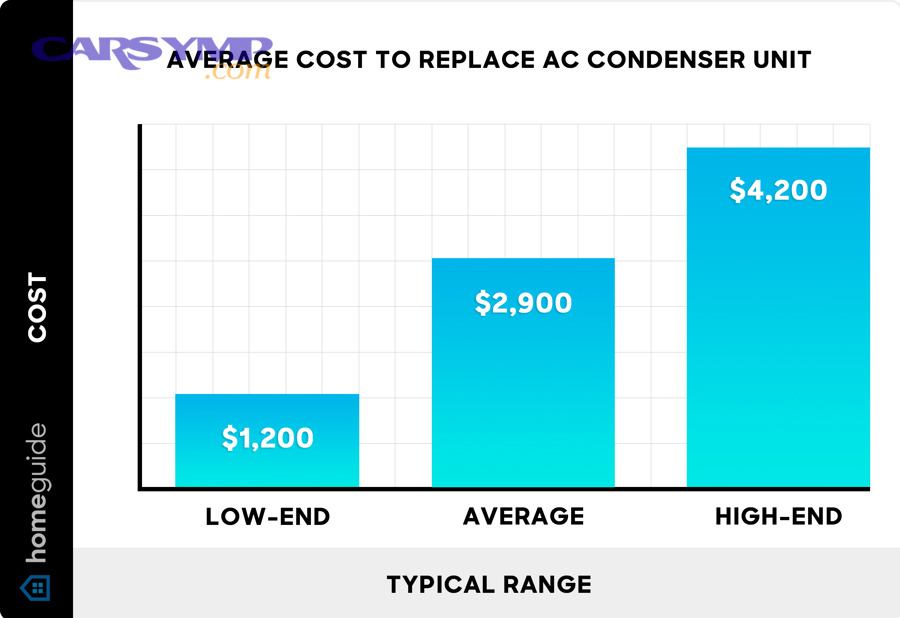
You may see the phrase Condenser replacement cost estimate when looking up averages, but cost and labor time are not identical. Cost also includes parts pricing, refrigerant type, shop rate, and warranty policy. Use cost averages only as a rough boundary; use step-based logic to judge time.
Next, remember that cost can rise even if time is stable—for example, when the vehicle uses more expensive refrigerant or requires an OE-only condenser to ensure fitment and correct mounting points.
Beyond labor time: what protects the new condenser from rework?
Beyond the clock, the real goal is durable, leak-free performance after the repair, which depends on sealing, evacuation quality, and airflow restoration. To begin, treat “done” as “verified”: a job that ends with stable pressures, good vent temps, and no leak indications is far less likely to require a comeback.
Next, think of this as the quality layer: it’s not about adding random steps—it’s about doing a few key checks that prevent the most common post-repair failures (slow leaks, moisture contamination, and poor airflow).
According to research by the General Motors–IIT Kharagpur Collaborative Research Laboratory published in July 2016, airflow maldistribution and blockage can measurably degrade heat-exchanger performance, reinforcing why post-repair airflow checks (fan operation, air guides, and fin condition) are part of doing the job correctly—not optional cosmetics.
Vacuum quality and “hold” checks reduce repeat visits
A strong vacuum removes moisture that can freeze at the expansion device and reduces corrosion risk inside the system. A vacuum hold test (where applicable) helps catch leaks before refrigerant is added, saving both time and cost later.
After that, if a shop recommends additional leak validation (electronic sniffing, dye confirmation), it’s usually because a slow leak can masquerade as “it just needs a recharge” until it fails again.
Fitment choices can change labor time indirectly
Some aftermarket condensers fit perfectly; others require small bracket tweaks, line alignment adjustments, or extra care to avoid stressing fittings. That can turn a clean install into a slow install even when the “book” time looks the same.
Next, ask the shop whether they’ve seen fitment issues on your model—because experience with your platform often matters more than generic averages.
Airflow restoration is performance restoration
Cleaning bugs and debris, straightening minor fin damage, and ensuring the fan shroud and air guides are correctly installed are simple steps that protect cooling performance. A condenser does its job only when air can move evenly through it.
After that, if the old condenser was visibly clogged or crushed, confirm the shop inspects the neighboring radiator face too—because restricted airflow often affects both components.
Post-repair validation checklist that keeps the result consistent
- Verify the system is charged to spec (by weight, not just “pressure looks fine”).
- Confirm fans cycle correctly and airflow isn’t blocked by misaligned shrouds.
- Inspect for oil residue at every opened joint after the first run cycle.
- Confirm stable vent temperature under a consistent test condition.
Tóm lại, this checklist is how you turn “installed” into “reliable.”
FAQ: common questions about A/C condenser labor time
These FAQs clarify the most common misunderstandings: what you’re paying for, why time varies, and what steps should never be skipped. To begin, remember that labor time includes both wrenching and required A/C service procedures that protect the system.
According to U.S. EPA MVAC program guidance updated in October 2025, certified servicing practices are required for paid A/C service work—supporting the idea that proper recovery and recharge steps are part of the job, not optional “extra time.”
Does labor time usually include evac and recharge?
Often yes, but not always—some quotes bundle everything, while others list condenser R&R separately from evacuation and recharge. Next, ask directly which steps are included so you can compare quotes fairly.
Why do some shops quote “half a day” when labor time is only a few hours?
Because scheduling, bay availability, and the time the machine is tied up can extend the appointment even if hands-on labor is shorter. In addition, a shop may stage the work: disassembly first, then vacuum and verification, then recharge when the technician returns.
Can I reduce labor time by supplying my own parts?
Sometimes, but it can backfire if the part has fitment issues or arrives damaged. Next, if you supply parts, confirm the shop’s warranty policy—because a shop may not warranty labor on customer-supplied components, and any rework can erase the time you saved.
What’s the fastest way to avoid paying for the same work twice?
Make sure the quote includes leak validation and correct recharge practices, and confirm new seals are installed at every opened connection. Tổng kết lại, a careful first repair is almost always cheaper than a rushed repair plus a comeback.